Snowboards
Ride Resurgence Review: A Playful Twin-Tip All-Mountain Freestyle Snowboard
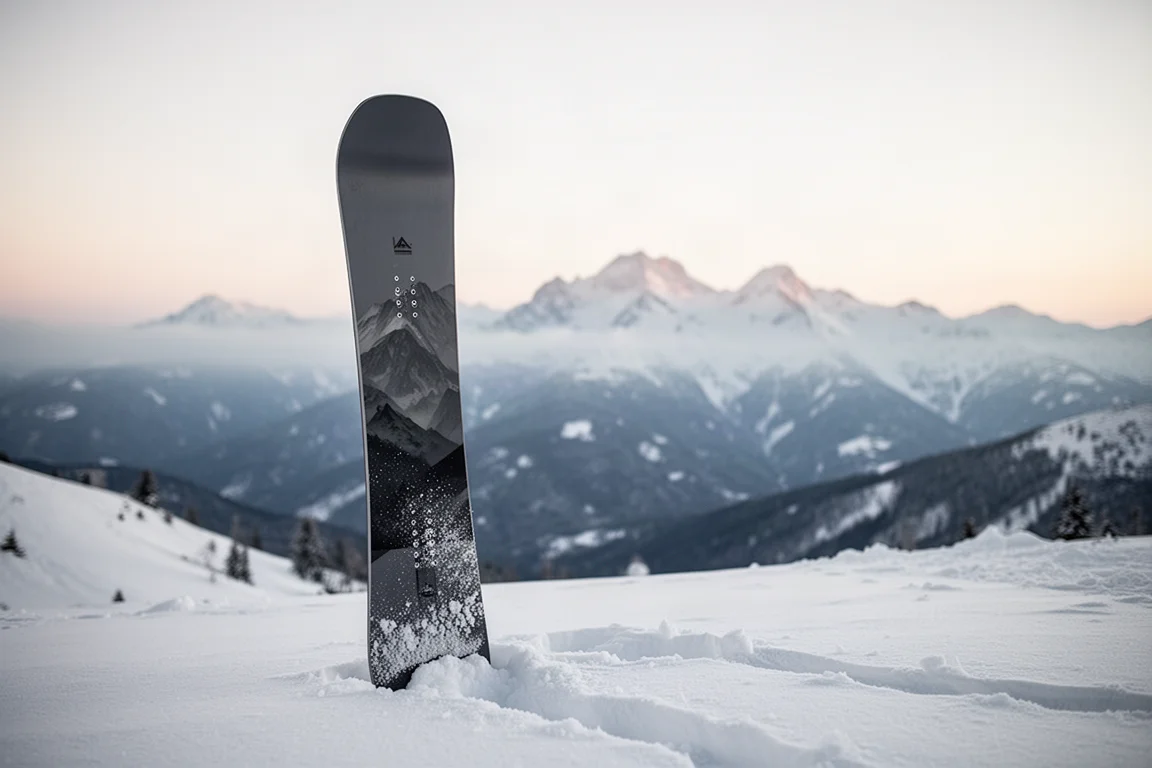
A close look at the Ride Resurgence, a twin-tip all-mountain freestyle snowboard with a firm middle flex, a rocker-forward profile, and serrated edges for grip on firm snow.
Introduction
The Ride Resurgence is a twin-tip all-mountain freestyle snowboard built for riders who want to have fun without fighting the board. It is offered in both a standard width and a wide version, so riders with larger boots can get a clean fit rather than compromising on the one size that happens to be in stock.
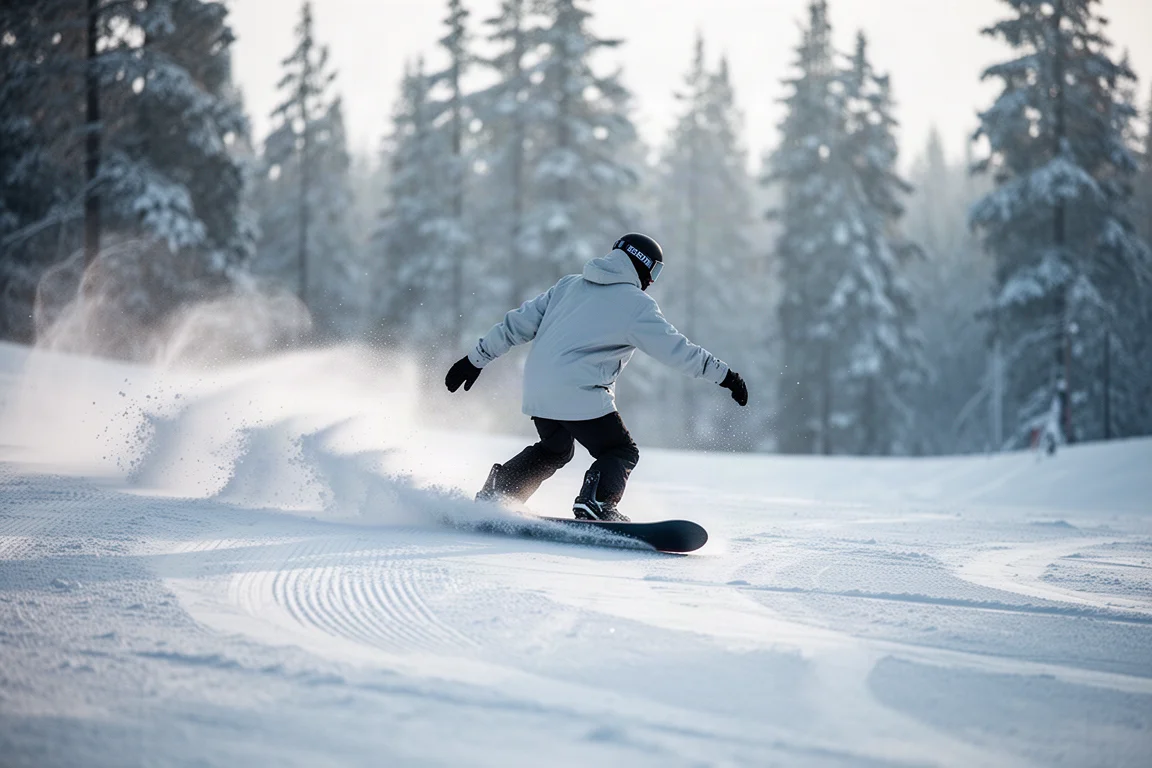
On snow, the Resurgence comes across as easy-riding and playful. It does not demand a lot of energy or a highly technical style, which makes it a comfortable pick for casual riders and for anyone who wants a board that feels loose and friendly across the whole mountain.
What makes the Resurgence worth a closer look is how Ride builds the flex and the base profile. Rather than softening the middle of the board, this one is firmer through the centre and softer from there out to the tips. The edge is also serrated, a detail that only shows up when you look closely but that changes how the board behaves on firm snow.
Who the Ride Resurgence Is For
This board is aimed squarely at the rider who wants a good time rather than a scoreboard. If you describe your typical day as cruising groomers, hunting soft snow when it is there, and playing with side hits on the way down, the Resurgence is built around that kind of riding.
It also suits riders who are still building confidence. The playful flex and the forgiving profile mean the board is willing to go where you point it, without requiring precise input or a lot of muscle. Riders who already have strong technique will still find plenty to enjoy, but the board rewards a relaxed approach rather than an aggressive one.
Where it makes less sense is for someone who wants a stiff, locked-in board for high-speed carving on hard groomers. That is a different design goal, and there are better-matched boards for it.
Main Strengths: Flex and Board Profile
Ride takes a different approach to flex here. Instead of a softer waist with stiffer sections underfoot, the Resurgence is firmer through the middle of the board and progressively softer from there out to the tips. That combination keeps the board stable between the bindings while letting the ends flex easily, which is a large part of why it feels so playful and easy to ride.
The base profile follows similar logic. Ride describes it as roughly 50 percent rocker and 50 percent camber, although the section between the stance and the contact points is closer to flat than either. The board makes contact under and between the bindings, then lifts away outside your stance. The result is a board that feels loose and forgiving when you are not on edge, and that bends into a predictable arc once you commit and roll it over.
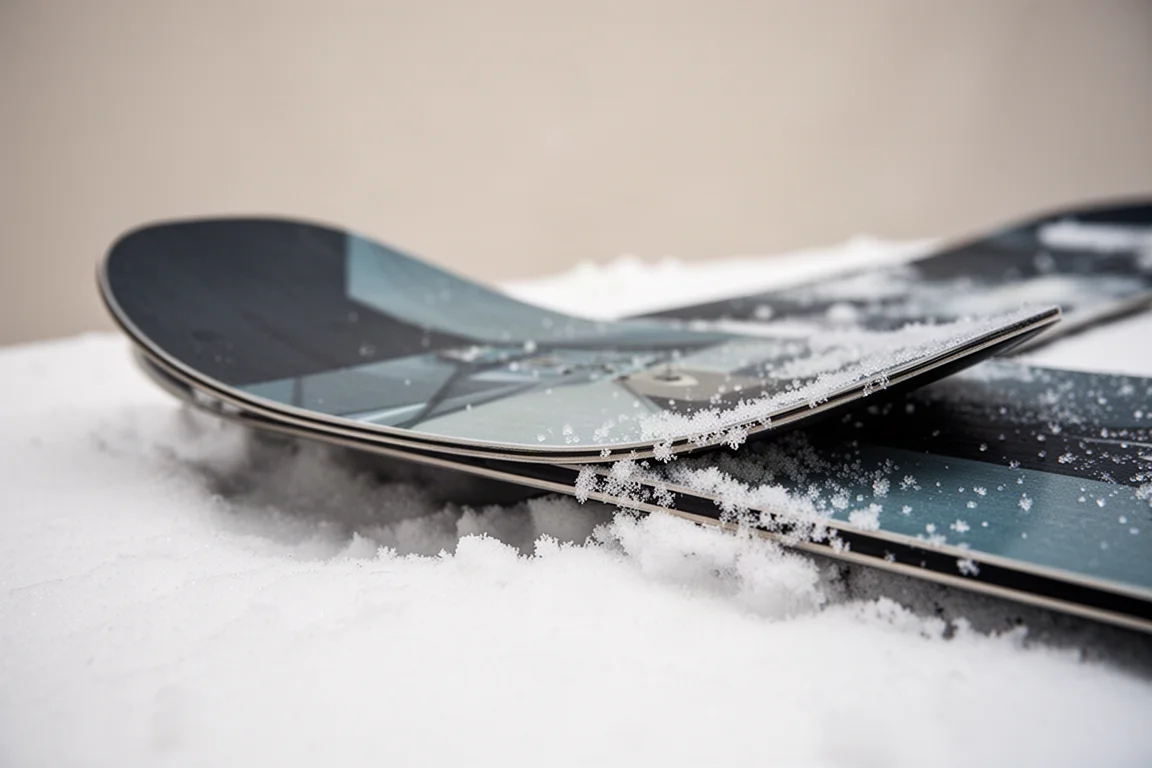
For riders stepping off a fully cambered board, the lifted sections outside the stance take some adjustment. For riders coming off a heavily rockered board, the flat zone between the contact points adds a bit of stability back into the middle of the ride.
Serrated Edges and Grip on Hard Snow
Run a finger down the edge of the Resurgence and you will notice it is not a straight line. The edge is serrated, stepping in and out along its length. That shape creates more contact points along the entire edge, and those extra points are what give the board its grip.
The difference is most obvious when the surface is unforgiving. On a hardpack day, or on the man-made snow that covers early-season runs, the serrated edge bites noticeably harder than a plain edge would. In soft, fresh snow the effect is far less pronounced, and plenty of riders will not feel it at all.
Because the board carries a lot of rocker, its edge hold comes from the way it bends and loads as you roll it onto the edge. The serrated pattern supports that, giving you more to work with when conditions are firm and you want the board to hold.
Tip Height and Soft-Snow Performance
The tip height on this board is noticeably higher than on many all-mountain boards. A taller, more lifted nose keeps the front of the board riding above the surface instead of burying it, and that geometry pays off in fresh snow.
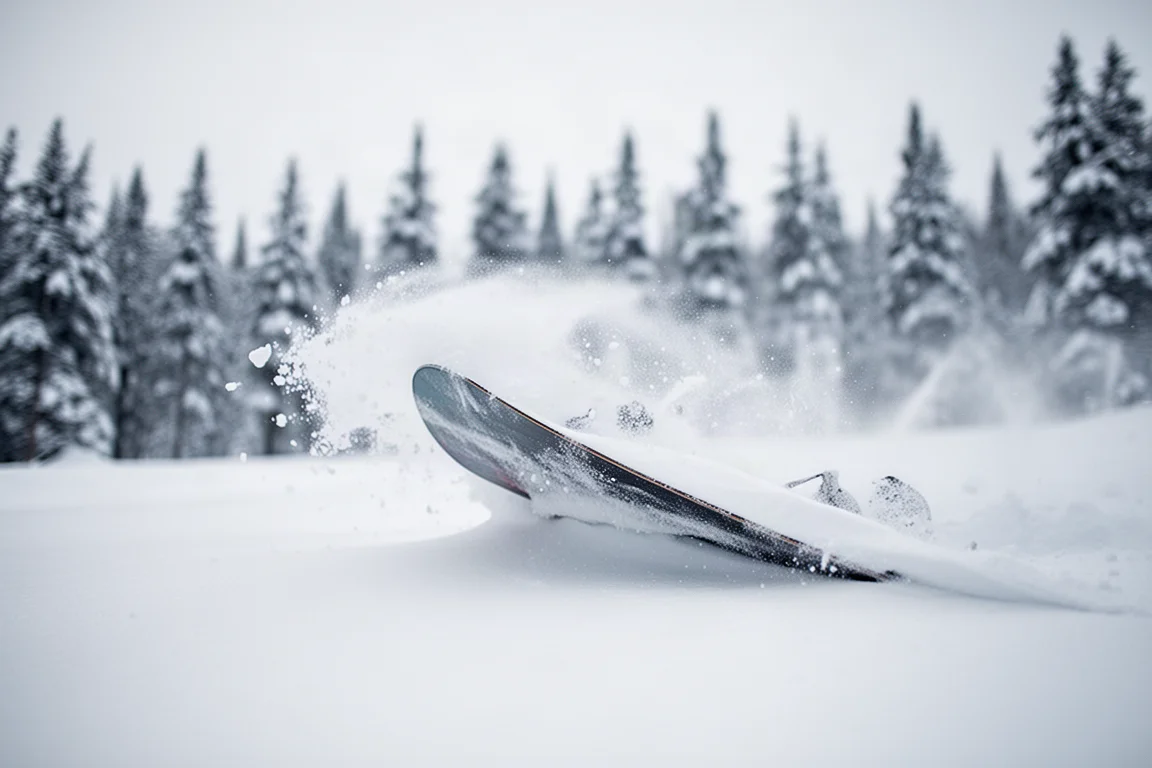
It also helps in the softer, mashed-up snow that shows up later in the day, and in tracked-out terrain where the surface is uneven and chopped. If a lot of your riding happens in soft or chewed-up conditions, a raised nose makes the board easier to keep moving and less likely to catch an edge or dive.
Things to Consider Before Buying
A few trade-offs are worth weighing before you commit.
The rocker-forward profile means less of the edge is engaged when you are riding flat. Riders who want maximum edge contact on firm groomers, or who prefer a very locked-in, aggressive feel, may want a board with more camber underfoot.
The serrated edge is a genuine benefit on hard snow, but it is a subtle one in soft conditions. If nearly all of your riding happens in fresh snow, you may not notice much difference from a standard edge.
Width is the other decision. The Resurgence comes in a standard width and a wide version, and the difference matters. A board that is too narrow for your boots will drag; too wide, and it will feel slow from edge to edge. Check the waist width against your boot size before choosing.
Finally, remember what this board is designed to do. Its focus is fun, playfulness, and easy riding rather than all-out charging. That is exactly what some riders are looking for, and exactly what others are not.
Buying Advice: Width and Fit
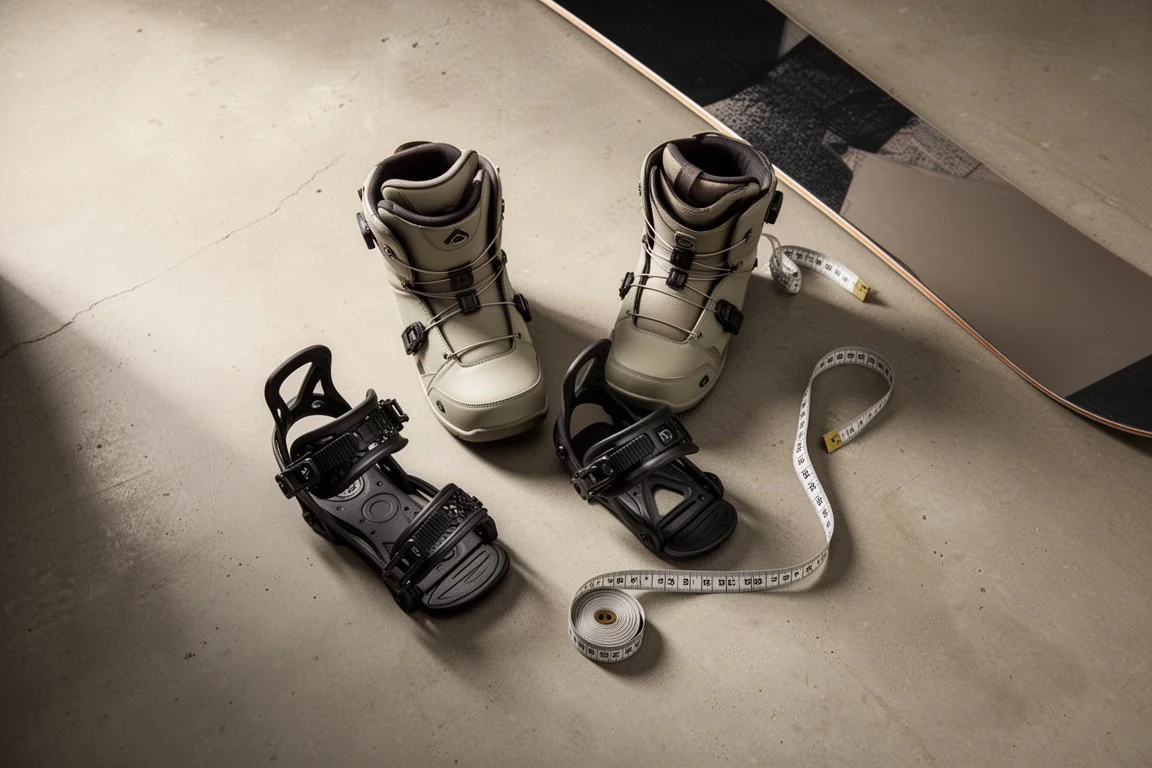
Start with width, because it is the one choice you cannot adjust later. Match the waist width to your boot size rather than to your height or weight alone, and size up to the wide version if your boots are on the larger side. Getting this right is the difference between a board that feels quick edge to edge and one that feels sluggish or catches on turns.
From there, think about how you actually ride. If your days are mostly relaxed laps with friends, soft-snow detours, and a few playful side hits, the Resurgence is a natural fit and the firm middle flex will keep it composed underfoot. If your days are mostly high-speed carving on hard groomers, look for something with more camber and a stiffer overall build.
Because the board is available in both widths and is aimed at such a broad range of riders, it is worth confirming the exact size you need before ordering. A quick check of the waist width against your boots, plus a look at your typical conditions and riding style, is usually enough to make the call confidently.
Conclusion
The Ride Resurgence is a well-finished twin-tip all-mountain freestyle snowboard with a clear personality. Its firm middle flex and softer tips make it playful and easy to ride, the rocker-forward profile keeps it loose when you are not on edge, the serrated edges add bite when the snow turns firm, and the high tip height keeps the nose up in soft or tracked-out conditions.
It is a strong match for casual riders, for anyone who wants a fun and forgiving board, and for riders who split their time between groomers and softer snow. If you want a stiff, aggressive carver instead, this is not the board for you. Choose your width carefully, and the Resurgence should do exactly what it is designed to do.
Product link
View more details for Ride Resurgence
This product is mentioned in the review. Check the specifications, options, and compatibility before buying.
View more details for Ride ResurgenceFurther reading
Related Reviews

Snowboards
32 Middle Earth Scott Stevens Pro Model Snowboard Review: A Park Board With a Reversed Flex
A medium traditional camber park board with carbon V reinforcement that is stiffer in the tips and more playful between the feet. Here is how it rides and who it suits.

Snowboards
32 Snafu Review: A Directional All-Mountain Freestyle Board with Serious Pop
The 32 Snafu pairs a directional camber-rocker profile with a stiffening tail for powerful carves, big ollies, and a surprisingly damp ride.

Snowboards
32 XXX Pat Fava Pro Snowboard Review: A Stiff Camber Beast for Hard-Charging Riders
A full-width traditional camber deck that rewards aggression with stability and edge power, but demands effort everywhere else.