Snowboards
Ride Psycho Candy Review: A Playful All-Mountain Freestyle Snowboard
A practical look at the Ride Psycho Candy, a directional flat-to-rocker snowboard built for powder-hunting all-mountain freestyle riding.
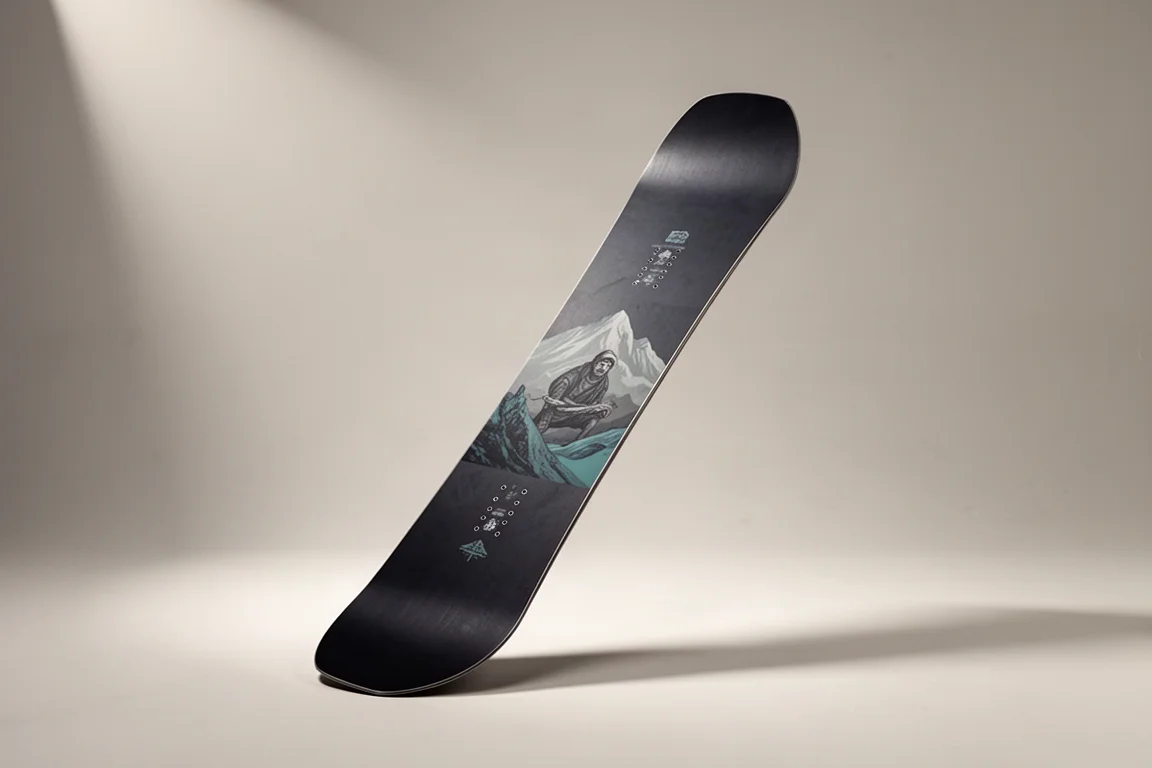
Introduction
The Ride Psycho Candy is a directional snowboard built around a flat-to-rocker profile, and it occupies a specific place in the Ride lineup: between the Warpig and the Superpig. It borrows the loose, playful character of the Warpig and blends in some of the precision and power of the Superpig, without taking on the full grip of a cambered board. The result is a board that feels at home in soft snow and still holds up when you want to pop off a side hit or press a box. This review covers who it suits, where it shines, and the few things worth knowing before you commit.
Who This Board Is For
Ride positions the Psycho Candy for the all-mountain freestyle rider who leans toward chasing powder and covering the whole mountain rather than staying in the park all day. If you like a board that stays loose underfoot, floats well in fresh snow, and still has enough backbone to load up and boost, this is the profile to look at.
Sizing matters here. The board comes in 138, 142, 146, 150, 154, and 158. The 154 and 158 are the two sizes that make it genuinely unisex, aimed at heavier riders, with the 150 working for some riders in that group as well. Riders who would once have looked at a women’s Superpig can treat this as the modern equivalent, while bigger riders should size up to get the most out of the platform.
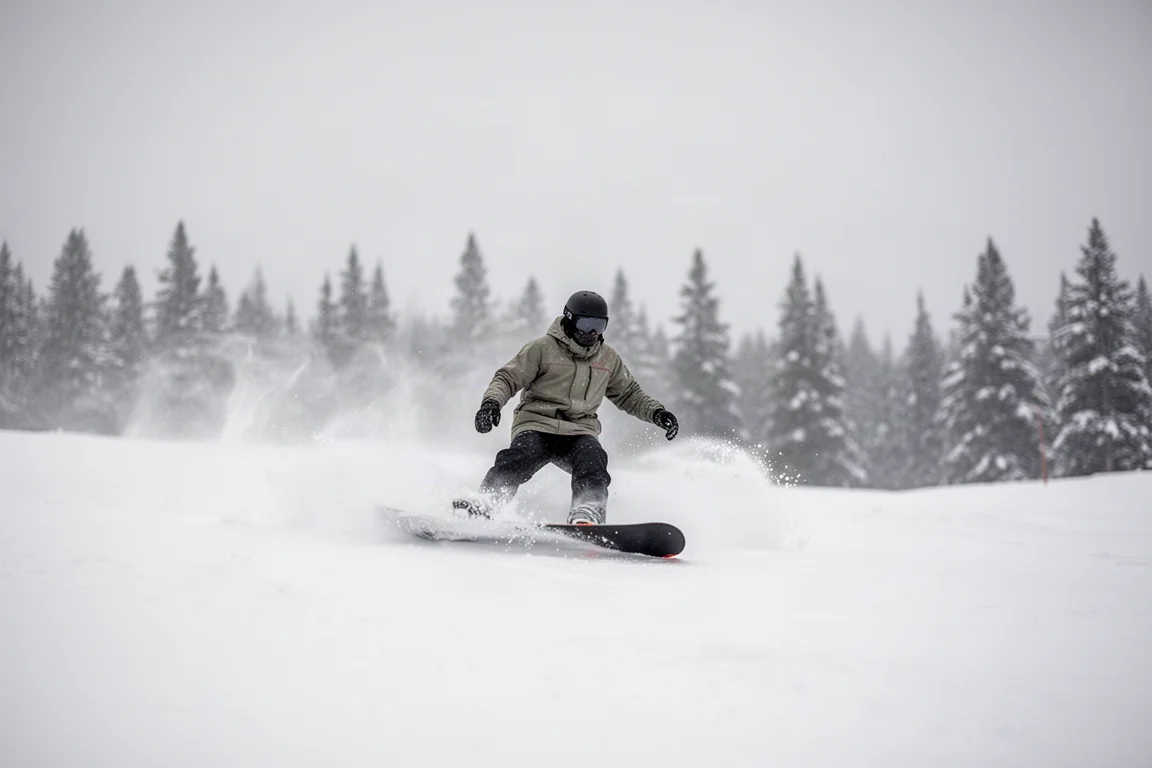
If your days are mostly groomer laps at speed, or you want a board that locks into a deep carve, the flat-to-rocker profile is a deliberate compromise and other shapes will serve you better. If your priority is soft snow, natural features, and a ride that feels lively rather than locked in, the Psycho Candy is aimed squarely at you.
Shape, Flex, and Ride Feel
The directional zero camber profile is best described as directional flat to rocker. There is more rocker in the nose, a flat section running through the inserts, and a small amount of rocker in the tail. That combination gives the board a looser, more skate-like pop and improves float in powder.
Flex is predictable and sits in the middle of the road for a directional all-mountain board. The nose is softer, and the rocker zone accentuates that softness. From there the board stiffens progressively toward the tail, and the carbon layup starts to make itself felt roughly midway back. Torsional flex is present, but there is plenty of snap and rebound, which is what keeps the board feeling energetic rather than dead.
Main Strengths
Stability is a strong point, and it comes from a combination of the board’s width, the carbon in the layup, and the overall shape. You will notice some flap in the nose, but it does not resonate sharply back under the front foot, so it stays manageable rather than distracting.
In choppy terrain the board does one of two things well: it either pushes through the chunder or skips across the top of it. It is not an overly damp ride, and it stays lively, so you will feel some texture underfoot. What you will not feel is a board that is likely to buck you around.
Powder, Chunder, and Stability
The nose rocker does the heavy lifting in soft snow, and the flat section through the inserts keeps the board predictable when conditions get cut up. On a day with hot wet powder sitting on top of groomed runs, plus leftover baked snow off the groomers and chopped chunder in between, the board handled the mixed snow without demanding much correction from the rider.
Jumps, Pop, and Side Hits
The width is a big part of why this board feels at home on jumps. Small to medium features are straightforward, and it pops off the lip with ease. The skate-style pop lets you load the tail at the last moment and still get a strong boost, and if you take a lazier approach the lip itself will still throw you with solid pop. The same rebound makes it easy to boost off side hits, cat tracks, gaps, and rollers in your path.
Very large jumps are the one place to stay aware. Because of the flat-to-rocker profile, landing a little too sharply can put you in the tail. Riders who spend most of their time on big booters should factor that in.
Jibbing, Buttering, and Pressing
The width helps with presses, and the rocker adds to it. When you get your weight outside the bindings, the board locks into generous sweet spots and holds a solid press, while still retaining enough snap to pop off the end of the feature.
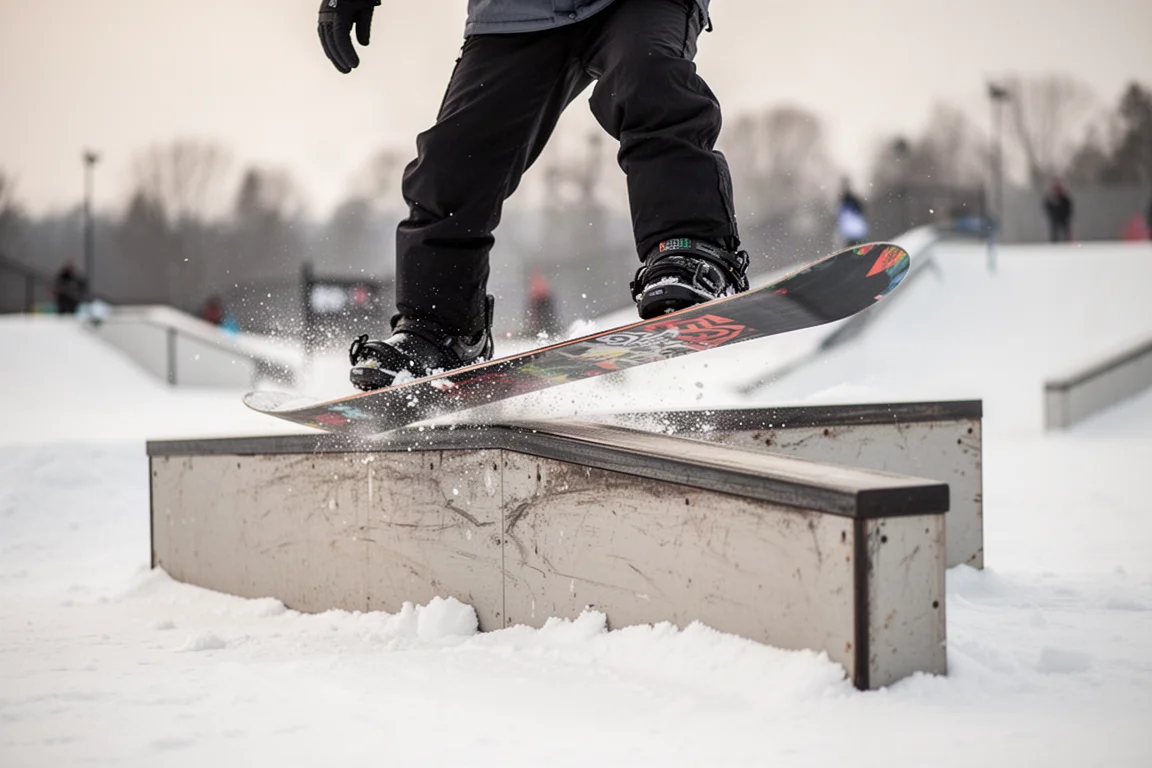
On rails and boxes the board cradles around the feature immediately, but it does not clap out, which helps it slide more smoothly.
Buttering is where the personality shows most clearly. The rocker helps you get the board sideways, but the carbon layup wants to snap back out of whatever you do. Once you are sideways in a butter, the board tends to keep spinning until you lock it back in on the flat section. Getting sideways and returning is not always automatic. The tail is also stiffer, so you have to sit outside the binding and push into it, while the nose engages more easily. Buttering is very much doable if you know what you are doing.
Carving and Edge Control
Edge-to-edge power is smooth and consistent. In the flat section you can ankle steer with very small movements and the board will follow. When you push off the back foot through the tail, you can lay it over, but you will eventually hit a wall. Where that wall sits depends on the size you ride and your weight. A hard eurocarve is possible occasionally, but the camber profile means the carve will not go as deep as a cambered board, and the tail starts to kick out a little.
Where the board excels is short, tight, quick carves, medium mellow carves, and even semi-hard carves.
Things to Consider Before Buying
The flat-to-rocker profile is the main trade-off. It gives you float, playfulness, and easy pop, but it limits how far you can push a hard carve before the board pushes back.
Buttering demands technique. The carbon layup resists being held sideways, and the stiffer tail means you need to commit weight outside the binding rather than expecting the board to fold easily.
On very large jumps, landings that come down too sharply can put you in the tail. Smaller and medium features are not a concern.
Finally, size yourself carefully. Riders at the heavier end of the range will get the most out of the 154 and 158, while lighter riders will find the shorter lengths easier to manage.
Buying Advice
The Psycho Candy was ridden at Copper Mountain in overcast, blustery conditions, with hot wet powder over groomers, leftover baked powder off the groomers, chopped chunder, and patches of corduroy. The setup paired the board with Rome Black Label bindings and K2 Thraxis boots, and the mixed snow gave a good read on how the shape behaves across terrain.
If you are cross-shopping, the Salomon Dancehaul and the Rome Stale Fish sit in a comparable part of the market. Bindings that suit this board include the Ride C-8, the Rome Katana, and the Burton Malavita, all of which match its freestyle-leaning all-mountain character.
Pop is consistent and more than ample, so you never have to think about whether the board will deliver when you load it up.
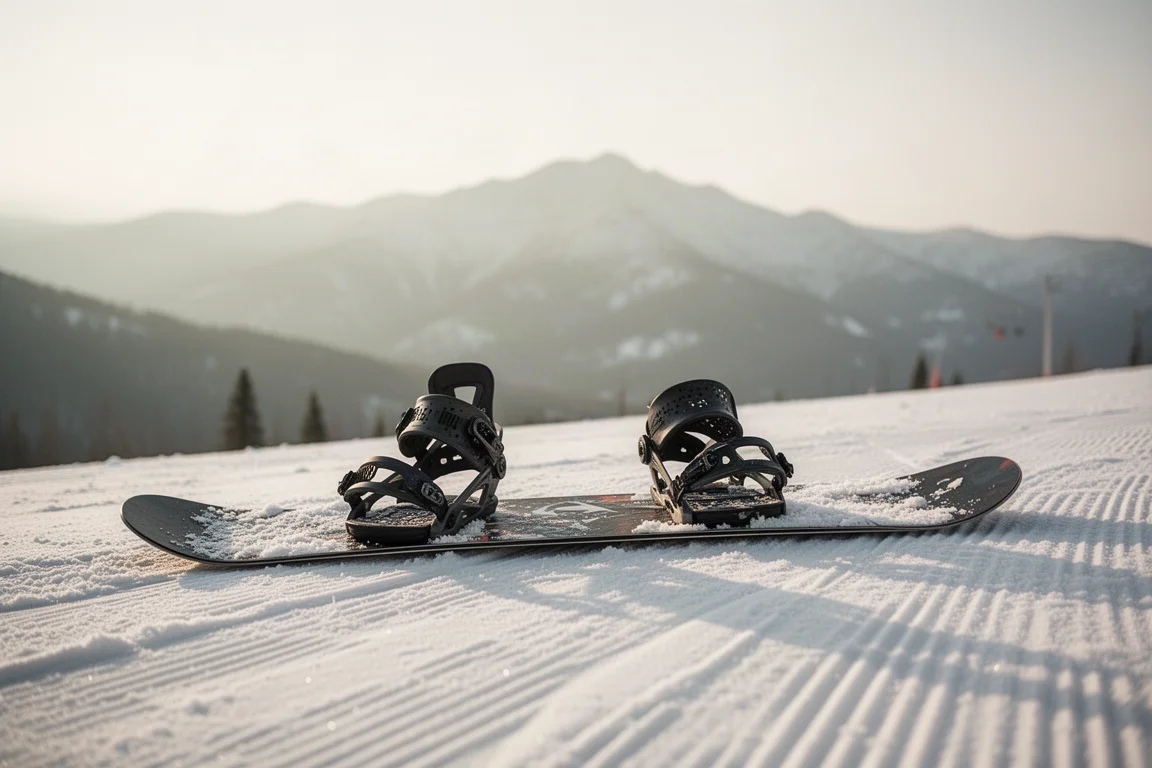
The clearest way to think about the Psycho Candy is as a blend: the loose, playful feel of the Warpig with more of the precision and power of the Superpig, minus the grip a camber profile would add. That trade-off makes it easier to load and pop, and it is the reason the board feels as fun as it does.
Conclusion
The Ride Psycho Candy is a focused choice rather than a do-everything board. It rewards riders who want powder float, a loose and lively feel, and reliable pop, and it asks them to accept a carve ceiling and a butter that needs real technique. If that sounds like your riding, it is a confident pick. If deep carving is your priority, look elsewhere.
Product link
View more details for Ride Psycho Candy
This product is mentioned in the review. Check the specifications, options, and compatibility before buying.
View more details for Ride Psycho CandyFurther reading
Related Reviews

Snowboards
32 Middle Earth Scott Stevens Pro Model Snowboard Review: A Park Board With a Reversed Flex
A medium traditional camber park board with carbon V reinforcement that is stiffer in the tips and more playful between the feet. Here is how it rides and who it suits.

Snowboards
32 Snafu Review: A Directional All-Mountain Freestyle Board with Serious Pop
The 32 Snafu pairs a directional camber-rocker profile with a stiffening tail for powerful carves, big ollies, and a surprisingly damp ride.

Snowboards
32 XXX Pat Fava Pro Snowboard Review: A Stiff Camber Beast for Hard-Charging Riders
A full-width traditional camber deck that rewards aggression with stability and edge power, but demands effort everywhere else.