Snowboards
Ride Peacekeeper Review: A Directional Snowboard Built for Powder and Precision
A focused look at the Ride Peacekeeper, a directional snowboard with a long tapered nose, a stiff pointed tail, and a build that turns as precisely as it floats.
Introduction
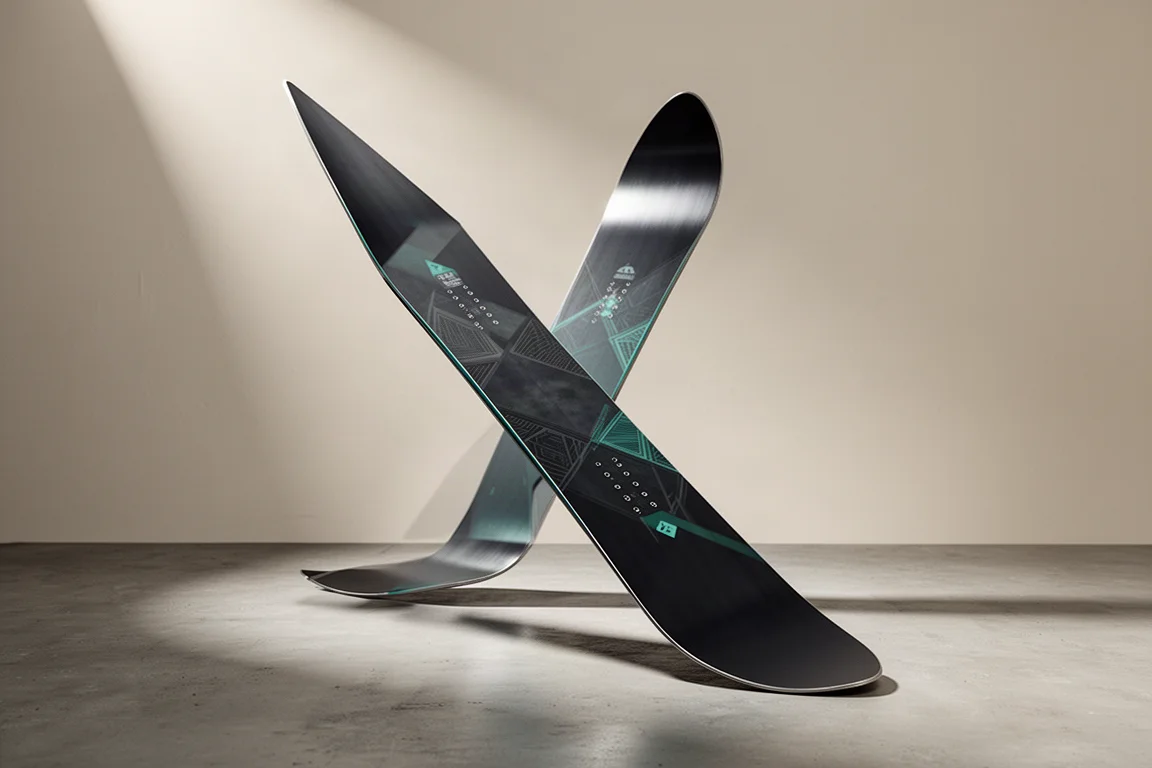
The Ride Peacekeeper is a directional snowboard with a distinctly freeride personality. It was a new shape introduced last season, developed with input from Jake Blauvelt, a Vermont rider, and it sits alongside another board in the Ride line called the Berserker. The Peacekeeper is available in lengths from 138 cm to 155 cm, and it stops there, so riders who normally ride longer decks should plan around that ceiling.
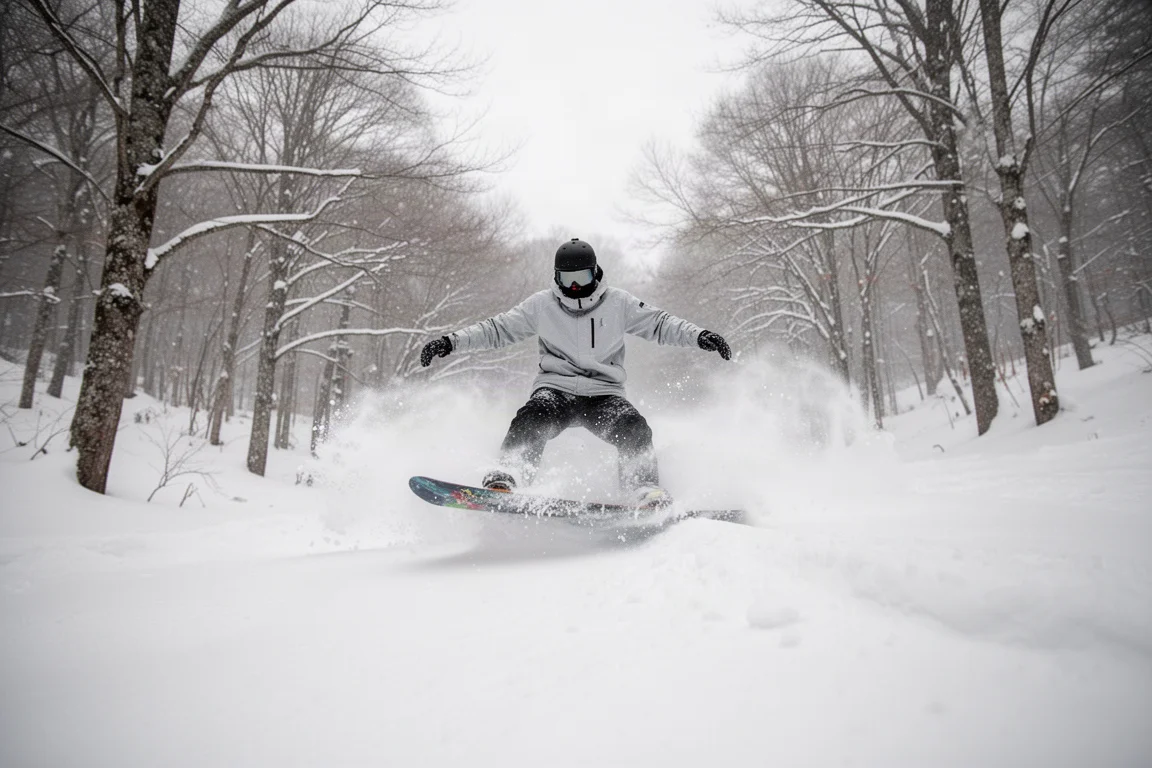
At first glance the Peacekeeper reads as a powder board, and in many ways it is one. The long, gradually tapering nose and the generous tip height give it the profile of a board built to float. What makes it more interesting is how it behaves once the snow firms up.
Riders who know what they want from a directional deck will find a lot to like here, but the Peacekeeper rewards a specific style of riding rather than trying to be everything to everyone.
Who This Snowboard Is For
This is not an everyday board. It suits riders who already have a daily driver and want a second deck for powder days, tree lines, and soft snow, plus something that still turns with authority on the groomers between storms. If your season is mostly park laps or hardpack carving on a single board, the Peacekeeper is probably not the one to build around.
It also suits riders who are comfortable with a set-back stance and a directional outline. The stance sits well back on the board, which is part of what makes the nose float so easily, and it changes how you stand and drive the board compared with a twin.
Shape, Taper, and Profile
The nose is long with a gradual radius, and the tip height is generous enough that the front of the board stays up in deep snow without constant input from the rider. There is roughly 20 mm of taper, which narrows the tail relative to the nose and helps the back of the board sit slightly lower, keeping the nose up.
The tail itself is striking, finishing in a sharp pointed shape. Despite the narrow, pointed outline, the tail is stiff and carries a small amount of camber, so it loads and releases with real power. Push off the tail and the board answers.
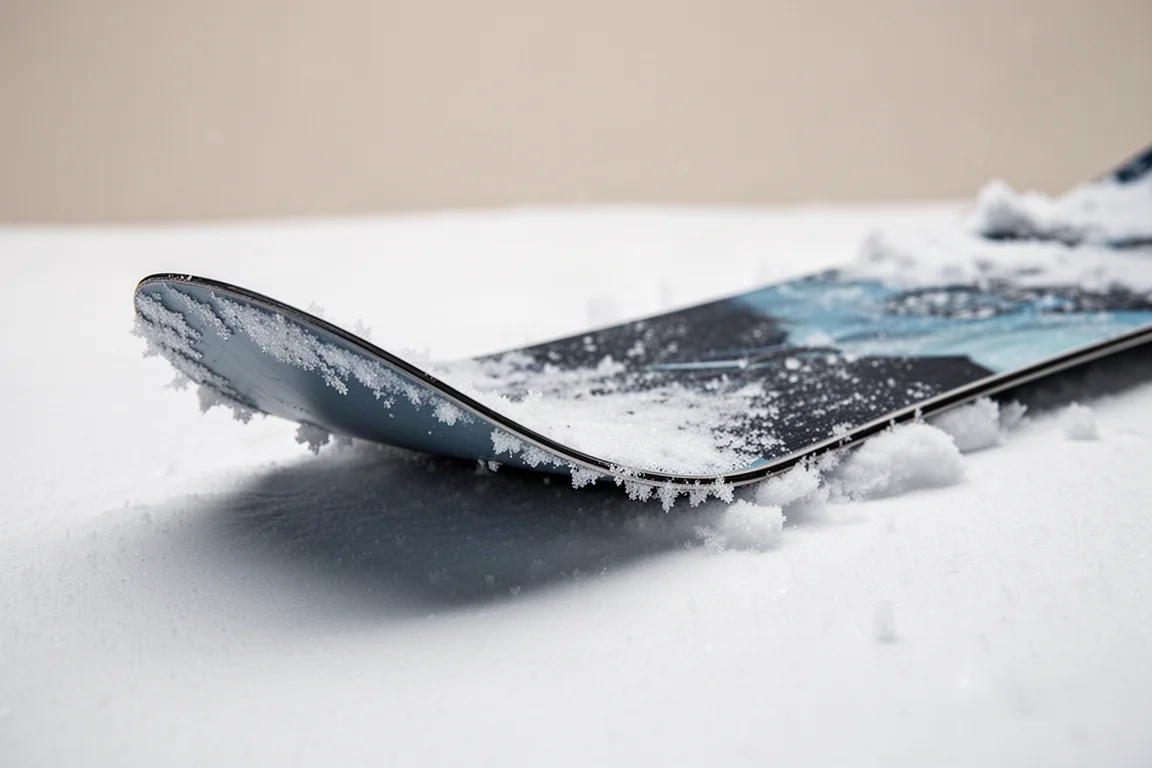
The overall outline is unmistakably directional, and that shape is the foundation for how the board rides in soft snow and through the trees.
Construction and Edge Control
The construction is where the Peacekeeper separates itself from a lot of other directional boards. Stringers run through the core at multiple angles and in different weaves, which is not something you can see from the outside but which you can feel in how the board holds an edge and how quickly it responds.
The build is close to a full cap construction, and the finish is clean. On groomers the board turns with a precision that is unusual for something with this much nose and this much taper. Edge control is solid, and the transition from edge to edge is quick for a board of this shape.
Main Strengths on Snow
In powder and in the trees, the Peacekeeper is close to effortless. The combination of nose length, tip height, and taper gives it a surfy, floating feel that lets the rider stay relaxed rather than fighting to keep the nose above the snow. It handles softer snow well and rides through variable conditions without feeling unsettled.
On trail and on groomers, the story changes but stays positive. The board turns hard and holds well, and the stiff tail delivers power when you load it. An overall score of 8 out of 10 in on-snow testing reflects its sharpness, quickness, and maneuverability, along with the nose height and nose length that make it so capable in powder and among the trees.
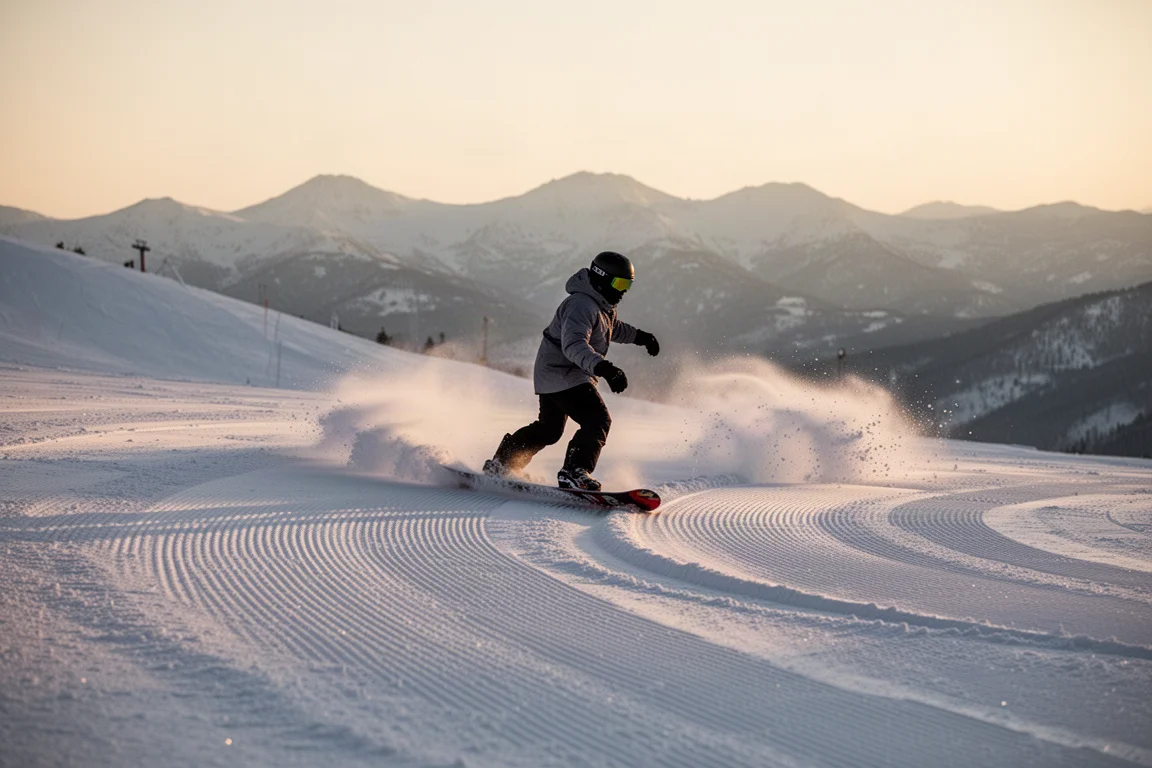
That combination is what makes the Peacekeeper stand out: it floats like a powder board and turns like something far more precise.
Things to Consider Before Buying
The first thing to weigh is length. The Peacekeeper stops at 155 cm, so riders who need a longer board will need to look elsewhere. The second is that this is a specialist shape rather than a one-board quiver. Riders who want a single board for everything will find the set-back stance and the tapered, pointed tail less versatile than a more conventional all-mountain deck.
It is also worth being honest about how much powder you actually ride. The Peacekeeper is at its best in soft snow and trees, and while it turns beautifully on groomers, that is a bonus rather than the reason to buy it.
Sizing and Buying Advice
Ride recommends downsizing by roughly 3 to 6 cm compared with your usual length, or riding the same size if you prefer. A 151 cm was ridden as a powder-oriented board, with the sense that going one size smaller would also work, particularly in a place like Vermont where the terrain and snowpack favor shorter, quicker boards. Out west, staying at 151 cm felt like the right call.
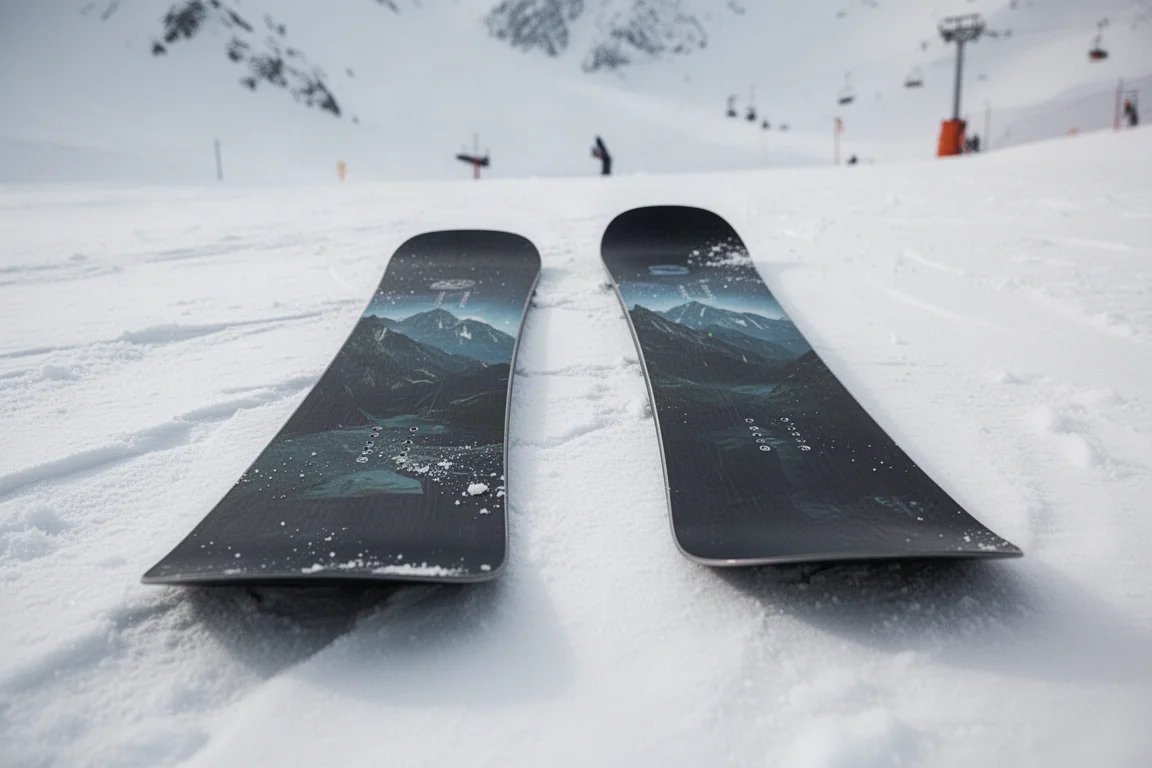
If you are between sizes, consider how and where you ride most. Shorter favors trees, tighter terrain, and quicker handling; staying with your usual length favors stability and float on bigger open slopes. Either way, match the board to the conditions you actually ride rather than the ones you hope for.
Conclusion
The Ride Peacekeeper is a focused, well-built directional snowboard that floats in powder, turns precisely on groomers, and feels quick in the trees. It is not a board for everyone, and it is not meant to be. For riders who want a dedicated soft-snow and freeride shape with genuine edge control, it is one worth keeping an eye on.
Product link
View more details for Ride Peacekeeper
This product is mentioned in the review. Check the specifications, options, and compatibility before buying.
View more details for Ride PeacekeeperFurther reading
Related Reviews

Snowboards
32 Middle Earth Scott Stevens Pro Model Snowboard Review: A Park Board With a Reversed Flex
A medium traditional camber park board with carbon V reinforcement that is stiffer in the tips and more playful between the feet. Here is how it rides and who it suits.

Snowboards
32 Snafu Review: A Directional All-Mountain Freestyle Board with Serious Pop
The 32 Snafu pairs a directional camber-rocker profile with a stiffening tail for powerful carves, big ollies, and a surprisingly damp ride.

Snowboards
32 XXX Pat Fava Pro Snowboard Review: A Stiff Camber Beast for Hard-Charging Riders
A full-width traditional camber deck that rewards aggression with stability and edge power, but demands effort everywhere else.