Snowboards
Ride Peace Seeker Review: A Directional Powder Board Built to Be Sized Down
A close look at the Ride Peace Seeker, a tapered directional powder board with a long nose, short tail, and a sizing approach that asks you to ride it shorter than usual.
Introduction
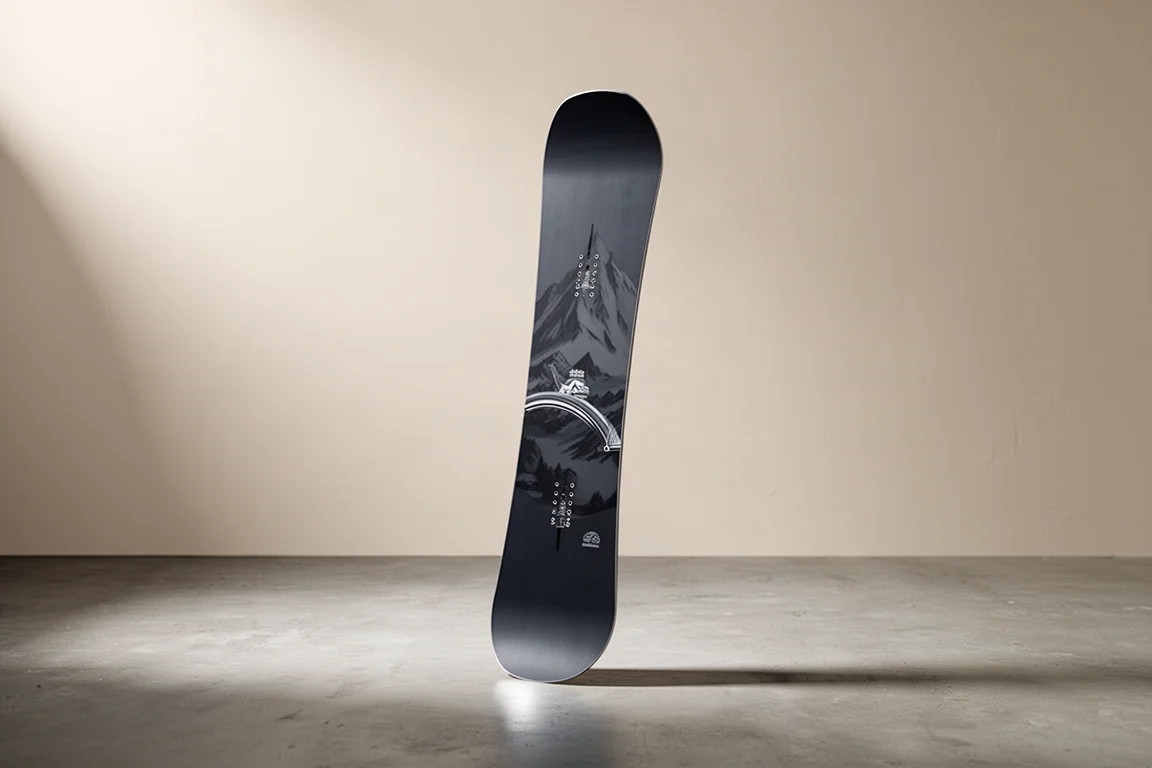
The Ride Peace Seeker is a new model in the Ride range, and it is built around an unmistakably directional silhouette. It pairs a very long nose with a short tail and 20 millimeters of taper, which puts it squarely in powder-board territory rather than in the all-mountain middle ground. The stance sits setback, and the base is centered and stone ground for speed.
What makes the Peace Seeker worth a closer look is how it is meant to be sized. Unlike many boards that are ridden true to length, this one is designed to be downsized, so a rider who normally chooses a 155 will typically step down a few centimeters rather than match it. The payoff is a board that feels quick and easy to maneuver, whether you are threading lines through trees or opening up across wider terrain.
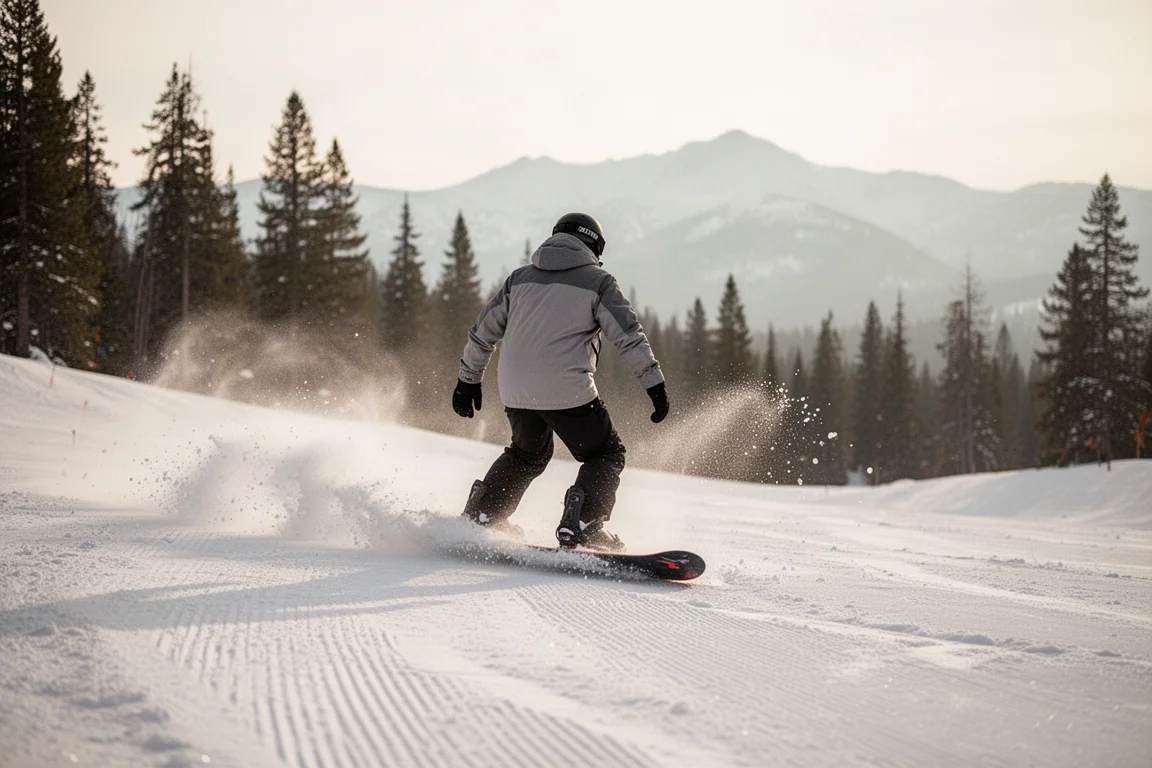
The overall look is sharp, with a profile that reads as purposeful rather than generic. The sections below cover who it suits, where it performs best, and what to weigh before committing.
Who the Peace Seeker Is For
This is a board for riders who spend real time in fresh snow. The combination of heavy taper, a short tail, and a setback stance is aimed at float and quick, easy turns, which is exactly what makes a powder shape feel effortless in trees and in wide open bowls.
It also suits riders who are comfortable with the idea of downsizing. Because the board is designed to be ridden shorter than your usual length, it rewards people who are willing to adjust their sizing rather than insist on matching the number they ride elsewhere.

Two paths make sense here. For some riders it will be a dedicated quiver board kept for the special powder days. For others it can work as an everyday board, a shape to grab when the goal is simply to rip around the mountain on something that turns fast and looks the part.
Main Strengths
The defining strength is maneuverability. The long nose, short tail, and 20 millimeters of taper work together with the setback stance to make the board turn quickly and with very little effort, which shows up most clearly in tight tree lines where fast, controlled direction changes matter more than outright stability.
Float is the second pillar. That same tapered, setback geometry keeps the nose up in fresh snow, so the board stays composed rather than diving when the terrain tips downhill.
Flex sits in the medium-to-stiff range and leans toward the aggressive side, and that is a deliberate part of the design. It gives the board enough backbone to charge through heavier snow and through powder that has already been chopped up by traffic, so the ride does not fall apart once conditions stop being pristine.
A centered base adds speed, and the stone ground finish supports that. On a non-powder day the board still wants to initiate a turn and hold it, which makes it a useful way to learn the shape’s habits before the next storm arrives.
Things to Consider Before Buying
The most important consideration is sizing. The Peace Seeker is not a true-to-size board. Ride’s guidance is to downsize by roughly three to five centimeters from what you are comfortable with, and the board can feel even shorter than that underfoot, with some riders describing it as riding six to eight centimeters shorter than its stated length. If you prefer to buy the exact length you always ride, this is a shape that asks you to change your habits.
Flex is the second thing to weigh. Medium-to-stiff and on the aggressive side is a genuine benefit in chopped snow and heavier conditions, but it is not the soft, forgiving feel that a casual rider might expect from a playful powder board.
Finally, this is a specialized directional shape. Taper and a short tail are what make it quick and floaty, and they also mean it is not trying to be a neutral, true-to-size all-mountain deck. Buy it for what it is designed to do.
Buying Advice
If you can, get on a Peace Seeker at a demo before buying. That matters more than usual here because the sizing is deliberately offset from the norm, and a short ride will tell you more about whether you want to go three centimeters down or five than any spec sheet can.
A useful approach is to try it on a non-powder day first. The board still wants to turn and hold that turn on groomed snow, so you can learn how it reacts and how it feels underfoot, then carry that understanding into the next powder day rather than spending your first fresh-snow session adjusting.
Then decide which role it fills. If you already have a daily driver, the Peace Seeker makes a strong case as a quiver board reserved for the days it was built for. If you would rather own one board and ride it everywhere, it can serve that purpose too, provided you are happy with a shorter length and a directional, powder-first personality.
Conclusion
The Ride Peace Seeker is a focused, directional powder board with a clear design intent: a long nose, a short tail, 20 millimeters of taper, a setback stance, and a medium-to-stiff flex that holds up when the snow gets heavy or chopped. Its strongest argument is how quickly and easily it turns, and its most important caveat is that you need to size down to get the most from it. Riders who understand both of those points will find a sharp-looking board that delivers exactly what it promises.
Product link
View more details for Ride Peace Seeker
This product is mentioned in the review. Check the specifications, options, and compatibility before buying.
View more details for Ride Peace SeekerFurther reading
Related Reviews

Snowboards
32 Middle Earth Scott Stevens Pro Model Snowboard Review: A Park Board With a Reversed Flex
A medium traditional camber park board with carbon V reinforcement that is stiffer in the tips and more playful between the feet. Here is how it rides and who it suits.

Snowboards
32 Snafu Review: A Directional All-Mountain Freestyle Board with Serious Pop
The 32 Snafu pairs a directional camber-rocker profile with a stiffening tail for powerful carves, big ollies, and a surprisingly damp ride.

Snowboards
32 XXX Pat Fava Pro Snowboard Review: A Stiff Camber Beast for Hard-Charging Riders
A full-width traditional camber deck that rewards aggression with stability and edge power, but demands effort everywhere else.