Snowboard Boots
Michelin Traverse Sole on Ride Snowboard Boots: What It Is and Whether You Need It
A closer look at the proprietary Michelin Traverse outsole found on higher-end Ride snowboard boots, how its recycled compound and triangular tread work, and who actually benefits from it.
Introduction
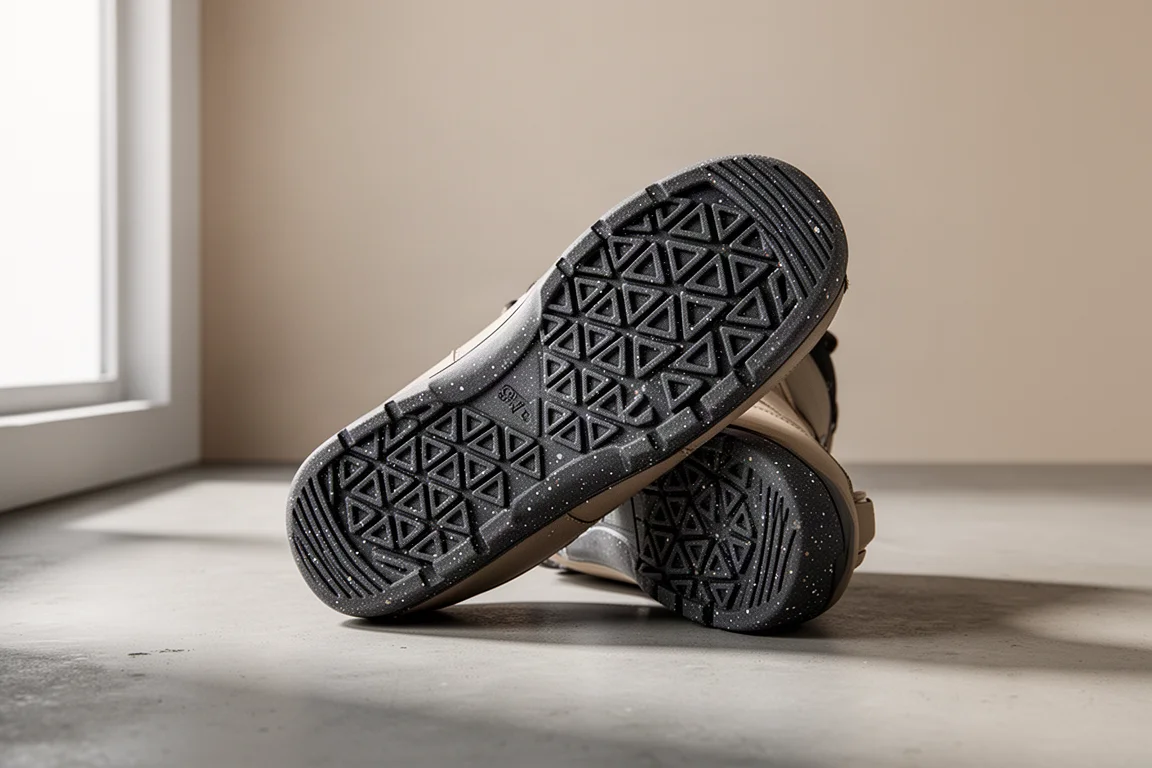
The Michelin Traverse sole is a rubber outsole found on the higher-end Ride snowboard boots, and it is one of those features that sounds like marketing until you look at what it actually does. It matters most when you leave the groomed runs behind: hiking, sidecountry laps, and anything involving sketchy footing on snow and ice. This guide breaks down what the sole is, how its construction works, and whether it is worth prioritizing in your next boot purchase.
What the Michelin Traverse Sole Actually Is
The Michelin Traverse sole is proprietary to Ride. The two companies worked together on a collab, which means Michelin cannot use this specific rubber compound in anything else it makes. In practical terms, it is an outsole built for snowboard boots rather than a rubber compound simply borrowed from another product line.
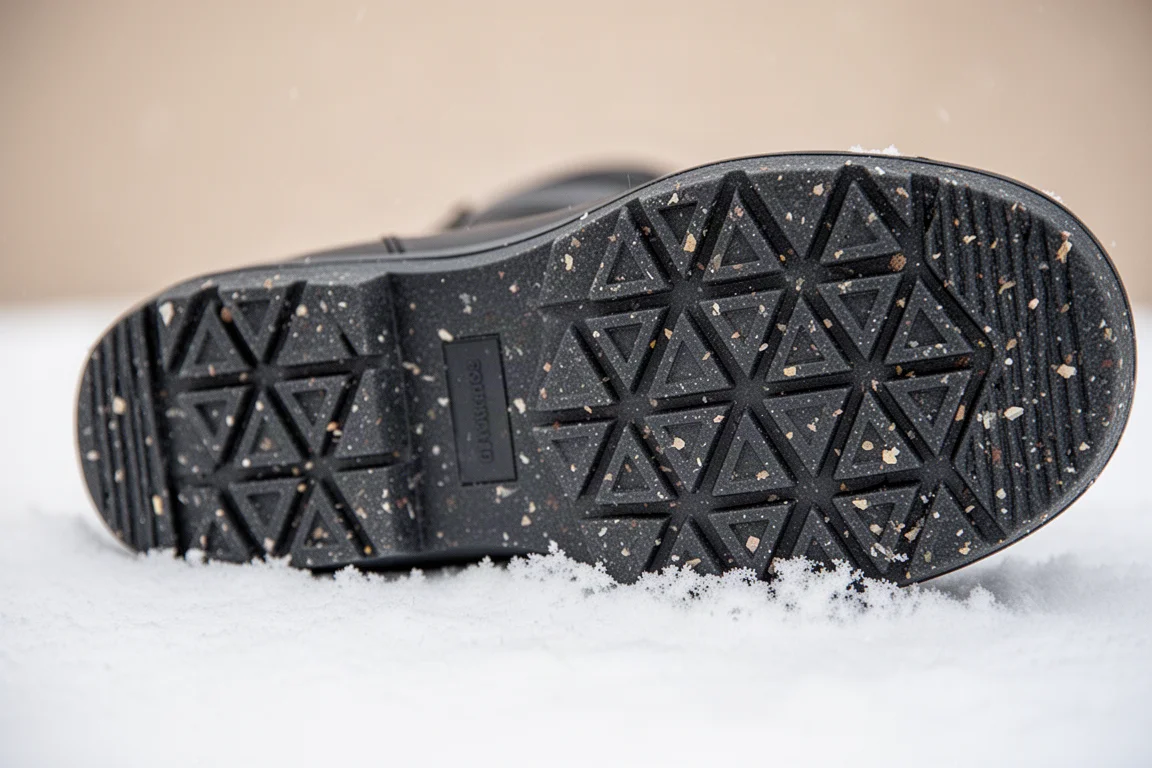
A detail worth knowing: the sole is made from recycled material. Those small specks and dots visible on the outsole are the recycled content, included specifically to cut down on the boot’s environmental footprint.
Grip Where It Counts
The outsole uses a very pronounced triangular tread pattern, and that geometry is not decorative. It is designed to improve grip in icier conditions, particularly when you are hiking for extra laps after the lifts have closed or covering ground on firm, slippery snow.
For riders who spend time doing alpine starts or hiking into sidecountry terrain, the difference shows up in confidence. A sole with this kind of grip helps you avoid wasted steps and slips on terrain that punishes poor footing, which makes moving around on foot noticeably safer and less exhausting.

Durability Compared to Standard Foam Soles
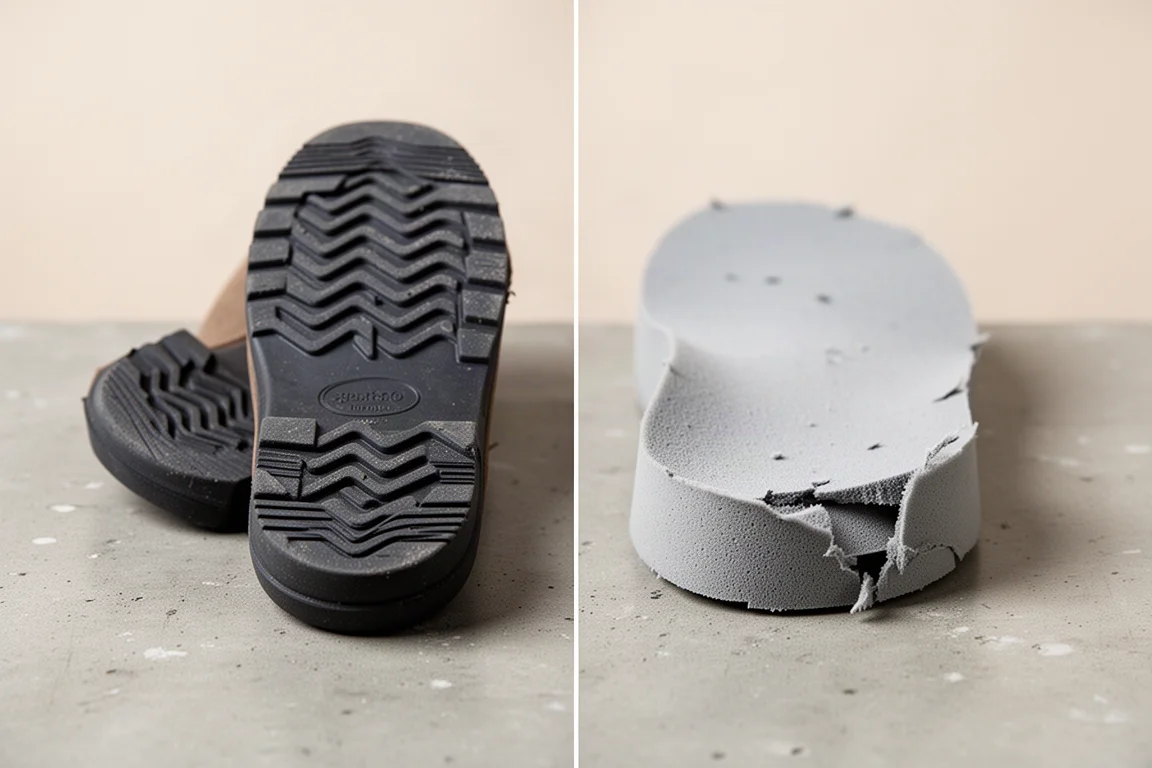
Cheaper boots typically use EVA foam soles, and that material has a well-known weakness: it rips up and chips away over time, especially when it comes into contact with rocks, bootpacks, and rough ground. The Michelin Traverse compound is built to hold up better in those same conditions.
Where foam tends to degrade and lose its shape, this rubber keeps its structure extremely well. The outsole resists getting torn up or chipped off, which means the tread and the grip it provides last through more seasons of hard use rather than softening the moment the boots leave the shop.
Who This Boot Is For
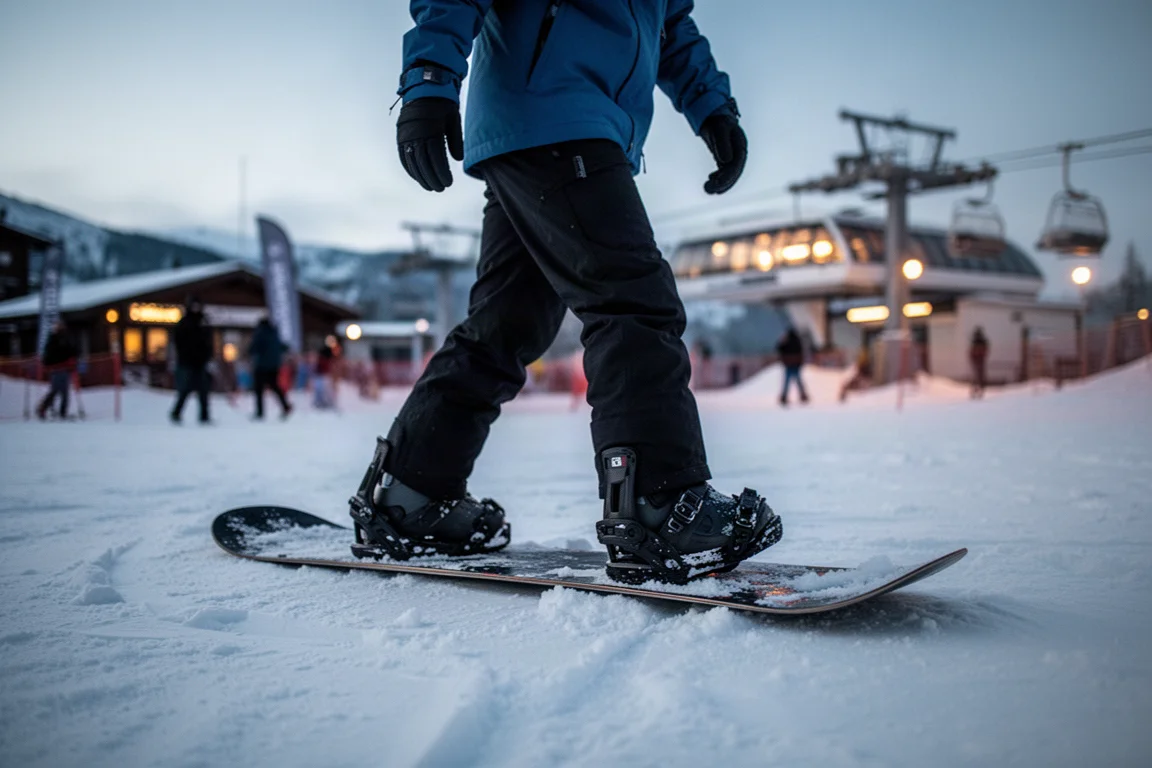
The Traverse sole earns its place for riders who do more than ride lifts and ride down. If you are into alpine-style riding, hiking lines, or chasing sidecountry terrain, a sole like this is one of the features you will genuinely notice.
Riders who never leave groomed runs and rarely walk far from the lift corral have less to gain from the outsole itself, and can focus their budget elsewhere within the boot lineup. But for anyone moving through varied terrain on foot, it is a feature worth seeking out.
Buying Advice
If your riding includes hiking, sidecountry missions, or any time spent on icy, uneven ground, prioritize a boot with a durable rubber outsole like the Michelin Traverse, if not this exact sole. The combination of grip and long-term structural integrity makes it a sensible foundation for a boot that will see real walking miles.
If you mostly ride resort laps and never touch a bootpack, the sole is still a quality-of-life upgrade, just not the deciding factor. Let your terrain habits guide where the money goes.
Conclusion
The Michelin Traverse sole is a Ride-exclusive rubber outsole made from recycled material, with a triangular tread built for icy traction and a compound that resists the chipping and tearing that plagues standard foam soles. For hikers and sidecountry riders, it is a clear yes. For pure lift-served riders, it is a nice-to-have rather than a must-have.
Product link
View more details for Ride Snowboard Boots with Michelin Traverse Sole
This product is mentioned in the review. Check the specifications, options, and compatibility before buying.
View more details for Ride Snowboard Boots with Michelin Traverse SoleFurther reading
Related Reviews

Snowboard Boots
32 Team Two Double Boa Review: 32's Highest-End Women's Snowboard Boot
A closer look at 32's top-tier women's snowboard boot, from the 3D molded toe box and double Boa lacing to the Performance Fit liner and heat-reflective footbed.

Snowboard Boots
Bataleon Acid BOA Snowboard Boot Review: A Serious First Entry from a Board Brand
Bataleon's first snowboard boot, designed by a former Burton boot designer, brings a stiff flex, dual BOA closure, and a heel hold system worth a closer look.

Snowboard Boots
Battalion Acid Boot Review: A Stiff, Aggressive Boot Built to Last
The Battalion Acid Boot is the brand's highest-end offering, built with seamless construction, TPU reinforcement, dual BOA lacing, and a heat-moldable liner. Here is what to know before buying.