Snowboard Boots
Ride Lasso Pro Review: A Stiff, Narrow-Foot Freeride Boot Built to Last
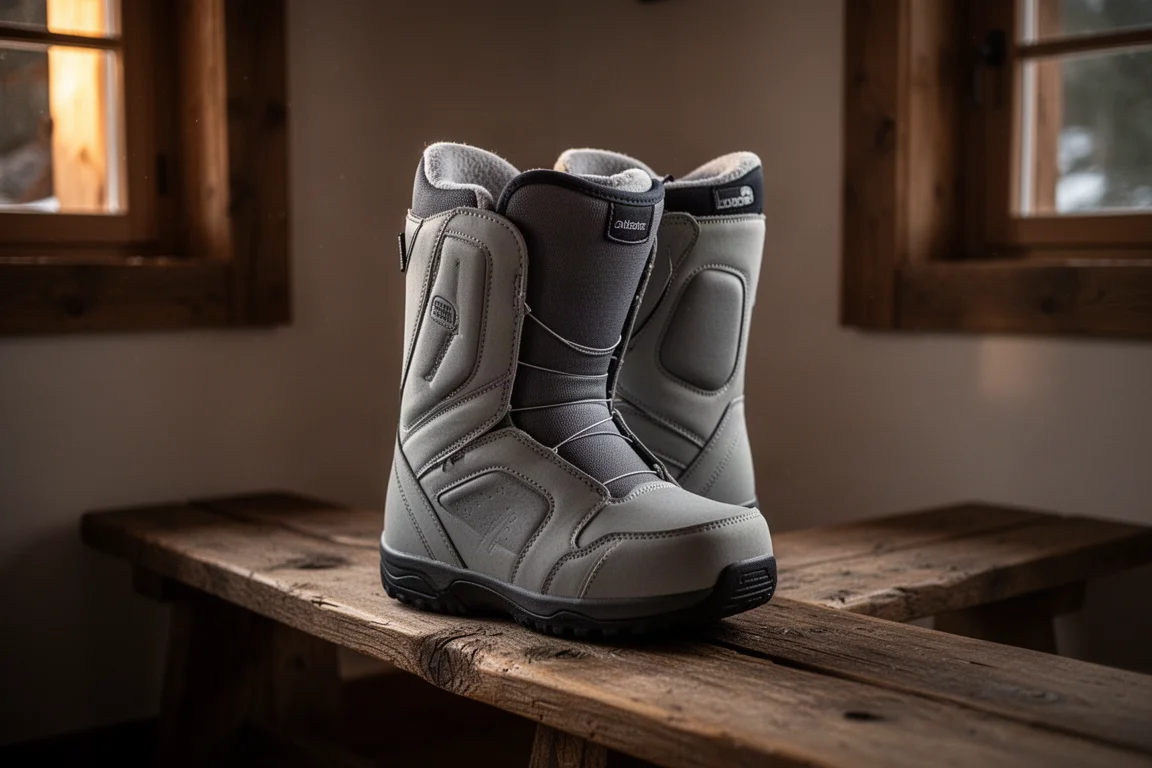
A close look at the Ride Lasso Pro double boa snowboard boot: urethane construction, Michelin sole, and a very narrow heel that will not suit everyone.
Introduction
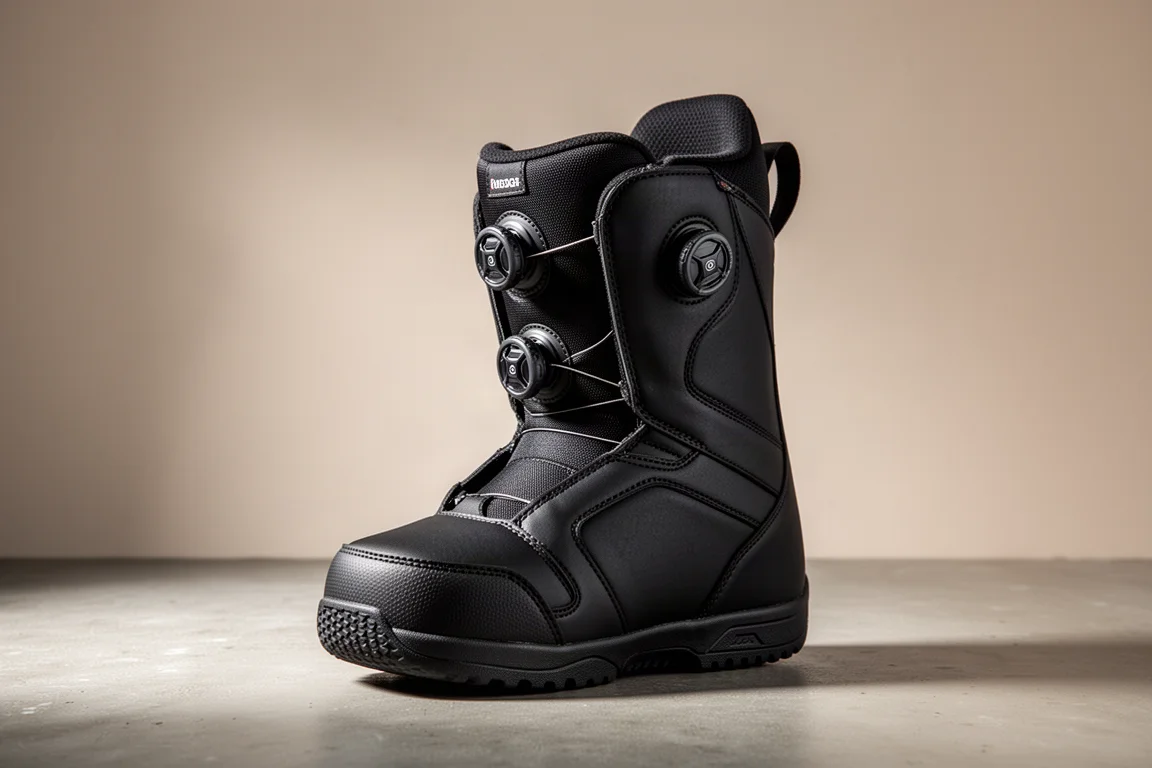
The Ride Lasso Pro is the pro version of the Lasso, and it is aimed squarely at riders who want a stiffer, more powerful boot. Ride builds its boots with urethane in key materials, which helps the boot hold its shape and gives it more rebound, something you notice in the tongue and the backspine. The overall impression is a very well-built boot designed to function and last.
As always, the best boot is the one that fits your foot and fits your needs. A jibby park rider does not necessarily need an ultra stiff boot, and a hard-charging freeride rider probably should not be riding a soft noodle. The Lasso Pro sits firmly in the stiffer, more aggressive camp.
Who the Ride Lasso Pro Is For
This is a boot for someone with a narrower ankle, an average-width forefoot, and a preference for a stiffer flex with a lot of power and rebound. If you drive hard into your boots, the urethane backspine gives you plenty to push against. In practice, the flex feels close to some of the stiffest boots on the market, though it will break in slightly over time because of the single boa shell closure.
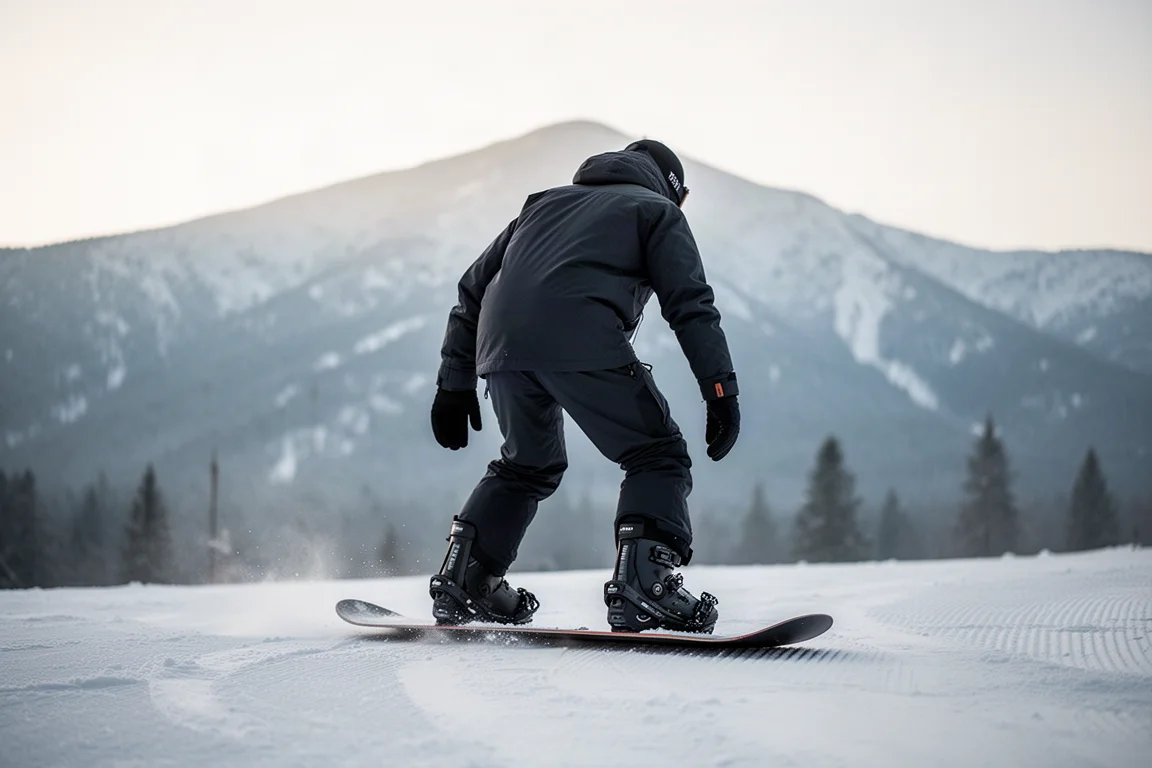
One honest caveat: this boot does not fit every foot. The shape is very narrow, especially through the heel, and the forefoot is slightly tapered. Riders with wider feet or sensitive little toes may find the interior seams noticeable. If it fits, it is a strong recommendation. If not, it is simply not the boot for you.
Shell Construction and Durability
The Lasso Pro is a full synthetic boot with TPU on the toe, topped by an even more aggressive rubber piece at the tip. The seams are double stitched. That urethane in the tongue and backspine is the headline: it resists creasing and breaking far better than softer materials, and you can really drive into the backspine without worrying about it bowing out or forming weird crease points early on.
The articulation leans more vertical than horizontal, so the boot does not give as much laterally when you flex into it. Over time, creasing can still happen, but the construction is clearly designed with long-term durability in mind. One thing to watch: if you constantly scrape the boot with your board edge, that aggressive toe rubber can fray, and cranking the toe strap can create a pressure point.
A small, easily missed feature is the heat reflective tape at the base of the shell around the foot area. It refracts heat back into the liner to help keep your feet warm. It is innocuous, but a nice touch.
Lacing and Fit System
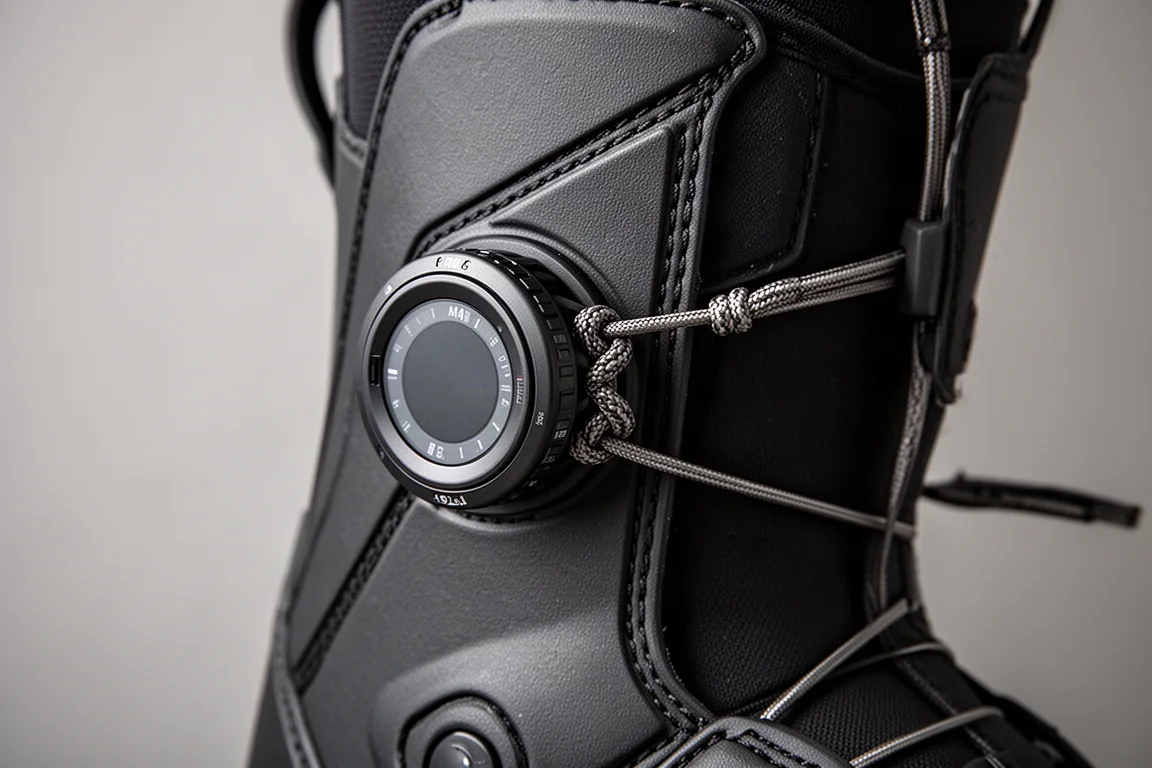
The Lasso Pro is a double boa boot, but the shell uses only a single boa. One dial connects everything, with a closer lower down that helps snug the fit. A practical tip for single boa boots: when tightening at the ankle, flex into the boot as you dial it. It changes the dynamic of how the cable pulls and helps you get the ankle area properly tensioned.
The second boa runs an internal harness, a cloth cable on the side that locks your ankle down inside the boot. A fabric panel pulls over the liner as you tighten it, helping the liner seat snugly into the shell. It sits at a medium height rather than coming up as high as some harnesses, but it does the job.
Sole and Traction
Underfoot, the Lasso Pro uses Michelin tread. Ride was the first company to put Michelin rubber in a snowboard boot, and the tire-company rubber brings a good, slightly more aggressive and rigid tread pattern. Beyond grip, that rubber helps dampen impacts and reduces kinetic vibrations underfoot, working alongside the rest of the sole construction.
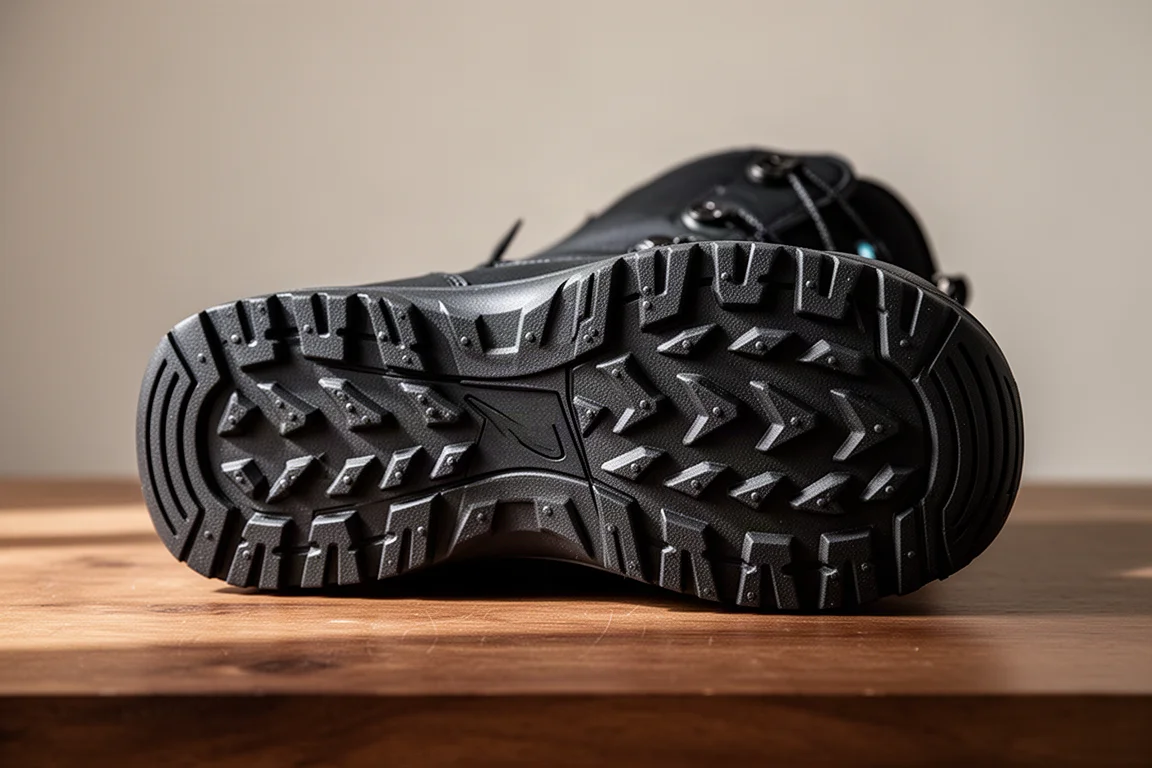
The sole also sits a bit lower profile than you might expect from a boot this stiff, so it does not feel bulky underfoot.
Liner and Comfort
The stock liner is Ride’s Dream Liner, a burrito wrap liner. Instead of a traditional pull-down tongue, it wraps from the side, which changes the power dynamic on forward flex and alters the fit slightly. It is a genuinely well-built liner. The J-bar runs up and across a huge backspine, adding rigidity, and the liner is heat moldable with cord-out ankle pockets for protruding ankle bones. Fantasy fur lining at the top helps you slip in, and slip-and-grip technology at the back grips more aggressively if your heel starts to lift.
The heel pocket is very deep and very narrow, reinforcing that this is a boot for narrow heels. The Impacto Elite footbed is also better than what Ride has offered in the past, with real posting that holds its shape: plenty of give in the arch support, firmer underneath. For casual riders who get out 15 days or less it may be all you need, though most riders would still eventually swap in an aftermarket footbed.
Things to Consider Before Buying
Measurements tell the story on fit. A size 10 shell measures about 10 inches at the back and just under 11 inches at the top of the tongue. With the liner in, the back measures just shy of 11 and 12 inches, a bit higher than some other boots, with just under 11 inches at the front. The widest section of the forefoot measures around a standard 4 inches, but the taper favours narrower feet. Slime tongues on certain Ride boots have been known to crack under exceptional use, likely due to how they flex over time combined with binding strap pressure.
Buying Advice
Shopping online for boots is not really recommended, but if you do, use a shop with a good return policy so you can swap sizes if the fit is off. Ride and K2 are making some of the best boots on the market right now, and the urethane construction means these tend to last longer than many competitors. If the narrow heel and tapered forefoot match your foot shape, the Lasso Pro is an easy recommendation for stiff-flex riders.
Conclusion
The Ride Lasso Pro is a durable, powerful, stiff-flexing double boa boot with genuine standout details: urethane backspine and tongue, a Michelin outsole, and a burrito wrap heat-moldable liner. Its very narrow heel and tapered forefoot are the deciding factors. If they match your foot, it is one of the better-built stiff boots available. If they do not, keep looking, because fit always comes first.
Product link
View more details for Ride Lasso Pro
This product is mentioned in the review. Check the specifications, options, and compatibility before buying.
View more details for Ride Lasso ProFurther reading
Related Reviews

Snowboard Boots
32 Team Two Double Boa Review: 32's Highest-End Women's Snowboard Boot
A closer look at 32's top-tier women's snowboard boot, from the 3D molded toe box and double Boa lacing to the Performance Fit liner and heat-reflective footbed.

Snowboard Boots
Bataleon Acid BOA Snowboard Boot Review: A Serious First Entry from a Board Brand
Bataleon's first snowboard boot, designed by a former Burton boot designer, brings a stiff flex, dual BOA closure, and a heel hold system worth a closer look.

Snowboard Boots
Battalion Acid Boot Review: A Stiff, Aggressive Boot Built to Last
The Battalion Acid Boot is the brand's highest-end offering, built with seamless construction, TPU reinforcement, dual BOA lacing, and a heat-moldable liner. Here is what to know before buying.