Snowboard Boots
Ride Insano Review: A Stiffer, More Aggressive Boot Overhaul
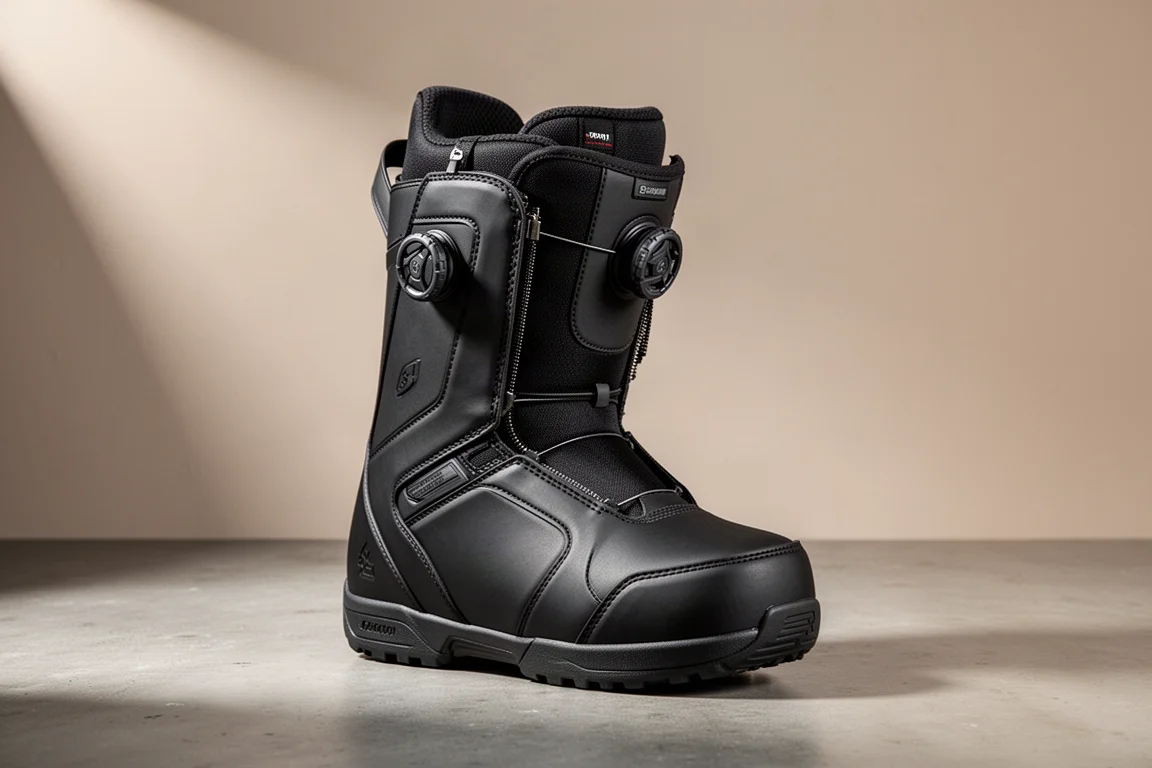
The Ride Insano gets a major overhaul this season with more TPU, a redesigned flex slime tongue, dual Boa lacing, and a Michelin rubber outsole built for aggressive riders.
Introduction
The Ride Insano returns this season with one of the bigger overhauls in the line. The headline change is performance: this boot is stiffer than before, and the long-running issue of riders cracking the flex slime tongue appears to have been rectified. If you are shopping for a new pair of boots this winter, this is one to look at closely.
One thing worth saying up front: boots are the one piece of gear you should not buy blind. Fit is everything, and the best boot is the one that fits your foot and fits your needs. If you can, get fitted at a local shop rather than ordering online and hoping for the best.
Shell and Construction
The shell uses a lot of TPU, which translates into noticeable rebound and a longer break-in period. This is a boot that takes time to soften, so do not expect it to feel broken down on day one.
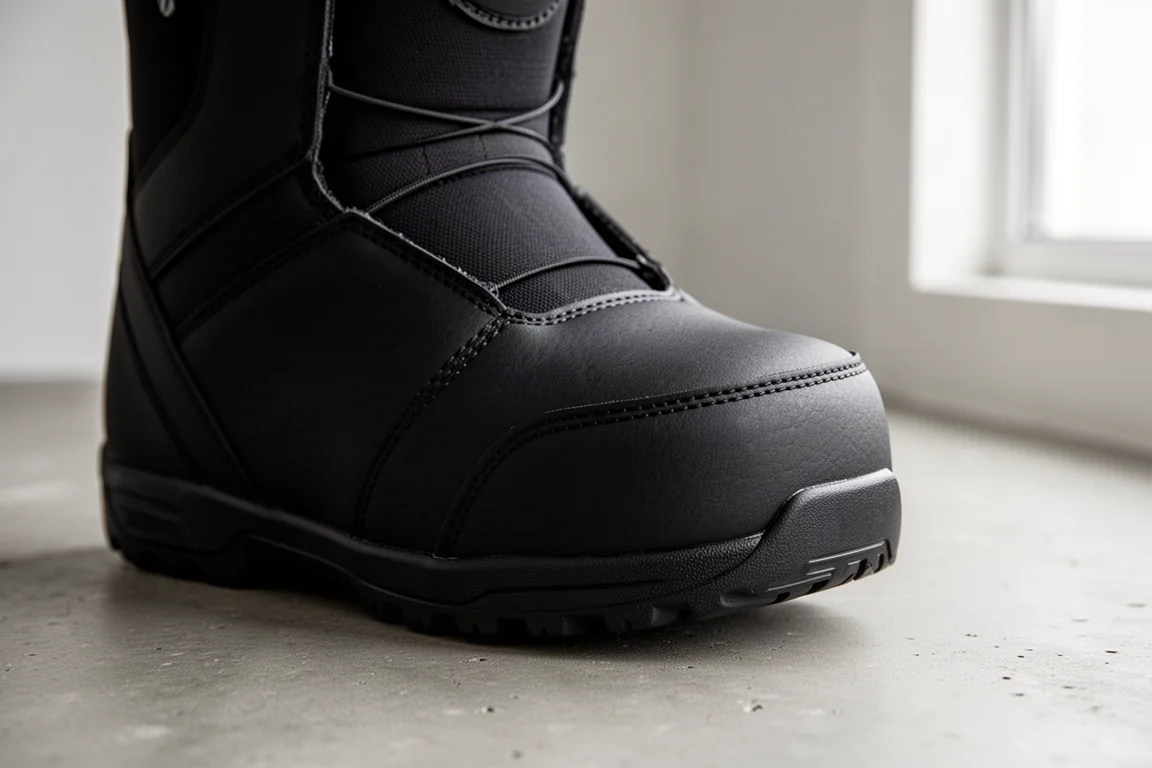
Around the toe there is an aggressive 3D molded toe cap. It stays rigid under pressure, which helps when kicking in on hardpack or hiking up steep approaches. Along the side, a double stitched seam runs down the shell with a small bulge near the toe strap zone; if you really crank your toe strap, you may feel it. The gaiter itself uses a more rigid material as well, so it holds up better against edge hits.
Gaiter and Cuff Fit
The gaiter closes with a Velcro flap at the back plus a zipper that keeps it off the instep. That means you can crank your heel strap without worrying about crushing the closure area, and the gaiter does a good job of covering the closure wrap underneath.
At the back spine there is a cutout so the boot does not come up as high as some others. That section is on aggressive Velcro and is adjustable on both sides, which is a genuine win if you have larger calves. It takes some effort to separate the Velcro, but it lets you customize the cuff fit properly.
Sole and Footprint
Underfoot you get Michelin rubber, the same compound family used in Blizzak tires. The tread pattern grips well, and the midsole uses eco slime and foam for extra dampening. The footprint is rigid and does a good job dissipating kinetic energy.
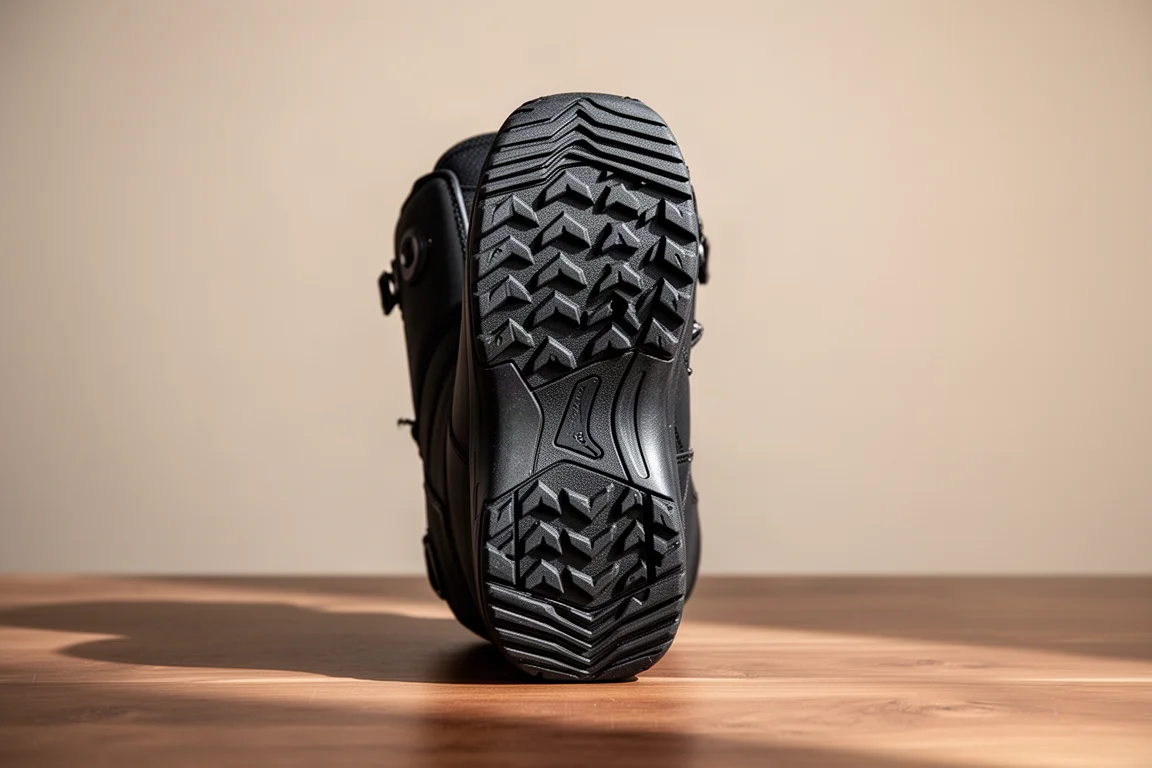
The profile is not the lowest in the Ride lineup, but it is still relatively low profile. If you are coming from a chunkier boot, check your bindings and make sure they are adjusted properly so the boot sits correctly in the binding.
Lacing and Heel Hold
Lacing is dual Boa, with separate dials for the upper and the side, so you can fine-tune how tight or loose each zone feels. The new H5 coils let you tighten or loosen without popping them. One quirk to be aware of: on the left boot, the tightening direction is reversed, so the usual righty-tighty habit will need a bit of rewiring.
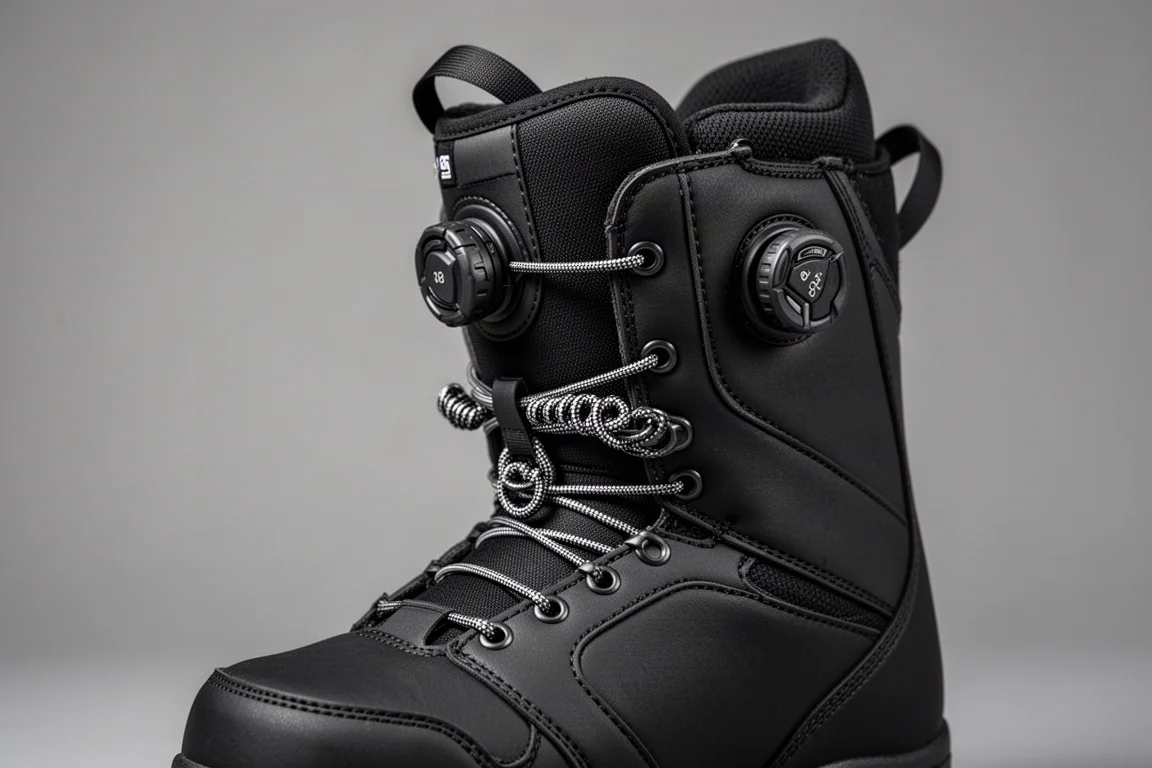
The internal harness reaches down deep and forward, which locks the heel in effectively. If heel lift and heel hold are ongoing issues for you, this is one of the boot’s most relevant features. The lacing on the internal harness was also changed this year, so the internal fit will feel different from previous versions.
Liner and Insole
Inside is Ride’s Dream Liner, their higher-end liner in the non-burrito wrap version. If you specifically want a burrito wrap, the Trident or Fuse are the better places to look.
The liner has deep corded heel pockets that help line your ankle bone up with the J-bars, which matters if you have a prominent ankle bone. An external butterfly wrap adds rigidity and response, and there are ventilation holes for breathability. Inside the tongue there is Velcro to hold everything in place, plus what Ride calls fantasy fur around the entry to help your foot slide in. A small rear piece grips the back of your sock if your foot starts to lift, and the aggressive J-bars contribute to the overall V-shaped fit.
The stock insole is the Impacto Elite, which has posting and a decent shape. If you ride five to ten days a year, it will probably do the job. Ride more than that and you should plan on an aftermarket insole, since the stock one will not provide enough support over a full season.
Fit and Sizing Notes
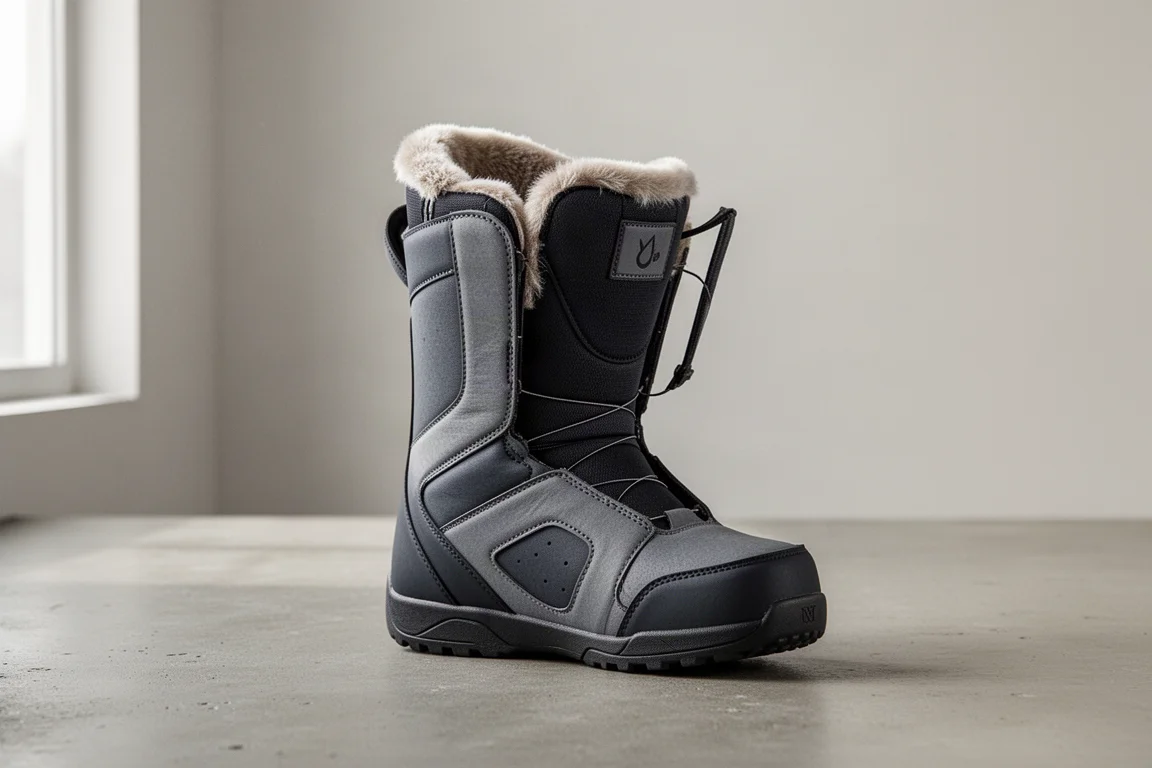
Measured in a US size 10 (28 mondo point), the boot comes in at about 10.5 at the rear and 10.75 at the front, with a forefoot width of 4.25 inches and a 12-inch sole length. The insole measures just shy of 11 inches long, around 3.75 inches wide. These numbers give you a sense of the footprint, but nothing replaces trying the boot on your own foot.
Who Should Buy the Ride Insano
This is an aggressive, performance-driven boot, and it makes no apologies for that. It suits riders who want to push hard, who need the customization of dual Boa on the shell, and who want an internal harness that locks them in. It is also a good match for riders with big calves who need an adjustable cuff, or anyone who has struggled with heel hold in the past.
If your idea of a hard day is a few relaxed laps and a long break at the lodge, this is not the boot for you. The stiffness and break-in effort would be wasted. But if you are genuinely riding at your limit and want a boot that keeps up, the Insano deserves a spot on your shortlist, as long as it fits your foot.
Conclusion
The Ride Insano’s overhaul has made it stiffer, more durable where it counts, and better suited to aggressive riders. With a redesigned flex slime tongue, Michelin rubber outsole, dual Boa lacing, and a heel-locking internal harness, it delivers the kind of response that performance-focused riders are after. Try it on first, dial the fit, and if it matches your foot and your riding, it is a serious contender.
Product link
View more details for Ride Insano
This product is mentioned in the review. Check the specifications, options, and compatibility before buying.
View more details for Ride InsanoFurther reading
Related Reviews

Snowboard Boots
32 Team Two Double Boa Review: 32's Highest-End Women's Snowboard Boot
A closer look at 32's top-tier women's snowboard boot, from the 3D molded toe box and double Boa lacing to the Performance Fit liner and heat-reflective footbed.

Snowboard Boots
Bataleon Acid BOA Snowboard Boot Review: A Serious First Entry from a Board Brand
Bataleon's first snowboard boot, designed by a former Burton boot designer, brings a stiff flex, dual BOA closure, and a heel hold system worth a closer look.

Snowboard Boots
Battalion Acid Boot Review: A Stiff, Aggressive Boot Built to Last
The Battalion Acid Boot is the brand's highest-end offering, built with seamless construction, TPU reinforcement, dual BOA lacing, and a heat-moldable liner. Here is what to know before buying.