Snowboard Bindings
Ride Drone Binding Review: Damp, Responsive, and Built to Last
A new aluminum-chassis all-mountain binding with a urethane gasket that cuts chatter without giving up response.
Introduction
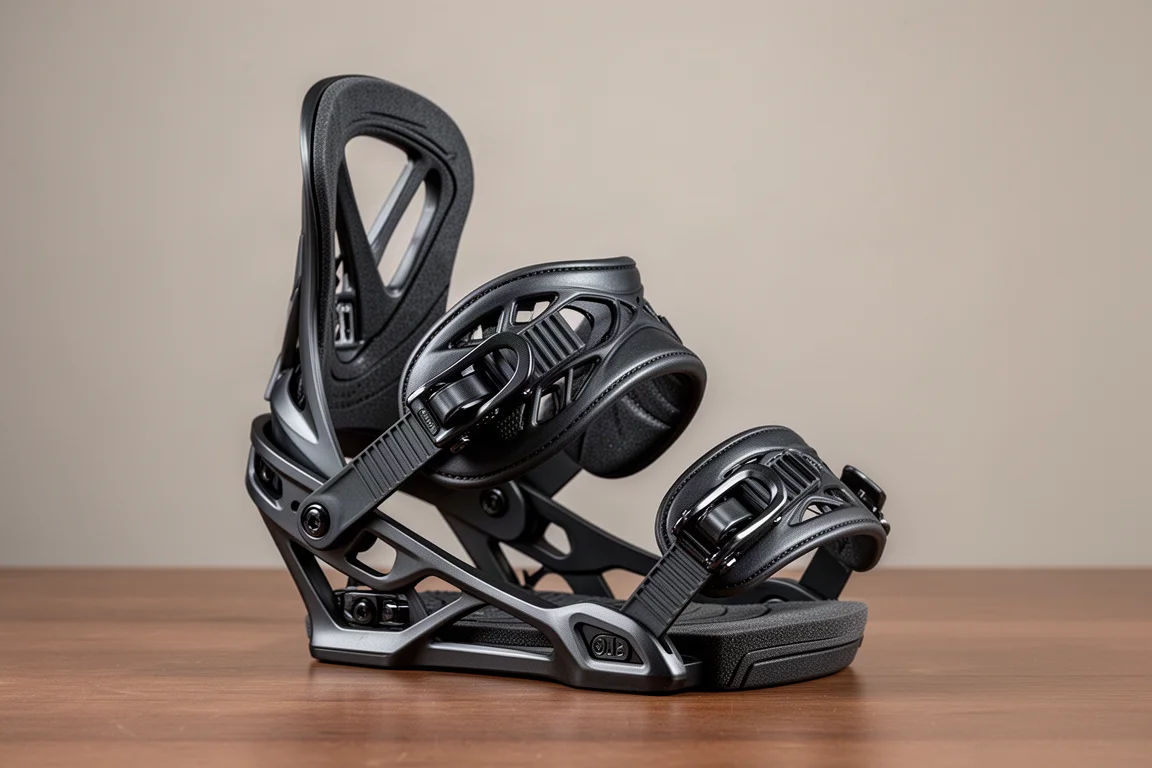
The Ride Drone returns on a familiar chassis, but with a surprise underneath: a huge urethane gasket that changes how this aluminum binding rides. Tested on a firm, crusty day at Copper Mountain with Ride Fuse boots on a Joan Strato board, it proved to be one of the most balanced aluminum-chassis bindings Ride has produced.
Who This Binding Is For
This is a binding for the rider with an extensive board quiver but only one set of bindings. If you want to move one pair across any board in the closet, feel locked in, and still get a little lateral play rather than a full foot clamp, the Drone fits that brief. It leans toward the damper side while staying responsive.
On-Snow Impressions
Tested on overworked, firm snow after a couple of weeks without fresh snowfall, the binding had to handle plenty of chatter. It did so remarkably well. The urethane pad combined with thick foam footbeds cuts vibration convincingly, riding damp like a C series binding while keeping the toe-to-heel response of an aluminum A series.
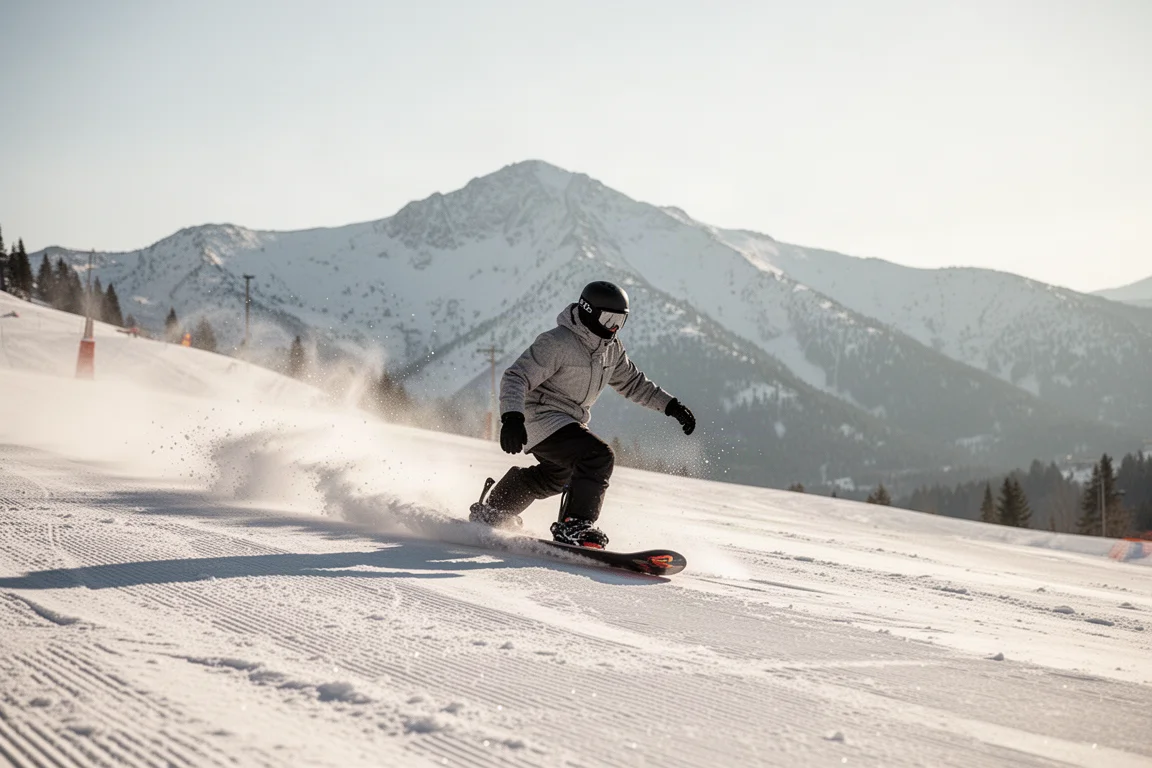
That combination makes it arguably the best-feeling A series binding yet. Bigger riders who need support get it without the harsh vibration of past aluminum chassis, and lighter riders can ride all day without feeling beaten up afterward.
Adjustability
The Drone is easy to dial in. The heel cup adjusts with a screw on each side: back the screw out, slide the cup forward or back. Boot size markings serve as a rough reference only, since actual fit varies by boot volume.
The highback rotates by unscrewing its hardware nearly fully, sliding it into position, and tightening back down. Forward lean uses a standard flip tab: flip it down, slide, flip it back up, and you can even change it mid-run. Strap length uses the same flip tab system, and the footbed slides fore and aft. With the movable heel cup and a micro-adjust disc, it is easy to eliminate toe or heel drag and get the stance dialed precisely.
Straps and Ratchets
The ankle strap is the headline change. It is absolutely massive but not padded, relying instead on an outer exoskeleton for support. Despite its volume, it distributed pressure well with no pressure points, and it delivered excellent toe-to-heel response plus strong lateral support thanks to the wide outer material.
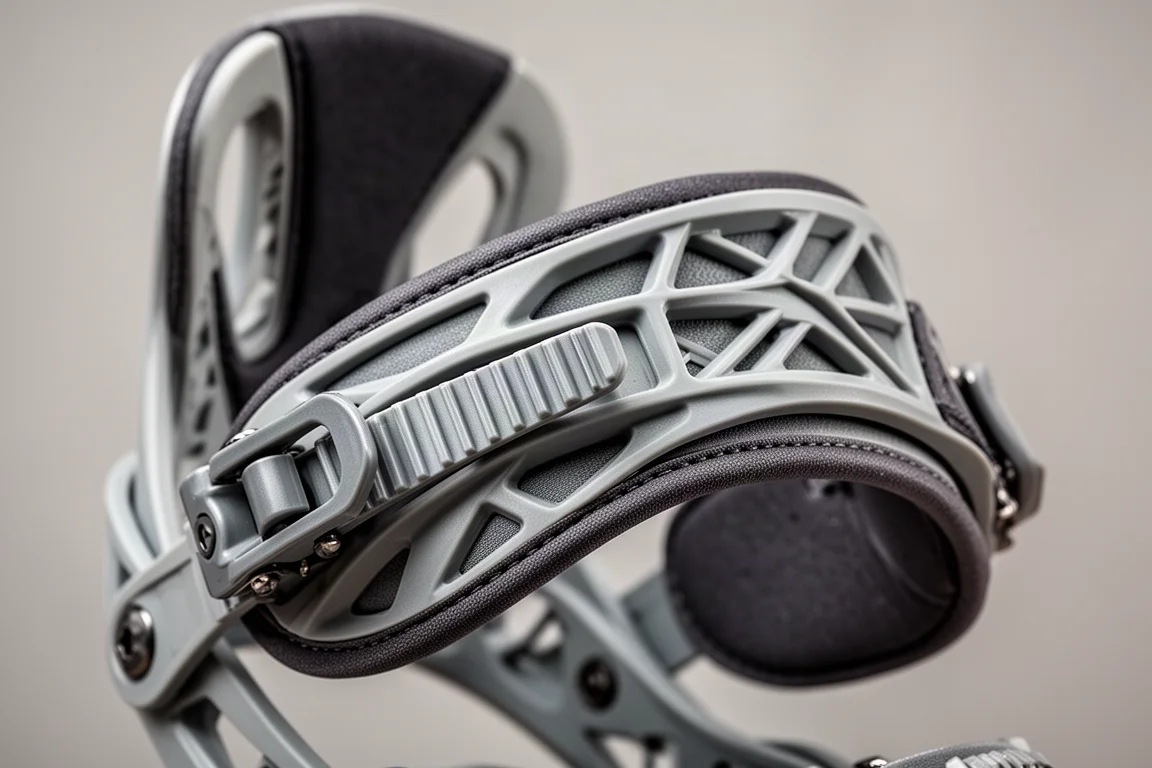
The toe strap can be rocked over the toe or run on top, and it performed well either way, with no movement during a 50/50 split test. Rubber on the inside holds firmly, it fits a square toe box very well, and the new cut should also accommodate rounded toes better than earlier versions.
The ratchets are carried over from previous generations: minimal play, excellent grip on the ladders, and no stripping or eating teeth even on the final click. The larger release lever is easy to operate with mittens.
Highback: Familiar Looks, New Tech
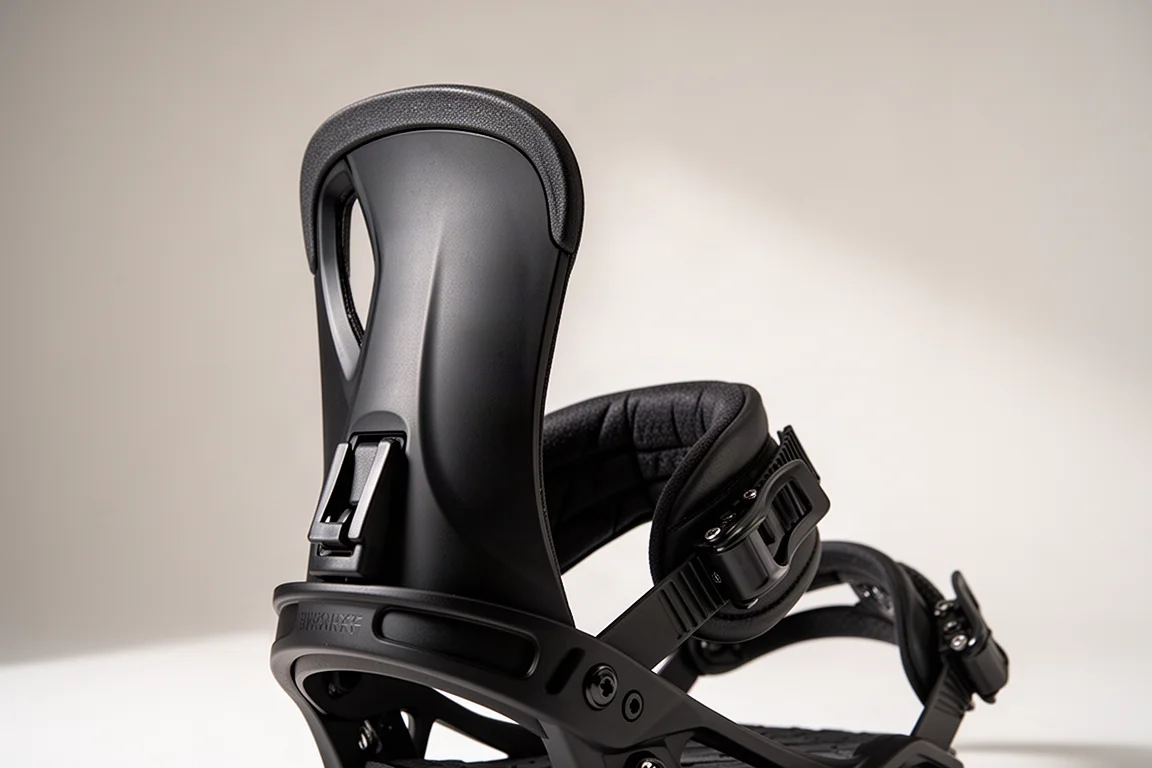
The highback is essentially an updated version of the old Rodeo highback, thinned out with revised flex points. Thicker material low down keeps it responsive, while the upper section still allows tweaking and pressing without feeling locked in. Padding at the rear prevented any calf bite, and the flip tab forward lean and rotation adjustment carry over as described above.
Flex and Damping
Expectations were low for lateral flex given the aluminum chassis, but the large urethane gasket underneath lets the binding roll freely. Peeling the gasket back reveals a rolled chassis underneath, which allows lateral play when ollieing, tweaking, or pressing instead of the rigid, board-snapping feel of older aluminum designs.
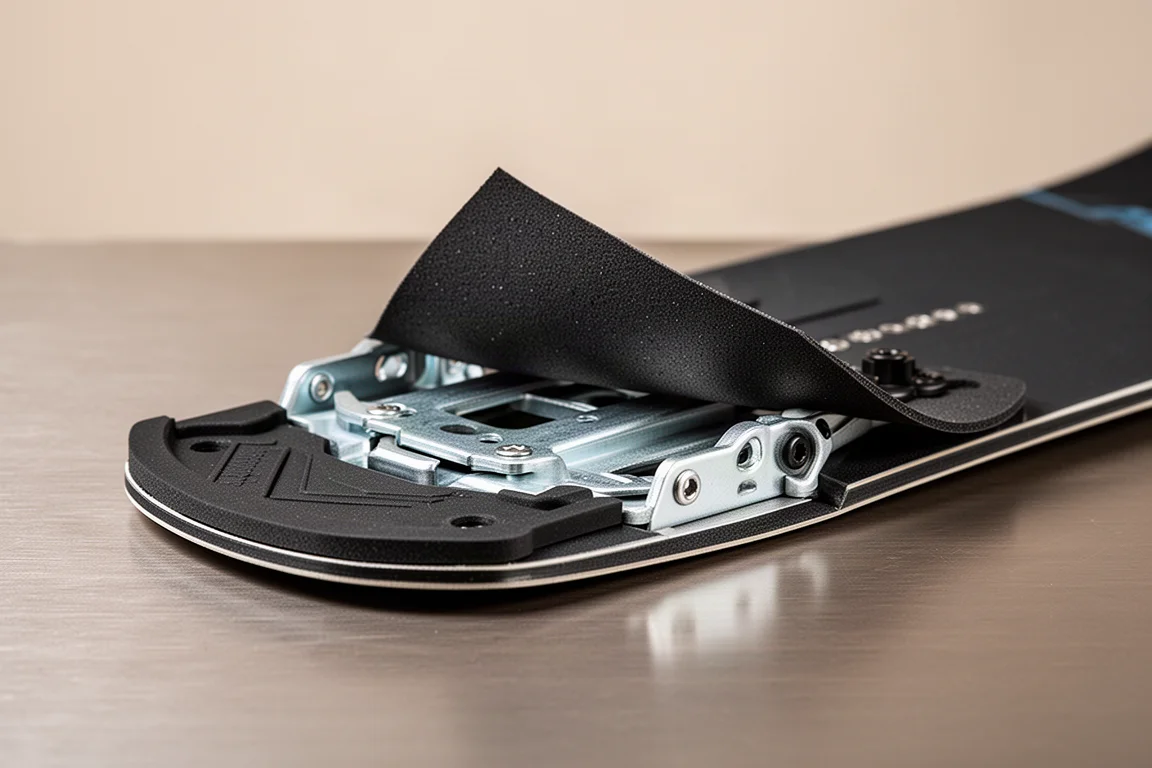
Toe to heel, it is still pure aluminum response with essentially no flex. Laterally, the straps and highback add some give, though not as much as something like an ultra-soft freestyle binding. Overall: damp but lively, with less chatter transmitted up the legs than any previous A series binding.
Buying Advice
Comparable bindings worth cross-shopping are the Union Force, the Rome Katana, and the Yes Airmaster. If the Drone does not sound like the right fit, checking those alternatives is the best way to make an informed decision.
Conclusion
The new Ride Drone is a genuinely impressive all-mountain binding. The massive exoskeleton ankle strap is among the most comfortable Ride has made, the ratchets are solid, and the urethane gasket makes an aluminum chassis ride damp without sacrificing response. It has come a long way in twenty years, and it works for nearly any rider, regardless of size. Ride nailed this one.
Product link
View more details for Ride Drone
This product is mentioned in the review. Check the specifications, options, and compatibility before buying.
View more details for Ride DroneFurther reading
Related Reviews

Snowboard Bindings
2024 Union Ultra Snowboard Bindings Review: A Cushy, Freestyle-Focused Favorite
Two seasons on the 2024 Union Ultra: a lightweight, tweakable freestyle binding with standout comfort, a damp molecular bushing, and thoughtful hardware fixes.

Snowboard Bindings
32 Team Phase Binding Review: A Fast Entry Binding Built for Freestyle Laps
The first binding from 32 uses the Phase chassis for quick step-in entry with a softer, freestyle-leaning flex. Here's how it performed on the snow.

Snowboard Bindings
Arbor Cypress Snowboard Binding Review: A Laid-Back Cruiser That Can Charge
A closer look at the Arbor Cypress binding's adjustability, strap feel, and that oddly tall highback before you decide to buy.