Snowboards
Ride District Snowboard Review: A Forgiving Twin for New Riders
The Ride District pairs a soft flex with a twin shape and flat-to-rocker profile. Here is who it suits, what it does well, and what to check before buying.
Introduction
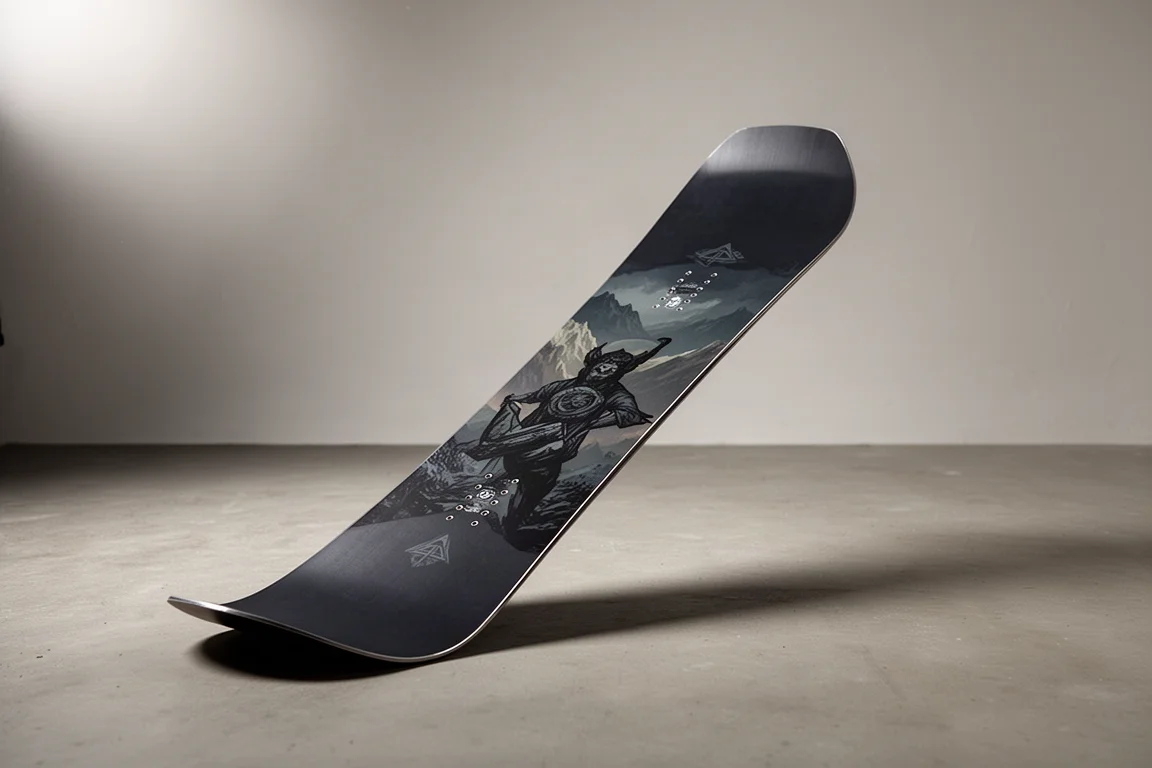
The Ride District is built around a simple idea: make the early years of snowboarding easier. It pairs a softer flex with a twin shape and a profile that runs flat through the middle out to rocker at the nose and tail. Together those choices produce a board that bends into a turn easily, forgives small mistakes, and stays predictable when you are learning to ride switch.
It is positioned as a budget-friendly option for beginner to intermediate riders rather than a specialist freeride or high-speed deck. That positioning matters more than any single specification, because a board that flexes easily under a newer rider gives back clear feedback: ease into the turn and the board follows.
Who This Snowboard Is For
The District targets beginner to intermediate riders. If this is your first board, or your second after outgrowing rental gear, the softer flex and forgiving ride make the learning curve less punishing. Riders who want to play around the mountain, learn switch, and build confidence in their turns will get the most from it.
It also suits lighter riders and anyone who prefers a relaxed, low-effort ride over a stiff, demanding deck. Freestyle-minded riders who spend time on flat ground and small features will find the flex easy to work with, and the twin shape keeps switch riding symmetrical.

Where the District makes less sense is at the far end of the ability range. Strong riders who charge at speed, ride steep terrain, or want a stiff, locked-in feel will likely find it too soft for their preferences.
Main Strengths
A Soft, Forgiving Flex Pattern
The defining trait of the District is how easily it flexes. At around 170 lbs, the board bends noticeably underfoot with minimal effort, which is exactly what a newer rider wants. Softer boards bend into a turn when you ease into it, hold that turn, and then release cleanly into the next one. That progression is easier to feel and easier to repeat than on a stiff board that resists input.
The practical benefit is a lower risk of catching an edge. When the board flexes and follows the terrain instead of fighting it, small errors in weight distribution are less likely to end in a fall. That is the main reason softer flex patterns are recommended for riders who are still building muscle memory.
Twin Shape and Rocker Profile
The District uses a twin shape with generous nose and tail height and a profile that stays flat through the middle before transitioning to rocker at the ends. The flat section underfoot keeps the board predictable when you are riding flat base, while the raised nose and tail reduce catch points and make the board easier to pivot.

The stance is centered by default, which keeps the ride balanced in both directions. It can also be shifted back slightly if you want a more directional feel on a given day.
Things to Consider Before Buying
Sizing, Width, and Stance
The District comes in only two lengths, 156 and 161. There are no separate narrow or wide versions, and the 156 carries a fairly wide waist at around 262 mm. That matters: if your boots are small, a wide waist can make edge-to-edge transitions feel slower than necessary.
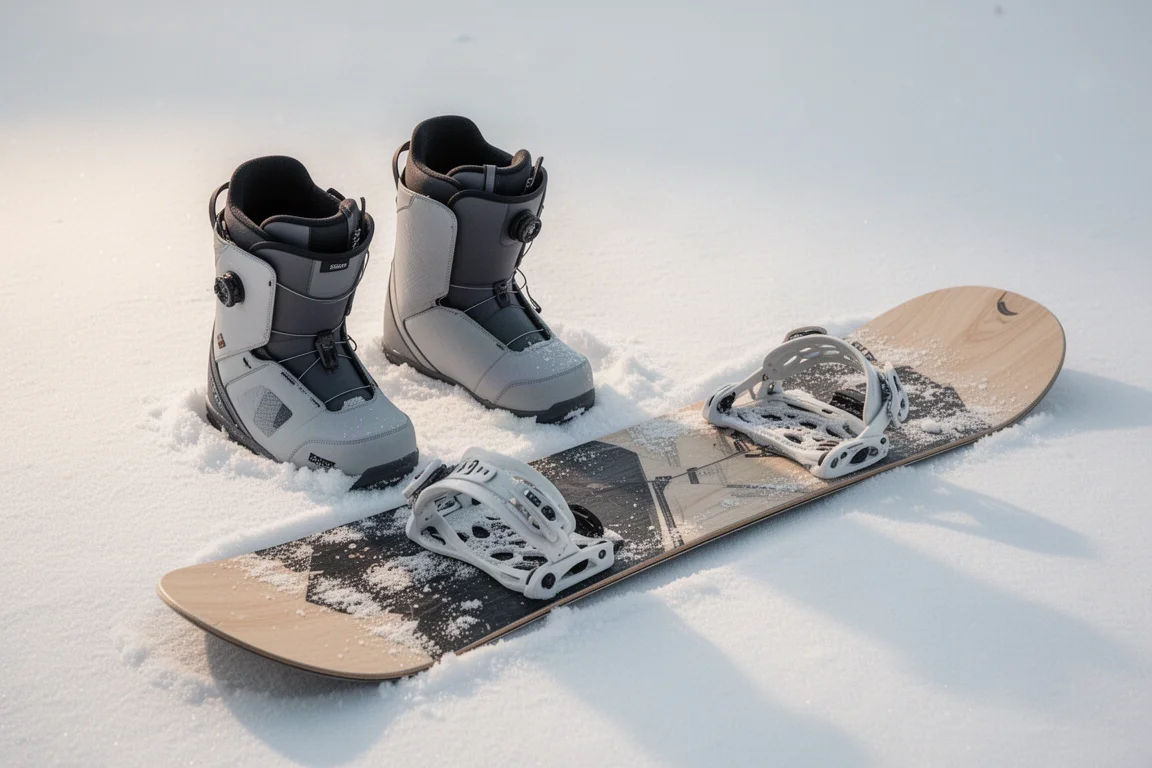
Check your boot size against the waist width before committing, and remember that a two-length range limits how precisely you can match the board to your height, weight, and riding style. The board is offered in more than one graphic option, including a District Black version, but those differences are cosmetic rather than structural.
Where a Softer Twin Makes Less Sense
A soft twin is a specialist tool in its own way. Riders who prioritize high-speed stability, hard carving grip, or float in deep snow will find that the District’s strengths work against them in those conditions. It is at its best at moderate speeds on groomed runs, in the park, and anywhere a playful, forgiving ride is an advantage.
Buying Advice
The clearest way to decide is to match the board to where you actually ride. If you are a beginner or intermediate rider who wants to learn turns, ride switch, and play on mellow terrain without fighting the board, the District’s softer flex, twin shape, and flat-to-rocker profile line up well with that goal. It is also a sensible budget-friendly choice for a first or second board.
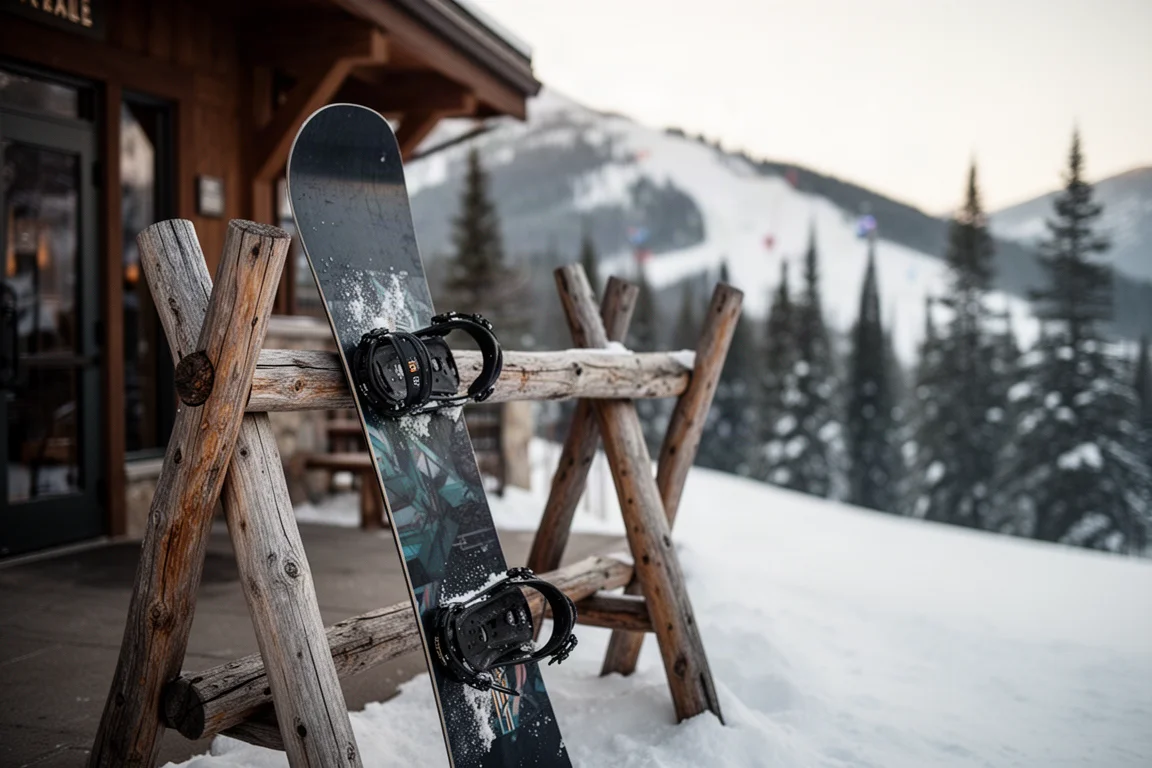
Two checks are worth making before you buy. First, confirm that the available lengths and the roughly 262 mm waist width suit your boot size and weight. Second, be honest about your ambitions: if you already ride fast and aggressively, or you spend most of your time in deep snow, this is probably not the board that will reward you.
Conclusion
The Ride District keeps things simple. A soft flex, a twin shape, and a flat-to-rocker profile add up to a board that bends into a turn easily, rides switch without fuss, and stays forgiving when you make a mistake. For beginner and intermediate riders who want a budget-friendly board to grow with, that is a coherent and useful package. Just confirm the sizing and waist width work for your boots before you commit.
Product link
View more details for Ride District Snowboard
This product is mentioned in the review. Check the specifications, options, and compatibility before buying.
View more details for Ride District SnowboardFurther reading
Related Reviews

Snowboards
32 Middle Earth Scott Stevens Pro Model Snowboard Review: A Park Board With a Reversed Flex
A medium traditional camber park board with carbon V reinforcement that is stiffer in the tips and more playful between the feet. Here is how it rides and who it suits.

Snowboards
32 Snafu Review: A Directional All-Mountain Freestyle Board with Serious Pop
The 32 Snafu pairs a directional camber-rocker profile with a stiffening tail for powerful carves, big ollies, and a surprisingly damp ride.

Snowboards
32 XXX Pat Fava Pro Snowboard Review: A Stiff Camber Beast for Hard-Charging Riders
A full-width traditional camber deck that rewards aggression with stability and edge power, but demands effort everywhere else.