Snowboards
Ride Deep Fake vs Ride Moderator: Which 2025 All-Mountain Snowboard Suits You?
Two Ride snowboards that share the same shape and camber profile but differ in materials and feel. Here is how to pick the right one for your riding style.
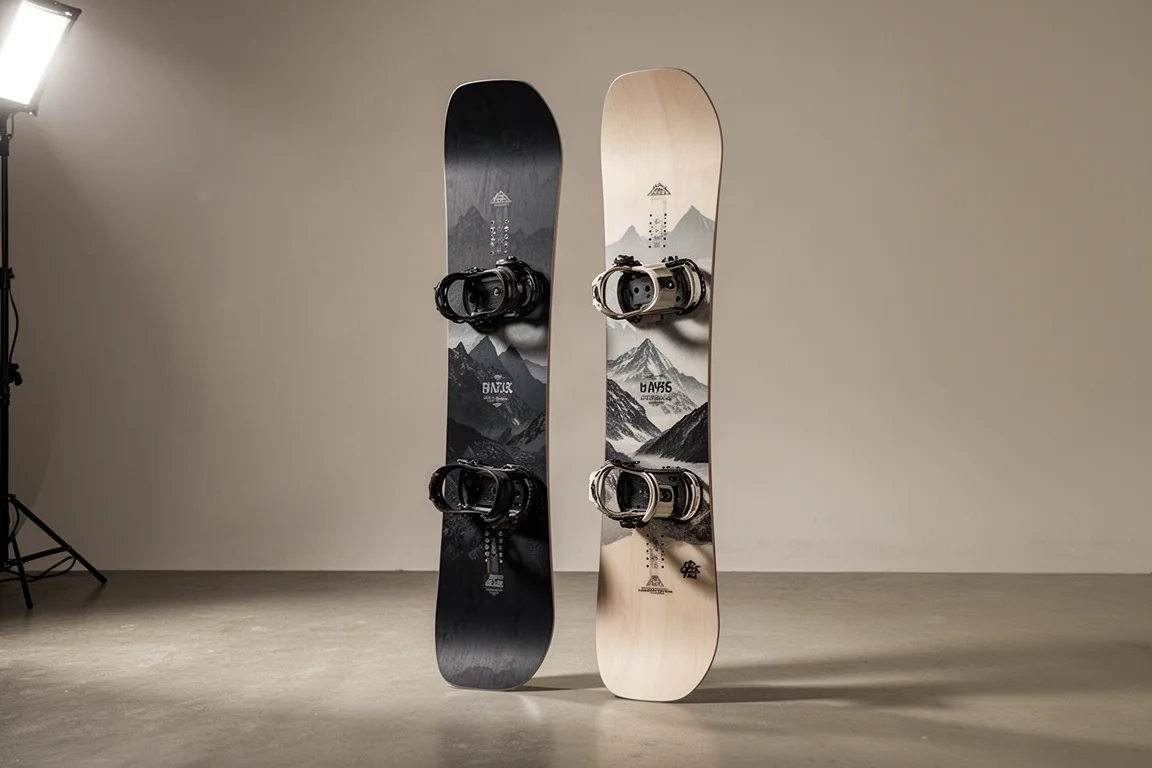
Introduction
Ride’s 2024-2025 lineup includes two boards that look like siblings and ride like different animals: the Deep Fake and the Moderator. The Deep Fake has been around for two seasons now and was a big hit when it launched, returning this year completely unchanged aside from new graphics. The Moderator is all new for this season, and it shares a surprising amount with its counterpart.
Both sit on the snow the exact same way. They use the same directional shape and the same extra camber underfoot. What changes is what is inside the board, and that difference is enough to steer each model toward a different kind of rider.
Ride Deep Fake: Power and Damping
The Deep Fake is a directional board with camber underfoot, so it grips really nicely on firmer snow. That directional shape also makes it easy to steer, and it helps with initiating turns in trees, bumps, and soft snow.
The unique part is the construction. There is quite a bit of carbon fiber inside, which gives the board a powerful feel, plus titanium metal strips running along each edge. Those strips dampen vibrations, which makes a real difference on firmer snow days when conditions get chattery and rough. The board smooths things out and feels confident underfoot.
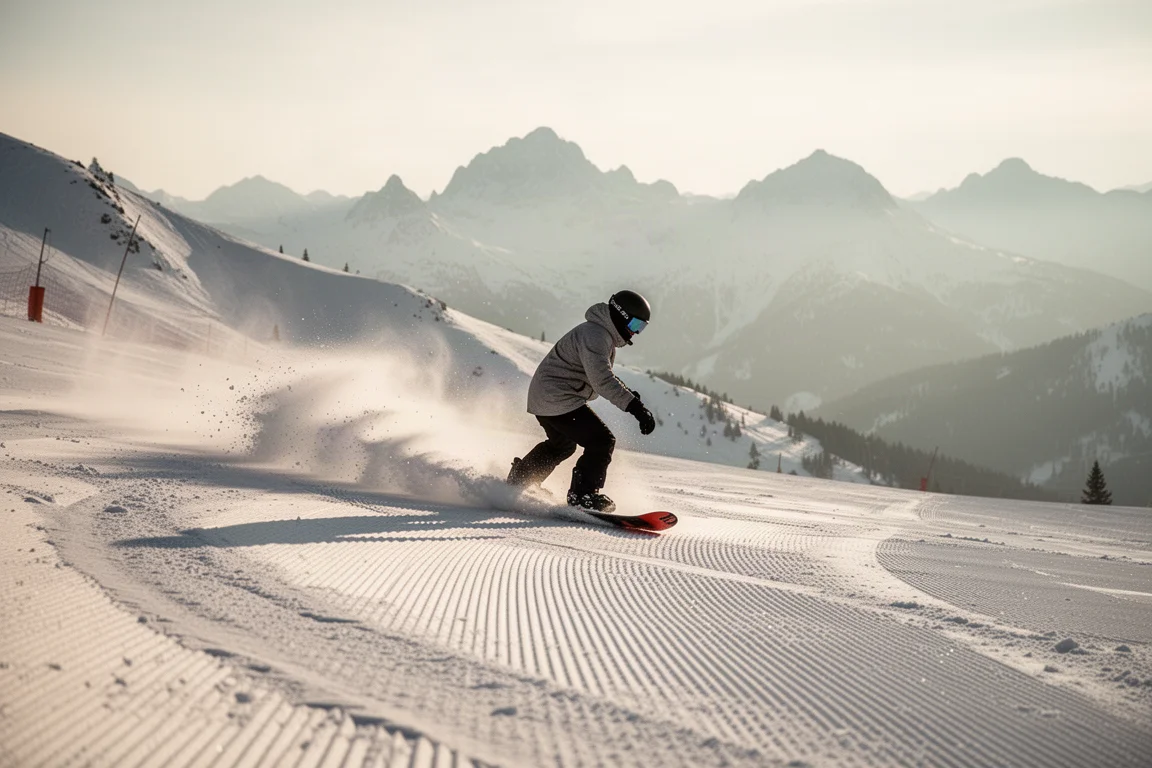
This is a board with a little more muscle. If you are a heavier rider, you like to ride fast, or you spend most of your time in more technical terrain, the extra power helps you really drive the board through the turn.
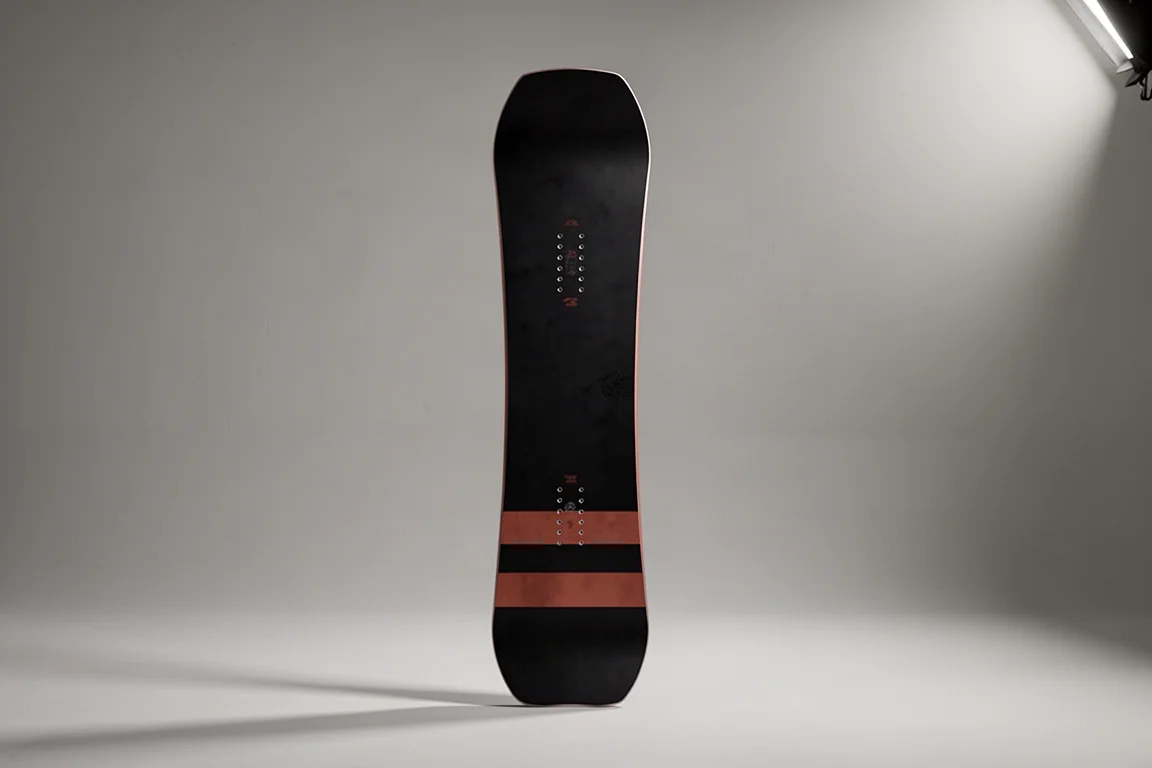
Ride Moderator: Forgiving and Manageable
The Moderator shares the exact same shape and the exact same profile as the Deep Fake. Same directional shape, same extra camber underfoot, same stance on the snow. The changes are inside: a little less carbon fiber, and the metal edge strips are gone.
The result is a board that is just a bit more forgiving and more manageable at slower speeds. It initiates a turn with a little less force, which is noticeable if you ride more mellow terrain or are not always pushing it super hard.
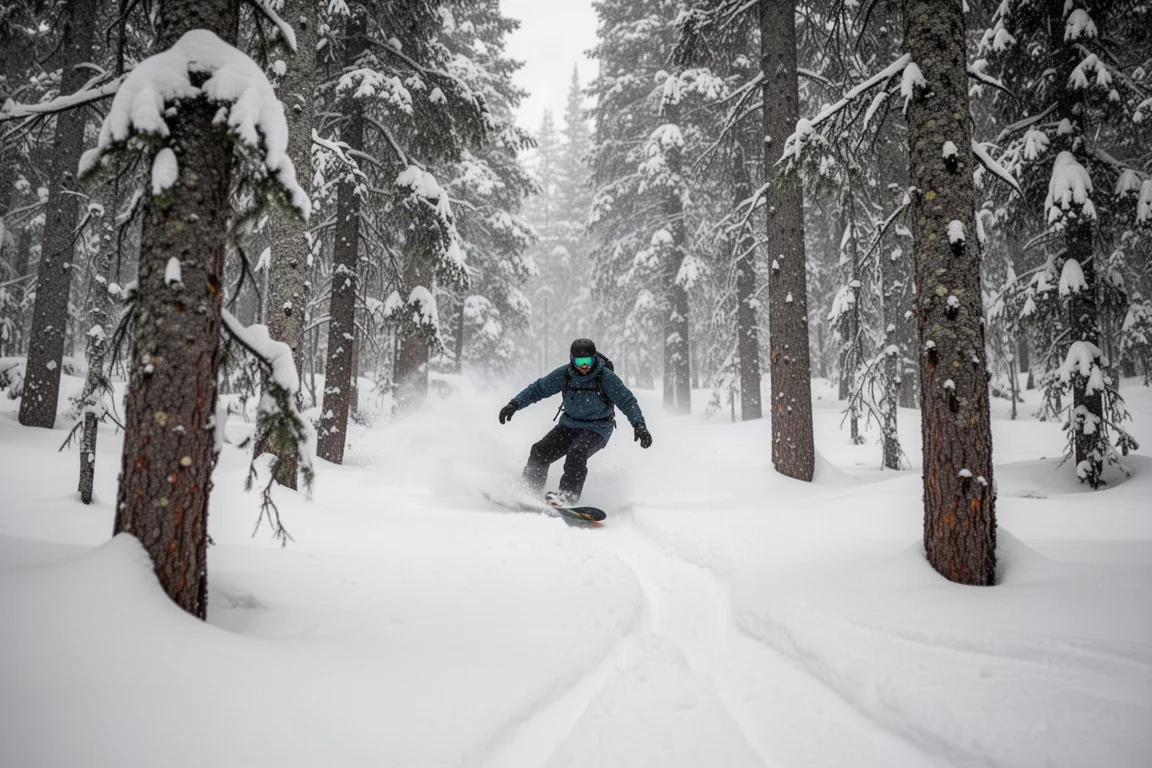
If you ride a ton of different terrain and do not always need the strongest feeling board under your feet, or you simply prefer a slightly more flexible feel, this is an awesome option. It still gives you the grip on firm snow you need, and the tapered directional shape works in a bunch of other terrain too.
View more details for Ride Moderator
How to Choose Between Them
Both are really solid all-mountain packages that cater to a lot of different riding styles. The core question is how much power you want in the board.
The Deep Fake rewards riders who bring force to the turn. The carbon fiber and edge damping make it feel planted and confident when you are driving hard into firm snow or tackling technical lines.
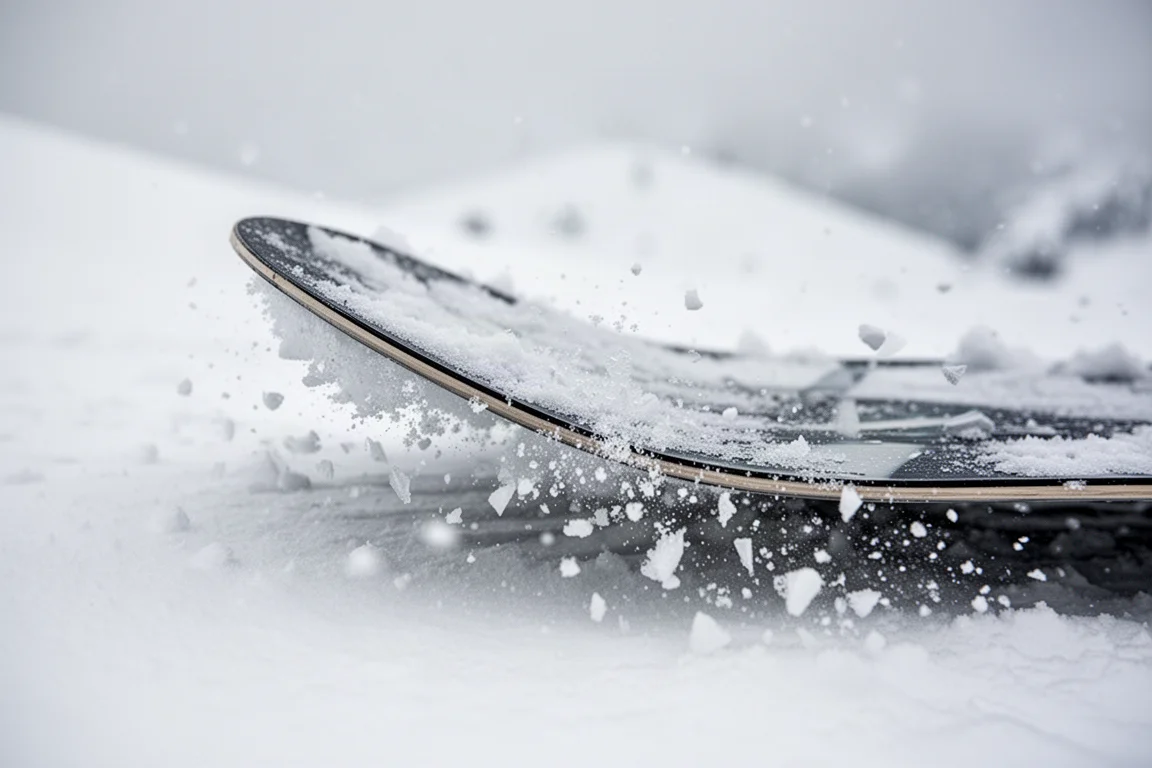
The Moderator trades some of that muscle for approachability. It is a little lighter, a little more forgiving, and easier to turn at moderate speeds, while keeping the firm-snow grip that makes the shared shape work so well.
Which One Should You Buy?
Pick the Deep Fake if you ride fast, weigh more, or spend most of your time in technical terrain and want a board with more overall power. Pick the Moderator if you ride a wide mix of terrain at a more relaxed pace or prefer a softer, more flexible feel that still grips on firm snow.
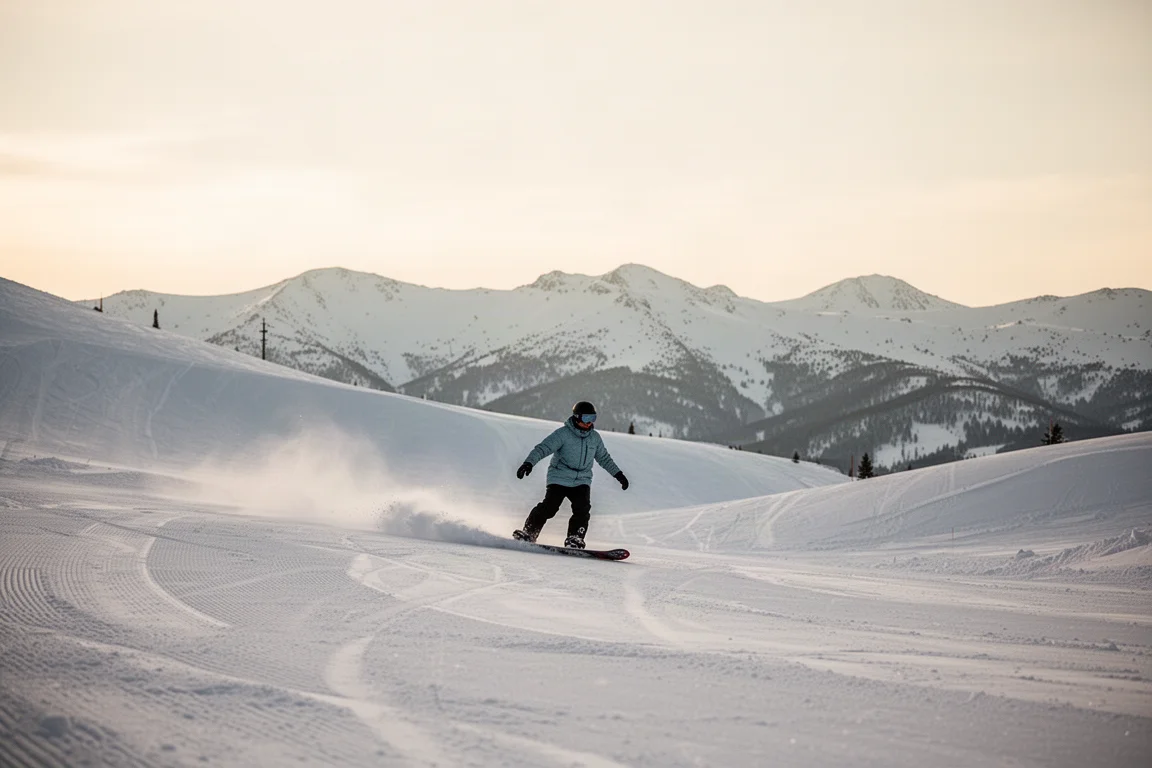
Neither is a bad choice. The right pick comes down to honest self-assessment: do you want the board to push back harder, or get out of the way a little more?
Conclusion
The Deep Fake and Moderator prove that construction, not shape, can define a board’s character. Same directional cambered platform, different personalities. Match the one to your typical speed, terrain, and preferred flex, and either will serve as a dependable all-mountain board for the season.
Further reading
Related Reviews

Snowboards
32 Middle Earth Scott Stevens Pro Model Snowboard Review: A Park Board With a Reversed Flex
A medium traditional camber park board with carbon V reinforcement that is stiffer in the tips and more playful between the feet. Here is how it rides and who it suits.

Snowboards
32 Snafu Review: A Directional All-Mountain Freestyle Board with Serious Pop
The 32 Snafu pairs a directional camber-rocker profile with a stiffening tail for powerful carves, big ollies, and a surprisingly damp ride.

Snowboards
32 XXX Pat Fava Pro Snowboard Review: A Stiff Camber Beast for Hard-Charging Riders
A full-width traditional camber deck that rewards aggression with stability and edge power, but demands effort everywhere else.