Snowboard Bindings
Ride C-9 Bindings Review: A Freeride-Minded All-Mountain Binding
A detailed look at the Ride C-9 snowboard binding, covering its adjustable discs, strap design, rigid highback, and how it behaves on groomers and chunder.
Introduction
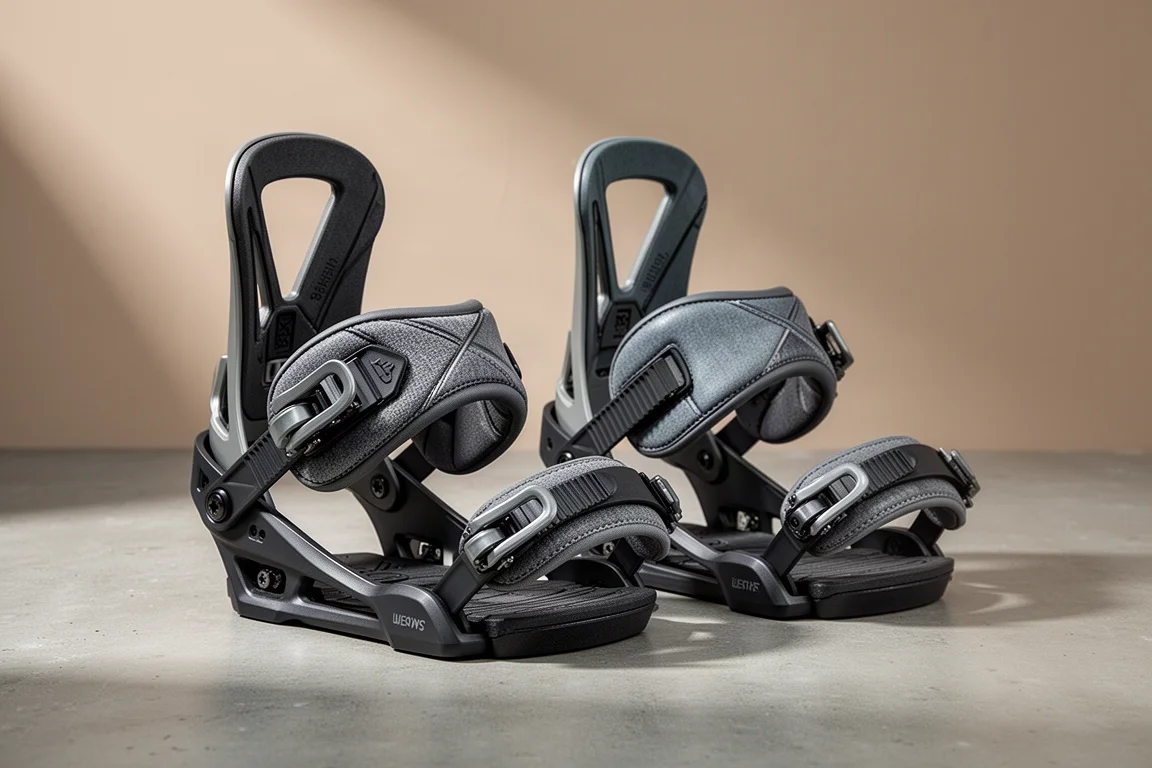
The Ride C-9 occupies an unusual slot in the brand’s binding lineup. It is not a straight replacement for anything in the range. Instead, it takes the chassis of the 8 series and pairs it with the straps from the 10 series, which gives the C-9 a character that sits between the two rather than simply above or below them.
On-snow time was spent at Copper Mountain on a sunny bluebird day with average temperatures, on perfect groomers with some chopped-out powder and chunder just off the run. That mix matters, because groomers show how cleanly a binding transfers input while churned-up snow reveals how well it damps vibration underfoot.
Who the Ride C-9 Is For
The clearest way to describe the C-9 is as a freeride binding you can ride freestyle with, rather than an all-mountain freestyle binding you could take freeriding. That distinction comes from where the stiffness sits. The baseplate keeps a little lateral roll and give underfoot, while the straps feel stiffer when you really drive into them.
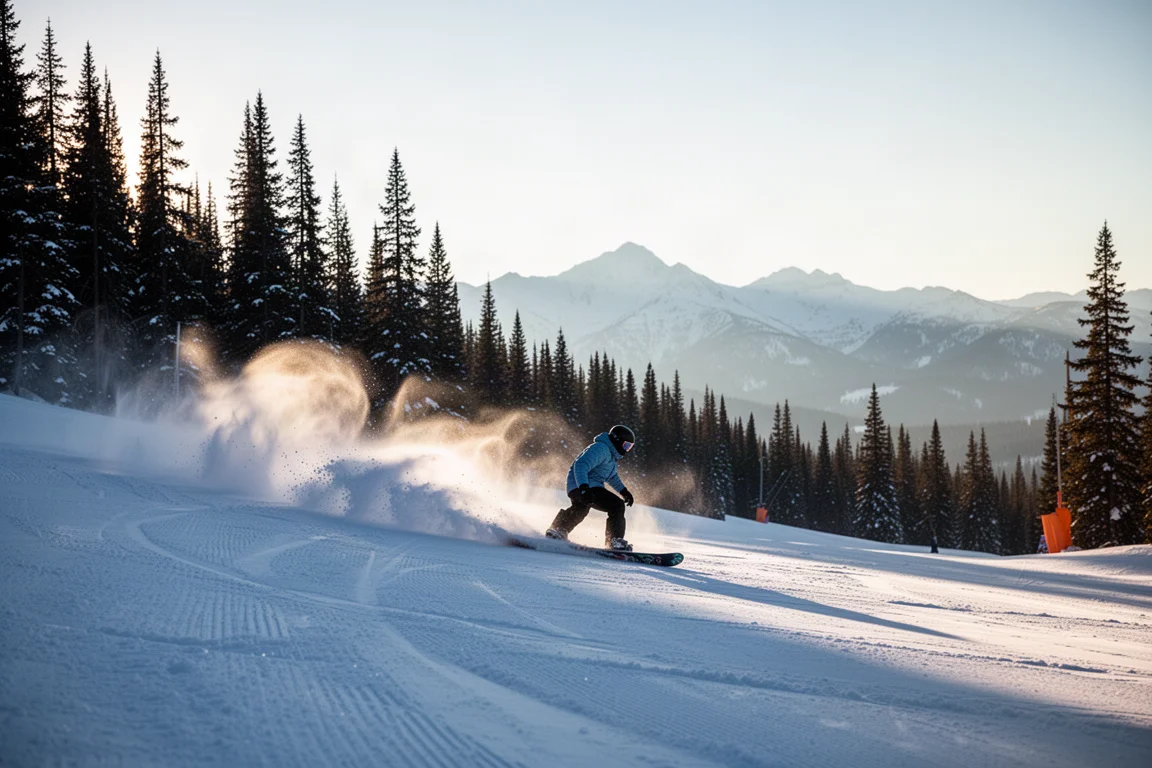
Riders who want one binding for aggressive all-mountain charging will find the C-9 lands close to the mark. It suits someone who spends most of the day turning with purpose, hits the occasional park feature or side hit, and wants a platform that stays composed when the snow gets cut up.
Adjustment and Customization
Ride ships two discs with the C-9, one composite and one aluminum. The aluminum disc makes the setup more rigid underfoot, while the composite disc gives a slightly more forgiving feel. Having both in the box means you can tune the ride without buying anything extra.
Beyond the discs, the adjustment set is broad. Flip cams on the toe and heel straps let you lengthen or shorten them. The heel cup slides in and up. The heel strap and highback sit on a slot, so the highback can be rotated or moved forward and backward. There is a forward lean adjustment, and the toe ramp slides forward and backward to center it under the boot, though its range is limited. Most of this is standard on a modern binding, but the two discs push the customization a step further.
Straps and Ratchets
The heel strap uses Ride’s three-piece design. It adds a little padding without a lot of bulk, which helps relieve pressure points across the top of the boot. The middle of the strap is more rigid where the skeleton runs through it, while the plastic below stays more forgiving, so the strap holds the boot firmly without digging in.
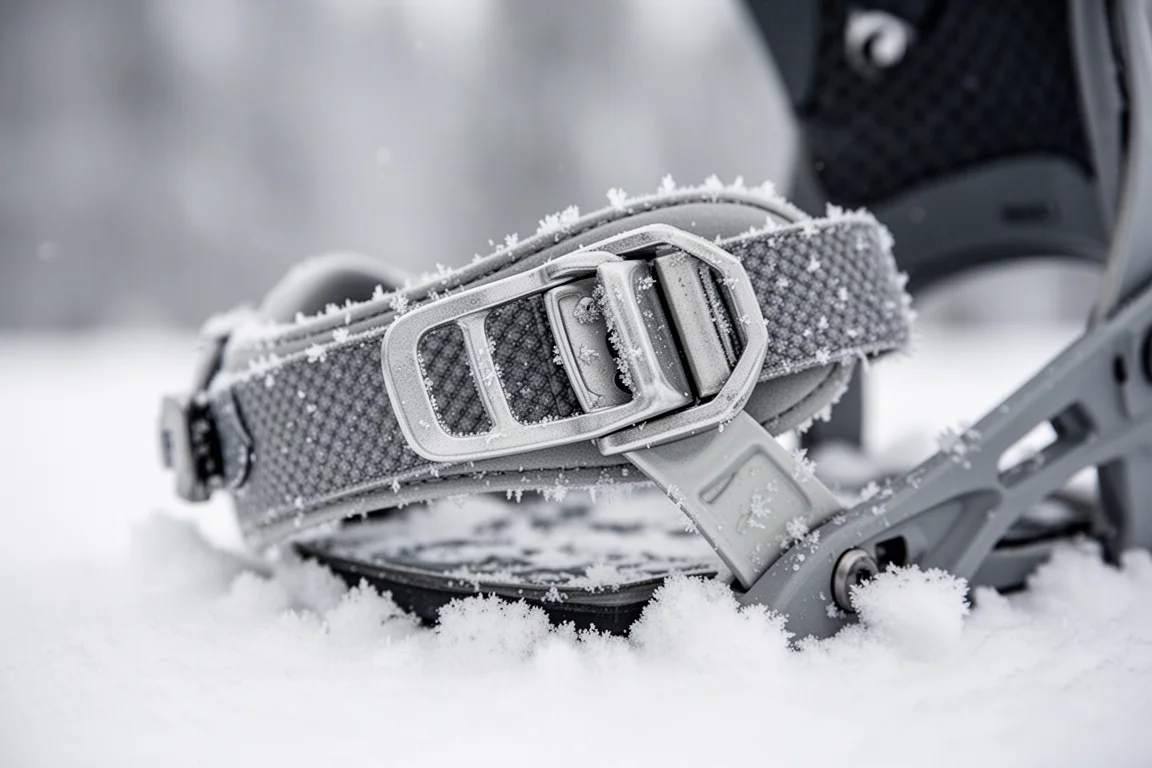
The toe strap takes a different approach, with a large cutout and foam through the middle. That foam can be a little slick, so the strap may pop off the boot if you do not tighten it down enough. The cutout also shapes well around most boots, but a particularly boxy boot can slip out of it.
The ratchets are a highlight. They release cleanly, climb smoothly, and stay put. There is no sticking and no premature release, which is exactly what you want from the one part of a binding you interact with on every run. Ride clearly put real effort into this area when it redeveloped its binding line.
Highback and Power Transfer
The highback is narrower and more rigid than many others on the market. That combination is what gives the C-9 its direct feel. When you drive into it, more of that input reaches the edge instead of being absorbed by the highback itself.
Forward lean adjustment is quick and simple. Flip the lever down, slide it to the position you want, flip it back up and lock it. Riders who like to run a lot of forward lean and really feel the highback behind them will get on well with this setup. Lateral play is limited too, so the binding does not wander side to side when you are pushing hard.
Ride Feel on Snow
Overall the C-9 rides smooth and consistent. It feels familiar almost immediately, like a binding you have already spent a season on. Underfoot it is damp and stable, and the platform soaks up shocks and chunder so you are not chasing vibrations up through your boots. Importantly, that comfort does not come at the cost of power.
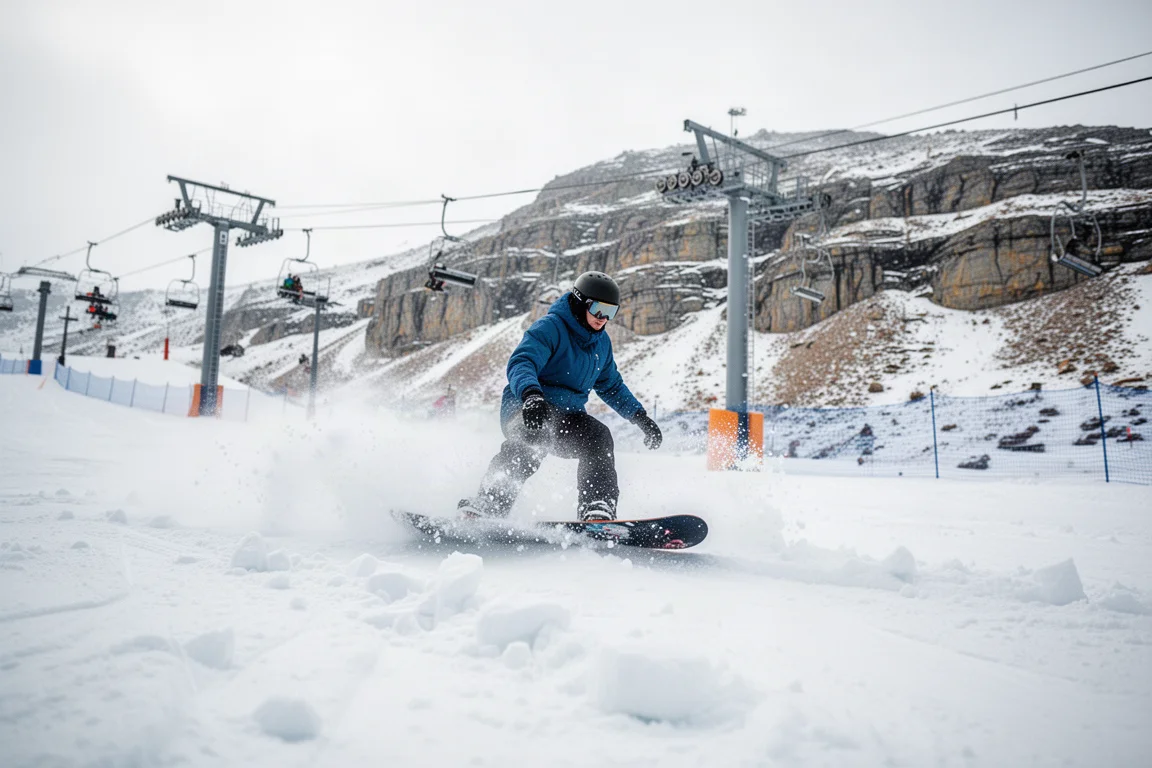
The wider baseplate creates a slightly larger dead spot underfoot. That is not automatically a flaw, and plenty of riders prefer the calmer, more planted feel it produces. It does mean the C-9 is the wrong choice if you like a mini disc with a lot of play and a very loose, surfy ride. If you want more drive out of the baseplate instead, this is worth a look.
Because the baseplate allows some lateral roll, the C-9 is not as locked in as the stiffest freeride bindings. What you get in return is the ability to weight the inside or the outside of the binding and press into the board, which keeps it playful for its stiffness class.
Things to Consider Before Buying
The main practical annoyance is the toe strap foam. Because it can be slick, you need to tighten the strap down properly, and boxy boots may not sit as securely in the cutout as rounder ones. It is a small thing, but it is the kind of detail you notice every time you strap in.
The bigger question is positioning. The C-9 borrows from both the 8 and the 10 series and sits between them rather than clearly ahead of either. Riders who already own one of those models may not find enough of a difference to justify the change. Riders choosing a first performance binding, or replacing a worn-out pair, have a much clearer case.
Buying Advice
Buy the C-9 if you want a damp, stable platform that stays smooth through chunder, a narrow rigid highback that rewards forward lean, and straps that stiffen up when you drive into them. It is a strong match for the aggressive all-mountain rider who wants freeride backbone without giving up the ability to play around the mountain.
If you are cross-shopping, the Union Falcor, Burton Cartel X, and Jones Mercury are the bindings most often weighed against the C-9, so comparing those against it is a sensible starting point. If your priority is a very loose, surfy feel with maximum play underfoot, look elsewhere in the range. If your priority is drive, damping, and consistency, the C-9 is easy to recommend.
Conclusion
The Ride C-9 is a well-executed binding with a clear personality. It is damp where it needs to be, stiff through the straps, and calm underfoot, and it gives you enough adjustment range to make it feel like your own. The open question is whether the gap between it and the models either side is wide enough to matter, and every rider will answer that differently. For anyone who wants a freeride-leaning binding they can still play on, it is a genuinely appealing option.
Product link
View more details for Ride C-9 Bindings
This product is mentioned in the review. Check the specifications, options, and compatibility before buying.
View more details for Ride C-9 BindingsFurther reading
Related Reviews

Snowboard Bindings
2024 Union Ultra Snowboard Bindings Review: A Cushy, Freestyle-Focused Favorite
Two seasons on the 2024 Union Ultra: a lightweight, tweakable freestyle binding with standout comfort, a damp molecular bushing, and thoughtful hardware fixes.

Snowboard Bindings
32 Team Phase Binding Review: A Fast Entry Binding Built for Freestyle Laps
The first binding from 32 uses the Phase chassis for quick step-in entry with a softer, freestyle-leaning flex. Here's how it performed on the snow.

Snowboard Bindings
Arbor Cypress Snowboard Binding Review: A Laid-Back Cruiser That Can Charge
A closer look at the Arbor Cypress binding's adjustability, strap feel, and that oddly tall highback before you decide to buy.