Snowboards
Ride Berserker Snowboard Review: An Aggressive Charger for Advanced Riders
The Ride Berserker pairs directional extra camber with a tapered nose to deliver drive, pop, and precision for riders who want a board that carves hard and floats deep.
Introduction
The Ride Berserker is a board with a very clear personality: it wants to be on edge, it wants to pop, and it wants to keep cruising. Built around Ride’s directional extra camber profile, it is aimed squarely at advanced riders who prioritize drive and precision over playful forgiveness. This review covers how it performed on groomers, jumps, butters, and carves, along with who should and should not buy it.
Who This Product Is For
The Berserker is made for the advanced rider, the technical terrain specialist who needs to be able to turn on a dime. Think of riders who charge big lines and treat the mountain like a playground. If that description fits your riding, this board speaks your language. Beginners and casual cruisers should look elsewhere, because this board rewards commitment and punishes hesitation.
Board Profile and Construction
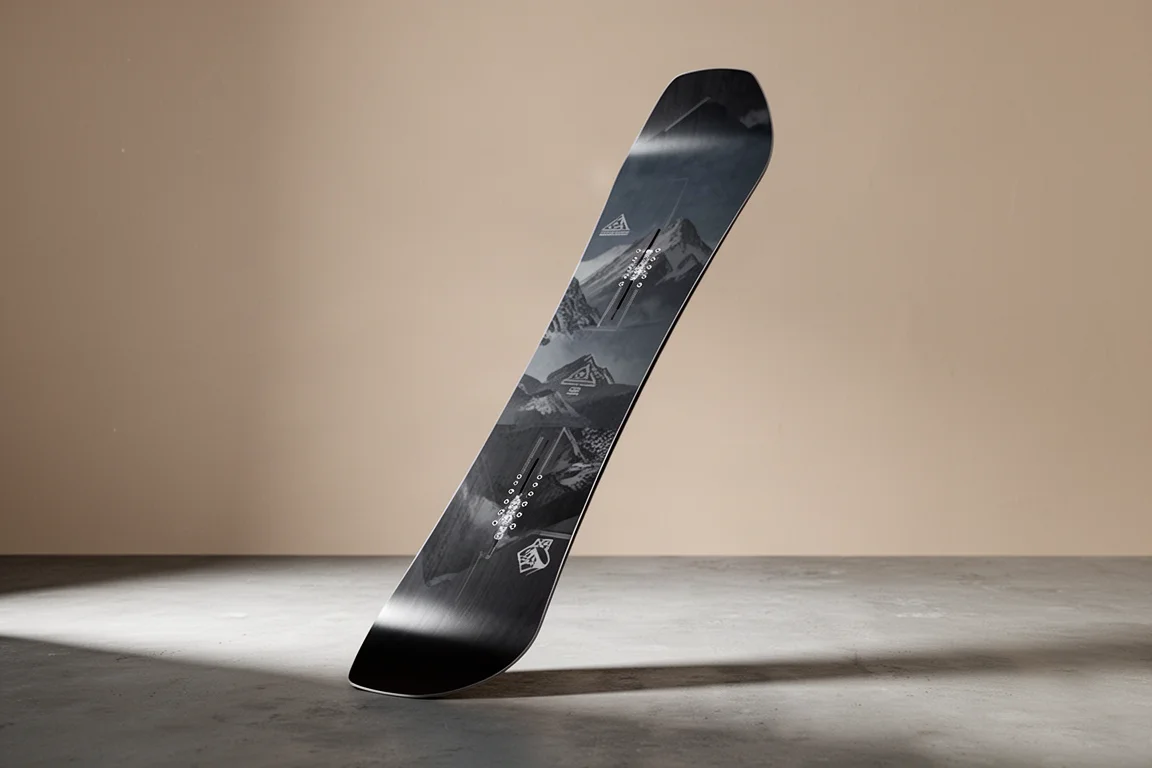
The Berserker uses Ride’s directional extra camber profile. That means camber runs from under the front foot all the way through the tail, with a rocker section in the nose. The camber zone delivers all the drive, pop, and precision you look for in a directional board, while the rocker nose adds extra float and makes it easier to ease in and out of turns.
The board is available in a wide range of sizes: 153, 156, 157 wide, 159, 160 wide, 162, 163 wide, 165, and 167 wide. There is a top sheet on this board, and it rides as good as it looks.
First Impressions: Built to Charge
Ridden at Copper Mountain on a brisk, sunny day with absolutely perfect groomers, the Berserker made its intentions known immediately. The overall flex sits stiffer than the middle of the road, with a directional character: thanks to the rocker in the nose, the front end feels a bit softer than the overall flex. Torsionally, the narrow profile means it is easier to foot steer than the stiffness numbers suggest.
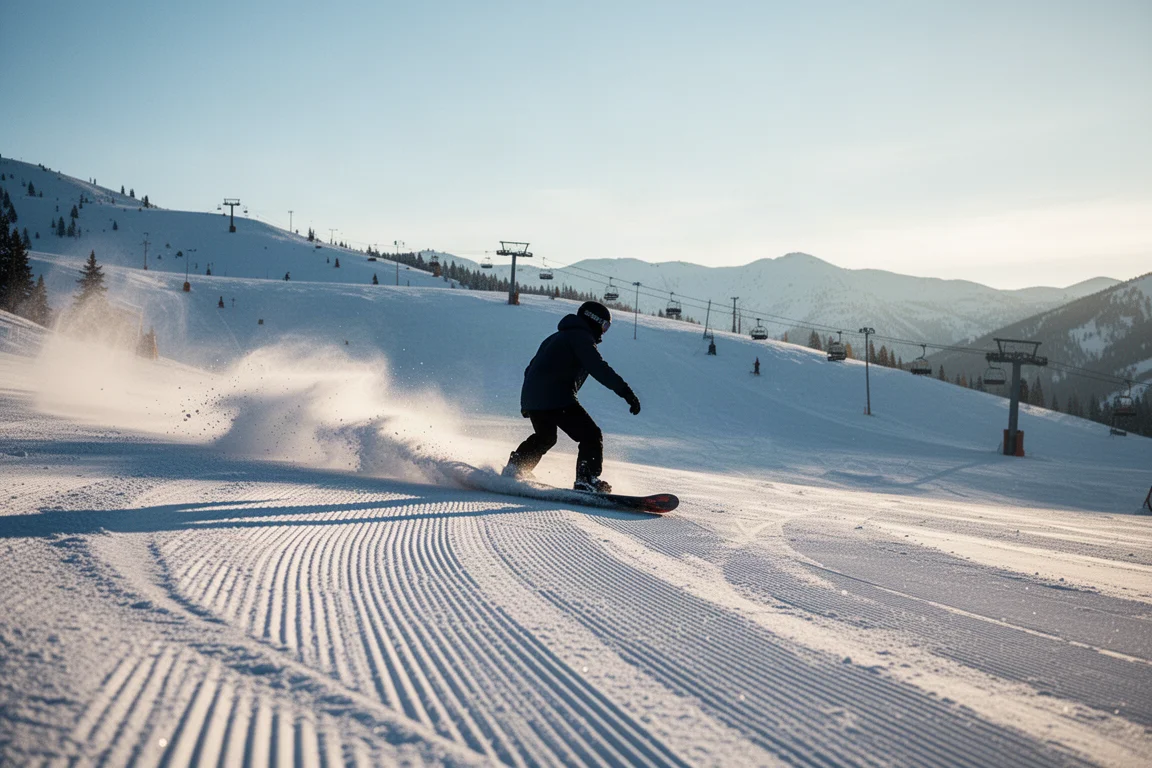
The board is damp but noticeably twitchy. When riding flat based, it constantly wants to engage an edge on you. Once you are on edge, though, it feels nice and stable, so the trick is to keep one edge up a little and it will feel far better underfoot.
Stability, Snap, and Liveliness
This is a lively board. You can load it up whenever you want and it will return that snap for you. It wants to get in the air and it wants to go, which makes it a rewarding choice for riders who like to keep the board working beneath them.
Airs, Landings, and Pop
On jumps and side hits, the Berserker wants to get airborne. Off side hits and rock drops, it feels nice and stable, letting the lip do the work, though engaging the tail and launching yourself off yields even better results. Landings are confident: the board stays stable when you come down, so you do not have to worry much about landings.
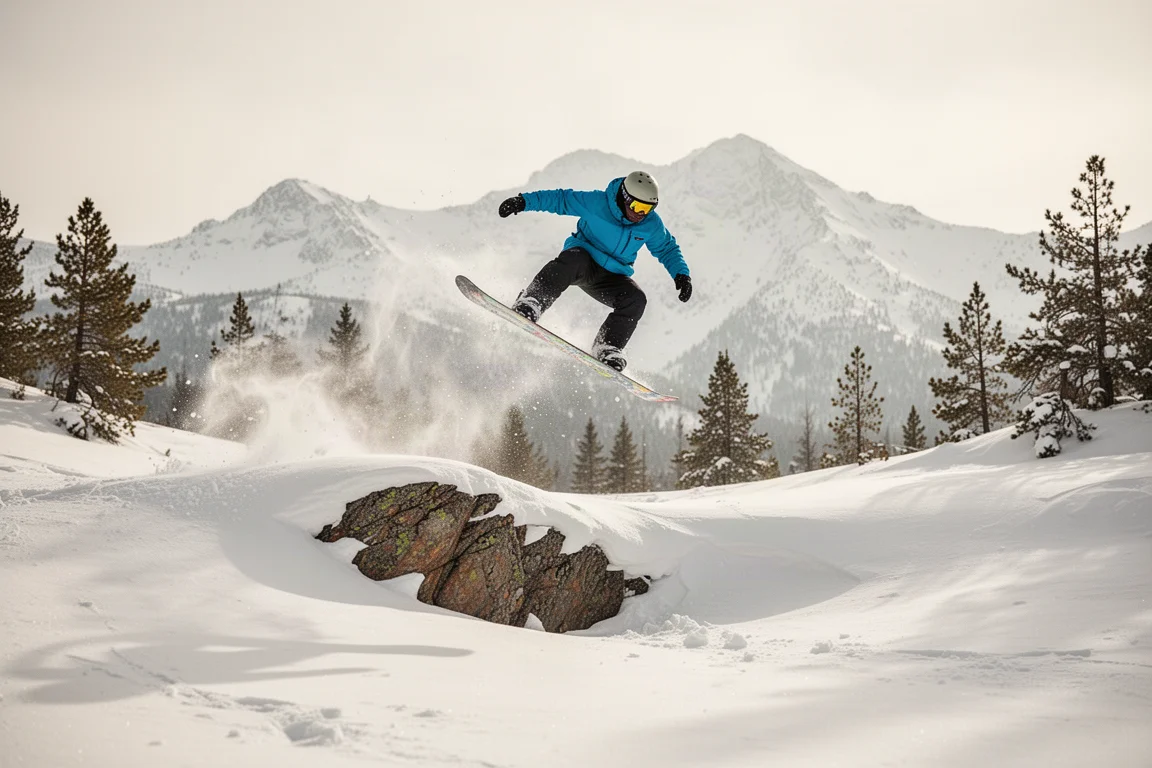
The one quirk is flat-based landings. Because the board always wants to be on edge, landing flat base makes it want to tip onto an edge unless you are carrying serious speed. Land on an edge and it feels the most comfortable. The tapered nose wants to float while the tail wants to sink and keep cruising, which gives the board a natural directional rhythm in the air and in the snow.
Buttering: A Battle on the Tail
Buttering this board is a fight, especially on the tail. Leaning all the way back with full weight over the tail, the nose only came about eight inches off the ground and the board simply did not want to butter. It wants to stay stable on the tail and return to its natural form, with little pop out of tail butters.
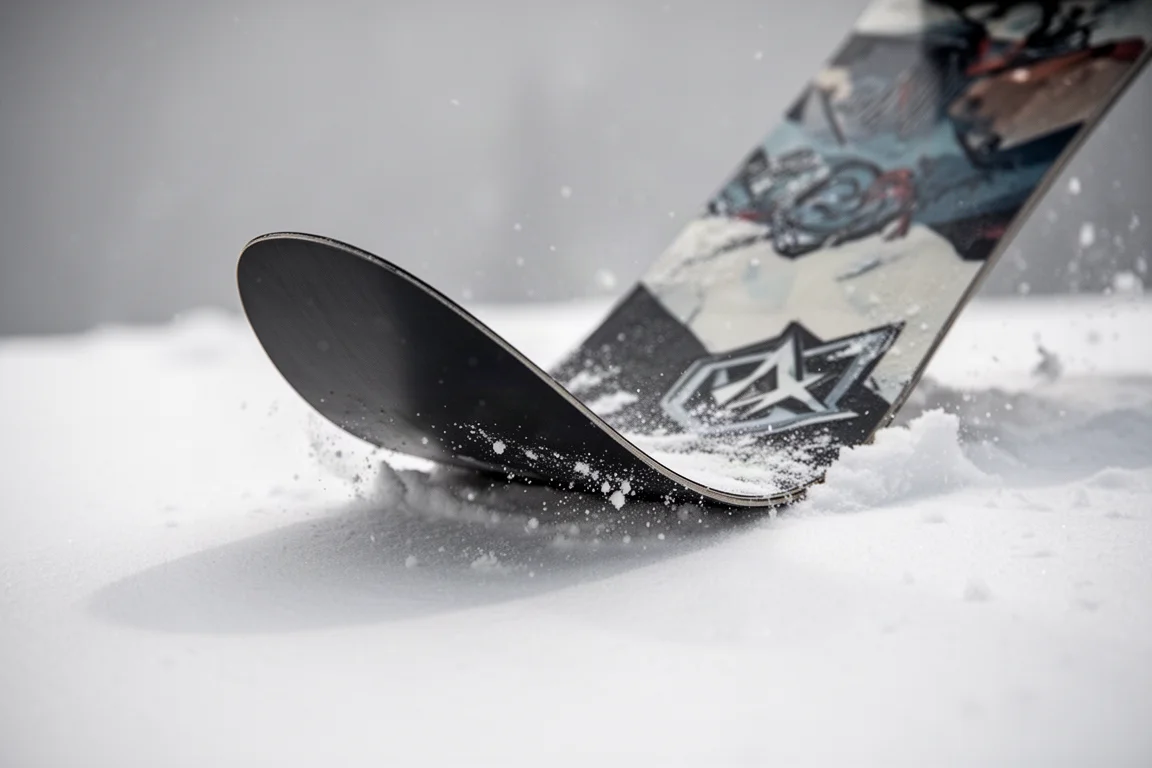
Nose butters go better. It is not a full-out fight, but the sweet spot is small, right around where the Ride logo sits. Flex into exactly that point, because over-flexing or under-flexing just sends the nose back down. There is a little pop available on the nose, but the board clearly prefers carving to pressing.
Carving Performance
This board just wants to turn. On short, quick carves, it is crazy fast edge to edge thanks to how narrow it is. Pick the right edge though, otherwise it will happily pick one for you. On medium and larger carves, it feels smooth, springs you in and out of medium turns, and holds speed extremely well on large carves where you can just point it and haul through.
In less-than-ideal chopped sections, keep your knees bent. It will carve right through them, storing energy so that when you pop over a mogul it wants to land back on that edge and hold it for you.
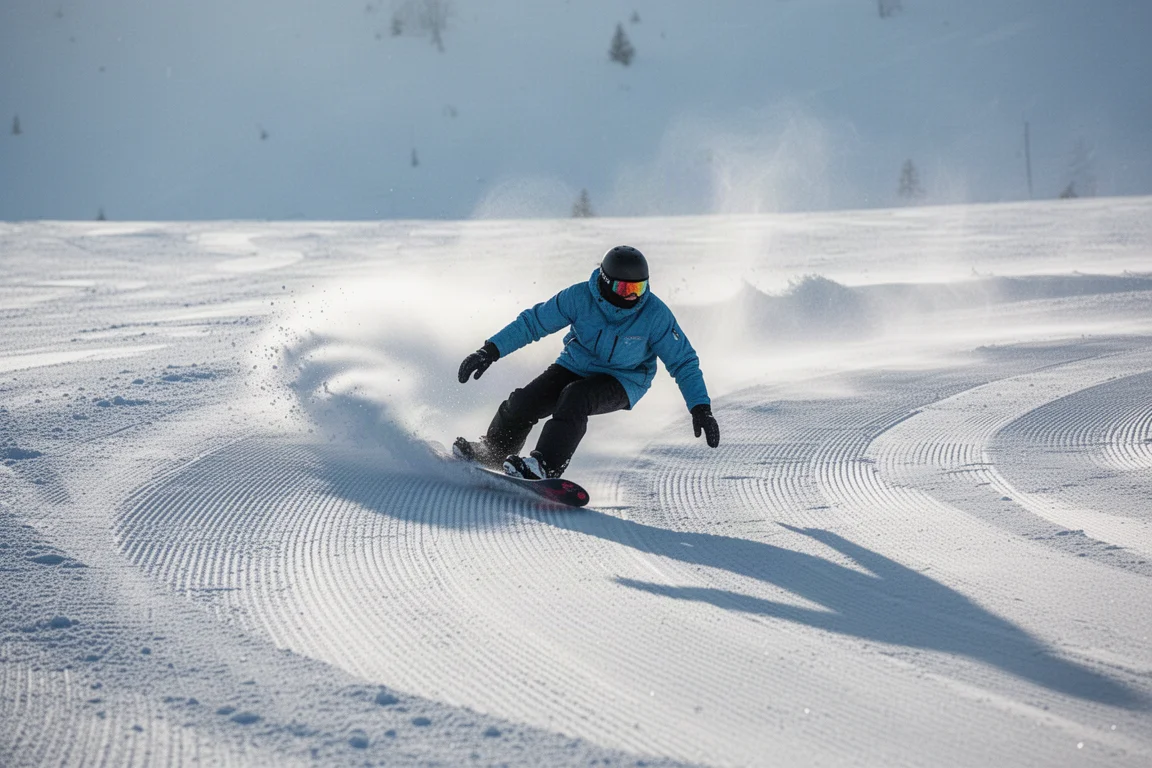
One note for euro carvers: because the board is so narrow, avoid leaning it all the way over unless you ride a small boot. A size 10 boot can catch a little drag when really laying the board over, requiring a bit of muscle to pull out of the turn. It will still euro carve, and it is clearly better with a smaller boot, but larger boots can make it work with a little more rider input.
Buying Advice
Comparable boards worth considering include the Razy Revenant, the Capita Aeronaut (Knut), and the Arbor GPS. For bindings, Ride recommends pairing the Berserker with the Ride C-8, the Yes Airam, or the Salomon Highlander, so it is worth checking reviews of those bindings if you are building a complete setup.
If you want an aggressive board you can take everywhere and pop to the moon on, this is a great choice. Just realize it wants to turn, and you will be on edge quite a bit.
Conclusion
The Ride Berserker is exactly what advanced riders hope for in a directional camber board: drive, pop, precision, and a nose that floats when you need it. Its twitchiness on flat base and its resistance to tail butters are not flaws so much as expressions of its character. For technical riders who live on edge, this board is easy to recommend.
Product link
View more details for Ride Berserker
This product is mentioned in the review. Check the specifications, options, and compatibility before buying.
View more details for Ride BerserkerFurther reading
Related Reviews

Snowboards
32 Middle Earth Scott Stevens Pro Model Snowboard Review: A Park Board With a Reversed Flex
A medium traditional camber park board with carbon V reinforcement that is stiffer in the tips and more playful between the feet. Here is how it rides and who it suits.

Snowboards
32 Snafu Review: A Directional All-Mountain Freestyle Board with Serious Pop
The 32 Snafu pairs a directional camber-rocker profile with a stiffening tail for powerful carves, big ollies, and a surprisingly damp ride.

Snowboards
32 XXX Pat Fava Pro Snowboard Review: A Stiff Camber Beast for Hard-Charging Riders
A full-width traditional camber deck that rewards aggression with stability and edge power, but demands effort everywhere else.