Snowboards
Ride Algorithm Review: A Reactive All-Mountain Freestyle Snowboard
A close look at the Ride Algorithm, a carbon-rich directional twin built for riders who want strong pop, fast rebound, and an active all-mountain freestyle feel.
Introduction
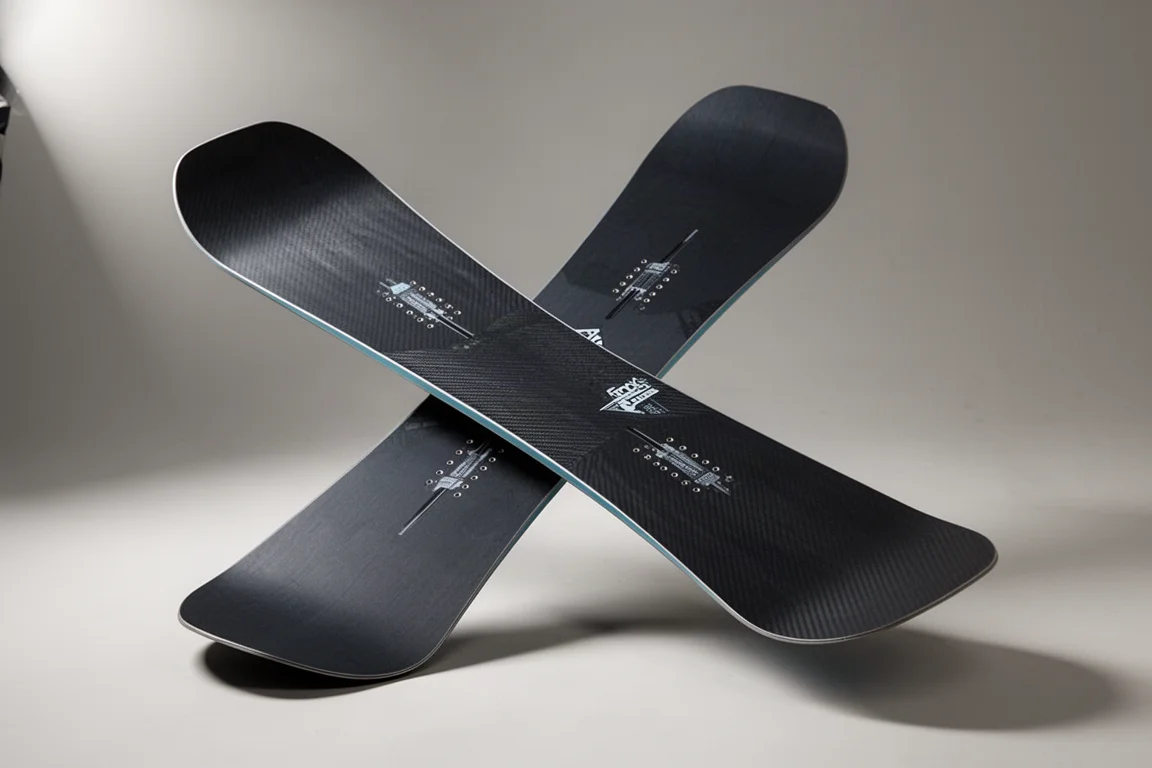
The Ride Algorithm is a directional twin snowboard built for riders who want a lot of response out of an all-mountain freestyle deck. It combines Ride’s standard camber profile with a substantial carbon layup, and the result is a board that loads hard, springs fast, and asks for an active, confident rider in return.
It sits above the Ride Shadowban in character rather than in name alone. Anyone who has spent time on the Shadowban will recognize the shape and the intent, but the Algorithm pushes back harder. It is a little more reactive, a little more lively, and noticeably more energetic underfoot.
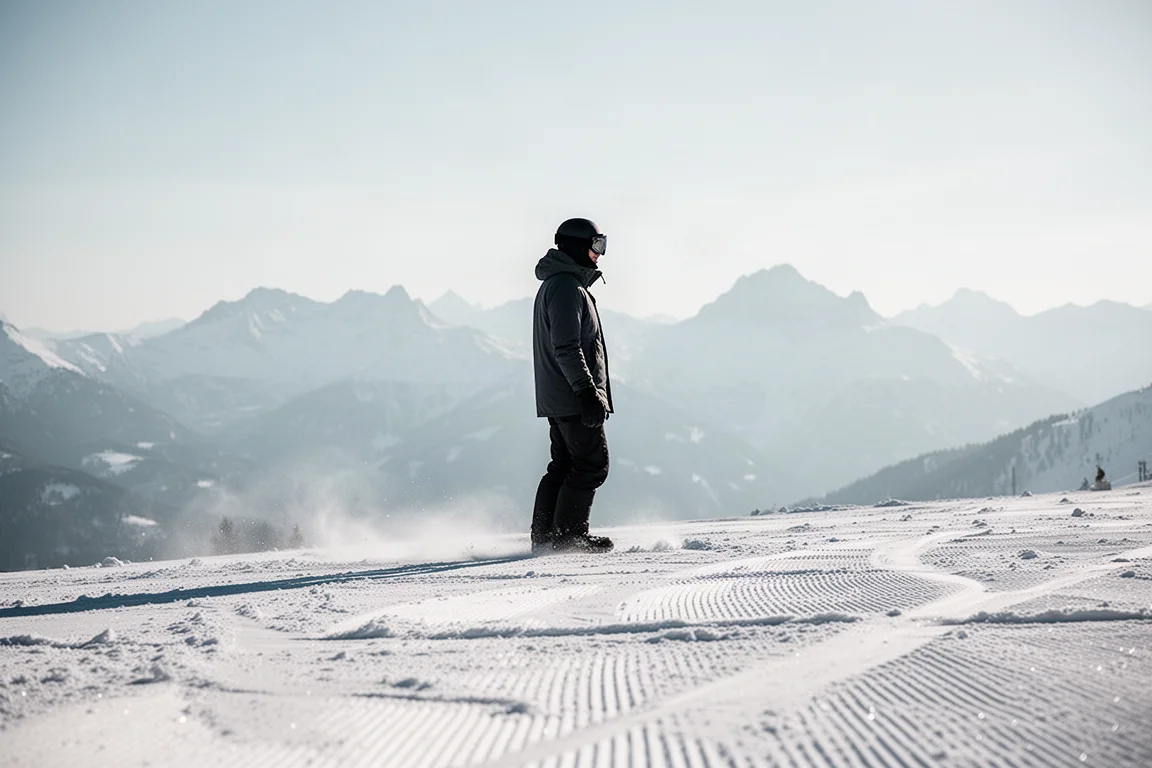
The board is offered in 147, 151, 154, 157, 161, 155W, 160W, and 164W, which gives a wide range of riders a sensible length and waist width to work with. On a sunny bluebird day at Copper Mountain with sustained winds, it was put through ice, chop, chunder, and perfect hero snow on the groomers, and it handled all of it without complaint.
Who the Ride Algorithm Is For
This is a board for the serious all-mountain freestyle rider who genuinely enjoys feedback from their equipment. If you like a deck that tells you exactly what it is doing underfoot, rewards deliberate input, and gives back more energy than you put in, the Algorithm is aimed squarely at you.
It is also a natural step up for riders coming off a mid-flex all-mountain board who want more snap, more power through a turn, and more pop off natural features. The carbon content is the defining trait here, and it shapes every part of the ride.
It is not a beginner board, and it is not a relaxed cruiser. It expects you to be able to carve, to load a camber section on purpose, and to manage a lively ride without getting thrown around.
Camber Profile, Flex, and Ride Feel
The Algorithm uses Ride’s directional twin standard camber, which is effectively a directional cam rocker layout. There is more rocker in the nose, a dominant camber section running from outside the insert pack to outside the insert pack, and a smaller rocker section in the tail.
That camber section is where the load, pop, snap, and drive come from. The rocker zones contribute two other things: easier entry into and exit out of turns, and better float in powder. It is a profile that tries to keep the performance of camber without making the board punishing in soft snow.
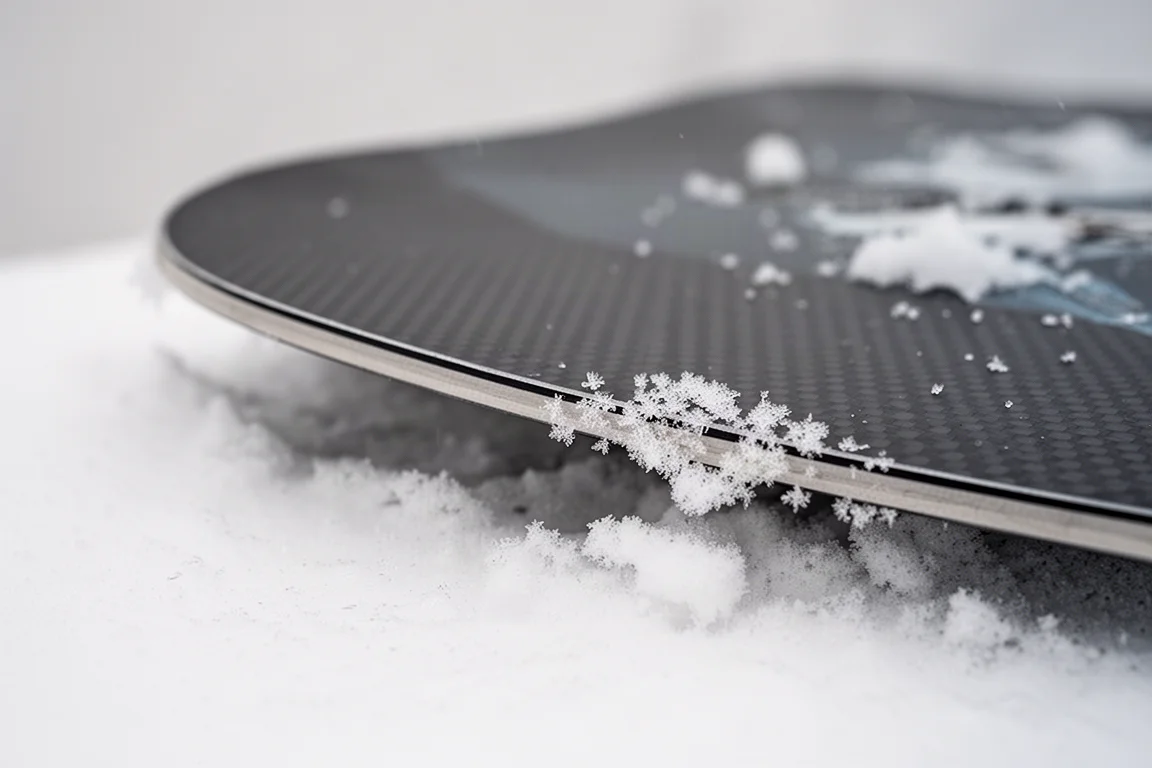
The overall flex lands just past a middle-of-the-road all-mountain freestyle flex. It is stiffer through the middle where the camber sits, and slightly softer out at the tip and tail. The nose feels a touch softer still because of its longer rocker. Between the feet, there is torsional flex, and you can feel it when you twist the board.
Because of the carbon, the board is very reactive and carries a lot of rebound. Stability is a little more lively than the Shadowban, and you can feel kinetic energy from the carbon transferring directly underfoot. Keeping the knees slightly bent helps manage that. In heavily rutted terrain, though, the board plows through with relative ease and does not get bucked around.
Pop, Jumps, and Stability at Speed
The snap on this board comes from two places at once: the camber profile and the carbon in the construction. Load up the camber section, roll back onto the tail, and the carbon takes over and springs you out of the compression.
In practice, that means the Algorithm wants to boost higher. Ollies off rollers, side hits, and cat track gaps all feel like an invitation rather than an effort. The board simply wants to get in the air.
On jumps, small, medium, and large are all within reach, but it is more at home on medium and large features than on small ones, largely because it has so much spring stored in it. You can take a laid-back approach and let the lip throw you, but loading the camber and popping off the lip will send you noticeably higher.
Carving and Edge-to-Edge Response
Edge-to-edge transmission is smooth and powerful, and the carbon in the sidewalls is the reason. You can feel that power moving through the board as you roll it over.
The grip is there, but it does not feel locked in the way some damp, freeride-oriented boards do. The Algorithm would rather push more power and slingshot you out of the turn than sit locked on edge and swoop through it.
That makes it a rewarding board for riders who can carve. Short, tight, quick turns, medium mellow turns, deep hard long turns, and euro carves are all covered. Just expect a bit more power and rebound than usual: as you apex a carve, you will find yourself snapping out and ending more upright before transitioning from toe to heel or heel to toe.
Buttering and Jibbing
Buttering the Algorithm takes real effort. With weak legs, or at the end of a long day when you are fatigued, it can feel like a chore. With good technique and the ability to press hard into the board, it is manageable.
The sweet spot is where the camber meets the rocker. On the nose, you want your weight outside the binding, pressing into that zone, and you have to muscle it a little. Speed goes a long way. The board will want to rebound, and you will feel the carbon trying to snap you back out, so it fights you the whole time. The tail behaves the same way, except the rocker section is smaller, so you are sitting further outside the back binding and pressing harder before it pops you out.
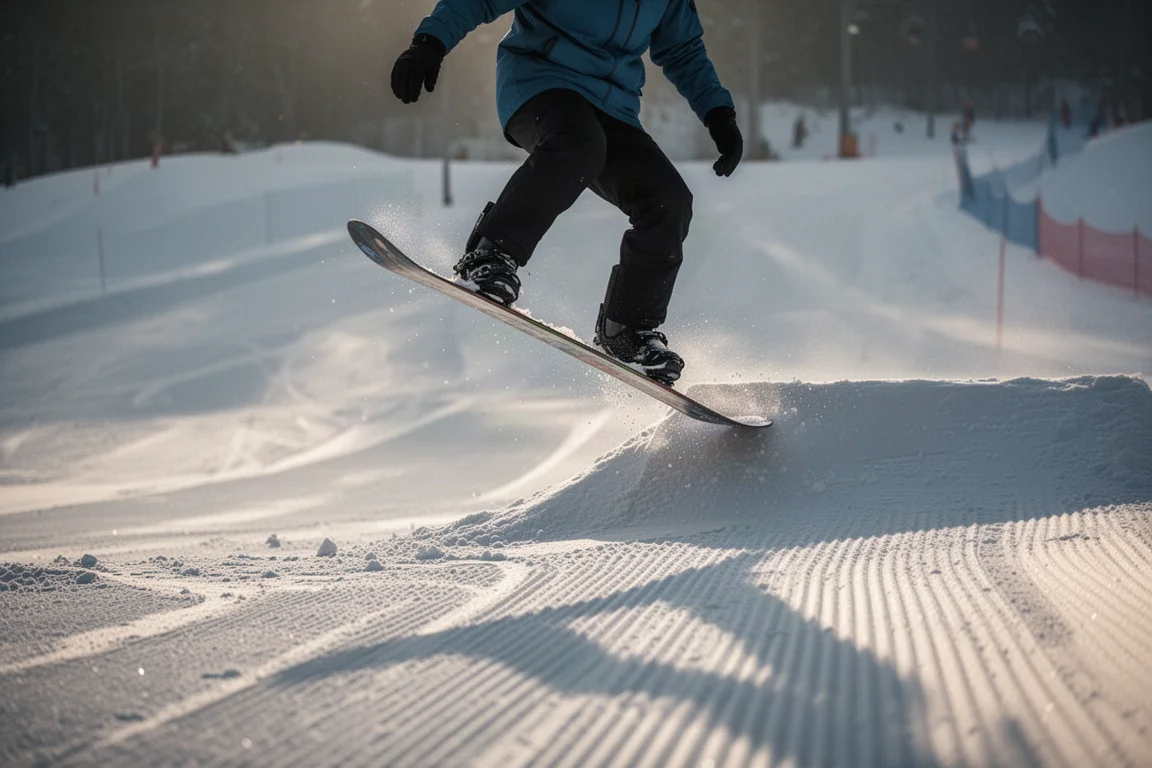
That same character translates to jibbing. A bit of speed and a bit of muscle go a long way, but you need to know exactly where the flex points engage. Once you find those sweet spots, you can lock in a nose press on the rocker, then spring out the end. When you go sideways, the board cradles slightly around the feature but does not clap out, so there is a small balancing act involved, a consequence of the carbon content and the core thickness. Riders with jib experience will be fine.
Things to Consider Before Buying
The Algorithm is a lively, carbon-forward board, and that shapes who will get along with it. A few points are worth weighing before you commit.
- It is more reactive than a typical all-mountain freestyle deck, so it rewards an active riding style and a bit of knee bend rather than a passive one.
- Buttering and jibbing require technique and strength. If those are the core of your riding, this is not the easiest board to press.
- The edge feel is powerful rather than locked in. Riders who prefer a damp, planted, swooping carve may prefer a different character.
- It is not a beginner or low-effort board. Carving ability matters here.
- Expect a springy, energetic ride. Some riders love that, and some prefer something calmer.
Buying Advice
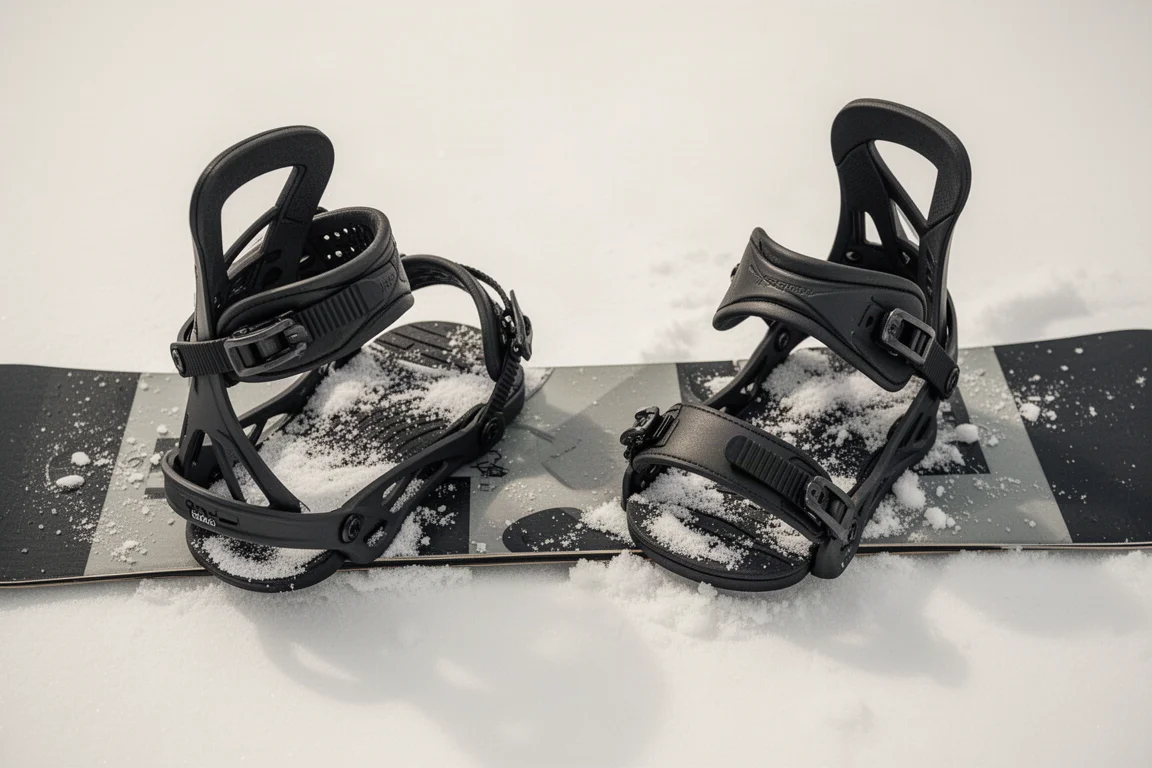
If the profile and the reactivity described above sound like what you are looking for, the Algorithm is a strong match for all-mountain freestyle riding with a performance bias. It pairs naturally with a responsive binding, and the Ride C8, Union Atlas, and Bent Metal Solution are all sensible pairings for this board. The test setup used Rome Black Label bindings and K2 Thraxis boots, which is another reference point for building a complete setup.
If you are cross-shopping, the Jones Ultra Mountain Twin, the Capita Mega Merc, and the Yes Standard are the boards most often placed in the same conversation. Each has its own character, so the deciding factor is usually whether you want the Algorithm’s particular brand of carbon-driven rebound or something with a calmer, more damped feel.
For riders stepping up from a softer all-mountain board, budget some adjustment time. The first few runs will feel busy underfoot, and then the extra energy starts working for you rather than against you.
Conclusion
The Ride Algorithm is a responsive, powerful all-mountain freestyle snowboard for riders who want a lot out of their gear. Its directional twin camber profile delivers load, pop, and drive, while the rocker zones in the nose and tail keep turn transitions easy and improve powder float. The carbon layup makes it fast to rebound and eager to boost, and it handles rutted terrain with more composure than its liveliness might suggest.
It is not the easiest board to butter, and it will not feel locked in on edge for riders who prefer a damp carve. But if you can carve, you like a board that talks back, and you want something that springs out of every compression, the Algorithm is a genuinely rewarding choice and a clear step up in response over its Shadowban sibling.
Product link
View more details for Ride Algorithm
This product is mentioned in the review. Check the specifications, options, and compatibility before buying.
View more details for Ride AlgorithmFurther reading
Related Reviews

Snowboards
32 Middle Earth Scott Stevens Pro Model Snowboard Review: A Park Board With a Reversed Flex
A medium traditional camber park board with carbon V reinforcement that is stiffer in the tips and more playful between the feet. Here is how it rides and who it suits.

Snowboards
32 Snafu Review: A Directional All-Mountain Freestyle Board with Serious Pop
The 32 Snafu pairs a directional camber-rocker profile with a stiffening tail for powerful carves, big ollies, and a surprisingly damp ride.

Snowboards
32 XXX Pat Fava Pro Snowboard Review: A Stiff Camber Beast for Hard-Charging Riders
A full-width traditional camber deck that rewards aggression with stability and edge power, but demands effort everywhere else.