Snowboards
Ride Algorithm Review: A Lively, Aggressive All-Mountain Freestyle Board
The Ride Algorithm packs a carbon-laden twin camber profile into a stiff, reactive all-mountain freestyle deck built for riders who like to send it.
Introduction
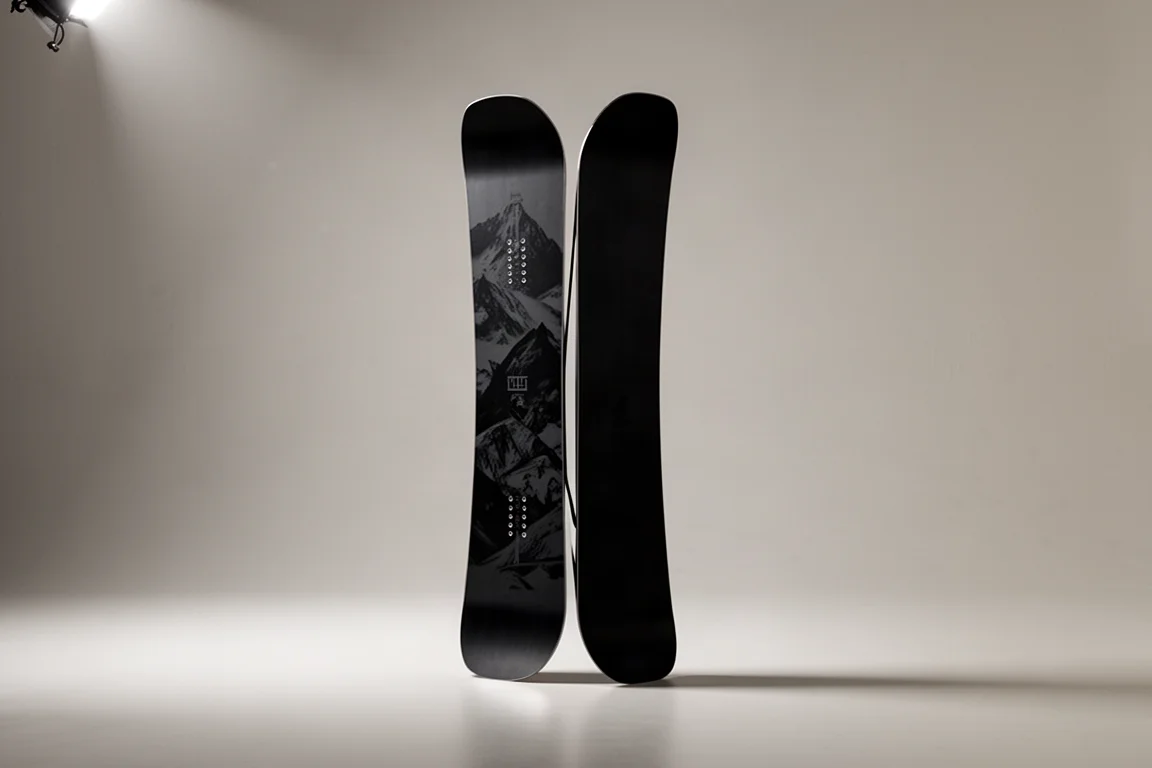
The Ride Algorithm is the big brother to the Shadowban, and it wears that role confidently. It features Ride’s Twin Standard Camber profile: a slightly longer rocker section in the nose, a shorter rocker in the tail, and camber through the middle. The camber delivers load, pop, snap and drive, while the rocker eases turn entry and exit, improves powder float and gives you a bigger sweet spot to press into, especially on the nose.
Who This Board Is For
This is a board for the all-mountain freestyle rider who likes to send it but still wants a deck that can handle park laps. It sits on the stiffer side of the all-mountain freestyle spectrum, well past middle of the road, and carries a lot of carbon in the layup, which makes it very reactive and lively.
The flex pattern is asymmetric in feel: more flex in the nose thanks to that accentuated rocker zone, slightly more flex in the tail than the center, and torsional flex that takes more to engage. If you know how to turn, this board will not be a problem. If the Shadowban feels too soft for you, this is the step up; if this sounds too aggressive, the Shadowban is the step down.
On-Snow Feel and Stability
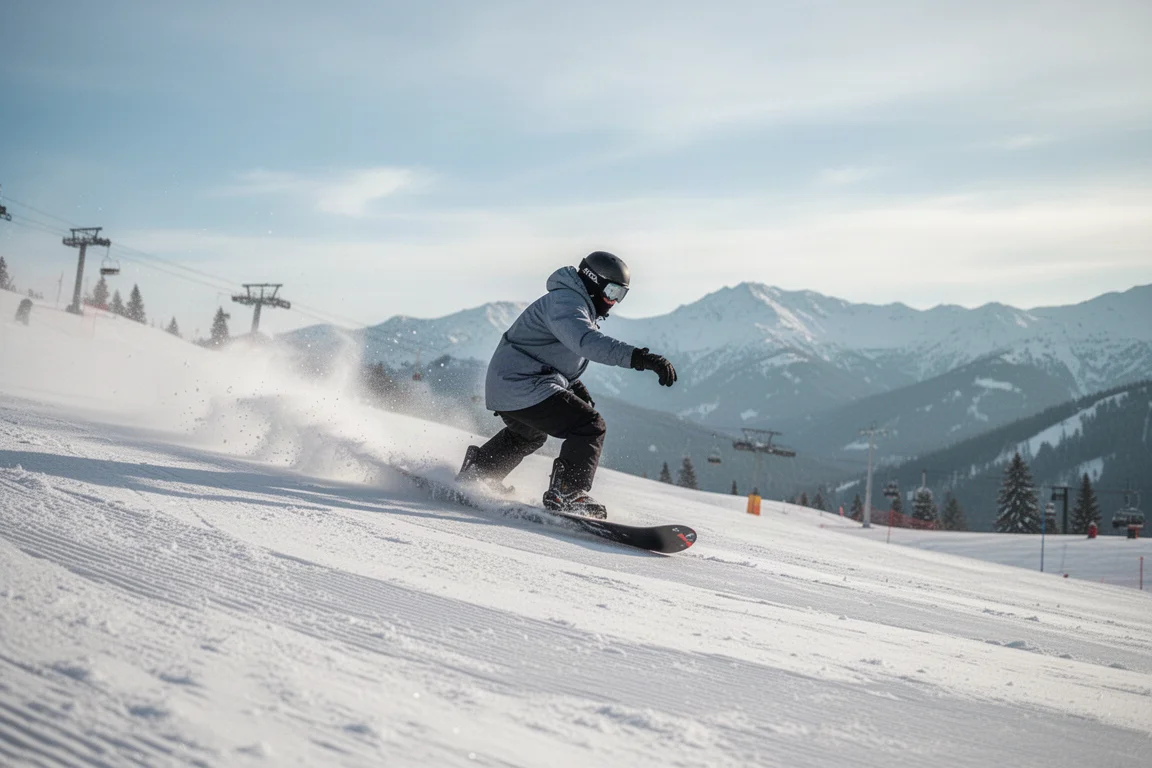
Riding it on a mix of blue and grey sky days with warm temps, falling snow, some ice, chopped chunder and heavy pow, the Algorithm shows its character quickly. The carbon layup makes it reactive, and you have to push into it to get it to drive. Stability is good but not silent: at high speeds you get a little chatter from the rocker in the nose, resonating slightly underfoot as the crisscrossing carbon sends impacts back to the inserts.
In rutted-out terrain, a stiff board behaves like this: in softer snow it pushes through, and in firmer snow it can skip across the top, with hits resonating up through the camber section. Keep your knees slightly bent at all times. The board is damp, but unlike the Shadowban it does not deaden the kinetic energy coming back at you, so be aware it can buck you around.
Pop and Jump Performance
This is where the Algorithm earns its keep. When you load it up and roll back on the tail, it hits that small rocker section like a springboard and launches you up and out. Small, medium or large jumps, it does not matter. If anything, the bigger the feature the better, because this board boosts.
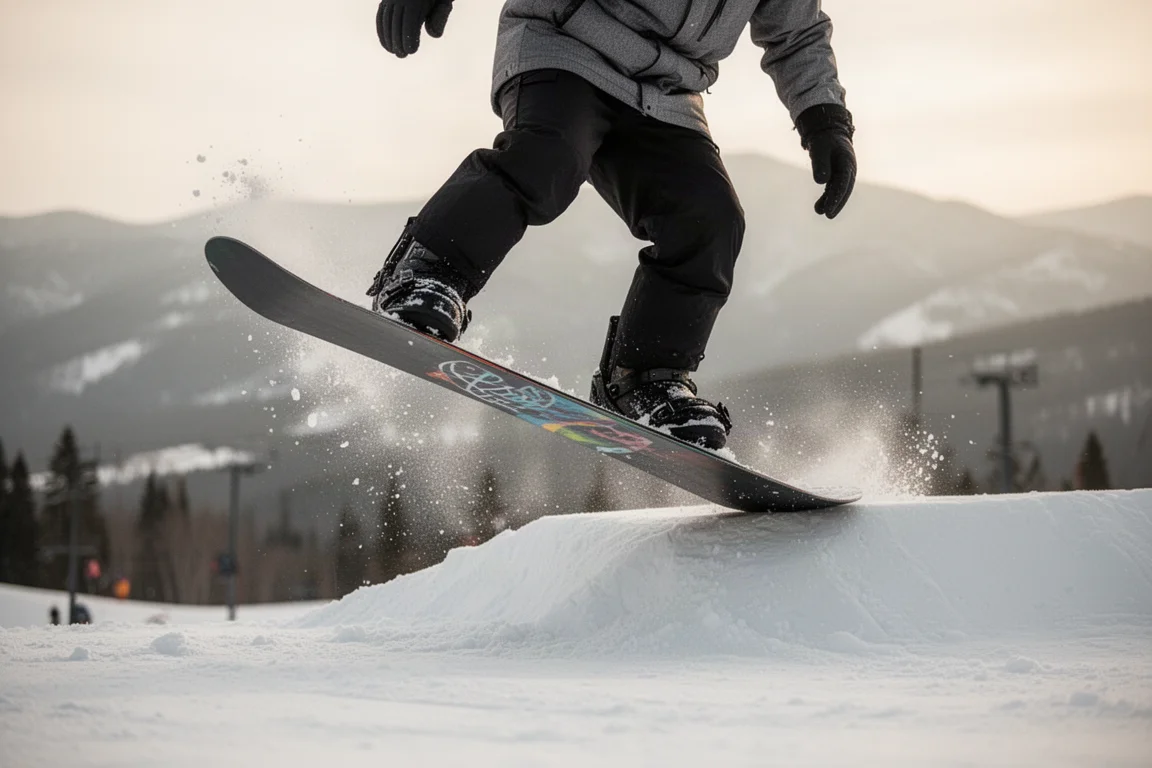
Even if you get lazy and let the transition throw you, you will still go higher and further than you expect. Load it up properly and you are taking it to flat, so a speed check might be your friend.
Buttering, Pressing and Jibbing
Buttering on this board is a workout. The longer rocker in the nose gives you a real sweet spot to flex into for 180s, but the board fights back and wants to spring out with the tail. The smaller tail rocker means you really have to leverage your weight over it to get sideways, and it can feel a little hooky whether you are on the nose or the tail.
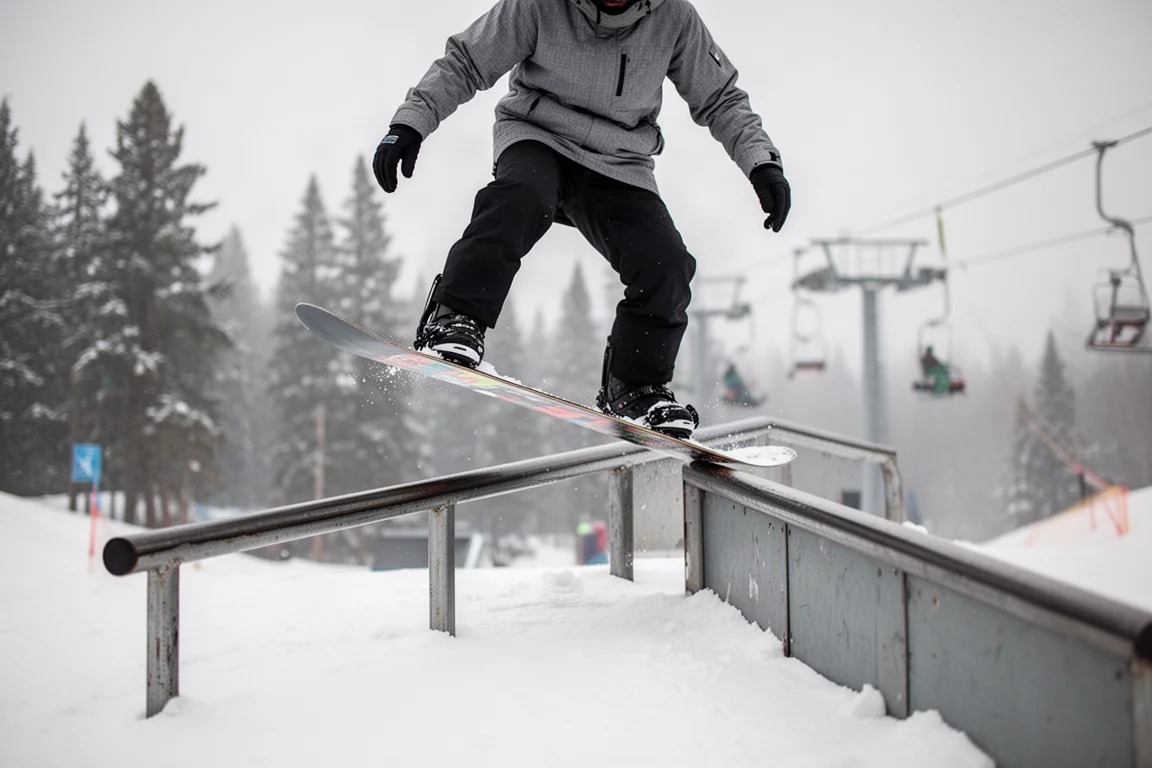
Expect to pop out of butter variations until you learn the timing. Jibbing takes more effort to press, especially on the tail. On a long feature, the flex and camber will slap the board down on you unless you push aggressively into it. The upside: when it goes sideways, it slightly cradles the feature without clapping out, so take it from the top and disaster on.
Carving and Turning
Turning is a genuine strength. Engage off the front foot and the board locks in, then guides fluidly through to the center, which is where the power of the carve comes from. Kick your knee sideways, push down, load the tail, and it slingshots you out of the turn.
Short, tight, quick carves are snappy and responsive. Medium, mellow carves lock in with power and precision and turn into deep, hard, aggressive carves with minimal weight adjustments. On those deep carves you can lay a trench and drag whatever you like along the ground. If you know how to turn, this board rewards it.
Things to Consider Before Buying
The Algorithm is not a lazy-day cruiser. It is stiff, carbon-loaded and reactive, it transmits chatter and impact energy instead of swallowing it, and it demands effort in presses and butters. Compared boards worth cross-shopping include the Capita Mega Merc, the Salomon Assassin Pro and the Jones Mountain Twin Pro, while the Ride C8, Union Force and Jones Mercury come up among recommended pairings.
Riding It Again
Would this board need another ride? No, but it is good enough that the ride was wanted anyway. It handles beautifully on edge, pops hard and is versatile for what it is: a more aggressive, more lively version of the Shadowban that still carries enough dampness to cut through chop and chunder.
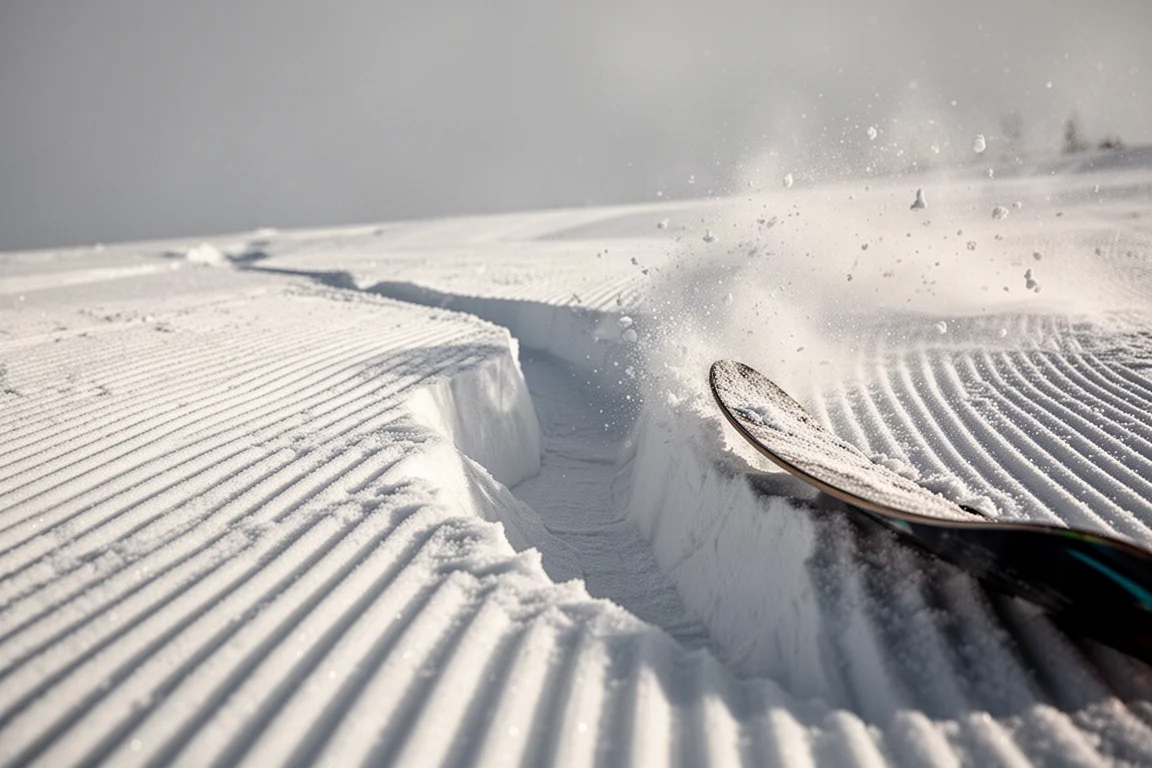
If the Shadowban has ever felt too soft underfoot, this is the board to bump up to. If this spec sheet sounds like more than you want, bump down to the Shadowban instead.
Conclusion
The Ride Algorithm is a very good board for what it is: a stiff, carbon-rich all-mountain freestyle deck with serious pop, strong edge hold and enough dampness to handle mixed snow. It suits confident riders who want a lively, aggressive ride that can send jumps and still handle park laps with the crew. Riders who want a softer, more forgiving feel should look at the Shadowban instead.
Product link
View more details for Ride Algorithm
This product is mentioned in the review. Check the specifications, options, and compatibility before buying.
View more details for Ride AlgorithmFurther reading
Related Reviews

Snowboards
32 Middle Earth Scott Stevens Pro Model Snowboard Review: A Park Board With a Reversed Flex
A medium traditional camber park board with carbon V reinforcement that is stiffer in the tips and more playful between the feet. Here is how it rides and who it suits.

Snowboards
32 Snafu Review: A Directional All-Mountain Freestyle Board with Serious Pop
The 32 Snafu pairs a directional camber-rocker profile with a stiffening tail for powerful carves, big ollies, and a surprisingly damp ride.

Snowboards
32 XXX Pat Fava Pro Snowboard Review: A Stiff Camber Beast for Hard-Charging Riders
A full-width traditional camber deck that rewards aggression with stability and edge power, but demands effort everywhere else.