Snowboards
Ride Agenda Snowboard Review: A Forgiving All-Mountain Twin for Progressing Riders
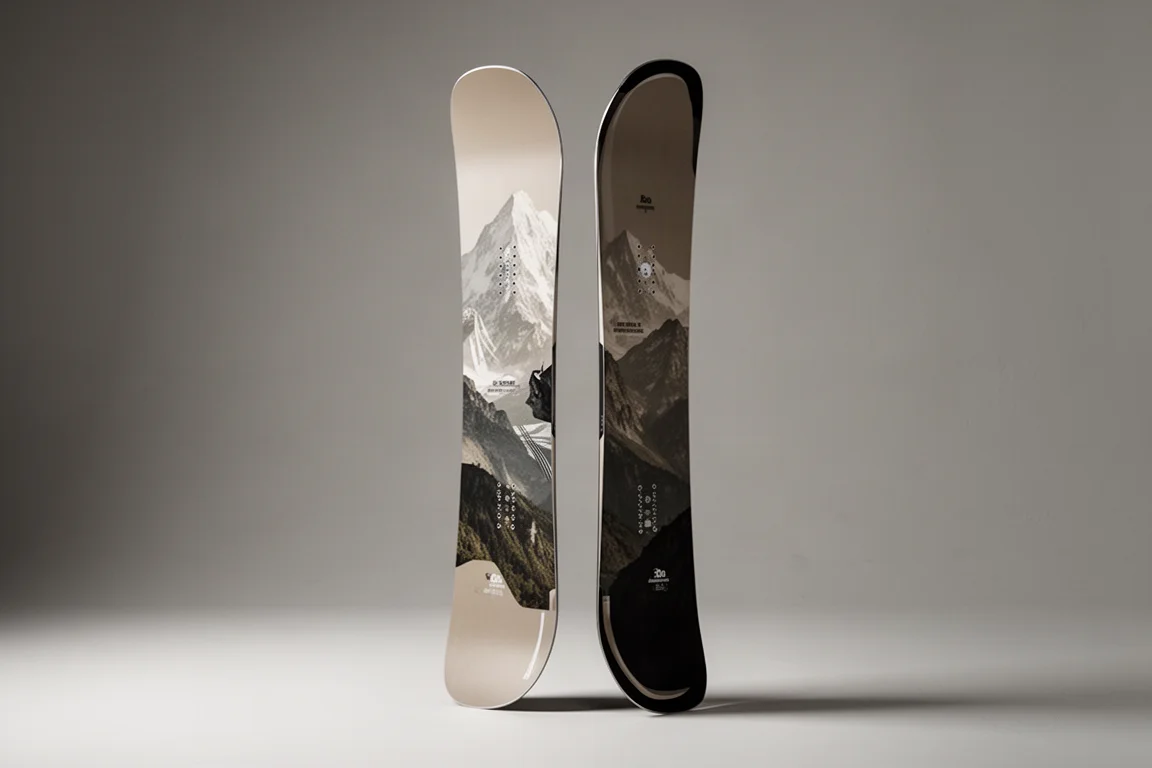
The Ride Agenda pairs a twin standard camber profile with a forgiving flex, making it a strong fit for beginners and lower-intermediate riders who want to try a bit of everything.
Introduction
The Ride Agenda is aimed squarely at beginner to lower-intermediate snowboarders who want one board that can handle a bit of everything without punishing them for mistakes. It uses Ride’s twin standard camber profile, comes in a wide range of sizes, and leans on a softer flex to make learning turns, butters, and small jib work genuinely approachable. We rode it in warm, windy conditions at Copper Mountain where the snow had softened nicely, and came away impressed by how well it serves the rider it is designed for.
Who This Board Is For
The Agenda is built for beginners and lower-level intermediates, especially riders who only get out a few days a year and want to grow their skills and enjoy the sport. The soft nose and tail mean that if you get uncomfortable and drop into the back seat, the board will kick out for you rather than bolt straight down the mountain. There is enough strength underfoot to learn how to turn and progress, but the flex is forgiving enough that a wrong move will not beat you up.
Sizes available are 149, 152, 154 wide, 155, 157 wide, 158, and 161 wide, so there is a fit for most rider profiles.
Main Strengths
Camber Profile and Ride Feel
The twin standard camber profile puts camber between the feet, transitioning to rocker just outside the inserts on both the nose and tail. The camber section delivers the pop, precision, and power, while the rocker sections make entering and exiting turns easy. Overall flex is softer than middle of the road, getting even softer toward the nose and tail, which makes the board very easy to foot steer.

Dampness and Stability
As with most Ride boards, the Agenda feels nice and damp thanks to the urethane sidewall absorbing chatter. There is a practical speed limit, though: push it to high speeds and the nose and tail start chattering, especially on heel side, and the nose can fold if you lean hard into it. For the intended rider, that limit is unlikely to matter, and you will probably outgrow the board before you reach it.
Things to Consider Before Buying
Pop and Jump Performance
The tail is soft and flexes noticeably when you load it up for an ollie. It returns some spring, but honestly it is average at best, and advanced riders will feel the tail give more than they might like. On jumps, keep it to the smaller line. It may cope with the medium line, but larger jumps expose how much the soft nose and tail fold without returning everything you put in.
Buttering and Jibbing
This is where the Agenda shines. The long rocker sections in the nose and tail let you butter on both ends equally with very little force. A simple hip shift toward the front foot gets the nose buttering, and the same applies to the tail. The limited pop is actually an advantage here, since you will not get sprung in an unexpected direction.
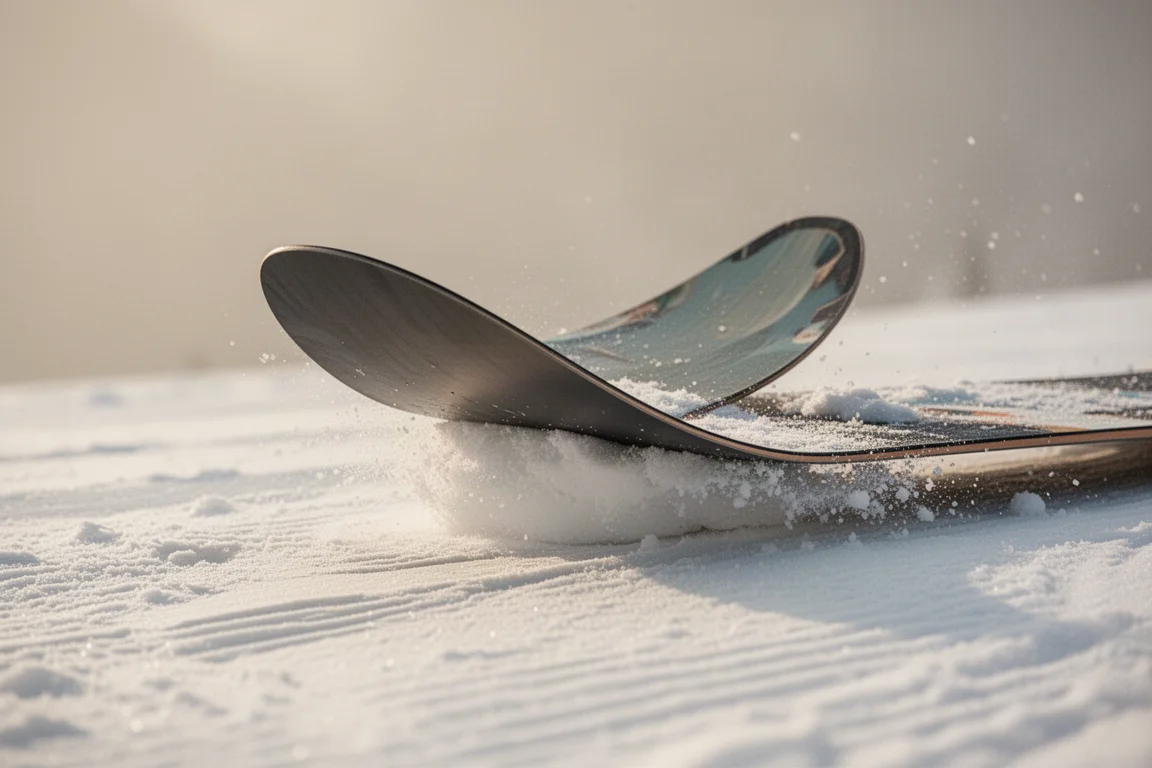
Jibbing translates just as well. Nose and tail presses come easily with a slight lean, and when you slide the board sideways it is not super snappy. Landing on a rail from the top rope, it held its line rather than shooting off, caressing the rail without feeling loose.
Carving and Edge Control
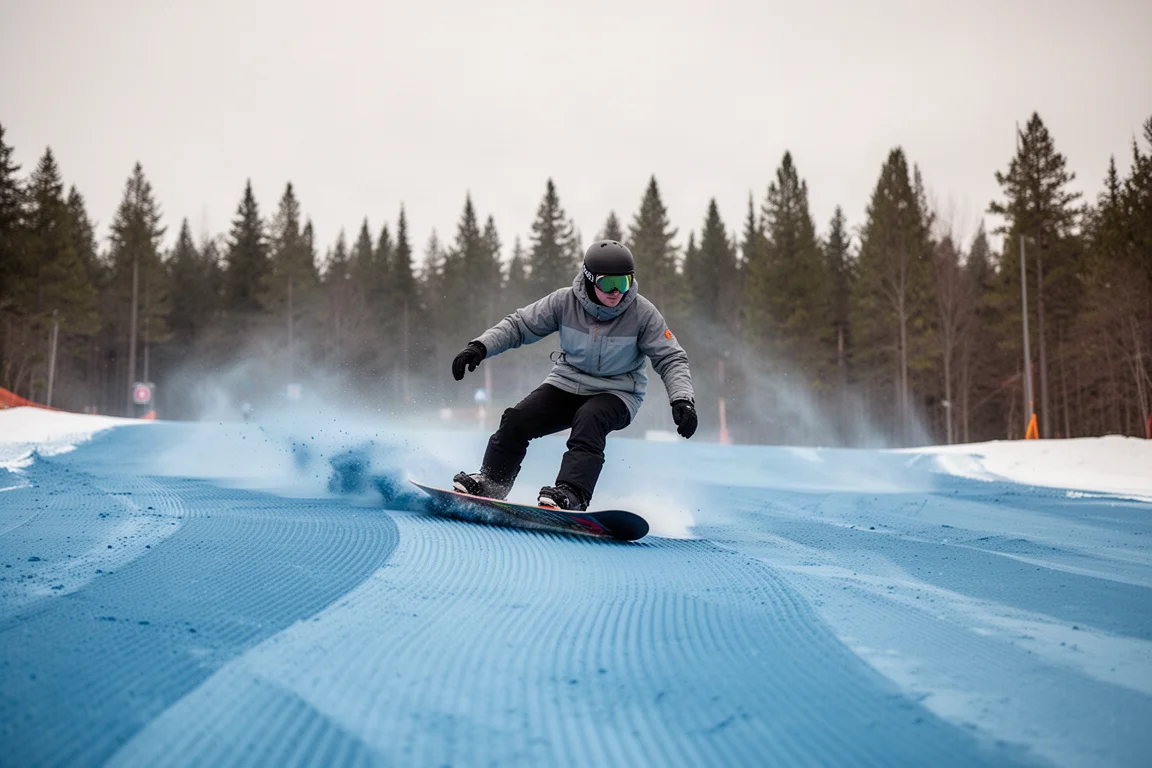
The Agenda carves extremely well for its target rider. Edge-to-edge transitions are easy, short quick carves turn over without effort, and medium carves feel well balanced. It will euro carve too, provided you keep the speeds reasonable. At higher speeds expect chatter in the nose and tail, particularly heel side.
Jumps and Landings
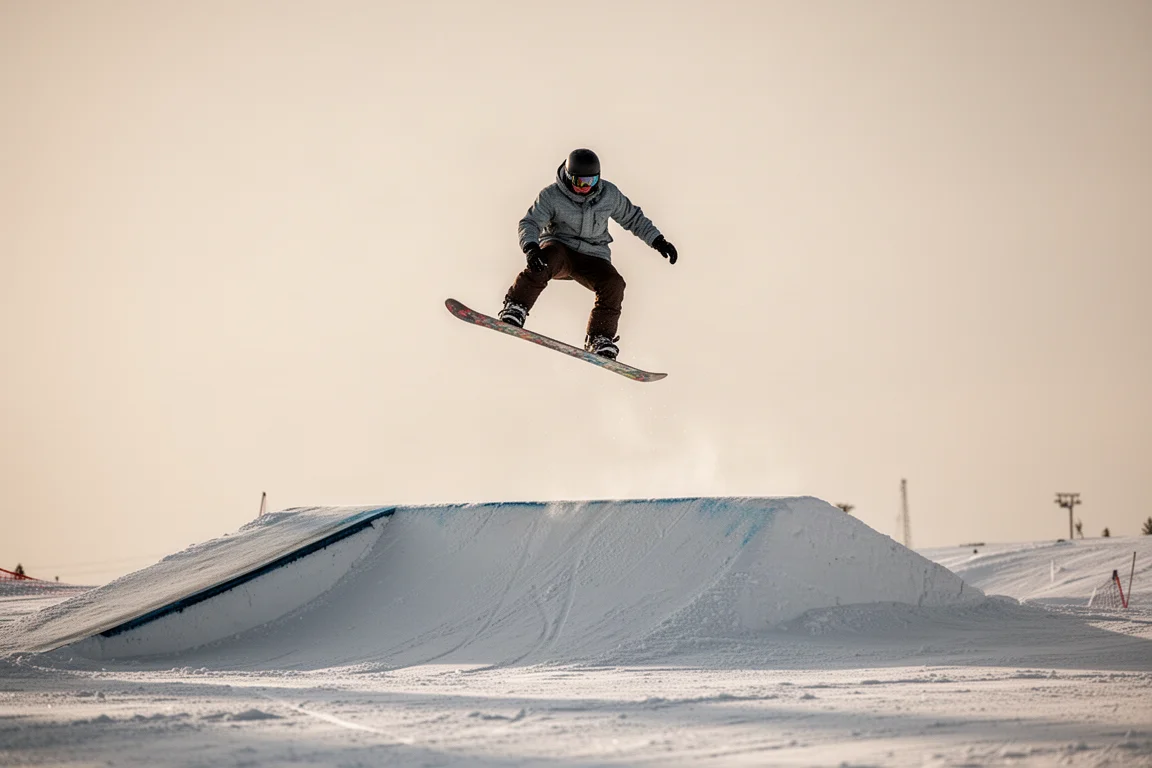
Landings are a genuine strength on smaller jumps. The board feels nice and stable, letting you set an edge and trust that you will not wash out in either direction. Just respect the size limit.
Buying Advice
For setup, the review was done with Ride fused boots and Jones Mercury Phase bindings. If you are unsure what bindings to pair with it, Ride C-4, the Fix Block 3 series, and the Union STR are recommended options. Comparable boards worth considering are the Nitro Drop Cheap Trick and the Yes Basic.
Conclusion
The Ride Agenda does exactly what it promises: a forgiving, easy-to-ride twin that helps beginners and lower intermediates fall in love with snowboarding. It carves well, butters effortlessly, presses and jibs without fuss, and stays damp and stable within its comfort zone. The soft flex limits pop and top speed, but for the rider it is made for, those trade-offs are exactly the point.
Product link
View more details for Ride Agenda
This product is mentioned in the review. Check the specifications, options, and compatibility before buying.
View more details for Ride AgendaFurther reading
Related Reviews

Snowboards
32 Middle Earth Scott Stevens Pro Model Snowboard Review: A Park Board With a Reversed Flex
A medium traditional camber park board with carbon V reinforcement that is stiffer in the tips and more playful between the feet. Here is how it rides and who it suits.

Snowboards
32 Snafu Review: A Directional All-Mountain Freestyle Board with Serious Pop
The 32 Snafu pairs a directional camber-rocker profile with a stiffening tail for powerful carves, big ollies, and a surprisingly damp ride.

Snowboards
32 XXX Pat Fava Pro Snowboard Review: A Stiff Camber Beast for Hard-Charging Riders
A full-width traditional camber deck that rewards aggression with stability and edge power, but demands effort everywhere else.