Snowboards
Ride Agenda Review: A Predictable All-Mountain Freestyle Snowboard for Progressing Riders
A practical look at the Ride Agenda, a twin-tip all-mountain freestyle snowboard with cam rocker, softer tips, and consistent press and park performance.
Introduction
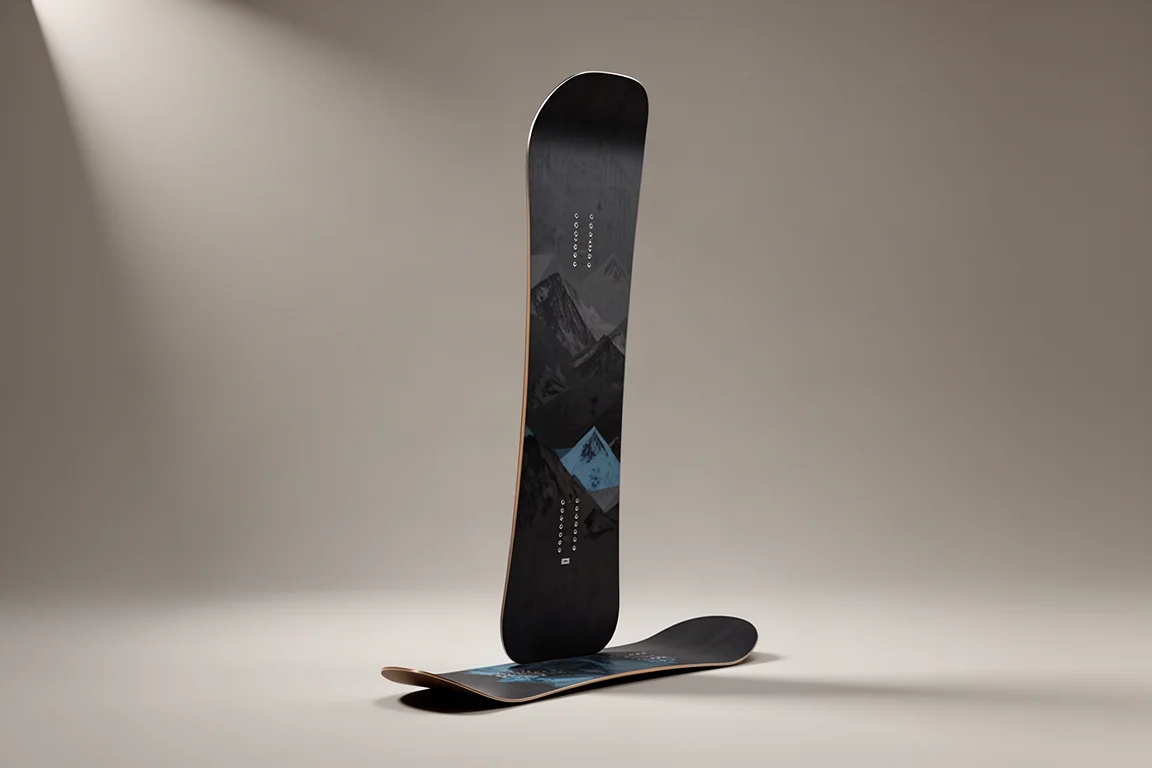
The Ride Agenda is a twin-tip all-mountain freestyle snowboard built around Ride’s twin standard camber, a profile that places rocker in the nose and tail and keeps camber through the rest of the board. That combination is the reason the Agenda feels approachable on the first run while still giving you something to push against as your skills develop.
In practice, the camber section delivers the load, pop, and drive you would expect from a traditional cambered board, while the rocker zones make turn entry and exit easier and create a forgiving area to press when you are playing around on jibs.
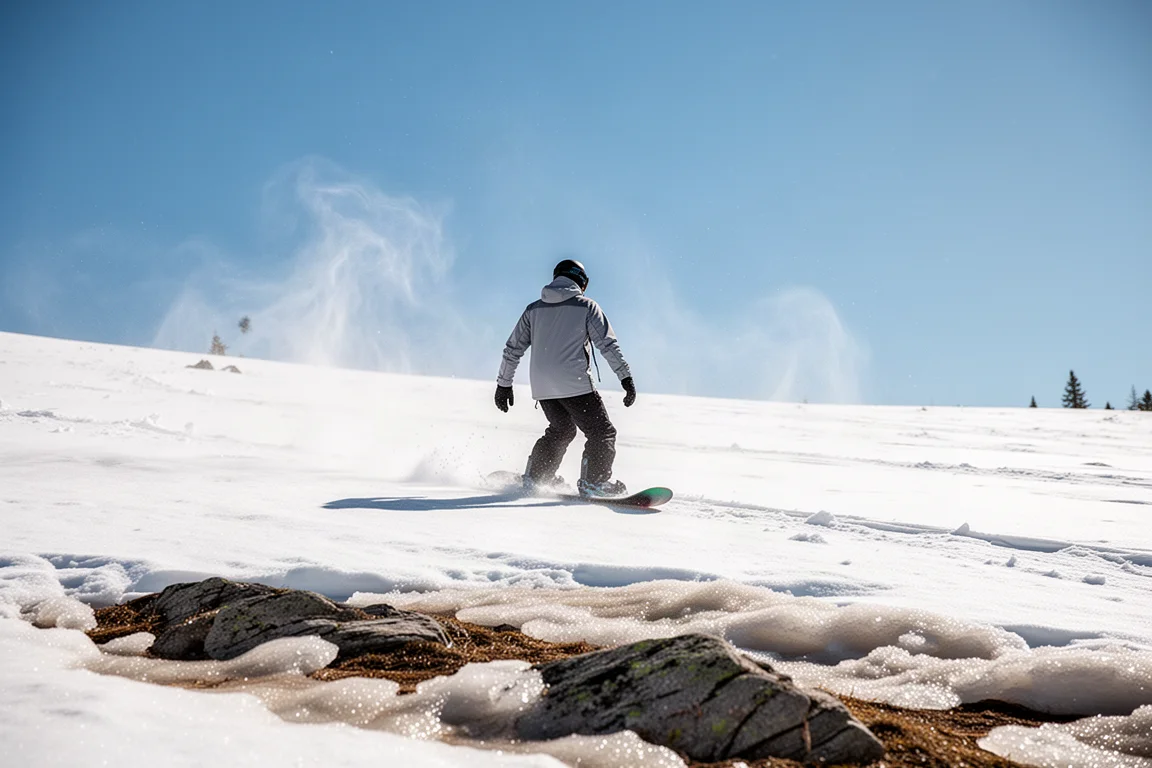
It is worth being clear about what the Agenda is and is not. It is a consistent, mid-flex all-mountain board with a broad size range and a friendly character, and it is not a specialist freeride deck or a competition park board.
Who the Ride Agenda Is For
This board is aimed at the progressing rider, the person who is not yet committed to either freeride or freestyle and spends most of their time somewhere in the all-mountain middle. It works well as a first all-around snowboard, because it does not punish sloppy technique and it still has enough backbone to reward better riding.
Riders working on presses, butters, and lower-level jibs will find plenty to like here. As those skills sharpen, some riders will eventually move on to a more specialised deck, and that is a normal arc for a board in this class.
Main Strengths
The Agenda uses a run-of-the-mill all-mountain freestyle flex with softer tips, a softness that is accentuated by the rocker out at the ends and a stiffer midsection where the camber sits. There is a distinct flex point in the centre and a noticeable amount of torsional flex, and that shapes almost everything the board does well.
Stability at Speed and Rough Snow
For what it is, the Agenda is fairly stable. Kinetic energy travels from the tips and resonates underfoot, so you do feel some micro vibrations while riding, but when you are charging the tips do not flap. They produce small vibrations rather than large ones.
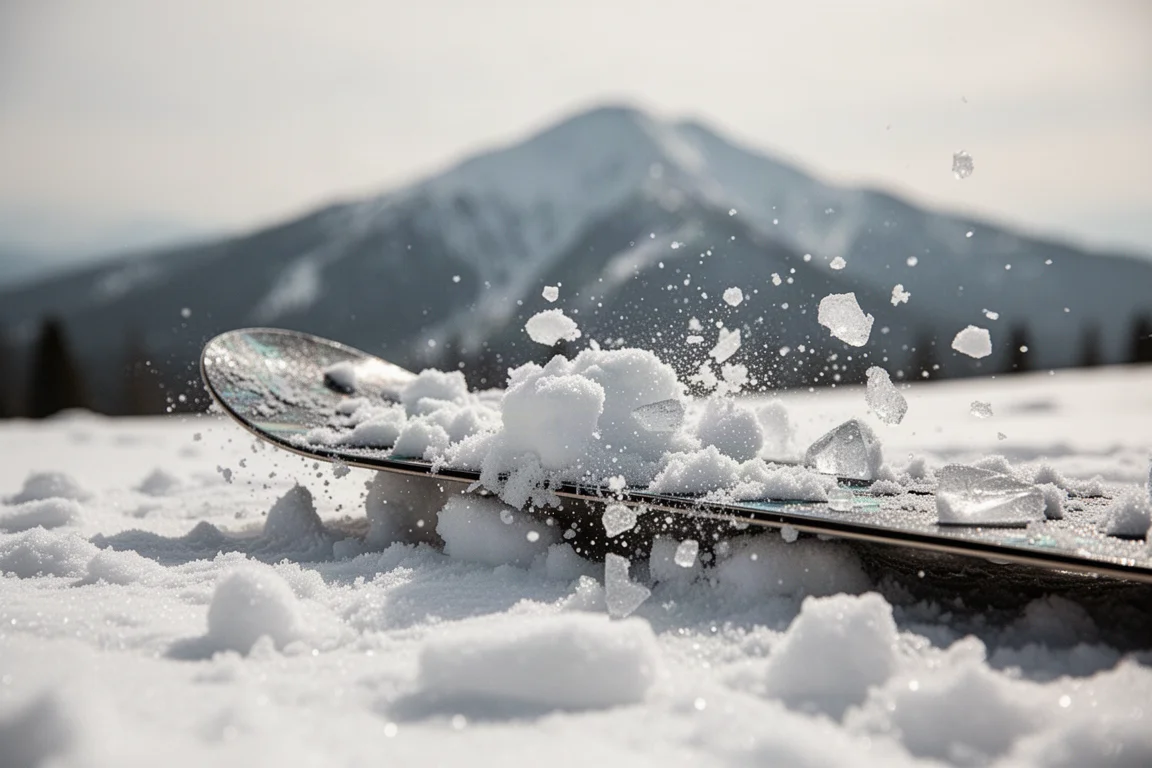
Rutted-out terrain is where you want to keep your knees bent, because the flex and the construction can buck you around if you take badly cut-up snow at full speed. Even so, the overall ride is surprisingly stable and a little damp.
Pressing, Buttering, and Jibbing
The rocker in the nose and tail is the most useful part of this board for presses. You can feel exactly where the camber meets the rocker, load your weight outside the front foot or the back foot, and the board locks into the press and holds it until you decide to release. There is a small spring out of the press rather than a fight, and buttering and swizzling come easily.
Jibbing behaves the same way. The board locks into a press and holds to the end of the feature, then releases. When you go sideways it cradles itself around the feature and feels secure, so you do not have to think about it much.
Carving and Edge-to-Edge Feel
The Agenda can carve. It moves fluidly from edge to edge, and the camber section provides enough power to drive off the tail and slingshot out of a turn. There are limits when you try to lay it over hard, and the board steers most predictably from underfoot, closer to the outside of each foot where the camber descends into the rocker.
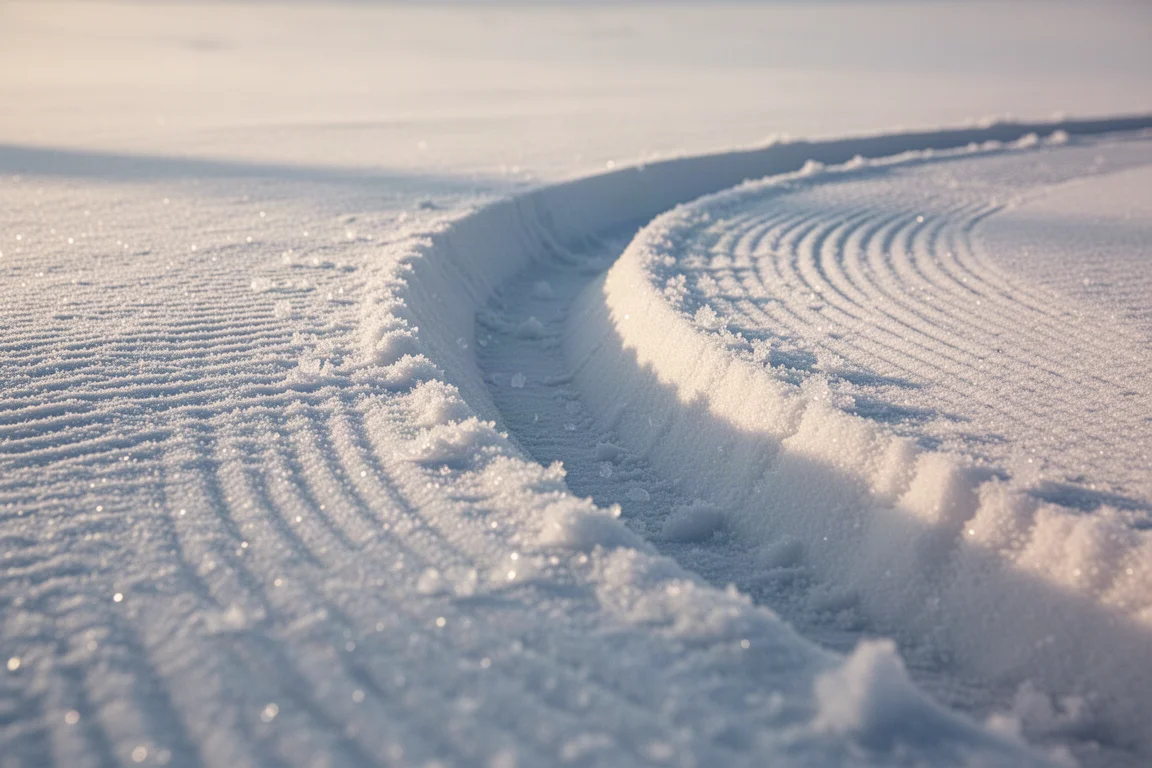
Ankle steering works well on this board. It handles short, tight, mellow carves, parked carves, and the occasional hard carve, and a progressing rider is likely to reach its limits and still be happy with what they get.
Park Performance and Jumps
Small and medium jumps are the sweet spot. The board snaps off the lip with relative ease, and you can either let the lip throw you or add your own pop for a little extra boost. Big jump lines are not what this board is built for and not what it handles best.
Pop in general comes from loading the camber section. Drive your weight down into the board, roll back onto the tail, and spring off the rocker. The snap is predictable and consistent rather than explosive, and it is enough to get the job done.
Things to Consider Before Buying
Two quirks are worth knowing before you commit. The first is the transition zone where the camber meets the rocker, which can feel a little hooky on butters, so detuning the edges there is a reasonable move if it bothers you. The second is the softer tip and tail flex, which is exactly what makes presses easy but also what makes deep, chopped-up snow more physical to ride at speed.
The Agenda is not the best board in its class and it is not the worst. It is consistent, it is predictable, and it does what it says it will do.
Buying Advice
Sizes run 149, 152, 155, 158, 154 wide, 157 wide, and 161 wide, so most riders can find a length that matches their weight, boot size, and terrain preference. If you want companion boards to cross-shop, the Capita Pathfinder, the Rome Warden, and the Battalion Disaster sit in a similar space.
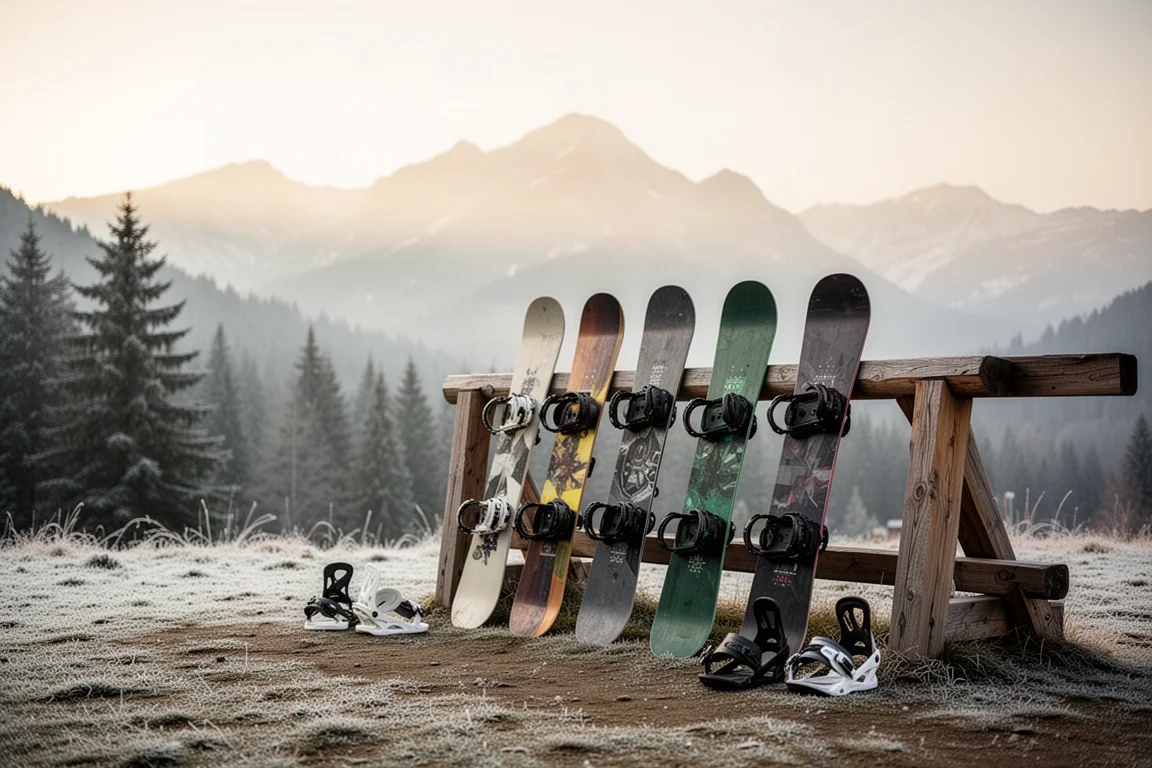
For bindings, the Ride C4, the Rome Vice, and the NOW IPO are all sensible pairings for the Agenda’s flex. Match the binding stiffness to how much of your time will be spent in the park versus carving groomers, and the board will feel balanced in both.
Conclusion
The Ride Agenda is a friendly, predictable all-mountain freestyle snowboard that gives progressing riders room to explore the whole mountain. It presses well, it jibs well, it carves competently, and it stays composed in choppy spring conditions as long as you ride within its flex. Riders who already know exactly which discipline they want will eventually outgrow it, and that is precisely the point of a board like this one.
Product link
View more details for Ride Agenda
This product is mentioned in the review. Check the specifications, options, and compatibility before buying.
View more details for Ride AgendaFurther reading
Related Reviews

Snowboards
32 Middle Earth Scott Stevens Pro Model Snowboard Review: A Park Board With a Reversed Flex
A medium traditional camber park board with carbon V reinforcement that is stiffer in the tips and more playful between the feet. Here is how it rides and who it suits.

Snowboards
32 Snafu Review: A Directional All-Mountain Freestyle Board with Serious Pop
The 32 Snafu pairs a directional camber-rocker profile with a stiffening tail for powerful carves, big ollies, and a surprisingly damp ride.

Snowboards
32 XXX Pat Fava Pro Snowboard Review: A Stiff Camber Beast for Hard-Charging Riders
A full-width traditional camber deck that rewards aggression with stability and edge power, but demands effort everywhere else.