Snowboard Bindings
Ride A8 Binding Review: A Stiff Aluminum Chassis for Aggressive Riders
The Ride A8 pairs an aluminum chassis with a responsive narrow highback for bigger, more aggressive riders who want a locked-in feel, with some trade-offs in damping to consider.
Introduction
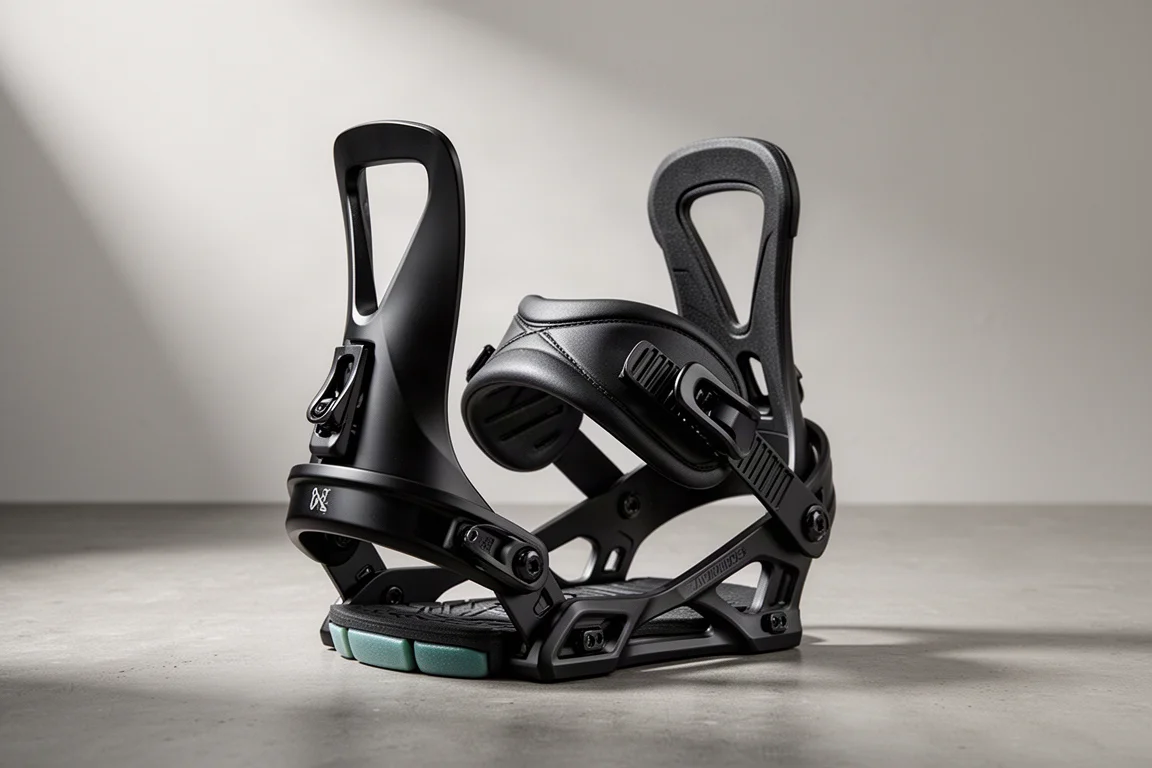
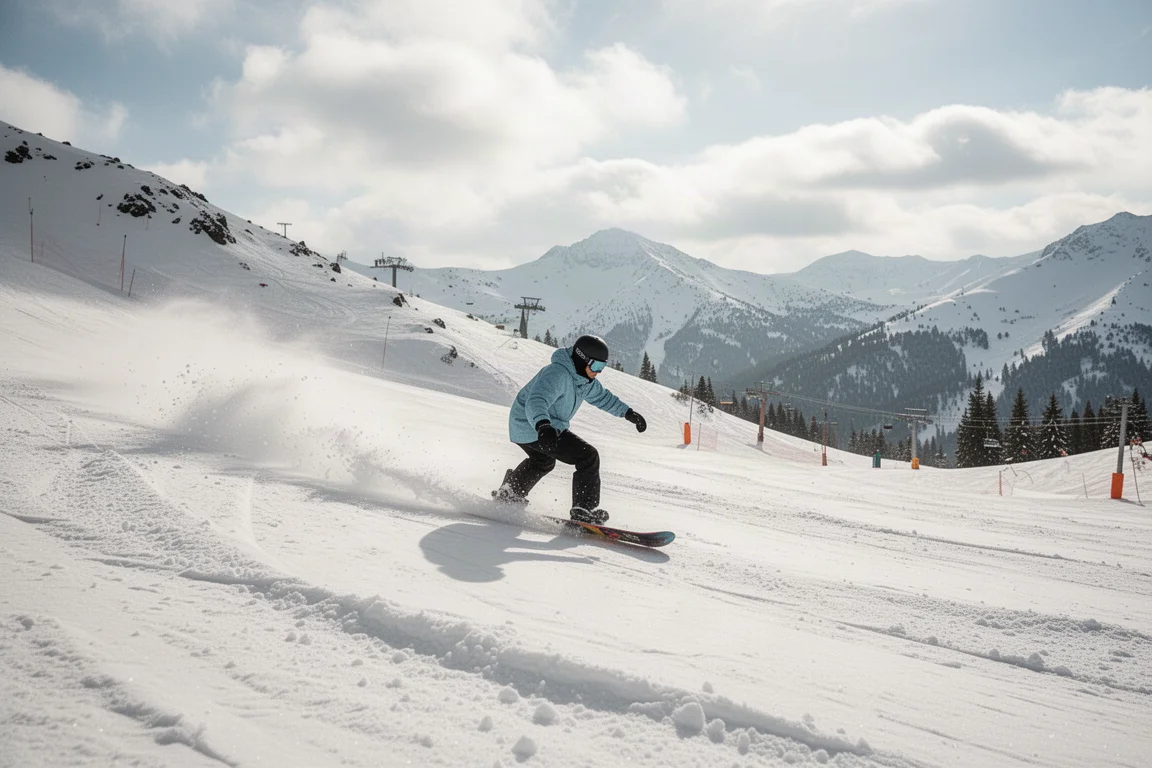
The Ride A8 is aimed at a specific kind of snowboarder: the aggressive rider, often on the bigger side, who wants a binding that feels locked in and responsive without pretending to be plush. Tested on a classic changeable spring day at Copper Mountain, paired with Ride Fuse boots and a Jones Aviator 2.0 board, it made a clear impression: stiff, supportive, and communicative, with a highback that stands out as the best part of the package.
Who the Ride A8 Is For
This binding is built for aggressive riders who want to feel locked in but still want to feel the conditions underneath their feet. It also suits riders who need extra support from an aluminum chassis, particularly those on the heavier or more forceful end of the spectrum.
If you ride a wide boot, be aware that the narrower chassis grips the boot extremely well, which is great for standard-width boots but may feel restrictive if your boot is on the wider side.
Straps and Ratchets
The A8 uses flip tabs on the ankle and toe straps, which makes on-the-fly centering adjustments simple while you are out on the hill. The straps are molded, so the padding from your boot is doing most of the cushioning work, yet no pressure points showed up from either strap during testing, including when cranking the toe strap down over the toe. The ankle strap can also be flipped between bindings to trade a more precise feel for a surfier one, depending on your preference.
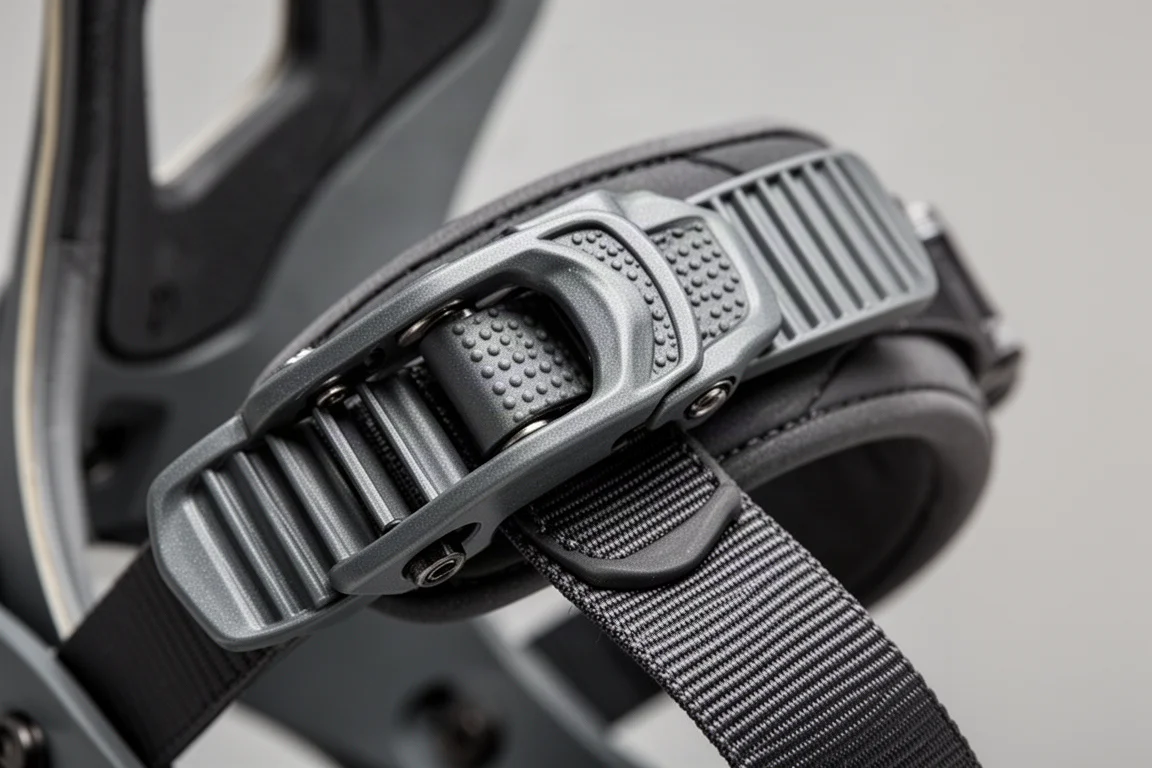
The ratchets are one of the quietly strong points. They are easy to grip, easy to engage and release, and they resist stripping the ladders even when you chase every last click. There is very little play in the ankle strap and essentially none in the toe. Nothing fancy, they just get the job done.
The Highback: The Standout Feature
The highback on the A8 comes from the discontinued A9 binding, and it earns its place. It is noticeably narrow, which keeps it from interfering with the side of the boot and preserves lateral play, yet it is stiff enough to feel genuinely responsive heel to toe. The flip tab forward lean adjuster is quick to use: flip it forward or back rather than spinning it, which can damage the mechanism.
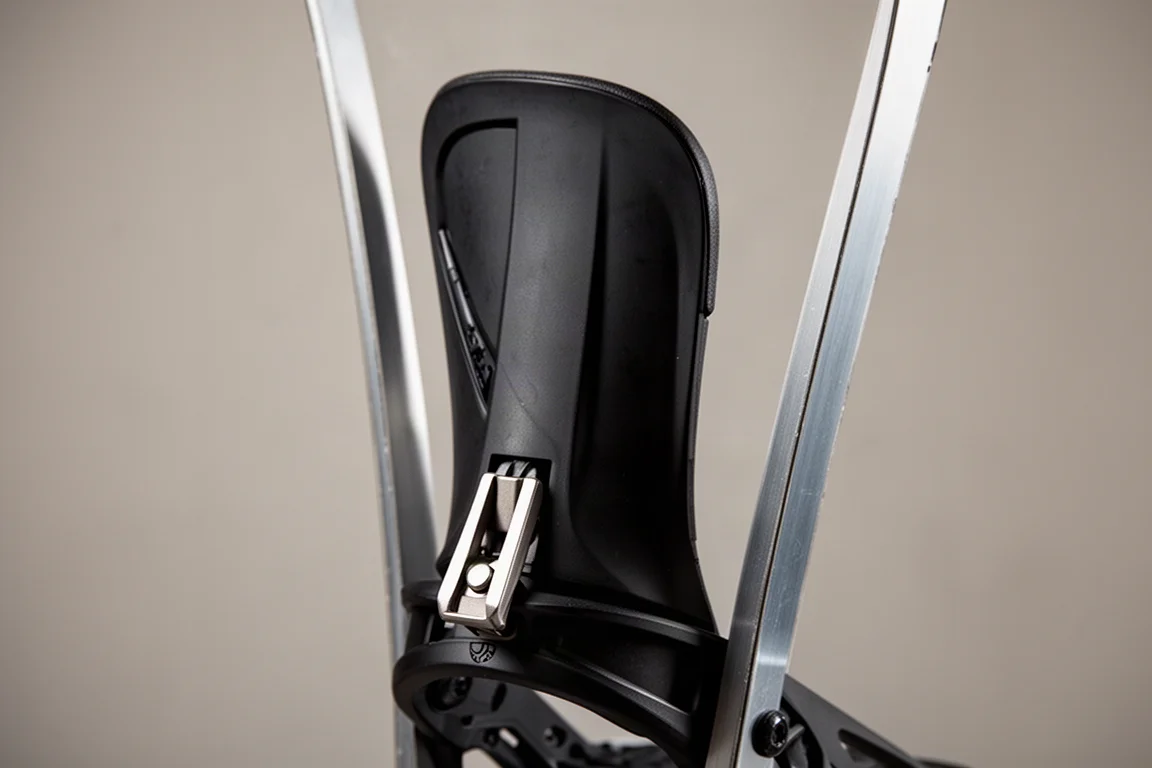
Heel cup adjustment uses two screws per side, and numbered markings inside correlate directly with Ride boots, though riders with other boot brands will need to experiment a little to find the right setting. The highback rotation can also be adjusted with notched positions if you like everything lined up.
Flex, Feel, and Damping
This is not a binding with much flex. The aluminum chassis does not give the way a composite version would, so the overall feel is more locked in than playful. Some lateral movement does come from the urethane pods under the toe and heel and from the straps, but it is modest.
The trade-off is damping. This is not a very damp binding, and on big push piles or icy hardpack you will feel chatter coming up through your legs. Riders who prioritize a smooth, cushioned ride should look elsewhere; riders who want direct feedback will see that as a feature.
Comparable Bindings
If the A8 does not sound like the right fit, comparable options in this stiff, supportive category include the Bent Metal Axtion, the Rome Cleaver, and the Union Atlas Pro. All occupy similar territory: responsive, durable bindings aimed at riders who push hard.
Buying Advice
The Ride A8 rides stiffer than the Ride C8, and the reviewer in this test felt it might have made more sense to carry the A9 name given how the higher-numbered-stiffer logic usually reads to consumers. Whatever the naming debate, the practical takeaway is simple.

Choose the A8 if you are a bigger or more aggressive rider who wants maximum support, a locked-in feel, and direct contact with the snow, and you do not care much about damping. If you want something more forgiving or damp, or you ride a wide boot, this is probably not your binding.
Conclusion
The Ride A8 is a solid, purposeful binding that does exactly what it sets out to do. It delivers a responsive aluminum platform, an excellent narrow highback borrowed from the A9, dependable ratchets, and comfortable straps, all tuned for aggressive riders who value support and feedback over cushioning. If that description sounds like you, it is an easy recommendation.
Product link
View more details for Ride A8
This product is mentioned in the review. Check the specifications, options, and compatibility before buying.
View more details for Ride A8Further reading
Related Reviews

Snowboard Bindings
2024 Union Ultra Snowboard Bindings Review: A Cushy, Freestyle-Focused Favorite
Two seasons on the 2024 Union Ultra: a lightweight, tweakable freestyle binding with standout comfort, a damp molecular bushing, and thoughtful hardware fixes.

Snowboard Bindings
32 Team Phase Binding Review: A Fast Entry Binding Built for Freestyle Laps
The first binding from 32 uses the Phase chassis for quick step-in entry with a softer, freestyle-leaning flex. Here's how it performed on the snow.

Snowboard Bindings
Arbor Cypress Snowboard Binding Review: A Laid-Back Cruiser That Can Charge
A closer look at the Arbor Cypress binding's adjustability, strap feel, and that oddly tall highback before you decide to buy.