Snowboard Bindings
Ride A6 Binding Review: A Freestyle-Focused Aluminum Binding with Real Precision
The Ride A6 trades some dampening for sharper underfoot response, making it a compelling freestyle binding if aluminum chatter doesn't bother you.
Introduction
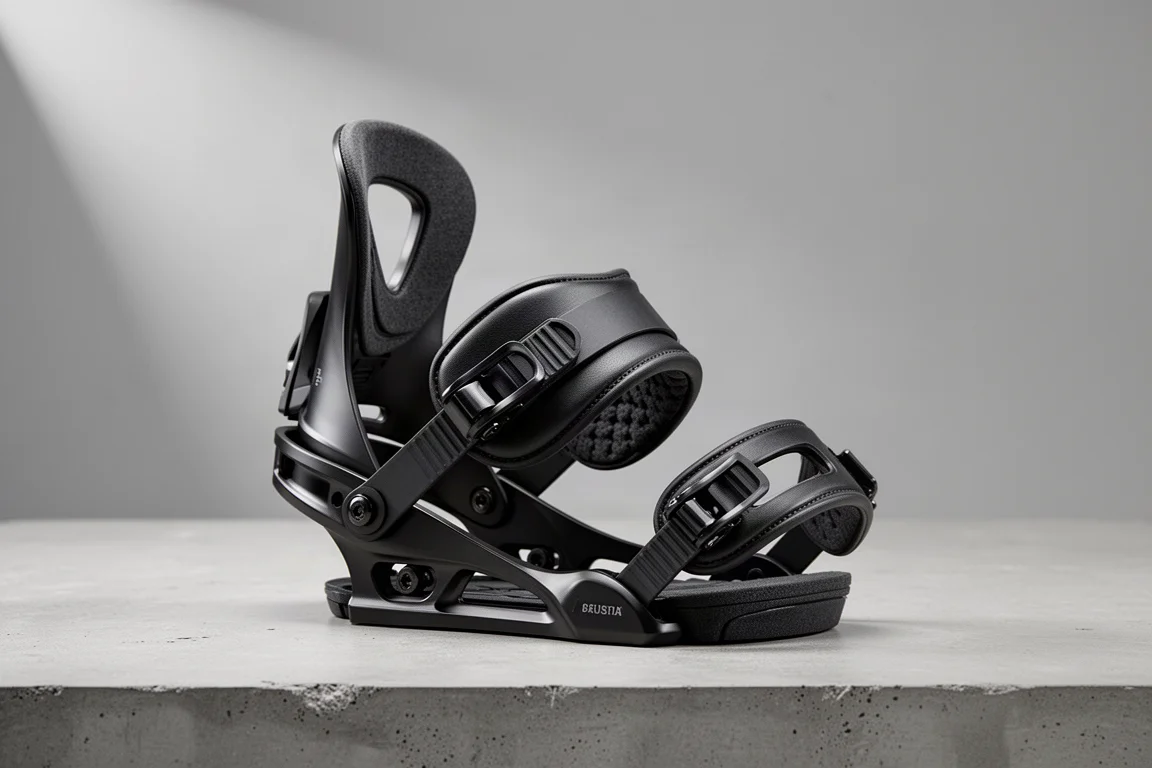
The Ride A6 sits in Ride’s aluminum binding lineup, positioned as a freestyle-focused binding that adds a layer of precision underfoot. After riding it through a full day at a resort, the picture that emerges is clear: this is a dialed-in, well-executed freestyle binding with excellent straps and ratchets, but it carries the characteristic liveliness of aluminum. Whether that’s a dealbreaker depends entirely on how your feet handle chatter at the end of a long day.
Testing Conditions and Setup
The binding was ridden on a sunny bluebird day with average to slightly warmer temperatures. Snow conditions varied across the mountain: perfect hero snow at the top, with slush, chop, and chunder in the lower sections. The setup paired the A6 with a Ride Shadowband snowboard and K2 Thraxis boots, a combination that gave the binding a fair chance to show both its freestyle flex and its response under pressure.
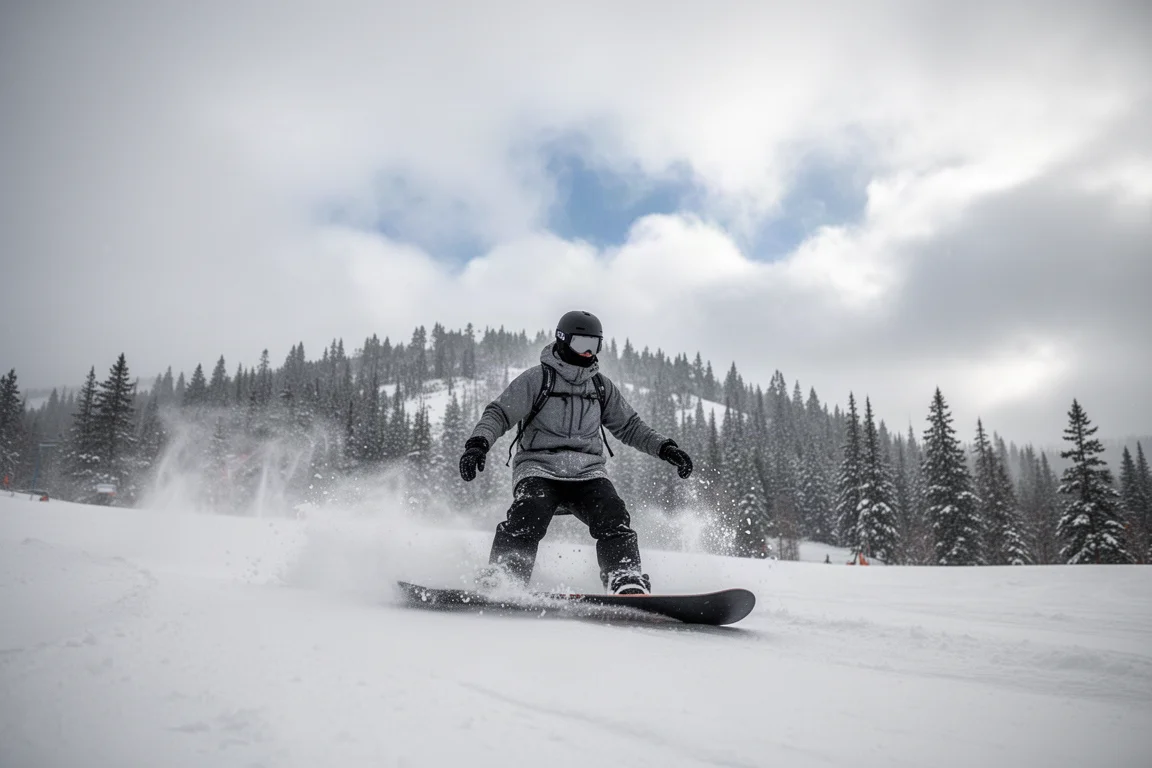
That mix of soft snow up top and choppy lower runs is actually a useful stress test. It exposes how a binding handles both clean carving and the kind of bumpy, variable terrain where underfoot dampening matters most.
Adjustability: Dialing In the Fit
Ride has packed the A6 with a surprising amount of fine-tuning. Starting from the back, the highback has a forward lean tab: flip it down, slide it up or down, and you set how much angle you want. Next to it, two screws on the side of the heel cup let you rotate the highback so it sits parallel to your heel edge, though for a freestyle binding that’s probably not your priority.
That same adjustment also shifts the placement of the heel strap slightly, which is handy if you have instep issues and need to compensate. On each side, a set screw holds the heel cup in place. Loosen it, push the heel cup in or out, and internal numbers correlate to Ride boot sizes. If you ride a bulkier or more low-profile boot, those numbers may not line up exactly.
The straps use flip tabs: flip them up, slide them down, or pull them all the way out to center them on your boot. Finally, the foot pad has a locking screw so you can slide it forward or backward to center it under your boot. It’s a genuinely thorough adjustment package.
Straps and Ratchets: Smooth, Consistent, Dialed
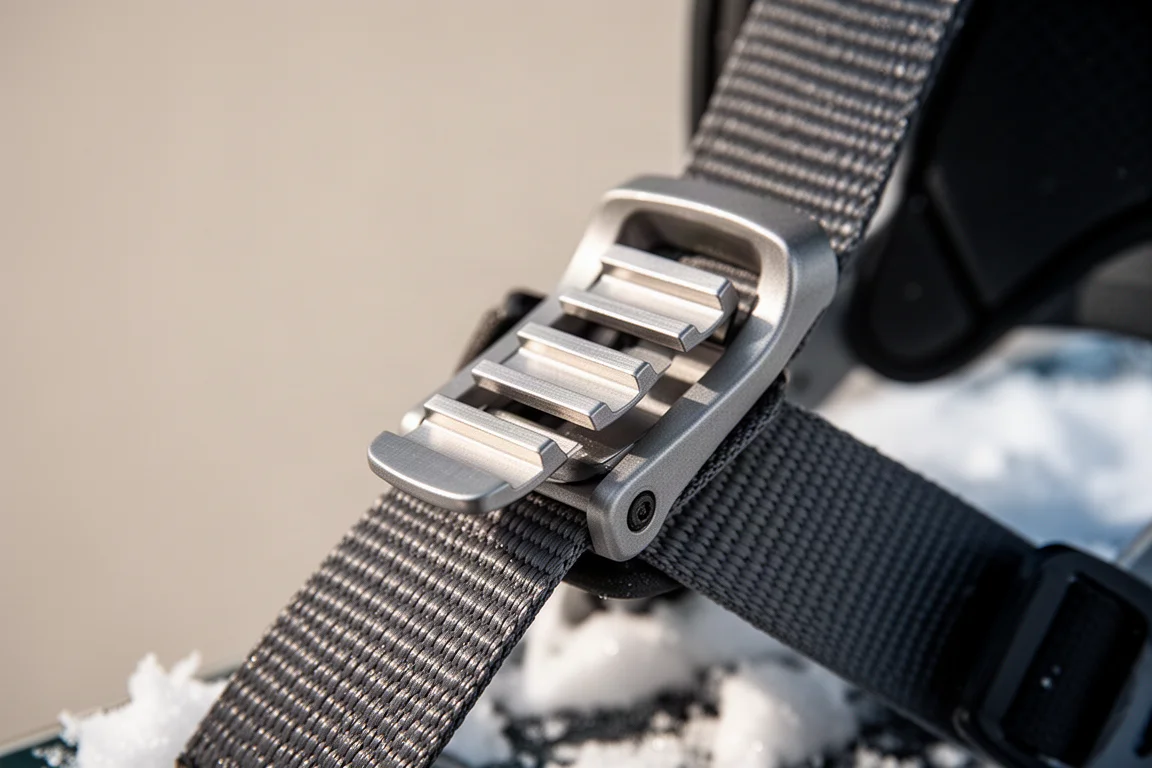
The heel strap won’t win awards for stiffness, but it’s a very smooth and consistent freestyle flexing strap. It’s a two-piece design with a white skeleton through the middle as the rigid section, wrapped in black urethane that encapsulates the boot well. One thing to note: there’s no excess padding here. Your padding comes from your boot, and the strap’s job is simply to lock you in. It also doesn’t stretch out over time.
The toe strap has a sizable cutout with thicker, harder urethane. It fits a Ride boot or something with a more pointed toe better; a super blunt, bulky toe may not be fully encapsulated. The ratchets deserve special mention: the one-finger quick release works exceptionally well, they climb cleanly with no play or wiggle, and there’s no clanking around. These are just very easy to use and very solid.
Highback Response
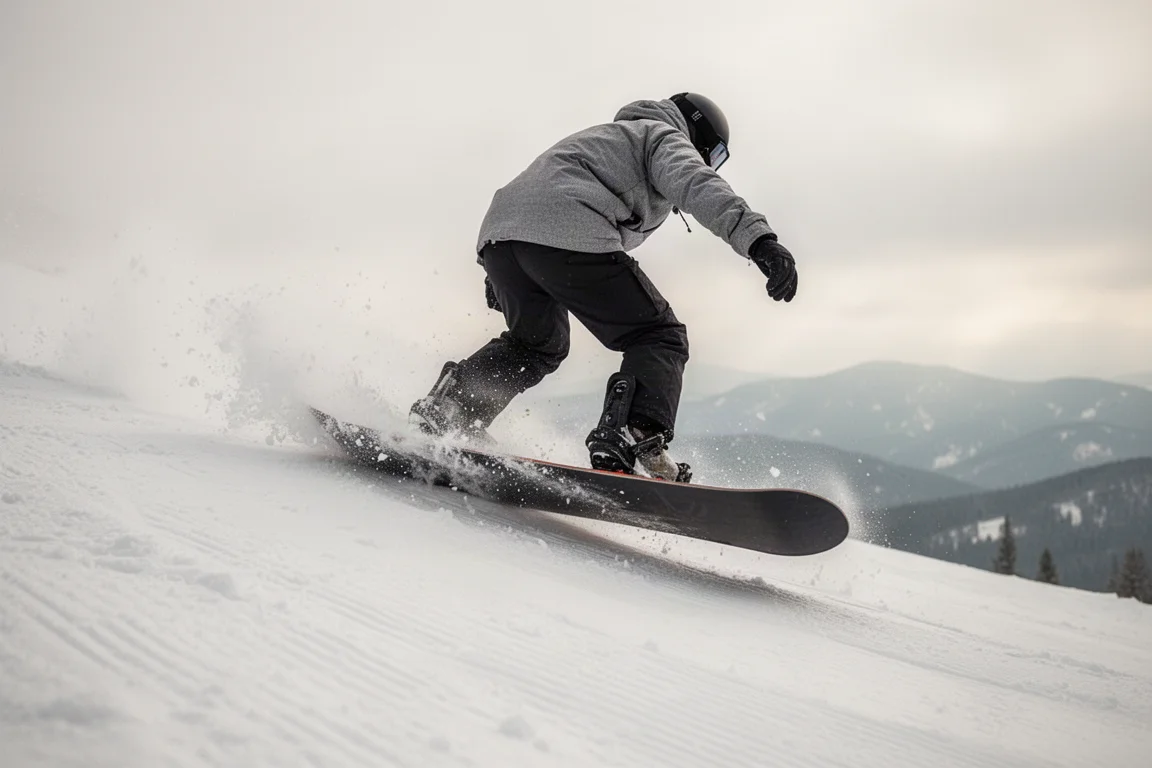
The highback is slender rather than wide, which keeps it out of the way when you’re laterally tweaking or driving into the center of the board. It won’t catch on you. Push back, though, and you get good response, with a little bit of give when you rotate into it. The forward lean adjustment is refreshingly simple: flip it up, slide it down, flip it up, and lock it into place. You can get a lot of forward lean out of these.
Ride Feel: Precision with a Price
This is where the A and C series really diverge. The A series is more rigid because it’s aluminum, and you feel that response in the toe and heel when you push into it. It’s quicker and more precise. As a freestyle binding, the straps aren’t going to feel like a precise freeride setup, but they’re solid for the job: a bit of play before they fully engage when you drive toe to heel, and more lateral give that’s accentuated by the narrower chassis compared to the C series. That narrower, rolled-up chassis allows more play and contour when you’re getting your weight out on the nose or tail of the board.
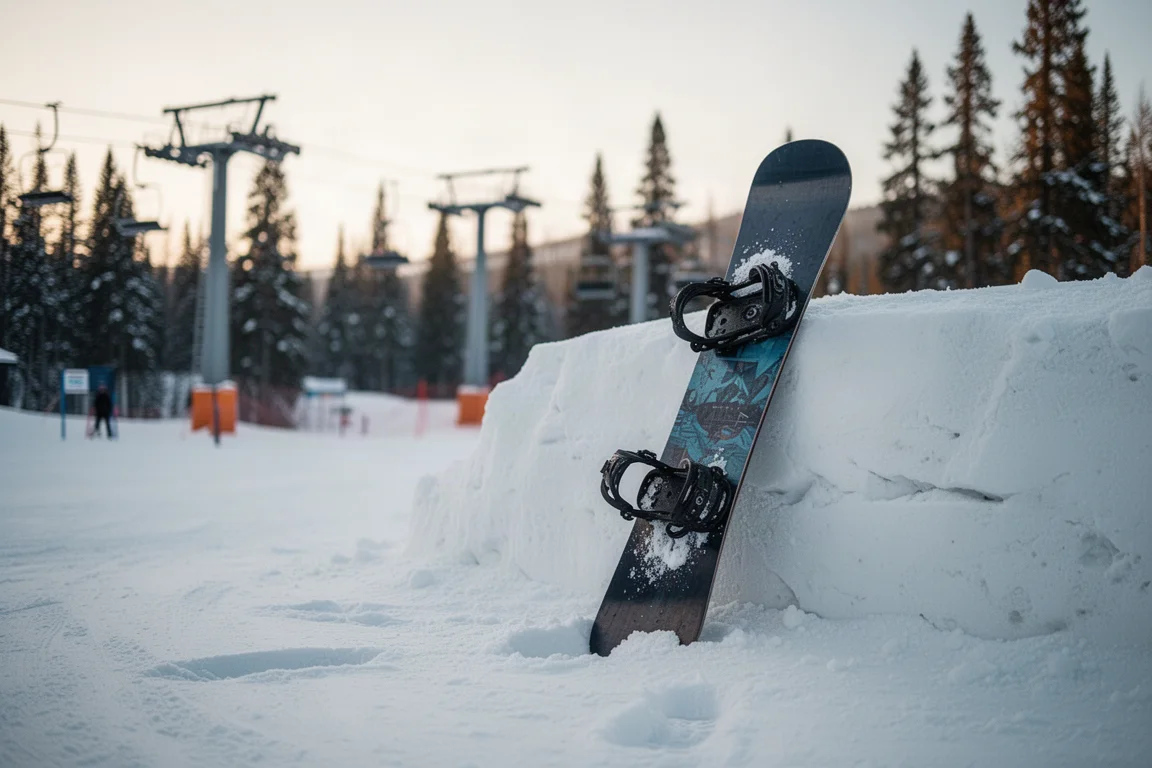
Here’s the honest trade-off. Aluminum bindings transmit kinetic energy vibrations, so chatter resonates back up underfoot. Ride puts urethane in the foot pad and adds a gusset on the bottom to help dampen, but it’s still livelier than the C series. You get more precision, but a less damp ride, and that can translate into more foot fatigue by the end of the day.
Things to Consider Before Buying
The A6 is the binding for a freestyle-focused rider who wants a bit more precision underfoot. If you’re sensitive to aluminum chatter or you prioritize a damp, plush ride, Ride’s C6 with its composite construction tells a very different story and may suit you better. Comparable bindings in this space include the Battalion Blaster ASM, the Nitro Team, and the Yes Select.
Conclusion
The Ride A6 is a solid freestyle binding: good precision, dialed straps, reliable ratchets, and a likeable highback, all wrapped in an unusually complete adjustment package. The one caveat is fatigue. If aluminum’s resonance underfoot doesn’t bother you, this is an easy recommendation for park and freestyle riding. If it does, the composite C6 is worth a look instead.
Product link
View more details for Ride A6
This product is mentioned in the review. Check the specifications, options, and compatibility before buying.
View more details for Ride A6Further reading
Related Reviews

Snowboard Bindings
2024 Union Ultra Snowboard Bindings Review: A Cushy, Freestyle-Focused Favorite
Two seasons on the 2024 Union Ultra: a lightweight, tweakable freestyle binding with standout comfort, a damp molecular bushing, and thoughtful hardware fixes.

Snowboard Bindings
32 Team Phase Binding Review: A Fast Entry Binding Built for Freestyle Laps
The first binding from 32 uses the Phase chassis for quick step-in entry with a softer, freestyle-leaning flex. Here's how it performed on the snow.

Snowboard Bindings
Arbor Cypress Snowboard Binding Review: A Laid-Back Cruiser That Can Charge
A closer look at the Arbor Cypress binding's adjustability, strap feel, and that oddly tall highback before you decide to buy.