Snowboard Bindings
Ride A4 Snowboard Binding Review: A Lively, No-Nonsense Freeride Companion
Two days of testing at Copper Mountain reveal a forgiving, easy-to-adjust binding with a lively feel that suits newer and intermediate riders.
Introduction
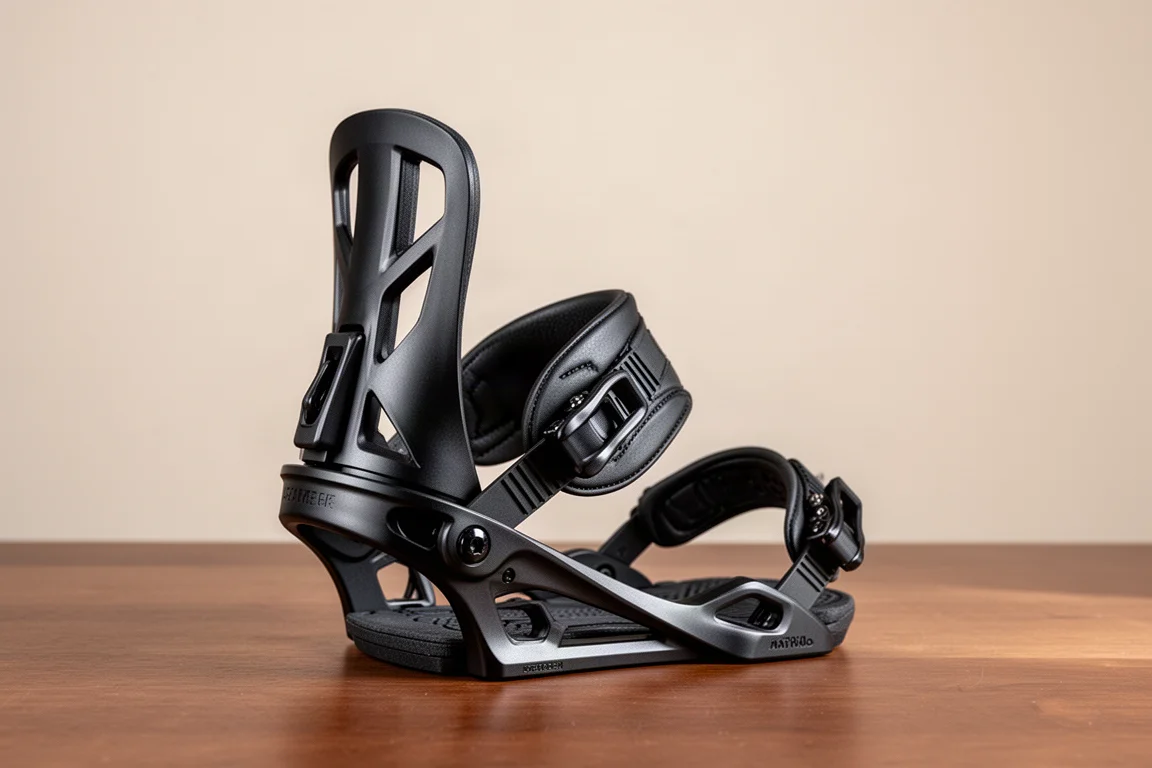
The Ride A4 is a binding that keeps things deliberately simple. There is minimal padding, a moderate feature set, and a flex profile that sits below middle of the road while staying clearly above a full-blown entry-level or jib binding. After two days of riding it at Copper Mountain, the takeaway is that this is a straightforward, honest binding that gets the job done, especially for riders who want easy adjustments and predictable behavior rather than aggressive damping or premium dampening tech.
Test Conditions and Setup
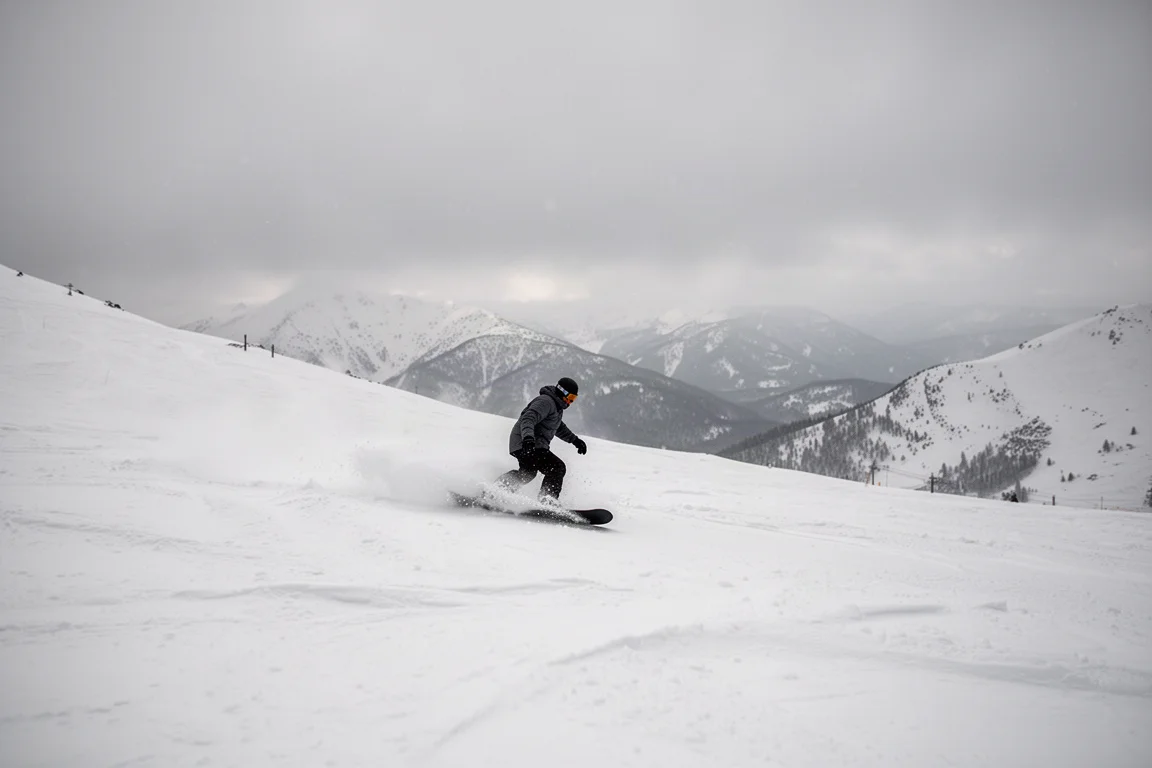
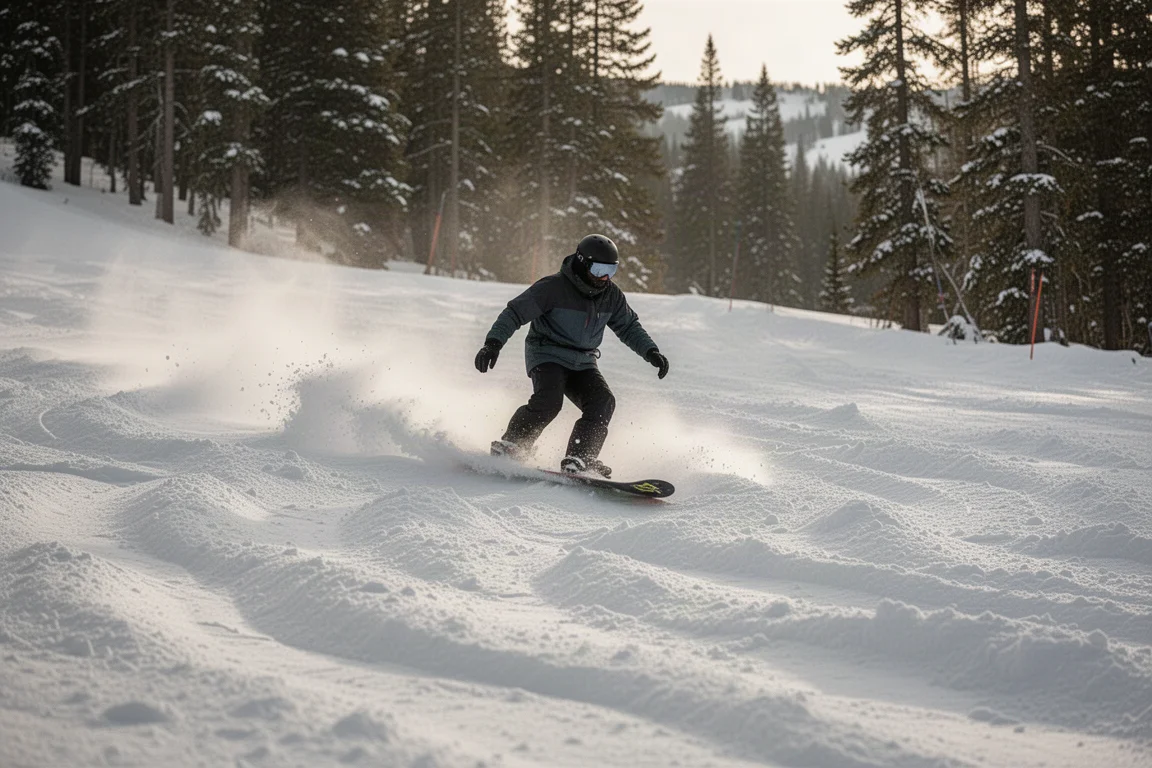
Testing covered a genuine mix of spring conditions. The first day brought overcast skies, low light, high winds, and choppy, chundery snow. The second day was the opposite: sunny, bluebird, warmer, with softer snow. That variety made it easy to see how the binding behaves both on hard, uneven impacts and on mellow, forgiving surfaces.
The setup paired the Ride A4 with a Ride Shadowban snowboard and K2 Thoraxis boots, a realistic mid-flex freestyle combination that gives a fair picture of how the binding transmits feel.
Adjustability
Adjustability is minimal but well thought out. Flip tabs on the toe and heel let you pop the binding open, slide it forward or back, and center it over your boot. The highback has a forward lean adjustment: flip it up, slide it up or down, and lock it in place. Highback rotation can also be adjusted, and the straps sit on a slide track so you can move their placement to suit your boot.
Two set screws on the side of the binding let you loosen, then pull or push the heel cup to center it over the boot. The foot pad has a small slide track of its own, allowing it to shift forward or backward. Everything is intuitive, and nothing requires tools or guesswork, which makes this a genuinely friendly binding to set up for the first time.
Straps and Ratchets
The straps are very minimal, with no padding at all. All cushioning comes from your boot. The heel strap has a lot of give and a big cutout, producing plenty of flex. The toe strap has a huge cutout that fits a multitude of boot shapes and grips over the toe box relatively easily. If you expect these straps to be slightly rigid, they are not: they have a ton of give.
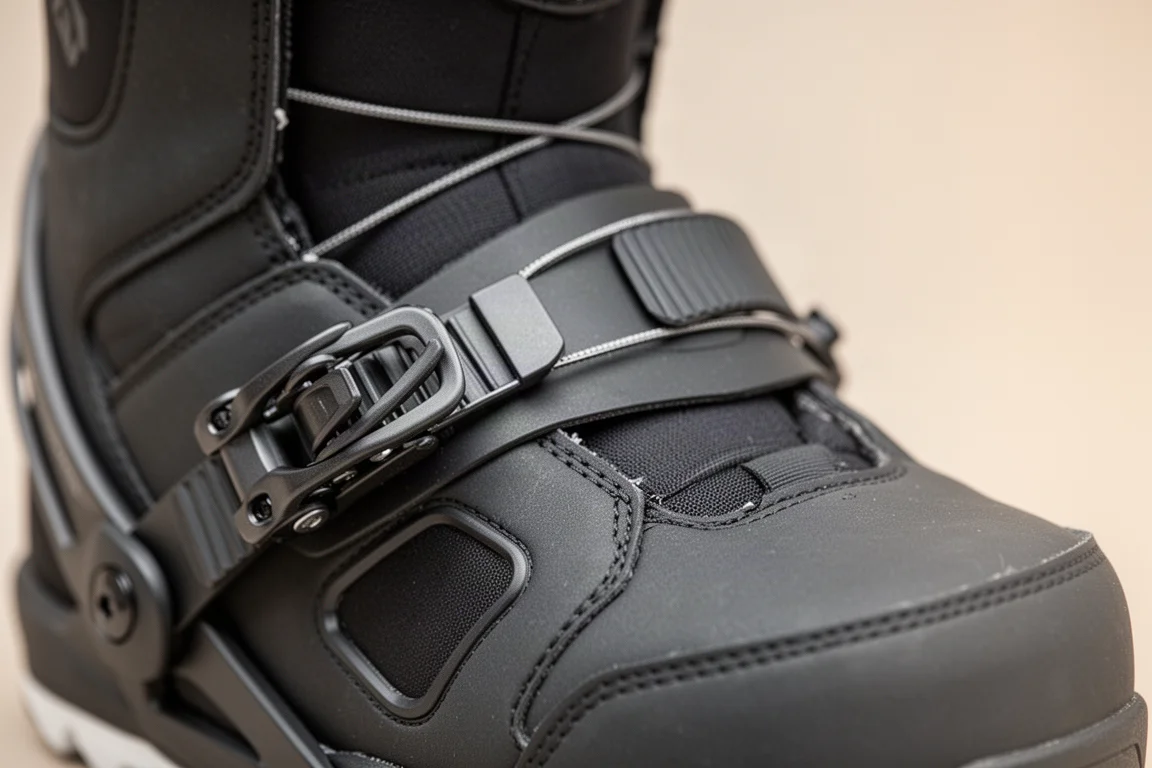
Out of the box, the ratchets were a little sticky. They improved as the day went on. They climb well, and the one-finger quick release works, though it takes slightly more effort due to the initial stickiness. Overall, the ratchets are dialed and nothing to worry about.
Highback and Forward Lean
The highback is more rigid than its cutouts suggest. When you push back into it, there is real power, with only a little lateral give. It is a very narrow highback, essentially resting on the spine of the boot, and you will not feel any issues when tweaking grabs or pressing. The forward lean adjustment is very easy to use and rigid out of the box, but it breaks in over time. It slides up or down depending on where you want your forward lean, and you can even adjust it on the fly if that is your style.
Flex and Response
This is a softer binding for sure, though the aluminum underfoot keeps it a bit more rigid than you might expect. The highback is rigid, so driving back on a heelside edge delivers solid response. Where you feel the most flex is going forward on the toes, through the heel strap and toe strap, which are not very rigid and have a lot of side-to-side give. The way the binding is shaped and beveled also adds a touch of lateral roll.
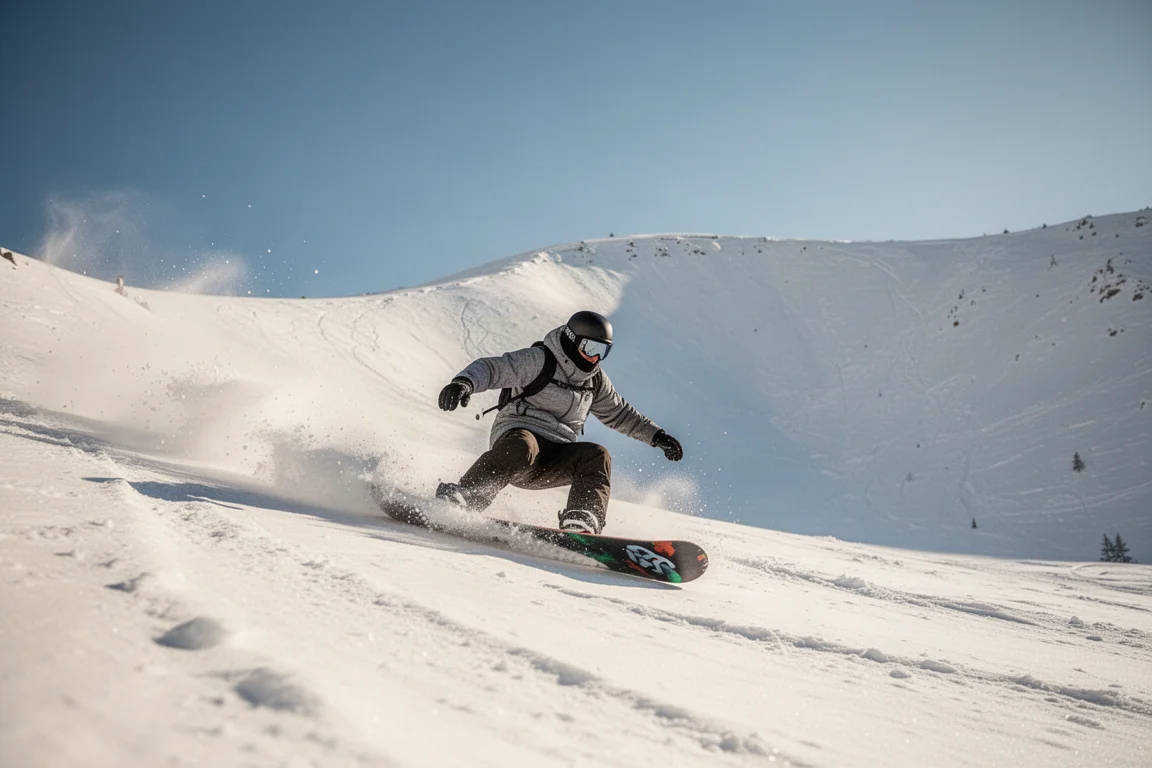
The overall character is lively. You will feel every vibration, whether micro or big. The foot pad does an okay job of dissipating some of it, but on hard landings or riding through washboard terrain, the impacts travel straight up into your foot and through your lower back.
Things to Consider Before Buying
The biggest trade-off is vibration and impact damping. On choppy, chundery days, the A4 transmits a lot directly to your legs, and hard impacts will be felt. The sticky ratchets out of the box are a minor annoyance that resolves with use. The minimal, unpadded straps also mean your boots carry the comfort burden, so a well-cushioned boot pairs best with this binding.
Buying Advice
If this would be your first binding, there is a lot to like. It is very easy to adjust, it is meat-and-potatoes in what it offers, and it will not hinder you with its performance capabilities. More aggressive riders who want a damper feel may prefer the higher version in the same line, and comparable options include the Union Flight Pro, the K2 Indy, and the Bent Metal style of binding in this class.
Conclusion
The Ride A4 is not a bad binding by any measure. It is a lively, easily adjustable, honest option that sits just below middle-of-the-road flex while offering real heelside drive and forgiving, boot-friendly straps. For newer and intermediate riders looking for a dependable first or second binding, it earns a confident recommendation. Riders who crave damping on rough terrain should look one tier up.
Product link
View more details for Ride A4 Snowboard Binding
This product is mentioned in the review. Check the specifications, options, and compatibility before buying.
View more details for Ride A4 Snowboard BindingFurther reading
Related Reviews

Snowboard Bindings
2024 Union Ultra Snowboard Bindings Review: A Cushy, Freestyle-Focused Favorite
Two seasons on the 2024 Union Ultra: a lightweight, tweakable freestyle binding with standout comfort, a damp molecular bushing, and thoughtful hardware fixes.

Snowboard Bindings
32 Team Phase Binding Review: A Fast Entry Binding Built for Freestyle Laps
The first binding from 32 uses the Phase chassis for quick step-in entry with a softer, freestyle-leaning flex. Here's how it performed on the snow.

Snowboard Bindings
Arbor Cypress Snowboard Binding Review: A Laid-Back Cruiser That Can Charge
A closer look at the Arbor Cypress binding's adjustability, strap feel, and that oddly tall highback before you decide to buy.