Snowboard Bindings
Ride A10 Binding Review: A Stiff, Aggressive Charger for Freeride Purists
Ride's stiffest binding yet, built on an aluminum chassis for pure power and response, with a few trade-offs worth knowing before you buy.
Introduction
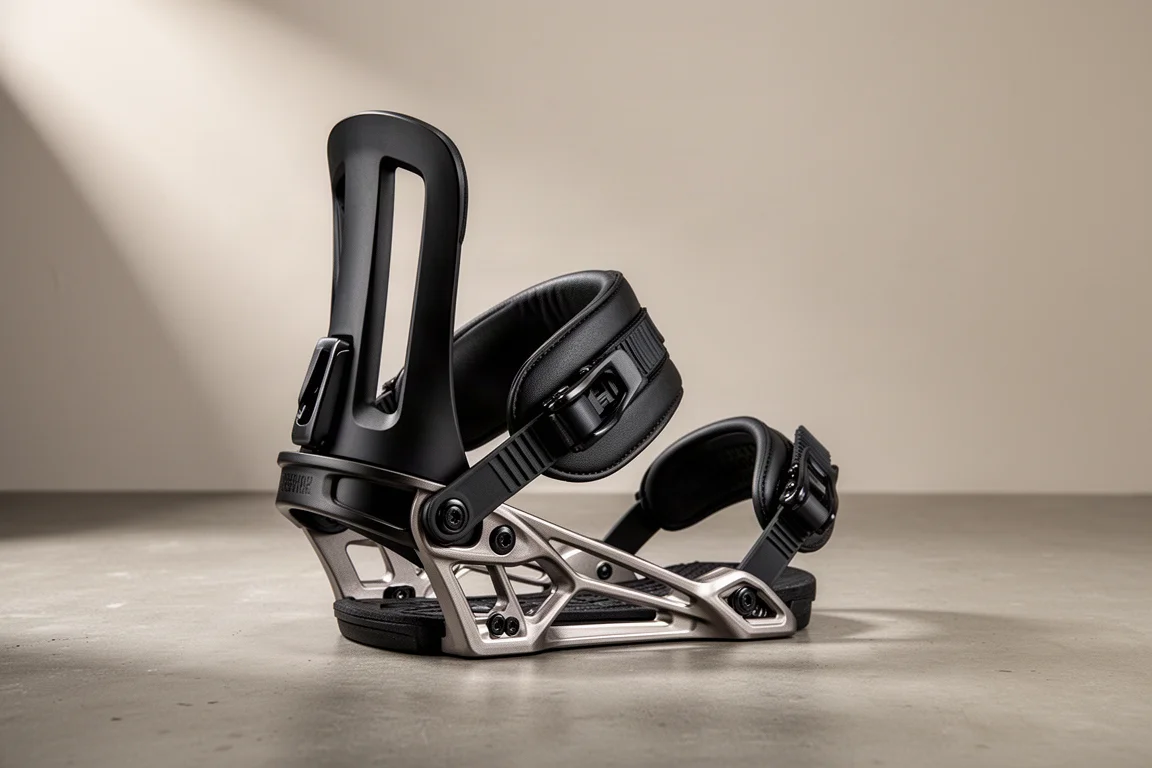
The Ride A10 is the stiffest binding in Ride’s lineup, and it makes that clear the moment you buckle in. This is a binding built for aggressive freeride charging, with an aluminum chassis, a very rigid slender highback, and a responsive feel that leaves little guesswork between your input and the board’s output. If you ride hard and want every edge transition to land instantly, it deserves a close look.
Who This Product Is For
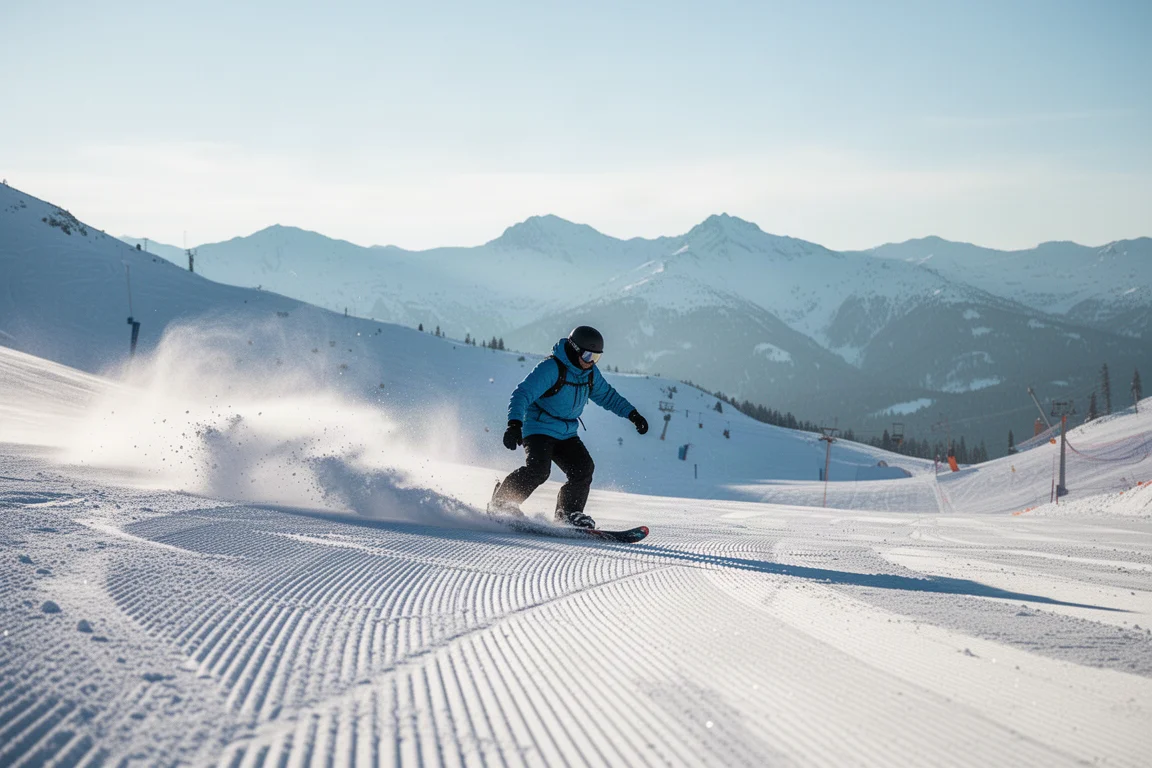
Ride positions the A10 squarely at the hard-charging freeride rider who values response above comfort. This is 100 percent a binding for aggressive riders who want a lot of response toe-to-heel and nose-to-tail. If your days are spent pointing the board down steep, variable terrain and driving hard into edges, this is the profile it was made for.
Main Strengths
Customization and Adjustability
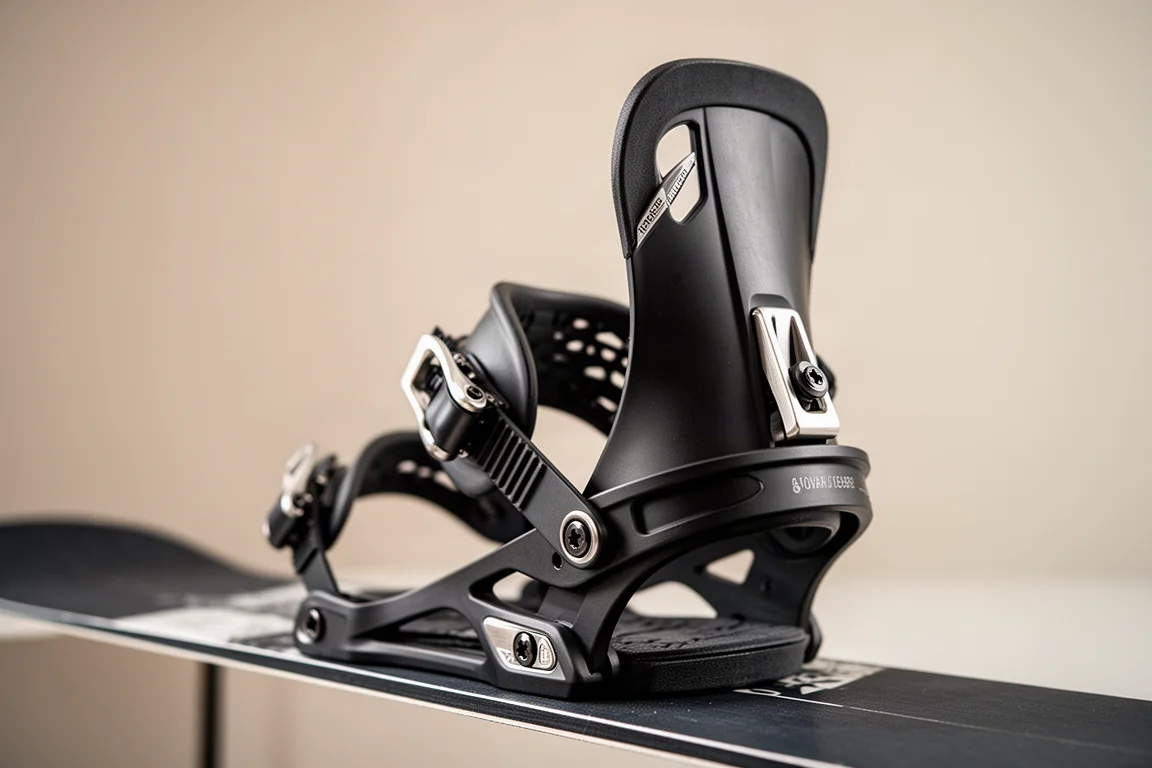
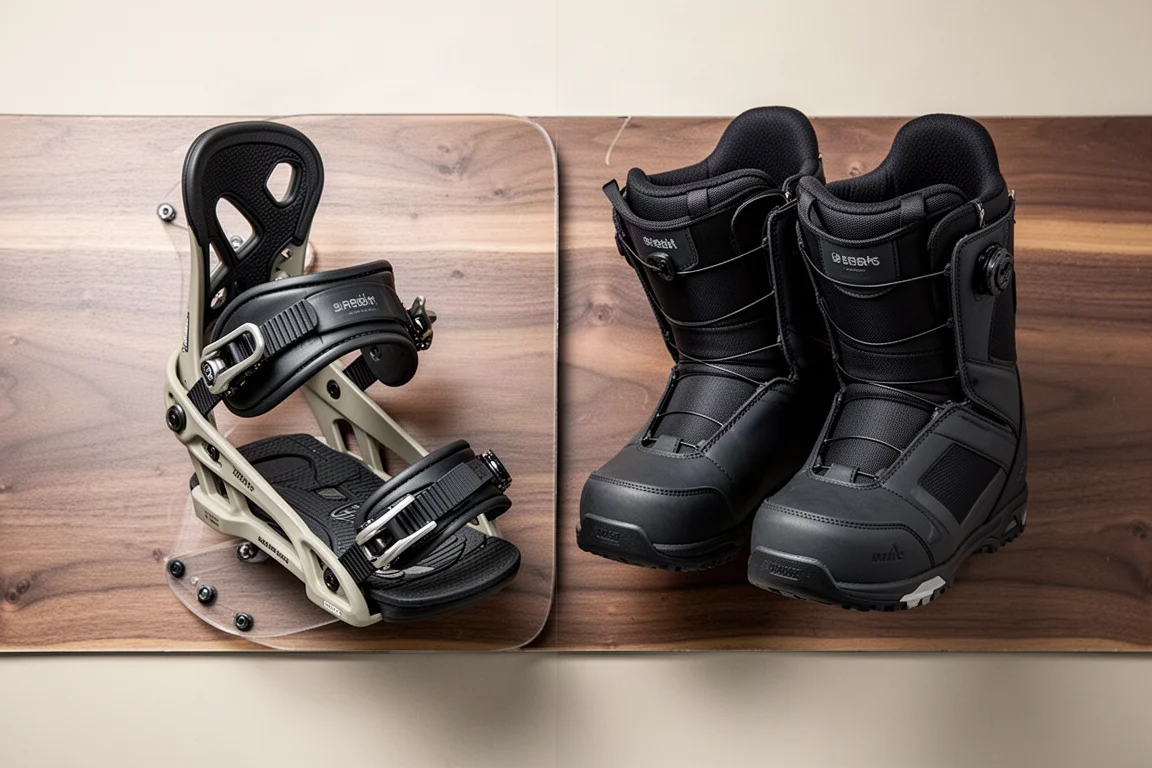
Ride packs a lot of tuning options into the A10. The forward lean sits on a set screw, so you loosen it to slide the highback where you want it, then lock it down. You can also rotate the highback in the heel cup to make it parallel to your heel edge, and there is a small slide track there that lets you raise or lower where the heel strap sits on the boot. Flip tabs on the heel and toe straps pop up so you can center them over your boot, the toe ramp slides slightly forward or back, and if you want more play underfoot you can swap the metal discs for plastic ones. Most chargers should stick with the metal disc for a more rigid, fluid flex.
Straps and Ratchets: Dialled Fit
The heel strap is a molded design with a small cutout and a rigid exoskeleton through the middle that locks you in and holds you down. The toe strap follows a similar approach with rubber polyurethane through the center for a bit more give. It fits Ride boots best, and while more pointed toes should be fine, very blunted toe boxes might cause a slight issue. The ratchets are the standout: they climb well, the one-finger quick release works exactly as you would hope, there is next to no play, and you can grip and crank them with mittens or gloves.
Response and Power
The highback uses a very slender design that matches up to the boot spine, with no excess material, and it feels rigid the second you roll onto your heel edge. The aluminum chassis is narrower than a composite chassis, which introduces a bit of lateral roll, but the power still comes through: when you drive into the toe edge you feel it, and when you drive back onto the heel edge it is there. Underfoot, urethane pods at the toe and heel plus a gusset under the chassis add some dampening, though the aluminum construction still amplifies kinetic energy for a more direct feel.
Things to Consider Before Buying
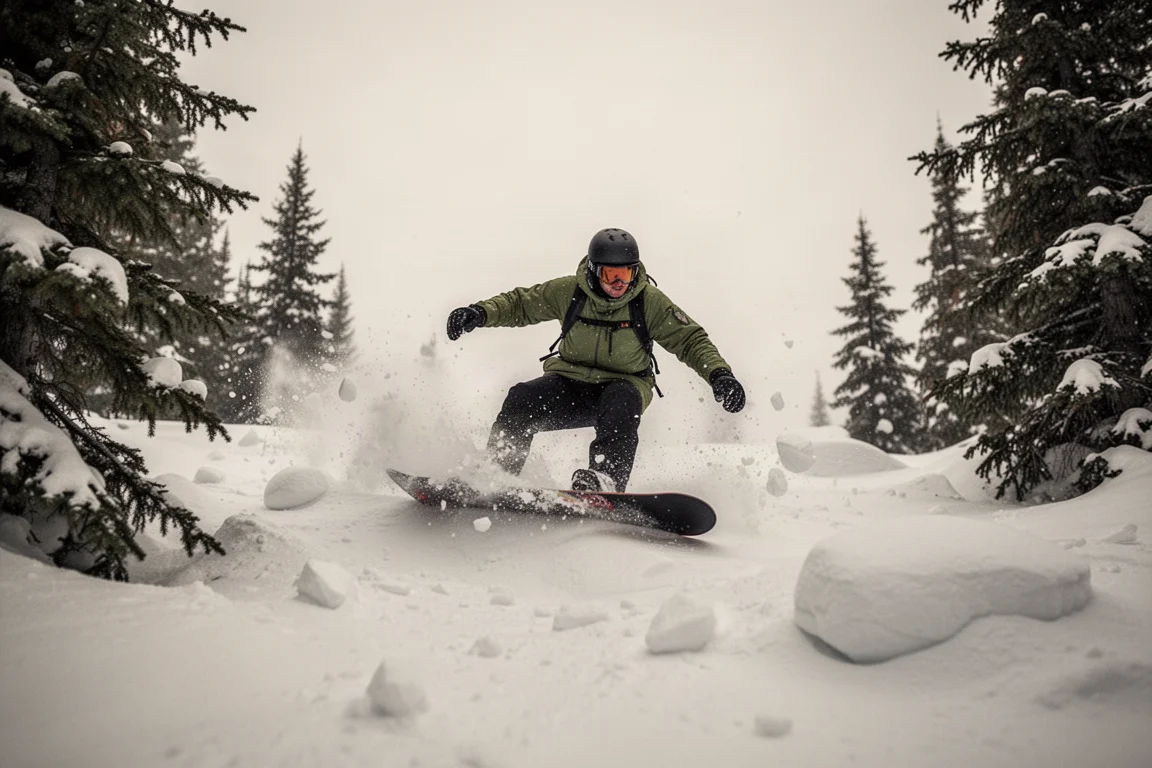
The full aluminum construction is the main trade-off. Chatter and kinetic energy reverberate through the binding, and by the end of the day you feel it in your ankles, knees, hips, and lower back. If you are a slightly older rider still charging hard but concerned about fatigue from vibration, that is the A10’s downfall. The set-screw forward lean also cannot be adjusted on the fly, though for a binding like this you simply set it once and forget about it. Charging through rough, chopped terrain will definitely make itself known underfoot.
Buying Advice
If you want maximum power transfer and are willing to accept a harsher ride in exchange, the A10 is among the best aggressive freeride bindings available right now. Comparable bindings worth cross-shopping include the Bent Metal Solution, the Union Atlas Pro, and the Nitro Phantom. Leave the metal discs in, take some time to dial in the highback rotation and strap positioning before you head out, and the binding will reward you all season.
Conclusion
The Ride A10 is a focused tool: the stiffest binding Ride makes, designed for pure power and precision rather than plushness. For aggressive freeride riders who prioritize response and do not mind aluminum chatter, it is one of the strongest options on the market today.
Product link
View more details for Ride A10
This product is mentioned in the review. Check the specifications, options, and compatibility before buying.
View more details for Ride A10Further reading
Related Reviews

Snowboard Bindings
2024 Union Ultra Snowboard Bindings Review: A Cushy, Freestyle-Focused Favorite
Two seasons on the 2024 Union Ultra: a lightweight, tweakable freestyle binding with standout comfort, a damp molecular bushing, and thoughtful hardware fixes.

Snowboard Bindings
32 Team Phase Binding Review: A Fast Entry Binding Built for Freestyle Laps
The first binding from 32 uses the Phase chassis for quick step-in entry with a softer, freestyle-leaning flex. Here's how it performed on the snow.

Snowboard Bindings
Arbor Cypress Snowboard Binding Review: A Laid-Back Cruiser That Can Charge
A closer look at the Arbor Cypress binding's adjustability, strap feel, and that oddly tall highback before you decide to buy.