Snowboard Bindings
Ride A-9 Snowboard Binding Review: Adjustable, Damp and Freeride-Leaning
A detailed look at the Ride A-9 snowboard binding, from its dual-disc mounting options and strap design to how it rides across powder, chop and crusty corduroy.
Introduction
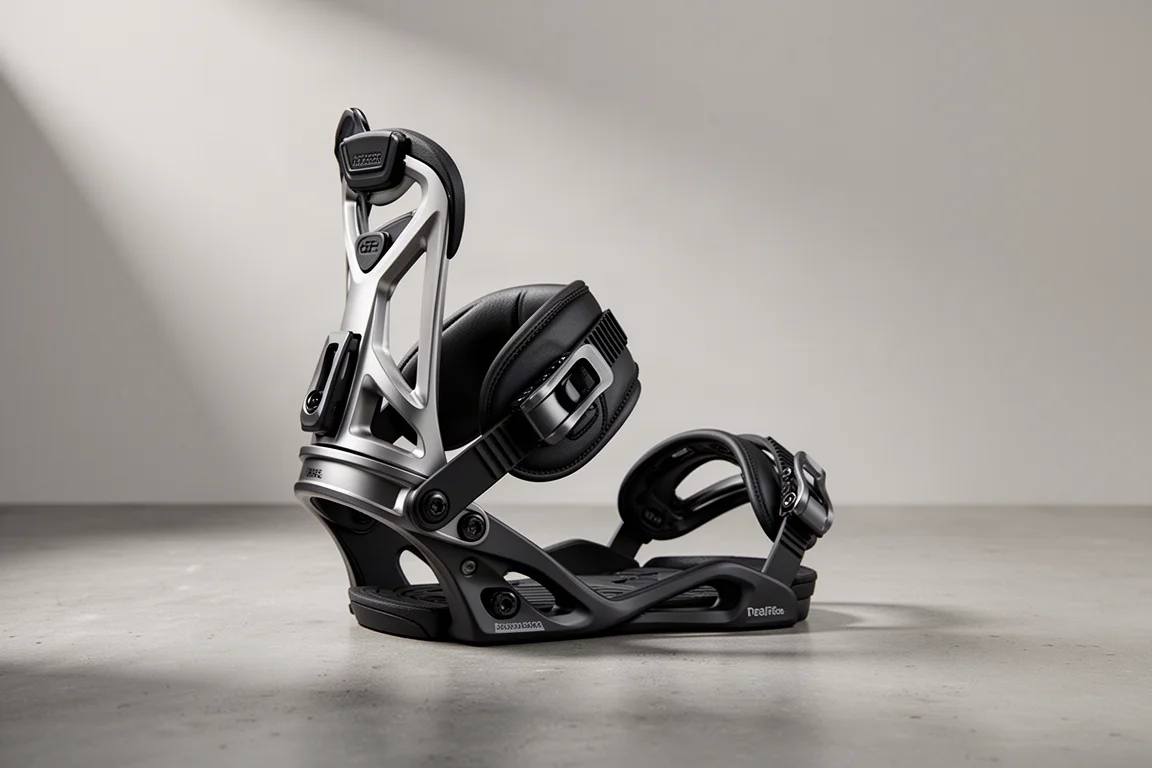
The Ride A-9 sits between the brand’s A-8 and A-10 bindings, and its identity is built almost entirely around adjustability. The first decision a rider makes is which mounting disc to run. Ride supplies two, one composite and one aluminum, and that single choice changes how the binding behaves underfoot. The composite disc is the more forgiving of the two, while the aluminum disc feels more rigid and powerful.
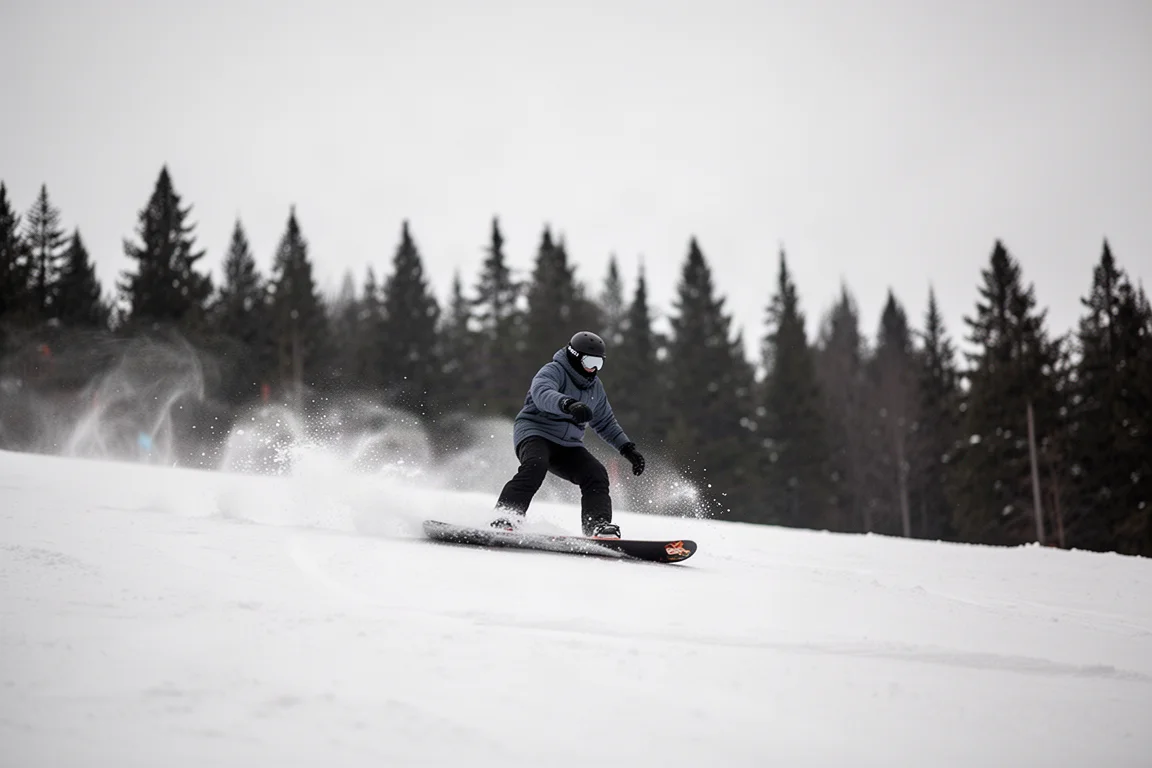
On-snow time at Copper Mountain covered a genuinely wide spread of conditions: overcast skies, high winds, medium winds, low winds, heavy falling snow, chopped powder, and a layer of crusty corduroy underneath it all. That range matters for a binding, because it exposes both how the hardware behaves when the snow is soft and moving, and how it responds when the surface turns firm and edgy.
This review walks through the adjustment range, the strap and highback design, the flex character, and the kind of rider the A-9 actually makes sense for.
Who This Binding Is For
The A-9 is aimed at riders who want a smooth, damp and powerful ride. Its flex lands around the middle of the road, arguably a little past it, and the overall character leans toward the freeride end of the spectrum rather than all-mountain freestyle. Straps can be driven into with real force, but there is noticeable lateral roll in the package, so it rewards riders who like to load a turn and let the board finish the arc.
That makes it a natural fit for riders who spend most of their time hunting steep, variable terrain, or who simply want a binding that stays composed when the snow underneath them is not. Riders who spend their days in the park or who want maximum freestyle looseness will likely find the A-9 a little too directional in feel.
It is also worth saying that this binding rewards a rider who is willing to spend ten minutes setting it up properly. The adjustment range is the point of the product, and leaving everything at factory settings means leaving most of the value on the table.
Main Strengths
Adjustability is where the A-9 separates itself. Beyond the two discs, the toe and heel straps use flip cams, so they can be lengthened or shortened without tools. The heel strap sits on a slide track connected to the highback, which allows the highback to be rotated and slid forwards and backwards. The heel cup is fully adjustable, there is a forward lean adjustment, and even the foot pad offers a small amount of micro movement.
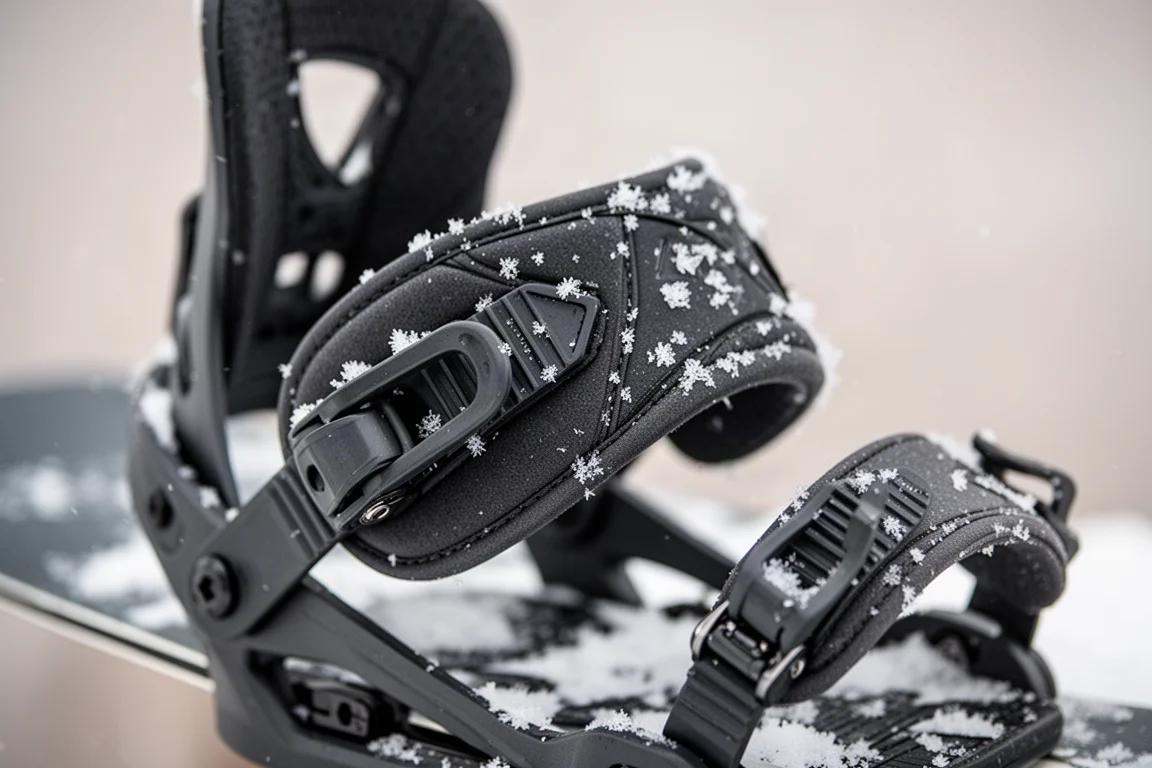
The straps themselves are well executed. The heel strap uses a three-piece design that adds cushioning, so comfort does not rely entirely on the instep of the boot and the boot’s own material to relieve pressure points. The skeleton running through the middle of the strap is a little stiffer, which means it transfers input when a rider drives into it rather than simply squashing flat.
The ratchets are another quiet strength. They are smooth and fluid, they climb well, they release well, and they stay locked in place without premature release. For a binding that is meant to be ridden hard, that reliability matters as much as any flex figure.
The highback has a small amount of natural forward lean that can be felt against the back of the boot. It is a little narrower than some, but it is rigid, and it delivers noticeable power when a rider pushes back into it. Forward lean adjustment is simple: pop the lever up, slide the setting into place, lock it down, and ride. Riders who do not use forward lean at all will not get much from that particular feature, but it is there and it is easy to change.
Things To Consider Before Buying
The toe strap deserves attention. It has a wider cutout with foam inside, and on certain boot shapes, particularly heavily blunted toes, it can pop off. Riders with that kind of boot should plan on cranking the strap down a little more than feels necessary at first. A more pointed toe shape fit without trouble. Running the strap over the top of the boot is an option, though it is not the intended setup.
Flex is the other consideration. The A-9 sits in an unusual spot. It is not as powerful as the A-10, and it is not as versatile across all-mountain freestyle as the A-8. There is real overlap with both, and riders who already know which side of that divide they fall on may find a more clearly defined model easier to choose. Someone who wants to charge hard will likely prefer the A-10, while someone splitting time between freestyle and all-mountain riding may get more from the A-8.
Riders who have avoided aluminum chassis bindings in the past because of chatter should still give this generation a fair look, but they should also expect a binding that asks to be set up deliberately rather than ridden straight out of the box.
Flex and Ride Feel
The overall ride is defined by precision and power. Underfoot, the binding dampens well thanks to the foot pad, and it handles chatter and vibration effectively, which is a surprising result from a binding built on an aluminum chassis. It works, and it works consistently.
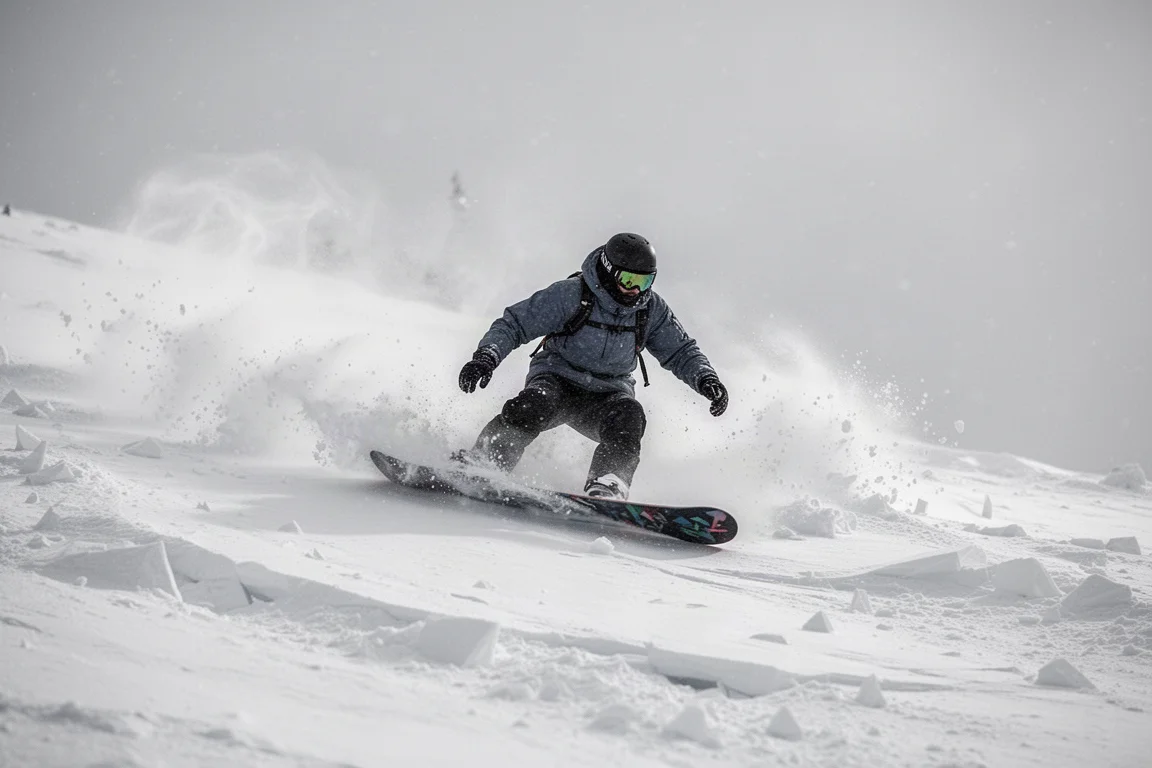
The lateral character is what makes the A-9 feel different from older aluminum designs. The composite disc adds more lateral play, and the bevel in the shape of the binding contributes additional roll even with the aluminum disc installed. That combination means the binding avoids the dead spot underfoot that riders sometimes fight when they leverage weight onto the outside edge of the board, or when they drive through the inside.
With the straps tightened down, a rider can push real energy into the binding, and the response is immediate. The trade-off is that the same lateral roll that keeps the ride lively underfoot makes the A-9 feel less locked in than a pure freestyle binding. It sits closer to the freeride spectrum, and it rides best when it is allowed to be powerful rather than playful.
Buying Advice
The A-9 makes the most sense for a rider who wants a smooth, damp and powerful binding and who values on-hill adjustability enough to actually use it. Riders coming from older aluminum bindings that felt harsh and chattery underfoot will find this generation noticeably more forgiving, with lateral roll where older designs felt flat and dead.
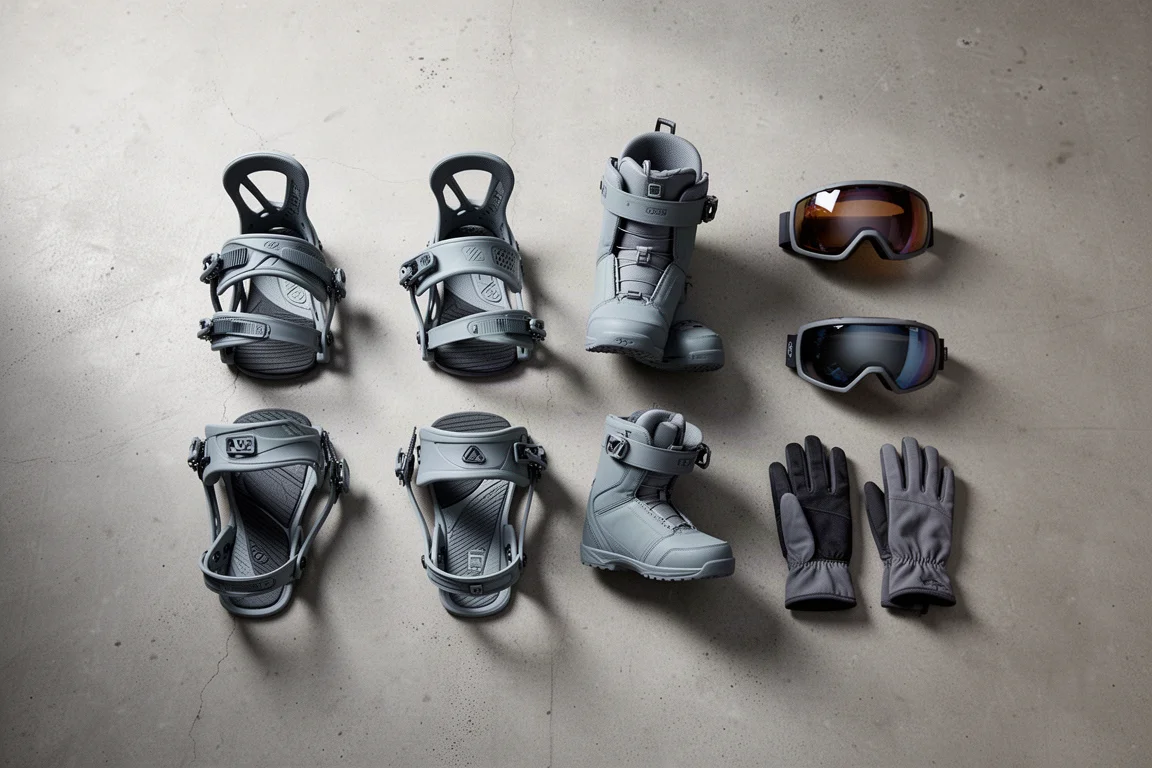
Before committing, it is worth checking which boot is going into it. A pointed toe shape paired with this binding worked without fuss, while a heavily blunted toe may need extra strap tension to stay put. It is also worth deciding where the A-9 sits relative to the rest of the range: riders who prioritize maximum charging power may prefer the A-10, and riders who want all-mountain freestyle versatility may prefer the A-8.
If those two options are already on the shortlist, the A-9 is worth comparing alongside other freeride-oriented bindings in the same space, including the Bent Metal Solution, the Rome Cleaver and the Union Atlas Super Pro.
Conclusion
The Ride A-9 is a precise, damp and genuinely powerful binding with an unusually broad adjustment range, and its dual-disc mounting system gives riders a real choice between a more forgiving composite feel and a more rigid aluminum one. It handles chatter well, keeps lateral roll in the ride rather than locking it out, and its ratchets and straps hold up under hard use. It is not the most powerful option in the range and it is not the most freestyle-friendly, and the toe strap asks for a little extra attention on certain boot shapes. For riders who want a smooth, damp, freeride-leaning binding and who will take the time to set it up, it is an easy one to feel confident about.
Product link
View more details for Ride A-9
This product is mentioned in the review. Check the specifications, options, and compatibility before buying.
View more details for Ride A-9Further reading
Related Reviews

Snowboard Bindings
2024 Union Ultra Snowboard Bindings Review: A Cushy, Freestyle-Focused Favorite
Two seasons on the 2024 Union Ultra: a lightweight, tweakable freestyle binding with standout comfort, a damp molecular bushing, and thoughtful hardware fixes.

Snowboard Bindings
32 Team Phase Binding Review: A Fast Entry Binding Built for Freestyle Laps
The first binding from 32 uses the Phase chassis for quick step-in entry with a softer, freestyle-leaning flex. Here's how it performed on the snow.

Snowboard Bindings
Arbor Cypress Snowboard Binding Review: A Laid-Back Cruiser That Can Charge
A closer look at the Arbor Cypress binding's adjustability, strap feel, and that oddly tall highback before you decide to buy.