Cycling Bikes
Ribble Allroad SL vs Allroad SLR: Two Allroad Bikes Compared
Ribble's new Allroad range is built for riders who want speed across mixed surfaces. Here is how the Allroad SL and Allroad SLR differ on weight, integration, comfort, and price.
Introduction
Long and low race positions suit professional racers, but they are rarely the best setup for the riding most recreational cyclists actually do. An allroad bike takes a different approach: comfortable enough for long days over mixed terrain, still sporty enough to feel quick on tarmac.
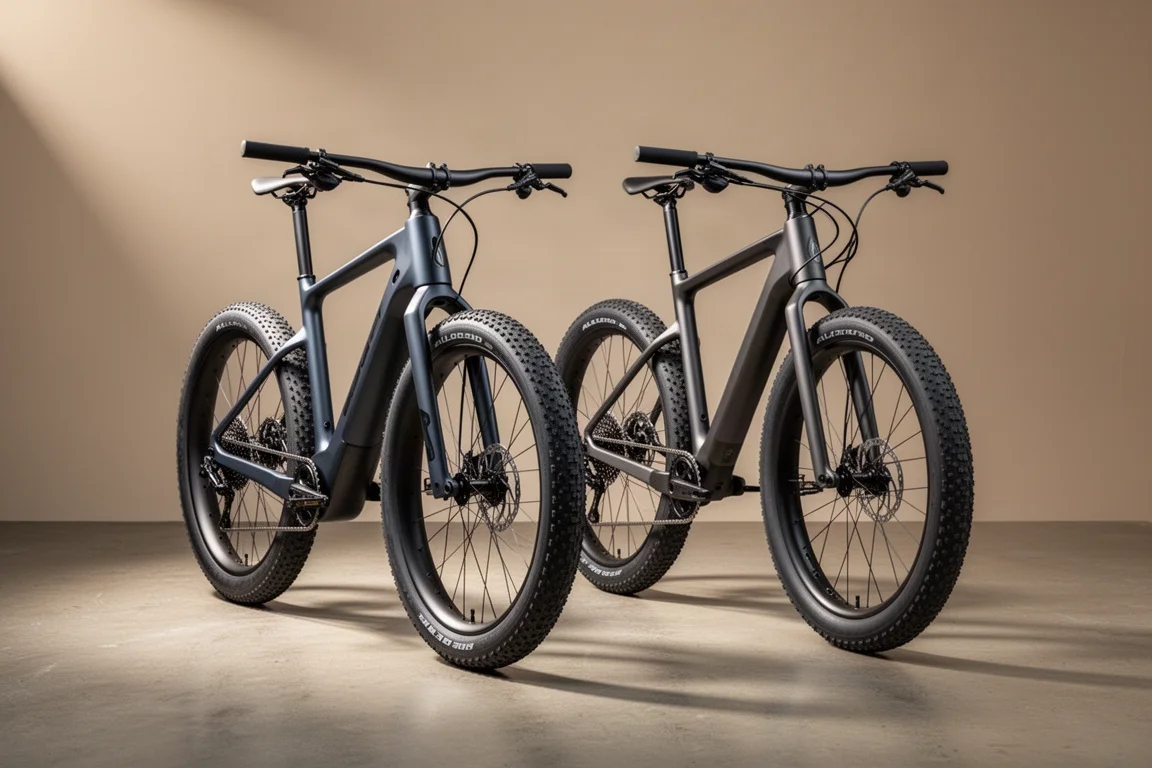
Ribble’s new Allroad range is built for riders who want to go fast across a mix of terrain and surfaces. It arrives in two forms, the Allroad SL and the Allroad SLR, and while both share the same intent, they differ in weight, front-end integration, and price. This comparison covers what each one offers and who it suits.
What the New Ribble Allroad Range Is For
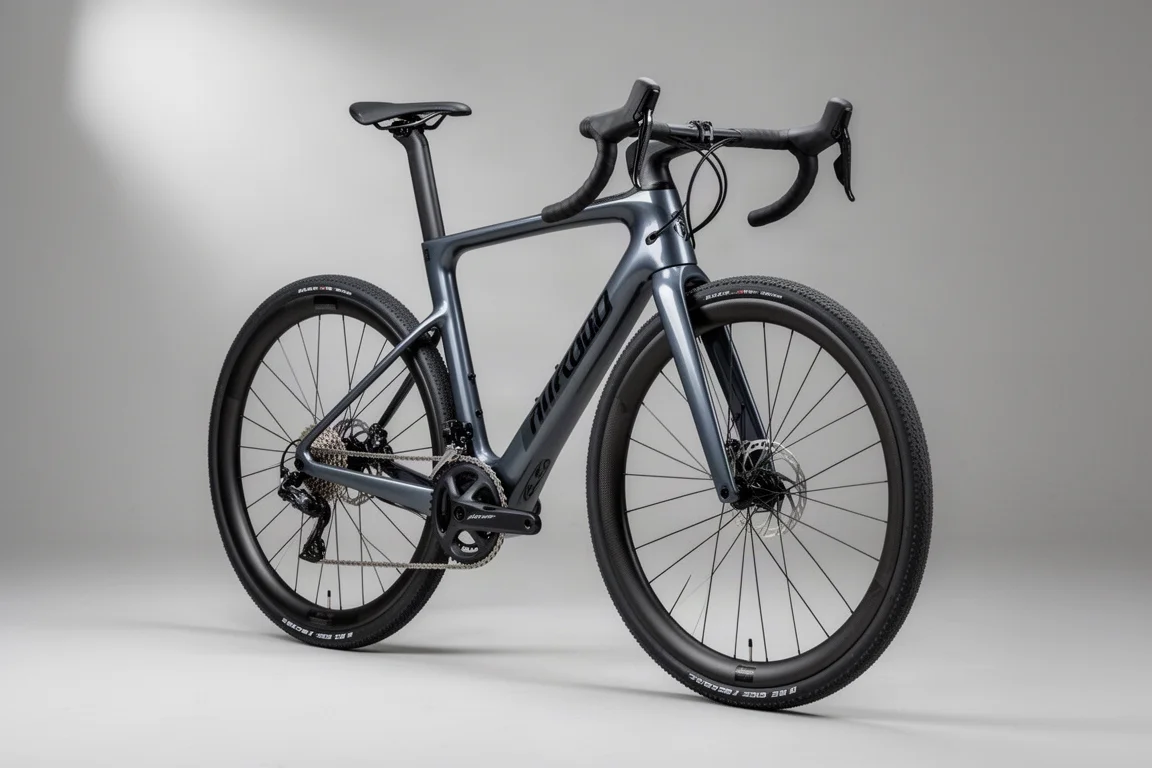
The Allroad range is designed for riders who want to go fast over a mix of terrain and surfaces. The SLR model takes aero tube shapes and an integrated front end from Ribble’s race platforms, and Ribble says the new bikes spent years in research and development.
The SLR’s carbon layup combines M46 and T1000 carbon, which Ribble says makes it faster than before. Just as importantly, Ribble notes that the new bike avoids a common trap: porting every detail from a race bike onto an allroad frame can detract from ride quality, so the design stops short of a pure racing position.
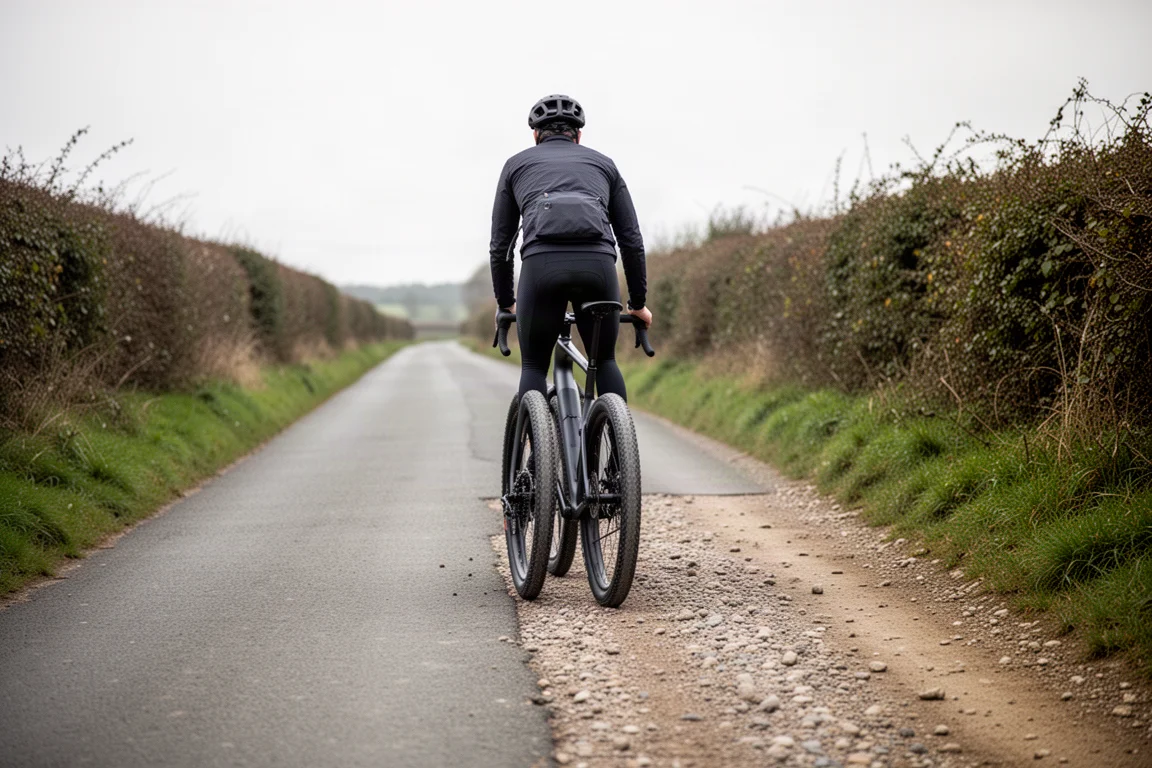
That distinction is the point of the range. A bike that is fast on smooth tarmac but punishing on rough back lanes does not serve the mixed surfaces these bikes are named for.
Ribble Allroad SL: The Value-Focused Build
The Allroad SL is the more accessible entry into the range and starts at £1,699. It skips the SLR’s fully integrated front end, which keeps the cost down and makes routine maintenance a simpler job for home mechanics.
The gearing is tuned for mixed riding. A 50/34 crankset paired with an 11-34 cassette gives useful top-end speed for fast flat roads, while the 1:1 bottom gear is there for the moments when the hill you are exploring turns out to be steeper than expected.
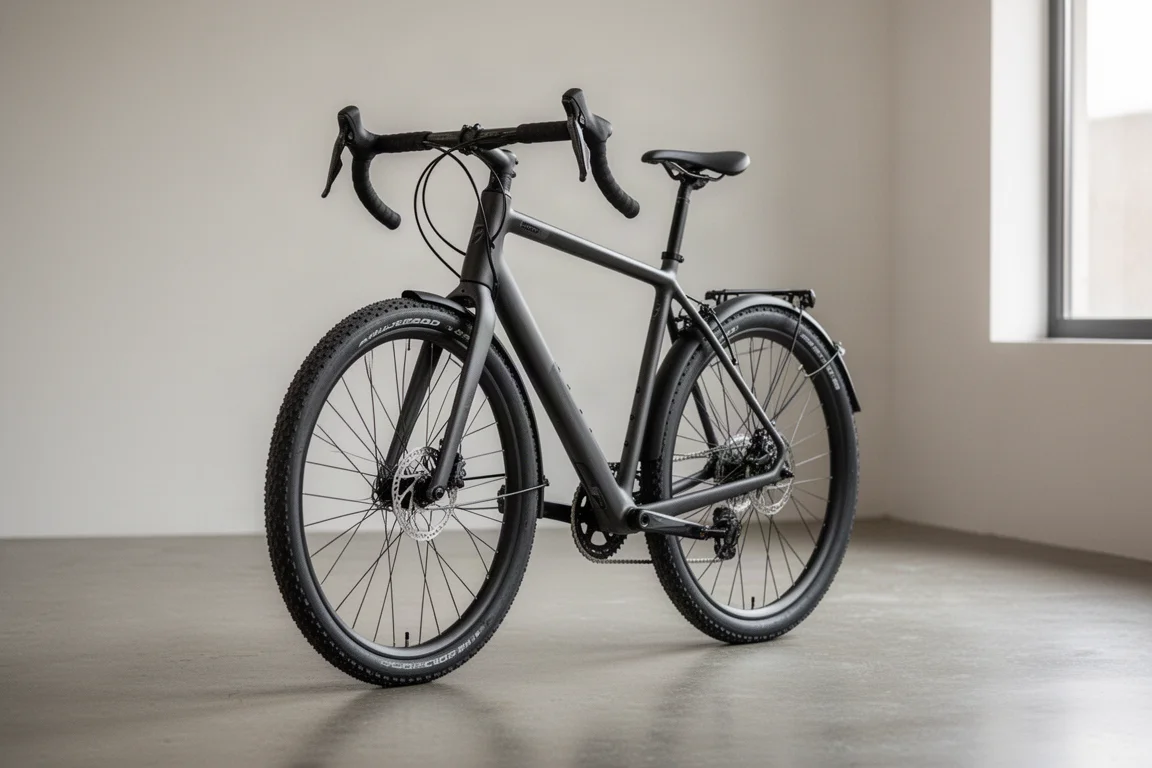
For riders who want the allroad formula without paying for every weight-saving and aerodynamic detail, the SL is the straightforward choice.
Ribble Allroad SLR: Lighter, Faster, More Integrated
The SLR steps up with a fully integrated front end, which gives the bike a noticeably sleeker profile. It also carries the next-generation Ultra Bar, a handlebar designed aerodynamically as part of the front end and the rider rather than as a standalone component. Ribble says the bar generates wake to increase aerodynamic performance further, and while that will not turn a recreational ride into race pace, it is a genuine go-faster feature.
Stepping up to the SLR frameset also saves weight compared with the SL. The trade-off is that full integration makes at-home servicing less simple than the SL’s more conventional setup, which is worth weighing against the performance gains.
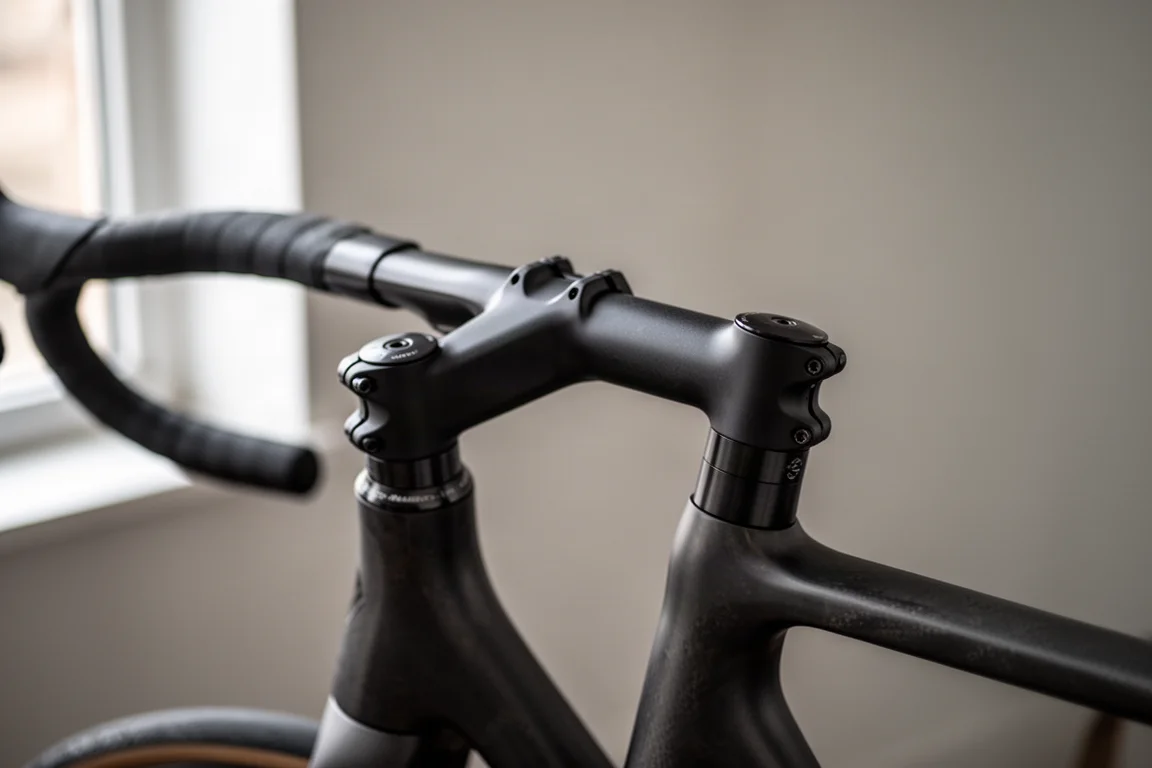
The SLR is the version to consider if you want the lighter frame, the tidier silhouette, and the aero detailing drawn from Ribble’s race bikes, and you are comfortable with the higher cost that comes with them.
Geometry and Comfort: Why Fit Matters
The geometry across the range is the part that matters most for most riders. It is designed to suit long rides over mixed terrain and surfaces while still feeling sporty on tarmac, which is often the balance regular riders find optimal.
Choosing a bike that fits you as a rider, rather than a position built for a racing professional, can help you stay injury-free. A position that is too long and low places more strain on your back and neck, and unbalanced weight distribution can lead to pain in your hands, wrists, and shoulders. If you are comfortable on the bike, you are more likely to keep riding it, and that is where the real fitness gains come from.
Wide Tires and Mixed-Surface Capability
Wide tire clearance is one of the clearest advantages of the allroad format. Lower pressures and extra puncture protection help on rougher back lanes, the fatter contact patch gives more grip in wet corners, and the additional volume opens the bike up to lighter gravel duties.
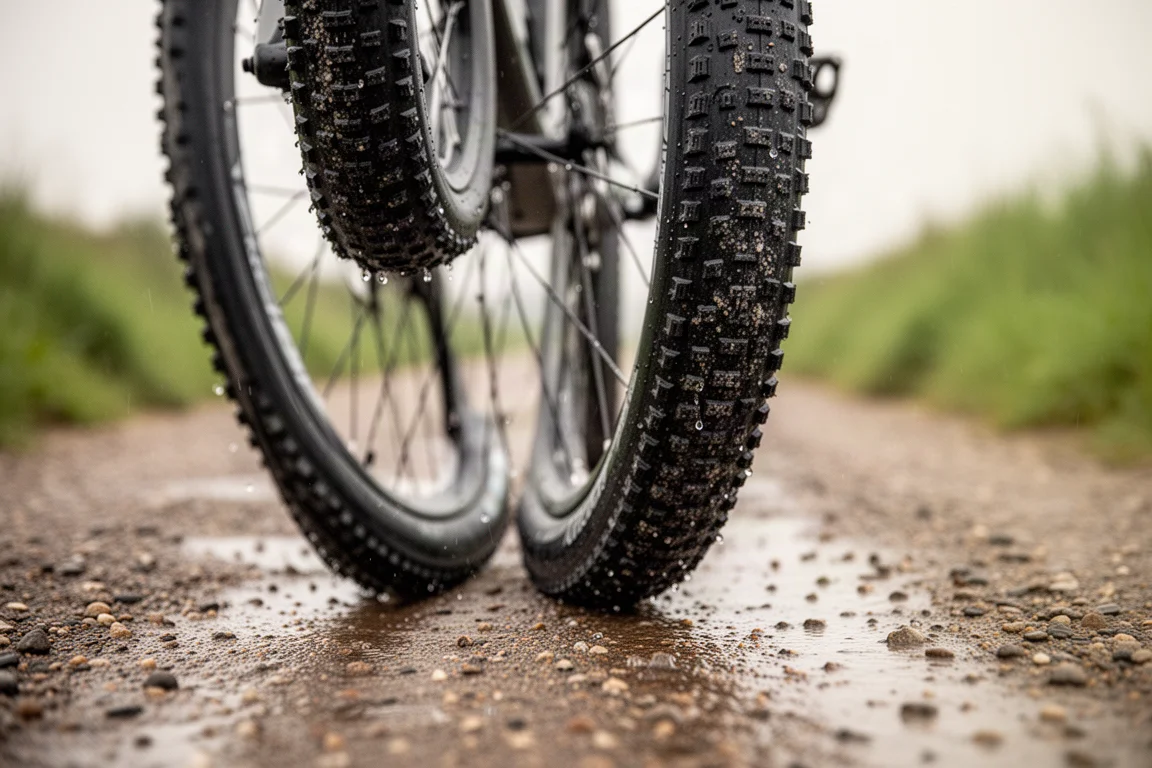
In practice, that means more route options close to home rather than the same roads week in and week out, which is a benefit that is easy to underestimate until you have it.
Custom Specs and Everyday Practicality
Ribble’s custom designer lets you adjust the specification of a build rather than accepting a fixed setup. Starting from a 105 Di2 build, for example, you can add the UB2 bar if you prefer the look and the position it offers.
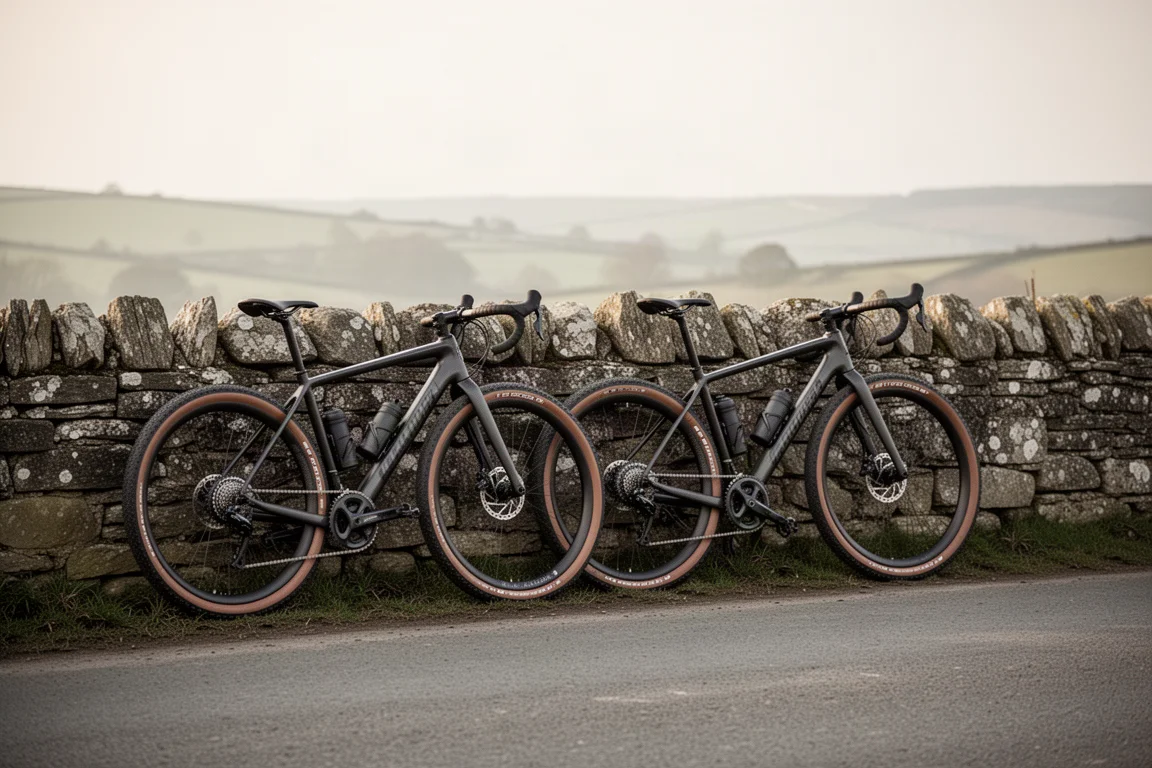
Mudguard mounts make the Allroad a sensible winter bike, and the combination of road pace and light gravel capability means it effectively covers two bikes in one. Frame storage for ride spares means a saddle bag is not required. Ribble also offers a lightweight electric version of the Allroad with a Mahle X20 motor and 55 Nm of torque for riders who want assistance on long or hilly commutes.
Ribble Allroad SL vs Allroad SLR: Which One Should You Buy?
Both bikes are built around the same allroad brief: mixed-surface speed, comfortable geometry, and room for wide tires. The decision comes down to weight, integration, and budget.
Choose the Allroad SL if you want the strongest value in the range. At £1,699 it is a lot of bike for the money, the conventional front end is easier to live with over time, and the gearing covers everything from fast flats to unexpectedly steep climbs.
Choose the Allroad SLR if you want the lighter frameset, the fully integrated front end, and the aerodynamic detailing carried over from Ribble’s race platforms. The Ultra Bar and the M46 and T1000 carbon layup are the headline differences, and they are the reason the SLR costs more than the SL.
If you are unsure, start with the SL and use Ribble’s custom designer to fine-tune the specification. Adjusting a build is a simpler first step than paying for integration you may not need.
Conclusion
The Ribble Allroad range makes a clear case for itself: a geometry that suits regular riders rather than racing professionals, wide tire clearance for mixed surfaces, and mudguard mounts for winter. The Allroad SL delivers that formula at a lower price with simpler maintenance, while the Allroad SLR adds a lighter frameset, full front-end integration, and aero tube shapes drawn from Ribble’s race bikes. Either way, you get a bike that works on tarmac, on light gravel, and on the roads you actually ride.
Further reading
Related Reviews
Cycling Bikes
Best Bikes by Budget 2026: What £1,000, £3,000 and £5,000 Buys
A practical guide to the bikes worth considering at three price points, from aluminum gravel bikes to carbon road machines, with the trade-offs explained.
Cycling Bikes
Best Bikes for Mixed Off-Road Terrain: Three Approaches Tested
A steel cross-country hardtail, a lightweight full suspension cross-country bike, and a mountain-bike-leaning gravel bike compared for long mixed off-road days.
Cycling Bikes
10 Road and Gravel Bikes Worth Knowing: Workshop Favorites
Ten road, gravel and all-road frames that hold up in daily workshop use, from Italian stainless steel to titanium, steel and hand-woven carbon.