Outdoor Jackets
Revolution Race Cyclone Version 2 Jacket Review: A Feature-Rich Three-Layer Softshell
A practical look at the Revolution Race Cyclone Version 2, a 680 g three-layer softshell with taped seams, pit zips, a helmet-compatible hood and a Recco reflector.
Introduction
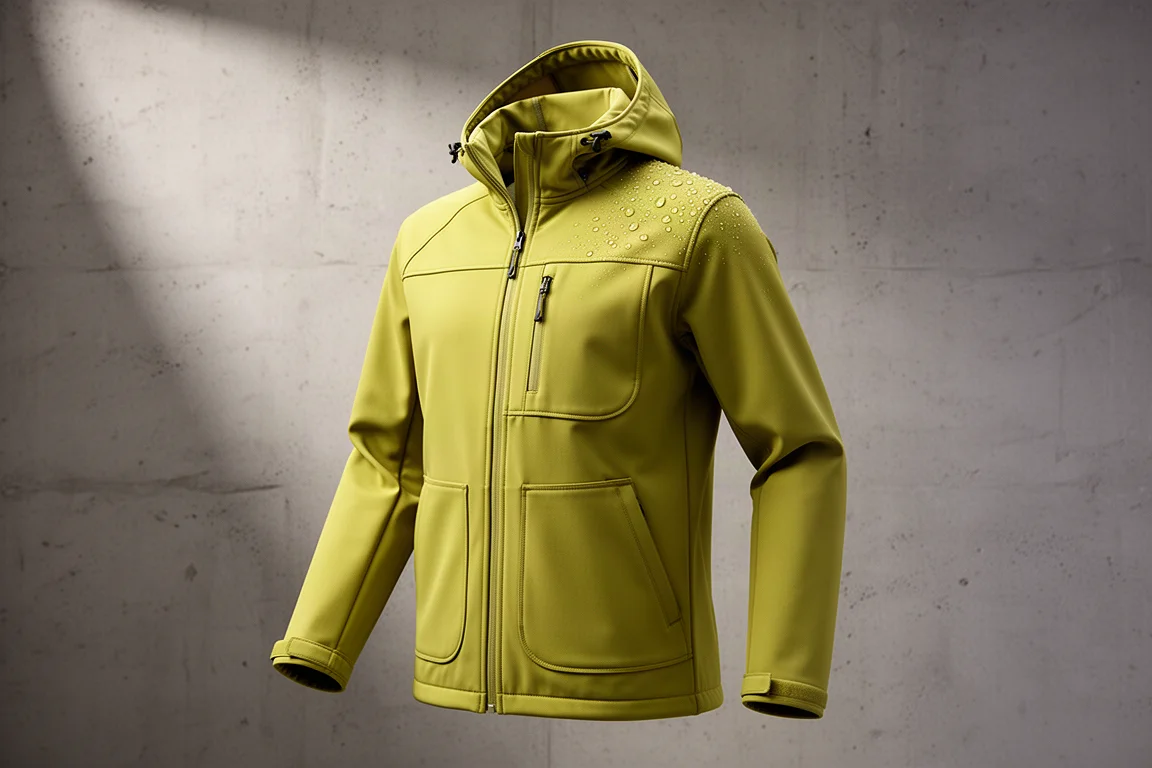
Revolution Race has been turning up on outdoor kit lists more and more often, and the Cyclone Version 2 is a clear statement of what the brand is trying to do: a three-layer softshell with a long feature list, a wide colour range and a price that sits well below the top tier of technical shells.
The headline numbers are easy to hold on to. It retails at £162, weighs 680 g in size medium, and comes in sizes from extra small to two times extra large. Revolution Race describes it as a hyper shell jacket with a pro membrane and a bio-based finish, and every seam is fully taped.
What follows is a practical breakdown of where this jacket earns its place in a kit list and where it is worth thinking twice before buying.
Who This Jacket Is For
This is a jacket for people who spend long days outside in changeable conditions and would rather carry a little more weight than compromise on protection.
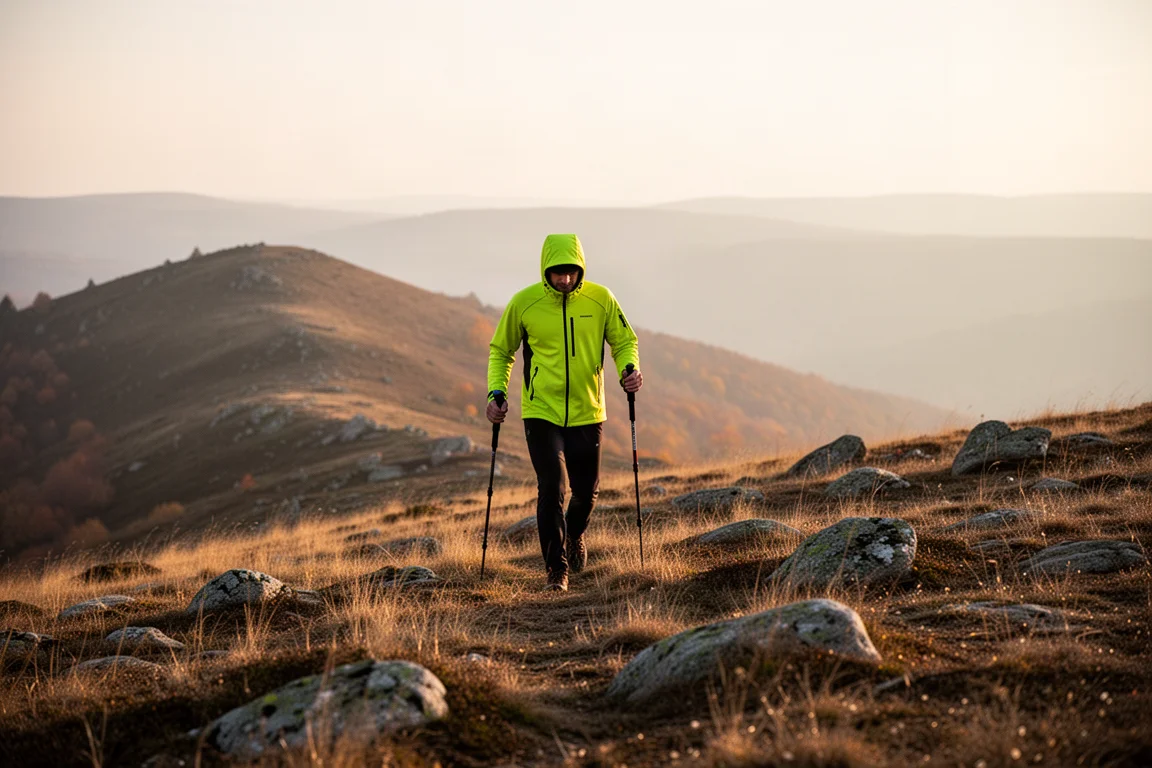
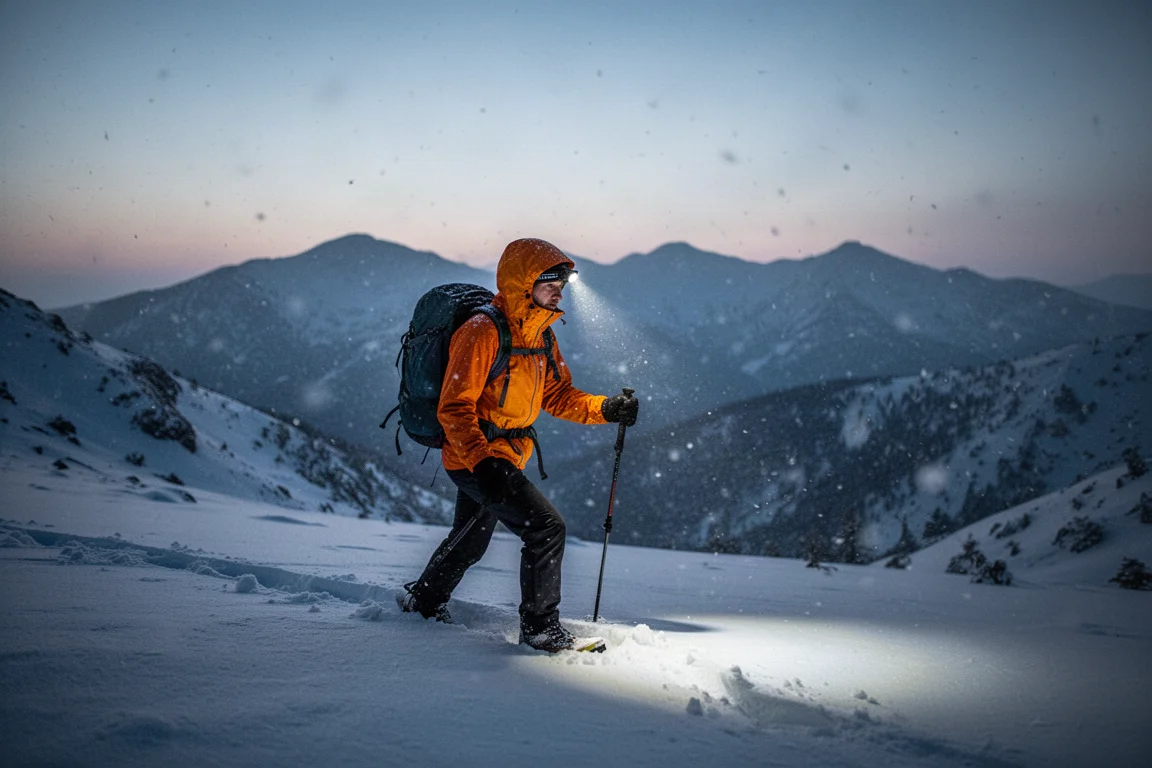
Hikers, mountaineers and skiers will recognise the feature set immediately. Pit zips, a helmet-compatible hood, a ski pass holder and a Recco reflector all point towards mountain use across winter and the shoulder seasons, rather than a fair-weather summer layer.
It also suits anyone who is tired of the outdoor industry’s default palette of black, olive and camouflage. The Cyclone Version 2 is available in a broad spread of colours, including bright, high-visibility tones that make a person easier to spot in the mountains. Subdued options exist too, for people who prefer to stay quiet on the hill.
Main Strengths
The strengths here are not about shaving grams. They are about what the jacket does once the weather turns and you are still several hours from the car.
Three-Layer Fabric With Built-In Stretch
Laminated three-layer shells are usually stiff, crinkly and cold to the touch, a sensation anyone who has browsed an outdoor shop will recognise. The Cyclone Version 2 goes the other way. The fabric has a softer finish and a small amount of stretch built in, so when it fits properly it moves with the body and with the layers underneath instead of behaving like a rigid outer box.
The membrane is described as a pro membrane with a PFC-free treatment and a bio-based finish, and the brand publishes figures for waterproofing and breathability on its product pages. All seams are taped, including around the zips and cuffs, which is where water would otherwise find a way in.
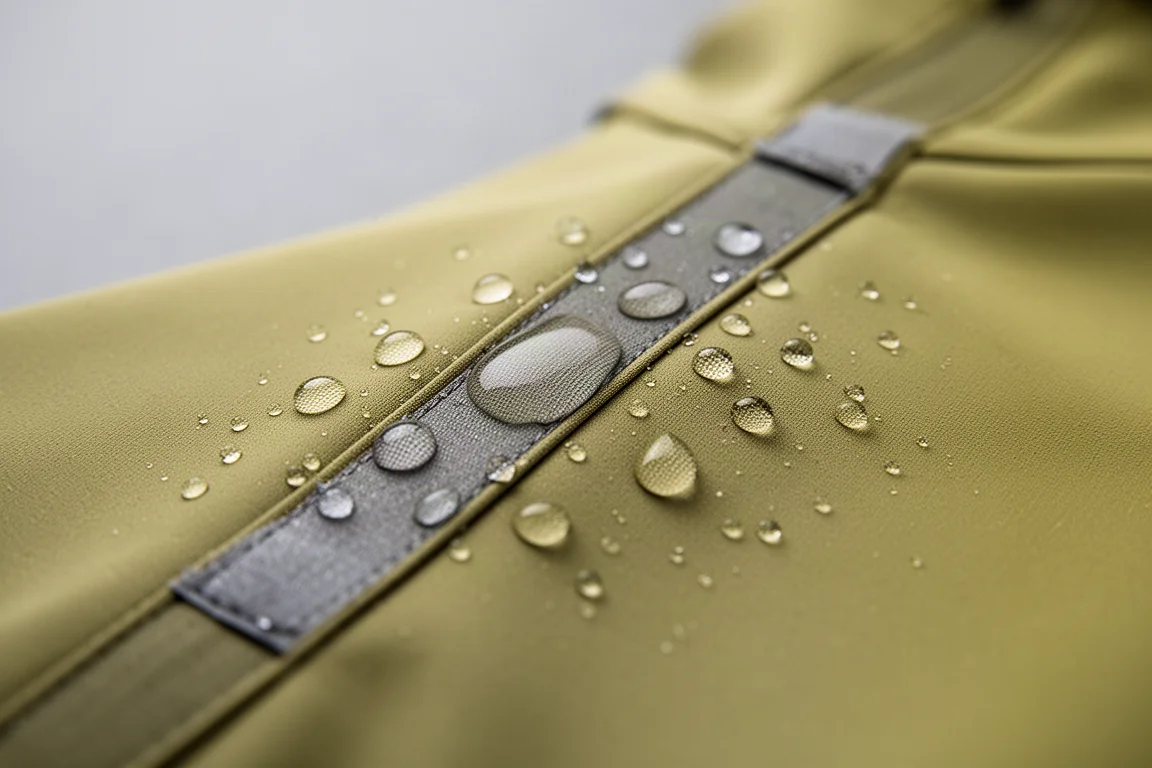
It is worth being honest about limits here, because they apply to every fabric jacket. There is always a trade-off between keeping water out and letting moisture escape, and no textile shell stays dry forever in sustained heavy rain. Waterproofing has a ceiling, and knowing that ceiling is part of using a jacket like this well.
Ventilation and Pocket Layout
The pit zips are genuinely generous, closer to a full-length vent than the fist-sized openings found on some shells. That matters in two very different situations: muggy, showery days at low level when you want protection without overheating, and steep climbs on a snowy pass when you need to dump heat while still blocking the wind.
The two side hand pockets are taped and laminated, lined with a soft finish that takes the sting out of cold hands, and large enough to swallow a folded paper map. They sit slightly raised, though not high enough to be fully rucksack compatible: a pack hip belt will still cover the lower part of the opening. The internal stretchy pocket is a good size for a phone, a camera or other electronics that need protecting from the weather, and there is a laminated chest pocket that is deep but not especially tall.
Cold-Weather and Safety Details
The hood is helmet compatible, which means it is large and has a little lift, with a rear toggle adjuster to pull it in around the head. Without a helmet it can feel like there is more fabric than you need, which is a common trade-off with this style of hood. The collar includes an additional opening that is useful for managing a buff or letting heat out, backed with soft fabric and a zip guard that keeps the wind from cutting through.
The cuffs are tapered with velcro adjustment so they close neatly over the wrist, there is a ski pass holder on the left side, and a hem drawcord at the waist locks in warmth and stops the jacket riding up on the trail. The Recco reflector is the detail that will matter most to some buyers: it makes the wearer easier for rescue teams and emergency services to locate in the outdoors.
Things to Consider Before Buying
The first thing to weigh up is weight itself. At 680 g in size medium, this is not a light jacket. Anyone counting grams for fastpacking or trail running will find leaner options, and that is a deliberate part of the design rather than an oversight: the pockets, the hood, the pit zips and the reinforcement details all add up.
Sizing runs large. The jacket used here was bought a size too big, and the extra volume is noticeable in the hood and through the body. Take measurements against the brand’s own size chart rather than guessing, and do not be afraid to scale down.
The front zip runs in one direction only, so there is no option to open the jacket from the bottom for extra venting while the top stays closed. Combined with the hip belt point above, it is worth thinking through how you actually carry gear before committing.
Finally, the hood. If you rarely wear a helmet, a helmet-compatible hood will feel roomy and less protective than a close-fitting one. If you ski or climb in a helmet, the same design becomes a real advantage.
Buying Advice
The Cyclone Version 2 makes the most sense for anyone who wants one shell to cover hill walking, winter conditions and lift-served skiing without paying premium shell money. At £162 it sits in a sensible middle ground, and the feature list reads like a jacket costing considerably more.
Before ordering, do two things. Check the size chart properly, because this is a garment that rewards accurate measuring. Then take your time browsing the range: Revolution Race lists each colourway as a separate product rather than grouping them under one page, so finding the colour, size and model you want takes a little patience. The brand also makes a wide range of other jackets and trousers, and one of those may suit your use case better than this one.
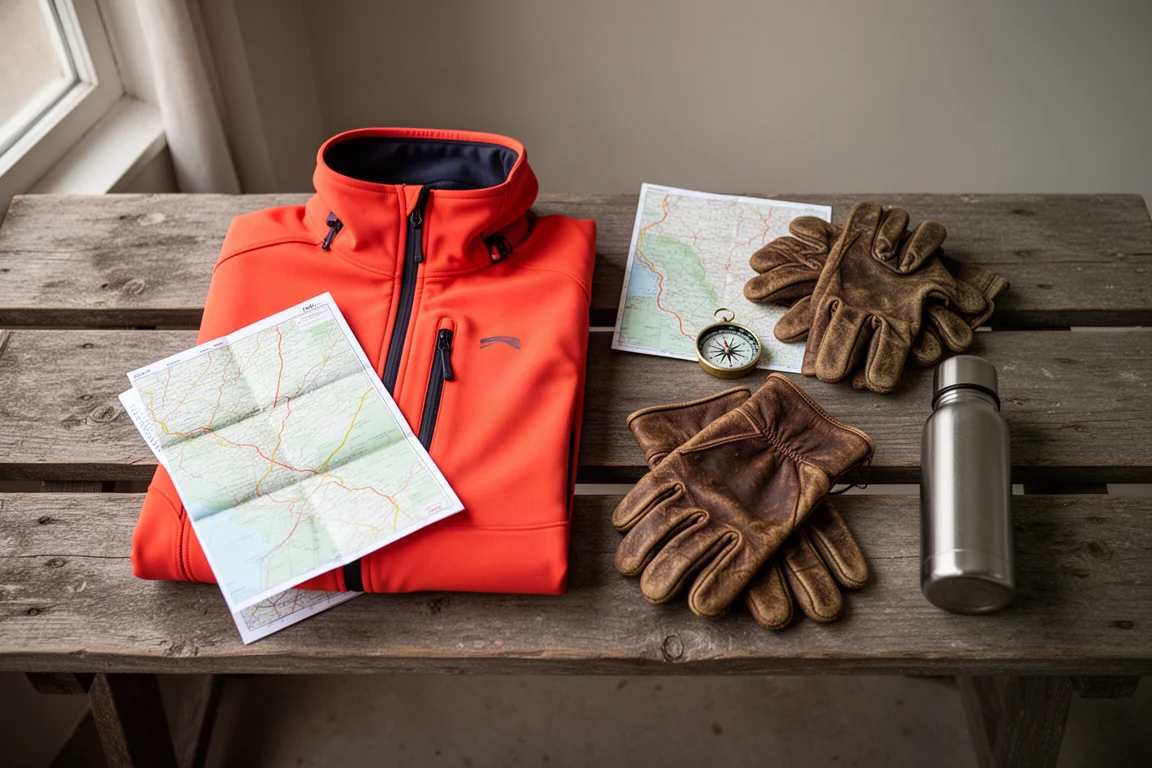
If you want the lightest possible layer for summer hiking, look elsewhere. If you want a soft-feeling, stretchy, well-vented shell that stands up to British and alpine shoulder-season weather and comes in colours you can actually be seen in, this is a strong candidate.
Conclusion
The Revolution Race Cyclone Version 2 is a feature-dense three-layer softshell that trades a little weight for real-world protection. The stretchy laminated fabric, taped seams, oversized pit zips, soft-lined pockets, adjustable hood and Recco reflector add up to a jacket that is comfortable to wear and easy to trust in mixed conditions.
Its compromises are equally clear: 680 g is not light, the sizing runs large, and the front zip is one-way. Buy it for mountain days and year-round use, size it carefully, and it should earn its place in the kit pile for a long time.
Product link
View more details for Revolution Race Cyclone Version 2 Jacket
This product is mentioned in the review. Check the specifications, options, and compatibility before buying.
View more details for Revolution Race Cyclone Version 2 JacketFurther reading
Related Reviews
Outdoor Jackets
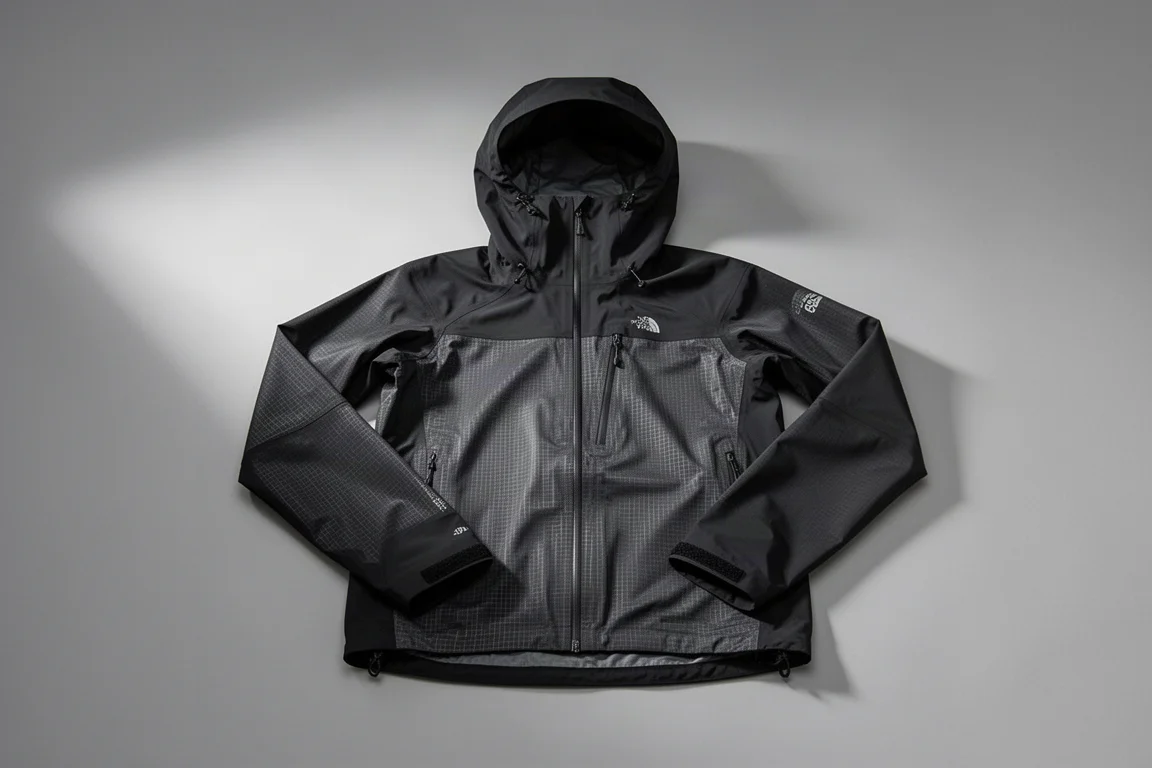
Arc'teryx Alpha Jacket Review: A Lightweight Gore-Tex Shell Built for Climbing
A detailed look at the Arc'teryx Alpha Jacket, a lightweight Gore-Tex mountaineering shell with rugged shoulders, a Hadron body, and a deliberately simple feature set.
Outdoor Jackets
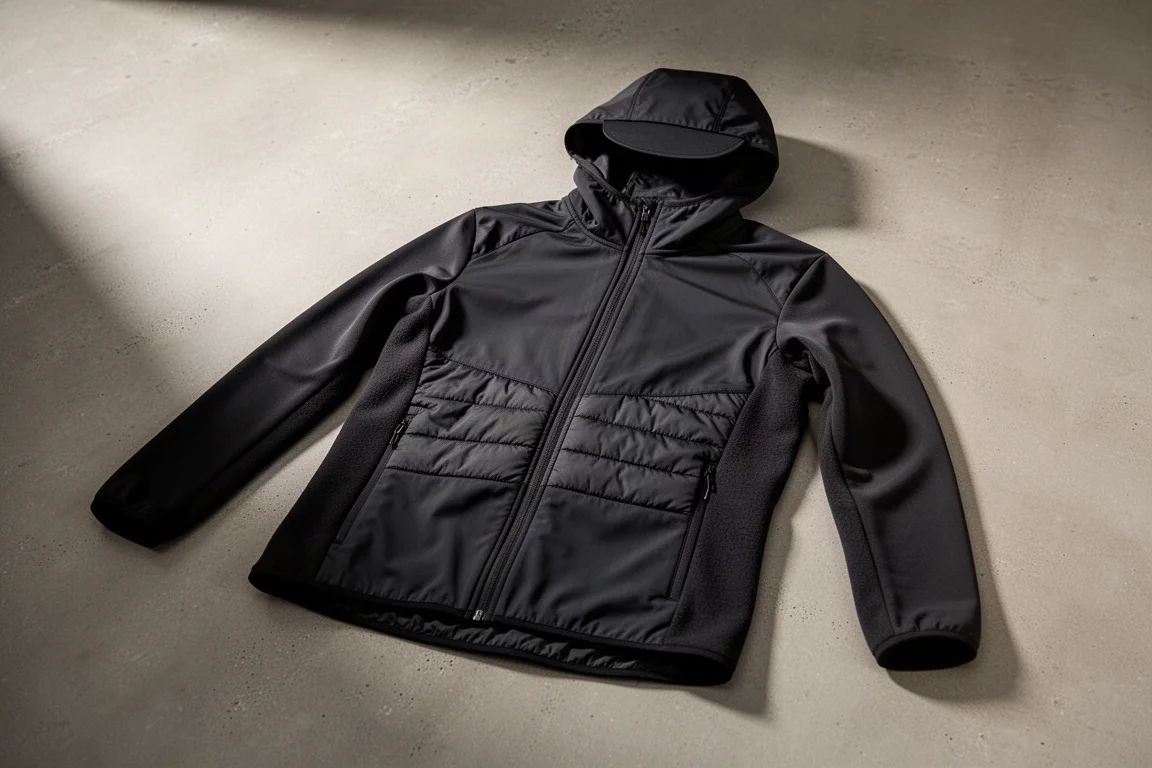
Arc'teryx Atom LT Review: A Versatile Synthetic Midlayer for Cold Weather
A detailed look at the Arc'teryx Atom LT, a lightweight synthetic midlayer built for active cold-weather use, with its strengths, trade-offs, and who it suits best.
Outdoor Jackets
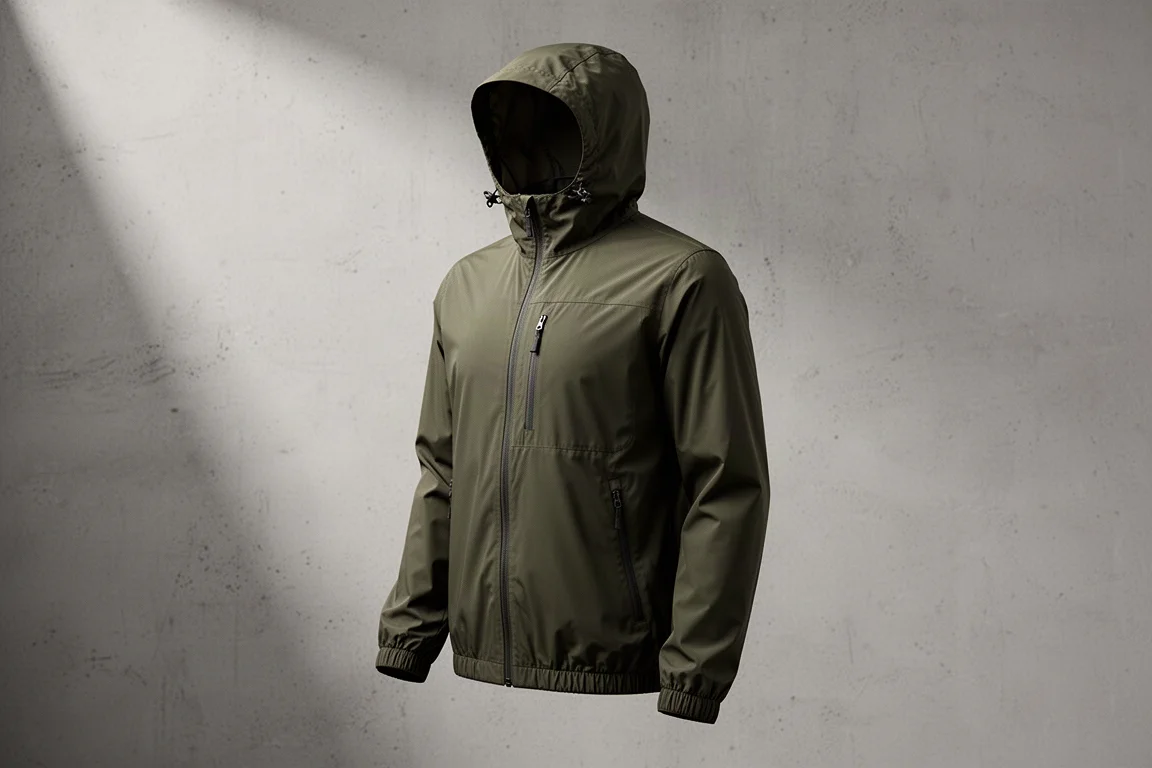
Haglöfs L.I.M Mimic Barrier Hood Review: Light, Breathable, Built to Move
A close look at the Haglöfs L.I.M Mimic Barrier Hood, a 282 g windproof and breathable synthetic layer that works alone in mild weather and as part of a winter system.