Outdoor Jackets
Haglöfs L.I.M Mimic Barrier Hood Review: Light, Breathable, Built to Move
A close look at the Haglöfs L.I.M Mimic Barrier Hood, a 282 g windproof and breathable synthetic layer that works alone in mild weather and as part of a winter system.
Introduction
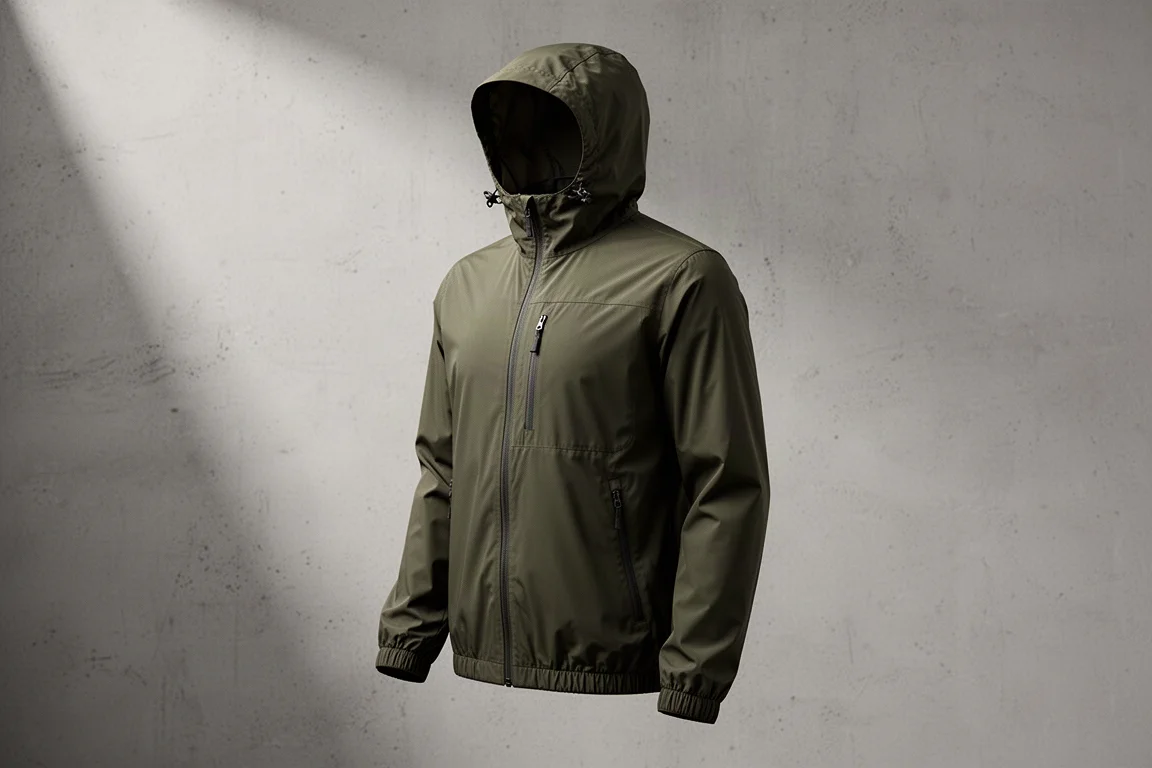
The Haglöfs L.I.M Mimic Barrier Hood is built around a simple idea, and the name says it plainly: less is more. The L.I.M range strips a garment back to what actually earns its place in a pack, so the wearer can move light and nimble in the hills. This jacket is a clear expression of that philosophy.
It pairs an extremely breathable, windproof woven face fabric with a very thin layer of synthetic insulation, and the whole thing comes in at a claimed 282 grams. That is remarkably light for a piece that feels durable enough to wear against rock. It blocks wind, lets sweat out, and stays comfortable whether it is worn alone on a cool morning or layered into a winter system.

What stands out after real use is how many different jobs it covers. It is a running layer in cold weather, a spring and autumn shield against a chill, and a mid layer in winter, which is unusual versatility for something this minimal.
Who This Jacket Is For
This is a jacket for people who are moving rather than standing around. It suits hill walkers, climbers, runners and fast hikers who generate heat on the way up and want a layer that manages that heat instead of trapping it.
It is also a strong fit for anyone who layers carefully and dislikes bulk. Because the insulation is thin, it works as one component in a system rather than as the whole answer to cold weather. Riders of cold winds on open ground will appreciate the windproof front and arms.
It is less suited to anyone looking for a single warm jacket to wear around town on a freezing day. The design deliberately trades warmth and pockets for breathability, freedom of movement and low weight.
Main Strengths
Breathable, Windproof Fabric
The face fabric is the heart of this jacket. It is a very light woven material made from elastane and polyamide, recycled and PFAS-free, with a 20 denier construction that covers the insulation underneath. In use it is extremely stretchy, which translates directly into freedom of movement when reaching, twisting or climbing.
Wind protection is the other half of the story. The fabric blocks wind across the body and arms while remaining highly breathable, so moisture from exertion escapes rather than collecting. A PFAS-free DWR treatment sheds light moisture effectively, and the surface fabric dries quickly after a shower. It is worth being precise here: there is no membrane and this is not a waterproof jacket. It is, however, remarkably water resistant for what it is, and on damp days it can often stay on instead of forcing a shell over the top.

For anyone who runs hot on the ascent, this balance is the main reason to consider the jacket. Breathability is the feature that keeps it in use across seasons rather than hanging in a closet.
Lightweight Insulation Where It Counts
Under that face fabric sits a synthetic fibre insulation at just 25 grams per square metre. That is not a lot, and it is not meant to be. The result is a layer that takes the edge off rather than a big, burly jacket, which is exactly the role it is designed to fill.
The placement is thoughtful. Insulation runs down the outside of the arms and across the front and back, while the underarm areas are left free of it, since those are the zones that heat up fastest. Small perforations under the armpits add extra venting. Combined with the windproof fabric, this mapping keeps the core comfortable without letting the jacket overheat.
A Hood and Fit Built for Movement
The hood is simple and works well. A single adjuster at the back cinches it down neatly when worn without a hat or helmet, and the fabric is stretchy enough to pull over a climbing helmet when the jacket is used as an outer layer.
The rest of the fit follows the same restrained logic. Cuffs and hem are plain elastic, which keeps the jacket light and avoids fiddly hardware that can snag on rock or rope. The stretch in the fabric means the jacket follows the body through big movements instead of restricting them.
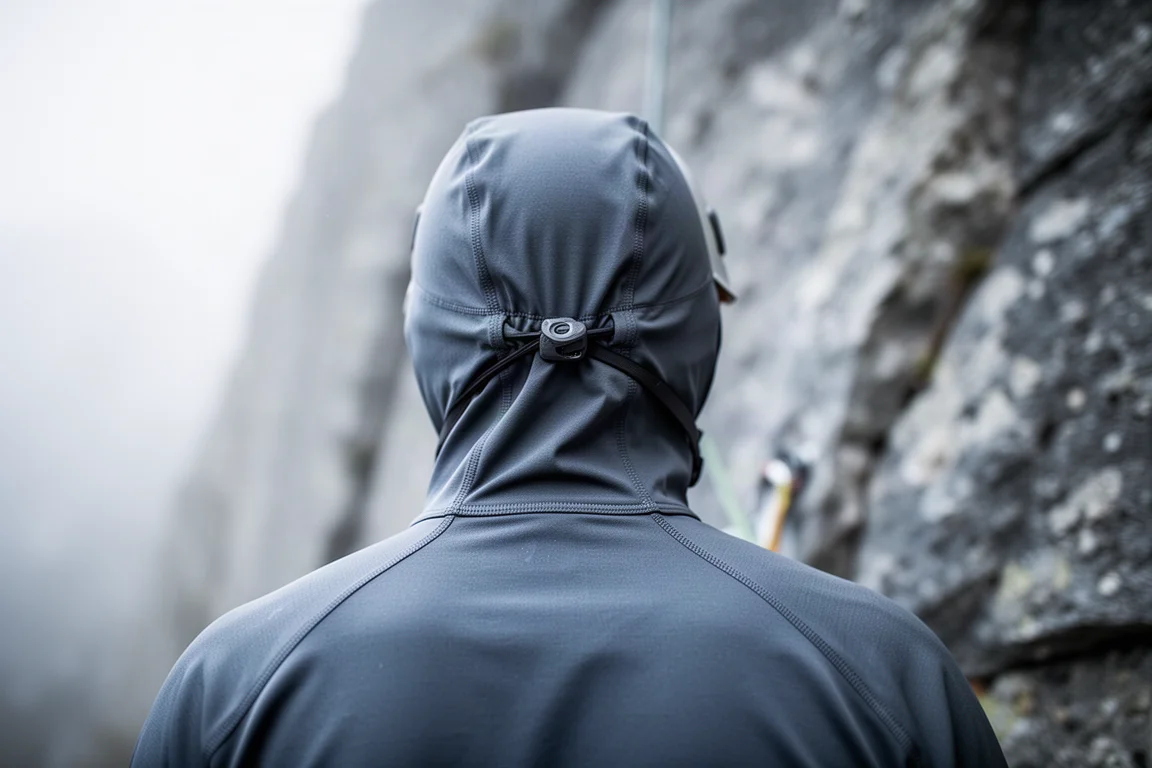
That combination of a helmet-compatible hood and an unrestrictive cut is what makes the jacket credible as an outer layer on a cold climb, not just as a walking layer.
A Doing Jacket With No Hand Pockets
There are no hand pockets, and at first that reads like an omission. In practice it is one of the most likeable things about the jacket. Hand pockets invite you to stand still with your hands tucked in, and this is a piece designed for doing.
Instead there is a single chest pocket, which is enough for a phone or a snack. That pocket also swallows the whole jacket when you want to pack it down, and it contains a small hook so the stuffed bundle can be clipped to a harness or a pack. That detail is genuinely useful on multi-pitch terrain, where a clipped bundle stays secure and a loose one does not.
The pocket uses a two-way zip, which helps when the jacket is worn under a harness or a rucksack hip belt. Anyone who has climbed with a hip belt cinched over a midriff will recognise why leaving pockets out of that zone makes sense.
Things to Consider Before Buying
The first thing to be clear about is warmth. With 25 gsm of insulation, this is a light layer, and it will not carry you through serious cold on its own. Its strength is in being breathable and windproof, and it is best understood as part of a layering system.
Second, there is no membrane, so it is not a waterproof jacket. It handles light moisture and drizzle well thanks to the DWR finish, but sustained heavy rain is a job for a shell.
Third, the lack of hand pockets is a deliberate design choice rather than a flaw, but it is worth deciding whether you agree with it before buying. If you want somewhere warm to put your hands on a cold walk, this is not that jacket.
Finally, the durability story is about the fabric rather than heavy reinforcement. The 20 denier face fabric feels tough enough to handle abrasive gritstone, and the low weight is impressive for that level of resilience, but it is still a very light material.
Buying Advice
The clearest way to decide is to ask what you want the layer to do. If you want a warm jacket for standing around in winter, look elsewhere. If you want a light, stretchy, windproof layer that breathes hard when you are working, this is one of the more convincing options in that category.
Think about how it slots into what you already own. As a standalone piece it covers running in cold weather and cool spring and autumn days beautifully, taking the chill off without cooking you. As a mid layer it adds wind protection and a little warmth without bulk, and it works well under a shell when the weather turns serious.
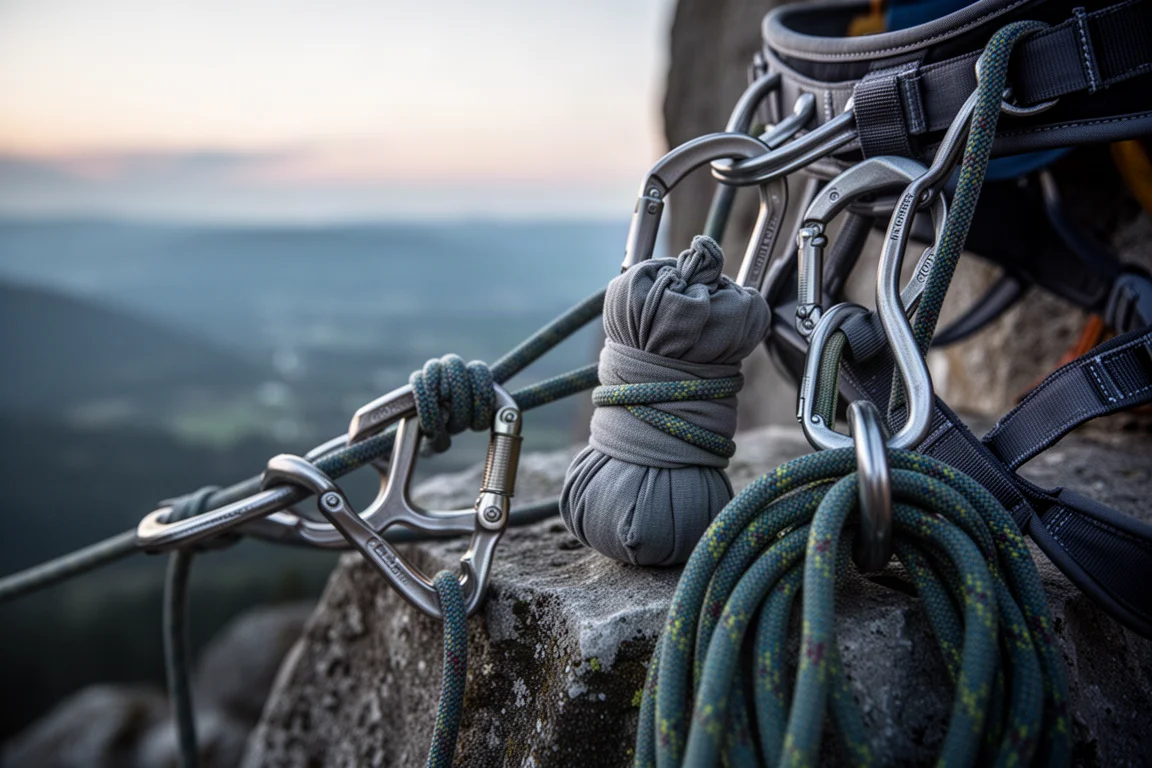
The stuffable chest pocket and clip loop are worth weighing up too. For climbers and fast movers, a layer that packs into its own pocket and clips securely to a harness is far more likely to actually come along on the route, and gear you carry is gear that helps.
Conclusion
The Haglöfs L.I.M Mimic Barrier Hood earns its place through restraint. It is light, extremely stretchy, genuinely windproof and unusually breathable, and it manages that while feeling tough enough to climb in. The missing hand pockets and the thin insulation are choices, not oversights, and they are the same choices that make the jacket work so well in motion.
For hill walkers, climbers and runners who want one versatile layer that handles wind, sweat and light weather across most of the year, this is a well-judged piece of kit. Buy it for what it is designed to do, and it will get used far more often than a heavier jacket sitting in the wardrobe.
Product link
View more details for Haglöfs L.I.M Mimic Barrier Hood
This product is mentioned in the review. Check the specifications, options, and compatibility before buying.
View more details for Haglöfs L.I.M Mimic Barrier HoodFurther reading
Related Reviews
Outdoor Jackets
Arc'teryx Alpha Jacket Review: A Lightweight Gore-Tex Shell Built for Climbing
A detailed look at the Arc'teryx Alpha Jacket, a lightweight Gore-Tex mountaineering shell with rugged shoulders, a Hadron body, and a deliberately simple feature set.
Outdoor Jackets
Arc'teryx Atom LT Review: A Versatile Synthetic Midlayer for Cold Weather
A detailed look at the Arc'teryx Atom LT, a lightweight synthetic midlayer built for active cold-weather use, with its strengths, trade-offs, and who it suits best.
Outdoor Jackets
Haglöfs Spitz Jacket Review: A Gore-Tex Pro Shell for Hard Mountain Weather
A close look at the Haglöfs Spitz Jacket, a 510g Gore-Tex Pro climbing shell that pairs two membrane types, a helmet-ready hood, and independent pit zips.