Kitchen Appliances
Revolution R180 Toaster Review: Fast, Smart, and $350 Worth of Toast
A premium touchscreen toaster with InstaGLO heating that toasts roughly twice as fast as a standard model, plus its $80 panini press accessory. Strong heating, questionable smarts.
Introduction
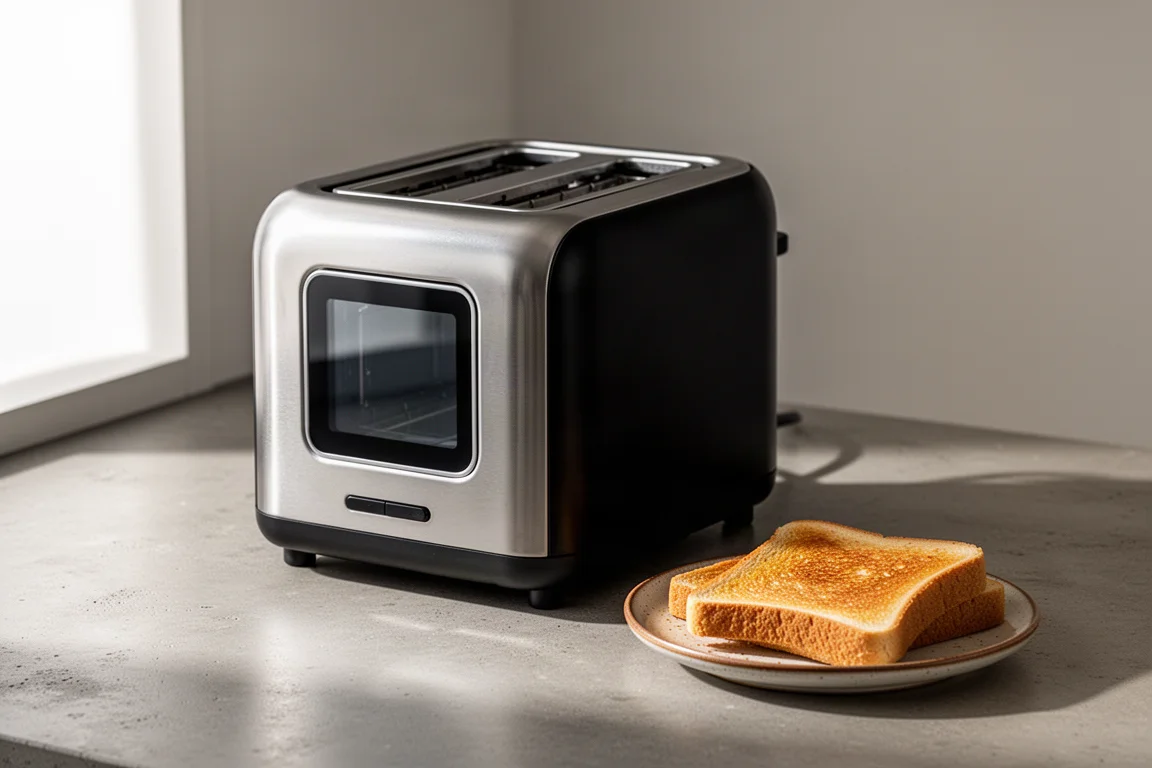
The Revolution R180 is a $350 toaster, which is a sentence that deserves a moment to sink in. Basic toasters start around £7.35, and a decent one costs about twenty pounds, so this is a toaster priced more than fifteen times above the average. Revolution spent five years developing it, working with engineers to create a proprietary alloy and an intelligent heating algorithm the company calls InstaGLO. The claim is bold: the toaster sears bread instead of dehydrating it, delivering a crispy exterior with a soft interior, faster than any traditional toaster.
We put it through plain bread, a head-to-head race against a ten-year-old toaster, frozen waffles, bagels, and the optional panini press accessory. Here is how it held up.
Design and the InstaGLO Heating Story
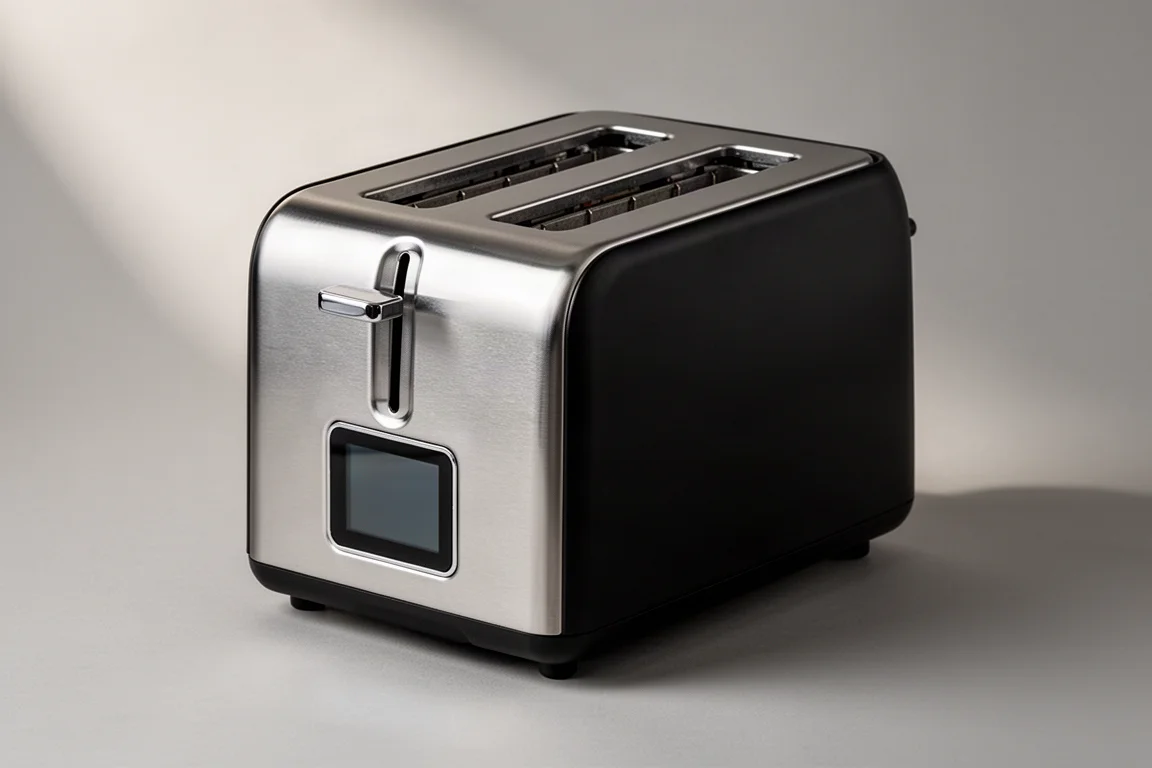
The R180 is a touchscreen toaster with a premium look, though the metal stainless-steel appearance is plastic underneath. It offers five bread settings, and Revolution also sells an R270 version at $400 with 34 settings.
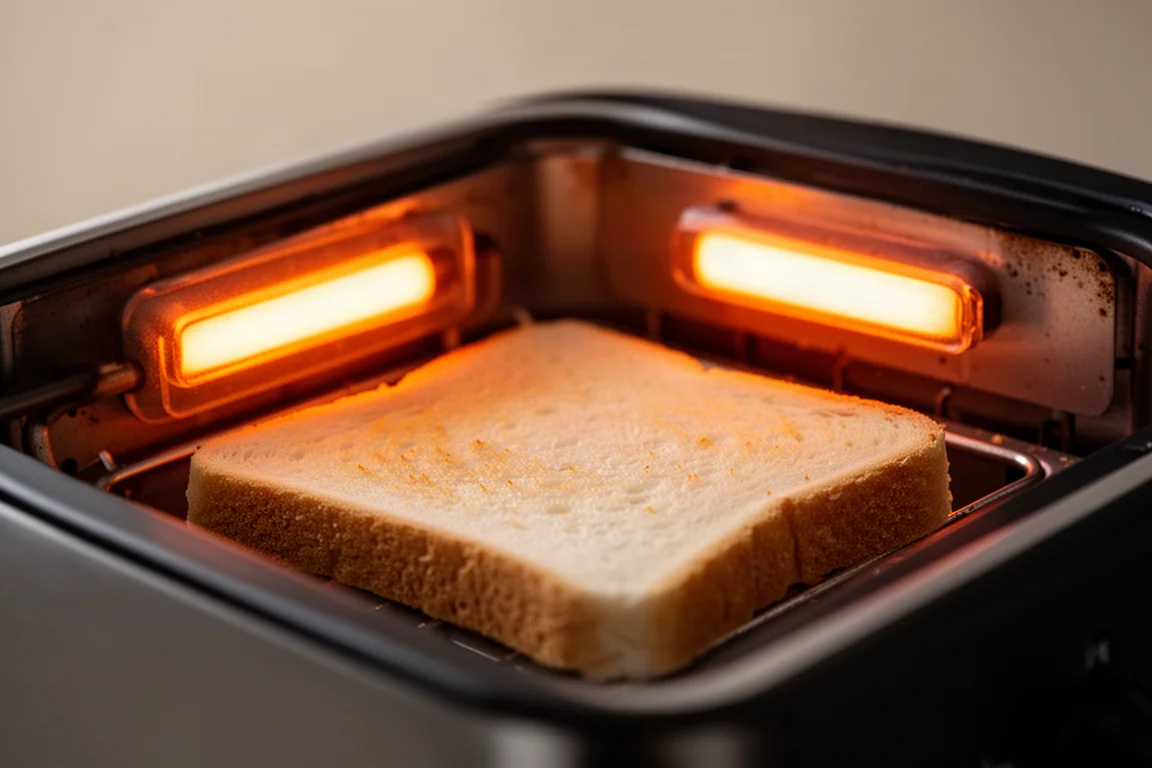
The core argument Revolution makes is that traditional toasters use heating technology from the nineteenth and early twentieth centuries: cal rod elements from the early 1900s or nichrome wire from the late 1800s. Both are slow to reach full heat, which is why conventional toasters dry bread out during long warm-ups. InstaGLO is designed to heat instantaneously, and in use the elements did light up the moment the start button was pressed, with a serious amount of heat coming off them. The elements also adjust dynamically, with the middle row cutting out near the end of a cycle.
One thing worth knowing: this is a “smart” toaster that does not connect to the internet. There is no app, no firmware updates, and nothing that can be bricked by discontinued support. What you buy is what you get, permanently. The trade-off is that the touchscreen is simply another component that can fail, and a screen is harder to fix than a switch. Once the screen dies, the toaster is dead.
Toast Quality and the Head-to-Head Race
On plain white bread at a medium setting, the result was genuinely impressive: a very crispy outside with a fluffy middle, closer to what you would expect from more expensive bread. Comparing it against the selected browning level, the toast came out slightly lighter than claimed.
The race test made the speed advantage concrete. Matched to the same brownness level against an old conventional toaster, the R180 finished in one minute 46 seconds while the standard toaster needed an extra one minute 45, double the total time. In the blind taste comparison, the R180 toast had a thin, crisp shell with a soft interior, while the old-style toaster produced bread that was dry and crispy throughout.
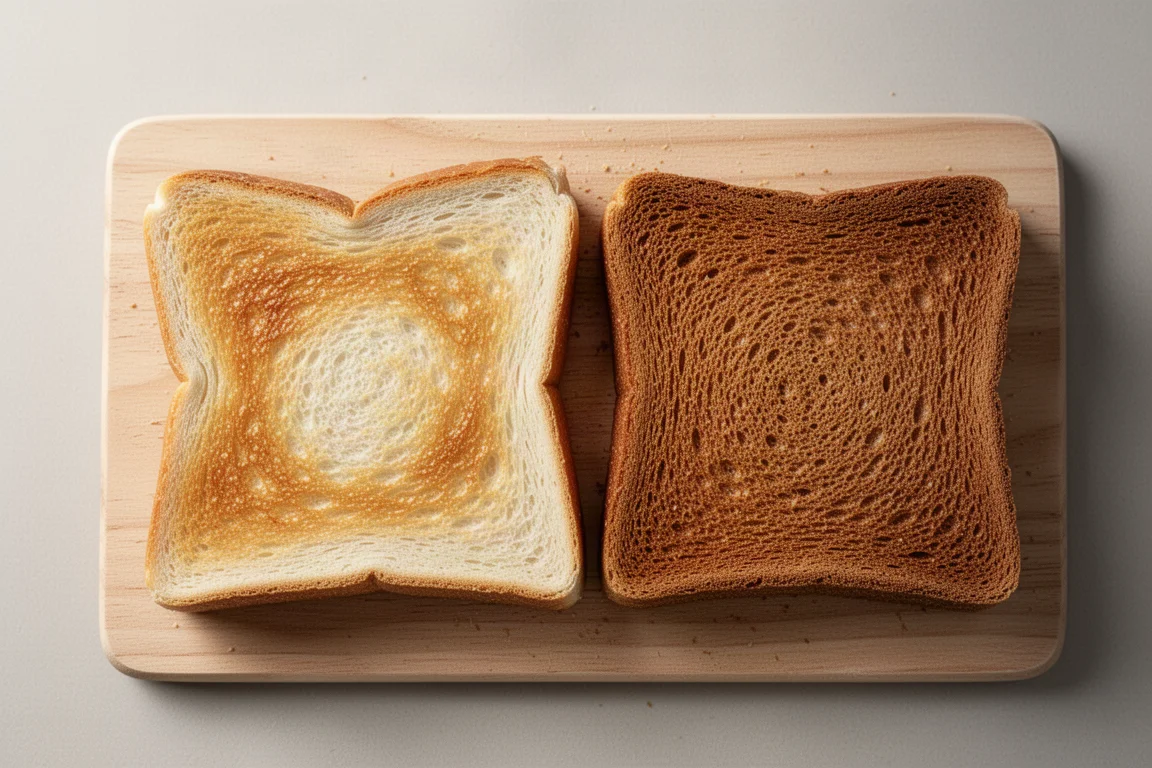
For basic bread, it wins on both speed and quality. The question is whether that justifies the price.
Frozen Waffles: Where Consistency Slips
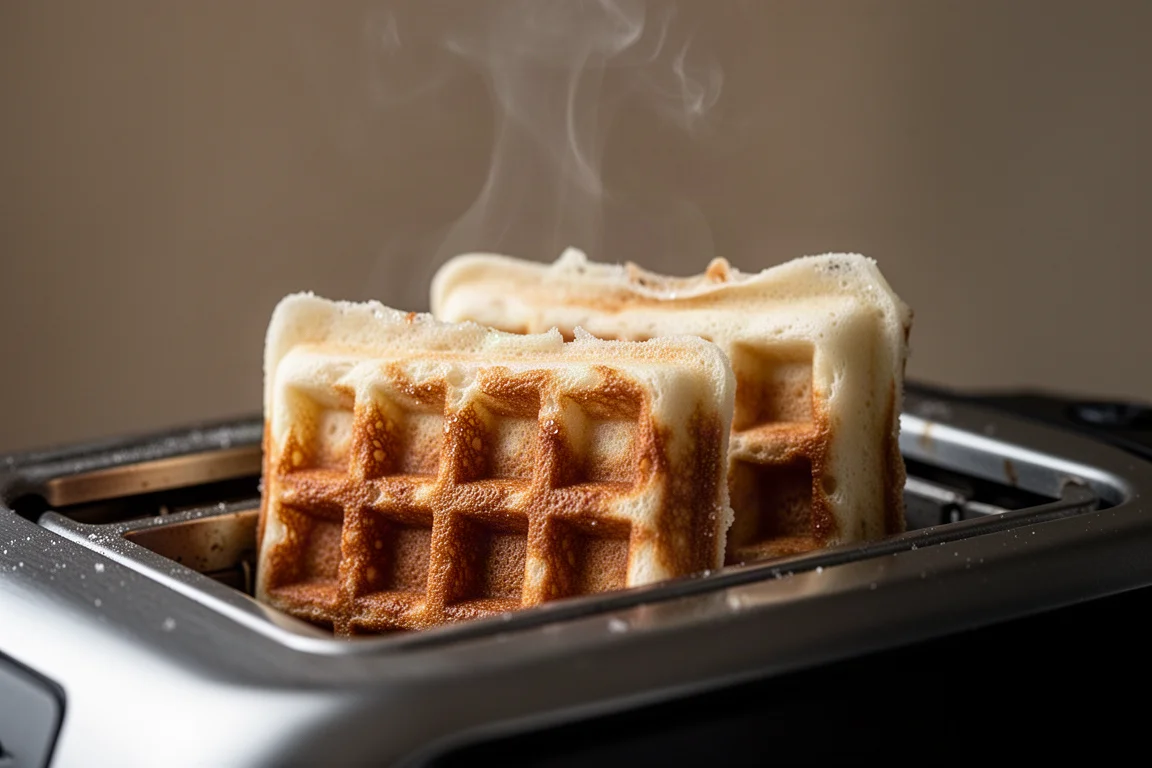
The smart algorithm is supposed to adjust automatically to the moisture and cooked level of the food, and on bread it visibly tapered the heating near the end of the cycle. On frozen waffles, that intelligence wavered. The first small waffles smoked heavily, burned unevenly despite being small enough to toast consistently, and only stopped when manually cancelled.
A second attempt with larger waffles went better, producing a result that was slightly darker than ideal but still moist and soft inside, and quicker than a home toaster could manage. Even so, the top side stayed less brown than the middle and bottom despite the waffles fitting the slots completely. At $350, uneven browning on a fully fitted waffle is hard to excuse.
Bagels: A Familiar Feature with Extra Heat
The bagel setting toasts the cut side while keeping the outside soft, and the R180 does switch off its outer elements to heat only from the inside. The catch: most toasters from the last decade have a bagel mode too, so this is less unique than the marketing suggests. What the R180 does add is intensity, with hotter elements that should produce a crisper result.
In practice, the test bagel came out inconsistently browned, soft and squidgy on the outside, warm rather than toasted, with the inside doubly toasted. A fine bagel, perhaps, but not an excellent one for the money.
The Panini Press Accessory
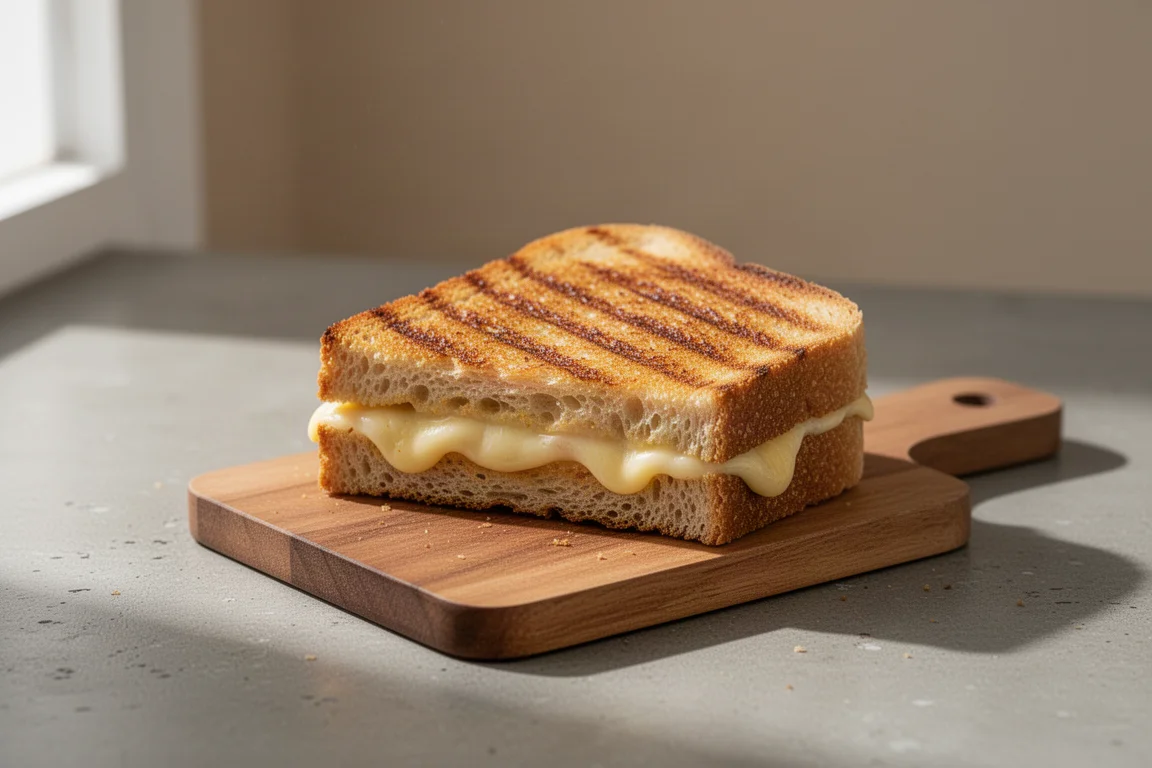
The $80 panini press accessory slides into the toaster slots and uses a magnetic clamp to hold the sandwich in place while pressing. Traditional panini bread will not fit through the slots, so realistically you are making toasted sandwiches rather than true panini.
The clamping mechanism worked well, the grill marks looked good, and the toaster stayed clean apart from a little cheese at the top. The main issue is timing: settings five and six produced sandwiches that were very hot inside but not crispy enough outside, with cheese not fully melted, so expect to experiment and likely run a second cycle. With practice, the heating elements can be used to your advantage, but at a combined $430 for toaster and press, one-button-and-walk-away perfection is not what you get.
Should You Buy It?
The heating technology is genuinely excellent. It is fast, powerful, and produces noticeably better toast than a conventional machine in half the time. The frustrations sit elsewhere: inconsistent results on waffles and bagels, a touchscreen that adds a failure point without adding internet smarts, and a premium price that sets expectations the machine does not always meet.
If Revolution sold this heating system in a dial-controlled toaster without the screen, it would be easy to recommend at maybe twenty percent above a normal toaster. As it ships, it is a brilliant toaster attached to an inconvenient smart screen. Buyers who want truly consistent automated results may want to look at dedicated premium toasters with different heating approaches before committing.
Conclusion
The Revolution R180 earns real credit for its InstaGLO elements: instant heat, double the speed of a standard toaster, and a crisp-outside, soft-inside result on basic bread. The panini press works but needs tuning, the waffle and bagel modes show consistency gaps, and the touchscreen is a liability rather than a feature. If the heat alone could be bought without the screen, this would be an easy recommendation. As priced, it asks you to pay $350 for excellent elements and tolerate the rest.
Further reading
Related Reviews
Kitchen Appliances
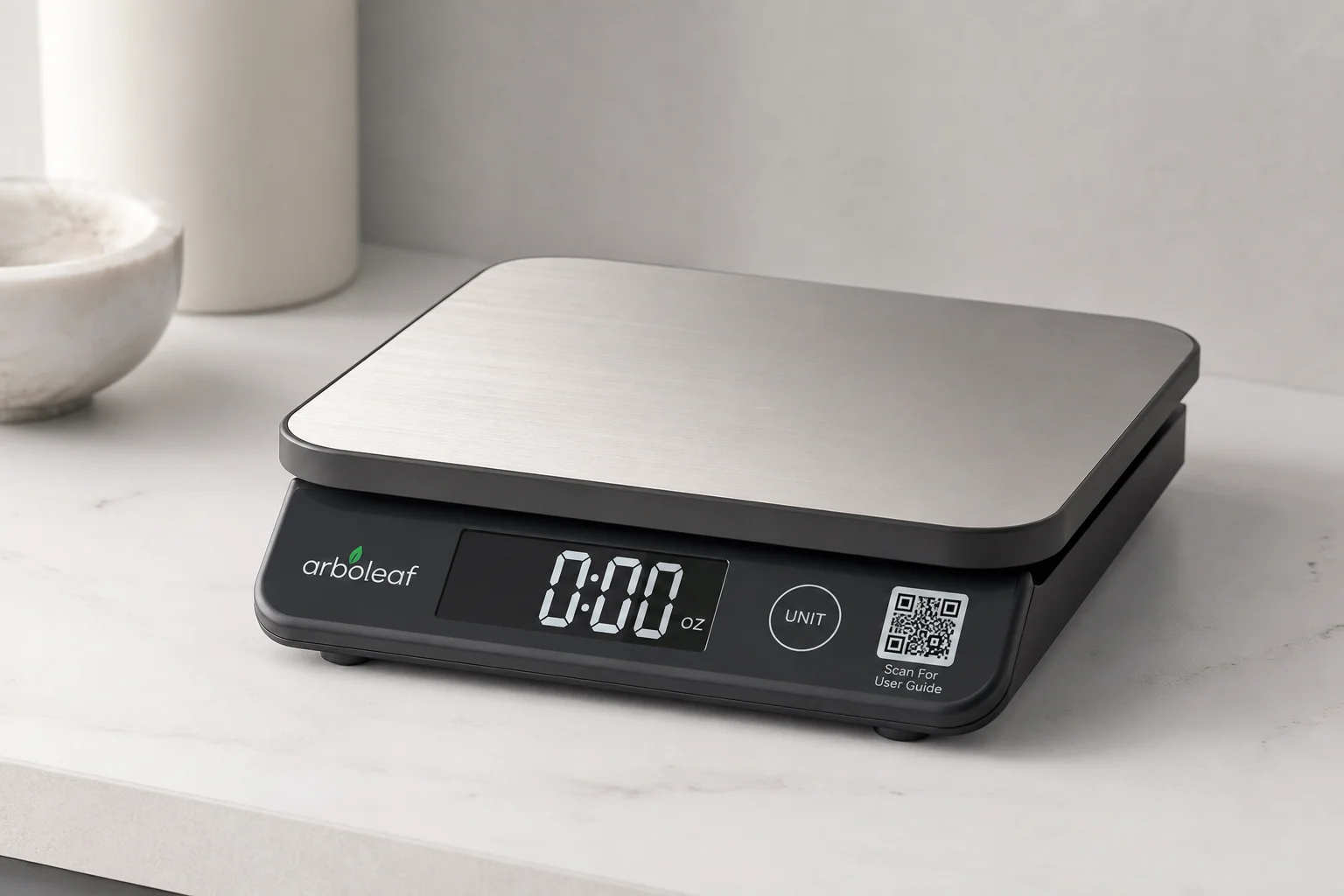
Arboleaf Smart Kitchen Scale Review: Connected Cooking Made Simple
A Bluetooth-enabled kitchen scale that syncs with a nutrition-tracking app, offering real-time weight monitoring and recipe guidance for home cooks.
Kitchen Appliances
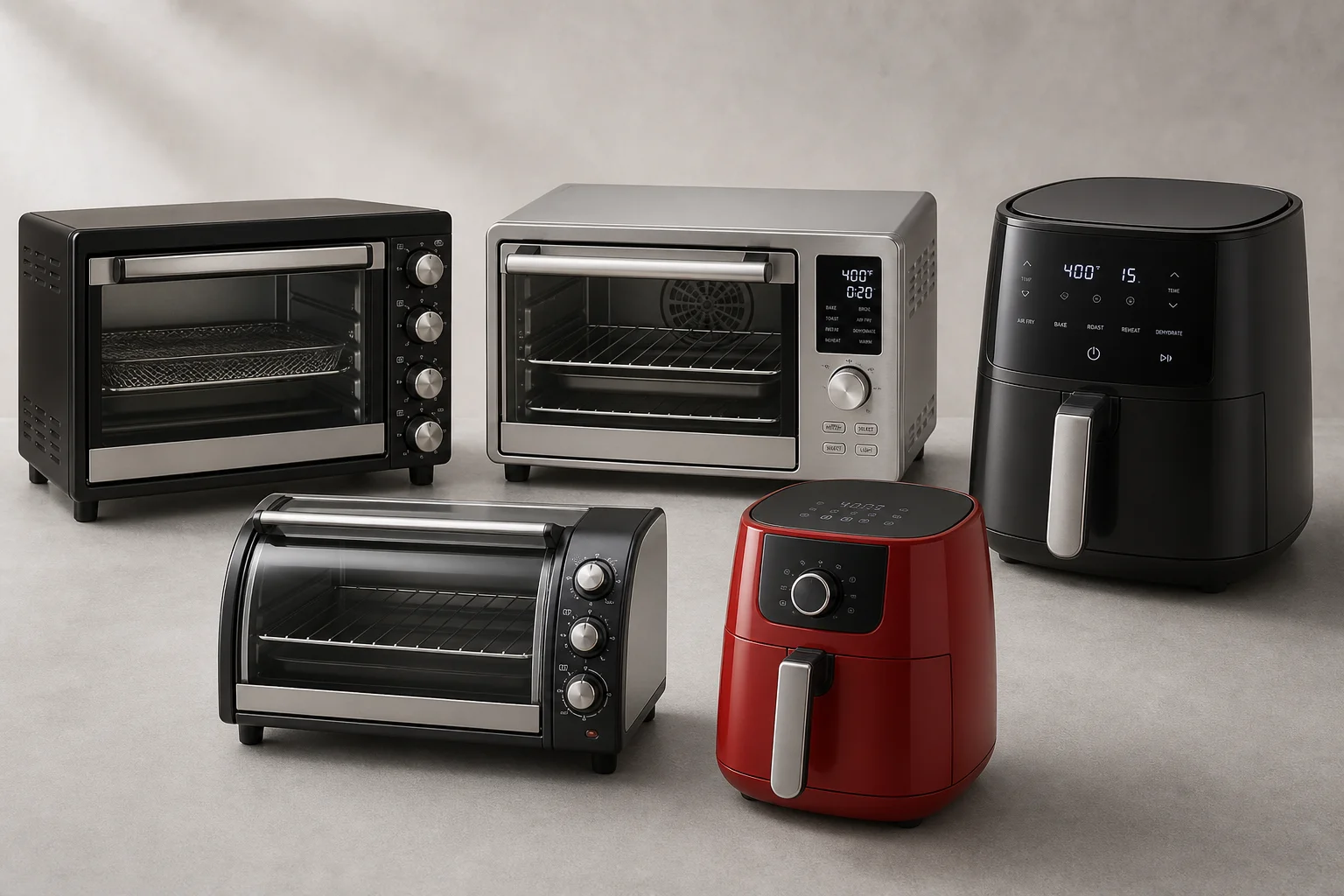
Best Air Fryer Toaster Ovens Under 100: Five Practical Options for Budget-Conscious Kitchens
Five air fryer and toaster oven combinations that deliver real cooking performance without breaking the bank, each with distinct strengths for different kitchen needs.
Kitchen Appliances
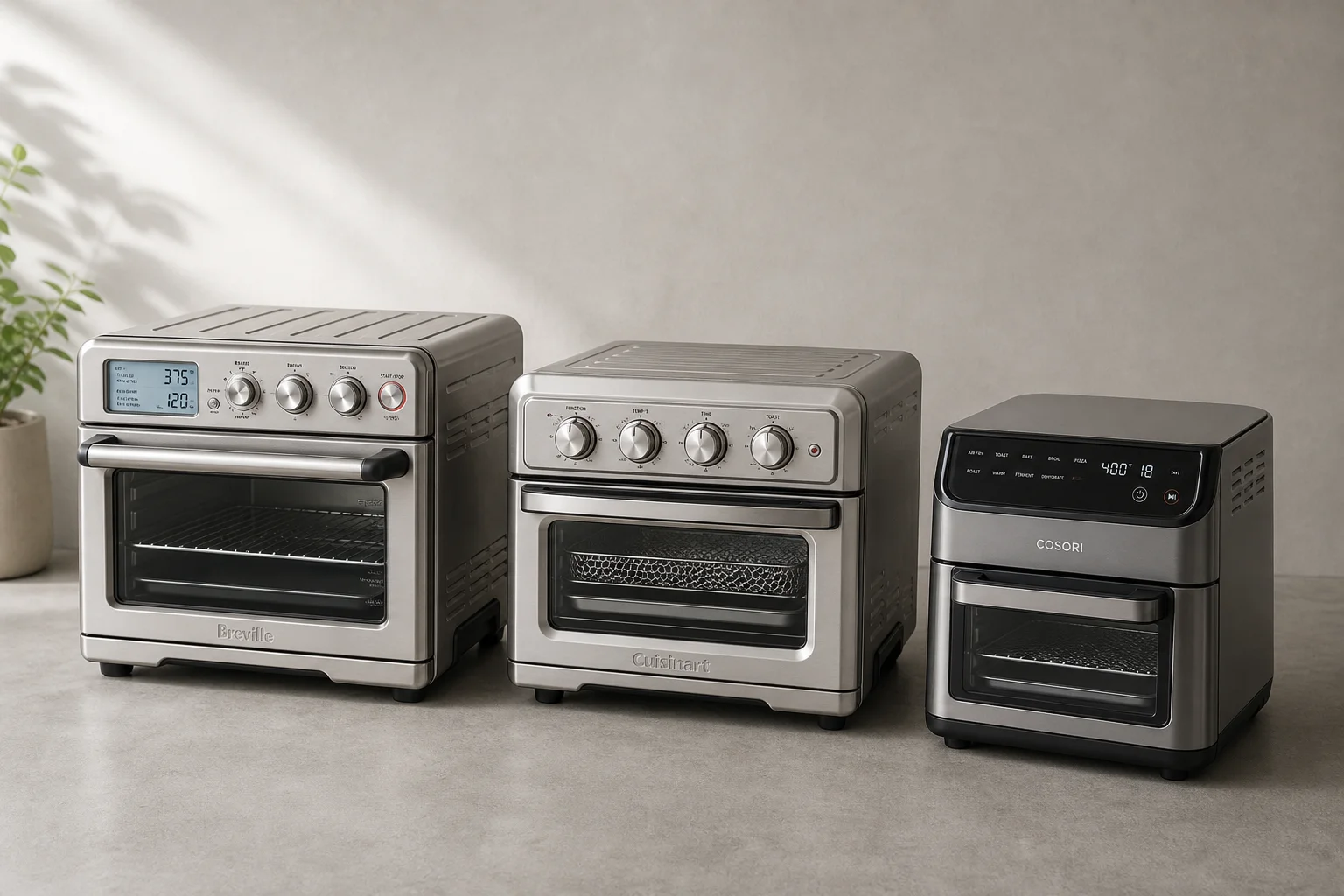
Best Air Fryer Toaster Ovens: Three Top Picks for Multi-Function Cooking
Three high-performing air fryer toaster ovens tested for versatility, ease of use, and real-world cooking results. Find the right fit for your kitchen.