Outdoor Gear
REI Gear Hits and Misses: 11 Pieces Worth Your Attention
A field-tested rundown of REI outdoor gear, covering the packs, pads, and chairs that earn their place and the tents, quilts, and jackets that fall short, plus alternatives worth knowing.
Introduction
REI keeps doing something that a lot of large outdoor brands have stopped doing: releasing new products and testing new ideas in public. That approach produces genuine standouts alongside the occasional misfire, and after a lot of trail time with the current lineup, the pattern is fairly clear.
This guide separates the two. Some of the gear here has earned a permanent spot in the pack, some of it looks good on paper but disappoints in the field, and a few pieces are still being weighed up. There are also alternatives worth knowing about, because in several categories the stronger buy sits just outside the REI catalog.
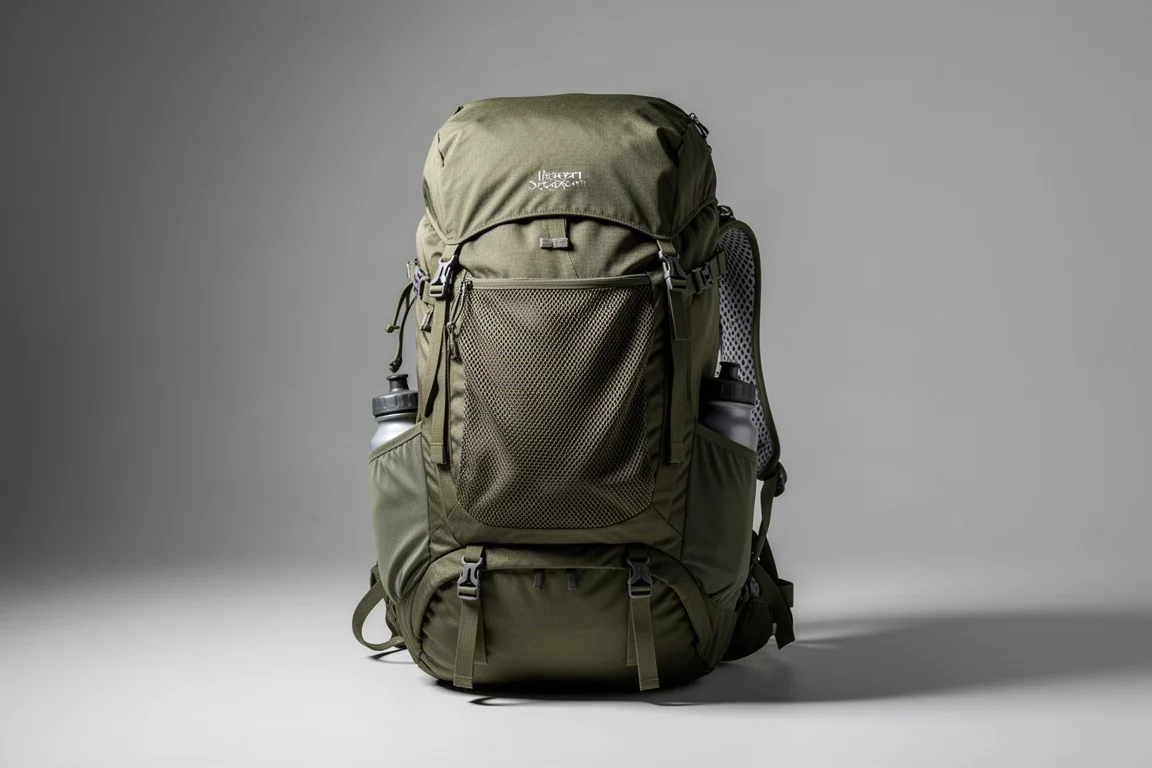
REI Flash 55 Pack: The Load Hauler That Still Delivers
The Flash 55 is the pack to reach for when comfort under load matters more than shaving grams. It has carried well over 45 lbs without complaint, and that capacity comes from a stiff foam structure that runs through the torso and the hip belt.
The newer version adds an adjustable torso, which lets you dial in the fit so the weight actually lands on your hips rather than your shoulders. The water bottle pockets are a smaller detail that makes a real difference: they are separate from the side pockets, so reaching back for a bottle and returning it mid-stride is easy even with limited shoulder range.

For trips where pack weight creeps up, that combination of stiffness and adjustability is what keeps a heavy load manageable over long days.
REI Flexlite Air Chair: The Value Pick
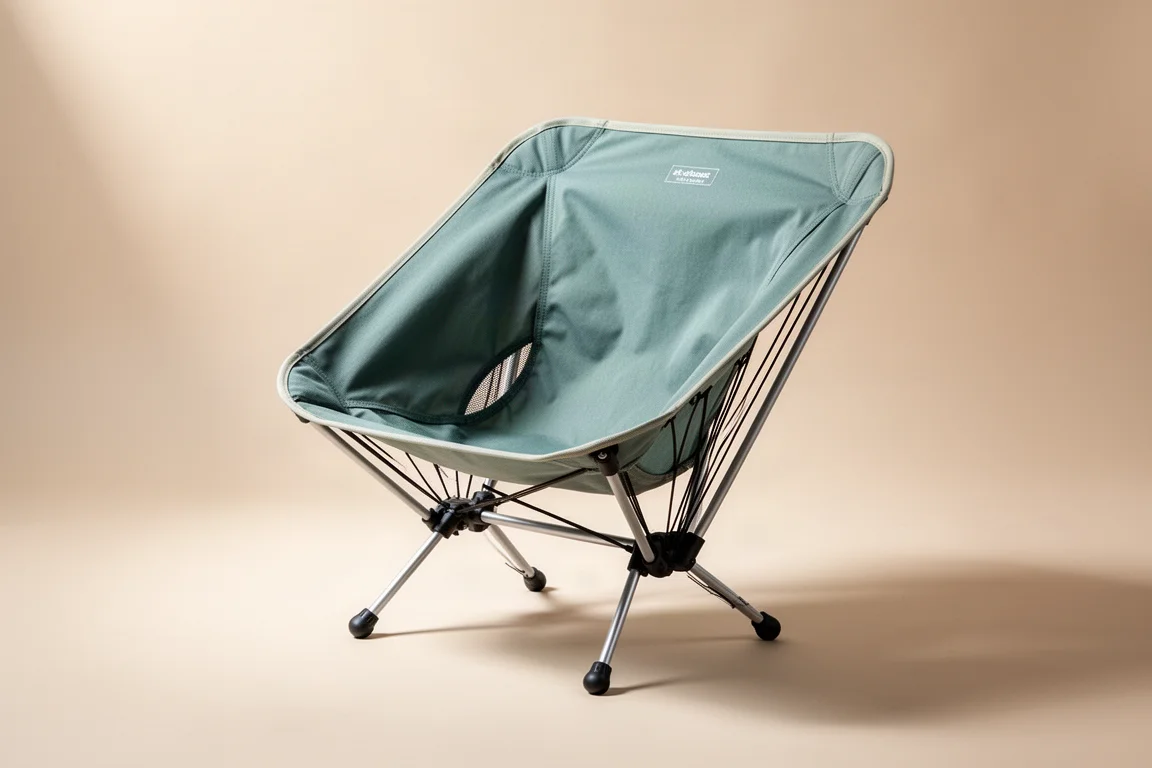
Ultralight chairs are a luxury item, and the Flexlite Air makes that luxury easier to justify. At around $100, and frequently discounted below that, it costs meaningfully less than the Helinox Chair Zero, which typically sits in the mid-$100s.
The trade-off is real: the Flexlite Air feels a little less stable and a little less comfortable than the Chair Zero. But it weighs the same, and for a first ultralight chair the price gap matters more than the small comfort difference.
REI Helix Sleeping Pad: The Comfort Standard
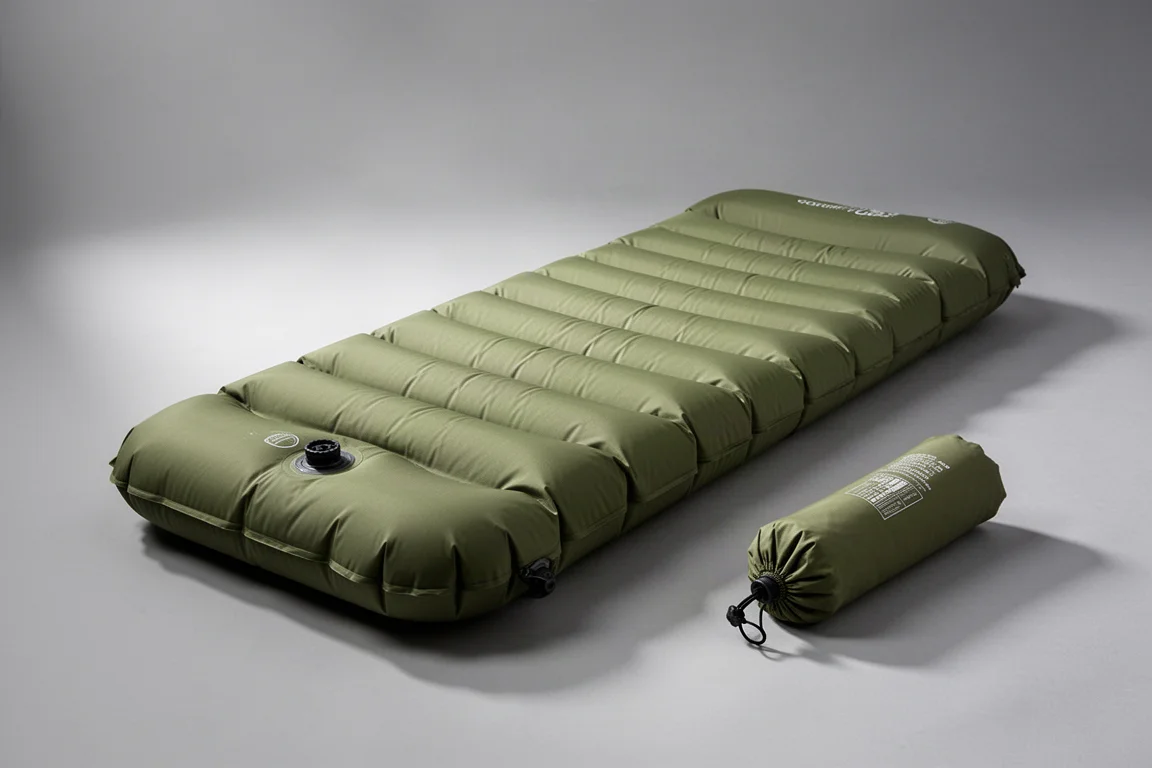
If comfort is the priority, the Helix is the pad to beat. It is the most comfortable sleeping pad in this lineup, and the reason comes down to two things.
First, it lives up to its 4.8 R-value. It has been used across a wide range of conditions and stays warm. Second, the baffle system uses small air springs that compress under pressure, which does an unusually good job of relieving pressure points. Side sleepers in particular will notice that arms do not go numb and hips do not ache.
It is not perfect. The valve is not the best around, and the pad is on the heavier side. But if a good night’s sleep is worth a few extra grams, the Helix delivers.
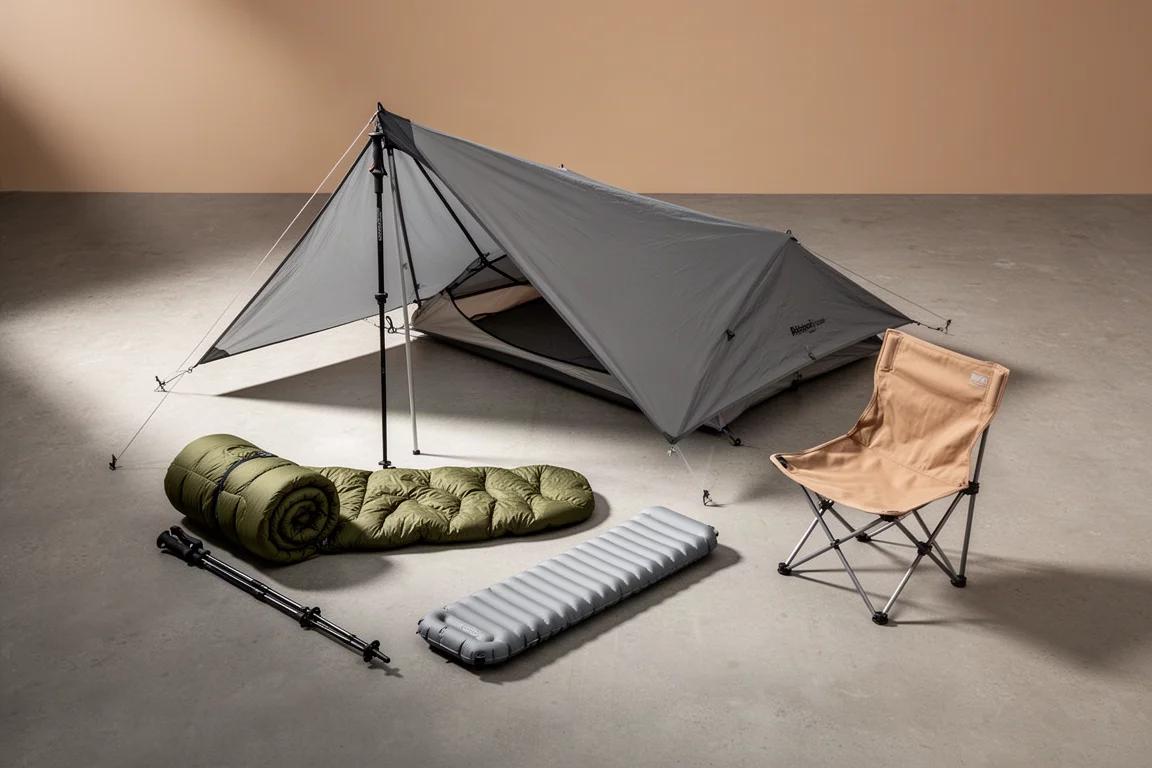
REI Flash Air 2 Tent: Where It Falls Short
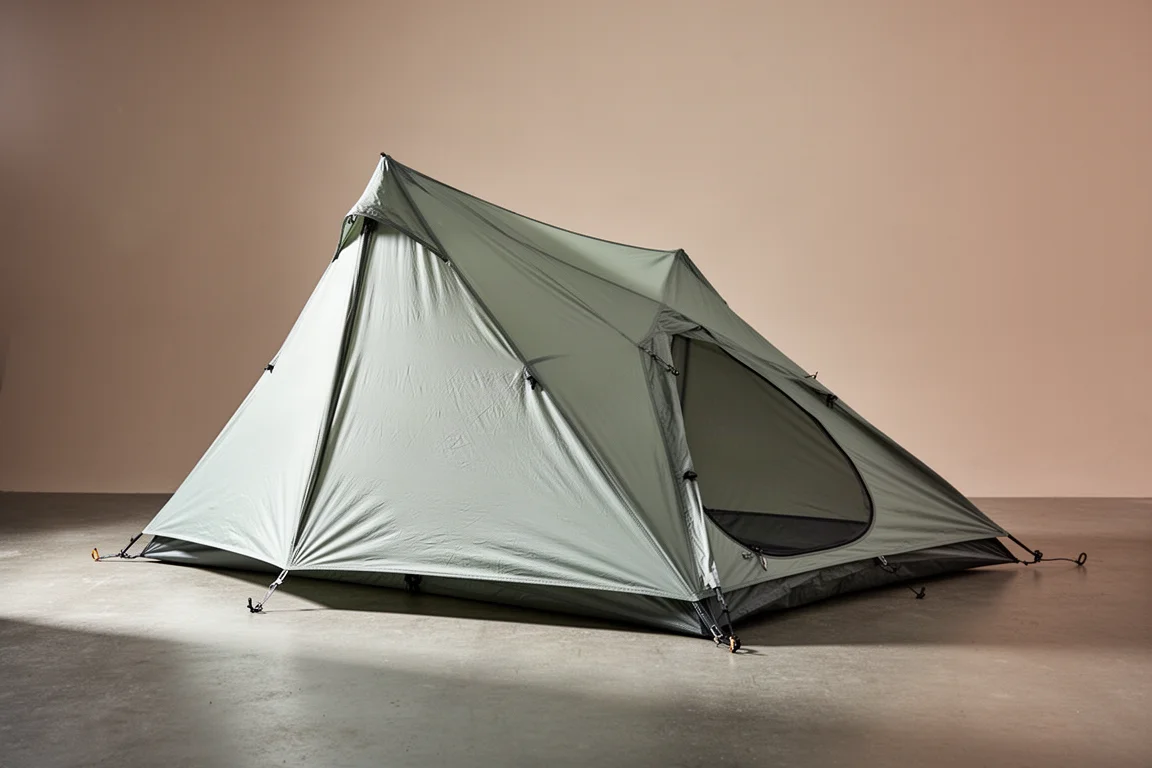
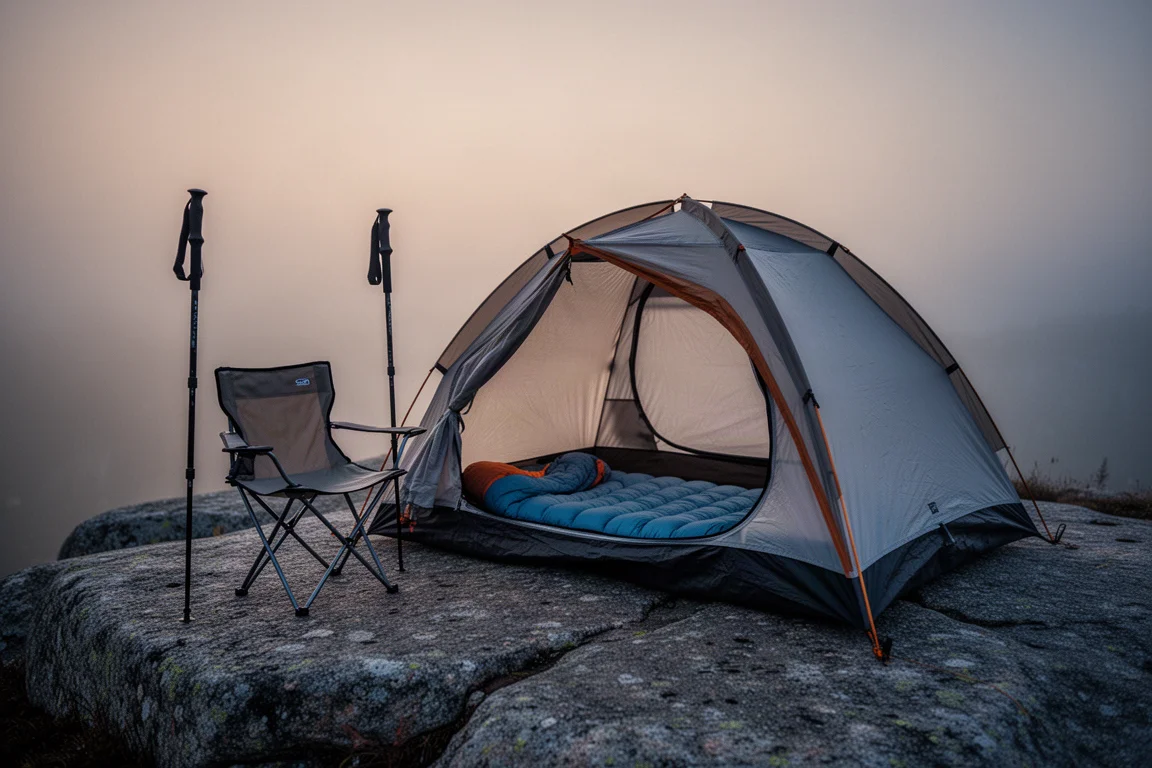
The Flash Air 2 is a trekking pole tent, and it struggles in four areas.
The material is nylon, which stretches and sags when it gets wet from rain or condensation. That is annoying on any tent, but it is worse on a trekking pole design where the structure depends on tension.
It is also a single-wall tent, so there is no inner wall separating you from the fly. The bigger concern is where condensation ends up: as it builds, it can run down the walls and collect in the corners, potentially soaking gear stored inside. That was a documented problem on the first version, and the construction of the current version suggests it may still be an issue.
Setup is fiddly too. The struts at either end make it hard to get everything to line up, and it generally needs more fine-tuning than other trekking pole tents.
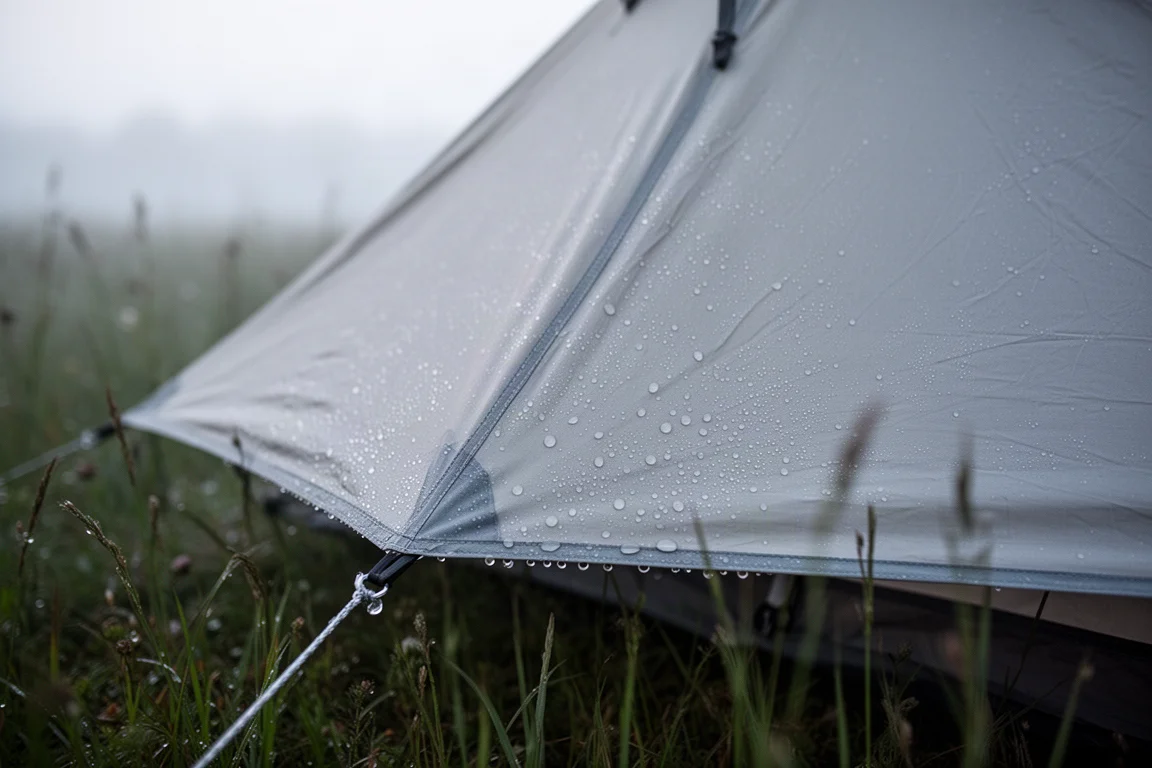
The fourth issue is simply the competition. Compared with the Durston X-Mid, this tent is heavier, more expensive, less spacious, and harder to pitch.
REI 650 Down Jacket: Good, But Outclassed
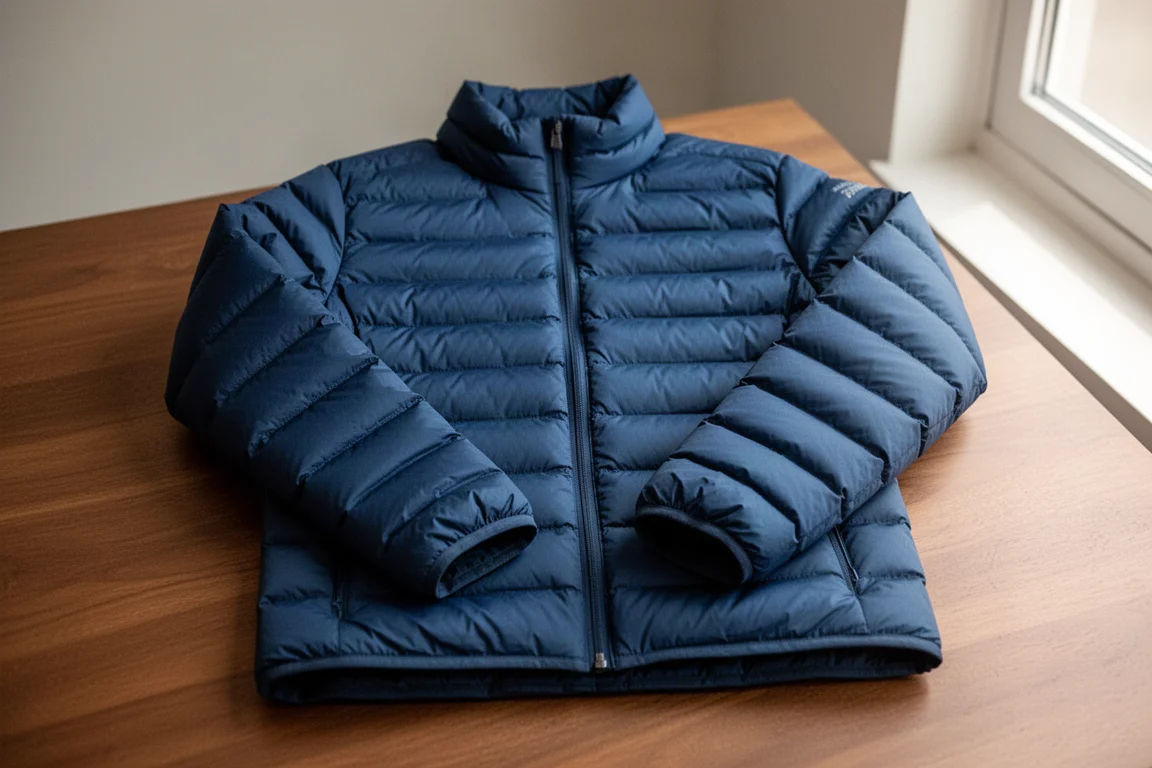
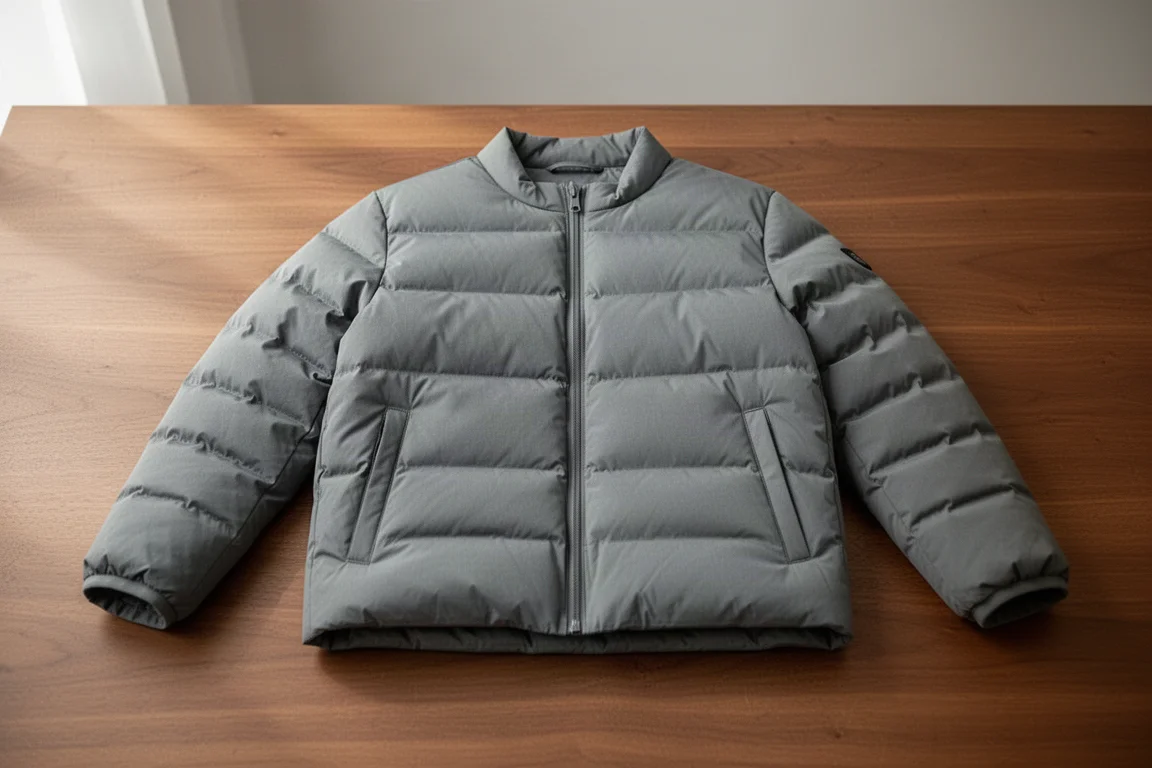
At around $120 and frequently discounted, the 650 Down Jacket is a reasonable deal. It is light, and it is warm.
The problem is not the jacket itself, it is the field around it. The Decathlon Trek 100 is cheaper, lighter, and warmer. REI keeps refreshing this jacket, so a future version could close the gap, but the current iteration does not win the comparison.
REI Magma 30 Quilt: The Right Idea, Not Yet Dialed In
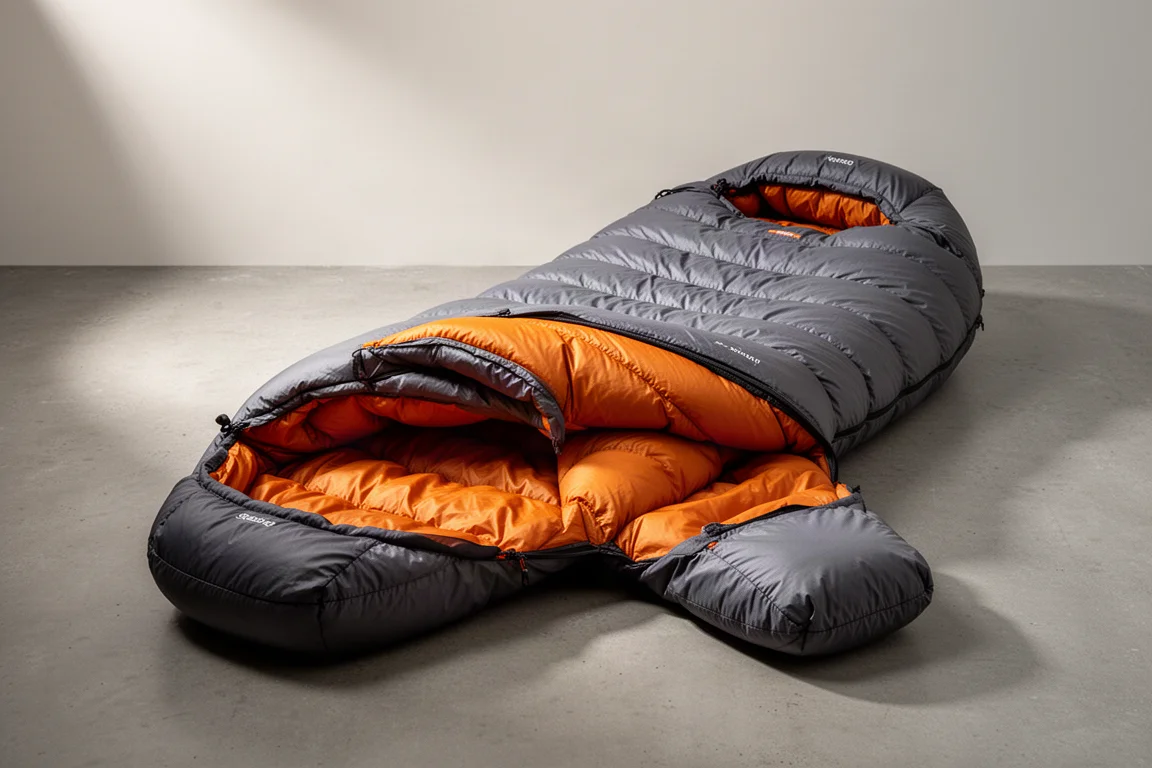
It is encouraging to see REI push into ultralight quilts, and the Magma 30 gets several fundamentals right. It has pad straps, a snap at the neck, and a draft tube around the neck to hold in heat.
Where it falls short is warmth. It does not sleep as warm as its rating suggests, and around 40 degrees Fahrenheit it starts to feel chilly.
The pad strap system is also frustrating. The toggles and loops require loosening the strap before you can free the toggle, which is awkward in the middle of the night. A lower price would help too, since quilts are one of the categories where REI could make ultralight gear more accessible.
REI Flash Air 50 Pack: Light, But Not Fully Resolved
The Flash Air 50 is the ultralight sibling of the Flash 55, and REI deserves credit for getting a mainstream pack down to around 850 grams, roughly 30 percent lighter than its bigger brother.
Some of the Flash 55’s best features survive. The side water bottle pockets are still easy to reach, for example. But most details have been trimmed just enough to notice. The bottle pockets are no longer stretchy, so larger bottles are harder to fit. The front pocket is very small, which limits one of the most useful places to stash a layer. And there is no top lid, so small valuables have to go into a stuff sack inside the main body.
The bigger issue is carry comfort. There is no adjustable torso, and the medium size felt slightly small, which meant weight transferred to the hips less effectively and more of it ended up on the shoulders. At around 40 lbs with water on board, the pack was noticeably less comfortable than the Flash 55.
Pricing is the final sticking point. At $300, the Flash Air 50 costs about $100 more than the Flash 55 despite having features removed rather than added. A price closer to the mid-$200s would have made this an easy recommendation for anyone curious about going lighter.
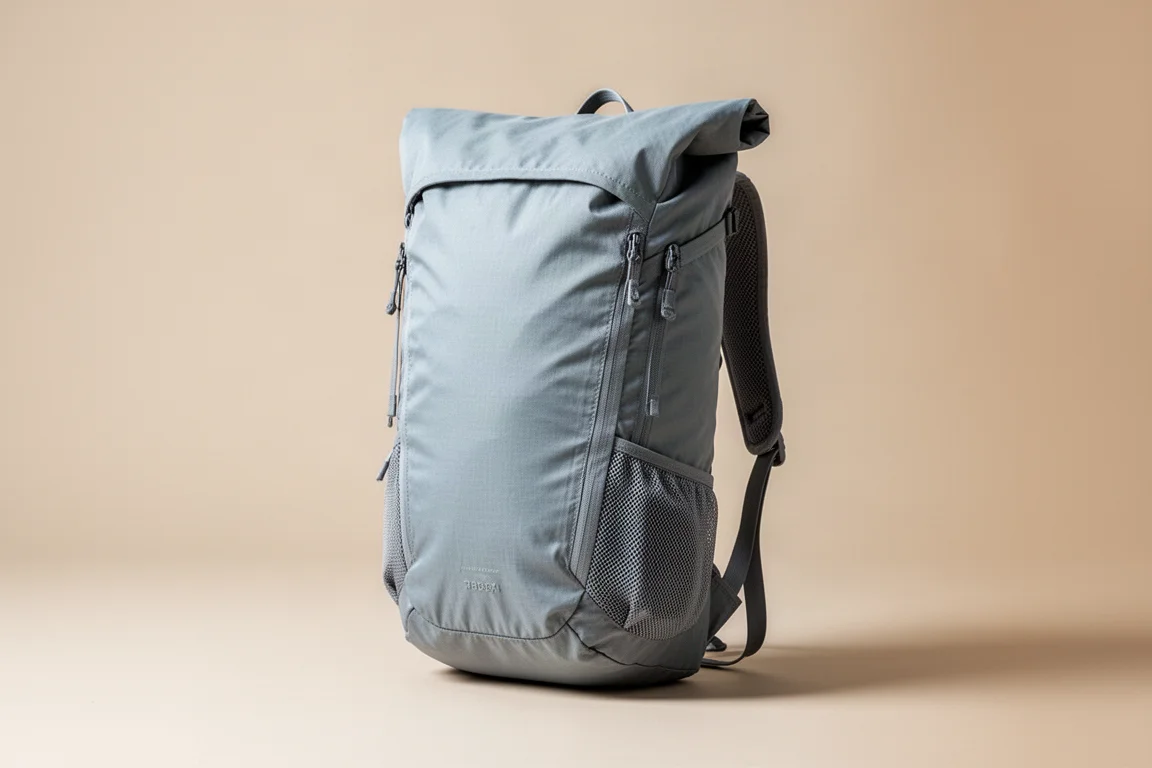
Outdoor Research Astroman Sun Hoodie: The Hood Matters
Sun hoodies live or die on coverage, and the hood is where the details show. The Astroman’s hood is noticeably larger than the smaller hoods found on lighter, cheaper sun hoodies, which means less time spent tugging at fabric and more consistent protection across the sides of the face.
That extra coverage matters on long, exposed days, where a hood that sits too tight or too far back leaves the jaw and cheeks vulnerable and forces constant adjustment.

If you are choosing between sun hoodies, treat hood size as a primary specification rather than an afterthought. It is the part of the garment you interact with most, and it is the detail that most reliably separates a comfortable option from an irritating one.
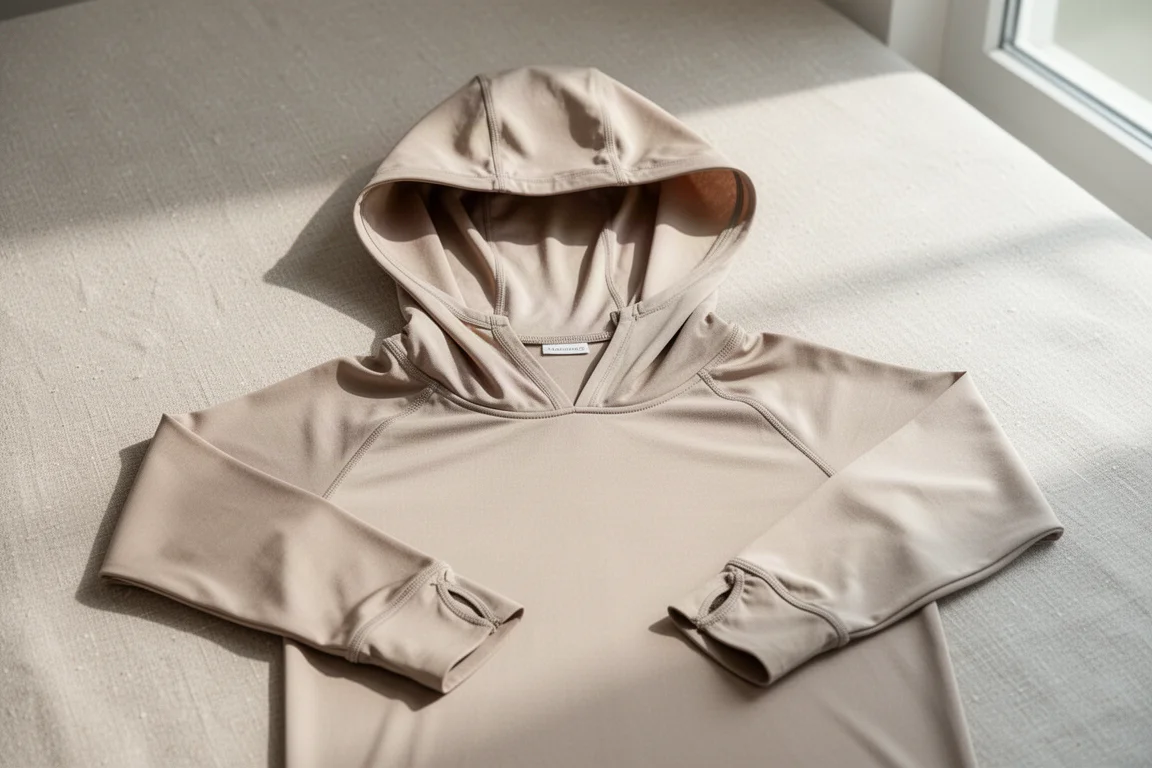
Durston X-Mid Tent: The Benchmark to Beat
The X-Mid is the tent the Flash Air 2 has to be measured against, and it wins on nearly every practical measure. It is lighter, less expensive, more spacious inside, and quicker to pitch.
For trekking pole users who want a light shelter without the fiddly setup, that combination is hard to argue with.
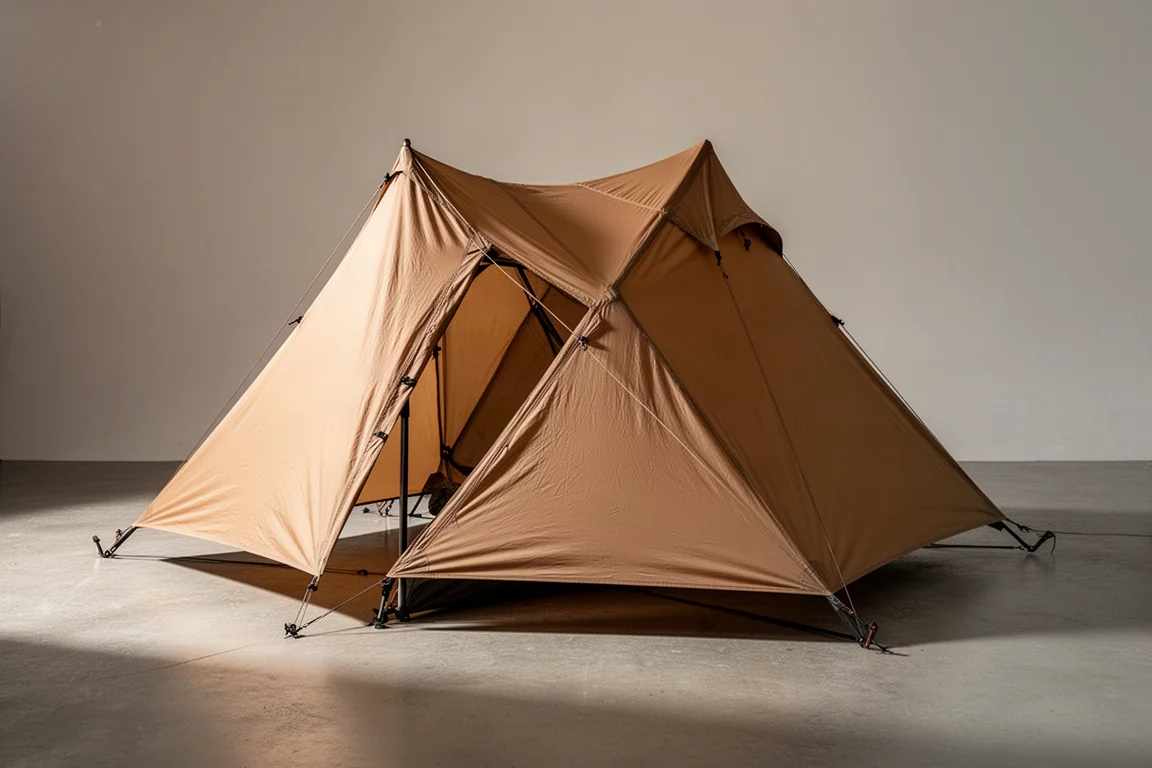
Helinox Chair Zero: Comfort and Stability at a Premium
The Chair Zero is the more refined ultralight chair. It is more stable and more comfortable than the Flexlite Air, and it weighs the same.
The catch is price. At mid-$100s it costs considerably more than the Flexlite Air, and for many buyers that difference will not be worth the modest comfort gain. If you sit in camp for hours every evening, it might be.
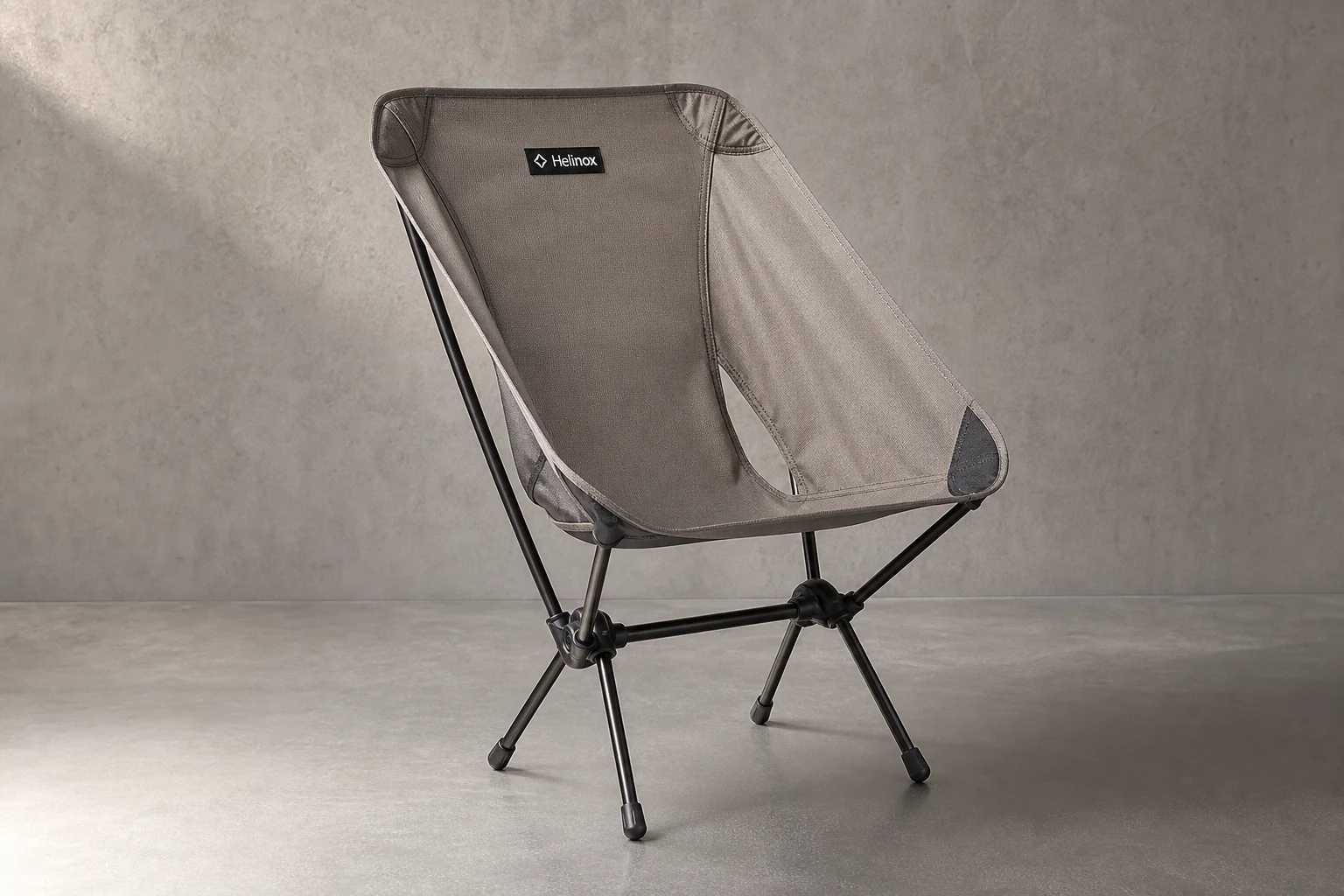
Decathlon Trek 100 Down Jacket: More Warmth for Less
The Trek 100 is the jacket that makes the REI 650 Down hard to recommend. It is cheaper, lighter, and warmer, which is a difficult combination to argue with at this price point.
If you want a simple, light insulating layer for three-season trips, this is the one to compare everything else against.
Buying Advice
Match the gear to the trips you actually take. A pack that carries 45 lbs beautifully is the wrong choice if you hike light, and a $300 ultralight pack with a trimmed feature set only makes sense if saving grams is genuinely your priority.
One advantage of buying from REI is the ability to handle gear in a store, try it on, and return it if it does not work out. That lowers the risk of trying something new, particularly in categories like quilts and trekking pole tents where fit and personal preference vary a lot.
If you are building a kit, prioritize in this order: a pack that carries your expected load comfortably, a sleeping pad you will actually sleep on, and then the ultralight upgrades. The Flash 55, the Helix, and the Flexlite Air all fit that sequence well. The Flash Air 2, the Magma 30, and the 650 Down Jacket are the ones to compare carefully against alternatives before committing.
Conclusion
REI’s willingness to keep experimenting is what makes its catalog interesting. The Flash 55, the Helix, and the Flexlite Air show what that approach produces when it works: gear that is comfortable, practical, and priced sensibly.
The Flash Air 2, the Magma 30, and the 650 Down Jacket show the other side. Each has a sound idea behind it, but each is currently outmatched by an alternative. For those categories, it is worth comparing before you buy.
Further reading
Related Reviews
Outdoor Gear
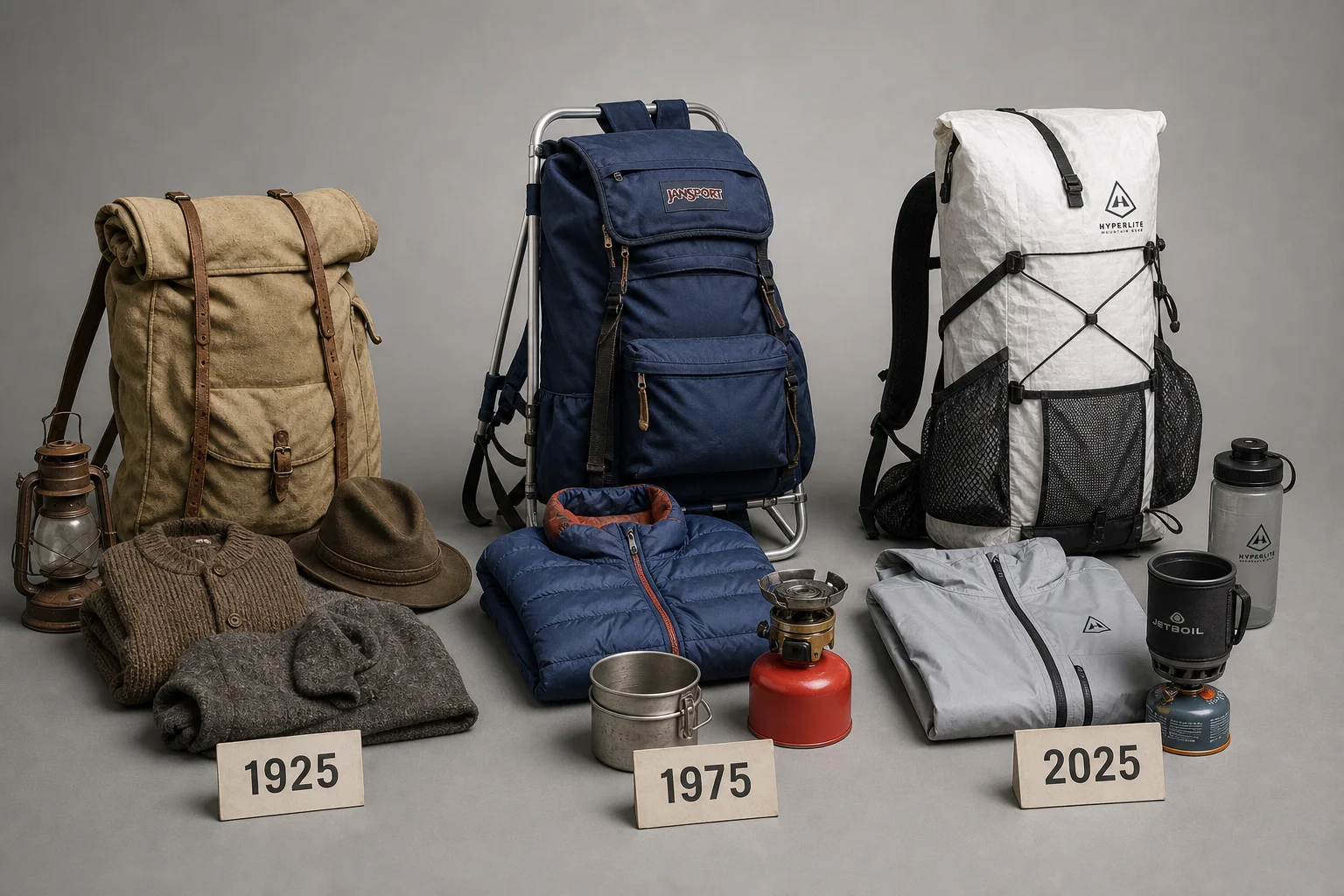
Backpacking Gear Evolution: 100 Years of Technology Compared
We tested backpacking gear from 1925, 1975, and 2025 across a three-day hike in Yosemite. Here's how technology has transformed comfort, weight, and the outdoor experience.
Outdoor Gear
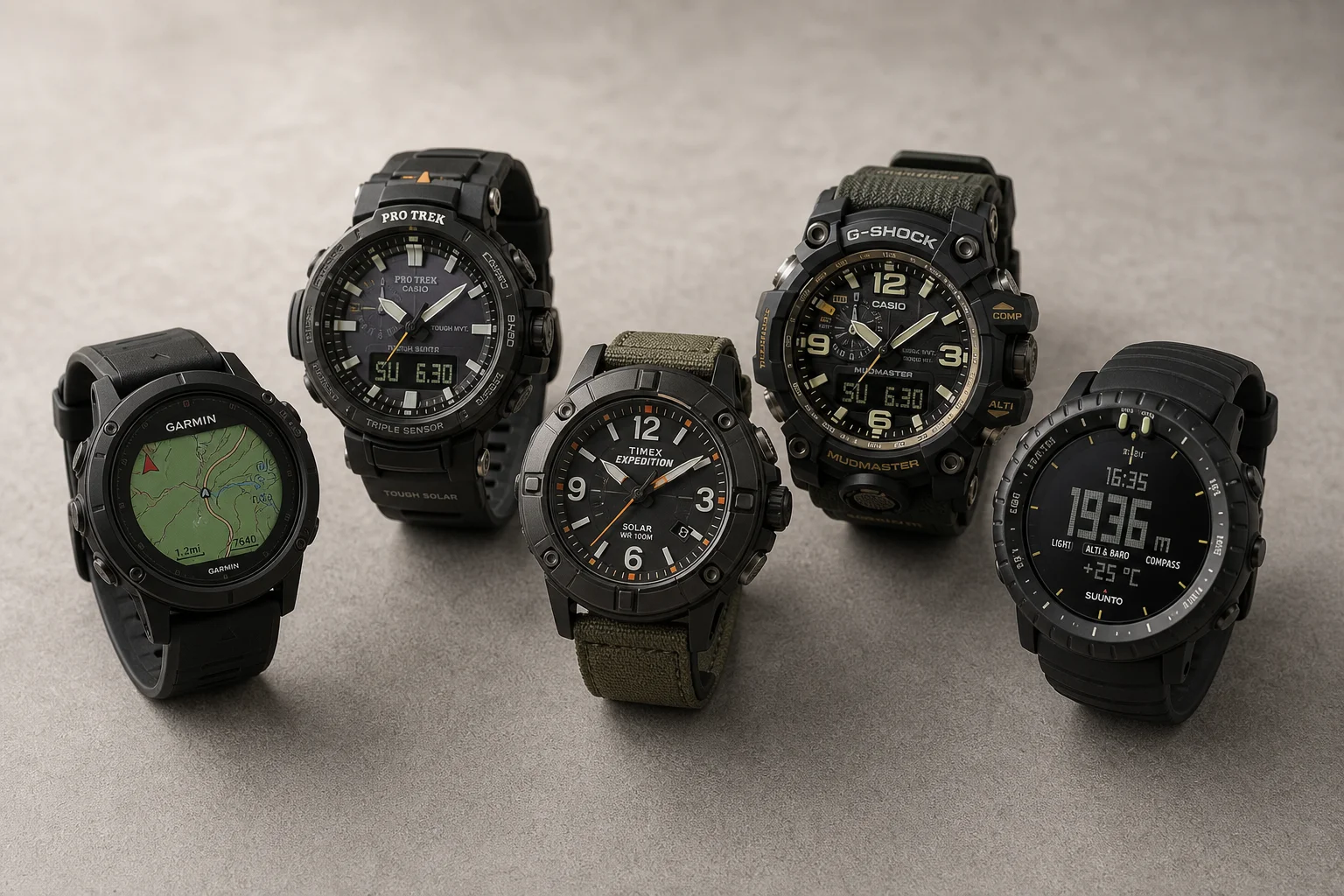
Best Affordable Hiking Watches: Five Rugged Options for Outdoor Adventures
Five durable hiking watches that balance ruggedness, functionality, and value for outdoor enthusiasts who need reliable GPS tracking and weather resistance.
Outdoor Gear
Best Backpack Coolers 2026: Five Practical Options for Outdoor Adventures
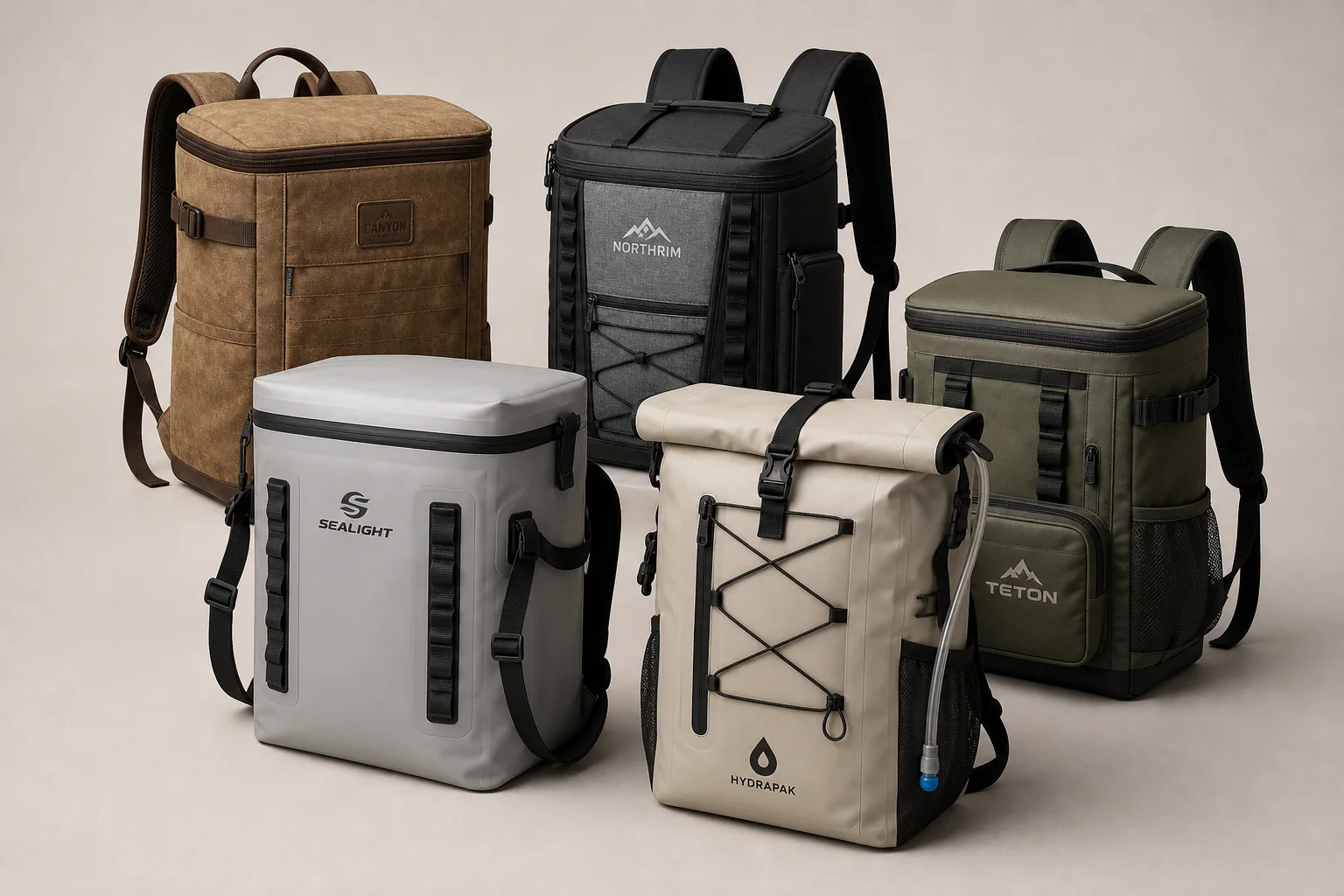
Five backpack coolers with distinct cooling capabilities, storage features, and design trade-offs to help you choose the right one for your outdoor needs.