Aquarium Accessories
Reef Rax Clam and Anemone Cradle Review: A Stable Pedestal for Clams and Anemones
A purpose-built resin cradle that gives tridacnid clams and anemones a solid surface to attach to, plus sizing limits and placement notes worth checking first.
Introduction
Tridacnid clams are a centerpiece addition in many reef tanks, and plenty of hobbyists prefer to keep them on the sand bed. Part of that is aesthetic, and part of it is naturalistic, since some tridacnid species are commonly found on the sea floor. The complication is that clams generally want to attach to something solid using their byssal threads, which emerge from the byssal opening underneath the shell. Left loose on the sand bed, a Crocea, Maxima, Squamosa, or Derasa will often end up anchored to the glass bottom of the tank, or it will keep fussing about trying to find a place to anchor, kicking up substrate and spending energy it could otherwise put into growth.
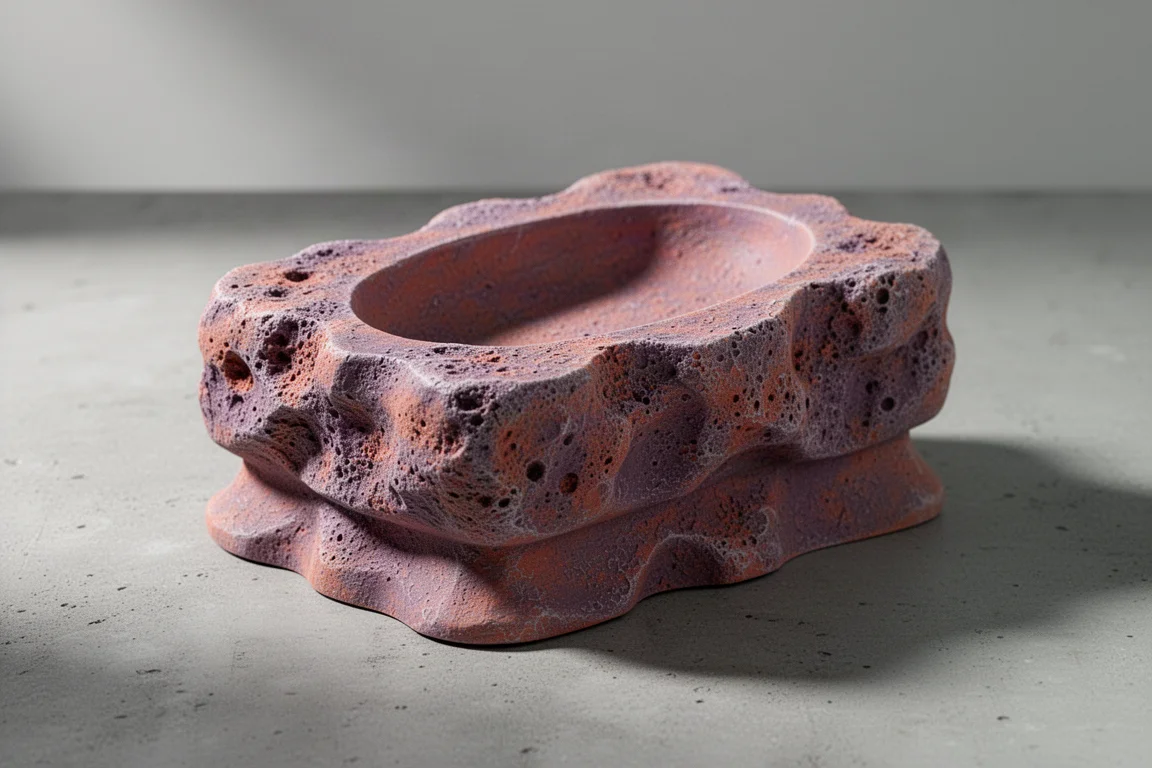
The Reef Rax Clam and Anemone Cradle, also known as the Clam Jammer, is a purpose-built pedestal with a deep recess designed specifically to cradle a clam or an anemone. It gives the animal a stable, solid surface to attach to, along with the support and shelter it is looking for, which makes it less likely to wander or endlessly fuss about trying to get comfortable. It is made from 100 percent reef-safe resin and finished with a realistic, natural texture so it reads as part of the reef rather than a piece of equipment.
Who this product is for
This cradle suits reefers who want the look of a clam or an anemone on the sand bed without leaving the animal to find its own footing. It is intended for young to mid-sized clams, and the recess size also works well for Bubble-tip, Rock Flower, Maxi Carpet, and similar sized anemones.
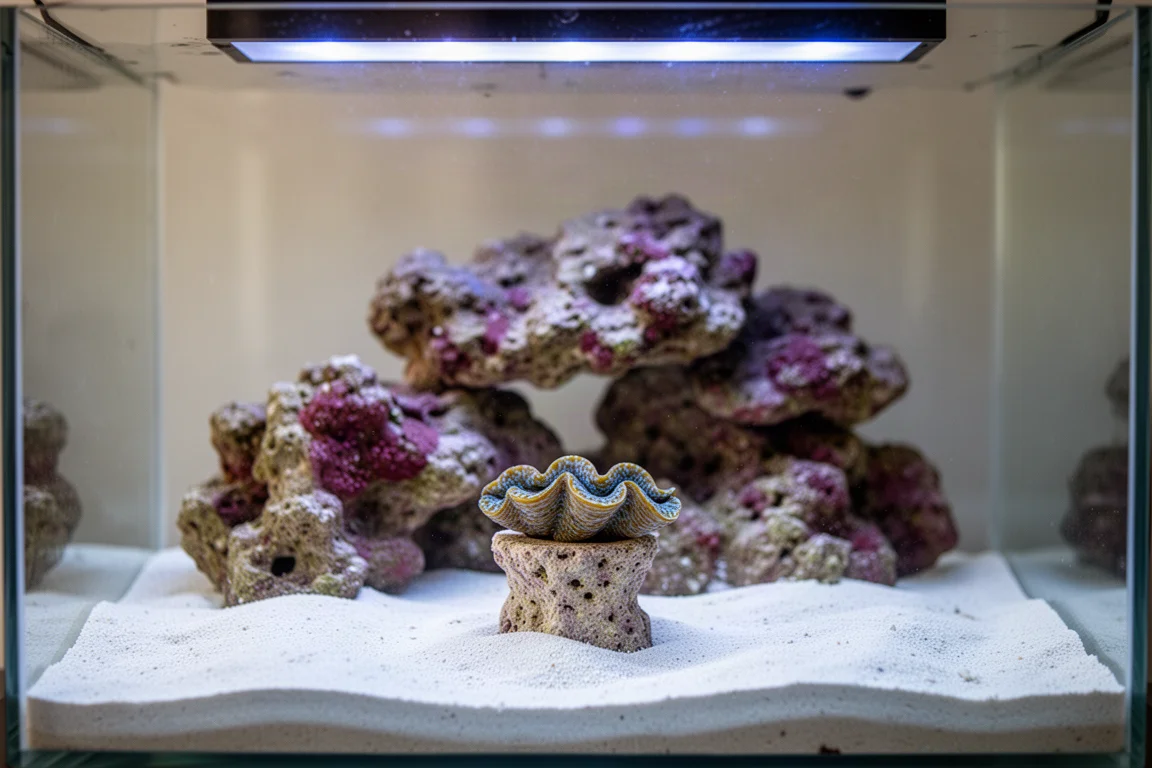
It is also a practical pick for anyone who likes to rearrange their aquascape or shift livestock between light zones. Because the animal attaches to the cradle rather than to the tank floor, the whole piece can be picked up and moved as a unit. If you have ever tried to free a settled clam or anemone from the bottom panel of a display tank, that alone is a meaningful convenience.
Main strengths
The cradle is built around one clear idea: a stable, solid surface. Everything else, from the resin construction to the textured finish and the range of colors, supports that single function.
A stable, solid surface to attach to
The cradle measures 6.5 inches long, 4.75 inches wide, and 1.5 inches high, with an inner recess of roughly 3.75 inches by 1.75 inches by 0.75 inches deep. That recess is sized for young to mid-sized clams, and it also looks like a workable size for an adult Crocea clam or a maturing Maxima clam.
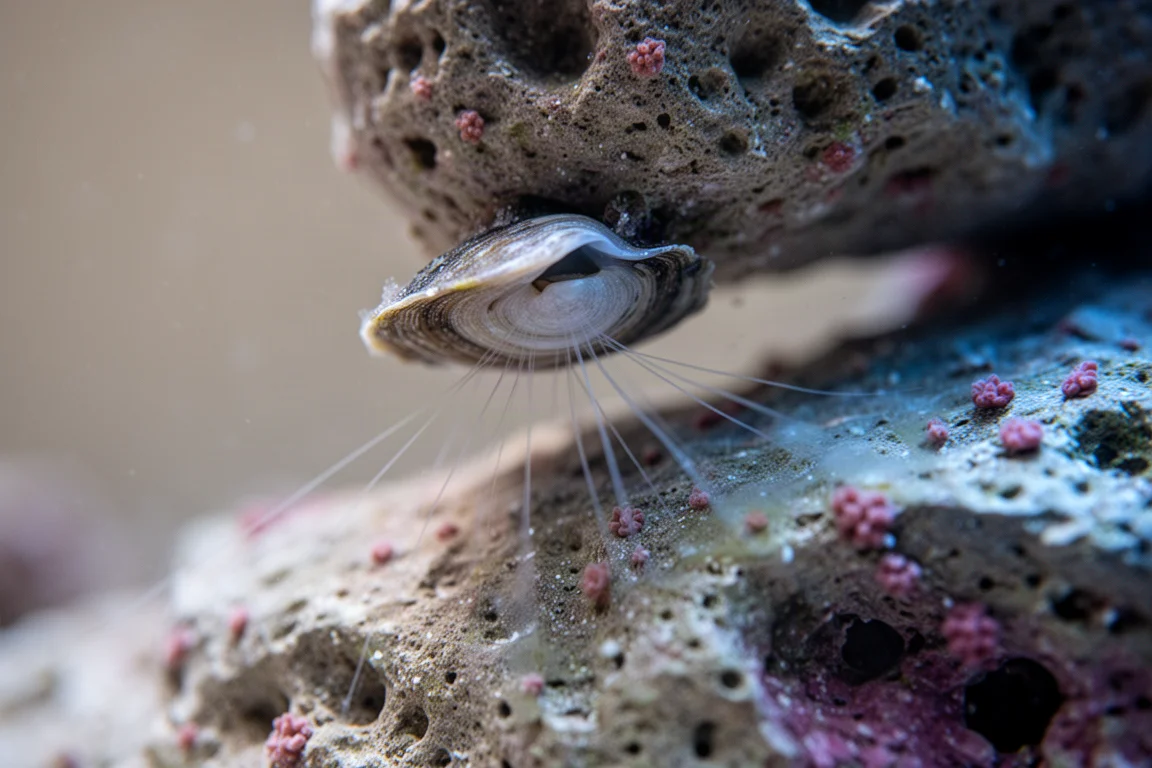
Stability is handled carefully at the base. The bottom of the cradle is sanded perfectly flat, so it sits flush against the bottom panel of the aquarium. The slight flange, or flare, around the base does two jobs: it helps the piece blend in visually, and it gives substrate something to pile up against, which adds to the overall stability.
Easier repositioning without disturbing the livestock
Moving a settled clam or anemone is normally a delicate operation. You either work carefully around the individual byssal threads underneath a clam, or you try to separate the foot of an anemone from the surface it has claimed. With this cradle, the animal is anchored to the base instead, so you can lift the entire piece and set it down in a new but similar spot in the tank.
That approach is far more convenient, and it is also less invasive for the animal itself. It is a small design decision with a large practical payoff for anyone who reworks their tank layout more than once a year.
Color and texture that blends into the rock work
The cradle comes in three colors: Coraline purple, dark brown, and gray, so it can be matched to the rock work already in the tank. The purple is a natural fit for established systems with plenty of Coraline coverage, while the dark brown and gray do a good job of matching various types of dry rock.
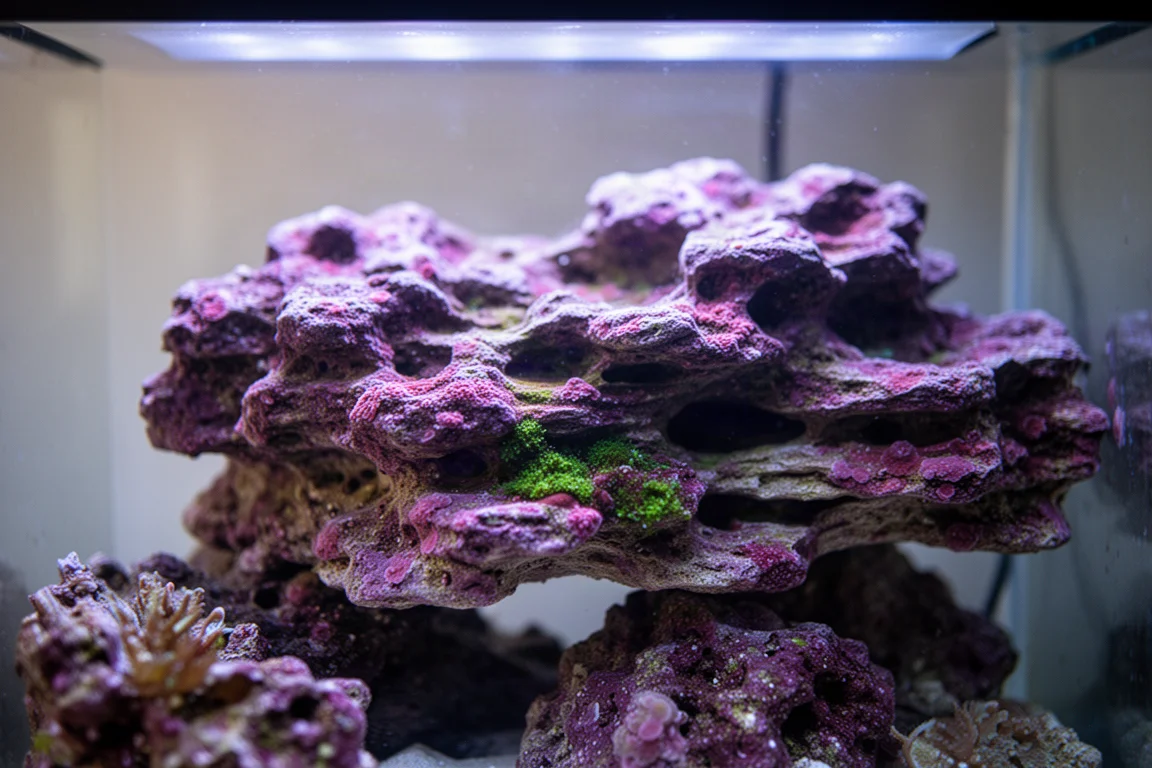
Color is only the starting point, though. The textured surface is expected to be covered in biofilm and Coraline fairly quickly, which means the cradle blends seamlessly into the rock work regardless of which starting color you chose. The finish is realistic and natural rather than glossy, which helps it disappear into the aquascape instead of standing out.
Things to consider before buying
Sizing is the main thing to think about. The recess is a good match for young to mid-sized clams, but a young Squamosa or Derasa will likely outgrow it within a year or two. That is not necessarily a problem: if the clam has already attached to the cradle, it may simply end up sitting on top of it like a pedestal instead of inside the recess, which is still a useful outcome.
Packaging is minimal. The box contains the Clam and Anemone Cradle and nothing else, so placement planning is entirely up to you.
It is also worth thinking about neighbors. Keep clams away from corals or anemones that could sting them. Clams often do reasonably well near certain corals, but some soft corals and LPS corals can deliver a powerful sting, especially when sweeper tentacles are extended. The soft mantle of a clam can be irritated or damaged, which can result in the clam not opening fully, so giving it more space of its own is the safer arrangement.
Buying advice
Placement decides how well the cradle performs. Pick a spot with good light and good flow. Clams are often considered as light demanding as SPS corals and usually appreciate higher PAR numbers, so try not to shade them.
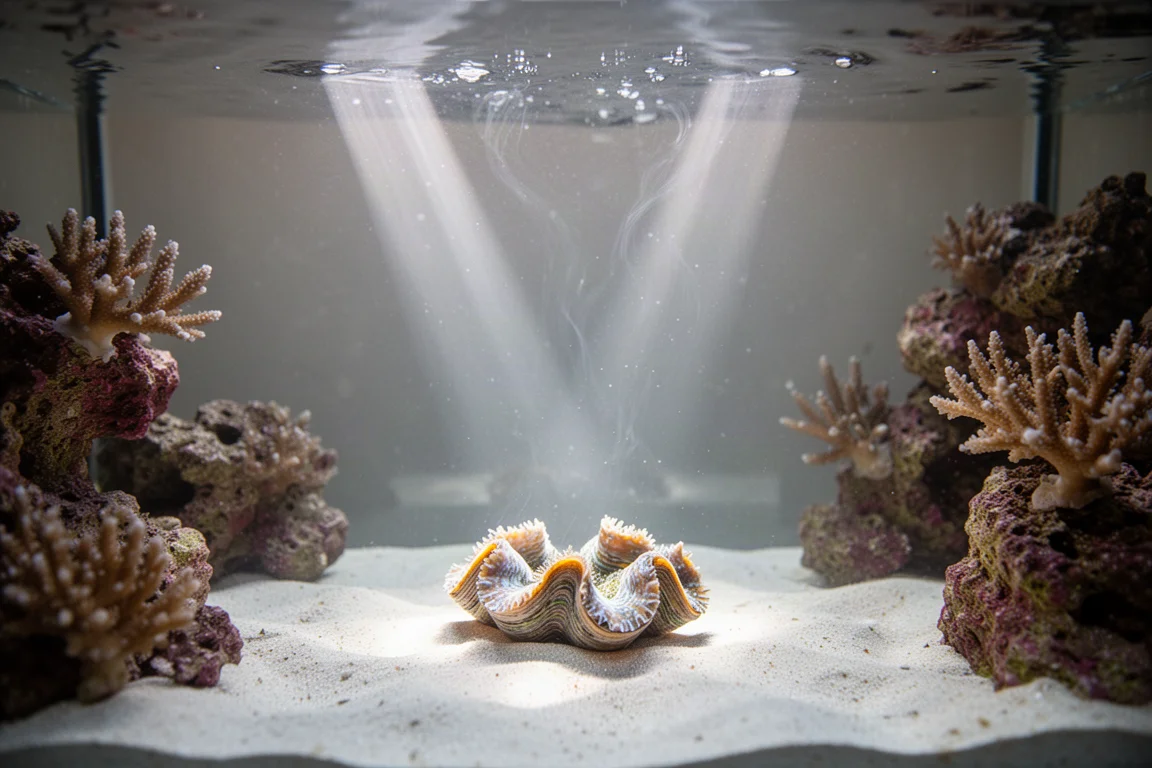
Orientation matters too. A clam has two openings in the center of its frilly mantle. The larger one is the inhalant siphon, while the smaller cone-shaped opening that sticks up and out to the side is the exhalant siphon. Clams will usually position themselves so that the larger inhalant siphon points into the direction of water flow, letting water move naturally into the animal. Turn the cradle so the inhalant siphon is pointed into the flow, and the clam should be less likely to try to reposition itself. Finally, leave some clear water between the cradle and any coral with a strong sting.
Conclusion
The Reef Rax Clam and Anemone Cradle solves a specific, familiar problem: clams want something solid to hold onto, and sand beds do not offer it. By providing a stable recess with a flat, flush base and a reef-safe textured finish, it gives clams and anemones a proper anchor point while making them dramatically easier to move later. The main caveats are sizing for faster-growing species and the usual care around light, flow, and stinging neighbors. For reefers who want a natural-looking, mobile crevice for a clam or anemone, this is a focused accessory that does exactly what it promises.
Product link
View more details for Reef Rax Clam and Anemone Cradle
This product is mentioned in the review. Check the specifications, options, and compatibility before buying.
View more details for Reef Rax Clam and Anemone CradleFurther reading
Related Reviews
Aquarium Accessories
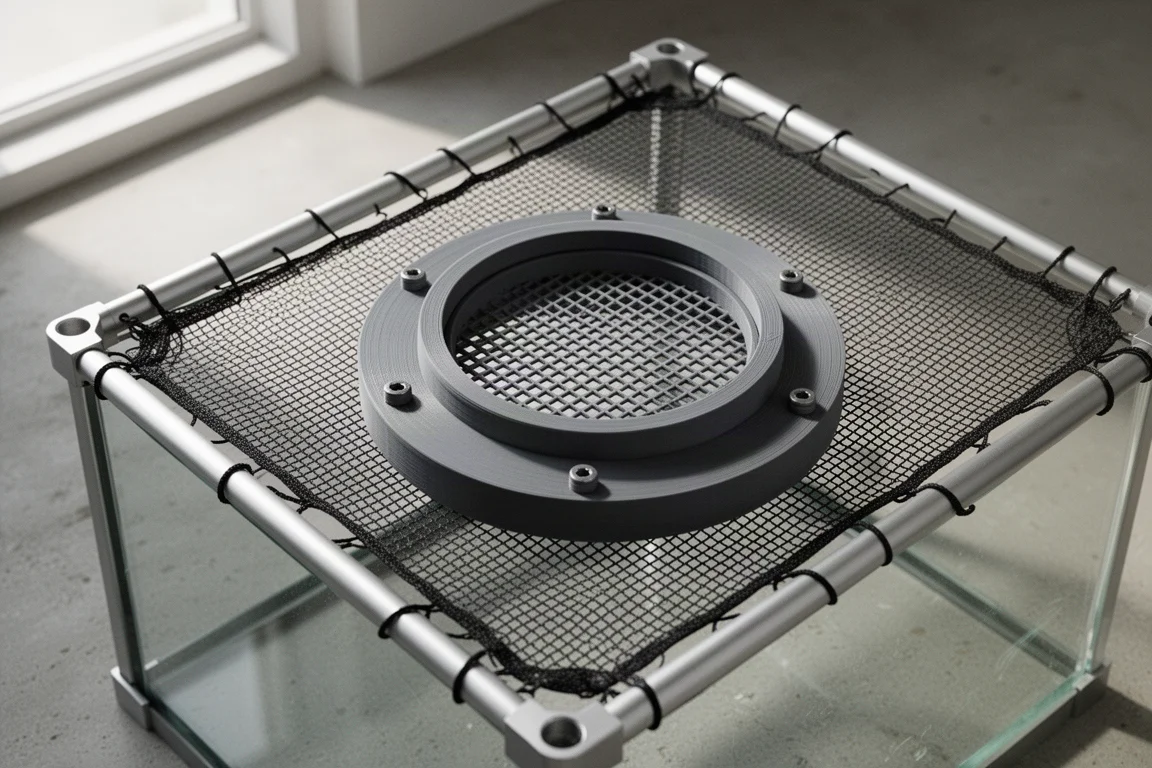
Neat Aquatics Feeding Portal Review: A Cleaner Way to Feed Through a Net Top
A 3D-printed feeding hatch that lets you feed and dose through a mesh net top without lifting it, plus what to check before you cut the netting.
Saltwater Aquarium Setup
10 Questions About Cycling a Saltwater Aquarium: What You Need to Know
Essential questions and answers for cycling a reef tank or saltwater aquarium, from biome building to light management and bacterial supplements.
Aquarium Equipment
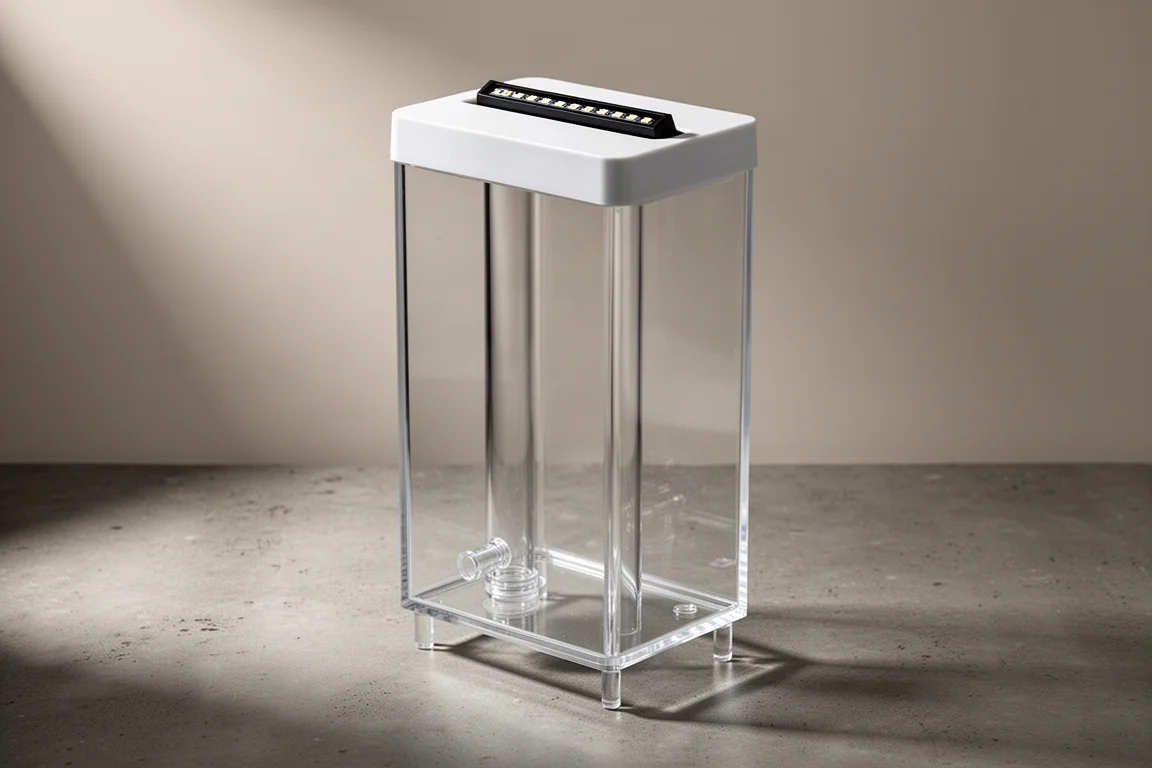
Adaptive Reef Hybrid Algae Reactor Review: One Reactor, Three Ways to Grow Algae
A close look at the Adaptive Reef Hybrid Algae Reactor, which runs as an algae turf scrubber, a macro algae reactor, or a refugium, and pairs with the AI Blade Refugium LED.