Running Shoes
Reebok Floatride Energy X vs the Plated Racing Field: How It Stacks Up
A close look at how the Reebok Floatride Energy X compares with the Nike Vaporfly Next% 2, Asics Metaspeed Sky, Saucony Endorphin Speed 2, and Adidas Adizero Adios Pro.
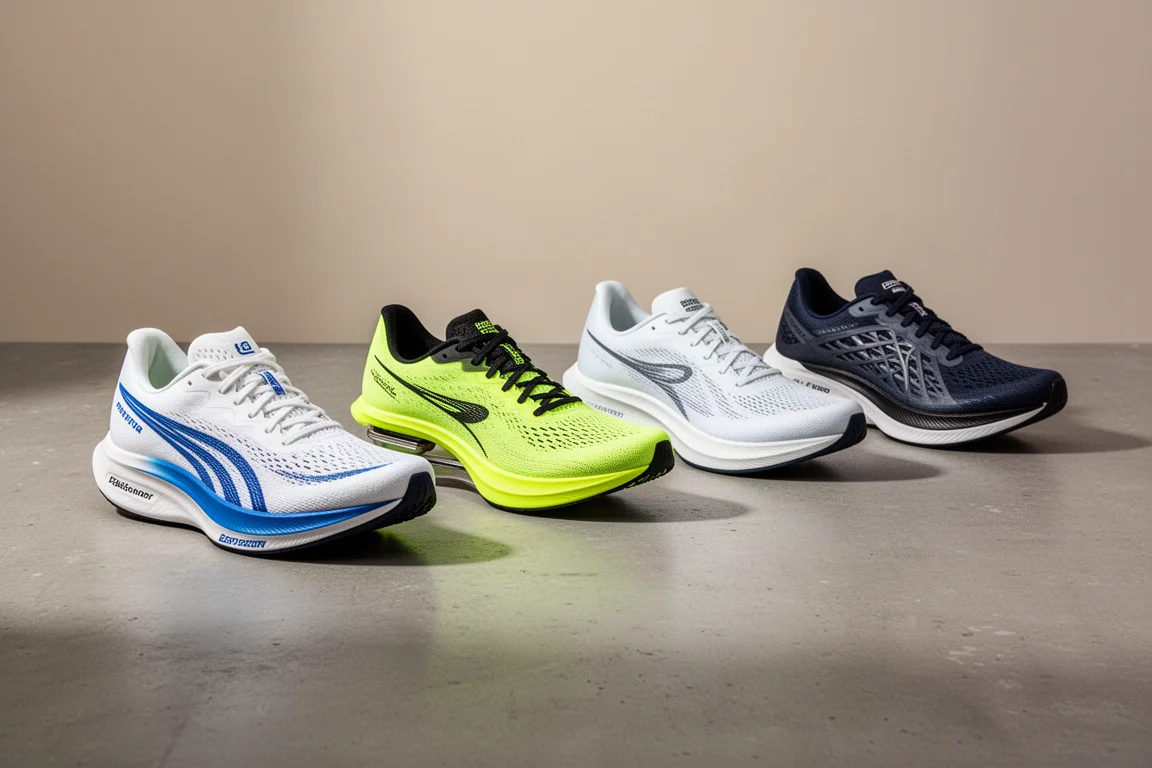
Introduction
Plated running shoes have split into two camps: the ultra-light, ultra-propulsive race-day rockets and the more forgiving, more versatile plated trainers that regular runners can actually live with. The Reebok Floatride Energy X sits firmly in the second camp, and it does so at a price that undercuts much of the competition by a wide margin.
This comparison looks at how the Energy X holds up against four of the most talked-about plated and part-plated shoes: the Nike Vaporfly Next% 2, the Asics Metaspeed Sky, the Saucony Endorphin Speed 2, and the Adidas Adizero Adios Pro.
Reebok Floatride Energy X: The Value Contender
The Floatride Energy X is a breath of fresh air in terms of price, build, comfort, and propulsion. On faster interval work at half marathon pace, it feels genuinely quick, and it holds that feel at marathon effort too. The Floatride-based midsole pairs with a plate for a compressive, forgiving ride that keeps some snap in the forefoot when you push the pace.
Where the Energy X really earns its place is underfoot stability and comfort. There is more surface area through the arch and into the heel than most racing shoes here, a wider base, and a much roomier landing zone. Runners who overpronate will likely find it more accommodating, and it works for a broad range of paces from 10K to the full marathon.
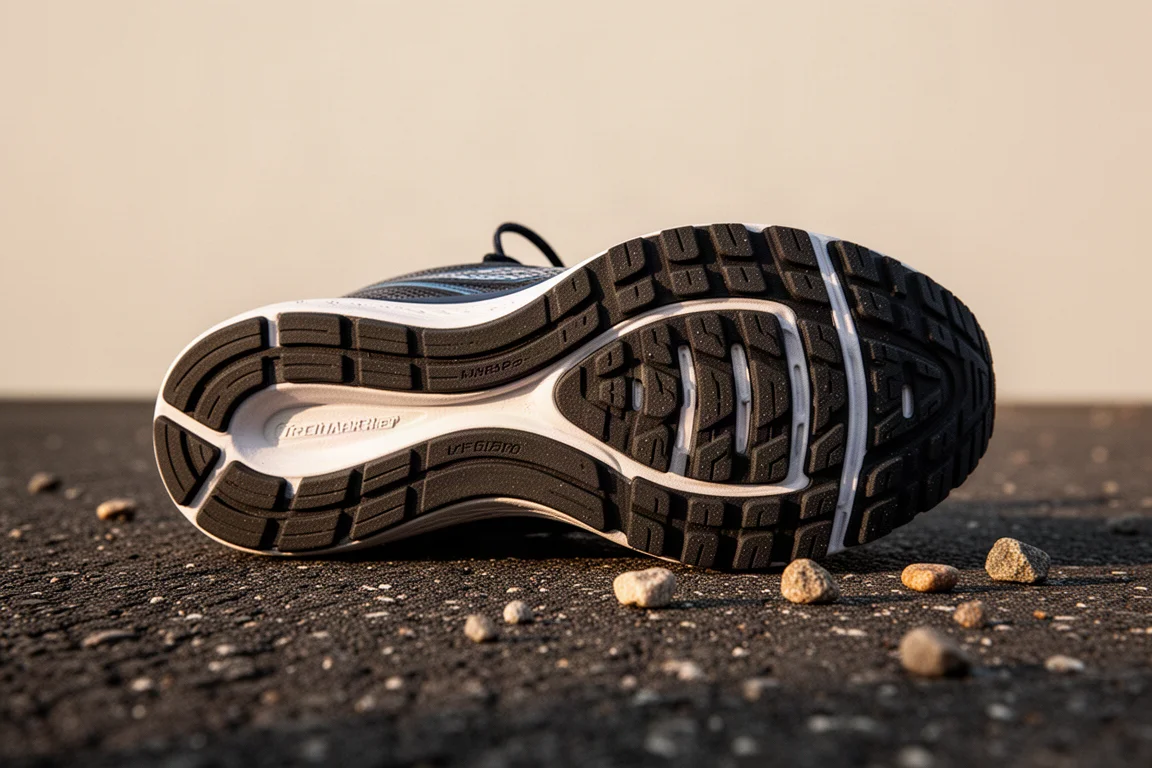
The outsole has proven notably durable, with no issues of stones or sharp debris embedding in the rubber. The Flexweave upper is containing and fits well, with an asymmetric lacing system and a nicely padded tongue, though the tongue can slip toward the lateral side on some runs. The heel collar is generously cushioned and the heel is wider and bulkier, which will either attract or put off runners depending on what they want. It is not the lightest or the most propulsive shoe here, but at roughly 58% of the Vaporfly Next% 2’s price, it offers a genuinely different proposition.

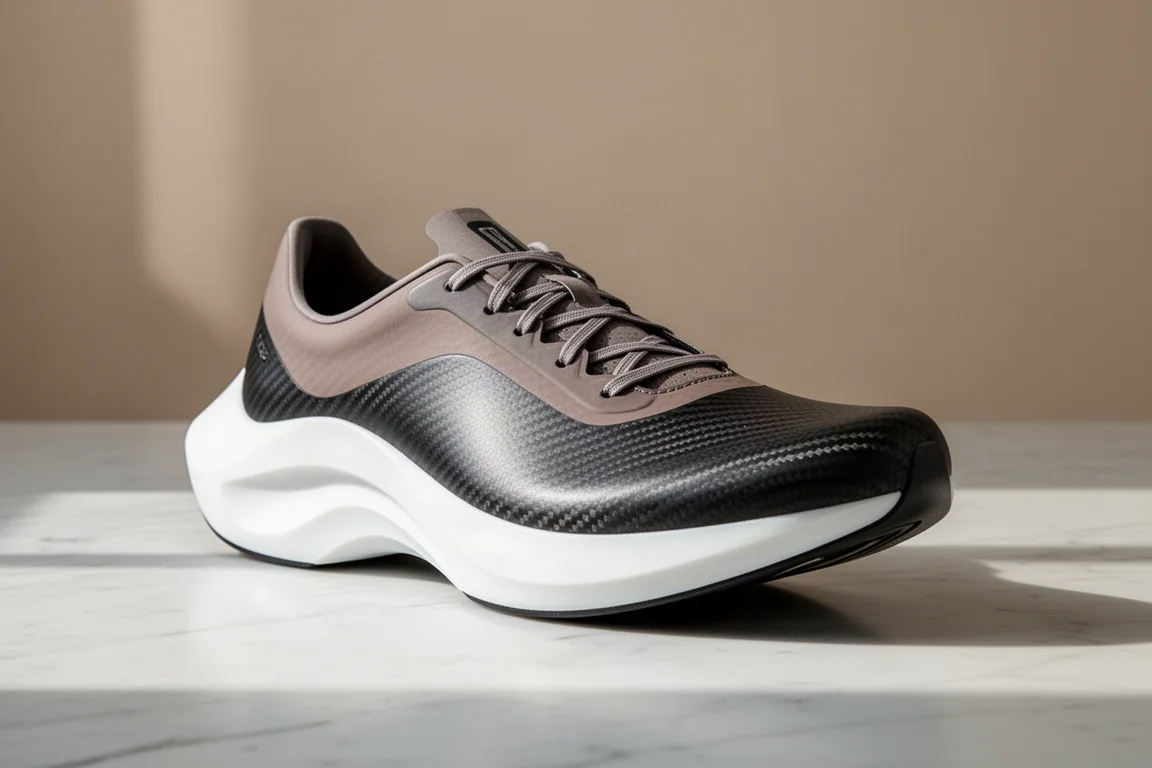
Nike Vaporfly Next% 2
The Vaporfly Next% 2 remains the benchmark for outright speed. The carbon plate and ZoomX-style midsole deliver a noticeably stronger propulsive effect, and the weight difference between it and the Energy X is considerable. Over long distances, it is also undeniably a bit more forgiving than its aggressive character suggests.
But it is a more specialised tool. The arch is much tighter, there is less surface area through the midfoot and heel, and plenty of runners pick it up only to find it simply does not work for them. The current ZoomX formula also feels noticeably more rubbery than earlier versions, which has improved its resilience compared with the more brittle foams of the past.
If you want maximum energy return and minimal weight for race day, the Vaporfly still wins. If you want comfort, stability, and a shoe you can use for both racing and faster training, the Energy X is the more practical buy at a fraction of the cost.
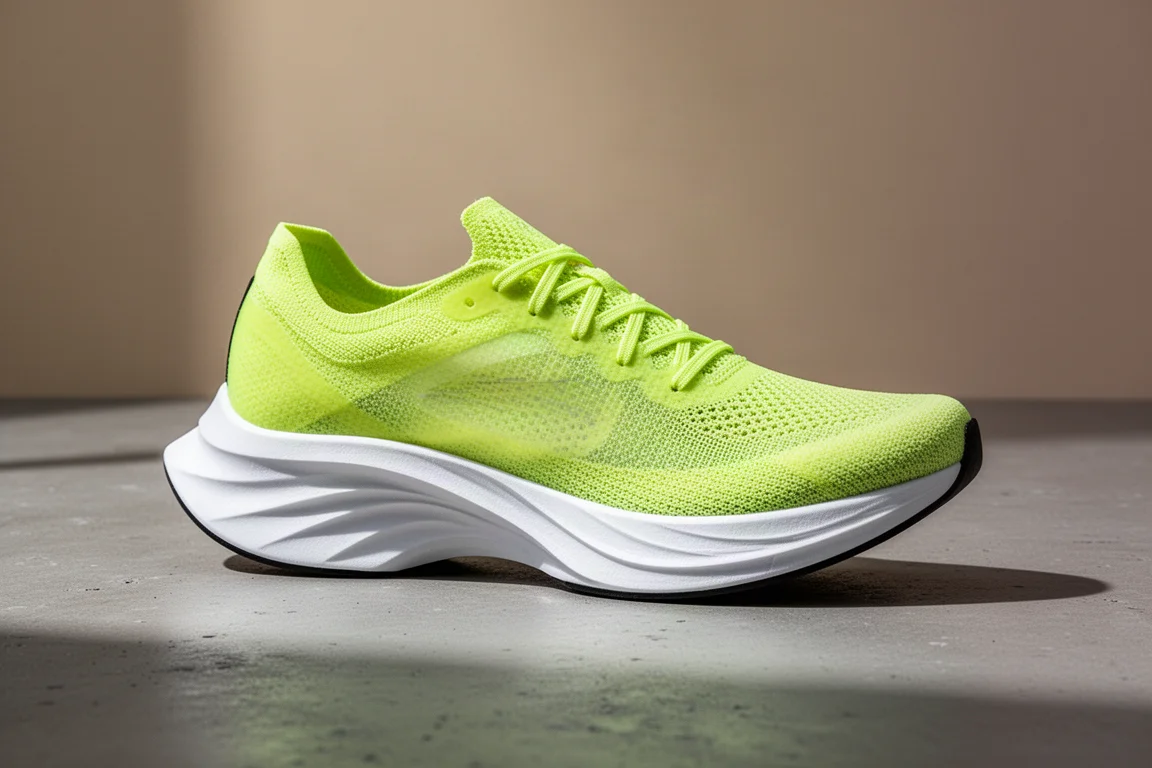
Asics Metaspeed Sky
Compared with the Metaspeed Sky, the Energy X is positively plush. The Asics upper is very simple, much thinner, and uses far less material on top of the foot, which suits runners chasing every gram but leaves less room for comfort.
The Metaspeed Sky is built as a pure race-day shoe, and it shows in the stripped-down fit. The trade-off comes in durability: the Flightfoam Turbo midsole has shown relatively fast degradation underfoot for some runners, and it is not the most resilient material in this group. The Floatride foam in the Energy X is expected to outlast it comfortably.
The Energy X is also far plusher and more forgiving of varied foot strikes. The Metaspeed Sky rewards runners who want a firm, minimal, fast platform, but as an all-round package the Reebok holds its own despite the price gap.
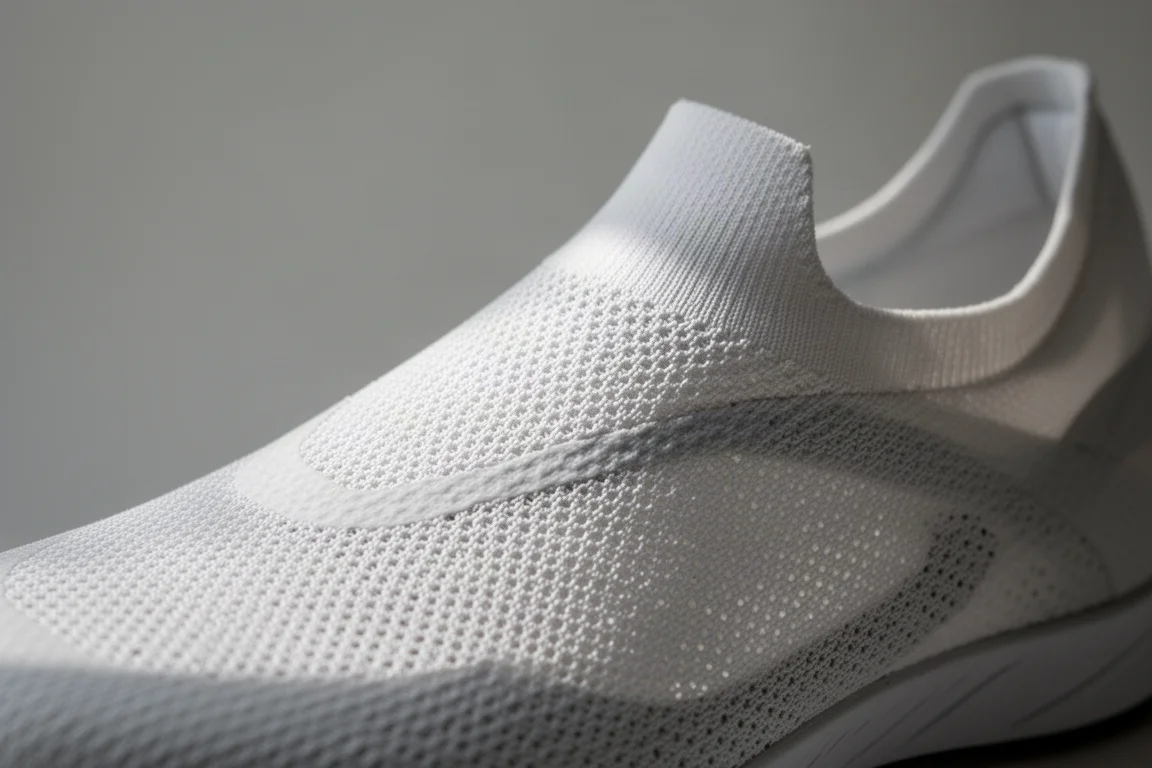
Saucony Endorphin Speed 2
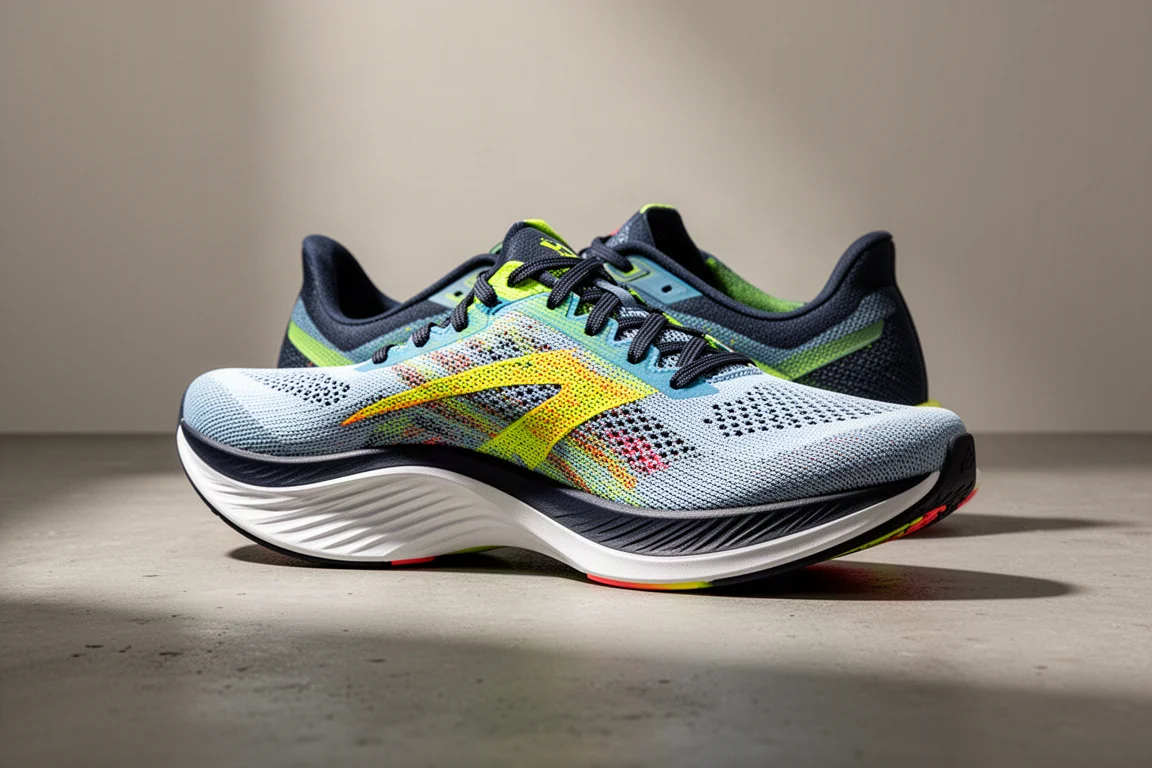
The Endorphin Speed 2 is the versatile all-rounder of this group, and it carries a roughly 40-gram weight advantage over the Energy X in typical sizing. Its nylon plate, rather than carbon, gives the midfoot and forefoot more flex, making the ride a touch more forgiving and less rigid. The PWRRUN PB-based foam is light, springy, and has proven durable, and many runners happily use the Speed 2 as both a marathon trainer and a racer.
The Floatride foam in the Energy X feels more squashy and compressive by comparison, and the extra weight arguably suits slower, longer runs by keeping the pace honest. The Speed 2’s outsole could be better, but its versatility is hard to match.
At £155, the Endorphin Speed 2 costs around £25 more than the Energy X. That premium buys lighter weight and more pop, and for many runners it will feel worth it, but the gap is closer than the price suggests.
Adidas Adizero Adios Pro
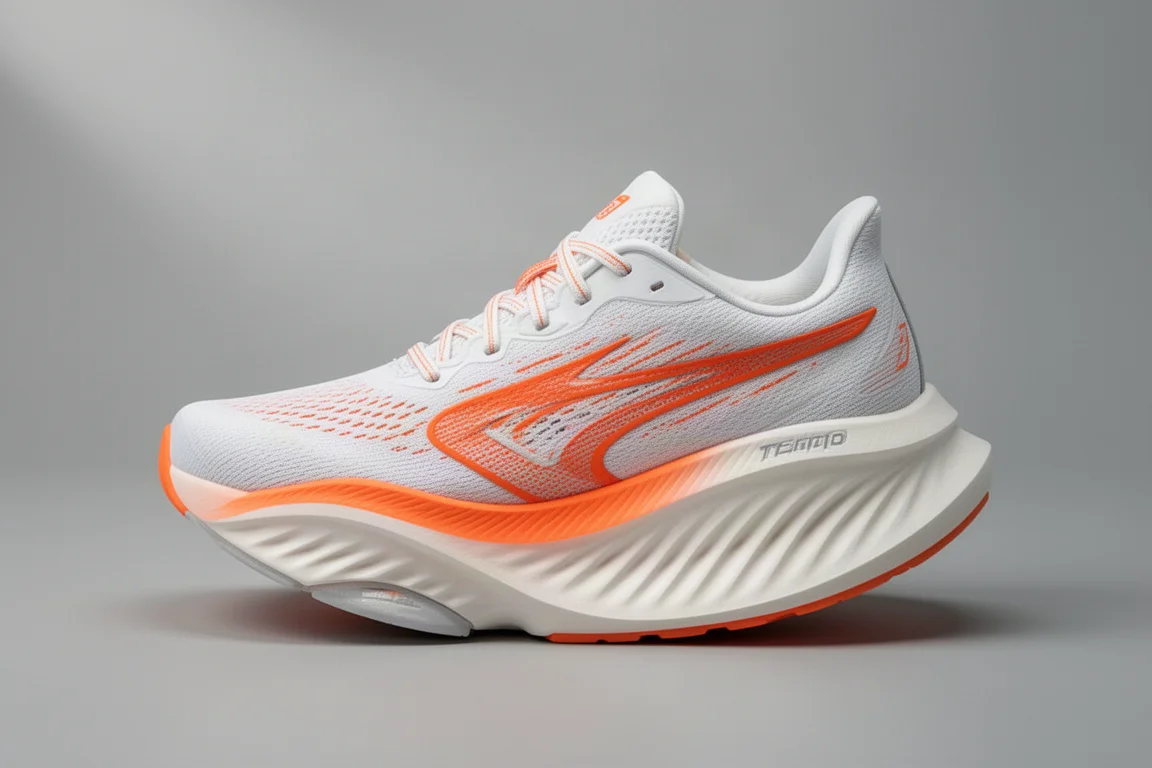
The Adizero Adios Pro was Adidas’ first carbon plate model, and its ride is not all that different from the Energy X. It is less harsh and aggressive than many carbon-plated shoes of its era, taking a more subtle approach with a caged Boost midsole wrapped in Lightstrike material, an innovative sandwich of foams for its time.
Nearly two years on from its release, the technology has aged. The Floatride material in the Energy X is a bit more compressive than the Lightstrike and Boost combination, and the Energy X represents a clear design leap forward, as you would expect from the newer shoe.
Where the Adidas still excels is the outsole. The Quickstrike-style rubber on the forefoot and midfoot remains among the best in the business, and it is the one area where the older shoe convincingly holds its own. Both shoes share a similar forefoot plate sensation with a little more pop as you throw more energy at them, which is fitting given the companies’ shared history.
Buying Advice: Which One Should You Pick
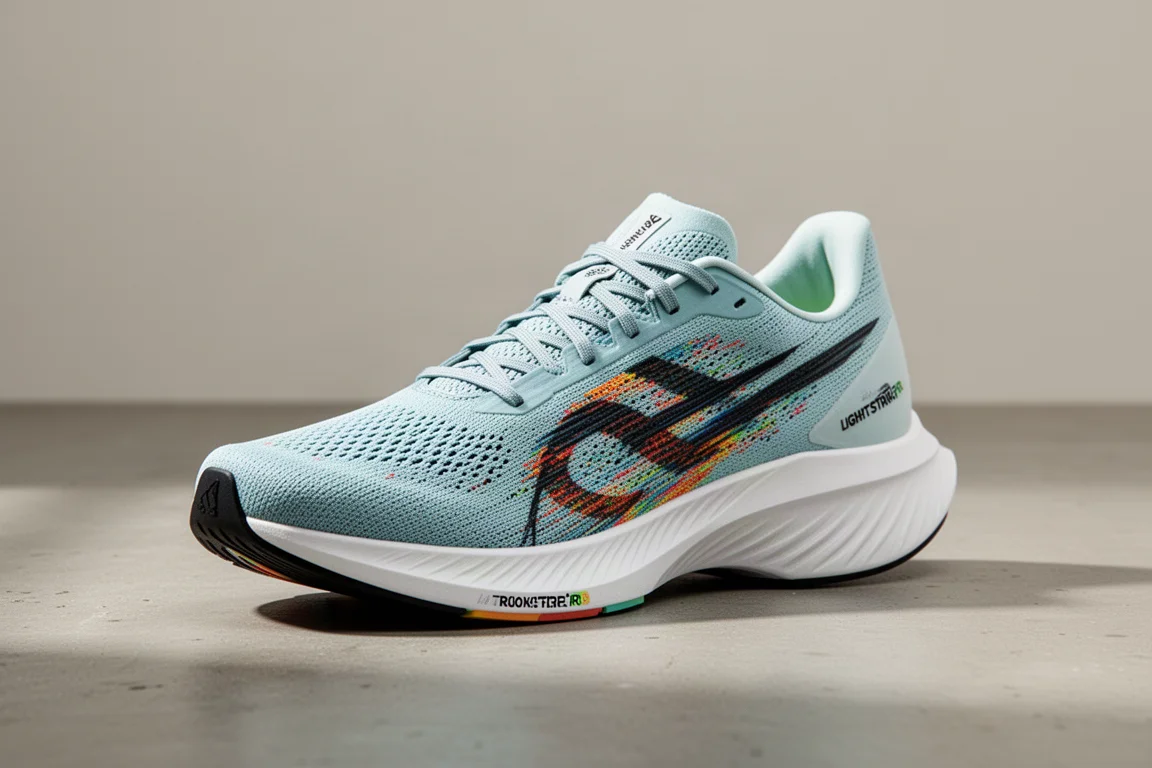
If your priority is out-and-out speed and the lowest weight for race day, the Vaporfly Next% 2 and Metaspeed Sky are the dedicated tools, accepting that both have firmer, less forgiving fits and durability question marks in the foam. The Saucony Endorphin Speed 2 remains the most versatile shoe here if you want one shoe to train and race in, provided you are happy to pay a little more.
For everyone else, and especially recreational and club runners shopping on value, the Floatride Energy X is a real steal at its retail price. It is a fraction of the cost of the top carbon racers, more stable and comfortable underfoot, durable in the outsole, and genuinely quick at 10K through marathon distances. It is not trying to be a Vaporfly killer; it is its own thing, and that is exactly why it works.
Conclusion
The Reebok Floatride Energy X proves that a plated racing shoe does not have to cost premium money or sacrifice comfort and stability to be genuinely fast. The Vaporfly Next% 2 and Metaspeed Sky still lead on pure speed and weight, the Endorphin Speed 2 leads on versatility, and the Adizero Adios Pro still has the best outsole grip. But for the majority of runners who want a comfortable, stable, quick shoe for everything from 10K to the marathon, the Energy X is the value pick of this group.
Further reading
Related Reviews

Running Shoes
Best Road-to-Trail Running Shoes: Three Versatile Options for Mixed Terrain
A practical guide to three road-to-trail running shoes that handle both pavement and mild trails, with clear strengths and trade-offs for different runner types.

Running Shoes
Best Running Shoes for Achilles Tendonitis: Three Options Explained
Three running shoes with different heel drops and support features designed to help reduce Achilles tendon pain during walking and running.

Running Shoes
Best Running Shoes for Women: Five Top Choices Ranked
A ranked guide to five women's running shoes, from versatile daily trainers to high-performance racing options, with real strengths and trade-offs for each.