Trail Running Shoes
Reebok Floatride Energy Adventure 4 Review: A Nimble Road-to-Trail Option
A lighter-weight trail shoe with deeper lugs, a snug secure upper, and a flexible Floatride Energy ride that handles road-to-trail days with ease.
Introduction
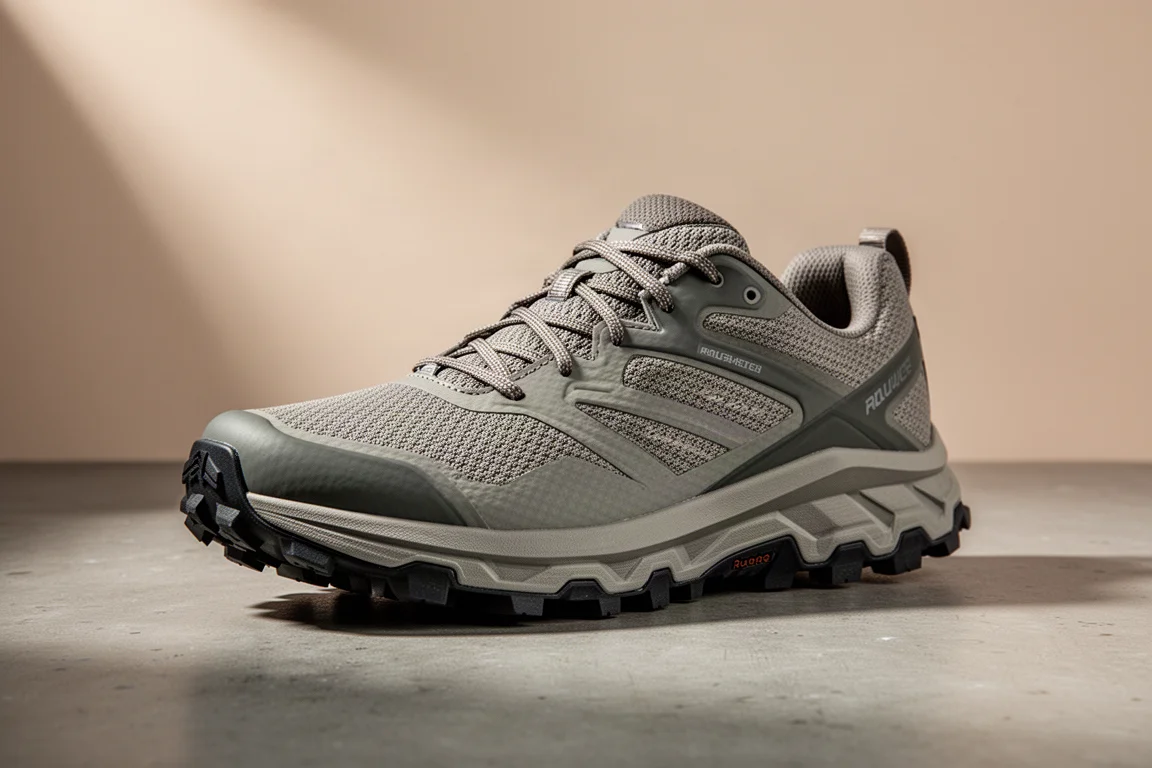
The Reebok Floatride Energy Adventure 4 is the newest update to Reebok’s lighter-weight trail shoe, and this version brings meaningful changes where it counts: a revised upper and a new outsole with deeper lugs. It positions itself as a versatile option for runners who mix road and trail, rather than a specialist for the most aggressive terrain.
After initial miles in the shoe, the picture that emerges is of a nimble, flexible, comfortable trail trainer that favors flow over max stability. Here’s what to know before buying.
Traction and Outsole
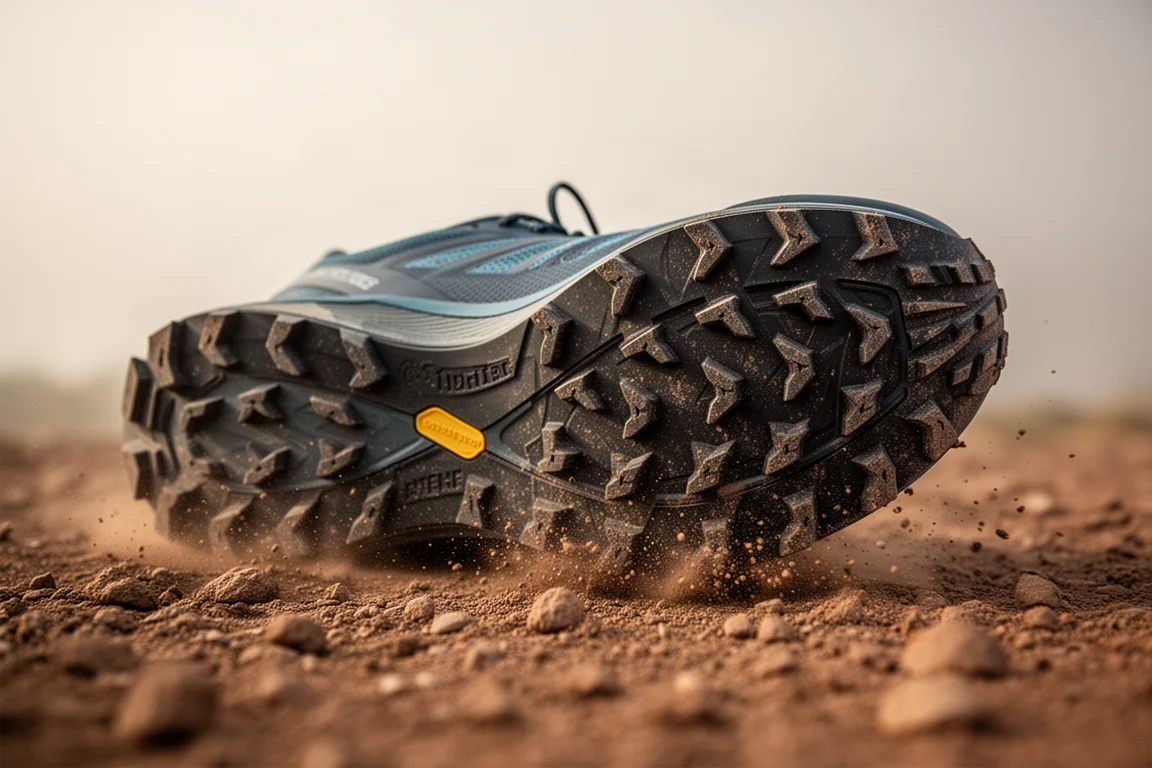
The most visible update is the outsole. The lugs are deeper than before, and they grip noticeably better across a variety of trail surfaces. That said, this is not built for the most aggressive trails out there; it performs best on the majority of more moderate trails.
The clever part is that the added grip does not come at the cost of road comfort. The shoe still transitions well from pavement to dirt, which makes it a genuinely practical choice for road-to-trail running, especially in areas where routes start on tarmac.
Ride and Cushioning
The full-length Floatride Energy foam remains, delivering a solid cushioned ride rather than a super bouncy one. It is comfortable underfoot and well suited to mixed surfaces, though the cushioning feel gets somewhat muted on trails.
Weight is reasonable for a shield trail shoe on the lighter side: a men’s size 10 measured around 10 ounces, which puts a size 9 roughly in the mid 9.5-ounce range. The drop is estimated around 9 millimeters based on feel, with no confirmed official specs.
The flexibility here is a genuine surprise for a modern trail shoe. With so many options built around plates and thicker midsoles, a lighter, more flexible ride with a slightly higher drop stands out. It is not the most stable platform, but it is solid and nimble enough for quick turns and quick feet on varied trail surfaces.

Upper, Fit, and Comfort
The upper is one of the strongest aspects of this update. It is fairly thick, so it can take on reasonably solid terrain, and it fits snug in a way that adds a secure feel. The platform is fairly narrow, which suits runners who do not need maximum width or stability.
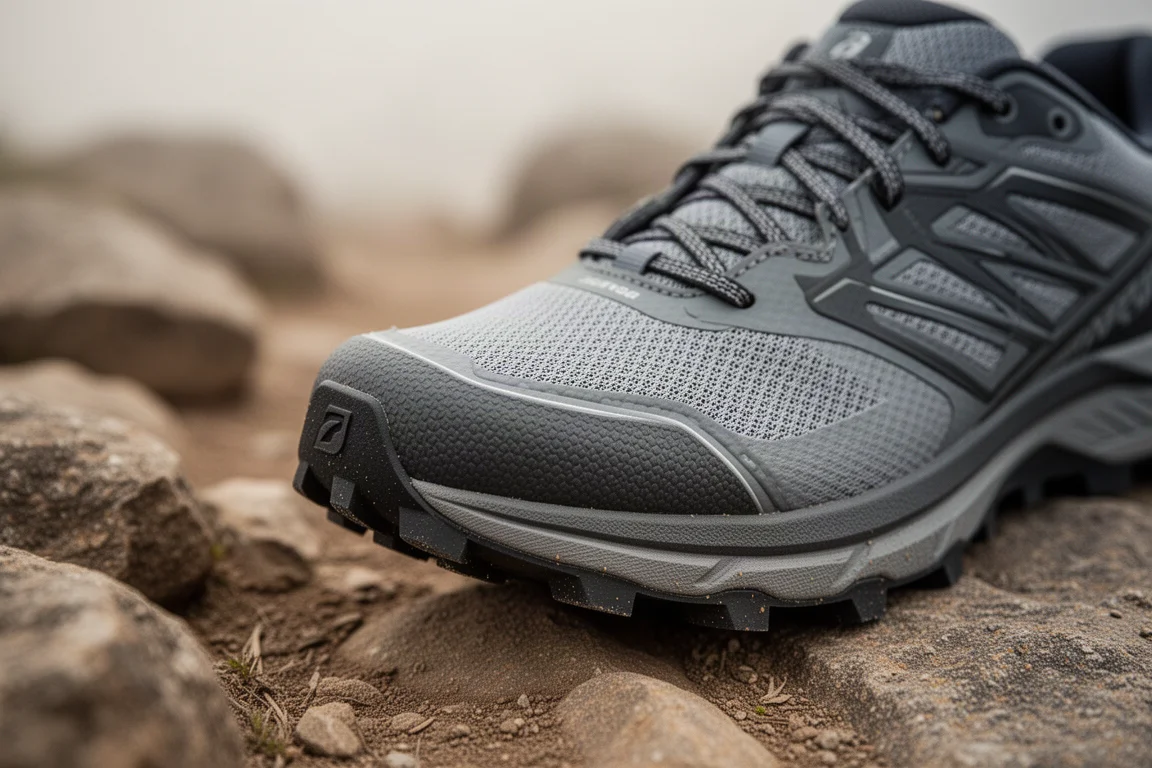
The toe guard raised some initial concern about irritation, but it turned out to be comfortable from the first wear and actually contributes to a more secure ride. No sock adjustment was needed to settle the fit.
Who This Shoe Is For
The Adventure 4 works well for two types of runners. First, those who want a lightweight trainer for the trail, especially one that can also handle road sections without complaint. Second, runners looking for something nimble enough to double as a racing option on less technical courses.
It suits runners who want a lighter-weight, more flexible ride with a slightly higher drop, and who run mostly on moderate trails rather than the most aggressive terrain. Runners who prioritize maximum stability may want to look elsewhere.
Things to Consider Before Buying
Stability is the main trade-off. The platform is fairly narrow and the shoe is not super stable, so runners still working on stability may notice it. The lack of confirmed official specs is also worth noting, since weight and drop figures here come from measurement and feel rather than published data.
Buying Advice
If your running mixes pavement and dirt, and you want one shoe that handles both without feeling like a compromise on either, the Floatride Energy Adventure 4 is an easy recommendation. Its combination of deeper lugs, road-friendly manners, comfortable Floatride Energy cushioning, and a snug flexible upper makes it one of the more versatile lighter-weight trail options around.

Conclusion
The Reebok Floatride Energy Adventure 4 delivers on its promise as a lighter-weight trail shoe: deeper, better-gripping lugs, a secure and comfortable upper, and a flexible cushioned ride that still handles road sections well. It is not the most stable or the most aggressive trail shoe, but for road-to-trail runners who value nimbleness and comfort, it is a compelling update worth a close look.
Product link
View more details for Reebok Floatride Energy Adventure 4
This product is mentioned in the review. Check the specifications, options, and compatibility before buying.
View more details for Reebok Floatride Energy Adventure 4Further reading
Related Reviews
Trail Running Shoes
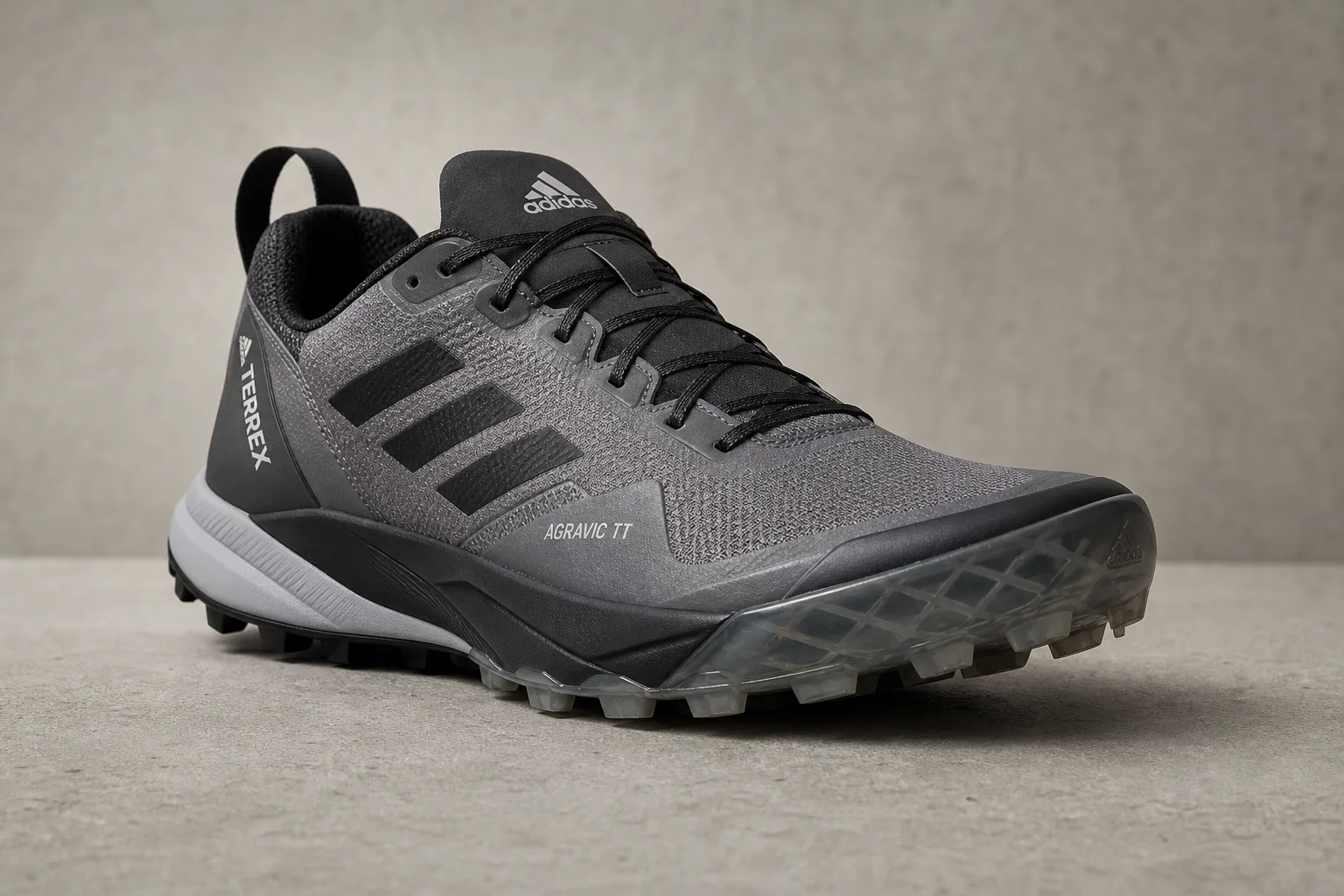
Adidas Terrex Agravic TT Review: A Technical Trail Shoe Built for Rocky Terrain
The Adidas Terrex Agravic TT combines a full-coverage rock plate with a firmer midsole to deliver protection and stability on technical, rocky trails. A capable choice for runners who prioritize underfoot defense over lightweight cushioning.
Trail Running Shoes
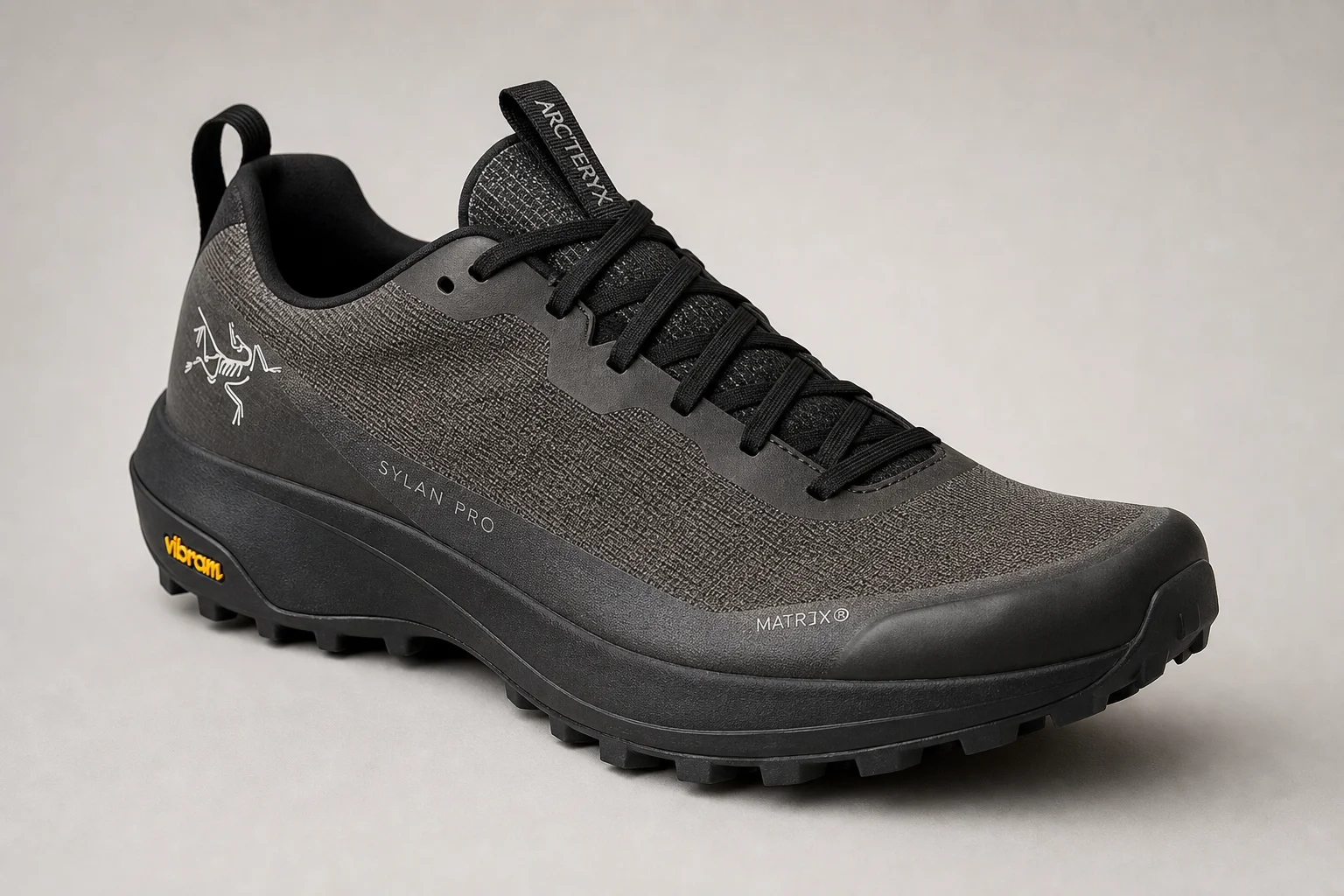
Arc'teryx Sylan Pro Review: A Rocker-Focused Mountain Running Shoe Tested on 20 Miles
The Arc'teryx Sylan Pro brings a pronounced rocker geometry and secure fit to mountain terrain. We tested it on a 20-mile Sawtooth loop to evaluate its climbing efficiency, protection, and handling of technical descents.
Trail Running Shoes
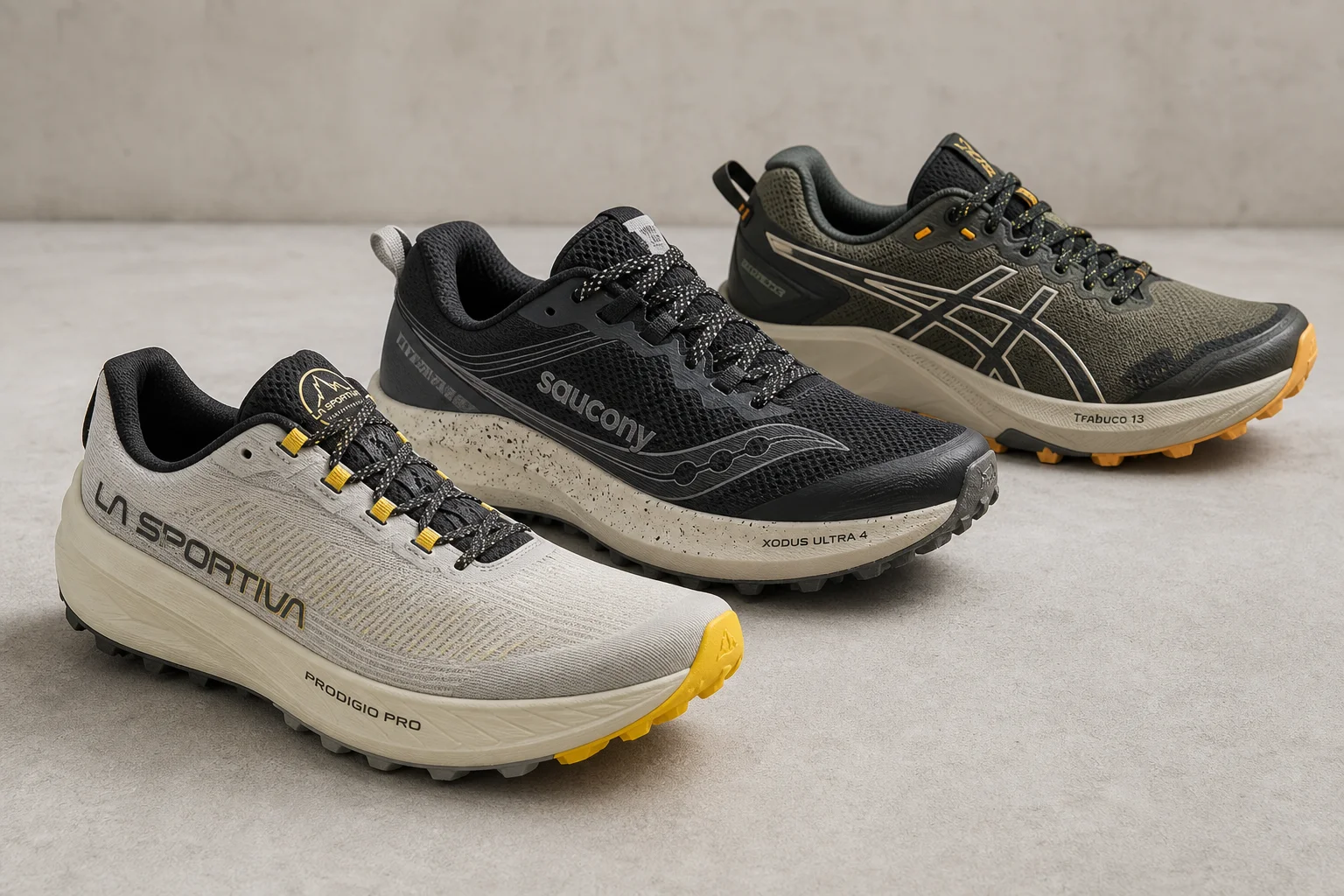
Best All-Mountain Trail Running Shoes: Three Versatile Options for Any Trail
A focused roundup of three all-mountain trail running shoes that handle technical terrain, long distances, and variable conditions with real strengths and practical trade-offs.