Running Shoes
Reebok Floatride Energy 5 Review: A Budget Daily Trainer That Punches Above Its Price
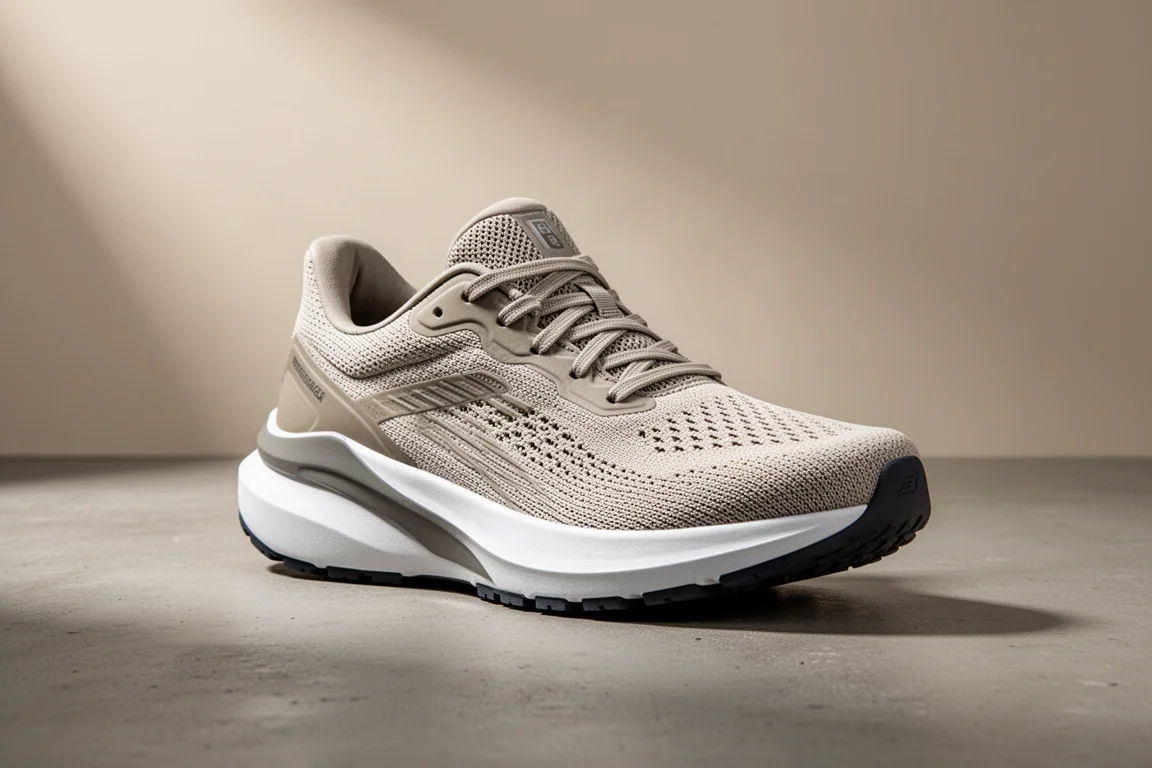
The Floatride Energy 5 adds a midfoot X plate, a wider and taller midsole, and a more structured heel, all while keeping its $110 price tag. Here is how it performs on the road.
Introduction
Budget daily trainers tend to follow a predictable formula: an okay fit, an okay ride, and durability that outlasts everything else. They are built for mass appeal, designed not to annoy any particular type of runner, and rarely excite anyone. The Reebok Floatride Energy 5 breaks that mold. At $110, it delivers a ride and cushioning experience that genuinely does not feel like a budget shoe in any dimension, and it does so with more real changes than most budget shoes ever get.
What Changed in Version 5
Budget running shoes usually stay the same year after year, with just a new number slapped on. Version 5 is different, with several meaningful updates. The most obvious is a new piece of plastic at the bottom of the shoe, which Reebok calls the midfoot X plate. Unlike plates marketed as propulsion aids, Reebok positions this one for torsional stability. It sits mainly under the arch, visible through gaps in the outsole rubber, and keeps the shoe from twisting too much when your foot hits the ground.
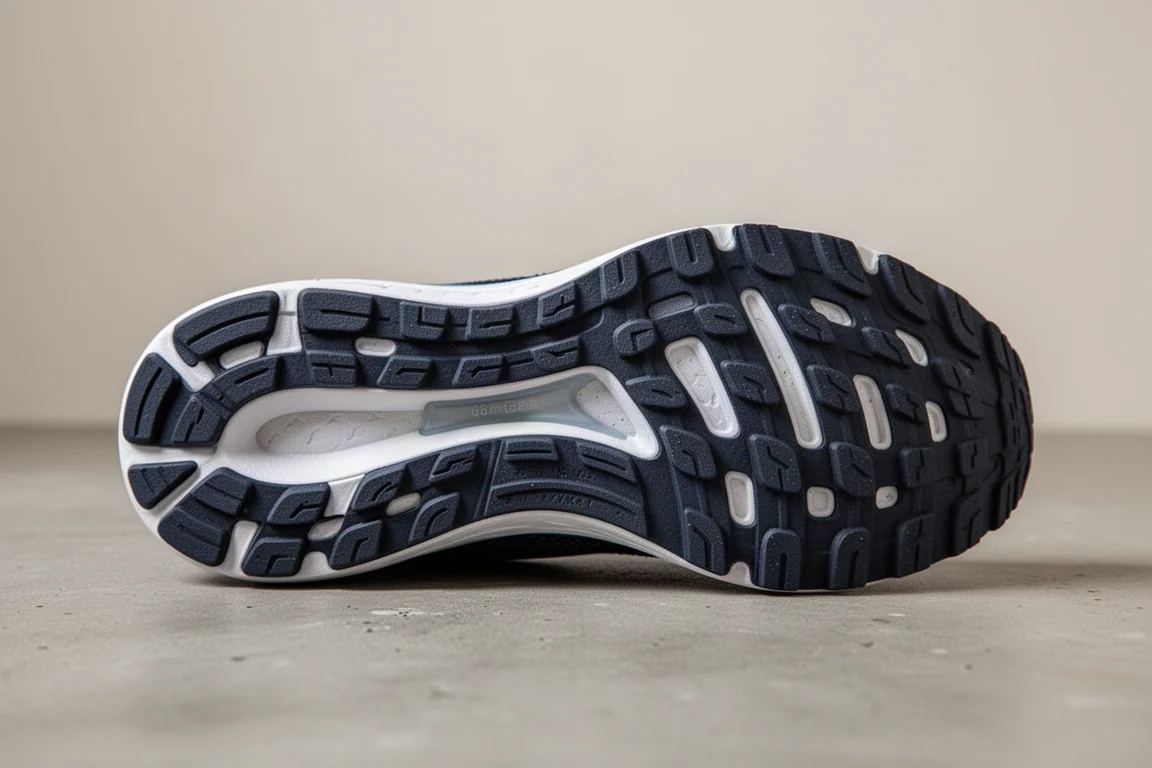
The midsole has also changed. The Floatride Energy foam compound itself is reportedly the same, but Reebok has widened the base and increased the stack height, adding stability and more cushion to land on. The drop is 8 mm. The outsole rubber appears to be largely the same in a slightly updated pattern, and the whole shoe comes in at 9.4 oz (266 g).
How It Rides
This is where the shoe earns its keep. The forefoot provides a nice amount of cushion, absorbing impact on every foot strike, and the foam decompresses nicely on push-off in a way that does not feel like a budget shoe at all. The best compliment for the Floatride Energy 5 is that it punches well above its weight class on performance versus price.

It is also a genuinely accessible shoe. It works for seasoned marathoners, runners returning to the sport, and people lacing up for the first time, and it fits easily into a routine of running a few times a week, walking, casual wear, or standing around at work.
Fit and Upper
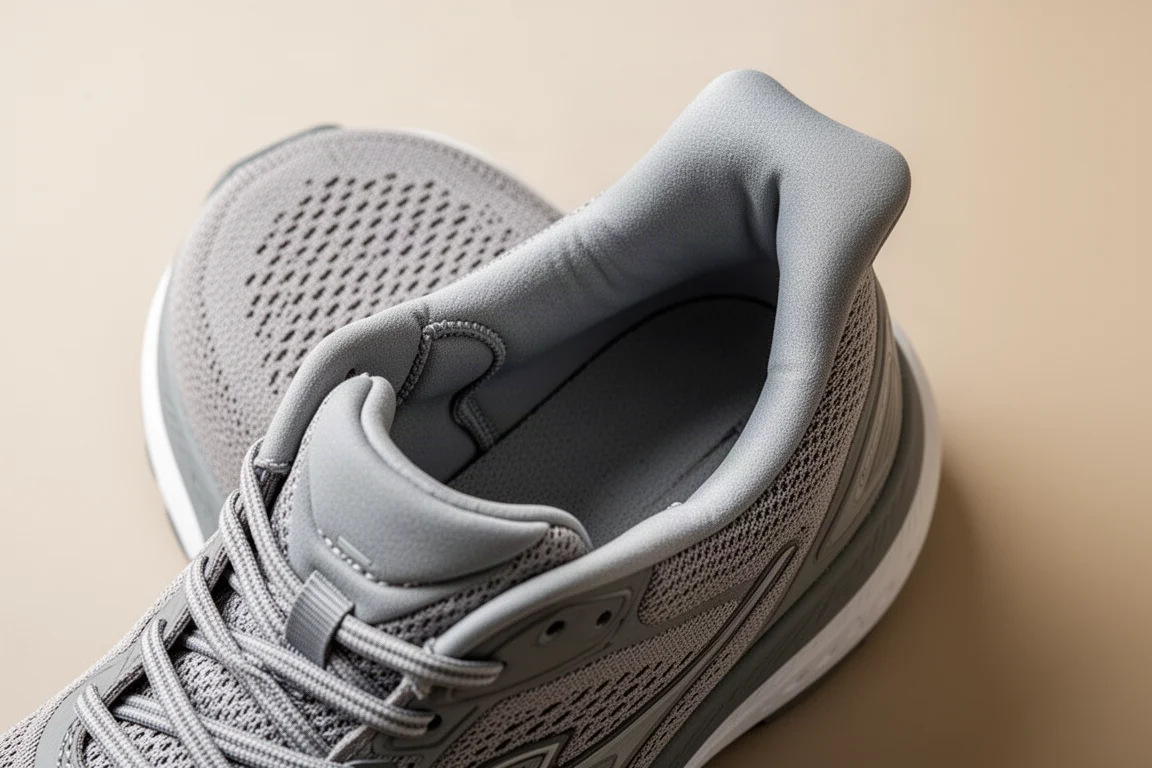
The fit runs true to size; the standard size used across other running shoes worked here without adjustment. The upper is a breathable dual-layer mesh with a gusseted tongue that is light on padding, which is exactly what most runners want.
The heel has more structure this time around. It is not rigid, but the padding at the back has been upholstered in a way that feels plush and comfortable rather than puffy. The Achilles flare has also been extended slightly. Two small quirks to note: the shoes arrived very tightly cinched, so the lacing needed loosening all the way down through the first couple of runs, and once loosened to a comfortable setting, there is just enough lace left for a small single bow rather than a full double knot.
Who This Shoe Is Best For
The Floatride Energy 5 is best for any runner looking for a reliable daily trainer at a fantastic price. The key point is not that it is good for a budget shoe. It is a really good shoe that happens to fit a lot of people’s budgets. If it ends up being your one and only running shoe, used for a few runs a week plus everyday wear, it is a very fine option.
Buying Advice
The shoe has been out for a couple of months, so expect the full $110 retail price at Reebok and major online running retailers, though select sizes have started appearing under $100, which is a fantastic deal. That matters because daily trainer prices have crept up: the typical price is now around $130 to $140 rather than the old $120 standard.
If you are comparing options, two shoes are worth a look. The New Balance FuelCell, in its version 4, is another $110 budget daily trainer with two layers of FuelCell racing foam and a plate sandwiched between them, so if you are looking at one, you should look at the other. The Adidas Adizero SL retails for $120, just $10 more, and combines a daily training foam with an insert of racing foam in the forefoot for a more premium feel. Its pricing is erratic though, sometimes $120, sometimes on sale well below that, so timing your purchase can make it a serious value alternative.
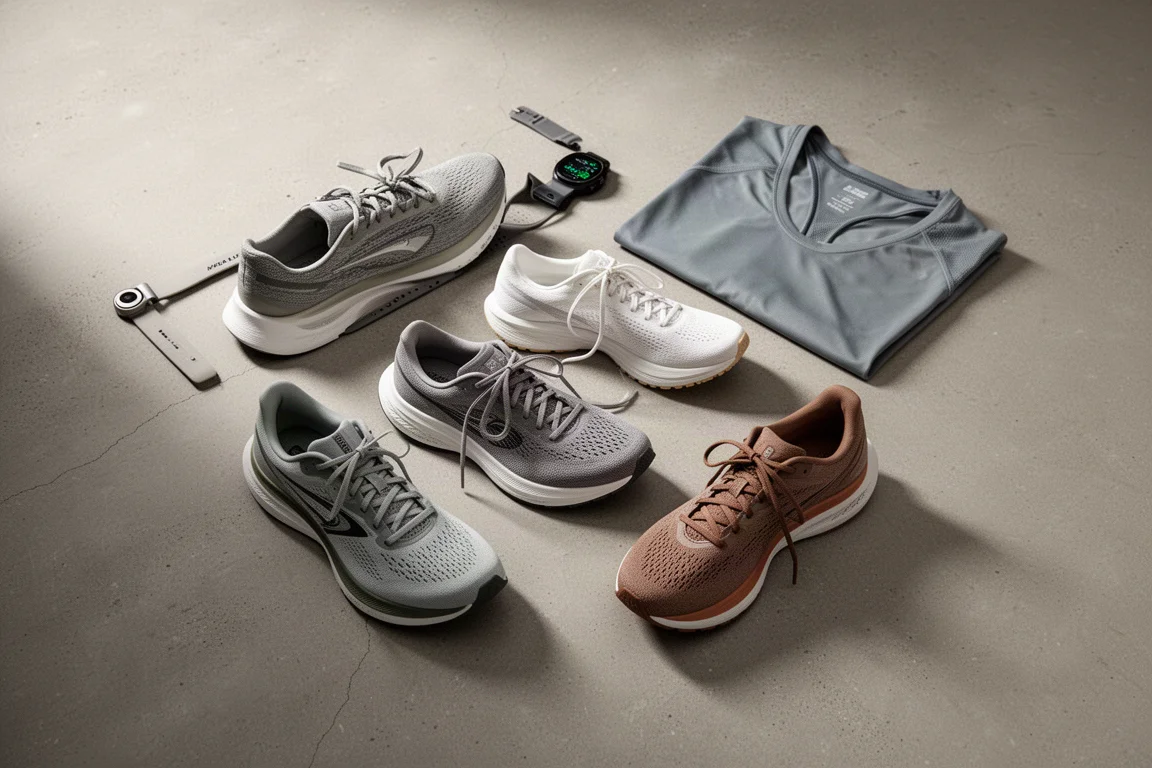
If you like the ride dynamics and want to build a rotation, a race day shoe such as the Saucony Endorphin Pro complements the Floatride Energy 5 well, and the Topo Cyclone 2, with its foot-shaped toe box and plateless race foam, makes a fun speedier option for workouts and early races.
Conclusion
The Reebok Floatride Energy 5 defies the usual expectations for a budget trainer. With a new midfoot X plate for stability, a wider and taller midsole, a more comfortable and structured heel, and a ride that feels a class above its price, it is an easy recommendation for nearly any runner in the market for a dependable daily trainer.
Product link
View more details for Reebok Floatride Energy 5
This product is mentioned in the review. Check the specifications, options, and compatibility before buying.
View more details for Reebok Floatride Energy 5Further reading
Related Reviews

Running Shoes
Best Road-to-Trail Running Shoes: Three Versatile Options for Mixed Terrain
A practical guide to three road-to-trail running shoes that handle both pavement and mild trails, with clear strengths and trade-offs for different runner types.

Running Shoes
Best Running Shoes for Achilles Tendonitis: Three Options Explained
Three running shoes with different heel drops and support features designed to help reduce Achilles tendon pain during walking and running.

Running Shoes
Best Running Shoes for Women: Five Top Choices Ranked
A ranked guide to five women's running shoes, from versatile daily trainers to high-performance racing options, with real strengths and trade-offs for each.