Running Shoes
Reebok Floatride Energy 4 vs Puma Velocity Nitro 2: The Two Best Value Daily Trainers?
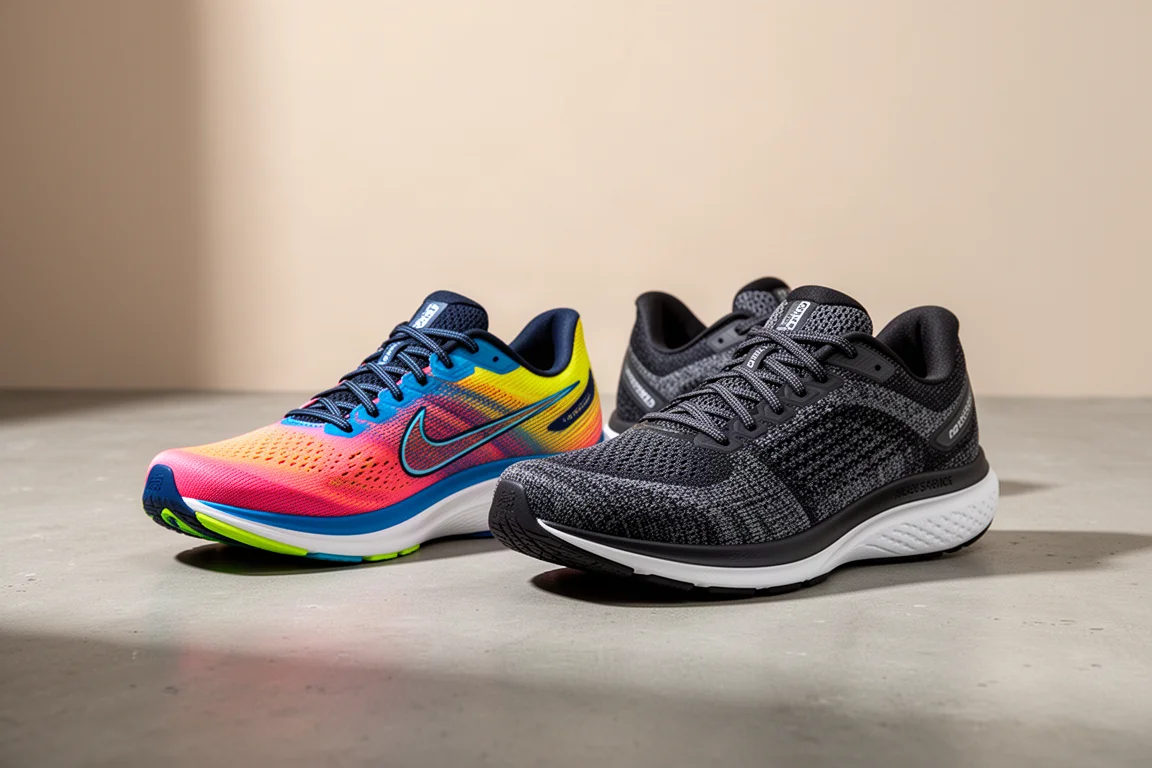
Two of the best value daily trainers go head to head: Reebok's lighter, firmer Floatride Energy 4 against Puma's softer, bouncier Velocity Nitro 2.
Introduction
Value is the thread that ties these two shoes together. The Reebok Floatride Energy 4 has long been a favourite among runners who hunt for bargains, and the Puma Velocity Nitro 2 has built a similar reputation at a slightly higher price. After running in both, they shape up as arguably the two best value daily trainers out there from any brand. Here is how they compare and who each one suits.
Reebok Floatride Energy 4: Lighter, Sleeker, Still a Bargain
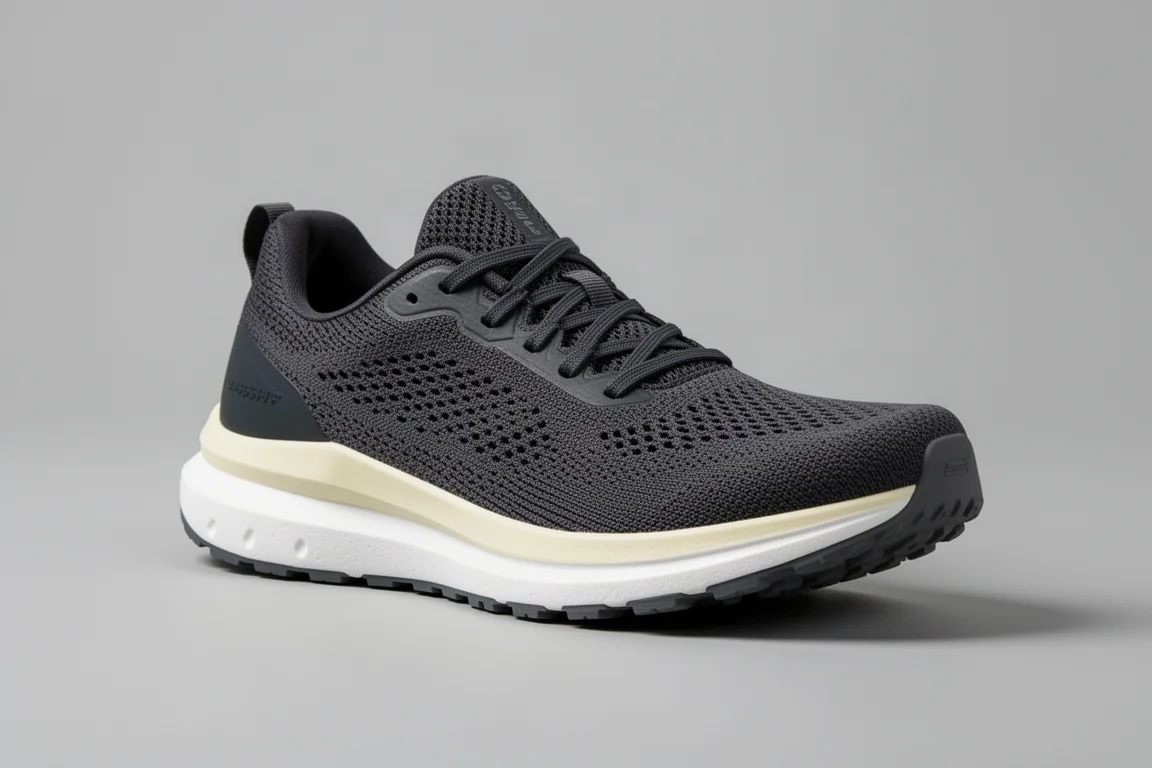
Price is the key stat here: £75 in the UK or $110 in the US. The US price is a $10 rise on last year, but the UK price has stayed the same, and it remains exceptional value for a very reliable daily trainer. It uses a 9mm heel-to-toe drop, and the new version is a fair bit lighter than its predecessor: a UK size 9 now weighs 250g (8.8oz), compared with 268g (9.4oz) in a slightly smaller UK 8.5 of the previous model.
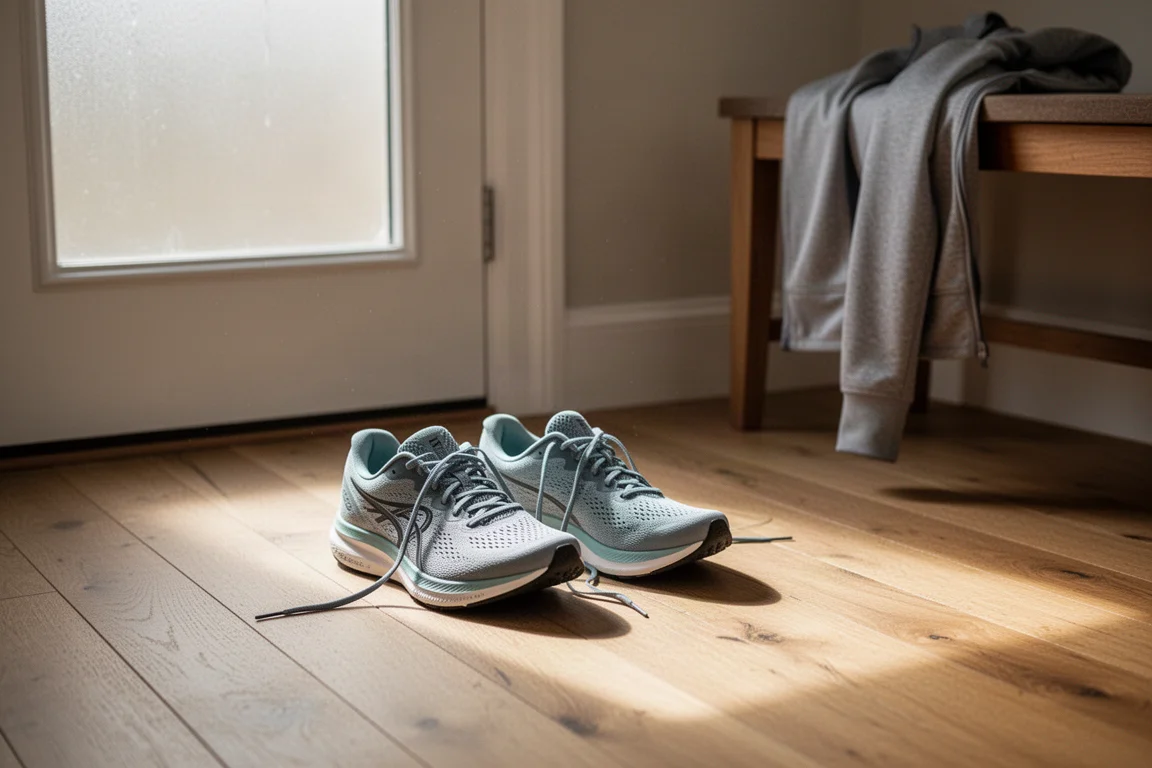
That weight loss comes down to the redesigned upper. Reebok’s SpeedWift-style material replaces the classic mesh of the Floatride Energy 3, and it is thinner and sleeker while seemingly holding the foot better. There is much less padding on the tongue, a slightly reinforced section around the heel with a little heel cushioning, and a stitched-on logo at the back. It is a genuinely good upper update that also makes the shoe better looking.
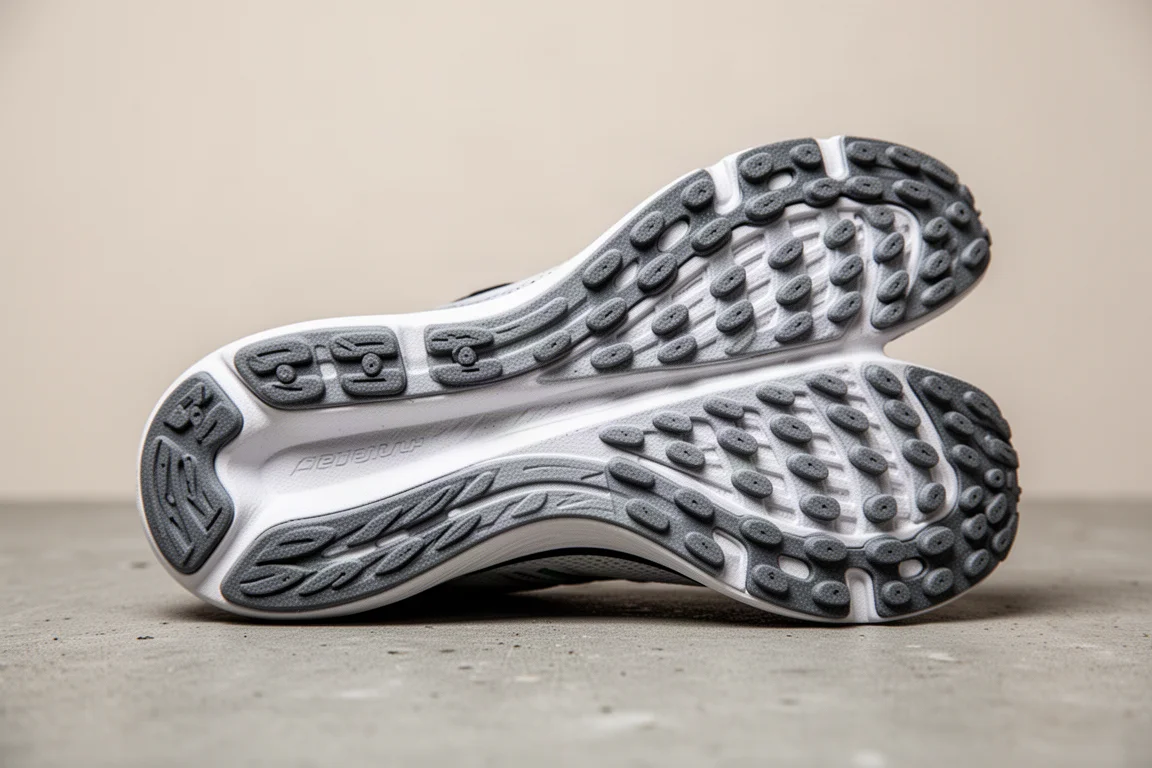
The midsole uses Reebok’s Floatride Energy foam. It is not the softest foam around, but it is not harsh either: comfortable, with a little bounce, delivering a reliable ride with some pop. The carbon rubber outsole carries over unchanged from last year, with small pill-shaped lugs, and the previous version held up well in durability and grip across a good range of conditions, so the same is expected here.
How the Reebok Floatride Energy 4 Feels on the Run
On a first run of about 15 to 16km at easy to steady effort with strides at the end, the shoe impressed immediately. Compared with the Puma Velocity Nitro 2, it is notably a little firmer, but it has a very nice turnover, rolling through the footstrike well, especially uphill. It feels nimbler and faster in its turnover than the previous edition, which is remarkable given the midsole and outsole are essentially unchanged.

The one fit caveat: the tester, a self-described small UK 9 with narrow feet, found a bit too much room in the toe box at that size. The hold around the midfoot and heel is actually better than the previous shoe, but if you fall between sizes and have a narrow foot, going for the smaller half size is a sensible move to avoid excess room at the front.
Puma Velocity Nitro 2: Softer and Bouncier
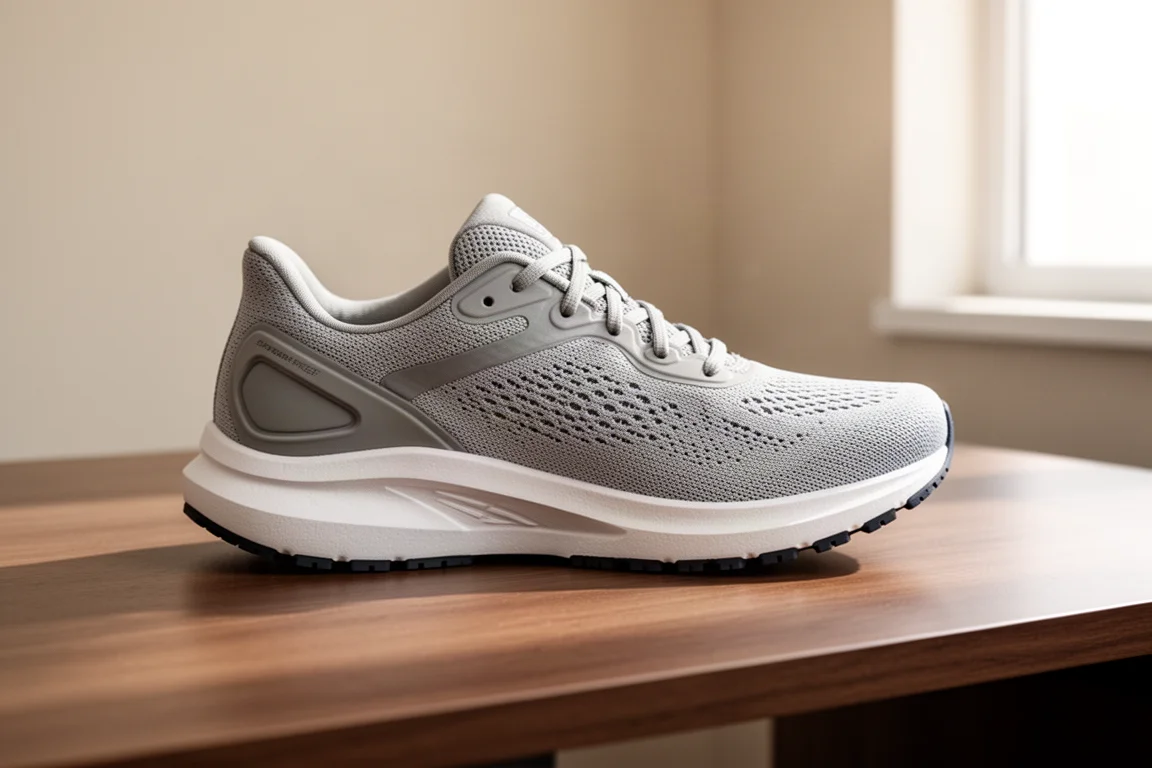
The Puma Velocity Nitro 2 sits a little more expensive at £100 or $120, and the trade-off is a slightly softer ride. Its Nitro foam is a touch bouncier and more responsive, which should make the shoe a bit more useful across a variety of training. The cost of that cushioning is weight: it comes in a little heavier than the Floatride Energy 4. If you prize a plusher, springier feel over out-and-out lightness, this is the one that leans that way.
Which One Should You Buy?
Both shoes land in a similar space: durable, versatile daily trainers that cost far less than many options in the £130 to £150 bracket, and the Floatride Energy 4 in particular does not feel worse than many of those pricier shoes. It even runs better than many of them, and it is usually available with discount codes or in sales, making it one of the best value running shoes available. Its slightly firmer feel will be a plus to some runners and was not a negative over a 15 to 16km run.
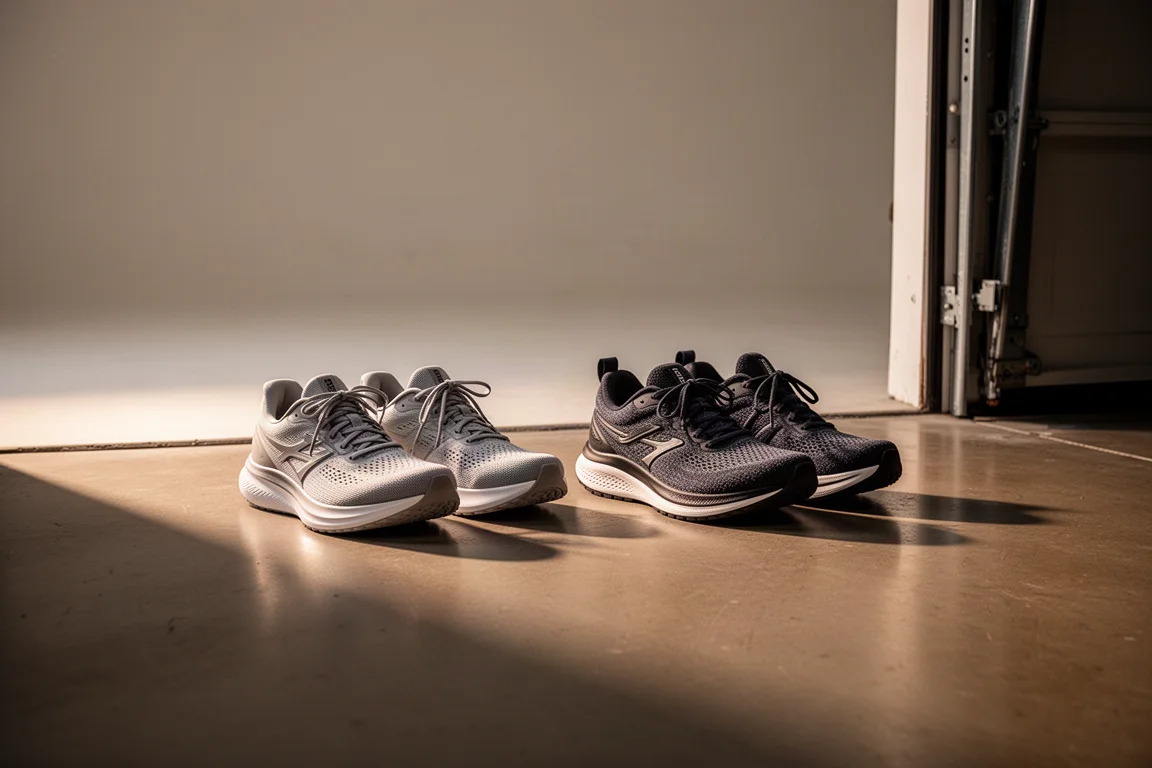
Choose the Reebok Floatride Energy 4 if you want the cheaper, lighter shoe with a nimble turnover, especially if you like a firmer ride. Choose the Puma Velocity Nitro 2 if you are willing to spend a bit more for softer, bouncier foam and a plusher feel across a wider variety of training. Either way, you are getting outstanding value.
Conclusion
The Floatride Energy 4’s upper update turns an already beloved bargain into a lighter, nimbler, better-looking shoe, while the Velocity Nitro 2 counters with a softer, more responsive ride for a modest premium. Between them, they make a strong case as the two best value daily trainers from any brand, and the right pick simply comes down to whether you prefer firm and fast-feeling or soft and bouncy underfoot.
Further reading
Related Reviews

Running Shoes
Best Road-to-Trail Running Shoes: Three Versatile Options for Mixed Terrain
A practical guide to three road-to-trail running shoes that handle both pavement and mild trails, with clear strengths and trade-offs for different runner types.

Running Shoes
Best Running Shoes for Achilles Tendonitis: Three Options Explained
Three running shoes with different heel drops and support features designed to help reduce Achilles tendon pain during walking and running.

Running Shoes
Best Running Shoes for Women: Five Top Choices Ranked
A ranked guide to five women's running shoes, from versatile daily trainers to high-performance racing options, with real strengths and trade-offs for each.