Running Shoes
Reebok Floatride Energy 4: A First-Run Look at a Remarkably Good-Value Daily Trainer
Comfortable straight out of the box, light for a daily trainer, and priced far below most rivals. Here is how the Reebok Floatride Energy 4 performed on its first road run.
Introduction
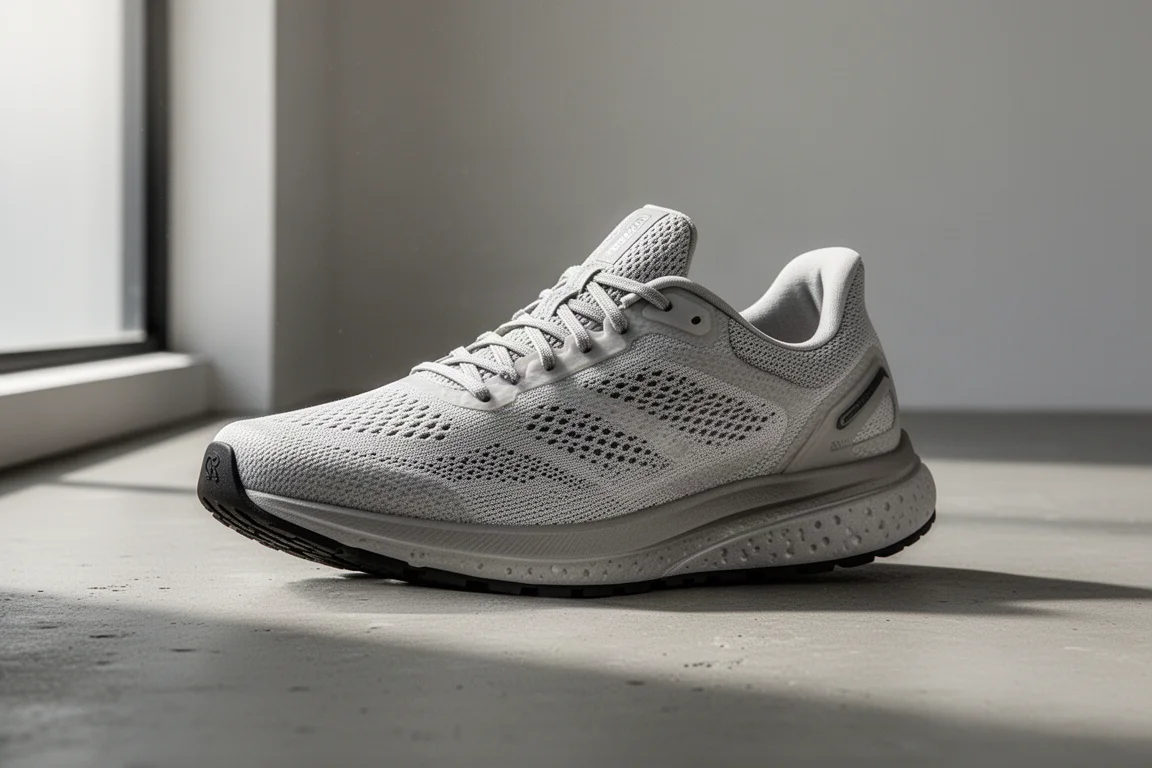
Reebok’s running shoes have quietly built a strong reputation in recent years: comfortable to run in, genuinely functional, and easy on the wallet. The Floatride Energy 4 is the latest neutral daily trainer to carry that flag, and after a first run of just over eight miles, it is easy to see why the brand keeps coming up in conversations about value.
In a market where running shoe prices have climbed rapidly thanks to carbon plates and new foam compounds, this shoe feels like a breath of fresh air. It retails for £75 in the UK, which alone undercuts a huge portion of the daily trainer field. With a quick online search for a Reebok discount code, that price dropped to £56.25, which borders on absurd for the quality on offer.
First Look and Price
Straight out of the box, the Floatride Energy 4 looks and feels like a shoe priced well above its bracket. The detailing on the upper is genuinely nice, the outsole is full rubber, and the embroidered branding on the heel cup suggests careful construction rather than cost cutting. If asked to guess the price blind, most people would land somewhere around £120 to £125.
The spec sheet holds up too. In a UK 9.5, the shoe weighs a light 268 grams, runs on a 9mm heel offset, and uses at least 30 percent recycled or repurposed materials in its construction, a welcome touch in this day and age.
First Run Experience
The plan was a steady 10k on quiet, flat roads, and the shoe made a strong impression from the very first mile. Comfort straight out of the box was excellent: plush around the foot, with no break-in needed and no hot spots, rubbing, or irritation at any point.
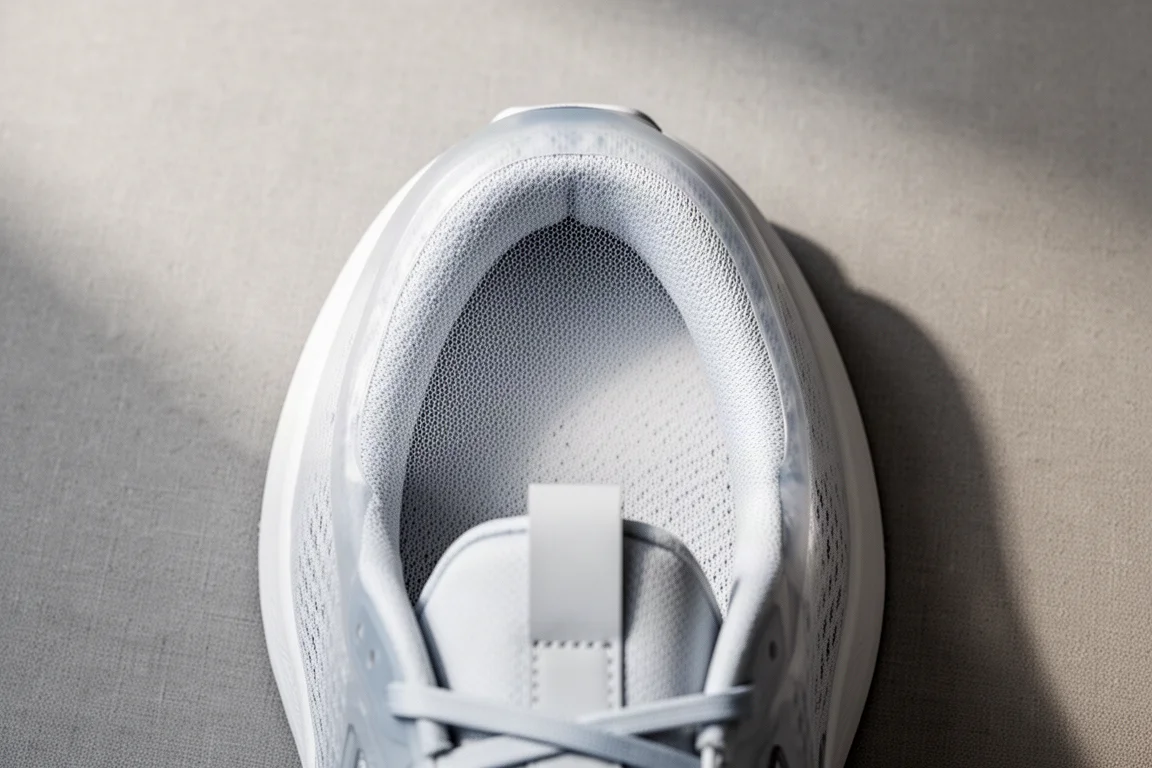
Around the 2.5 mile mark, the standout thought was simply: how did this cost £56.25? The midfoot felt well held, the heel nicely locked down, and the overall fit true to size in the usual UK 9.5. The run ended up stretching well past the planned distance to 8.4 miles, and getting carried away in a brand-new shoe is usually the best possible sign.
A quicker tempo mile at around 6:30 pace showed the shoe can handle pace changes comfortably. It felt responsive, well balanced, and light underfoot, with the 9mm offset never feeling intrusive. Slow runs feel comfortable, tempo runs feel lively. That is exactly what you want from a daily trainer.

Main Strengths
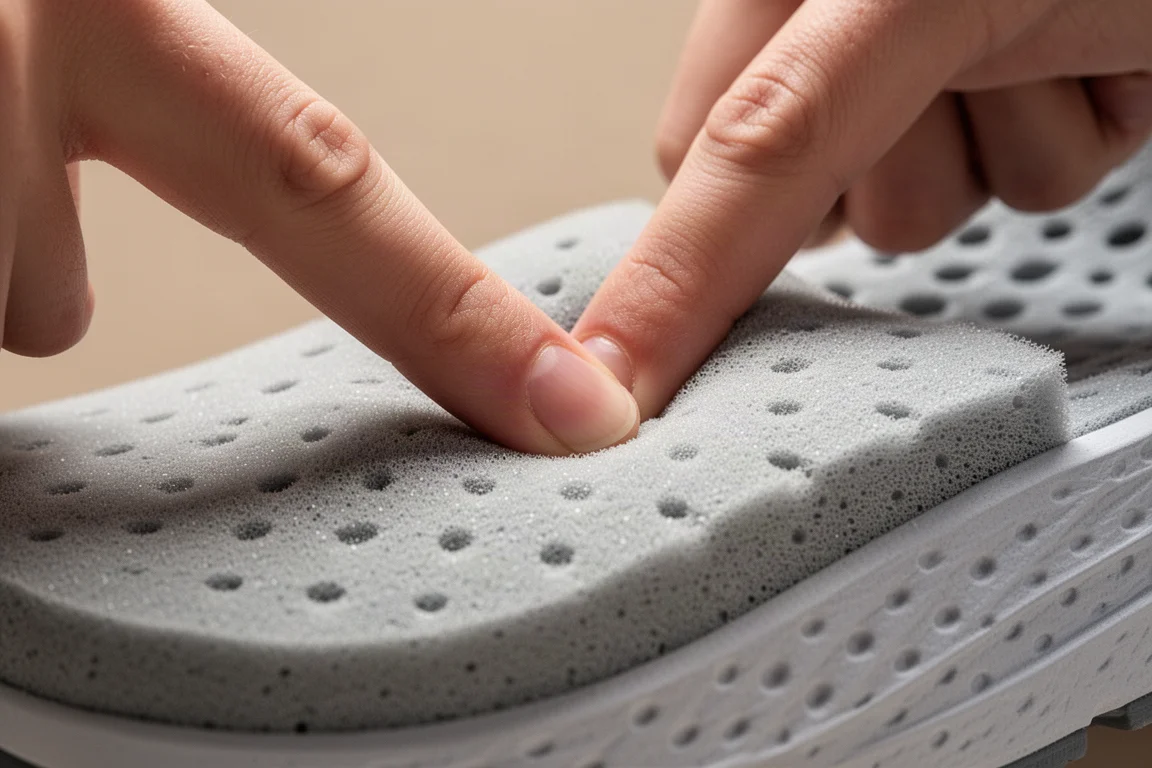
The midsole uses Floatride Energy foam, which looks and feels on first inspection similar to adidas’ Boost compound. Pushing into it out of the box suggested a springy, bouncy ride, though on the road it ran a touch firmer than expected. That is not a negative: the ride was still comfortable and enjoyable, and the foam performs well in a shoe that costs a fraction of what premium midsoles now command.
The upper is another highlight. The outer fabric is thin and almost transparent, like a membrane, so it should be very breathable, with a more standard lining fabric underneath that connects to the tongue as a gusseted design. The tongue is slim but padded down the centre, and the heel combines a sturdy heel cup with just the right amount of padding around the ankle collar.
Weight deserves its own mention. At 268 grams, this sits in a sweet spot for a daily trainer: enough shoe underfoot for weekly mileage, but light enough to stay responsive when you pick up the pace.
Things to Consider Before Buying
Two small caveats came out of the first run. First, on a couple of tight corners taken at speed, there was a hint of movement in the upper. That is likely down to foot shape rather than a fault: the toe box has plenty of width and depth, so narrower feet may notice a little extra room.
Second, the foam runs firmer than its out-of-the-box squish suggests. If you are chasing a maximally bouncy ride, temper expectations slightly, though the cushioning remains comfortable for daily miles.
Buying Advice
If you regularly run 4 to 6mm offset shoes, do not be put off by the 9mm figure here: it runs noticeably lower than the number suggests, closer to a 5 or 6mm feel, and it is not heel dominant at all. The ride feels balanced rather than rear-loaded.
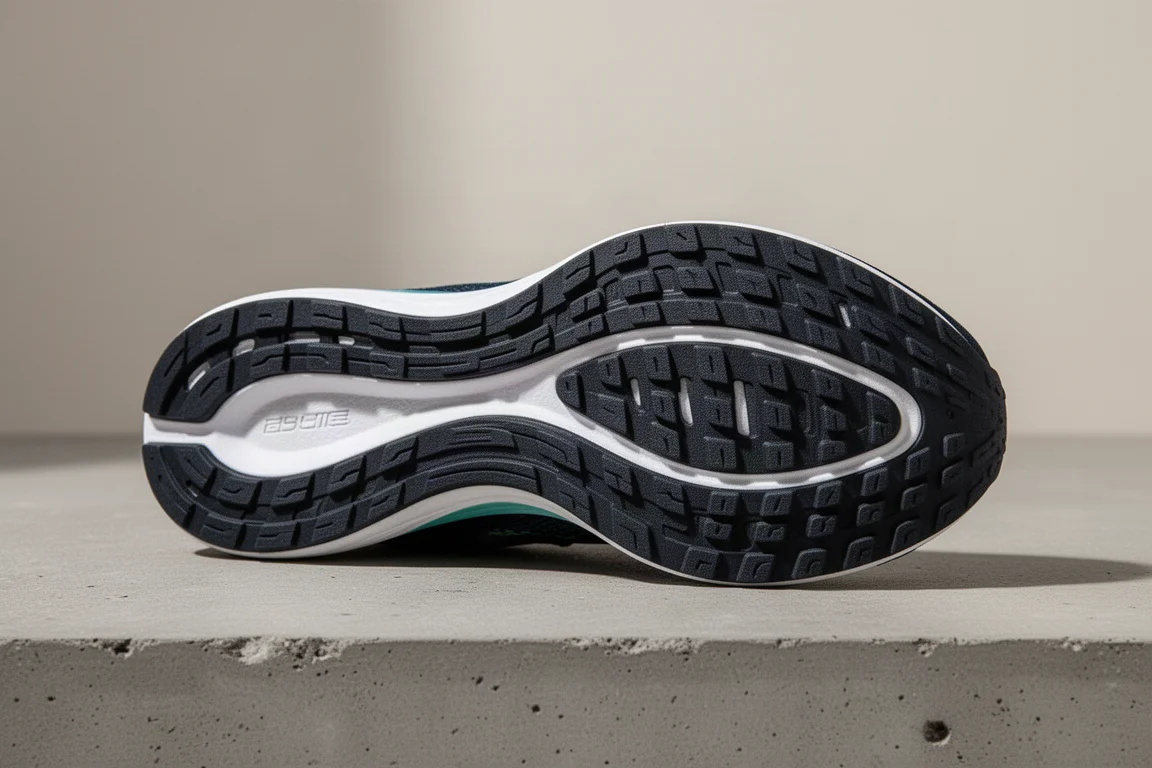
The full rubber outsole is a genuine differentiator at this price. It felt secure underfoot even when cornering quickly on a dry day, and full rubber coverage should translate to good grip and traction in all weather, plus better long-term durability than shoes with exposed foam.
Given the £75 retail price, and the likelihood of finding discount codes that bring it closer to £56, this is one of the most accessible ways to get a well-built, comfortable, responsive daily trainer right now. It leaves you wondering why some shoes cost up to £270.
Conclusion
The Reebok Floatride Energy 4 delivers excellent out-of-the-box comfort, a light and balanced ride, responsive handling at tempo, and quality construction that punches far above its price. A firmer-than-expected foam feel and a roomy toe box for narrow feet are the only things to weigh up.
At £75, and often less, it is a very refreshing option in an expensive market, and an easy recommendation for anyone after a dependable neutral daily trainer.
Product link
View more details for Reebok Floatride Energy 4
This product is mentioned in the review. Check the specifications, options, and compatibility before buying.
View more details for Reebok Floatride Energy 4Further reading
Related Reviews

Running Shoes
Best Road-to-Trail Running Shoes: Three Versatile Options for Mixed Terrain
A practical guide to three road-to-trail running shoes that handle both pavement and mild trails, with clear strengths and trade-offs for different runner types.

Running Shoes
Best Running Shoes for Achilles Tendonitis: Three Options Explained
Three running shoes with different heel drops and support features designed to help reduce Achilles tendon pain during walking and running.

Running Shoes
Best Running Shoes for Women: Five Top Choices Ranked
A ranked guide to five women's running shoes, from versatile daily trainers to high-performance racing options, with real strengths and trade-offs for each.