Running Shoes
Reebok Floatride Energy 4 Adventure Review: A Jack of All Trades Trail Shoe
A closer look at the Reebok Floatride Energy 4 Adventure, a hybrid road-trail shoe with strong lockdown, a beefy outsole, and a friendly price.
Introduction
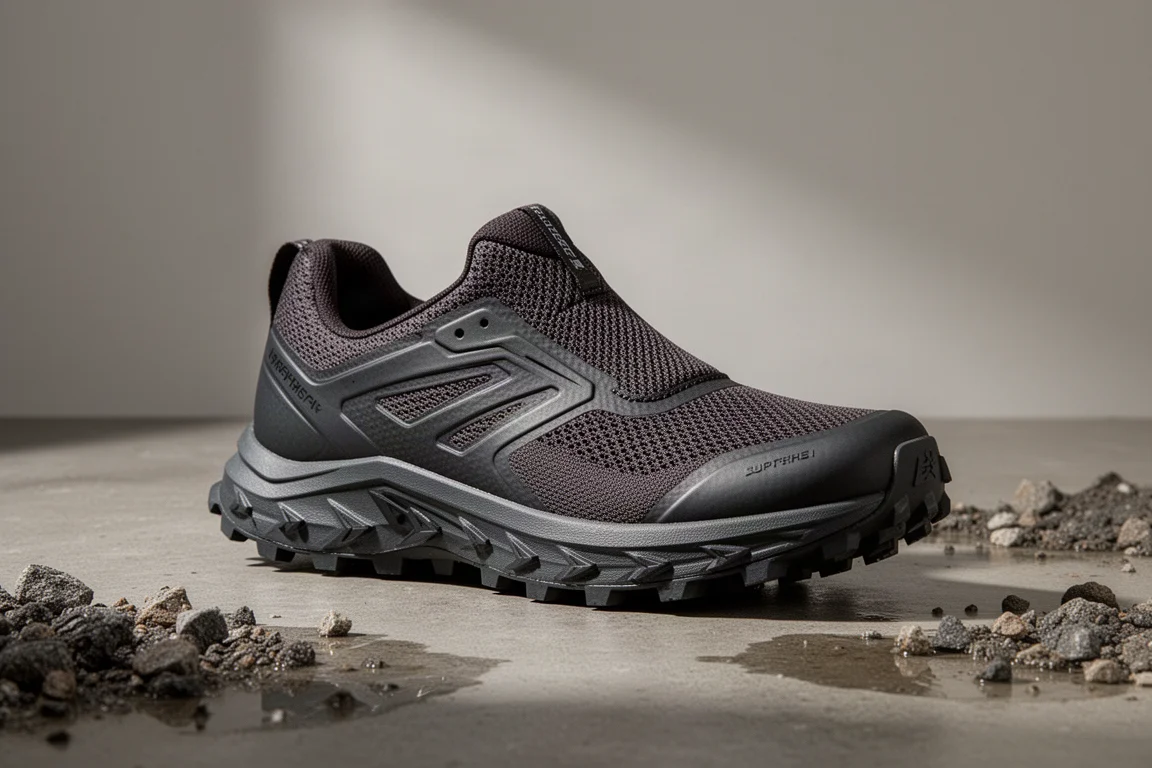
Some runs start with no plan at all. You leave the door, glance at the weather, and only decide halfway down the road whether today is a trail day or a pavement day. The Reebok Floatride Energy 4 Adventure is built for exactly those in-between days. It takes the already solid Energy 4 formula and adds a trail-ready upper and a much more capable outsole, all for a modest price bump.
Who this product is for
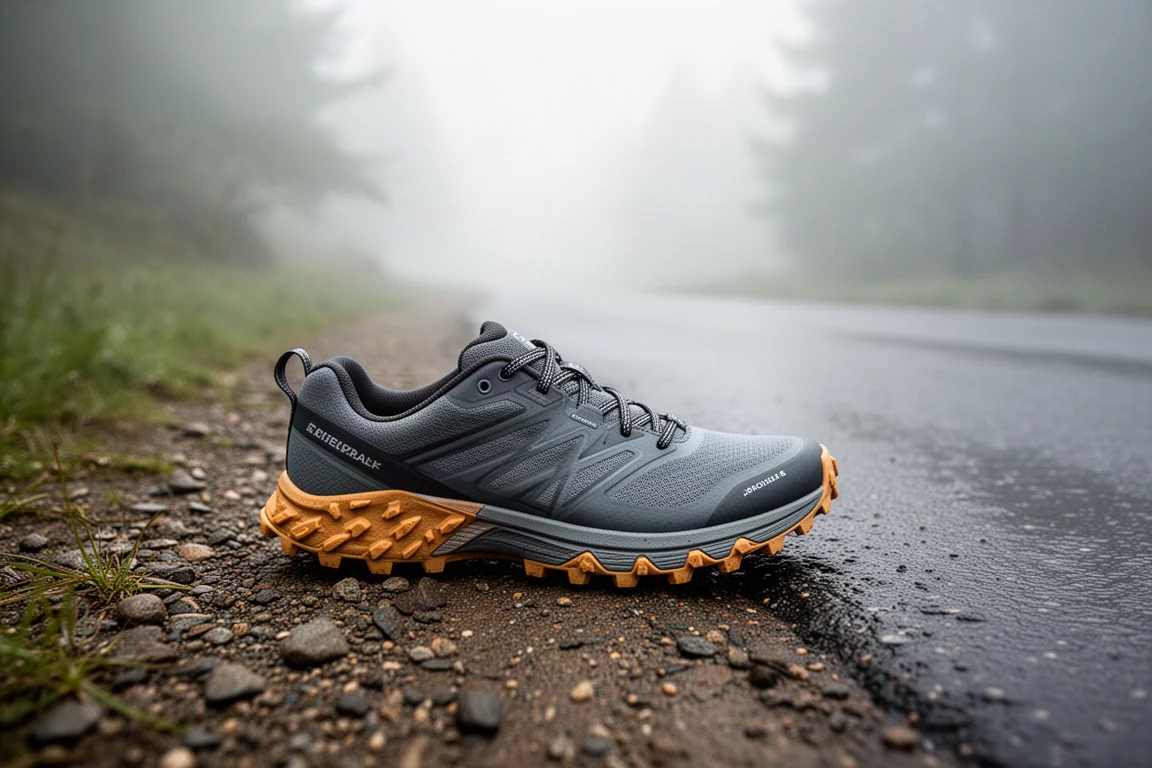
This is a shoe for runners who mix surfaces rather than committing to one. It works well at tempo pace and settles down nicely for easier efforts, with the focus on stability and comfort for trail training runs rather than all-out speed work. If you are not on technical trails every week but want genuine grip when the route turns dirty, this sits in a very appealing spot.
Typical retail is £85 in the UK, though discount codes and Reebok’s frequent sales can bring that down considerably, and it is only about £10 more than the standard Energy 4. In a UK size 10.5 (US 11), it weighs 306 grams or 10.8 ounces, and it is lighter than last year’s Energy 3 Adventure.
Main strengths
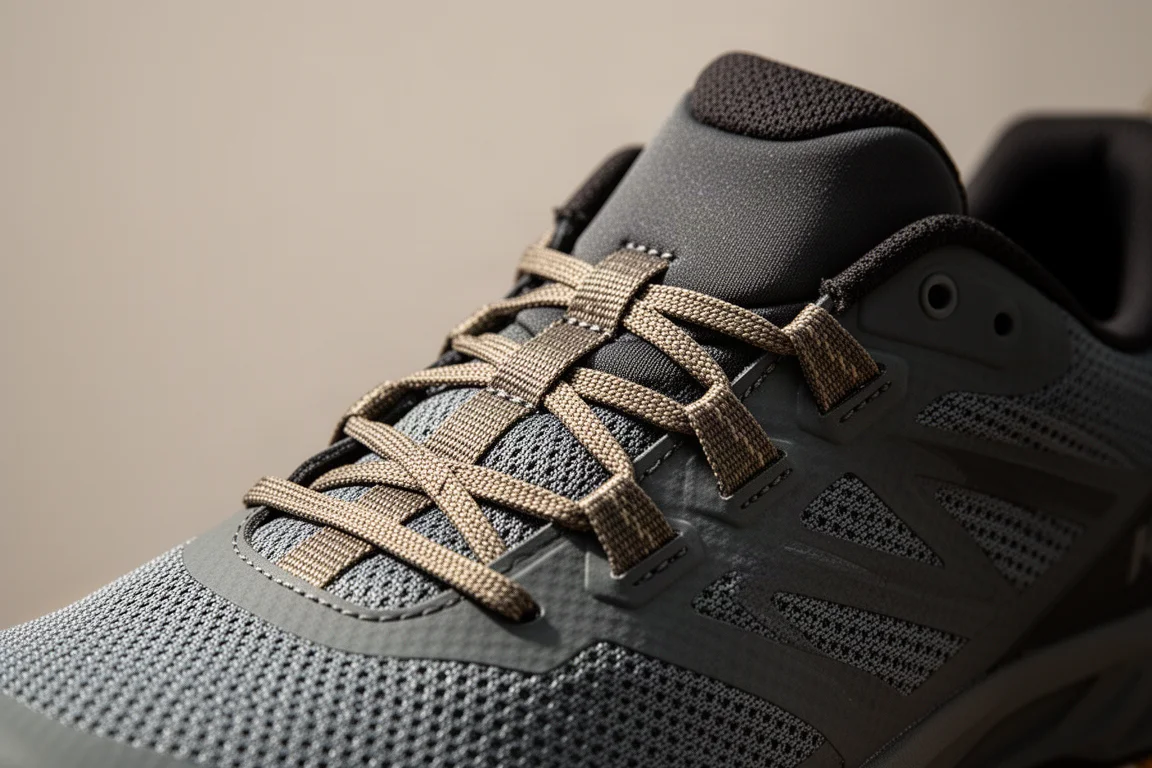
The upper is the headline. A neoprene-like tongue with lace loops running through it, plus loops on the medial and lateral eyestays, creates an unorthodox but highly effective lacing system. It pulls the upper tightly around the foot for a fantastic lockdown, and the coarse laces give plenty of grip when cinching down. The tongue is sewn into an internal layer, forming a good barrier against debris and muck, and in wet conditions the shoe has kept feet dry so far.
The materials feel a step above. The stretchy mesh around the toe box is close to premium race-day weaves, welded side panels add structure without rigidity, and a rubber toe bumper has already proven its worth on roots and paths. A fabric heel collar adds a quality touch, and there has been no rubbing or heel slip at all. Fit is generous in the midfoot and perhaps a tad long, so a half size down may work unless you prefer thicker trail socks.
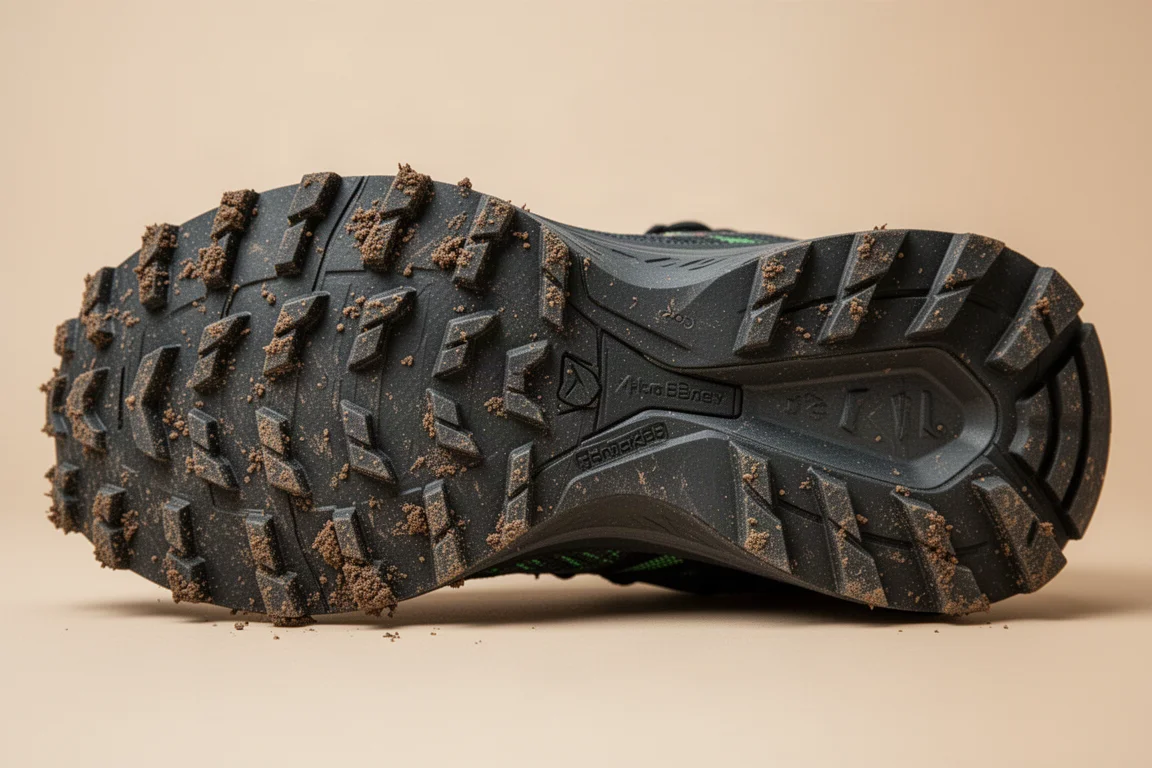
Underfoot, the midsole carries over from the standard Energy 4. It feels slightly more stable here thanks to the more substantial rubber beneath, giving a controlled rather than squashy ride. The real star is the redesigned outsole: thicker, longer lugs that change direction across the midfoot and forefoot, with tall ridges sloping down into a super beefy heel section. Traction held up on everything tested, including very wet metal stairs, yet the shoe still feels natural on concrete, with a pleasant bit of squash from the lugs. Toe-off grip on gravel is notably better than most trail shoes manage.
Things to consider before buying
The dual pull tabs feel unnecessary since the shoe is easy to slip on without a shoe horn, and you could trim them off if they bother you. The lacing system, while excellent for many, is unconventional and may not suit every foot shape.
It is also worth keeping expectations calibrated. This is not a mountain-style specialist such as a Salomon Speedcross, but it costs roughly half as much and is lighter and nimbler than many dedicated trail shoes. If you race on technical terrain every weekend, look elsewhere; if your trails are moderate and your routes are mixed, this is more than enough.
Buying advice
At around £85 full price, and realistically under £60 if you shop around, the value here is strong. It is a compelling winter option for fans of the Energy line who want a beefier outsole, and a sensible pickup for anyone whose rotation lacks a mixed-terrain shoe. The improved upper, midsole, and outsole work together unusually well: not too squashy, very grippy, and secure on top of the foam.

Conclusion
After initial runs, the scores land at 2.9 out of 3 for the upper, 2.7 for the midsole, 2.9 for the outsole, and 2.9 for value, giving 11.4 out of 12 overall. It may well be Reebok’s best shoe release in the past three years. It has the looks, the lockdown, and the grip, and it earns its place as a genuine jack of all trades for uncertain-weather, uncertain-route running.
Product link
View more details for Reebok Floatride Energy 4 Adventure
This product is mentioned in the review. Check the specifications, options, and compatibility before buying.
View more details for Reebok Floatride Energy 4 AdventureFurther reading
Related Reviews

Running Shoes
Best Road-to-Trail Running Shoes: Three Versatile Options for Mixed Terrain
A practical guide to three road-to-trail running shoes that handle both pavement and mild trails, with clear strengths and trade-offs for different runner types.

Running Shoes
Best Running Shoes for Achilles Tendonitis: Three Options Explained
Three running shoes with different heel drops and support features designed to help reduce Achilles tendon pain during walking and running.

Running Shoes
Best Running Shoes for Women: Five Top Choices Ranked
A ranked guide to five women's running shoes, from versatile daily trainers to high-performance racing options, with real strengths and trade-offs for each.