Running Shoes
Reebok Floatride Energy 4.0 vs Floatride Energy X: Two Trainers, Two Very Different Jobs
Both shoes share the same resilient Floatride Energy midsole, but one is a balanced daily trainer and the other a carbon-plated long-run machine. Here is how they compare.
Introduction
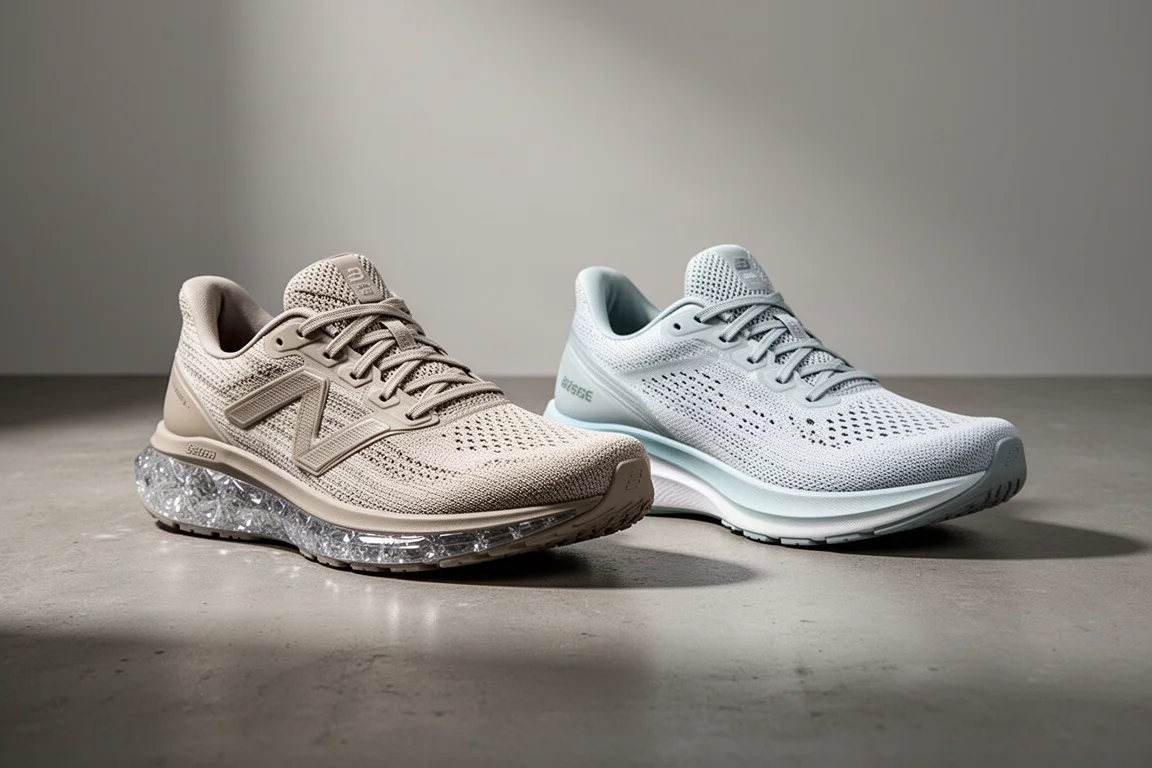
Reebok’s Floatride Energy line quietly covers two very different runner needs, and the contrast between the Floatride Energy 4.0 and the Floatride Energy X is a good example of how one midsole can serve two personalities. Both shoes sit in the sub-2 category of everyday and long-run options, and both lean on the same resilient foam. The differences come down to the upper, the outsole, and most importantly, what happens in the forefoot.
This comparison walks through what they share, where they diverge, and which runner each shoe is really for.
What the Two Shoes Share
The core of both shoes is the Floatride Energy midsole, a TPU-based foam that is notably resilient with a touch of bounce. It is the kind of foam that rewards steady training and long mileage rather than chasing maximal softness, and it is the reason both shoes feel durable and consistent over long distances.
Sizing is worth flagging: both shoes come in whole sizes only. If you normally wear a half size, expect to size up and potentially use a heel-lock lacing pattern to dial in the fit.
Reebok Floatride Energy 4.0: The Balanced Daily Trainer
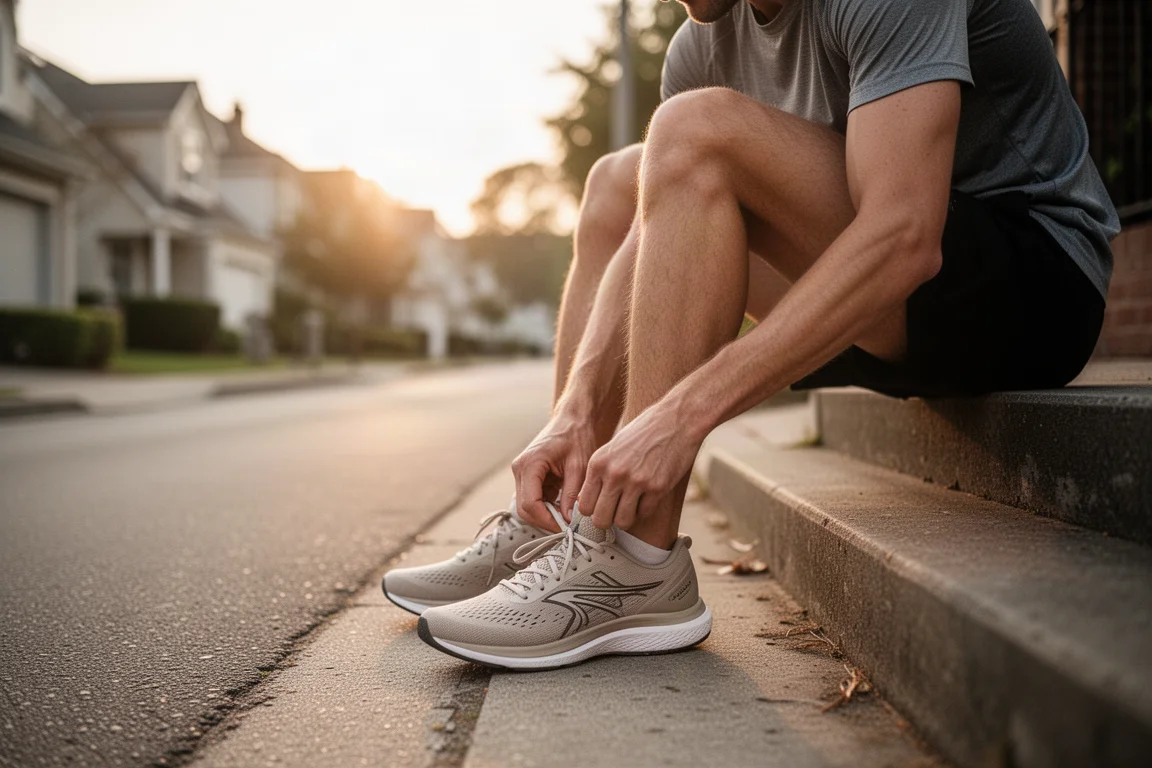
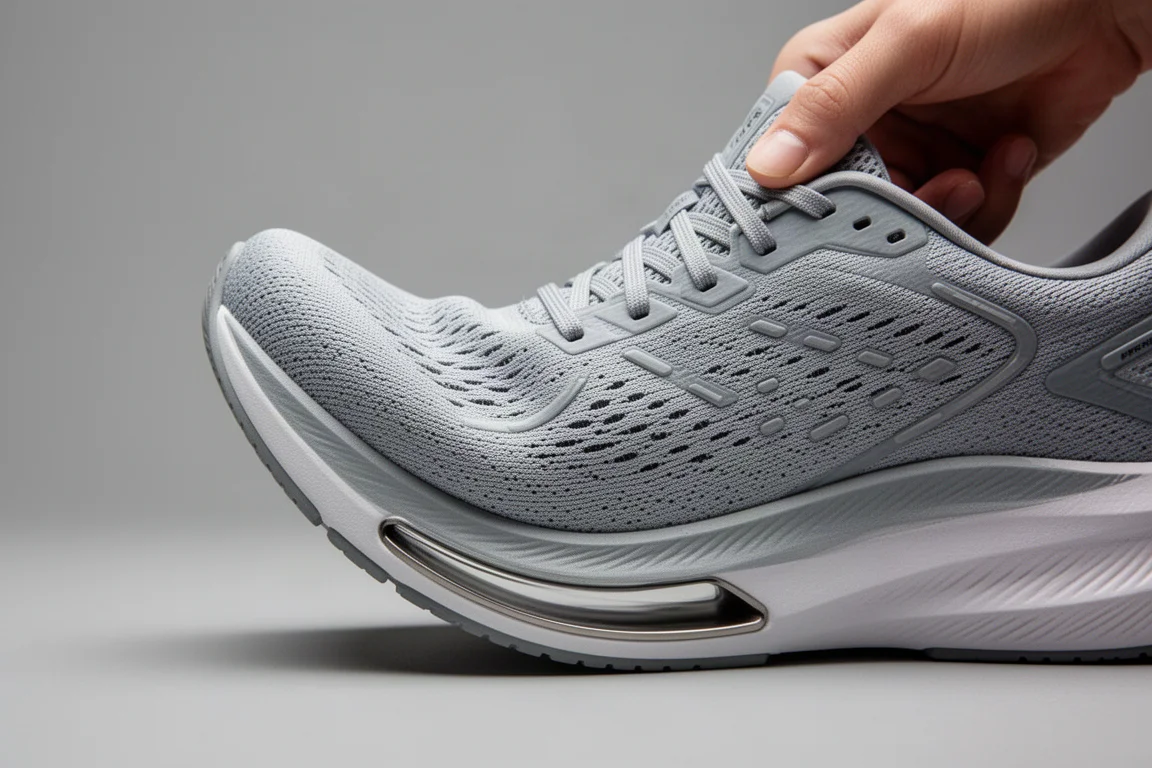
The Floatride Energy 4.0 is the more traditional trainer of the pair. It uses a textile upper that is a little more flexible, holds the foot reasonably well, and has a slightly crinkly texture to it. It also carries the lighter weight of the two at 8.4 ounces, with a crystal rubber outsole underfoot.
On the run it feels balanced from heel to toe. The heel is beveled, the forefoot is a bit more flexible, but the full-contact outsole still adds some rigidity up front. If you want a neutral, dependable daily training ride, this is the shoe that delivers it.
Reebok Floatride Energy X: Built for Going Long
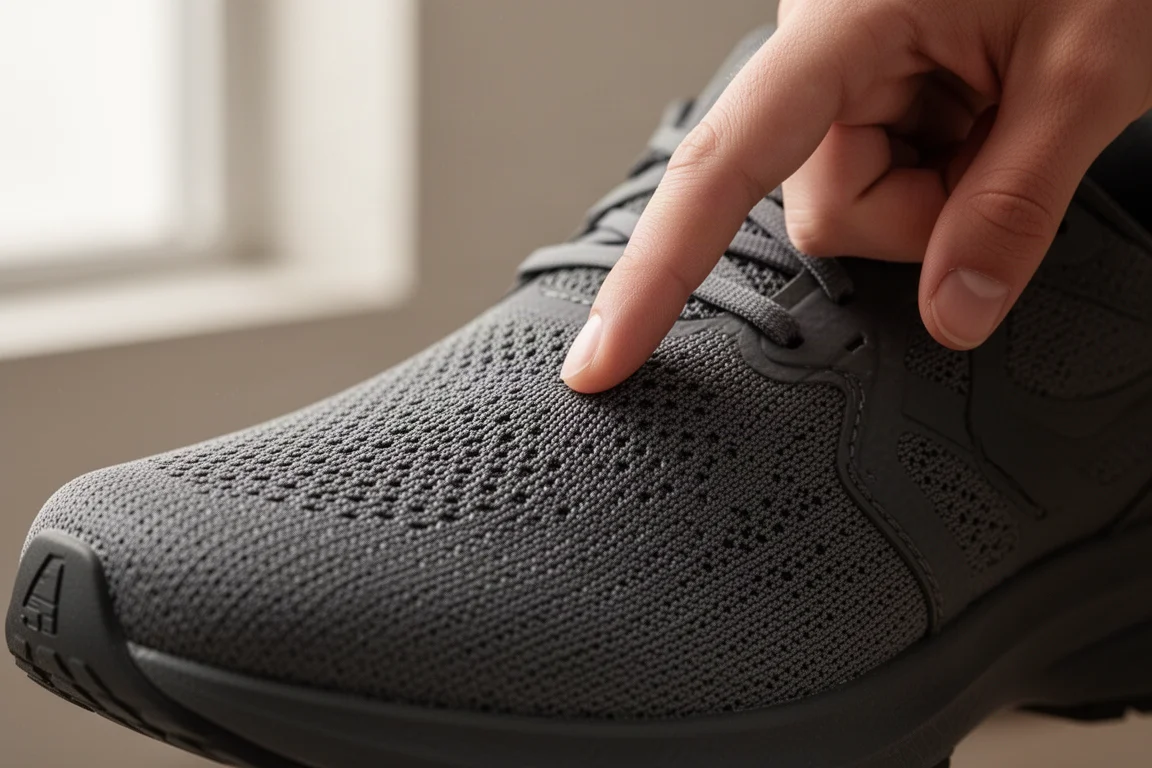
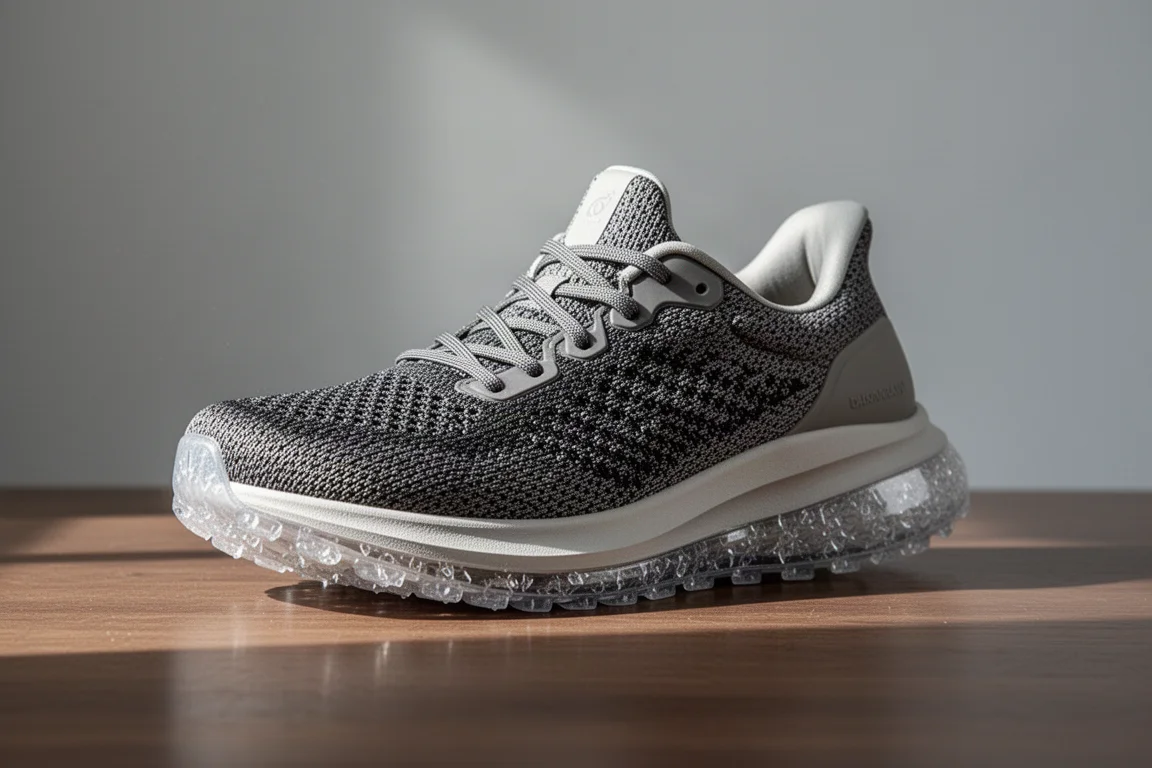
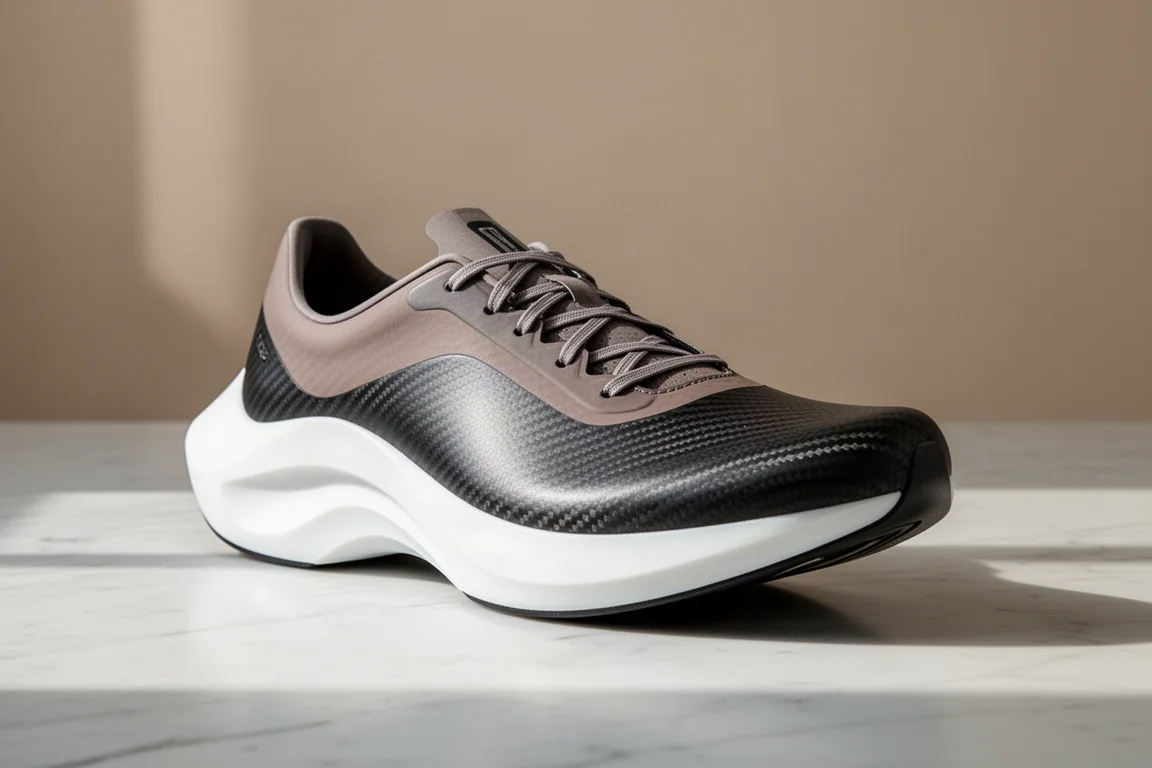
The Floatride Energy X shifts the formula toward performance. Its Flexweave upper is a lighter-weight mesh with a few strategic lockdown points that help the shoe hold its structure, and the fit feels secure as long as you cinch it down properly. It comes in at 9.1 ounces with a standard rubber outsole.
The headline feature is a carbon plate in the forefoot. The shoe carries a nice rocker, feels slightly higher in stack, and the forefoot rigidity adds responsiveness at the cost of a little extra weight. The stride keeps rolling nicely through the forefoot, which makes it a strong candidate for long runs and marathon-distance training.
Head-to-Head Summary
| Floatride Energy 4.0 | Floatride Energy X | |
|---|---|---|
| Weight | 8.4 oz | 9.1 oz |
| Upper | Flexible textile | Lighter Flexweave mesh |
| Outsole | Crystal rubber | Standard rubber |
| Plate | None | Carbon plate in forefoot |
| Character | Balanced daily trainer | Responsive long-run shoe |
The trade is straightforward: the 4.0 saves you weight and keeps a classic trainer feel, while the X adds forefoot snap and structure for longer efforts.
Which One Should You Buy?
If your priority is a balanced, neutral daily trainer that just logs miles without drama, the Floatride Energy 4.0 is the clearer pick. If you want a little more snap underfoot and do not mind the extra ounce, the Floatride Energy X makes a compelling long-run and marathon-day option.

Conclusion
Both shoes prove how far one resilient TPU midsole can stretch. The 4.0 is the honest everyday workhorse; the X borrows a carbon plate and a lighter upper to become a genuine long-distance contender. Choose by the distance you actually run, not by the spec sheet.
Further reading
Related Reviews

Running Shoes
Best Road-to-Trail Running Shoes: Three Versatile Options for Mixed Terrain
A practical guide to three road-to-trail running shoes that handle both pavement and mild trails, with clear strengths and trade-offs for different runner types.

Running Shoes
Best Running Shoes for Achilles Tendonitis: Three Options Explained
Three running shoes with different heel drops and support features designed to help reduce Achilles tendon pain during walking and running.

Running Shoes
Best Running Shoes for Women: Five Top Choices Ranked
A ranked guide to five women's running shoes, from versatile daily trainers to high-performance racing options, with real strengths and trade-offs for each.