Running Shoes
Reebok Floatride Energy 3 Long-Term Review: 100 Miles of Daily Value
After 100 miles of running, this budget daily trainer proves its durability while revealing a few trade-offs on longer efforts.
Introduction
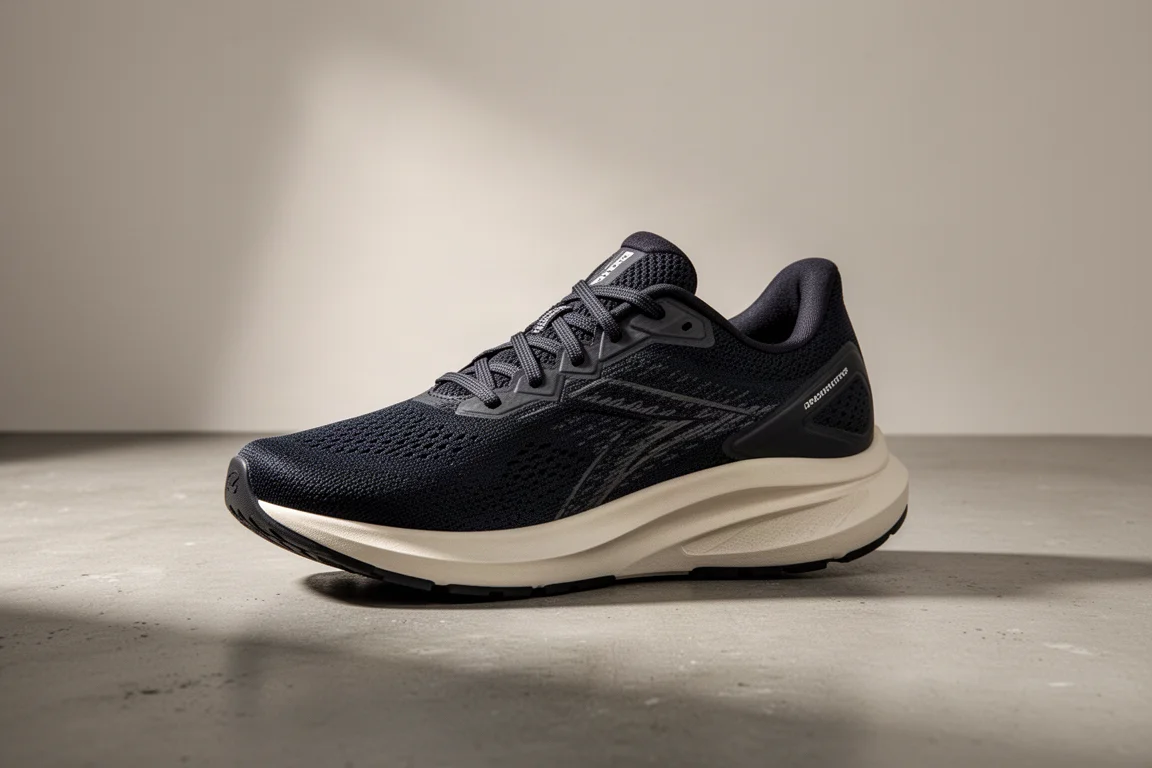
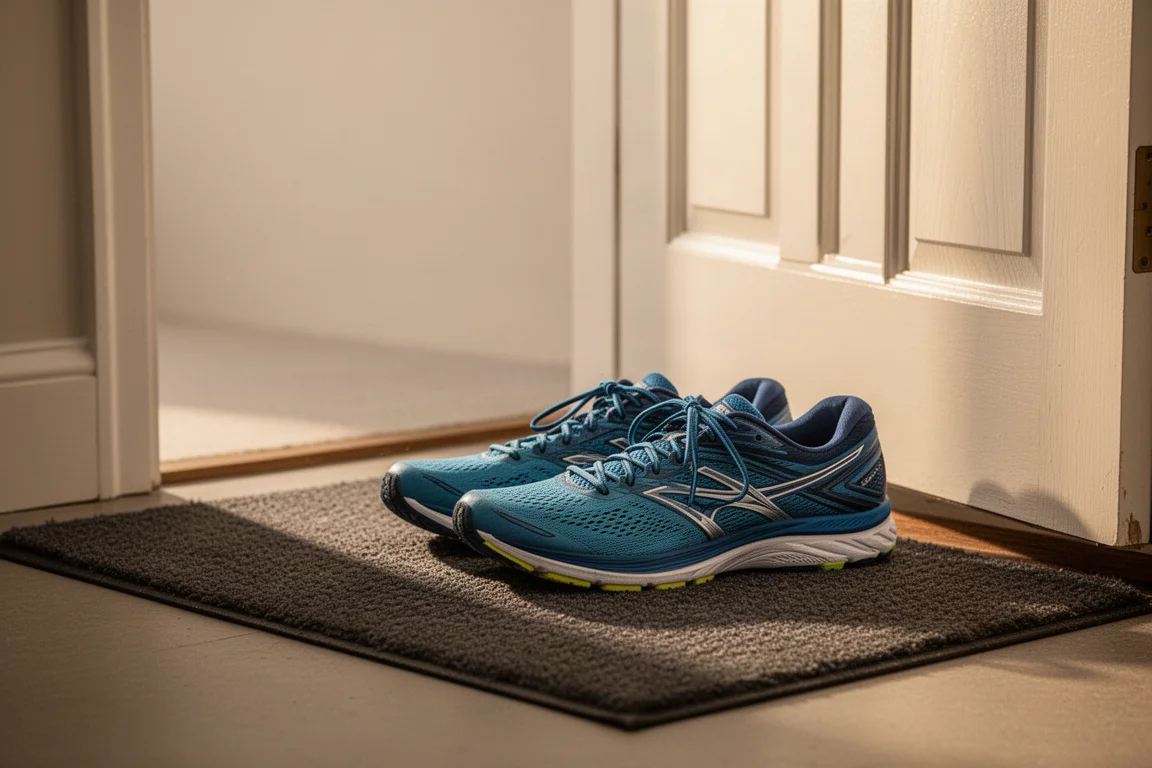
Some shoes generate hype, and some quietly earn their place in the rotation. The Reebok Floatride Energy 3 falls firmly into the second category. It is a value-focused daily trainer with a rocker profile, and after 100 miles (160 km) of running in a UK size 11 pair weighing 295 grams (10.5 oz), it has held up remarkably well.
This pair was purchased with personal funds, which makes the long-term findings all the more useful: no reviewer favors a free sample. The headline takeaway is that the shoe has changed very little over 100 miles. The underfoot feel remains consistent, the upper shows no damage, and the outsole barely registers wear. The main limitation emerges on longer runs, where the ride lacks energy for sustained efforts.
Upper: Easy Fit That Holds Up
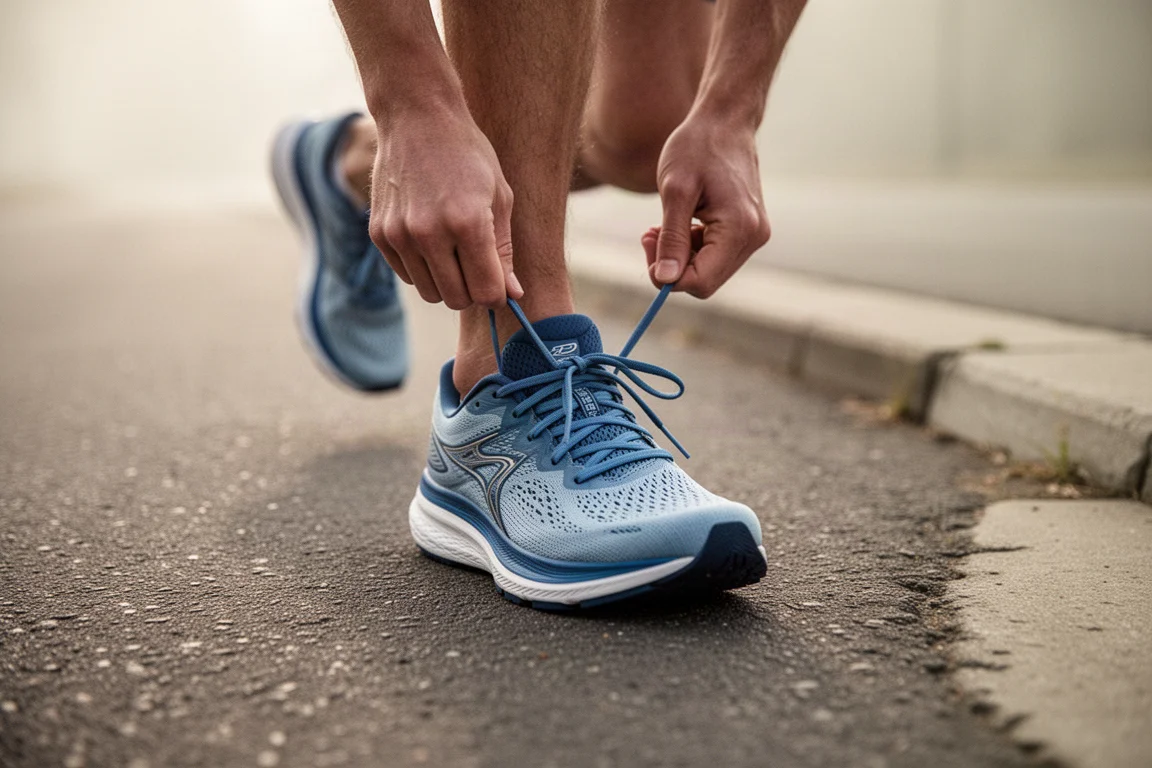
The upper is the easiest part of this shoe to like. It delivers a secure lockdown with almost no effort: lace up and go, whether you use a runner’s knot or a standard bow. The tongue is nicely padded, appropriately long, and heavily gusseted, so it stays put on top of the foot. The laces themselves have a smooth, almost silky feel and stay tied without drama.
After 100 miles, there is zero sign of wear in the upper. It resists grime surprisingly well, picking up only minor discoloration and a bit of debris. Some shoes look rough after a single run; this one settles into a gently used patina, more like a well-loved vintage guitar than a worn-out trainer. It never felt too warm in mild UK conditions, though runners in hotter climates should form their own view.
The one genuine gripe is the somewhat long and voluminous last, which makes dialing in the sizing a little more difficult than it should be. That is the only reason the upper score dips slightly, landing at 2.9 out of 3.
Midsole: Comfortable but Limited on Long Runs
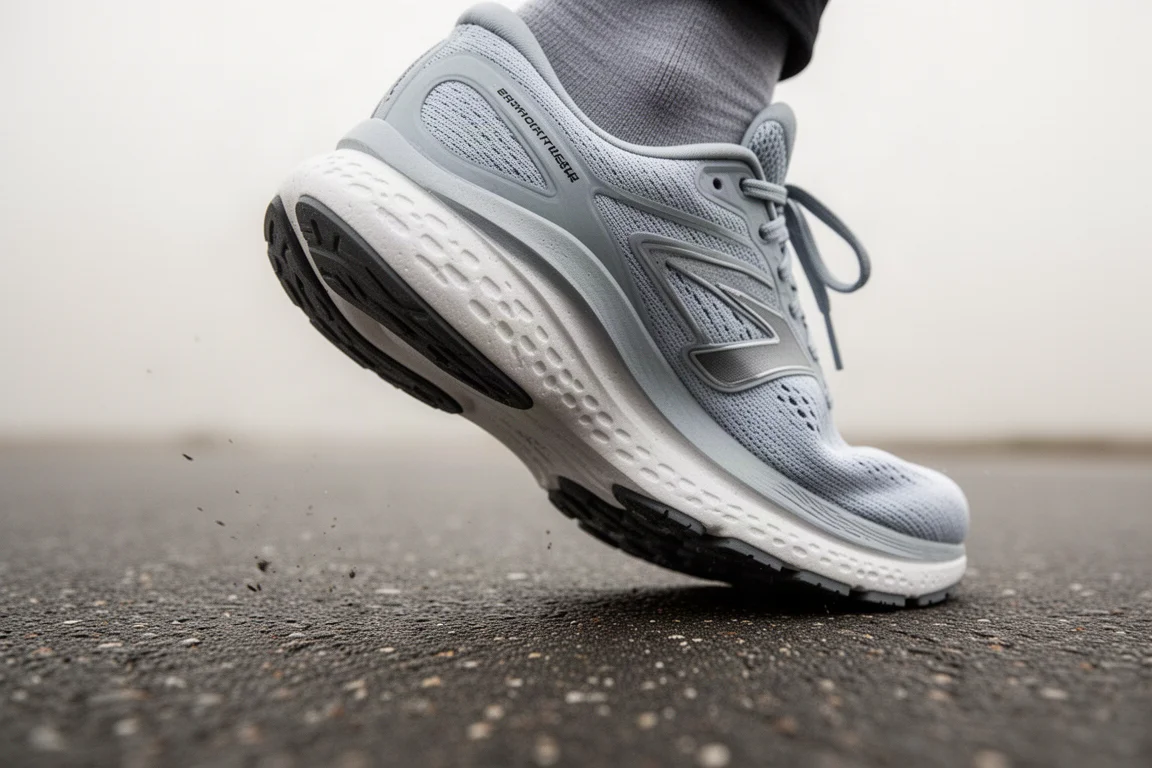
The midsole is where the long-term picture gets more nuanced. The initial impression was strong, but after 100 miles the score drops slightly to 2.5 out of 3. The lower stack height gives a less apparent energy return, and while that makes for a great daily shoe, it falls down on longer runs.
The stack at heel sits around 27 millimeters at the 100-mile mark. The drop is stated as 9 millimeters on the insole, though other measurements suggest closer to 7, so treat the exact figure with some caution. What is clear is that the ride is a dense impact absorber, more in the mold of a cushioned daily trainer than a peppy tempo shoe.
On long runs, the Floatride Energy 3 felt good up to roughly 8 to 10 miles (about 13 to 16 km). Beyond that, it simply protected from impact without offering much else. It also lacks a plate in the mid to forefoot, and the flexible midsole material limits propulsion at toe-off. It is not the shoe for fast intervals or repeat tempo sessions, though it felt acceptable for short stretches just under half marathon pace.
The upside is weight. The midsole mass is very light, comparable favorably against heavier rivals and only marginally heavier than a well-known lightweight racing shoe. Considering the price, the midsole remains a winner. Just match it to the right runs.
Outsole: Near-Untouched After 100 Miles
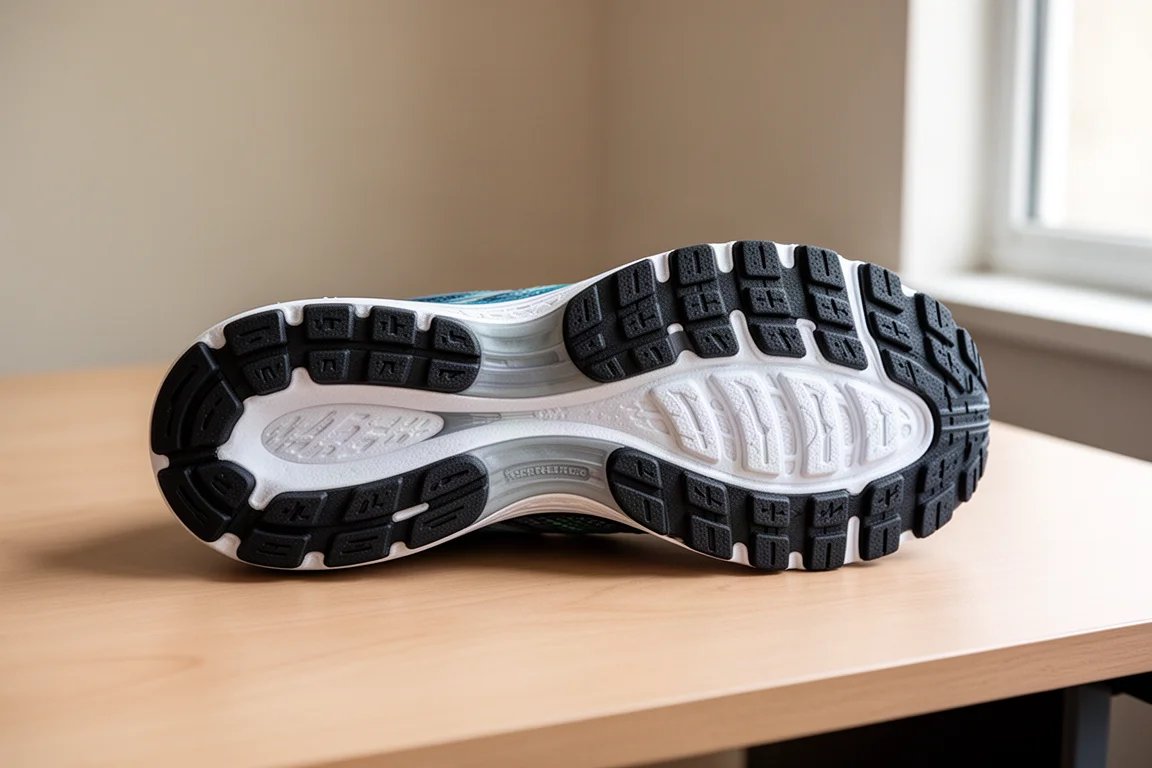
The outsole is the standout durability story. After 100 miles, wear is minimal, and only visible with careful inspection. The rubber protrusions have lost their printed patent details, which is expected, but they remain stout and fully functional. Wear is concentrated in the midfoot to forefoot area, with a little on the lateral heel edge. Nothing worrying.
Traction is assured on road and tarmac, and genuinely better than some race shoes costing three times as much. It handles most surfaces well, with the only real exception being very muddy terrain, which few road runners tackle anyway. The wear pattern also compares favorably against other popular trainers at similar mileage. There is very little that needs changing here, and a score of 2.7 out of 3 stands after 100 miles.
Value and Durability
Regularly discounted below £60 in the UK, this shoe is hard to beat for daily use alone. One hundred miles of nearly untouched outsole, a clean upper, and no meaningful change in underfoot feel make it a genuine bargain. Many shoes change character over their first 100 miles; this one just keeps doing what it does.
It is worth pushing back on the idea that a budget shoe cannot be a serious running shoe. The claims of rapid breakdown simply do not match the evidence. The value score does drop very slightly to 2.8 out of 3, not because of durability but because of reduced versatility after testing it on longer efforts. For everyday easy miles, though, it remains a top pickup.
Buying Advice
If your running is built around daily easy miles, the Floatride Energy 3 fits that role with excellent comfort and on-point durability. If you regularly run long distances past 10 miles or structure your week around faster intervals, look elsewhere or keep this as a second shoe for shorter days. Sizing runs long and voluminous, so try before buying if possible. At typical discount prices, it rewards anyone whose priority is dependable, affordable mileage.
Conclusion
After 100 miles, the Reebok Floatride Energy 3 earns a total score of 10.9 out of 12. The upper is nearly faultless, the outsole barely shows wear, and the value proposition is excellent at its discounted price. The midsole is the one area that revealed limits on longer runs, which is why the value score dipped slightly. As an ideal daily mile crusher, it remains one of the smartest budget picks available, if you can find a pair.
Product link
View more details for Reebok Floatride Energy 3
This product is mentioned in the review. Check the specifications, options, and compatibility before buying.
View more details for Reebok Floatride Energy 3Further reading
Related Reviews

Running Shoes
Best Road-to-Trail Running Shoes: Three Versatile Options for Mixed Terrain
A practical guide to three road-to-trail running shoes that handle both pavement and mild trails, with clear strengths and trade-offs for different runner types.

Running Shoes
Best Running Shoes for Achilles Tendonitis: Three Options Explained
Three running shoes with different heel drops and support features designed to help reduce Achilles tendon pain during walking and running.

Running Shoes
Best Running Shoes for Women: Five Top Choices Ranked
A ranked guide to five women's running shoes, from versatile daily trainers to high-performance racing options, with real strengths and trade-offs for each.