Art Supplies
Rebuilding an Art Supply Collection From Scratch: What an Experienced Artist Would Buy First
A practical starter list for acrylic painters, illustrators, and mixed media artists, covering heavy body acrylics, sketchbooks, gel pens, gouache, and the bag to carry it all in.
Introduction
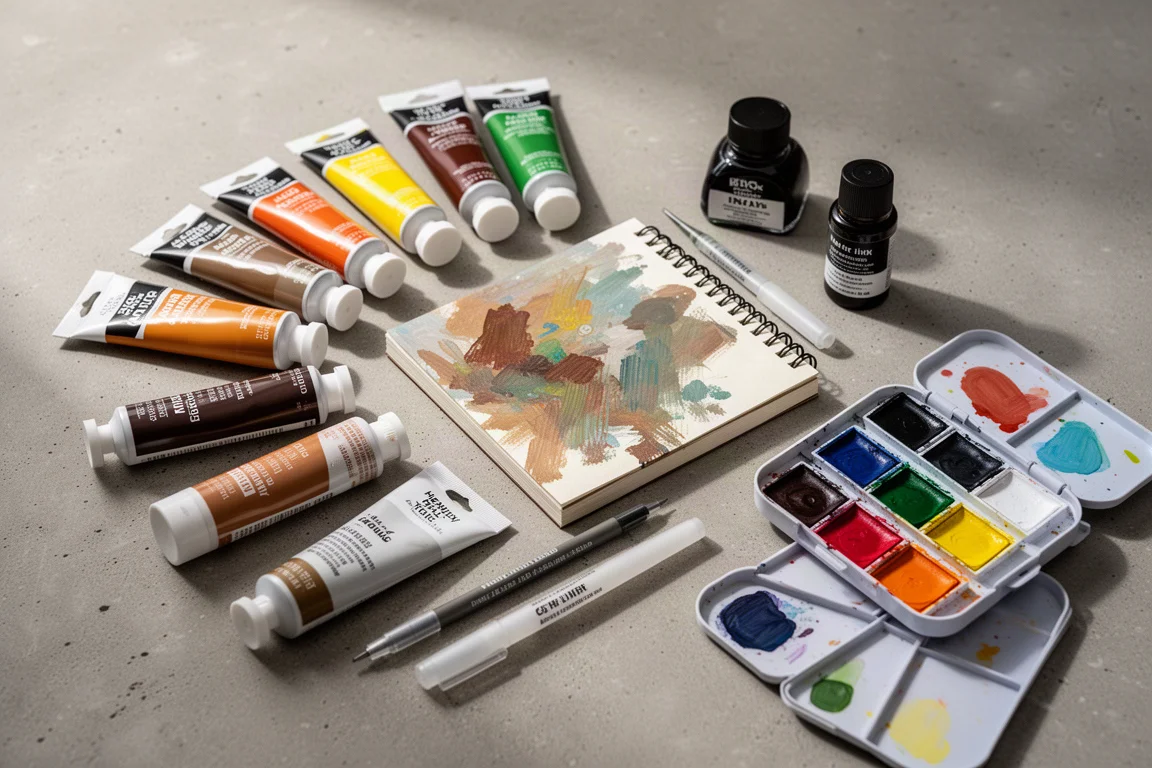
Starting an art supply collection from scratch sounds like a beginner problem, but it is surprisingly useful even for experienced artists. When your entire studio is in storage and you have one empty bag and a blank slate, every purchase becomes a deliberate choice rather than a habit. That is exactly the exercise behind this list: if you had to rebuild your kit knowing everything you know now, what would actually make the cut?
The philosophy here is simple. Do not replace everything you ever owned, because that is expensive and wasteful. Instead, prioritize the supplies that earn their place through daily use: quality acrylic paint, a reliable sketchbook, a few pens that never let you down, and one or two exploratory items like gouache. Paint is usually the most expensive part of any haul, so that is where careful choices matter most.
Start With Something to Carry It All: the Jazza Art Bag
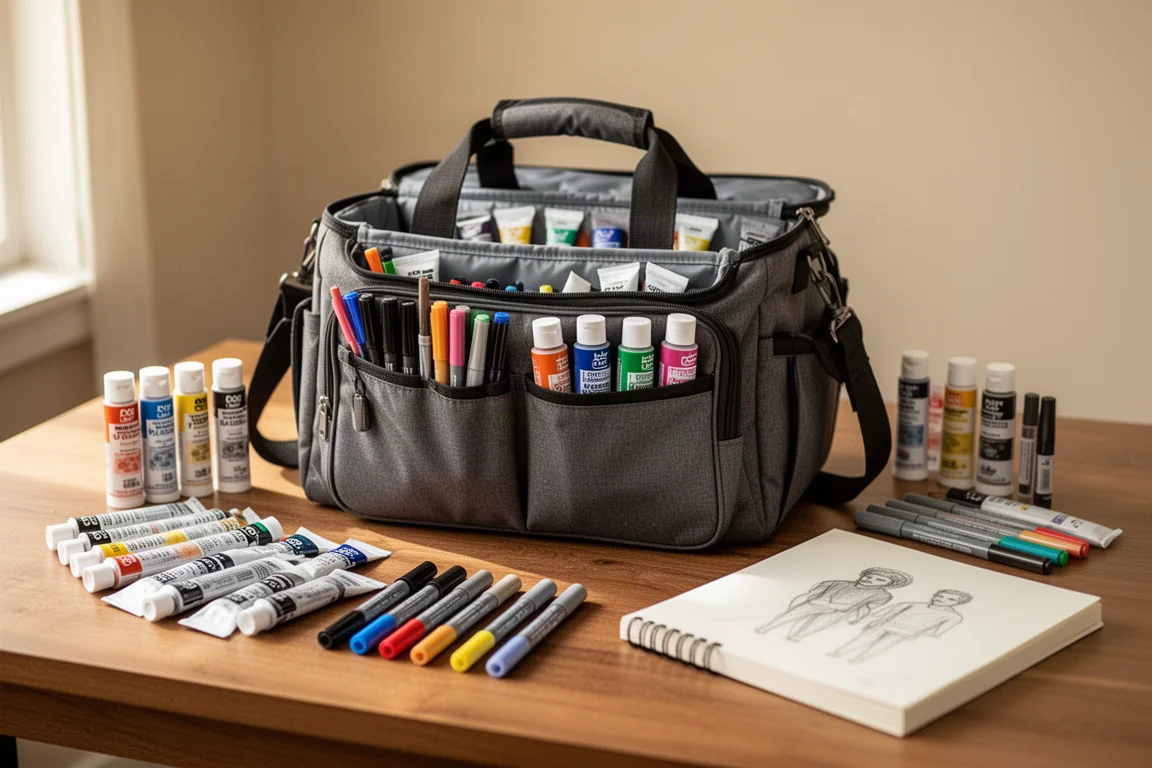
A good bag is the container that makes a portable art practice possible. The Jazza art bag is designed specifically for artists, with room to fill with supplies and keep them organized, and it crowdfunded its way to full funding within hours of launch, which says something about demand. It is a practical home base for a pared-down kit, and it suits anyone who wants their supplies tidy, mobile, and ready to go.
Sketchbooks Worth Searching For: Plumchester and Illo
The first recommendation for any artist is a square sketchbook, and two names come up again and again: the Plumchester square sketchbook and the Illo sketchbook. Both are square, both handle mixed media beautifully, and both are highly recommended. One honest caveat: these are usually online purchases, because brick-and-mortar art stores rarely stock them. Either works, and many artists who own both say the Plumchester is every bit as good, sometimes even preferred.
Heavy Body Acrylics: Liquitex vs Golden vs Artist Loft
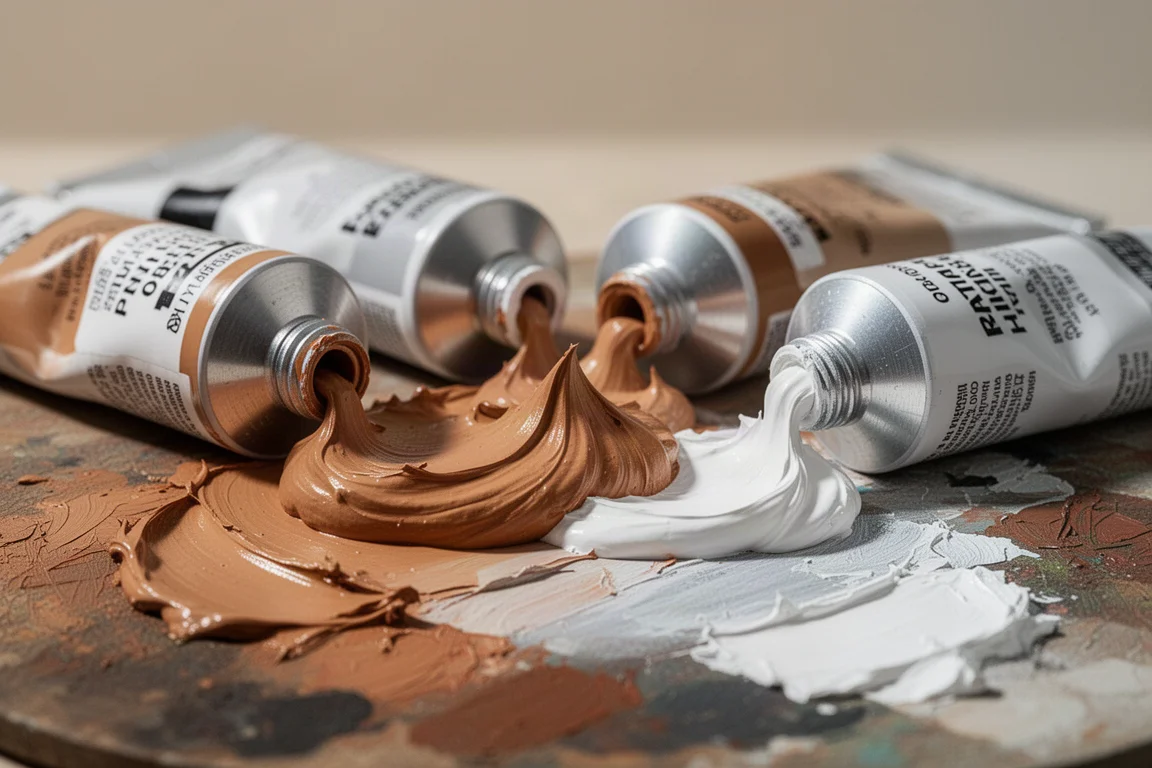
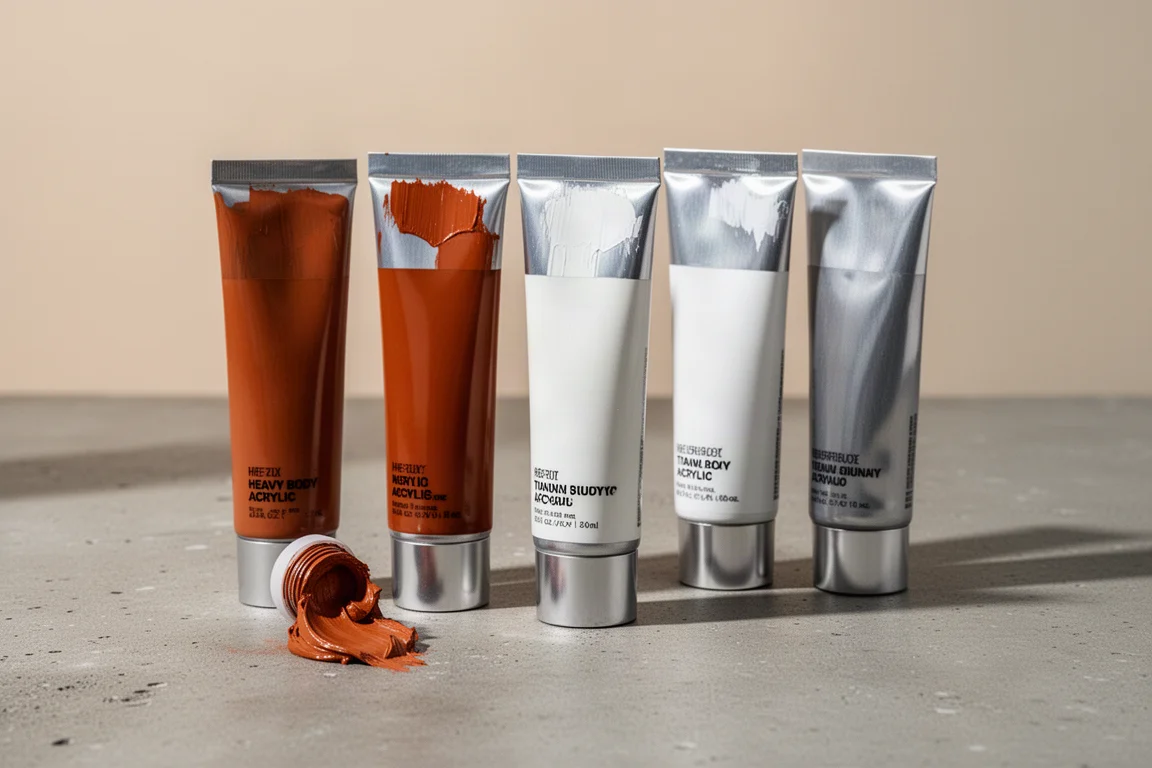
Acrylic paint is the backbone of this list, and there are three tiers worth knowing. Liquitex Level 3 professional heavy body acrylic has long been a trusted default for acrylic painters, and the matching Level 3 canvases are widely considered sturdy, well-made surfaces worth buying when the budget allows. Golden heavy body acrylics are the other professional favorite, repeatedly recommended by artists, with a rich, beautiful pigment feel across colors like burnt sienna, titanium white, cadmium red medium hue, phthalo blue green shade, and light violet. A practical tip: look for “hue” versions of cadmium colors, since hues are not actual cadmium.
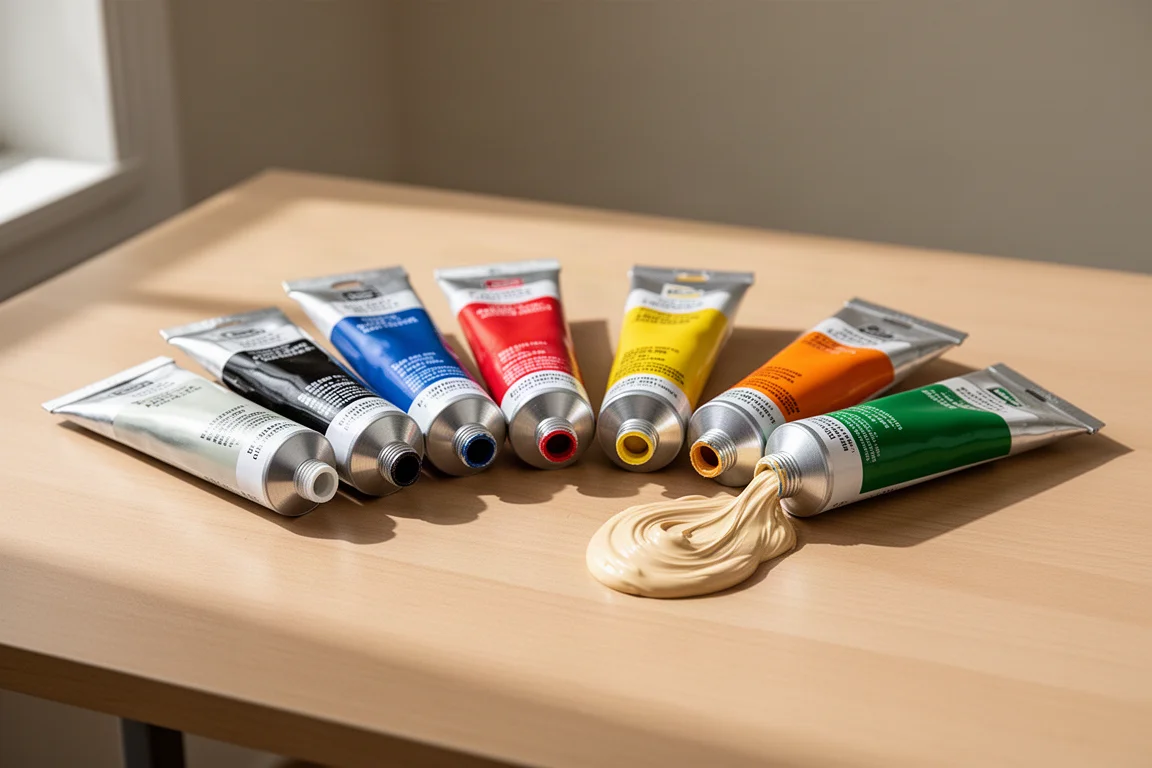
Then there is the surprise. In a direct comparison, Artist Loft professional high viscosity acrylics held up remarkably well against Liquitex, coming across as creamier and genuinely impressive. At clearance pricing of around nine dollars, down from nineteen, stocking up becomes an easy call. Colors like yellow ochre, medium magenta, cobalt blue, chromium oxide green, and burnt umber make a solid foundational palette.
High quality paint is expensive, but it has to be done, and a tube used well lasts for years. One experimental addition worth considering: a thickening medium mixed into paint creates heavy, oil-like texture at a fraction of the cost.
Fineliners and White Gel Pens for Illustration
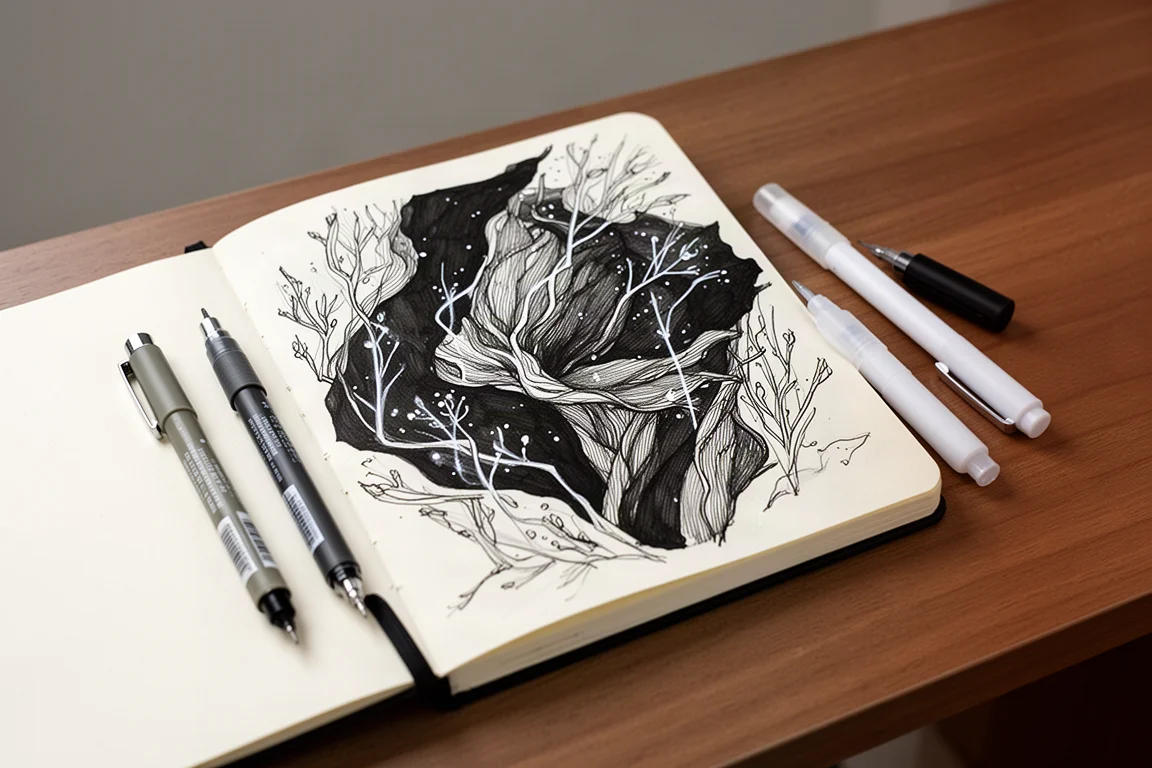
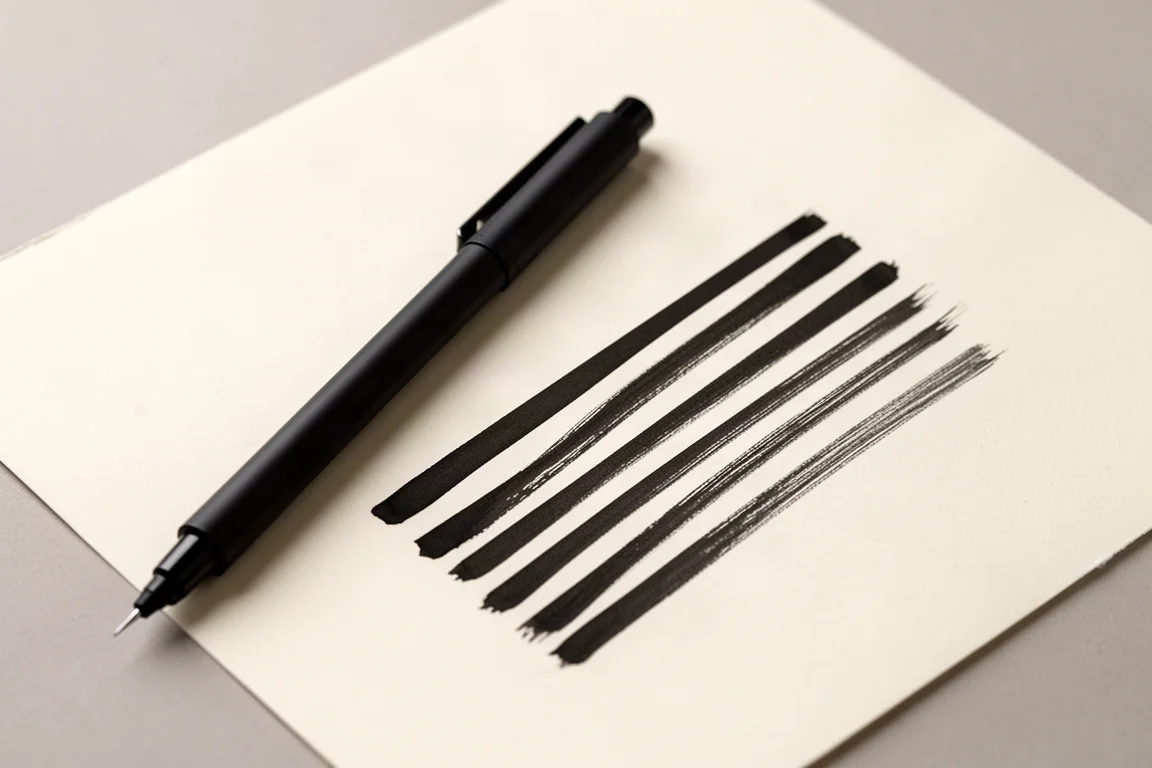
For ink work, a fine liner with a brush-like nib that still has a firm, very thin tip is described as an absolute must, ideal for small ink illustrations. Tombow fineliners are the trusted pick here; other brands feel similar, but this style of pen works beautifully for crisp black linework.
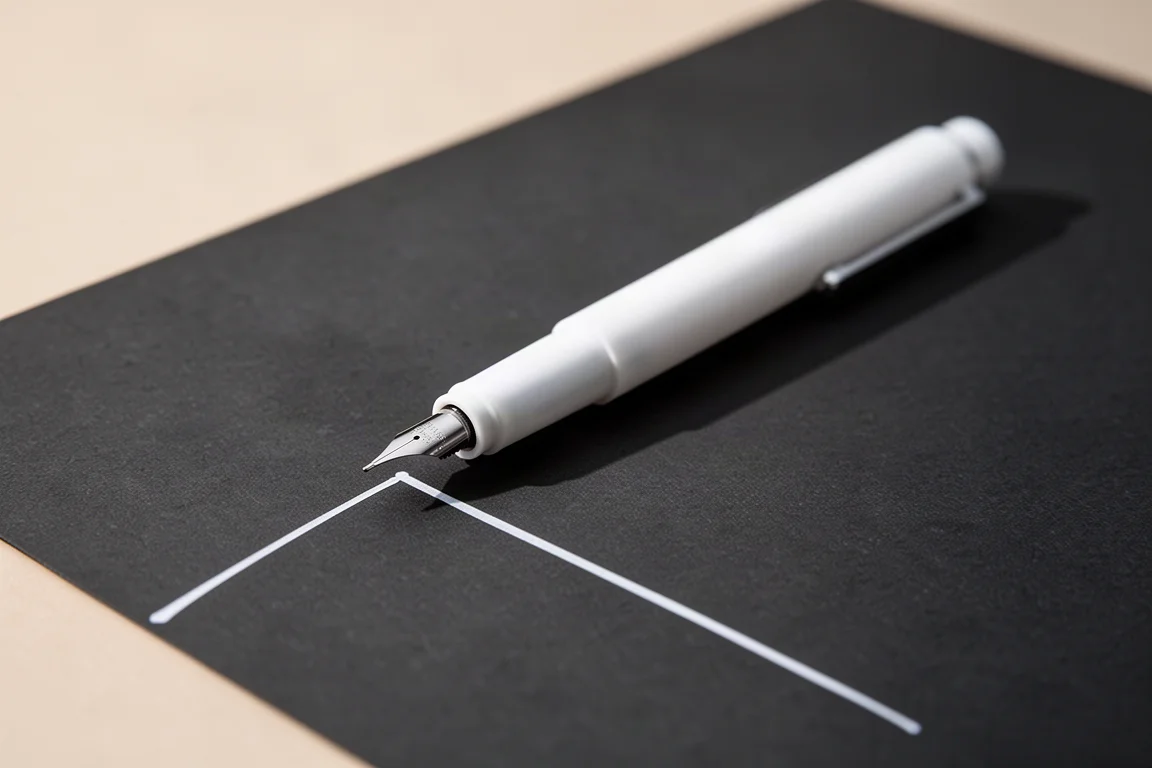
On the white pen front, there is a clear winner. While the Gelly Roll white pen was once the default everyone talked about, the Uniball Signo white gel pen is simply better in personal use, producing cleaner, brighter white lines. It is the pen people should be asking for, and it pairs perfectly with ink illustrations in a square sketchbook.
Ink and Sketchbook Pairings: Dr PH Martin Bombay India Ink
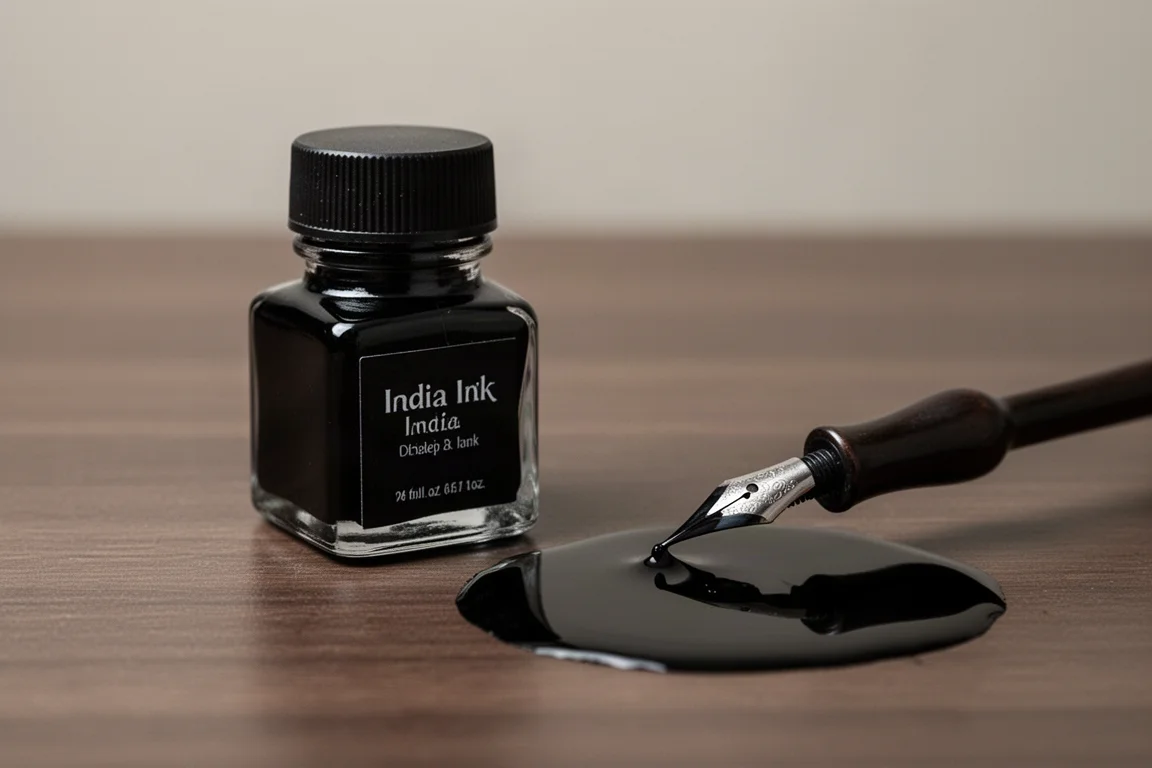
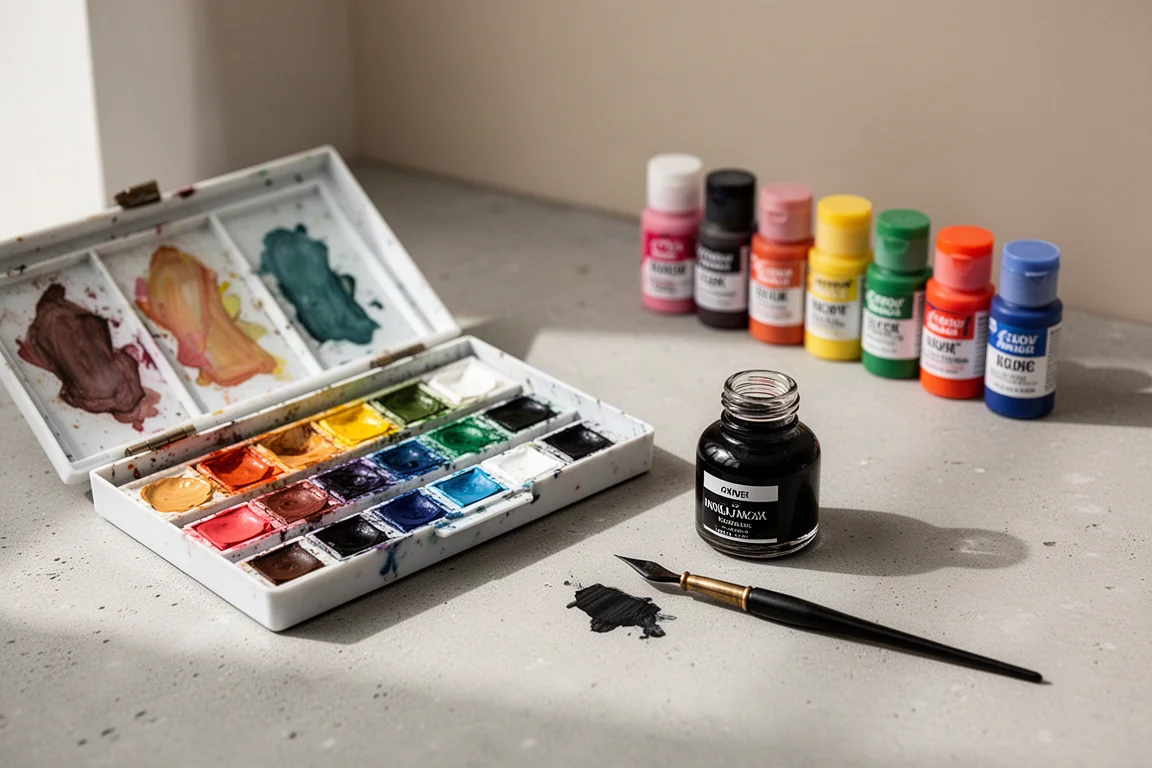
If any month involves ink, a bottle of India ink belongs in the kit. Dr PH Martin’s Bombay black India ink is the pick, deep and rich for ink illustration work. Combined with a mixed media sketchbook, it opens up everything from line art studies to fully finished ink pieces. Keep in mind that colors only available in bottles, rather than metal tubes, are still perfectly usable; a teal in bottle form works just as well.
Budget-Friendly Additions That Earn Their Spot
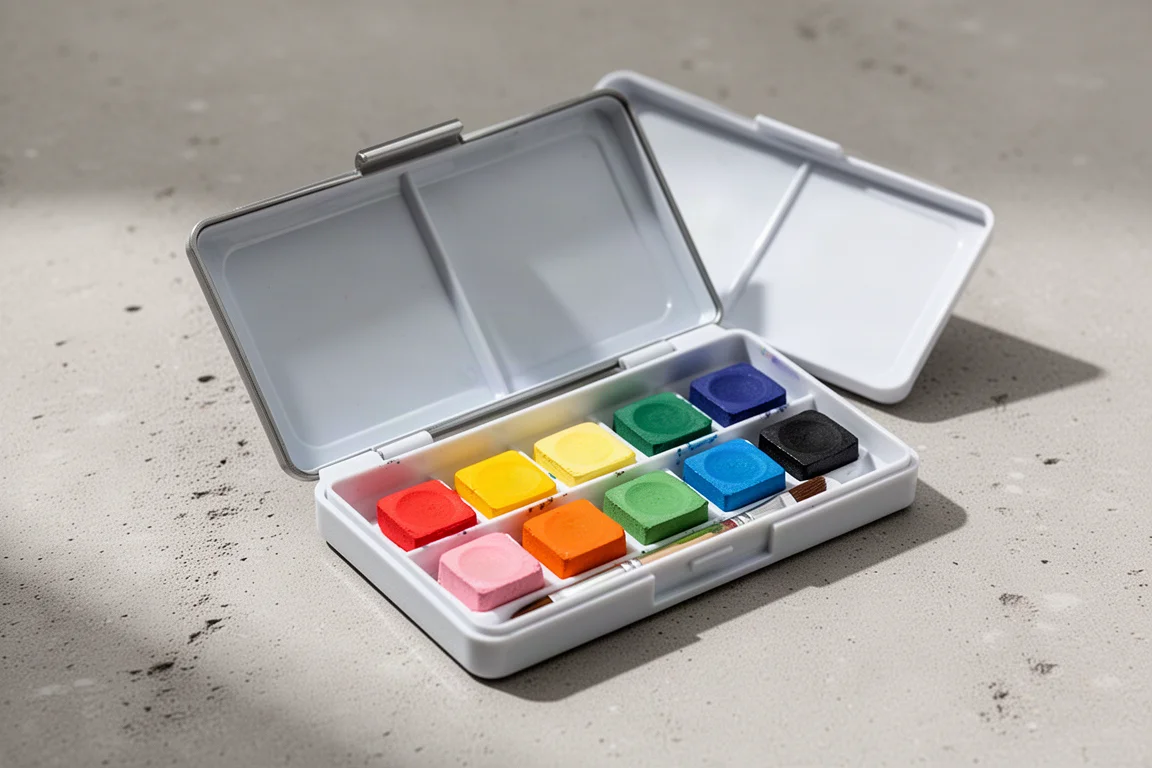
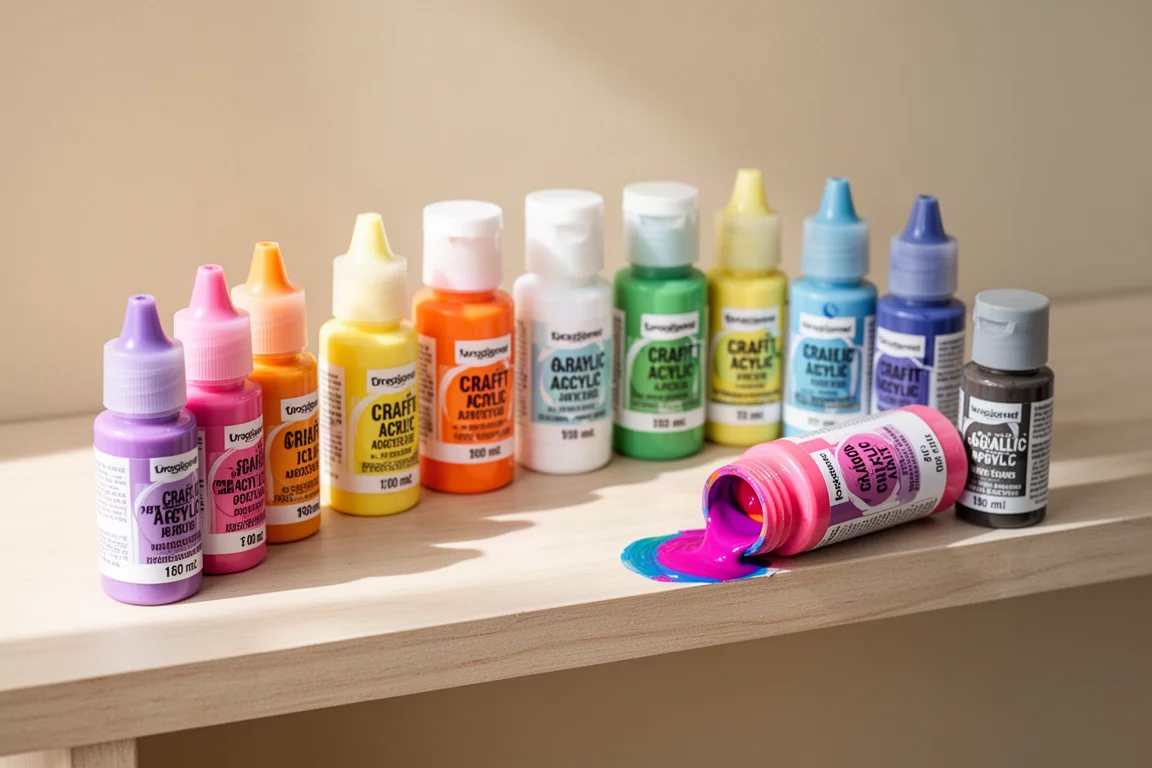
A few lower-cost items round out a sensible kit. FolkArt craft paint is genuinely decent for the price and worth recommending to anyone who wants cheap paint for practice pieces, backgrounds, or crafts; artists tend to accumulate many bottles of it for good reason. The Himi gouache set is another hobbyist favorite: it may not be the most archival, lightfast gouache available, but it applies and dries with a really pleasant quality, making it a great entry point before investing in super professional gouache.
Small conveniences matter too. A palette seal, a large lidded palette with replaceable paper, keeps acrylic paint wet between sessions, which solves one of acrylics’ biggest problems. Disposable palette paper protects desks and keeps workspaces presentable. A good eraser needs no brand loyalty; artists simply need one.
Overall Buying Advice
For a rebuilding kit, the priorities are clear: invest in professional heavy body acrylics for the work that matters, take advantage of clearance and sale pricing where quality holds up, and fill the supporting roles with affordable, proven tools. Sketch with erasable colored pencils if you prefer clean under-drawings on canvas, consider soft pastels for loose compositional sketches before painting, and buy canvases during genuine sales rather than marginal promotions. Most importantly, buy for how you actually work, not for a fantasy version of your practice.
Conclusion
Rebuilding from scratch is less about replacing everything and more about curating. A well-chosen bag, a square mixed media sketchbook, professional-grade heavy body acrylics matched to your budget, a fineliner, a Signo white pen, India ink, and an approachable gouache set cover the overwhelming majority of what an acrylic painter and illustrator needs for a full year. Start there, experiment as you go, and let the empty slots in your bag tell you what to buy next.
Further reading
Related Reviews
Art Supplies
Art Pop Watercolor Pencils 48-Color Set: A Thoughtfully Designed Student-Grade Option
The Art Pop 48-color watercolor pencil set blends well, dissolves smoothly, and includes artist-friendly details like barrel-printed color names, all at an affordable price.
Art Supplies
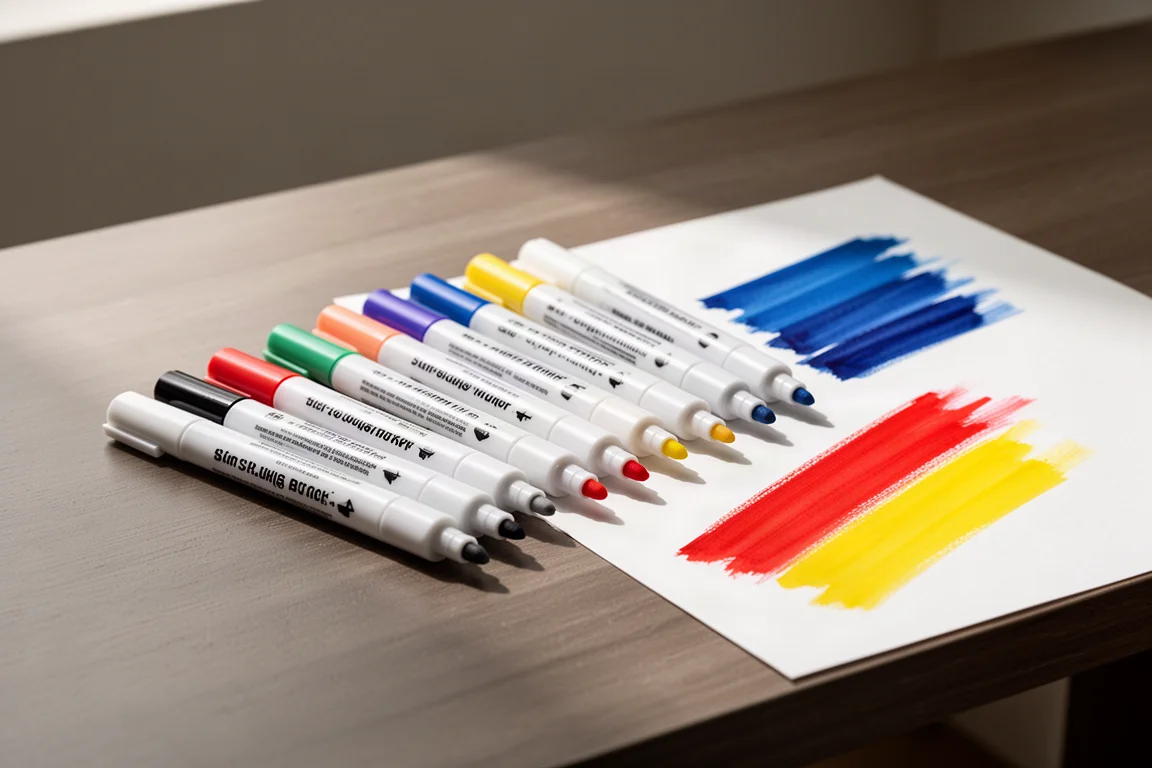
Artics Acrylic Markers 3mm Review: Versatile Paint Markers With a Few Caveats
A 48-color set of water-based acrylic paint markers that blend while wet, dry permanent, and keep the price low, though safety transparency remains a question.
Art Supplies
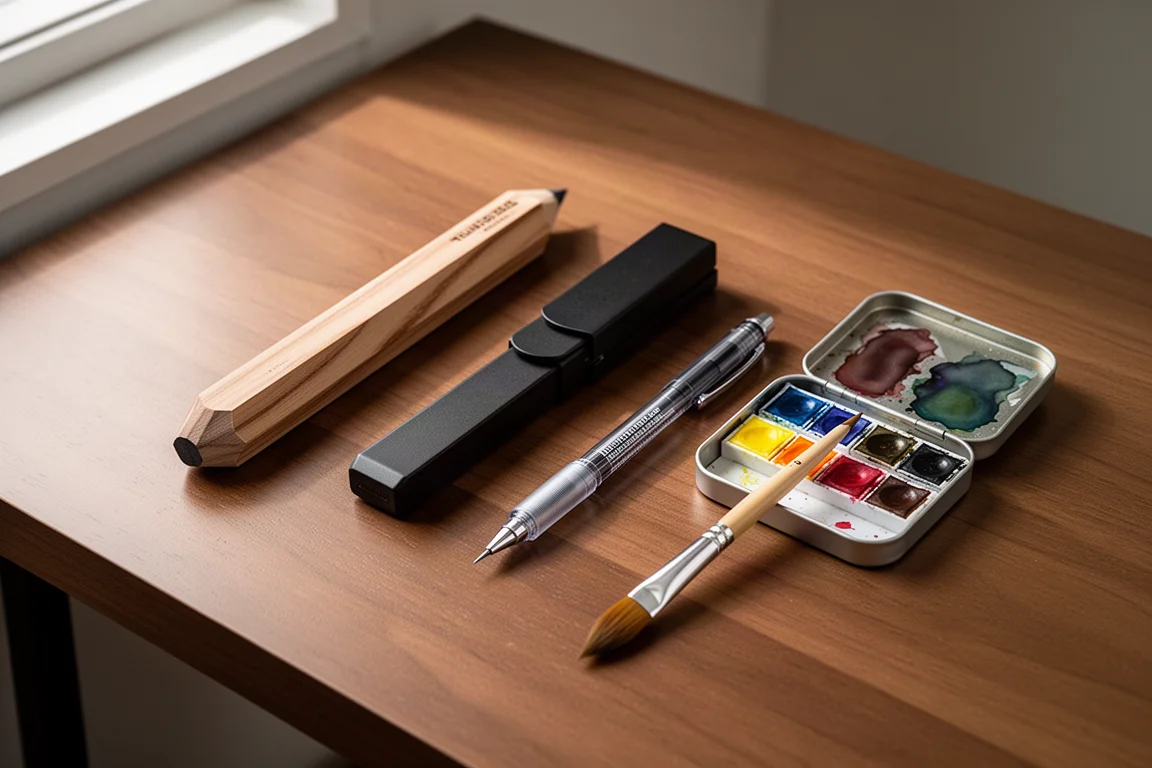
Best Art Supplies Worth Your Money: Pencils, Pens, Paints, and Paper That Earned Their Spot
After years of daily use and testing, these are the pencils, pens, watercolors, gouache, brushes, sketchbooks, and erasers that stand above the rest.