Audio
Raycon Everyday vs Fitness Earbuds: Which Pair Fits Your Life?
Two Raycon earbuds, two different jobs. Here is how the Everyday and Fitness models compare on sound, fit, battery, and water resistance.
Introduction
Raycon has been building out its earbuds lineup with a simple pitch: premium-adjacent audio at a price that does not sting. Two of those models, the Everyday Earbuds and the Fitness Earbuds, aim at slightly different routines, and both spent weeks being used for daily listening and actual running. This comparison breaks down where each one earns its price and where it falls short, so you can match the right pair to how you actually listen.
The Raycon Lineup at a Glance
Raycon currently offers four earbuds. Beyond the two compared here, the Work Earbuds add active noise canceling, and the Gaming Earbuds focus on extremely low latency for gaming with minimal audio delay. The Everyday and Fitness models sit in the middle as the general-purpose and workout-oriented options.

Both pairs are very lightweight, as are their cases. The biggest hardware differences come down to fit, water resistance, controls, and battery.
Key Specs Compared
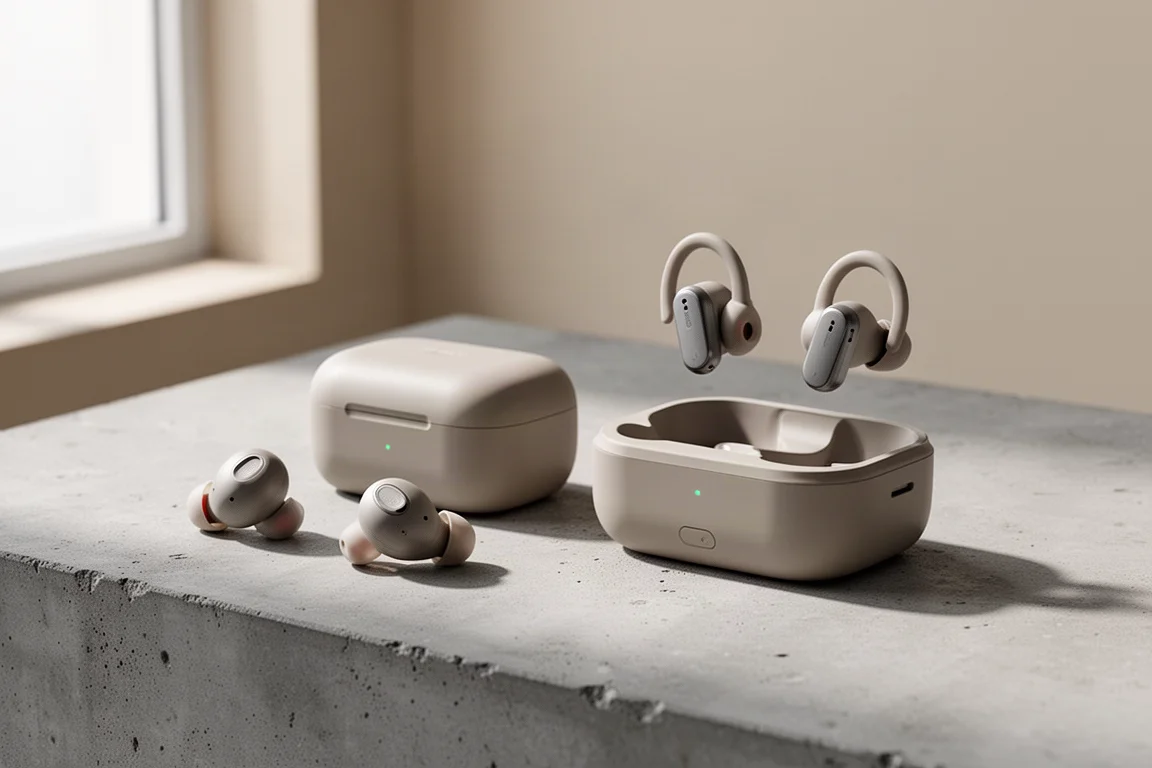
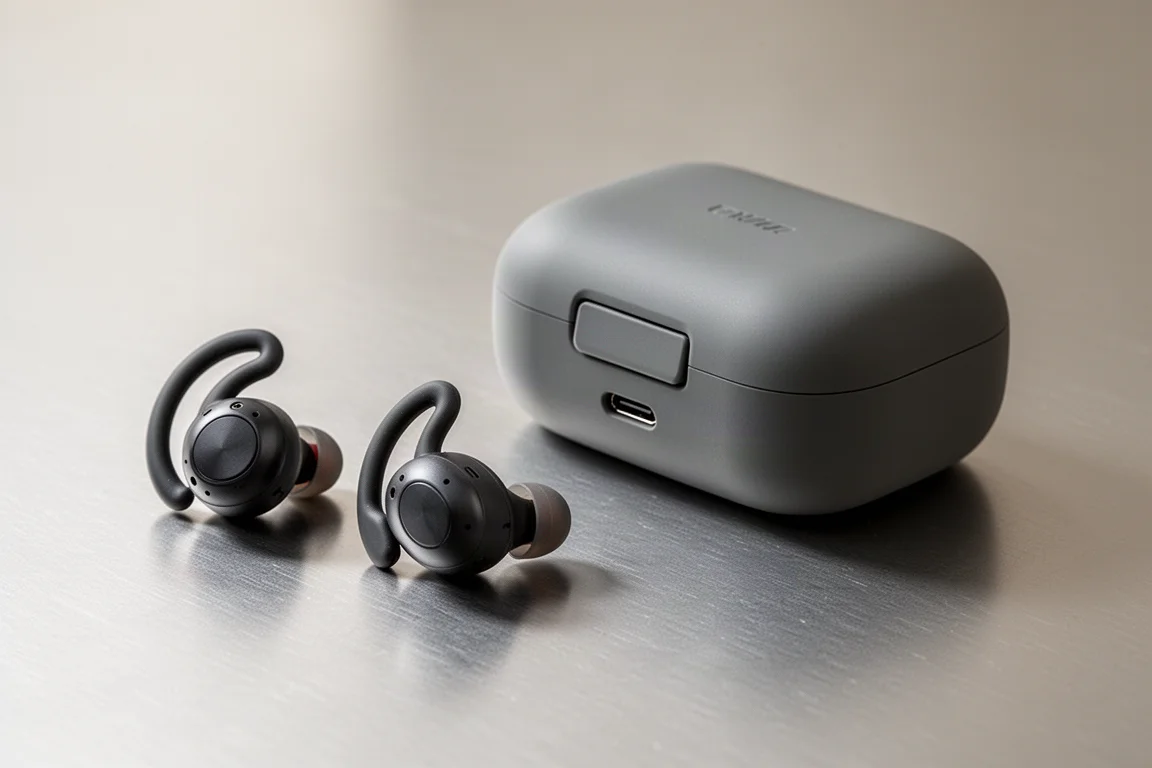
The Fitness Earbuds include small ear stabilizers, little hooks that wedge into the folds of the ear rather than looping around it, for a more secure fit during movement. The Everyday Earbuds use a more conventional earbud shape with no stabilizer.
The Everyday case is a straightforward lightweight design that charges over USB-C and wirelessly. The Fitness case is a different shape, a touch heavier, and adds a small trapdoor over the USB-C port, presumably to help keep sweat and water out when the case is stuffed in a pocket. It also supports wireless charging.
Battery claims favor the Fitness model: the Everyday Earbuds promise 8 hours per charge and up to 32 hours with the case, while the Fitness Earbuds claim a total of 54 hours of listening across the case, an unusually large figure for a set of earbuds.
Water resistance is strong on both. The Fitness Earbuds are IPX7 rated, meaning they can be submerged in up to a meter of water for 30 minutes. The Everyday Earbuds are IPX6, which handles high-pressure water jets from any direction, well beyond the light-splash protection many earbuds offer at this price. Both should comfortably survive sweaty runs or an unexpected downpour.
Sound Quality: A Clear Gap in Quiet Rooms
Quiet-room listening is where these two pairs genuinely diverge. The Everyday Earbuds deliver a rich, full bass with clean mids and highs and no obvious distortion, which feels like a lot of sound for an $80 pair of earbuds. The more snug in-ear fit and slightly larger default tips likely help here.
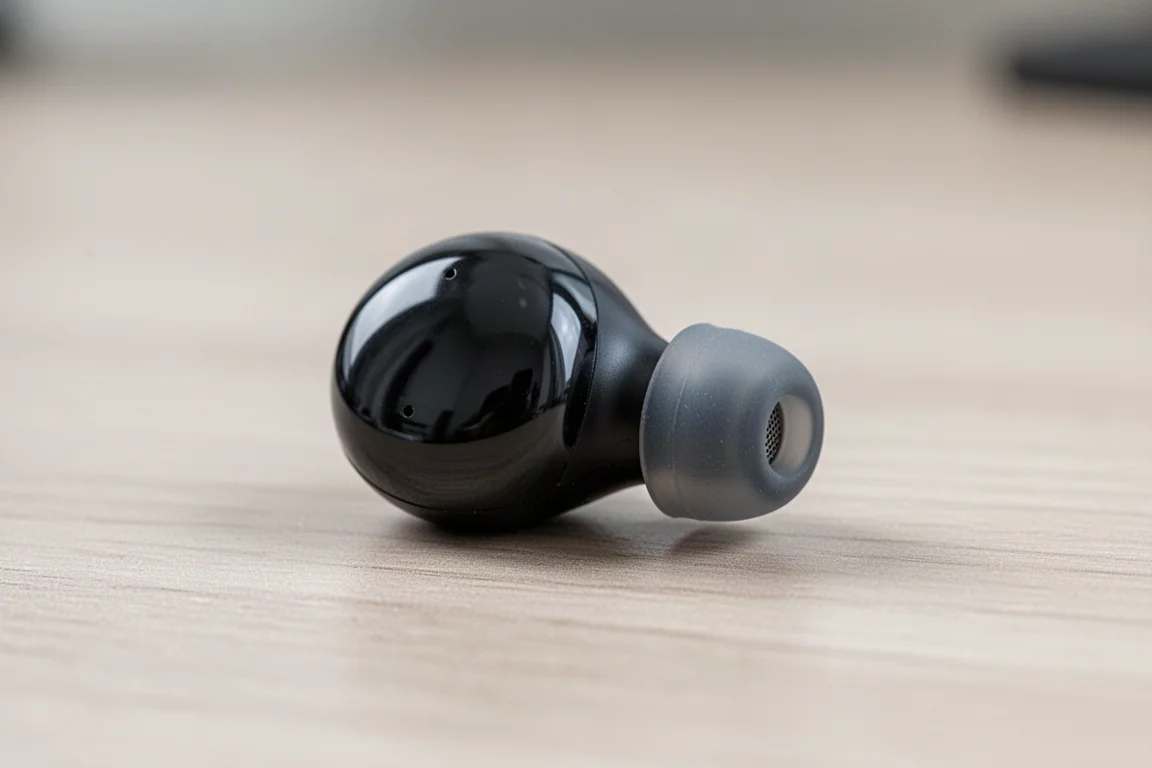
The Fitness Earbuds sound less convincing in a quiet environment. Their bass mode feels artificial, like raising only the top two knobs on an equalizer, producing a hollow, tube-like quality rather than natural low end. The looser fit may contribute to the difference.
Out on a run, though, that gap disappears. With ambient noise and the sound of footsteps mixed in, the two pairs sound effectively identical whether listening to music, podcasts, or audiobooks.
Living With Them: Fit, Controls, and Quirks
Controls are a practical split. The Everyday Earbuds use physical buttons, which is easier to operate reliably, especially with gloves or mid-run. The Fitness Earbuds use touch-sensitive tap zones, a curious choice for a workout earbud since touch zones are hard to hit while moving.

On the run, the Fitness Earbuds were the preferred pair: extremely lightweight, easy to forget they are in, and with far less of the earplug effect. The snugger Everyday fit amplified footsteps noticeably.
Awareness mode disappointed on both. Instead of making runners, bikes, or cars easier to hear, it mostly amplified a high-pitched city hum, and in quiet situations it added crackling and buzzing under podcasts or streaming during conversational gaps. Leaving it off was the better experience, and taking one earbud out was the only reliable way to hear someone in person.
Neither pair pauses playback when removed, since there are no wear sensors, so music keeps playing during conversations. Both also showed occasional Bluetooth dropouts, roughly once or twice per pair over the testing period, mainly when the phone sat in a back pocket or backpack. Once a dropout started, the only fix was reseating the earbuds in the case and reconnecting, which is inconvenient mid-run since the case usually stays home.
Which Should You Buy?
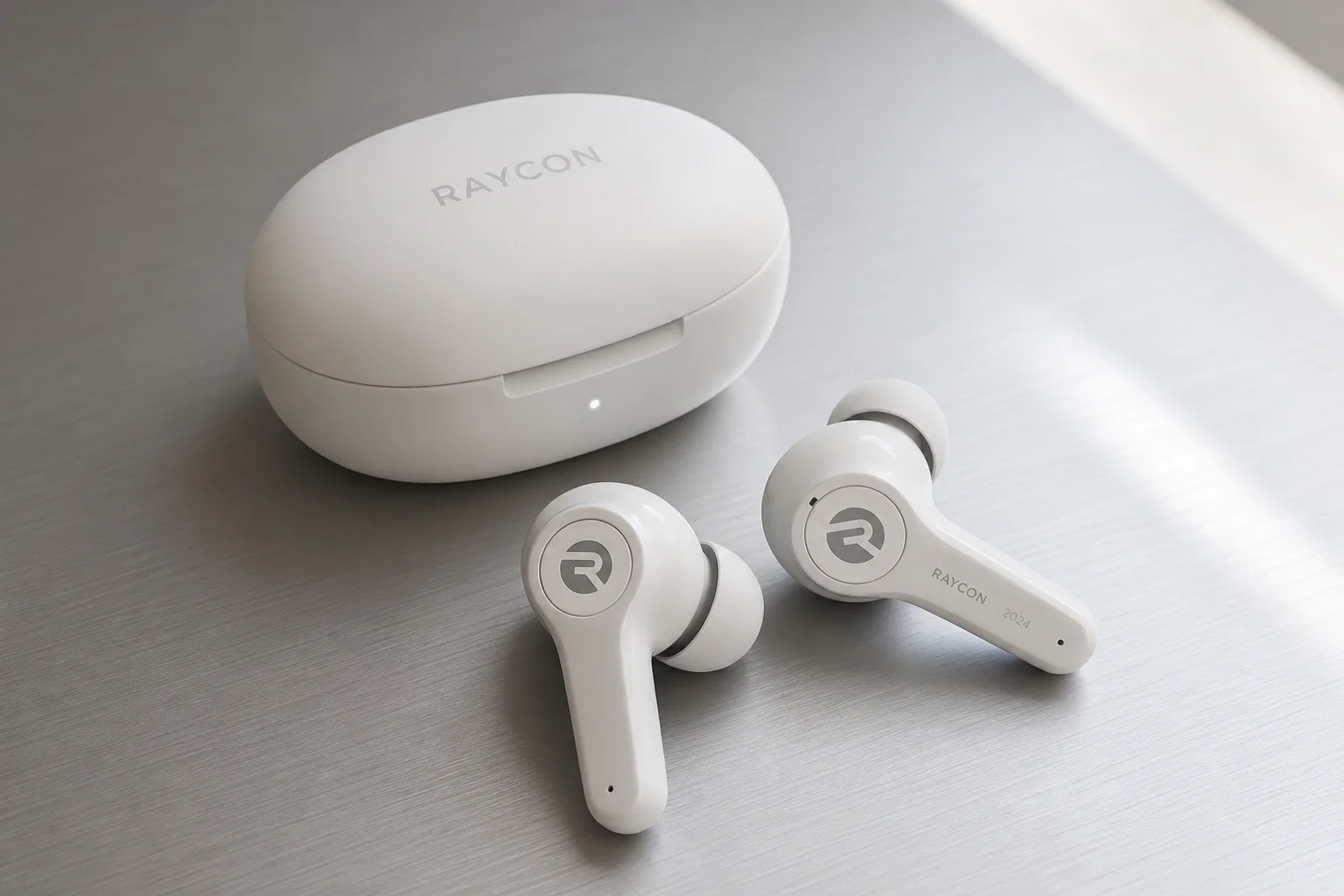
If your listening happens mostly at a desk, around the house, or during errands, the Everyday Earbuds are the easier recommendation. The sound quality punches well above the price, the physical buttons are more reliable, and the IPX6 rating still covers sweaty runs as long as you keep the case nearby to reset any rare connection issues.
If your priority is running and workouts, the Fitness Earbuds still do the core job well: they are featherweight, secure, and IPX7 rated with a huge claimed 54 hours of total battery. But the weaker quiet-room sound, touch controls, and the $120 price make the $40 premium over the Everyday model hard to justify when so many compelling competitors exist around that price point.
Buying Advice: Which One Is Worth It
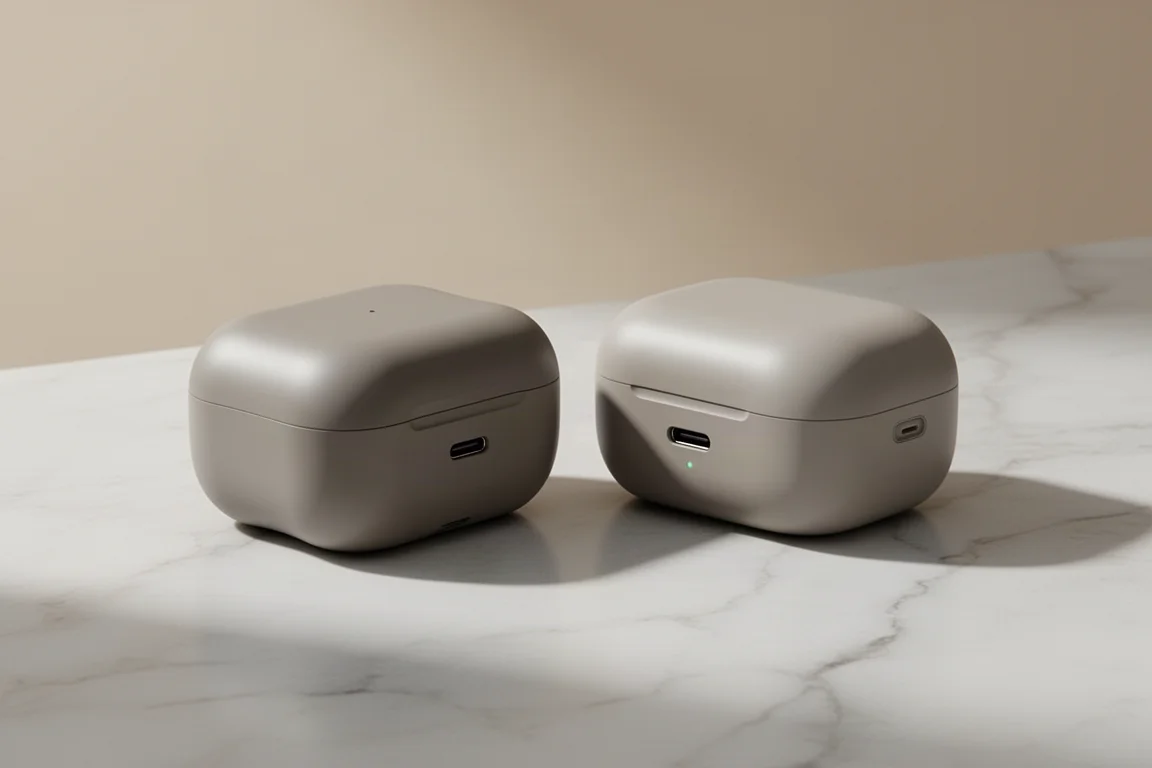
At $80, the Everyday Earbuds deliver more than their price suggests in sound quality, and their sturdier water rating is a genuine bonus. At $120, the Fitness Earbuds trade sound quality and simple controls for a more secure fit and higher water resistance. If that trade matters for your routine, they are a reasonable pick; if it does not, the Everyday model is the better value.
Conclusion
The Everyday Earbuds win on value and sound, the Fitness Earbuds win on secure fit and workout durability. For most buyers, the Everyday pair is the smarter spend, while runners who prioritize a locked-in fit and full submersion protection may still find the Fitness model worth the premium.
Further reading
Related Reviews

Audio
Apos x Geshelli Merlin DAC Review: A Natural Match for the Gremlin Amp
The Apos x Geshelli Merlin DAC pairs balanced and single-ended outputs with a smooth, natural sound that complements the Gremlin tube amp.
Audio
Audio Gear That Beats Pricier Rivals: Nine Value Picks for 2026
Nine turntables, streamers, speakers, and amplifiers that deliver far more than their price suggests, plus the trade-offs worth checking before you buy.
Audio
Best Amplifiers Under $200: Four Compact Stereo Amps Worth Considering
Four compact amplifiers under $200, from a class AB design with a headphone section to a DAC-equipped integrated amp and a low-cost pick from a US-based brand.