Audio
Audio Gear That Beats Pricier Rivals: Nine Value Picks for 2026
Nine turntables, streamers, speakers, and amplifiers that deliver far more than their price suggests, plus the trade-offs worth checking before you buy.
Introduction
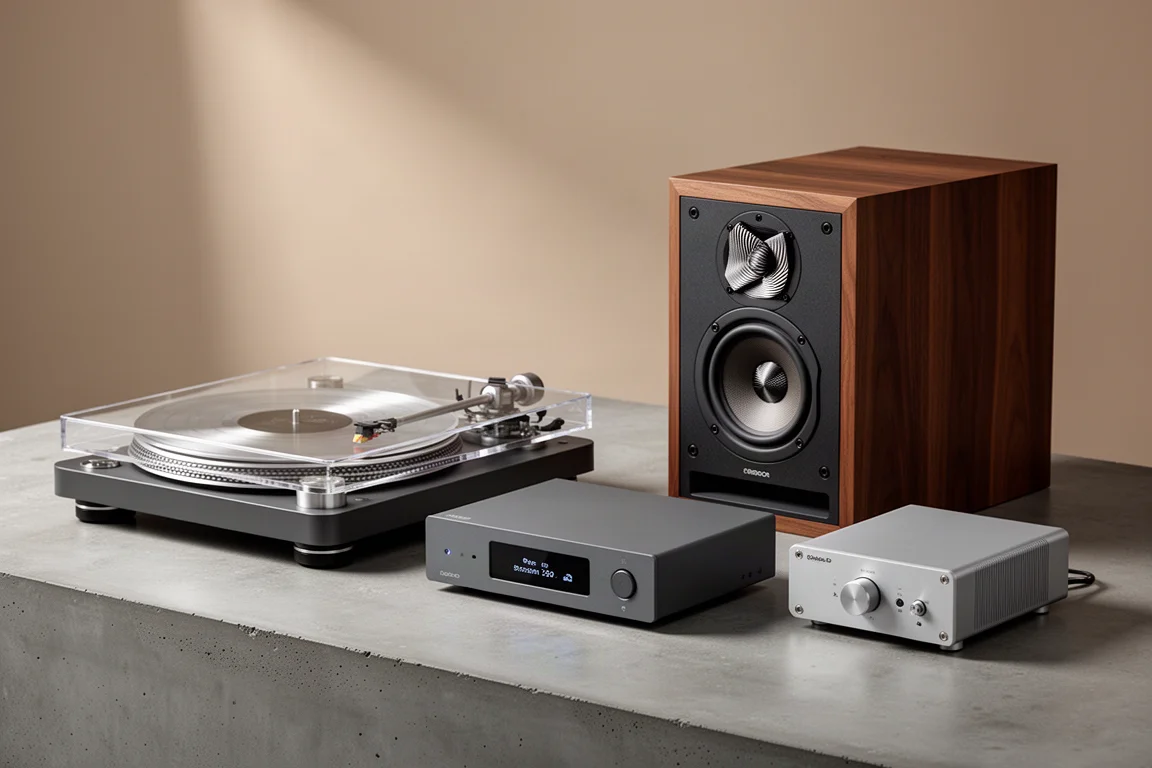
Some hi-fi purchases reward you twice: once when you hear them, and again when you remember what you paid. The nine components below belong in that category. Each one is built around a specific strength, whether that is a cartridge, a room-correction suite, a tweeter design, or a power supply, that normally appears further up the price ladder.
This roundup is organised by component type, so you can move straight to the part of a system you are rebuilding. Every entry covers what makes the product stand out and what to weigh before you commit.
What Counts as a Value Pick
Value in audio does not mean cheap. A component earns the label when its core engineering, rather than a long feature list, is the reason it can compete with gear that costs considerably more.
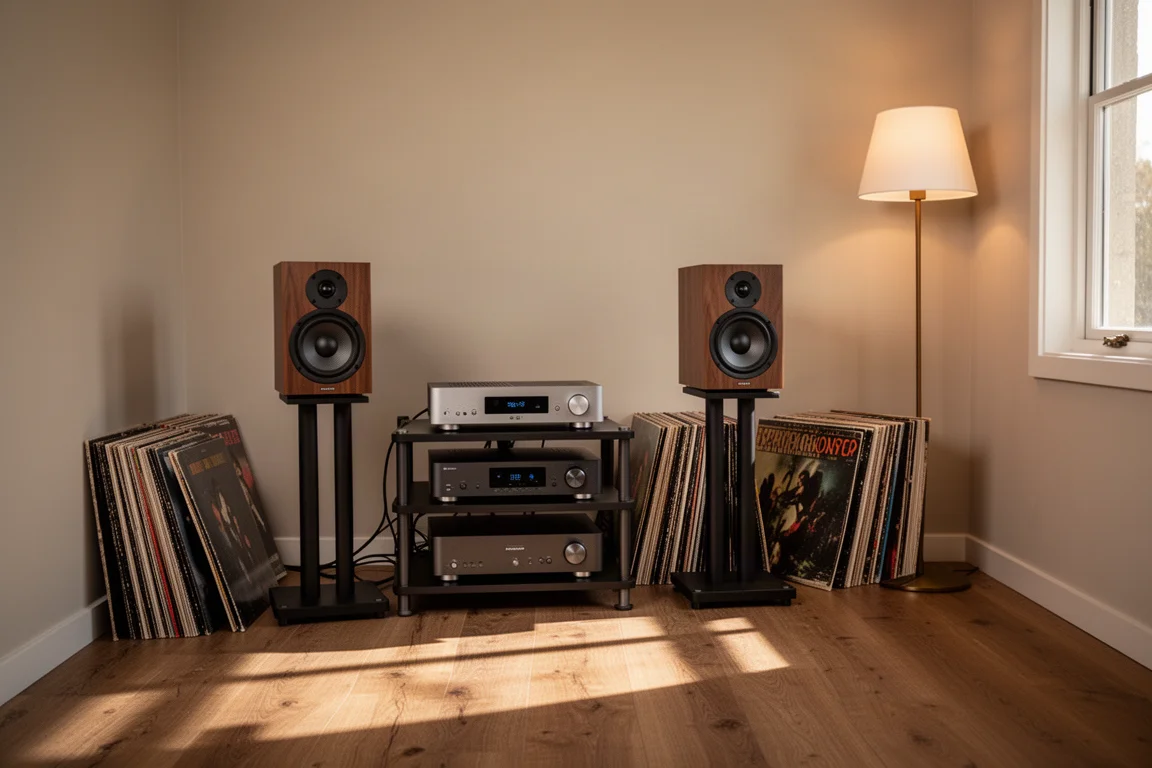
Three questions separate a genuine value pick from a bargain that disappoints. Does the money go into the parts that shape sound quality? Does the product leave out features you would never use? And can you live with its limitations, whether that is a smaller cabinet, fewer inputs, or a simpler control app? Answer those honestly and the choice usually becomes obvious.
Fluance RT85: A Turntable That Beats Its Price Class
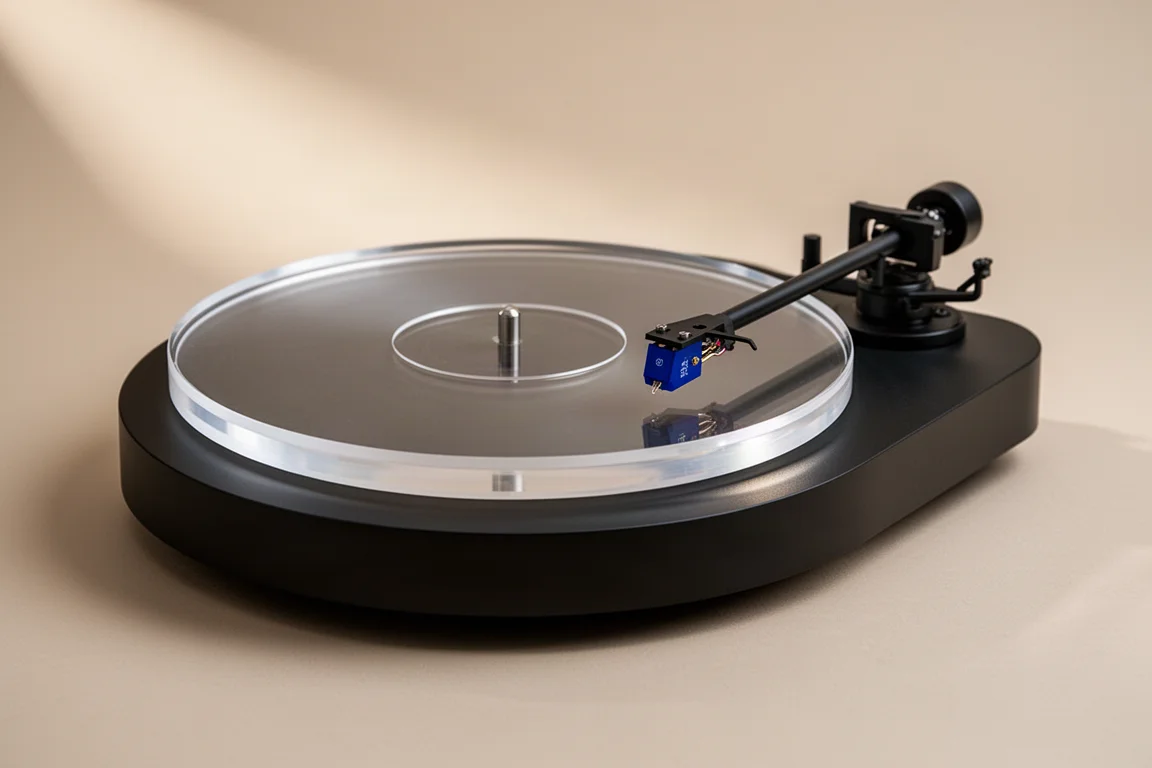
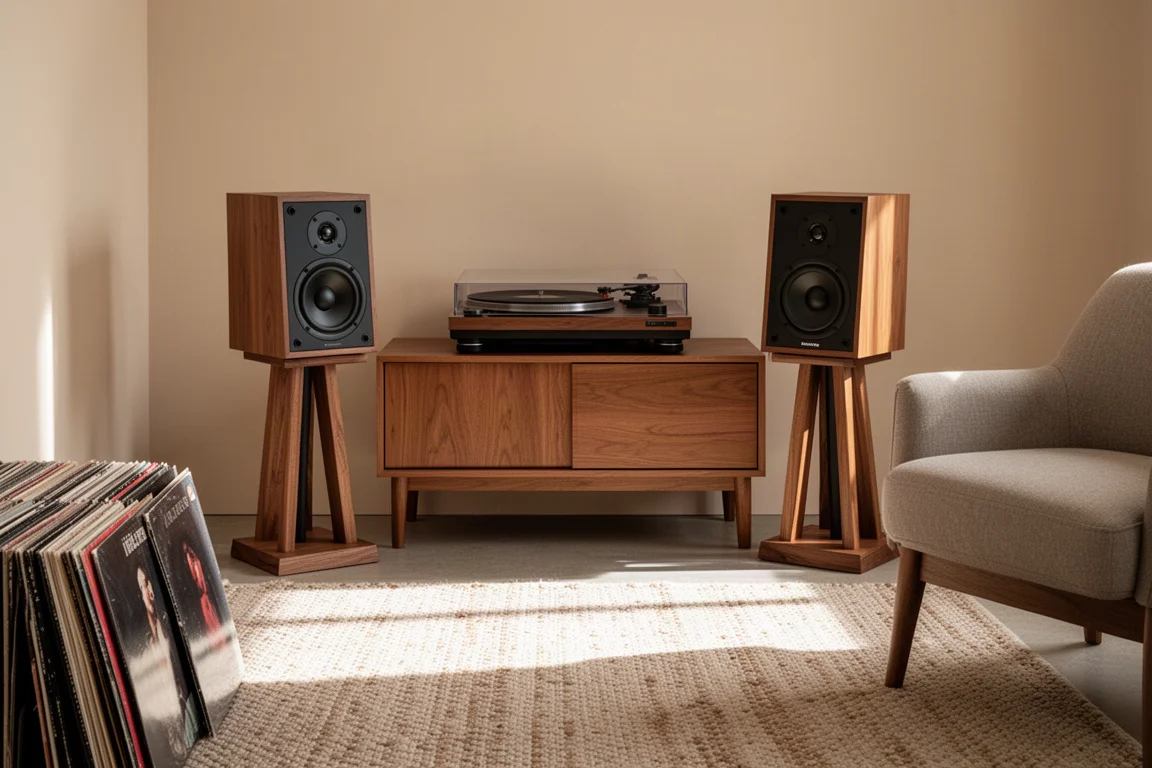
The most persuasive part of the Fluance RT85 is the cartridge. It ships with an Ortofon 2M Blue, a cartridge that costs more than $200 on its own. Add an acrylic platter and an auto-stop function, and the value calculation becomes easy to follow.
Fluance sells direct to customers, which is how a turntable at this level can include a cartridge that would otherwise dominate the budget. Other direct-to-consumer brands exist, but not all of them reach the same specification at the same price.
U-Turn Orbit Theory: A Glass Platter Alternative
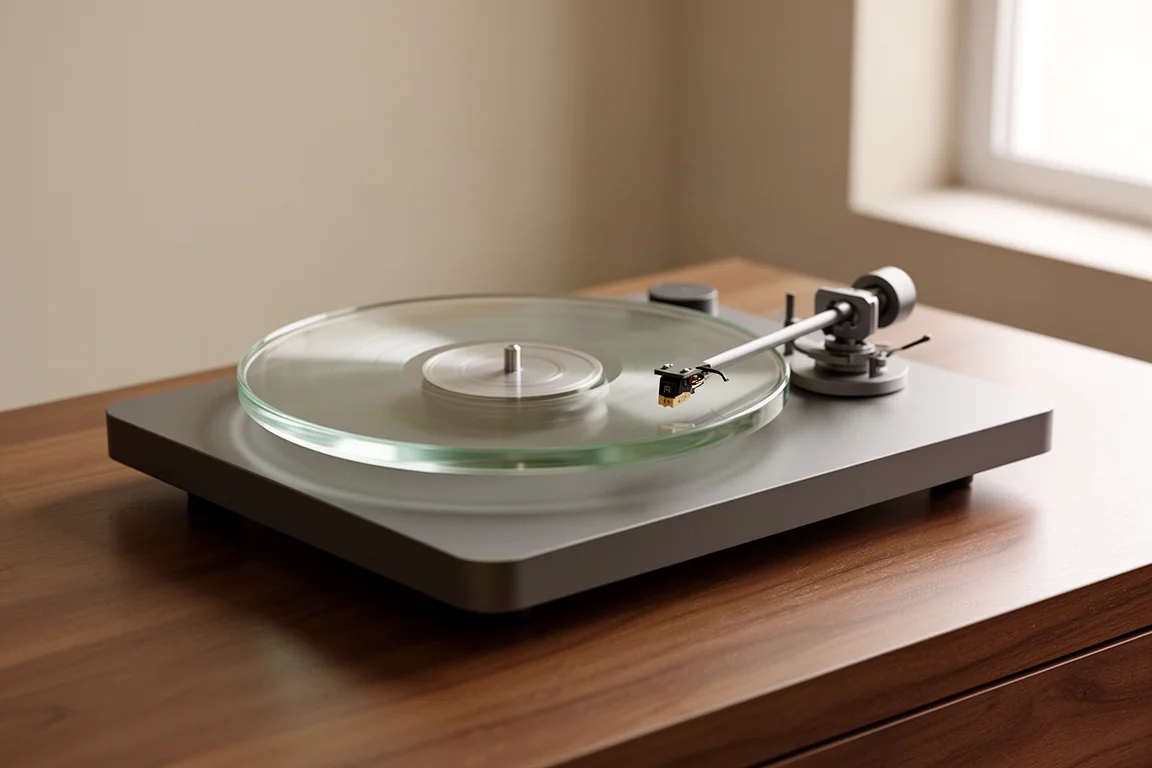
The U-Turn Orbit Theory is a genuinely good turntable, and it takes a different route to a similar destination with a glass platter and the same Ortofon 2M Blue cartridge. The catch is cost: it arrives at roughly twice the price of the Fluance RT85.
Move further up the market and you reach designs selling for considerably more, with heavier plinths, upgraded feet, and stronger motors. Those are real improvements, but they raise a fair question. Does the listening experience improve in proportion to the money?
WiiM Ultra: Streaming Value Leader
The WiiM Ultra makes the strongest value argument in streaming right now. At $330 it includes room correction, a 10-band EQ, and a parametric EQ, features normally reserved for considerably more expensive streamers. The built-in streaming interface is intuitive enough to use without a manual, and it covers Amazon Music, Tidal, Spotify, and Qobuz.
Software support is the other half of the story. Updates arrive frequently, which matters in a category where the platform you buy is the platform you keep.
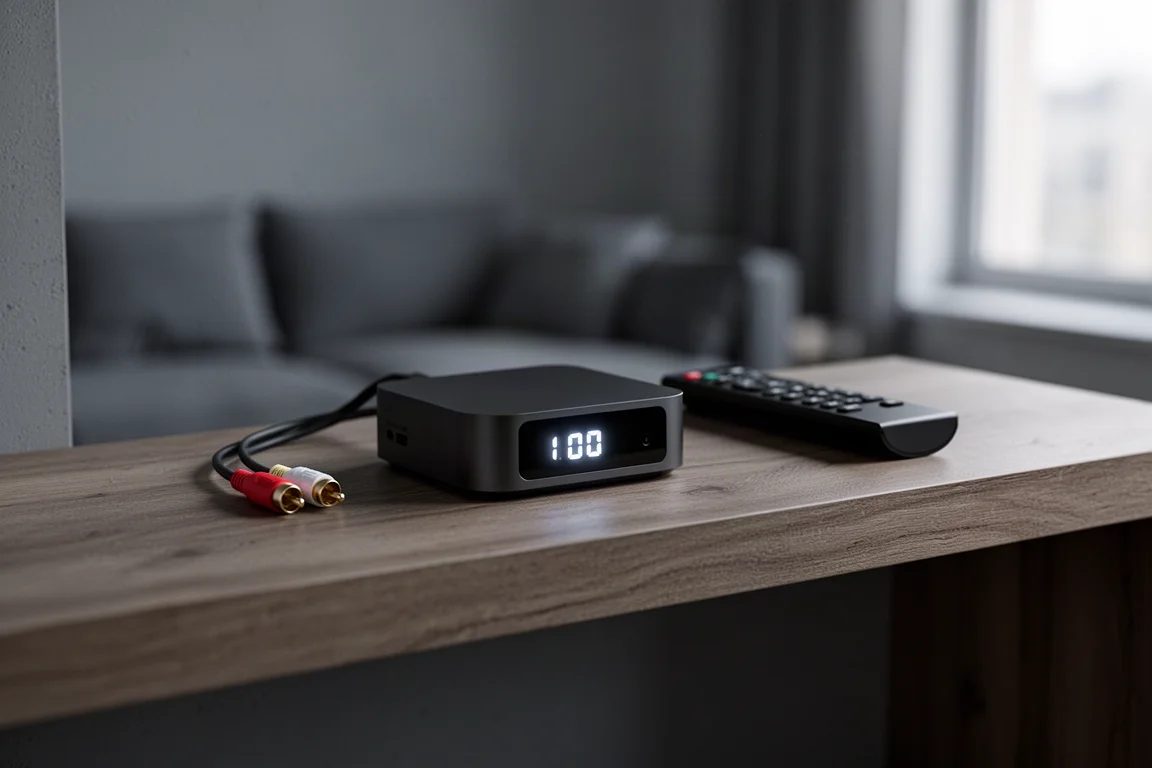
Streamers costing nearly three times as much can still leave room correction off the feature list, and some rivals that add balanced outputs and a more capable internal DAC pair those extras with a less approachable control interface. For most listeners the WiiM Ultra is the easier and more rewarding choice, and the money saved can go toward an outboard DAC later if you want one.
Emotiva XB2: Clarity at a Fair Price
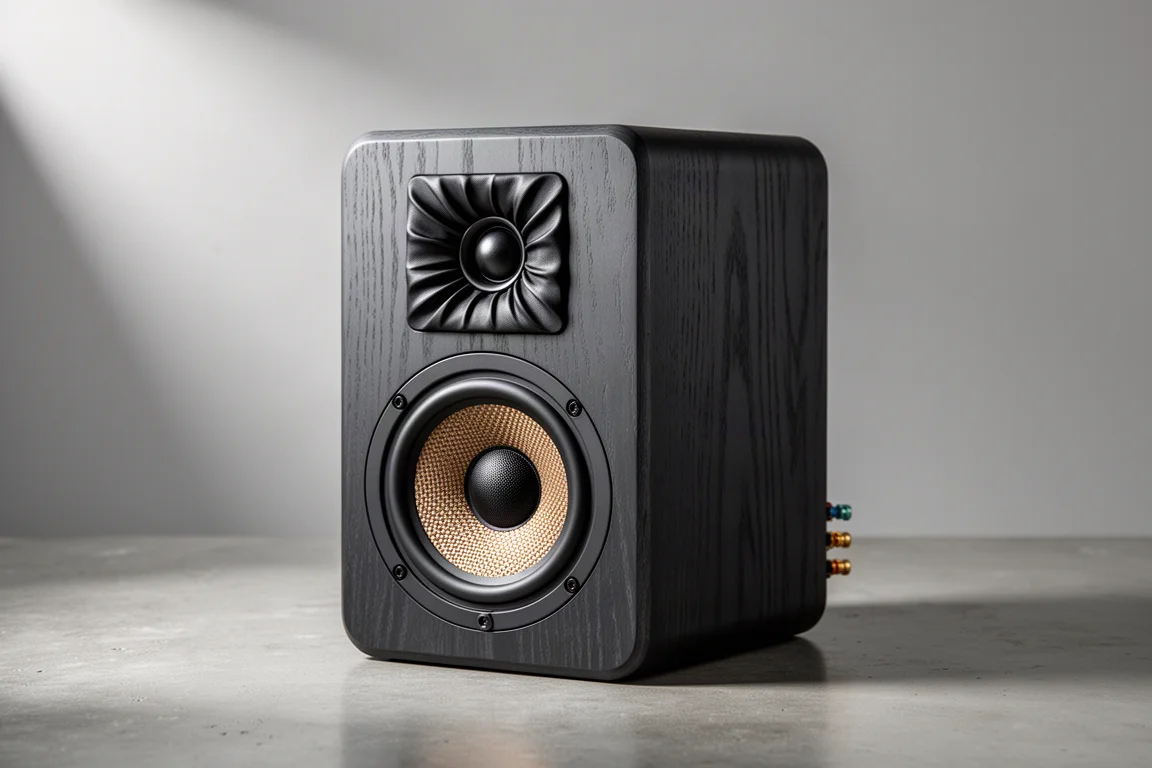
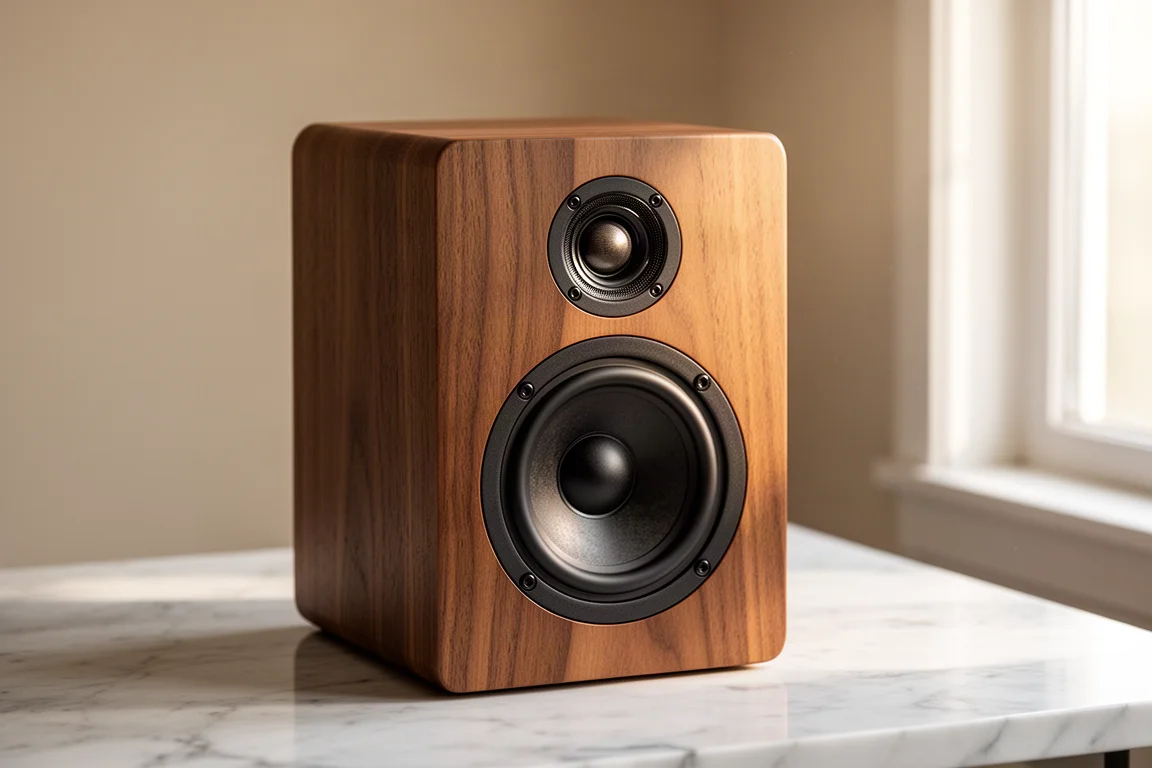
At a $500 retail price, the Emotiva XB2 is built around an air motion transformer tweeter, the folded ribbon design that gives the speaker its character. It pairs that tweeter with a 6.5-inch woofer and a proper crossover, a combination that is genuinely difficult to find at this price.
The result is clarity and accuracy through the midrange and treble, the region where cymbals, breath, and fine detail live. An air motion transformer is not automatically a guarantee of quality, since implementation and crossover design vary widely, but the XB2 delivers a level of composure that is rare in its price class.
Wharfedale Evo 4.1: An AMT Alternative
The Wharfedale Evo 4.1 is a genuinely good speaker and shares the air motion tweeter approach, usually landing around $650 when it is discounted. The trade-off against the Emotiva XB2 comes down to size: the Evo 4.1 uses a smaller woofer, so it will not move the same amount of air in a large room.
That makes it a strong choice for smaller spaces and nearfield listening, where its midrange and treble character can shine without asking the woofer to fill a big room. If you have the space and want more low-frequency output, the XB2 is the more balanced pick of the two.
Fosi Audio ZA3: Compact Amplifier Value
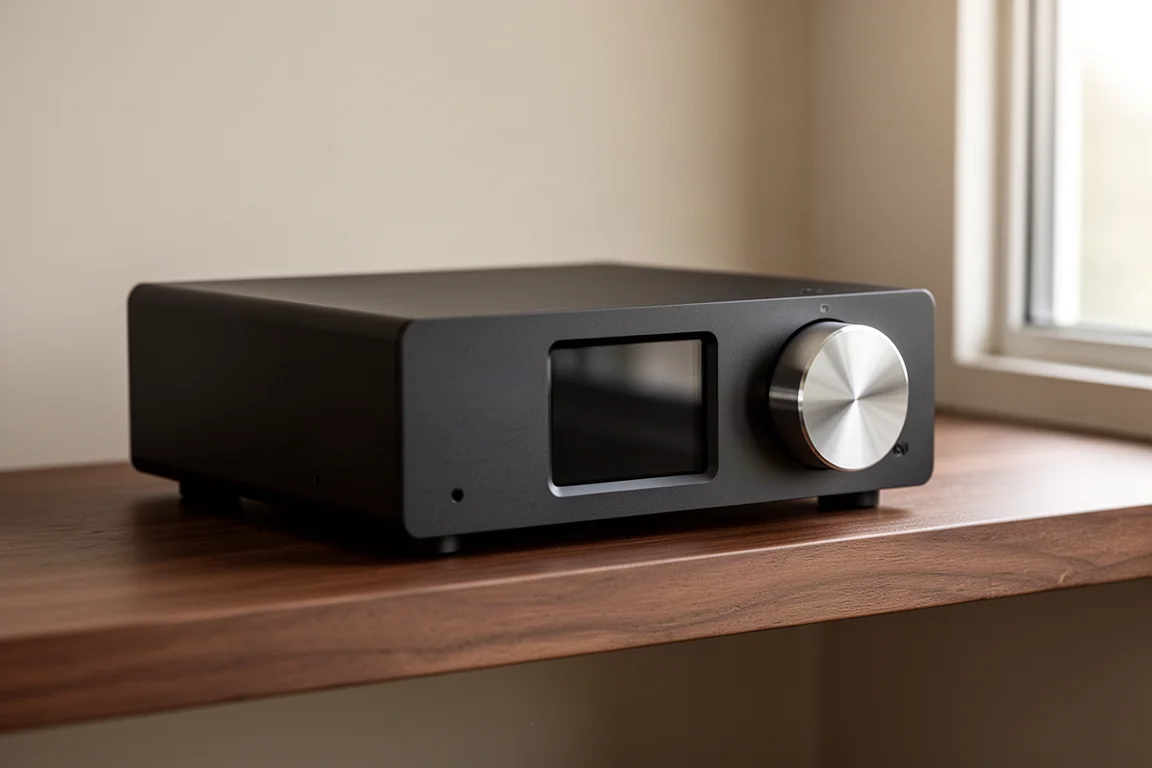
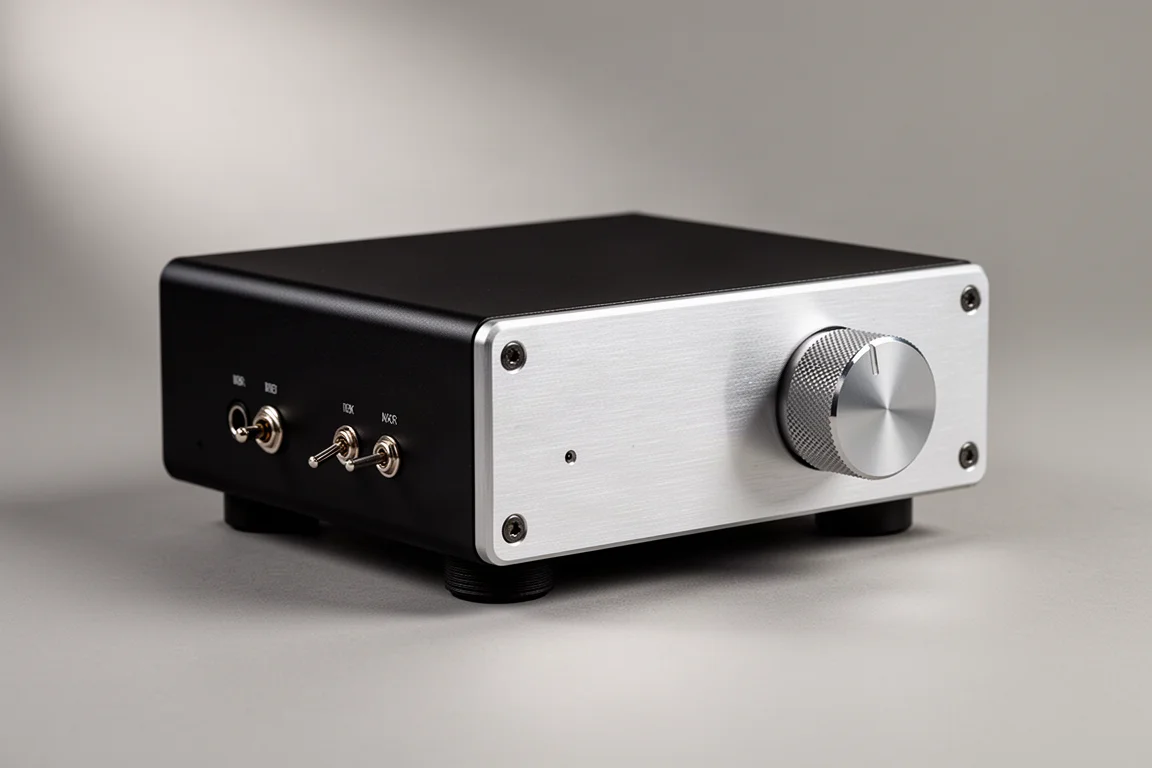
The Fosi Audio ZA3 is a compact class D amplifier that sells for around $150 and sounds far more expensive than that. It is dynamic and clean, and with a 48-volt power supply it provides as much power as most desktop and small-room systems need. Swappable op-amps let you adjust the character of the sound, which is unusual at this price.
The caveats are real. Inputs and outputs are limited, and build quality does not match the finish of costlier integrated amplifiers. Support experiences can also be less predictable for very affordable direct-sold electronics, so it is worth buying through a channel with a clear return policy.
AIYIMA A80: Affordable Op-Amp Swapping
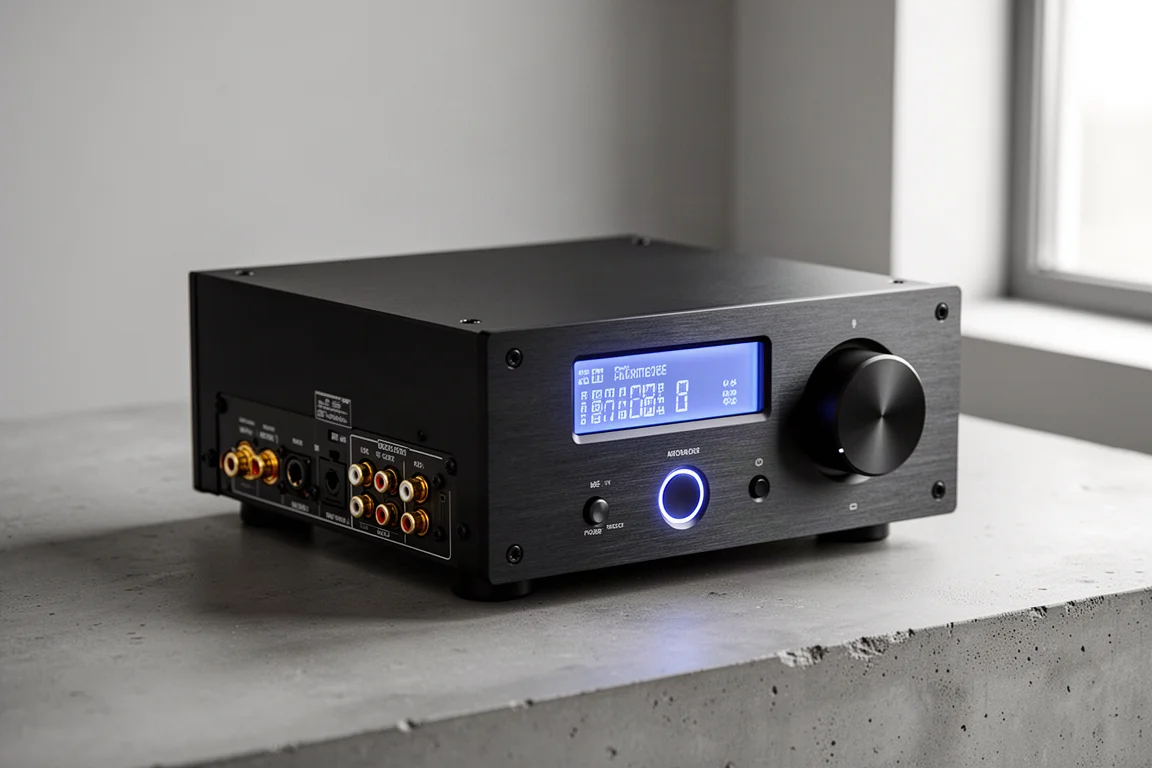
The AIYIMA A80 follows a similar philosophy at around $200. It offers the same core appeal: clean, dynamic sound, swappable op-amps, and enough power for typical speakers when paired with a suitable supply. It also shares the same limitations, including a modest input selection and the same uncertainty about long-term service.
If the lowest possible entry price matters most, the ZA3 undercuts it. If you prefer a different voicing or chassis layout, the A80 is worth considering. Either way, buy from a seller with a straightforward return window.
Fosi Audio V3 Mono: Monoblocks on a Budget
Monoblock amplifiers, one chassis per channel, are usually a premium approach. The Fosi Audio V3 Mono brings the idea down to around $300 for a pair, and the result is outstanding sound for the outlay. Separating the channels reduces crosstalk and gives each speaker its own dedicated power supply.
Op-amp swapping is part of the package here too, so the amplifiers can be tailored over time. The same practical warnings apply as with any very affordable direct-sold electronics: support can be slower if something goes wrong, so weigh that against the performance per dollar.
Monolith: Two-Channel Power on a Budget
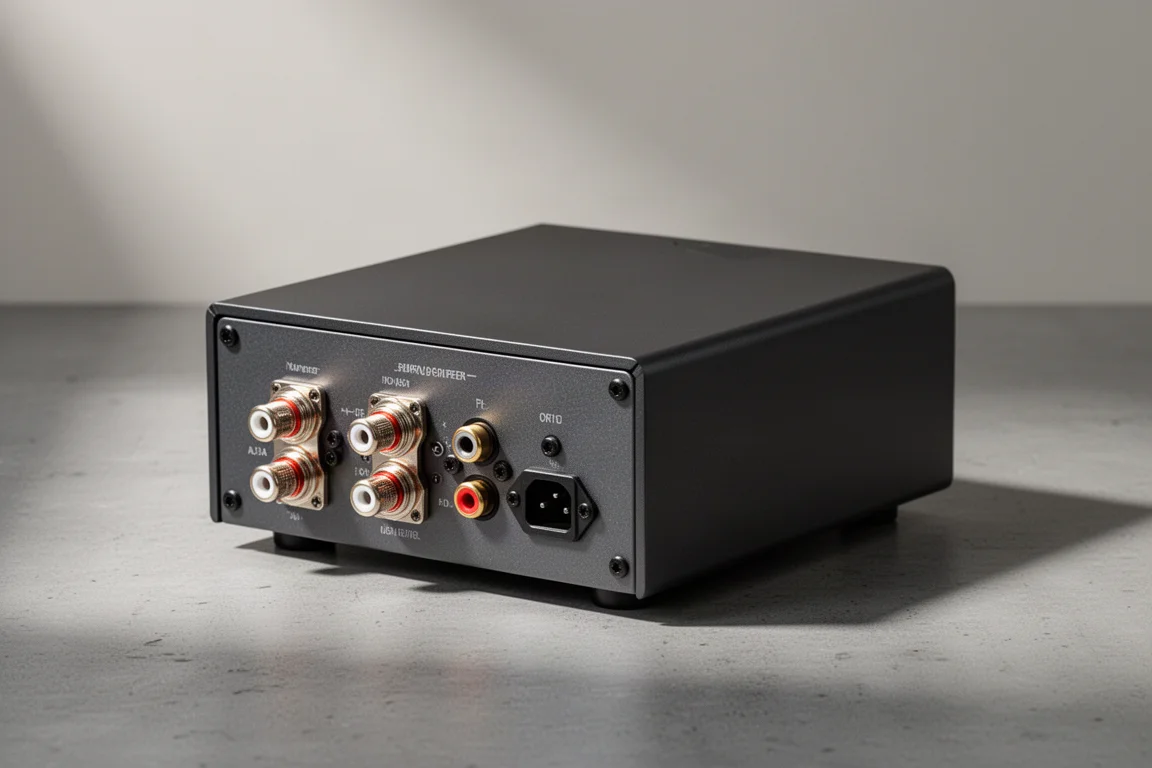
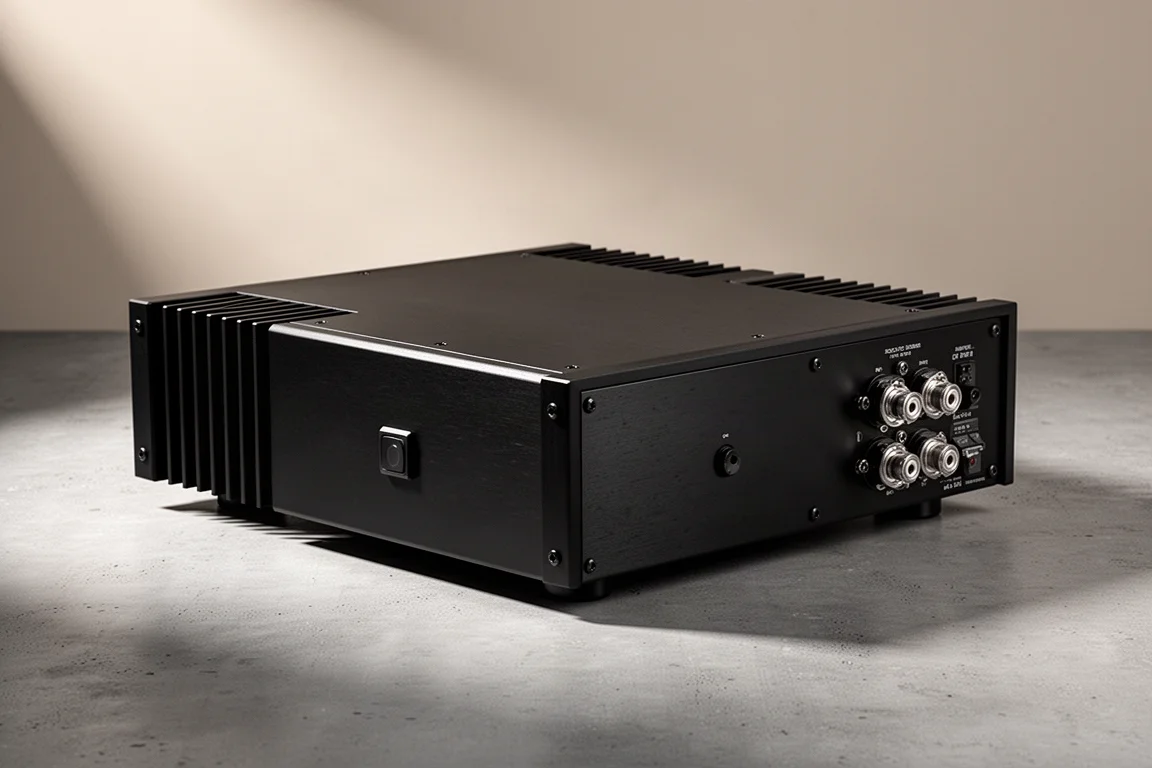
The Monolith two-channel power amplifier is a straightforward proposition: a pure power amp with no streaming, no tone controls, and no distractions. Its price typically floats around $300 when it is discounted, and at that level it holds its own against amplifiers selling for roughly twice as much.
Because it is a power amplifier rather than an integrated one, you will need a preamplifier or a source with variable output to control volume. For anyone building a system around a separate DAC or streamer, that is not a drawback. The budget simply goes into the power supply and output stage instead of features you may never touch.
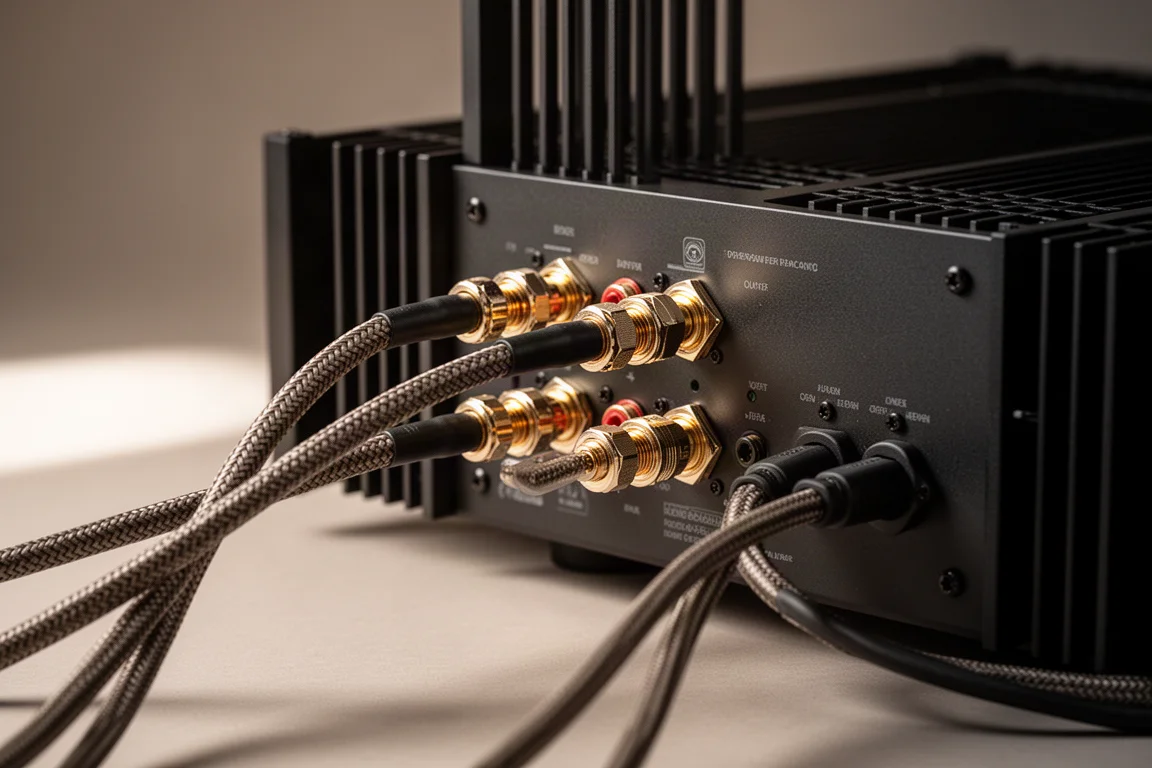
That focus is exactly why the Monolith belongs in a value roundup. It does one job, and it does it without asking you to pay for extras.
Buying Advice: Matching Gear to Your Room
Start with the component that limits your system most, then spend there.
Turntables: the cartridge shapes the sound more than most buyers expect, so a deck that includes a strong one, such as the Ortofon 2M Blue on the Fluance RT85, is often a smarter starting point than a cheaper deck plus an upgrade later. If you prefer a glass platter and a different design approach, the U-Turn Orbit Theory is the alternative to weigh.
Streaming: decide early whether room correction matters to you. If it does, the WiiM Ultra covers it at a price that leaves budget for other parts of the system, along with a 10-band EQ, a parametric EQ, and a steady flow of software updates.
Speakers: room size drives this decision. A compact bookshelf design such as the Wharfedale Evo 4.1 suits nearfield and smaller spaces, while the Emotiva XB2 offers a larger woofer and more output for bigger rooms. Both rely on an air motion transformer tweeter, so the difference comes down to scale and output rather than approach.
Amplifiers: check inputs, power supply, and return policy before you buy. Budget amplifiers such as the Fosi Audio ZA3 and the AIYIMA A80 deliver impressive sound per dollar, the Fosi Audio V3 Mono splits the job into two monoblocks for around $300 a pair, and the Monolith covers pure two-channel power for buyers who already own a preamplifier or a source with variable output.
Conclusion
None of these components requires a large budget, and none of them asks you to accept a serious compromise in sound. The Fluance RT85 and the U-Turn Orbit Theory make turntable shopping easier by including a cartridge worth keeping. The WiiM Ultra brings room correction and frequent software updates to a price point where they are rare. The Emotiva XB2 and the Wharfedale Evo 4.1 show how much a well-implemented air motion tweeter can offer at moderate prices. And the Fosi Audio ZA3, AIYIMA A80, Fosi Audio V3 Mono, and Monolith prove that affordable amplification no longer means settling.
Pick the component that solves the problem in front of you, buy from a seller with a clear return policy, and let the savings go toward the music.
Further reading
Related Reviews

Audio
Apos x Geshelli Merlin DAC Review: A Natural Match for the Gremlin Amp
The Apos x Geshelli Merlin DAC pairs balanced and single-ended outputs with a smooth, natural sound that complements the Gremlin tube amp.
Audio
Best Amplifiers Under $200: Four Compact Stereo Amps Worth Considering
Four compact amplifiers under $200, from a class AB design with a headphone section to a DAC-equipped integrated amp and a low-cost pick from a US-based brand.
Audio
Best Audio Deals Between $350 and $650: Speakers and Integrated Amps Worth Buying
Eight discounted hi-fi components between $350 and $650, with what each one does well and where it asks for a compromise.