Art Supplies
The Rarest Art Supplies in the World: 5 Collectible Materials Worth Knowing
From a retired Crayola color to brushes made from antique goat hair, five rare art supplies with remarkable stories behind them.
Introduction
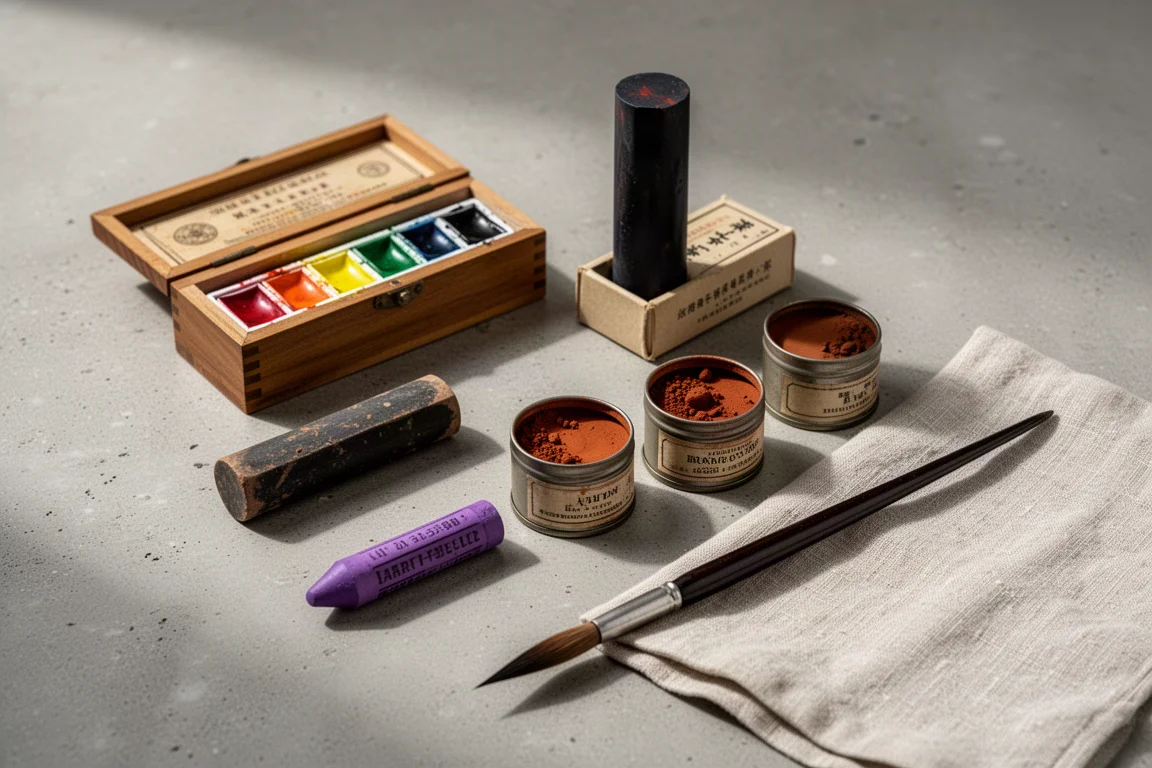
Some art supplies are rare because they were discontinued, some because they are made in tiny batches, and a few because the process behind them simply cannot be scaled. This roundup works through five of the rarest, from a retired crayon to brushes that represent the very top tier of the craft. If you collect materials or simply love the stories behind them, these are worth knowing about.
Crayola Color Thistle
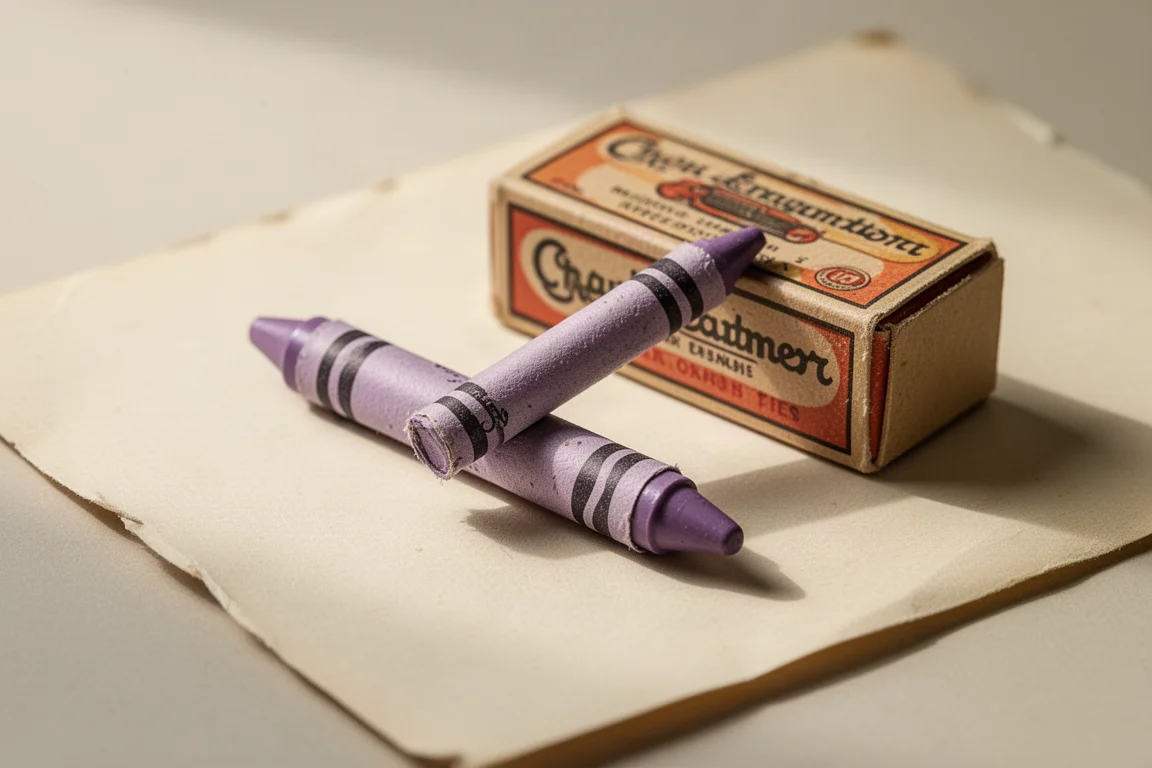
The Color Thistle is rare precisely because it was unloved. It shipped in Crayola packs from 1958 through 1999 before being retired, and the reasons are telling. Next to the rest of the box it reads as a pale, washed-out purple that did not fit the brand’s colorful identity, the name was reportedly difficult for children to pronounce, and next to legendary Crayola names like Robin’s Egg Blue or Purple Mountains’ Majesty, “Thistle” never stood a chance.
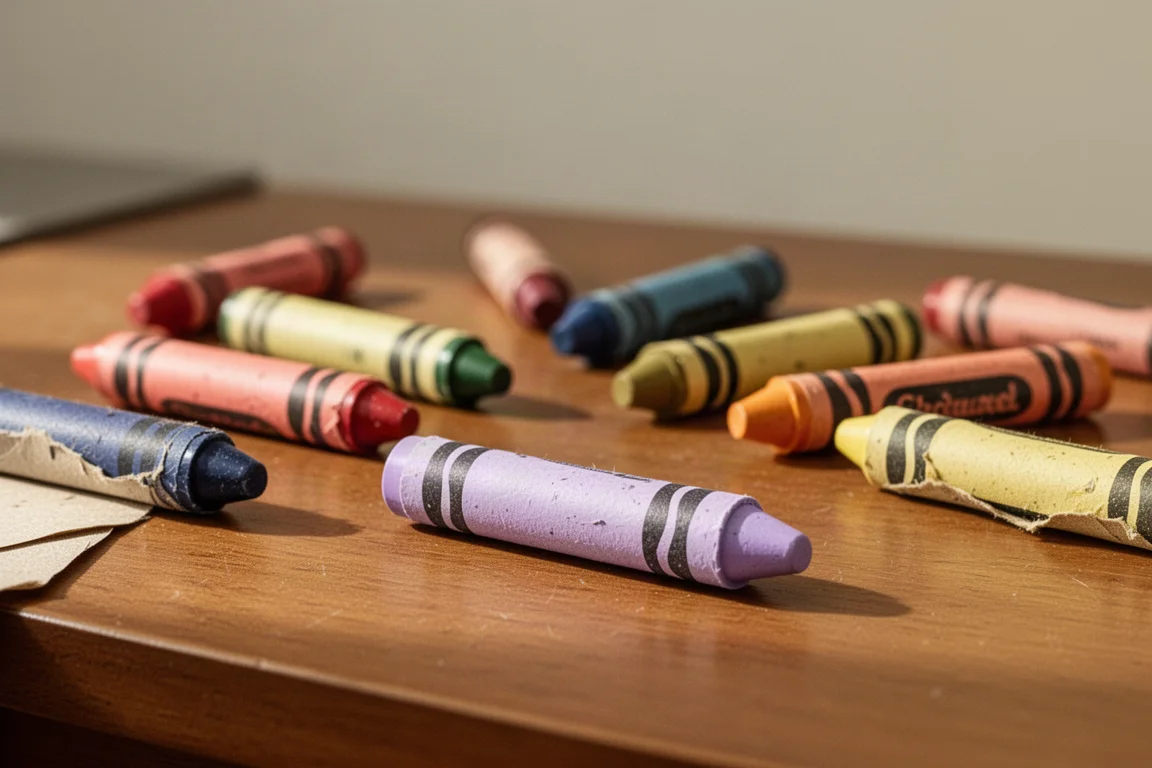
It has been gone for roughly a quarter of a century, which makes surviving examples genuine collector items. If you stumble across one, it is more a keepsake than a working tool, but that is exactly the appeal.
Old Holland Watercolor Paint
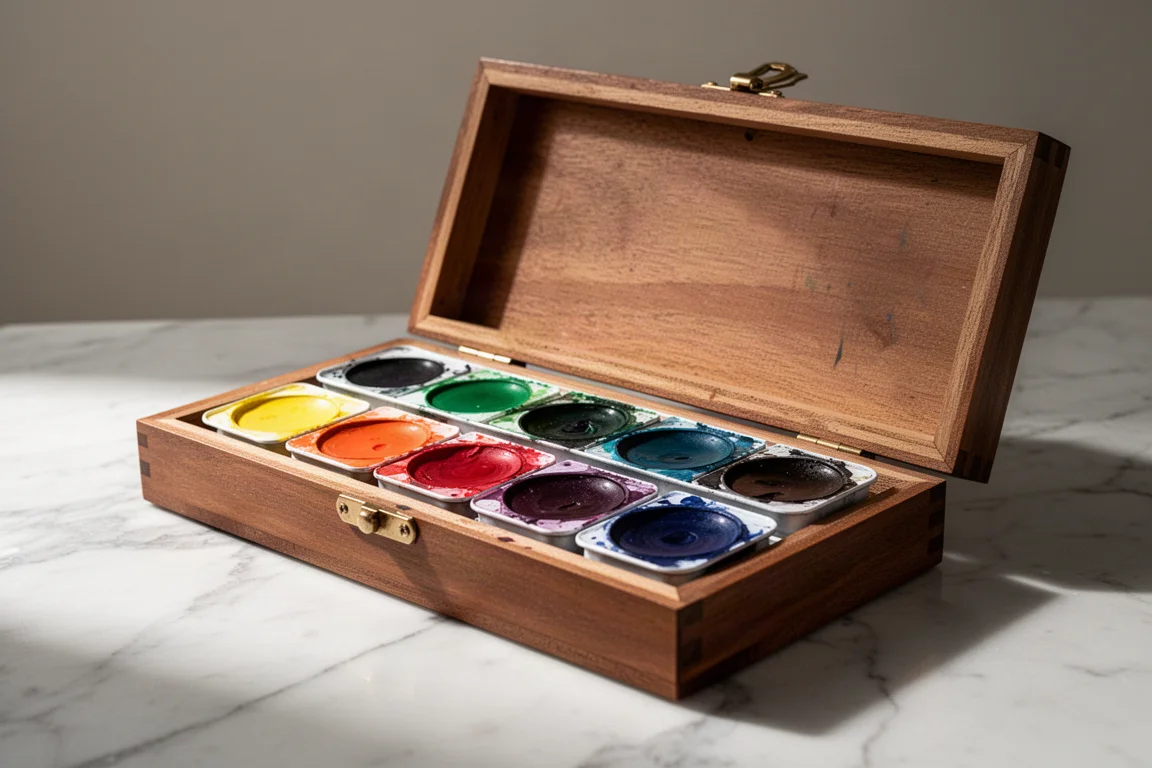
Old Holland openly bills itself as the Rolls-Royce of paints, and the reputation is earned. The paint is made in small batches in the Netherlands using the highest and purest quality pigments available, which is why a small box runs around $163. Availability is part of the rarity too: a full collection generally has to come from designated sellers, and small batches sell out quickly.
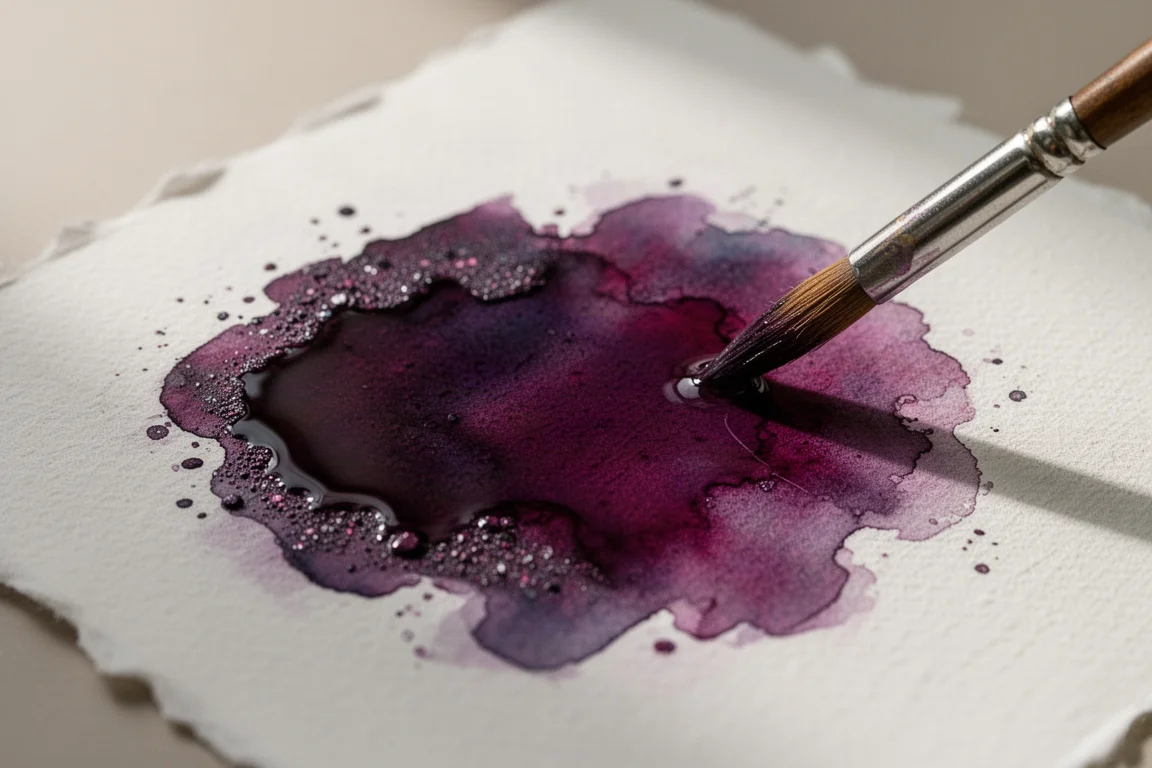
In use, the difference is obvious even next to mid-tier and budget paints. Each cake contains up to 75% pure pigment, producing colors that are rich, deep, and vibrant, and the paint handles effortlessly. This is a serious investment for serious watercolor work.
Gamblin Iron Oxide Paint
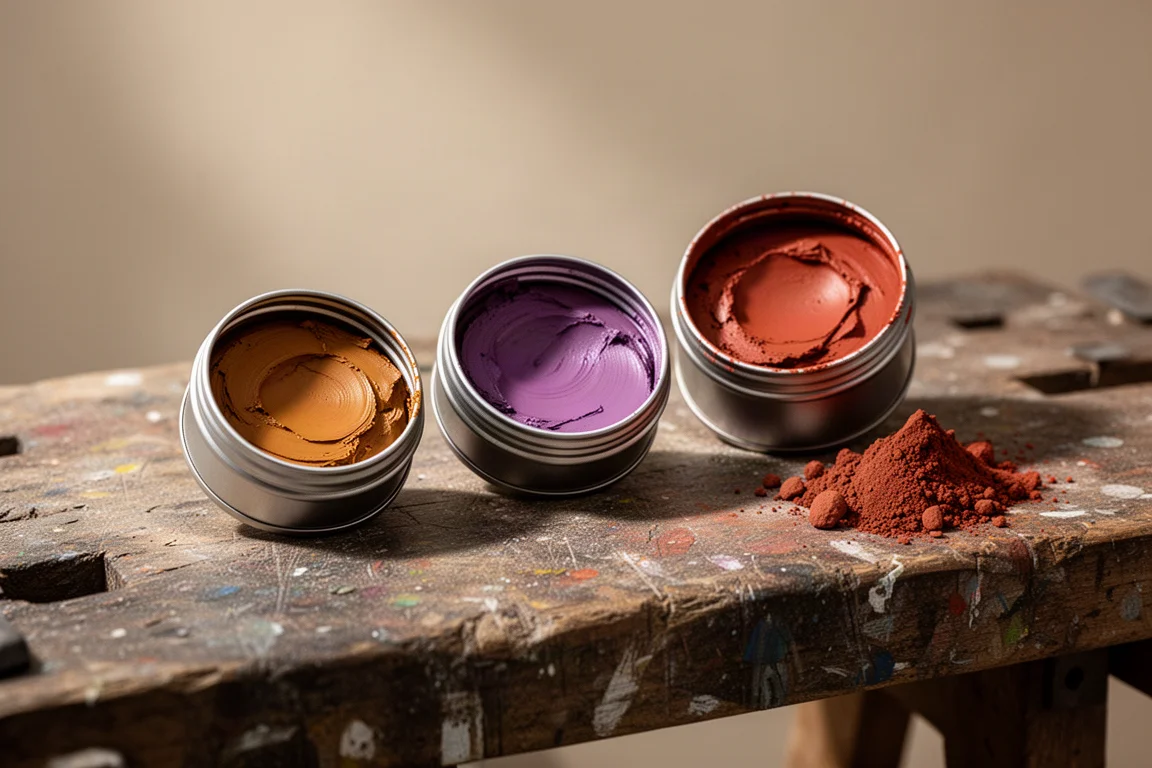
This is one of the most unusual paints on the market: a pigment made from pollution. When an abandoned coal mine filled with water, it released iron oxide waste that was toxic to aquatic, animal, and plant life. A team of scientists now filters that iron oxide through troughs, washes it to remove impurities, dries it, and adjusts the color by controlling kiln temperature. Gamblin Artists Colors in Portland, Oregon then turns the pigment into paint.
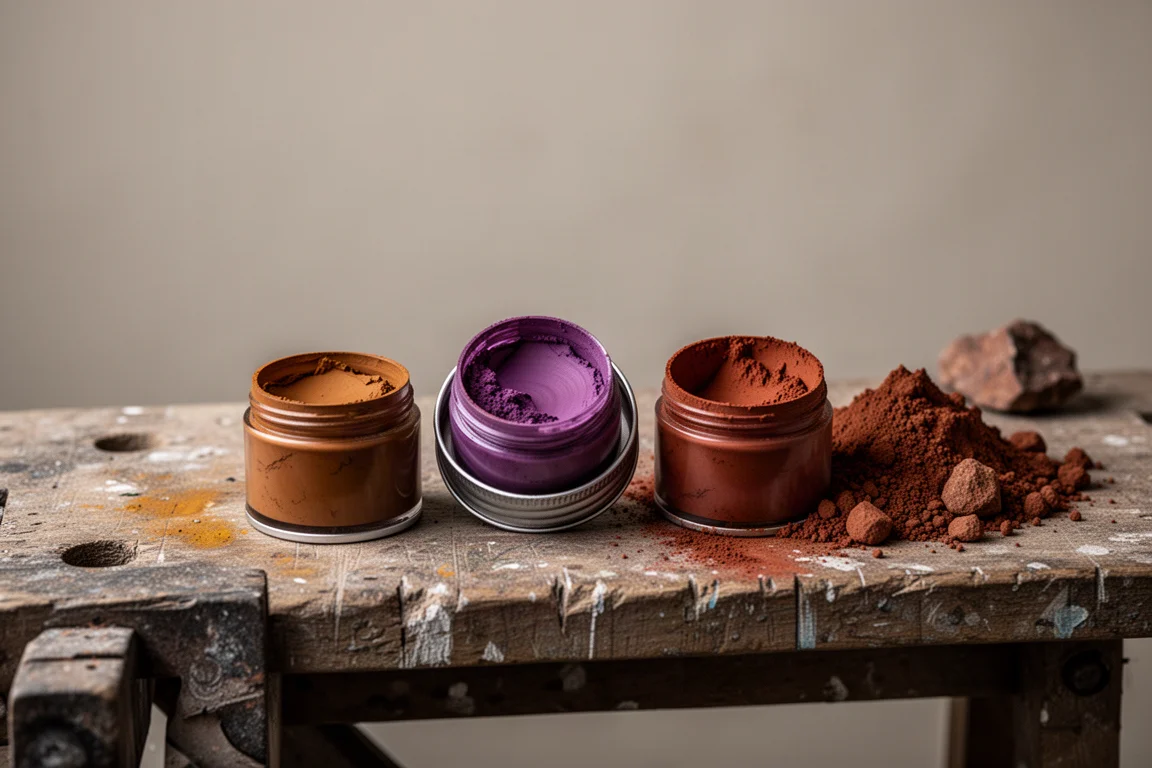
Rarity comes from two factors: it is a limited edition that is not permanent, and the small team collects the iron oxide by hand, so no new paint exists until they harvest another batch. The palette includes a rich earthy Brown Ochre, a warm and unique Iron Violet, and a spot-on Rust Red. When stock is gone, it is gone.
Colobine Sumi Ink Sticks
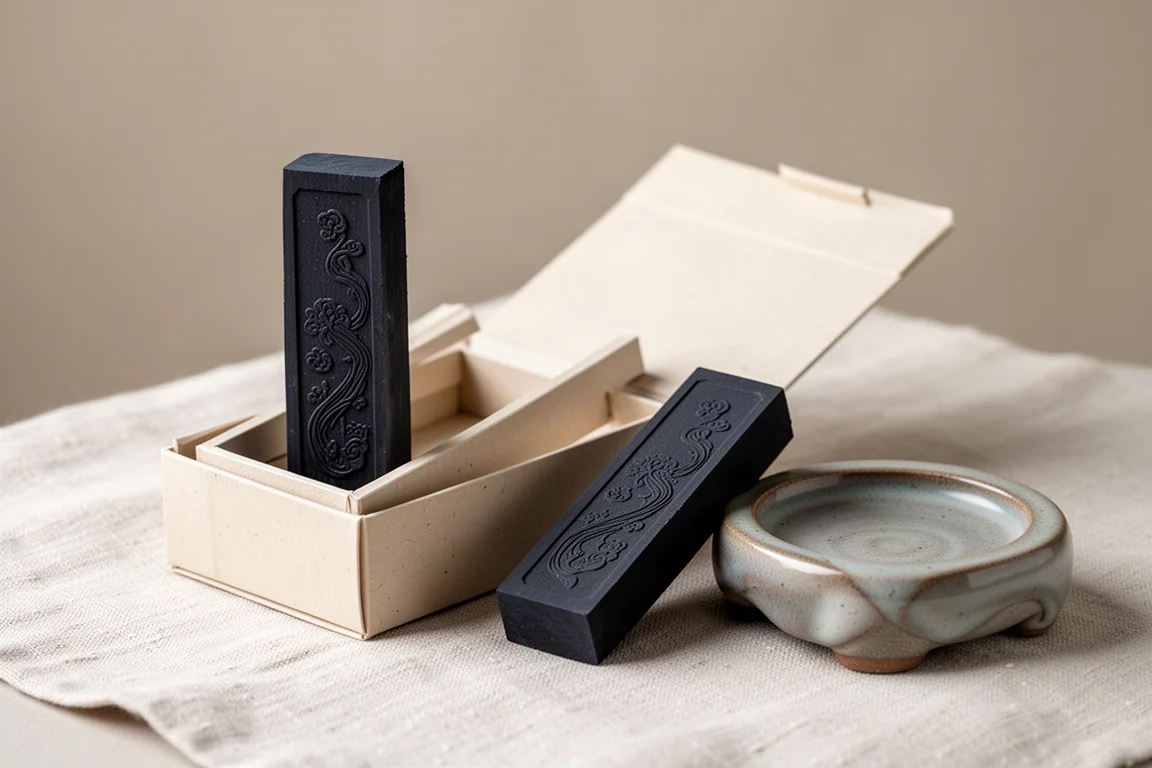
A box of these authentic Japanese ink sticks runs around $50, and the process justifies it. Soot is collected in a special room from handwoven candle wicks, bound with a proprietary glue melted at exactly 158 degrees Fahrenheit, then mixed by hand and foot by a mixer with over a decade of training. The shaped bricks are dusted with oak ash, changed daily so they dry to exactly 70% without cracking, and this only happens between October and April when humidity allows. They then age in a warehouse for years before release.
The result is ink of astonishing depth. Side by side with a budget ink stick, the top-tier Tumi ink is so black the cheaper one looks gray by comparison. Larger hand-sculpted and painted sticks can reach $900. Once you have used the best, going back is genuinely difficult.
Har-Bendo Calligraphy Brush
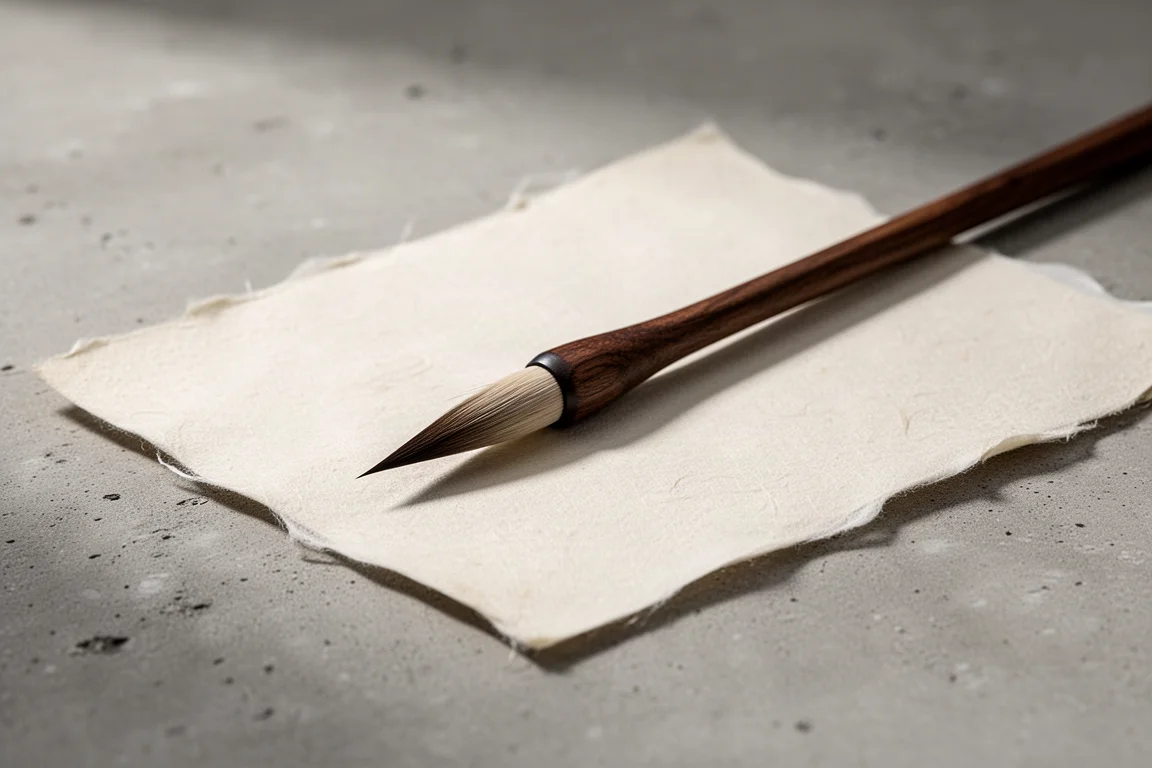
At the top of the rarity scale sits Har-Bendo, a family-owned Japanese business run by a father and son who make calligraphy, art, and makeup brushes. The process borders on obsessive: they buy antique goat hair up to 100 years old for its softness and durability, inspect every strand one by one, repeat the pass to match the most similar hairs, then trim the brush a single hair at a time until the shape is perfect.
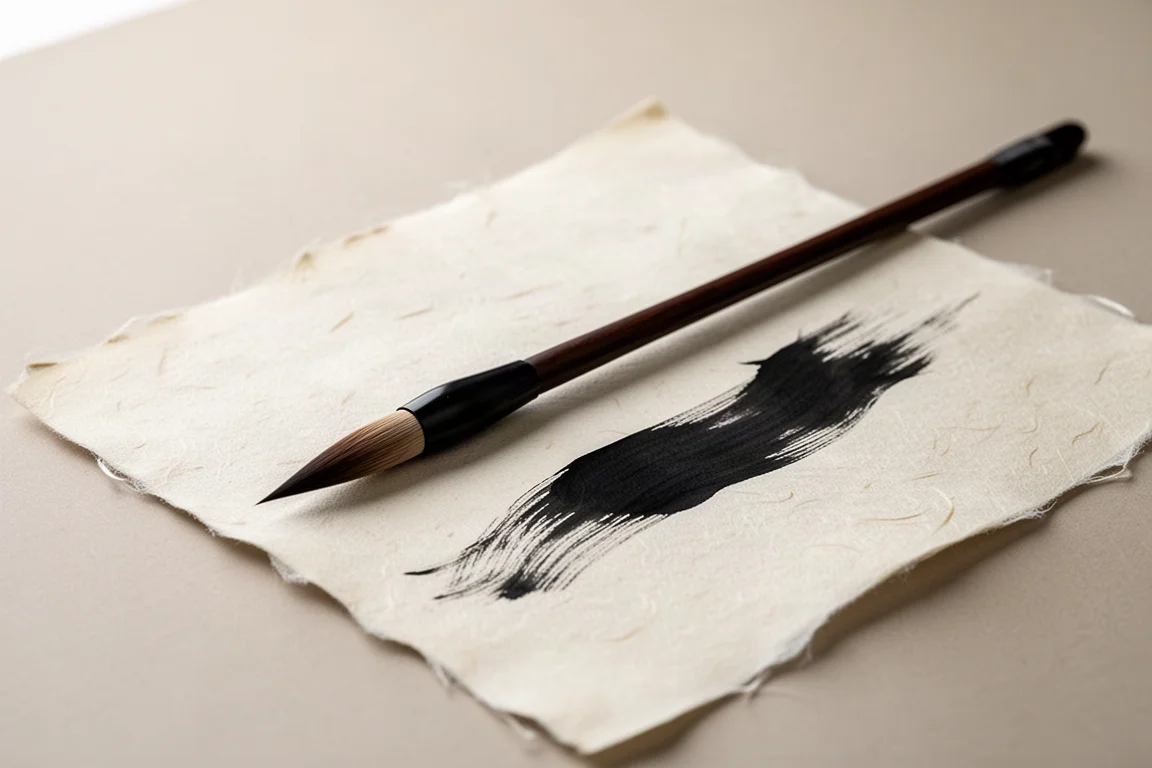
No detail is left to chance. There is not a single hair out of place, and in use the brush behaves remarkably: press as hard as you like and it still lays down an ultra-light, controlled line, and the quality is such that it is genuinely hard to damage. These are regarded as the highest tier of brush in the world, with prices from around $1,300 up to tens of thousands of dollars for a single brush.
Buying Advice
These five supplies sit at very different points on the rarity and practicality scale. The Color Thistle is purely a collector piece. Old Holland watercolor is expensive but a practical daily driver for serious painters. Gamblin’s iron oxide paints are worth grabbing when available precisely because they may never return. Colobine ink sticks reward anyone doing ink or calligraphy work who wants the blackest black. Har-Bendo brushes are a lifetime investment for dedicated calligraphers. Match the purchase to how you actually work, and each one makes sense.
Conclusion
What ties these materials together is craftsmanship: small batches, handwork, and processes that machines cannot replace. Whether you buy one or simply admire them, each of these supplies shows what happens when a maker refuses to cut corners.
Further reading
Related Reviews
Art Supplies
Art Pop Watercolor Pencils 48-Color Set: A Thoughtfully Designed Student-Grade Option
The Art Pop 48-color watercolor pencil set blends well, dissolves smoothly, and includes artist-friendly details like barrel-printed color names, all at an affordable price.
Art Supplies
Artics Acrylic Markers 3mm Review: Versatile Paint Markers With a Few Caveats
A 48-color set of water-based acrylic paint markers that blend while wet, dry permanent, and keep the price low, though safety transparency remains a question.
Art Supplies
Best Art Supplies Worth Your Money: Pencils, Pens, Paints, and Paper That Earned Their Spot
After years of daily use and testing, these are the pencils, pens, watercolors, gouache, brushes, sketchbooks, and erasers that stand above the rest.