Garden Tools
Rapitest Home Soil Test Kit Review: Where It Works and Where It Falls Short
We put the Rapitest home soil test kit through a real side-by-side comparison against lab analysis to see how its pH, nitrogen, phosphorus, and potassium readings hold up.
Introduction
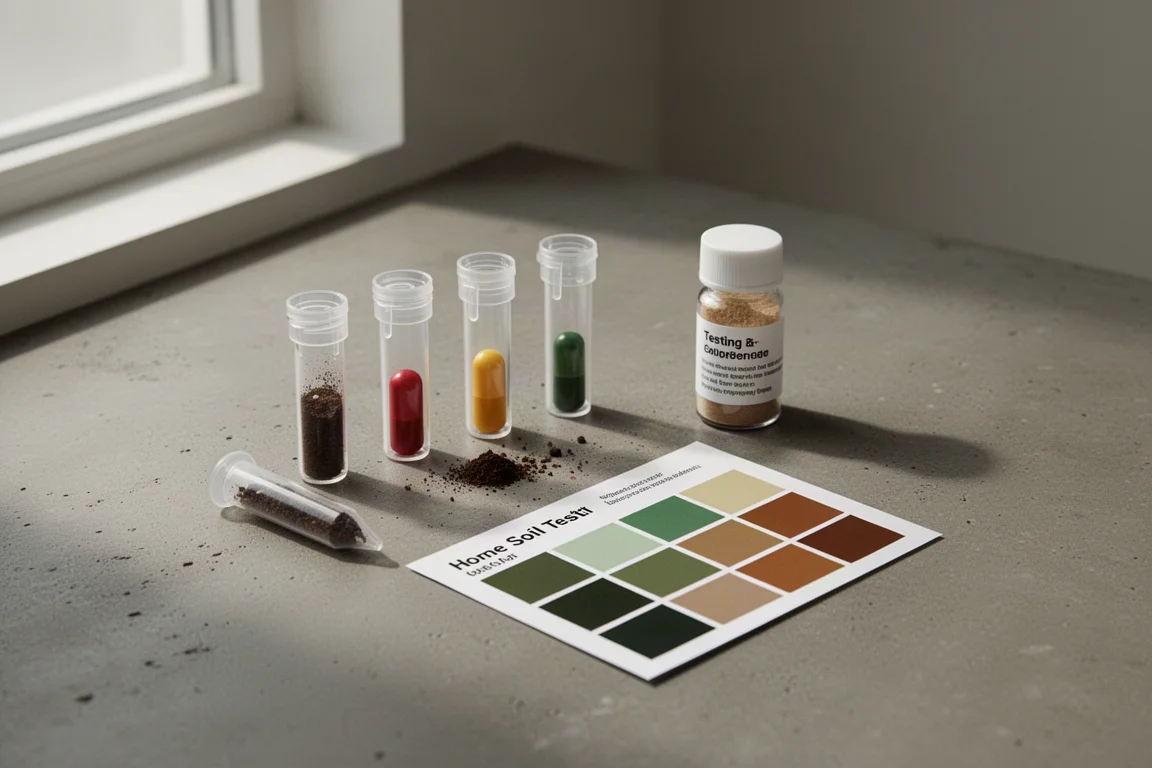
The Rapitest home soil test kit promises something every gardener wants: a quick, affordable way to measure soil pH and the three main macronutrients, nitrogen, phosphorus, and potassium, without sending samples to a lab. To see whether it delivers, it was used as one of three testing methods in a comparison of seven different soils, with the results checked against actual laboratory analysis of the exact same soil samples. The outcome is mixed, and knowing exactly where this kit succeeds and where it fails will help you decide whether it belongs in your garden shed.
Who This Product Is For
This kit is aimed at home gardeners who want a rough read on their soil without paying for professional analysis. It measures pH plus nitrogen, phosphorus, and potassium levels using color-based vial tests. If you only need a general sense of whether your soil is dramatically out of balance, a kit like this can seem appealing. But if your decisions carry real stakes, such as fertilizing schedules for a large project or diagnosing a stubborn plant problem, precision matters, and that is where this kit’s weaknesses become clear.
How the Testing Process Works
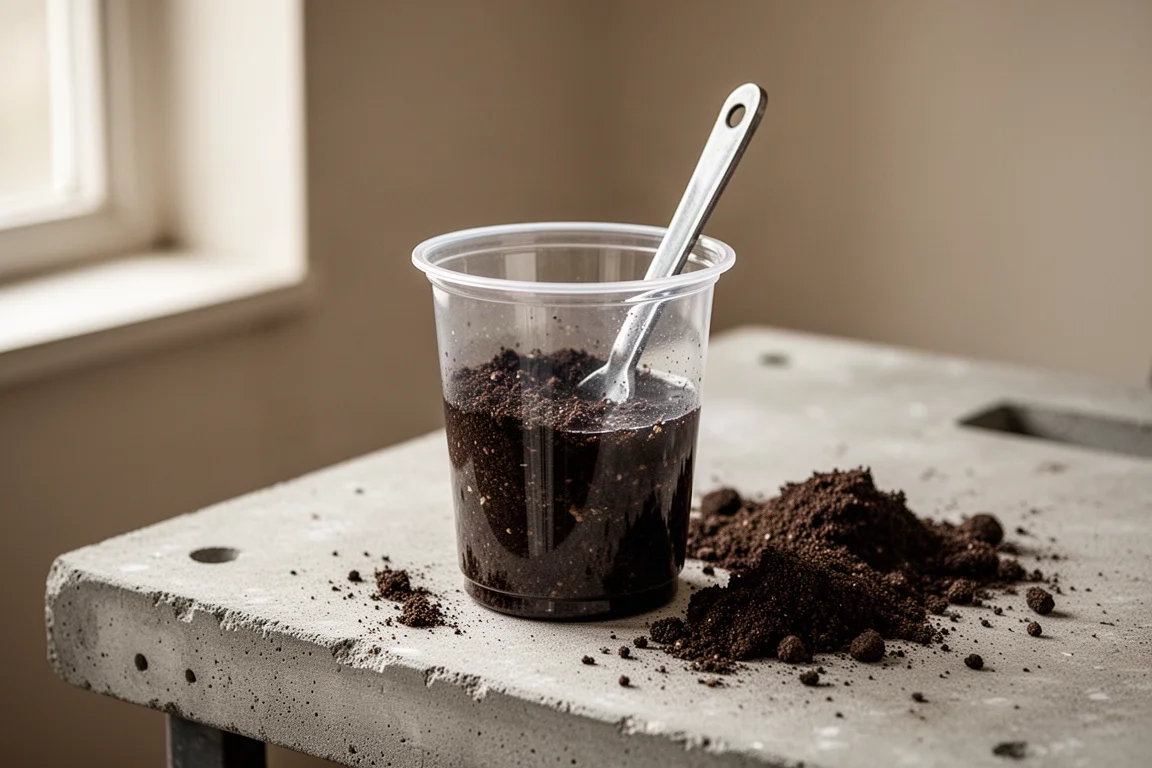
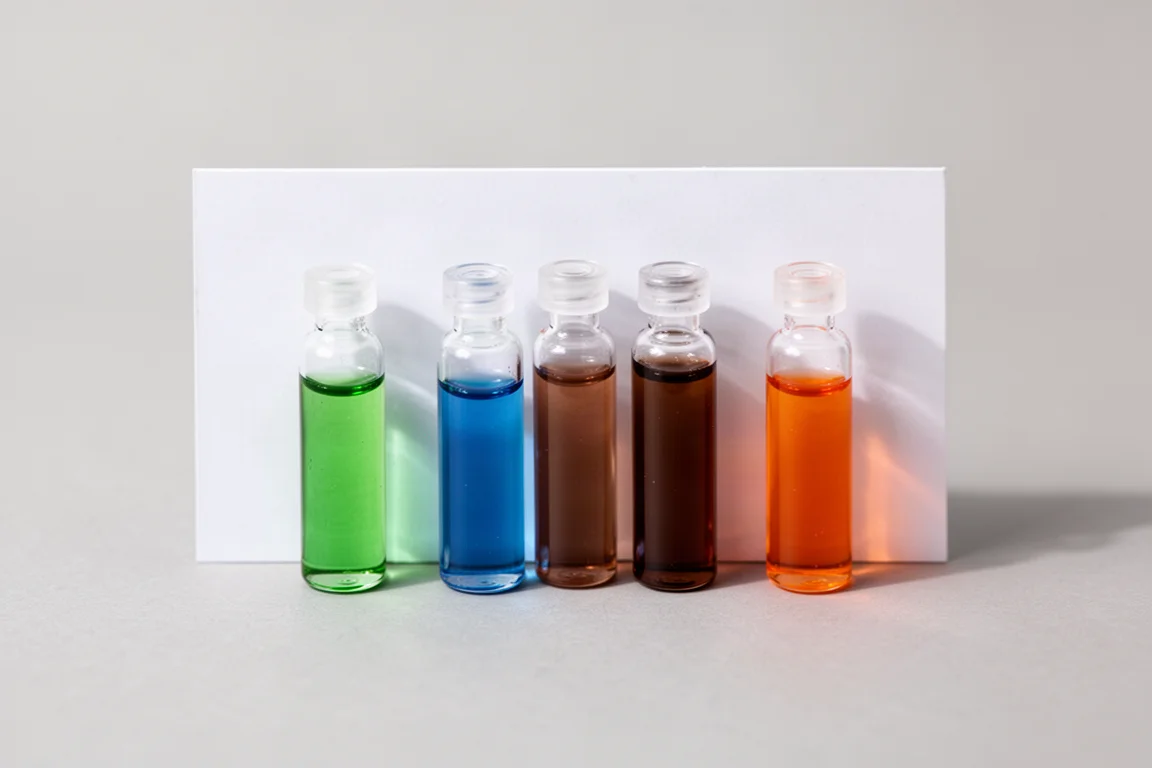
The procedure is straightforward but takes patience. You mix one part soil to five parts water by volume, ideally using pH-balanced water with a very low starting PPM, around 13 in this case, so the water itself does not skew results. A cup of water and a cup of soil are stirred thoroughly and left to sit overnight. After 24 hours, the slurry is poured through a strainer along with four more cups of the same water, and the filtered liquid goes into the four testing chambers up to the fill mark.
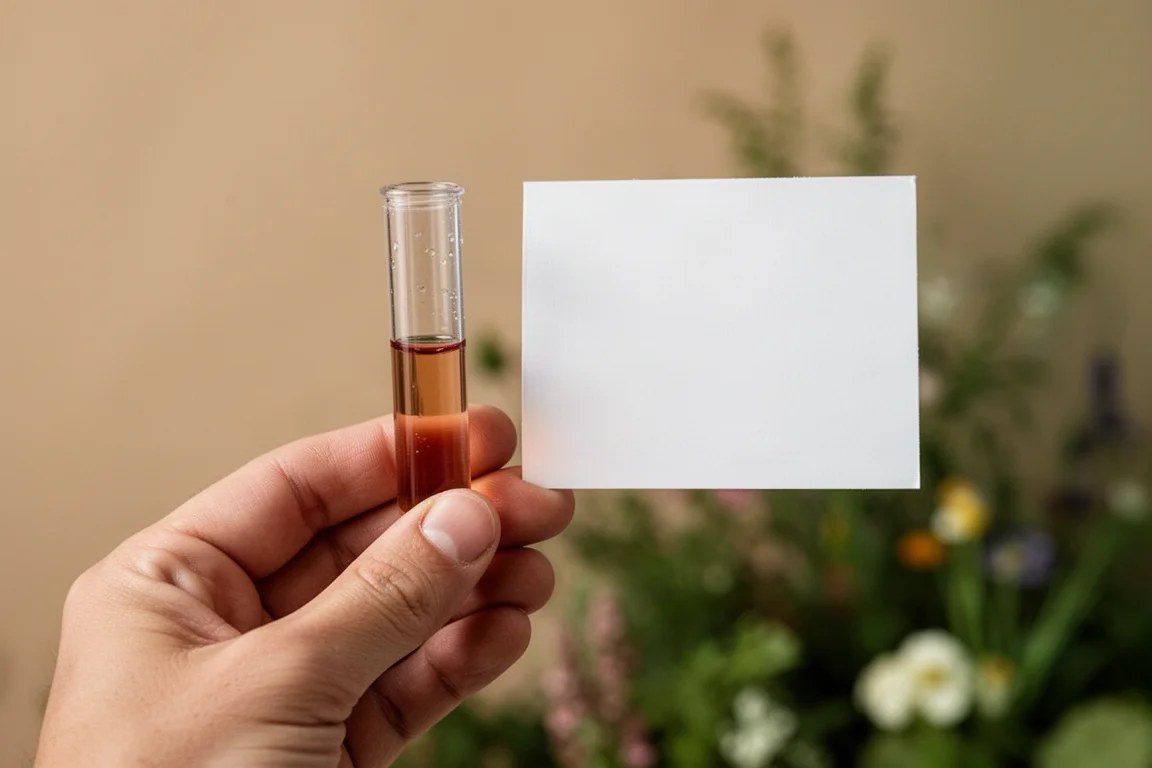
Each vial then gets its corresponding powder capsule, is shaken thoroughly, and is left to sit for 10 minutes before reading. The instructions note you can shake the blue vial but not the brown or orange ones before reading. A white card or screen placed behind the vials helps you read colors more accurately, which is a useful tip for anyone attempting this at home.
Comparing Results Against Lab Analysis
This is where things get interesting. With actual lab results from the same seven soils as the benchmark, each reading could be judged for accuracy.
pH: Results were inconsistent. One soil came within about 0.3 of the lab value, which is arguably close enough, but another was off by 0.6, with no clear pattern explaining the deviation. If you only need a ballpark pH figure, some readings may be usable, but you cannot rely on the kit to be consistently close.
Nitrogen: This was the kit’s strong suit. Readings like depleted versus low, surplus versus very high, and adequate versus acceptable all land in the same practical neighborhood. Across all seven soils, the nitrogen results tracked the lab closely enough to be genuinely useful.
Phosphorus: Here the kit falls apart. Nearly every soil read as depleted or deficient when the lab said otherwise, and one soil that tested very high in the kit was actually deficient per the lab. Even re-shaking the vials, as the instructions permit when the blue contents settle, did not change the outcome. The readings were consistently wrong.
Potassium: Similarly unreliable. Comparisons like deficient versus acceptable, adequate versus very high, and depleted versus very high show readings scattered across the scale with no correlation to the lab results. A soil the kit called sufficient the lab called optimum, while another the kit called sufficient the lab called low.
Nitrogen: The One Reading That Held Up
If there is one reason to consider this kit, it is nitrogen. The correspondence between the kit’s categories and the lab’s categories was consistent across every sample tested. For a gardener who simply wants to know whether nitrogen is severely lacking, the kit provides a usable signal.
The phosphorus and potassium tests, however, cannot be trusted even at that coarse level. When a kit reads “very high” for a soil the lab labels deficient, the measurement is not just imprecise, it is misleading in a way that could lead to wrong fertilizing decisions.
Should You Buy It?
For most gardeners, the honest answer is no. The pH readings are occasionally close but inconsistent, nitrogen is the only reliable measurement, and phosphorus and potassium results bear little resemblance to professional analysis. If soil testing genuinely matters to your results, the better path is professional lab testing. In the comparison that produced these findings, lab analysis came out to roughly fifty dollars per test, which is a real expense, but worthwhile for a serious soil project where accuracy drives decisions.

If your needs are casual and you only want a rough nitrogen check, the Rapitest kit may serve as a one-dimensional tool. Just go in knowing its other readings should not inform how you treat your soil.
Conclusion
The Rapitest home soil test kit is easy to use and genuinely useful for one thing: nitrogen. Beyond that, its pH accuracy is inconsistent and its phosphorus and potassium tests simply do not work when judged against lab results. For gardeners who need trustworthy soil data, professional lab testing remains the better investment, even at around fifty dollars per test. For everything else, this kit is hard to recommend.
Product link
View more details for Rapitest Home Soil Test Kit
This product is mentioned in the review. Check the specifications, options, and compatibility before buying.
View more details for Rapitest Home Soil Test KitFurther reading
Related Reviews
Garden Tools
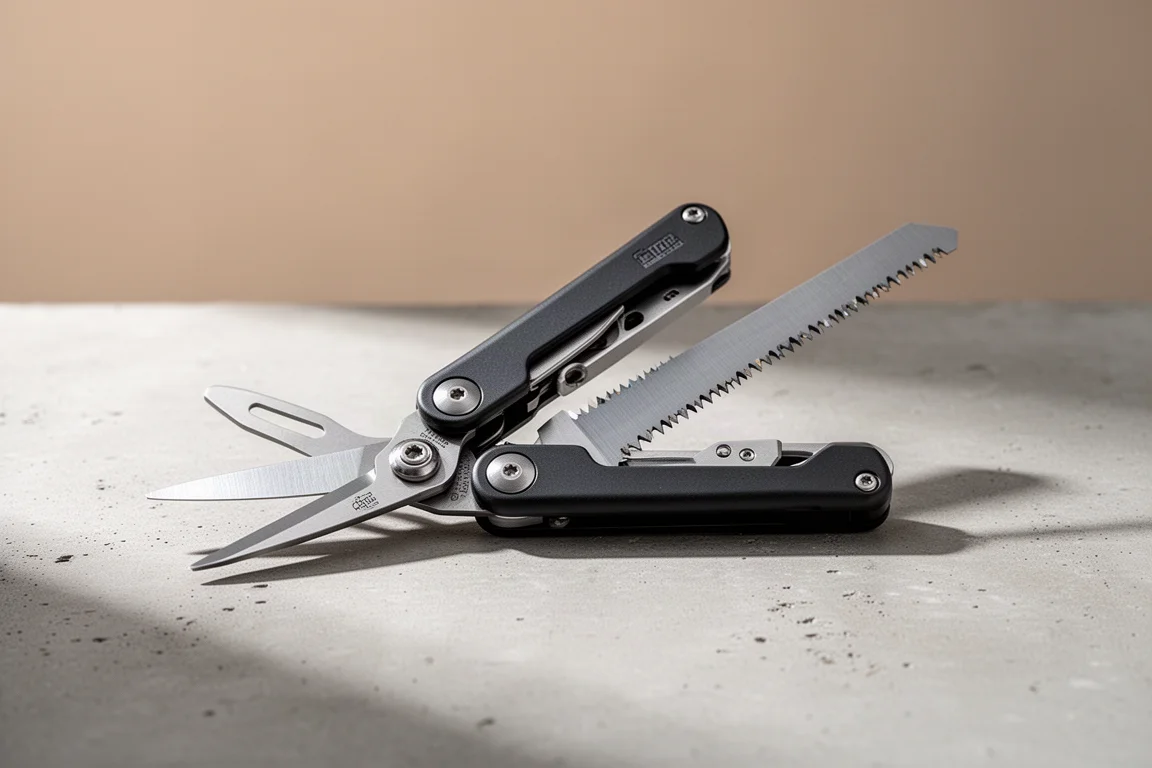
Bibury Folding Trimming Multi-Tool Review: Shears, Saw, and Blade in One
An inexpensive folding trimming multi-tool with shears, a surprisingly capable saw, and a blade we would not rely on. Here is how it held up on real overgrown branches.
Garden Tools
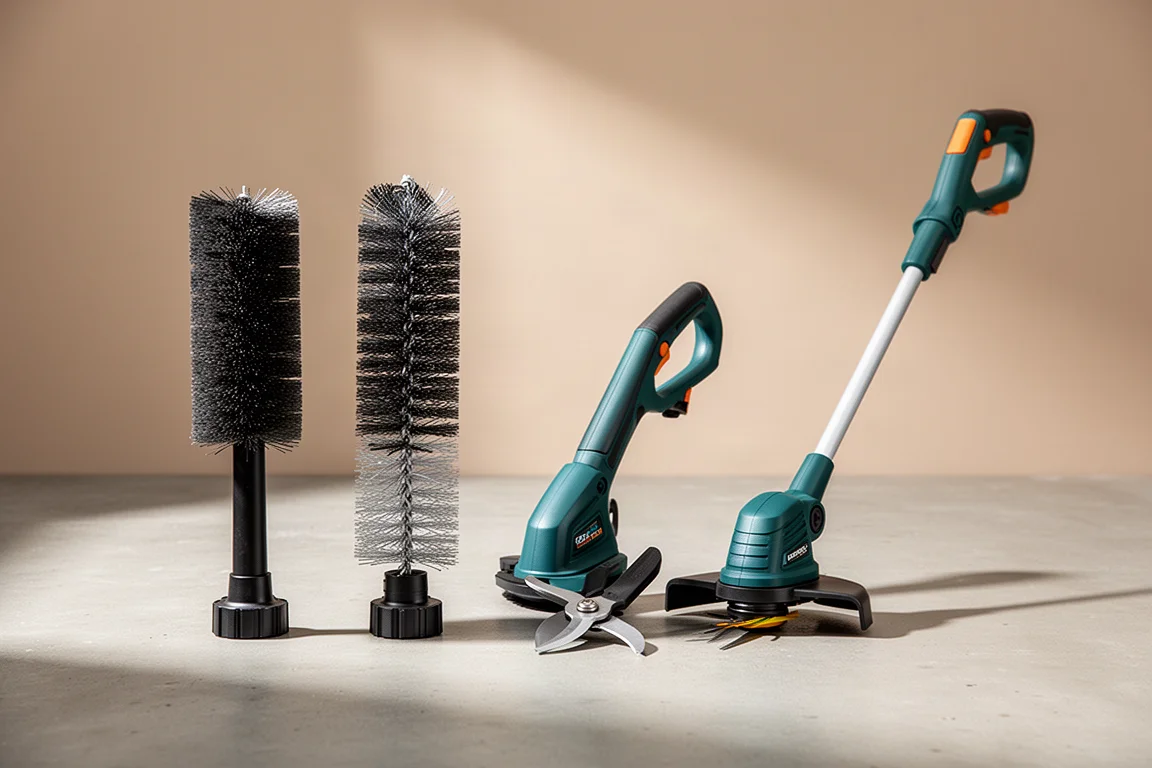
4 Garden Power Tools Worth a Look: Ryobi Patio Cleaners and DeWalt XR Garden Tools
Two Ryobi patio cleaners and two DeWalt XR garden tools put through real springtime work, with honest strengths and trade-offs for each.
Garden Tools
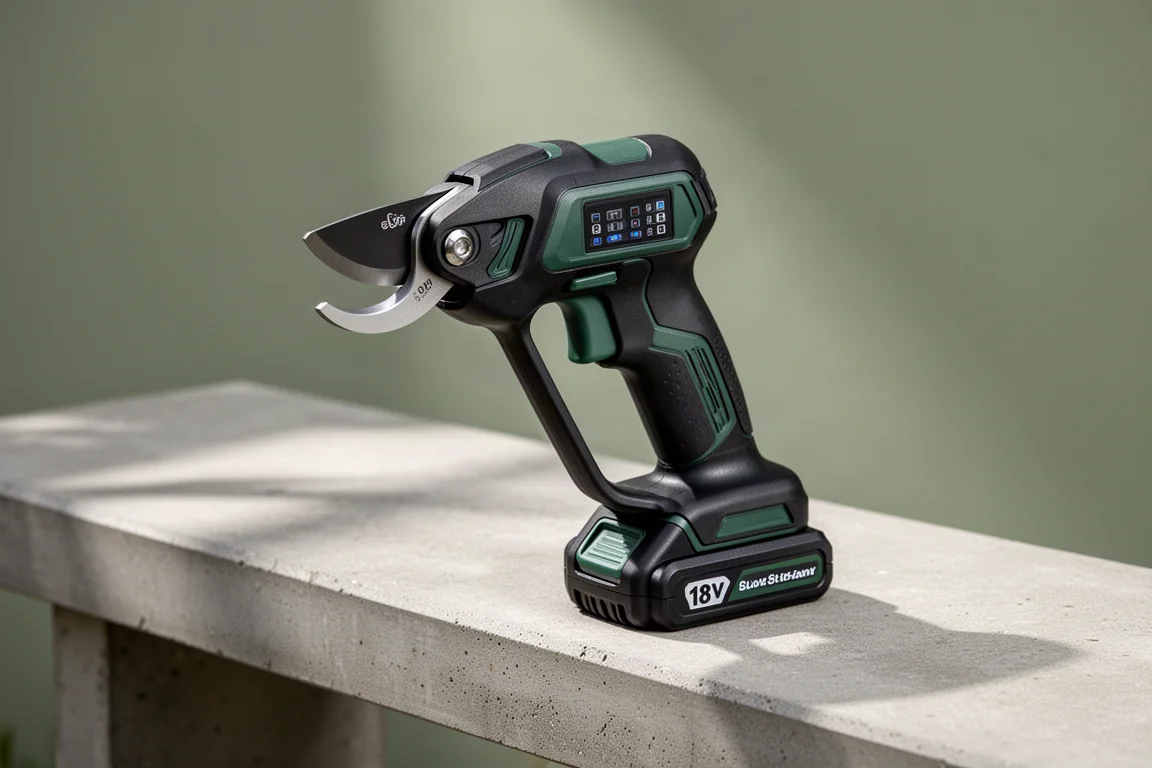
AEG ALP18 Pruning Shears Review: A Cordless Pruner With Real Muscle
The AEG ALP18 cordless pruning shears cut up to 30mm soft wood, keep operation easy on the hands, and add more torque than rival pruners, with a few quirks to know first.