Tools
Ramset Powder-Actuated Tool Review: Fastening Studs to Concrete in Seconds
A powder-actuated fastening tool that pins wood studs to cinder block or concrete in seconds, as long as you match the cartridge to the material.
Introduction
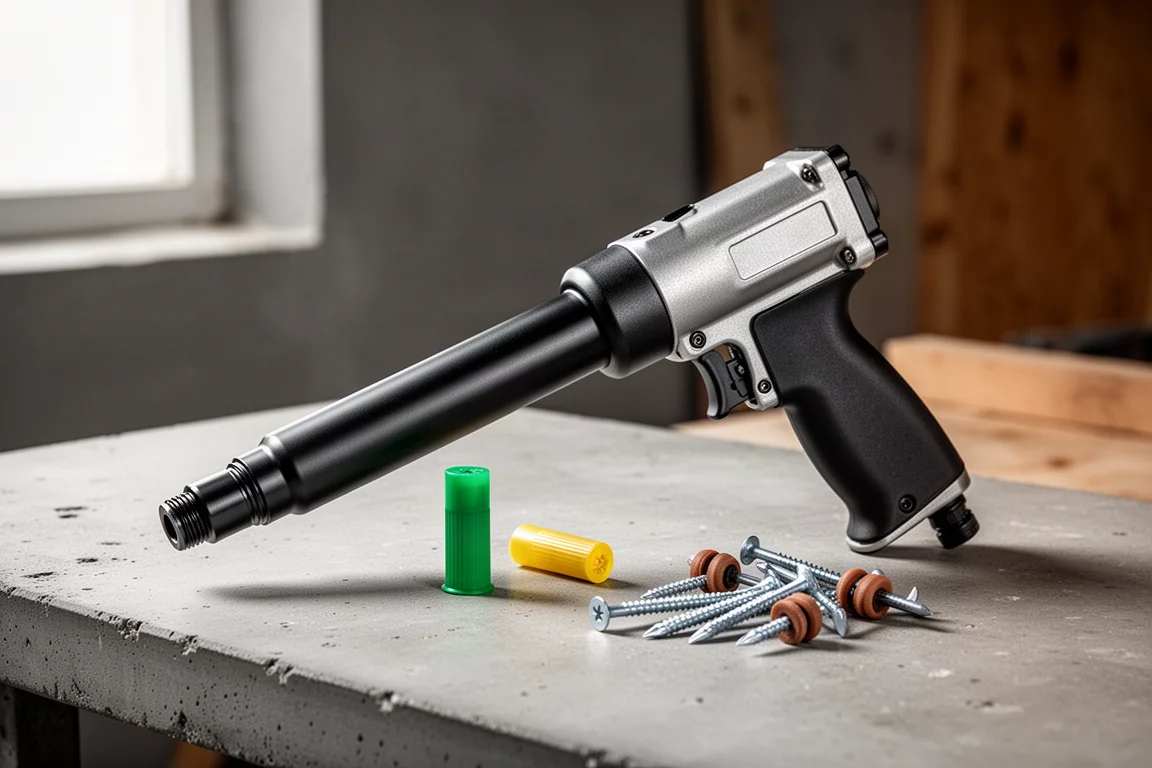
Attaching a wood stud to concrete or cinder block used to mean drilling pilot holes and driving in Tapcon screws, one slow step at a time. The Ramset powder-actuated tool takes a different approach entirely: it fires a masonry nail straight through the wood and into the block with a small powder charge, pinning the stud in place in seconds.
If you are finishing a basement or framing against masonry walls, that speed difference is the whole selling point. But this tool rewards correct use and punishes careless cartridge selection, so it is worth understanding exactly how it behaves before you buy.
Who This Tool Is For
This tool makes the most sense for anyone redoing a basement with standard cinder block walls. Press the stud against the block, load the tool, push down, pull the trigger, and the wood is attached. That is the entire process, and it genuinely takes seconds per fastener.
It also works well for a less obvious job: boxing in steel support poles. Press a piece of wood flat against the metal pole, fire a nail into it, and the wood stays put so you can finish around the pole cleanly.
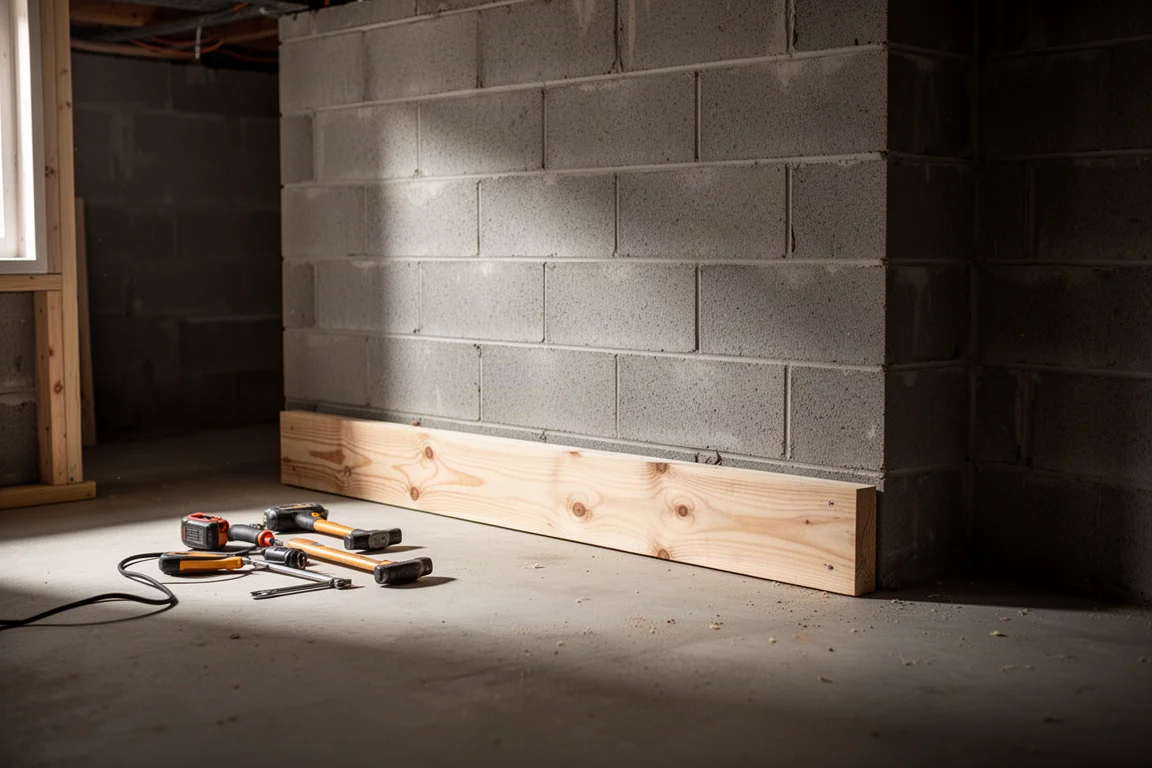
One important limitation: if your walls are old sandstone or crumbling, degraded cinder block, this approach will not work. The firing force can blow chunks out of weak material, and you will get a poor hold. In those cases, traditional Tapcon screws remain the better choice.
Main Strengths
Speed Above Everything
There is no realistic argument that Tapcons are faster for this job. If saving time matters to you, this is the reason to own a Ramset. A single nail holds the stud surprisingly firmly, and adding two or three makes the connection solid enough that it is not going anywhere. The holding power is not quite the same as a screw, but for stud attachment against a wall, it is more than adequate.
Predictable Penetration Depth
The nails are designed to penetrate only about halfway into the concrete. That matters more than it sounds: if you have water lines, pipes, or other utilities running behind the wall, the nail will not reach them. It goes in, stops, and stays there.
Choosing the Right Cartridge Color
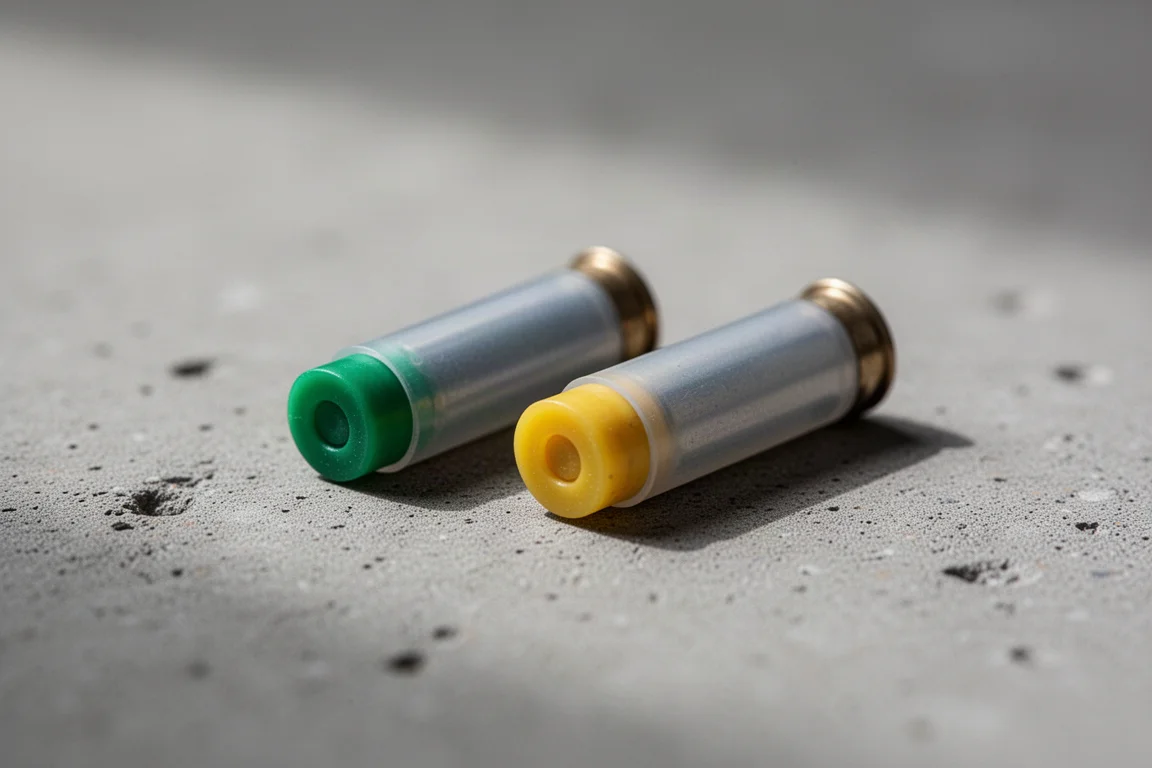
The cartridges come in several color-coded power levels, including red, purple, green, and yellow, and a reference chart tells you which one matches your base material. Getting this wrong is the single biggest mistake you can make with the tool.
The green cartridge (level 22) suits cinder block and softer masonry. The yellow cartridge carries more powder and is meant for hard concrete, such as a basement slab that is genuinely difficult to punch through.
Use yellow where green is called for and you will blow a large crater out of a cinder block, weaken the wall, and drive the nail so deep it compromises the hold. Use green on hard concrete and the nail will simply stick up without sinking flush. Matching cartridge to material is not optional; it is the entire technique.
How It Performs
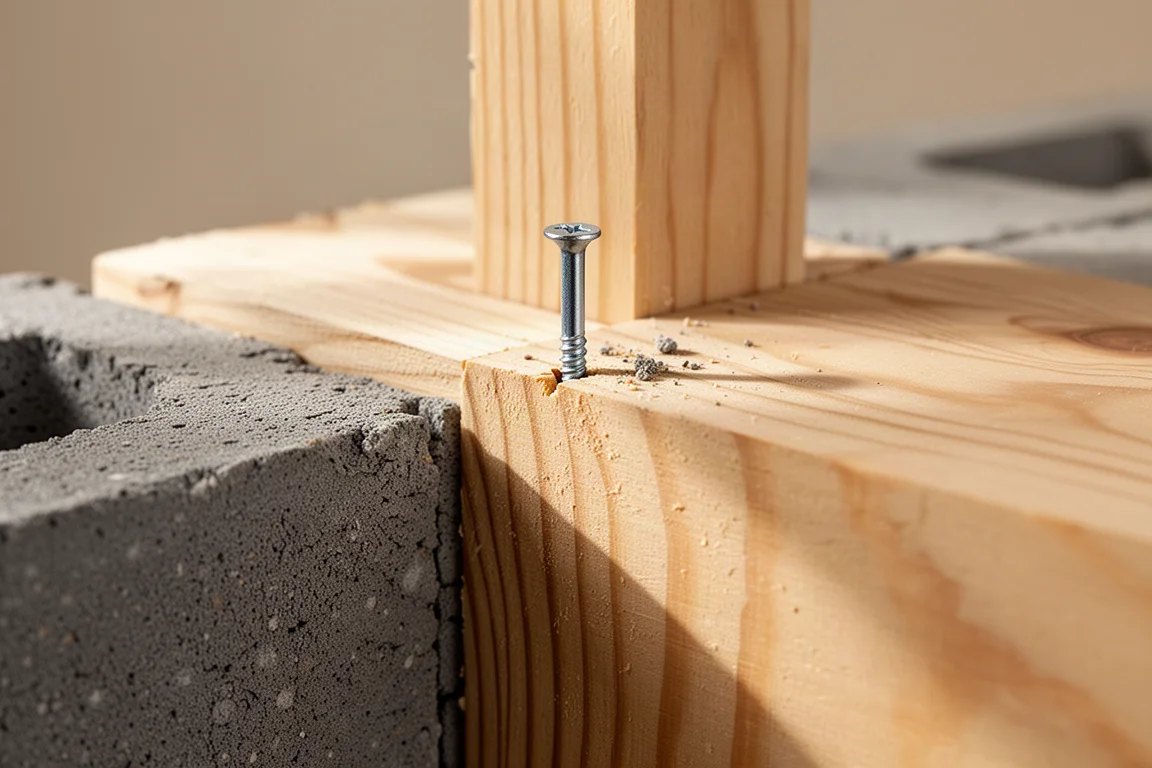
In testing against a cinder block, the green cartridge drove a nail flush through a standard pine 2x4 and held it tightly against the wall with no visible damage to the block. The result was immediately solid.
Loading is straightforward: insert the nail with its rubber stopper ring into the barrel, slide a cartridge into the chamber, and close it up. One built-in safety worth knowing about: the tool will not fire unless you press it firmly down against the work surface first. That push-down action is what enables the trigger, which prevents accidental discharge.
Hearing protection and safety glasses are strongly recommended. This is a small explosive charge, and it is loud.
Things to Consider Before Buying
There are a few trade-offs and practical points to weigh before committing.
First, the version without a dedicated handle works fine but can be awkward to use. Variants with a handle exist, and many users find them more comfortable, so consider which style suits you.
Second, results are not guaranteed on every wall. On very old or soft masonry the tool can crumble the surface rather than hold, and even the manufacturer-compatible material can occasionally throw a poor result. It is fast and effective most of the time, but not universally.
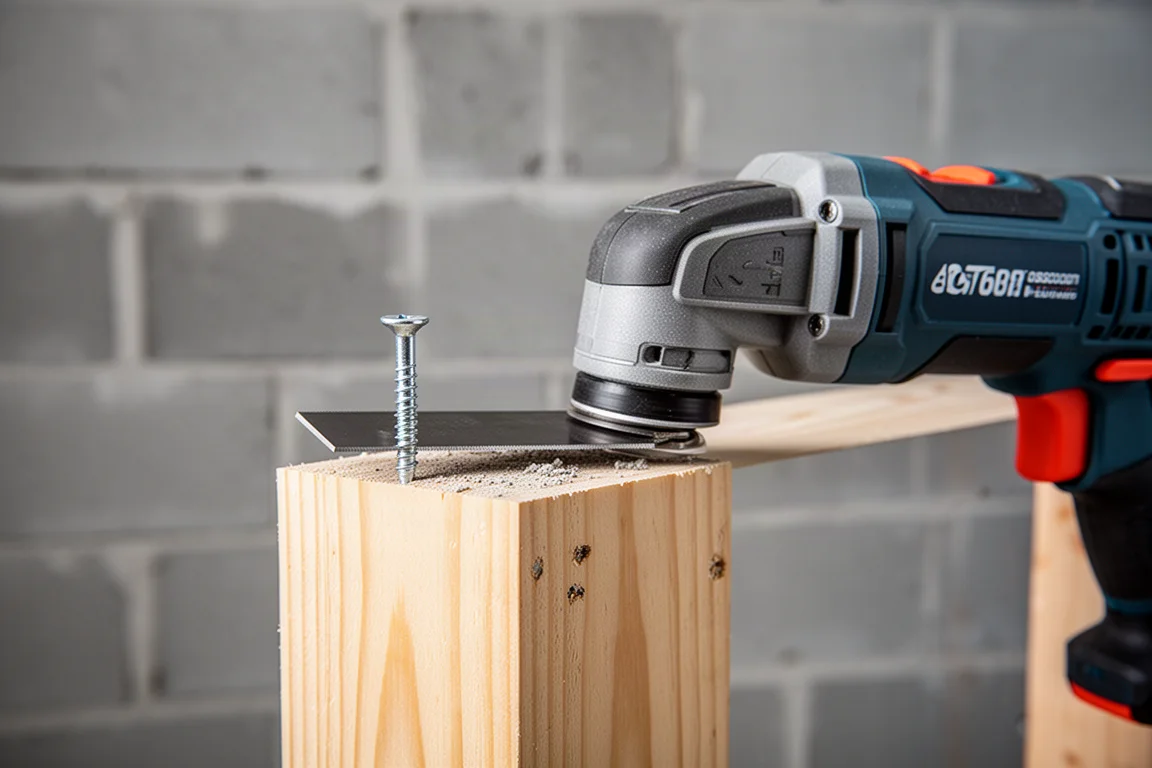
Third, removal is possible but not elegant. If you need to take a fastened stud back off, an oscillating tool with a cutting blade can slice through the nail at the base so the wood can be worked free. Measure carefully before you fire; repositioning is not this tool’s strength.
Finally, check your local regulations. In some countries and regions, a license or certification is required to use powder-actuated tools. In others, such as Ohio in the United States, no license is needed. Verify the rules where you live before purchasing.
Buying Advice
If you regularly fasten wood to standard cinder block or hard concrete, this tool will save you real time and make the job genuinely more enjoyable. If your walls are old, soft, or crumbling, skip it and stick with Tapcon screws instead. Available at retailers like Home Depot, it is a niche tool, but within its niche it works exactly as promised.
Conclusion
The Ramset powder-actuated tool does one thing and does it well: pinning wood to masonry in seconds where screws would take minutes. The learning curve is mostly about cartridge selection and knowing your wall material. For basement finishing and similar projects on sound cinder block, it is a genuinely useful addition to the toolkit.
Product link
View more details for Ramset Powder-Actuated Tool
This product is mentioned in the review. Check the specifications, options, and compatibility before buying.
View more details for Ramset Powder-Actuated ToolFurther reading
Related Reviews

Tools
Best Contractor Grade Tape Measures 2026: Eight Models Tested Head to Head
We tested eight contractor grade tape measures from Milwaukee, DeWalt, Crescent Lufkin, Tajima, Stanley, Irwin, Gelan, and Craftsman to find the best value and performance.

Tools
Best Precision Screwdriver Sets 2026: Manual and Electric Options Compared
We compare 19 precision screwdriver sets, from budget manual kits to electric drivers, to find the strongest bits and best value.

Tools
Best Stud Finders 2026: Five Popular Models Put to the Test
We tested five popular stud finders on drywall, firewall, and lath and plaster surfaces to see which ones really find studs and avoid false readings.