Camping Gear
Rain-Tested Camping Shelters and Overland Tires: What Held Up
Three camping shelters and one all-terrain tire put through hours of heavy rain, with clear notes on what stayed dry, what failed, and how the tires performed.
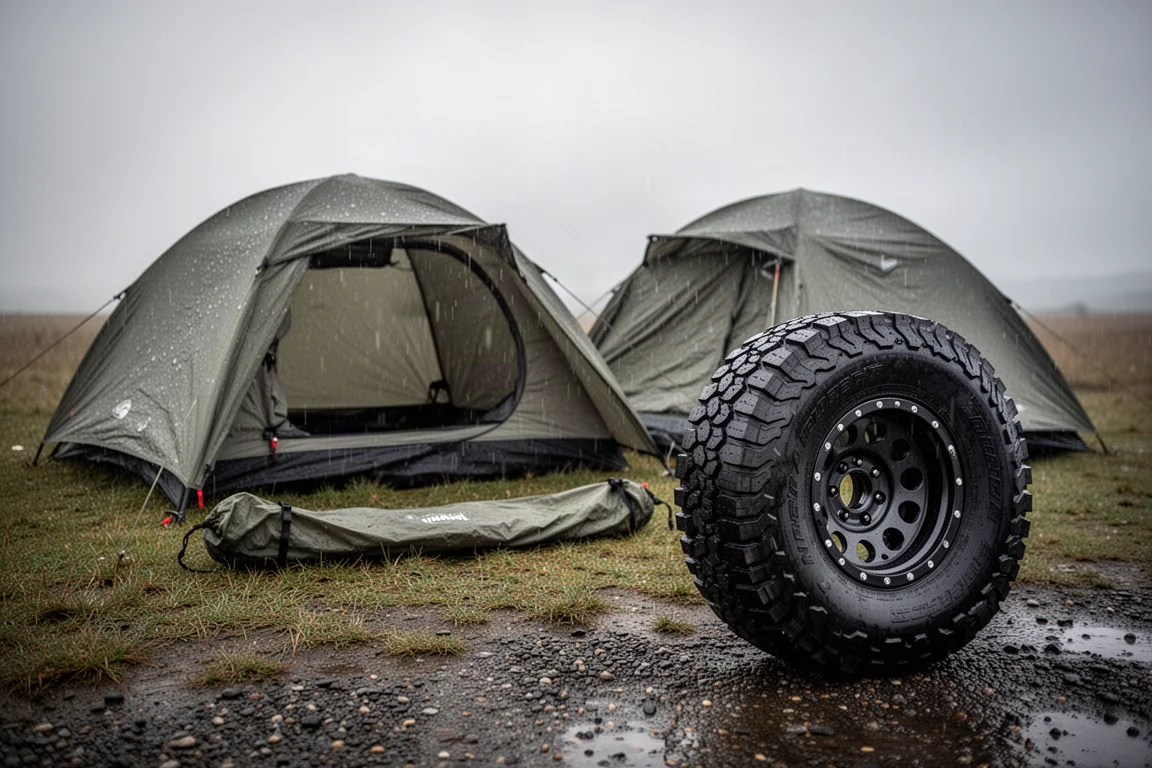
Introduction
Three shelters and one set of all-terrain tires, all put through the same wet afternoon and evening. The shelters were pitched before the first drops fell: the Kelty Late Start, the North Face Stormbreak 2, and the ALPS Mountaineering Stealth 1 Bivy.
Then the rain arrived, heavy at times, with thunder rolling around the site for hours. What follows is a straightforward record of what happened, which shelters came through dry, which one did not, and how the tires on the vehicle performed across every surface they were asked to handle.
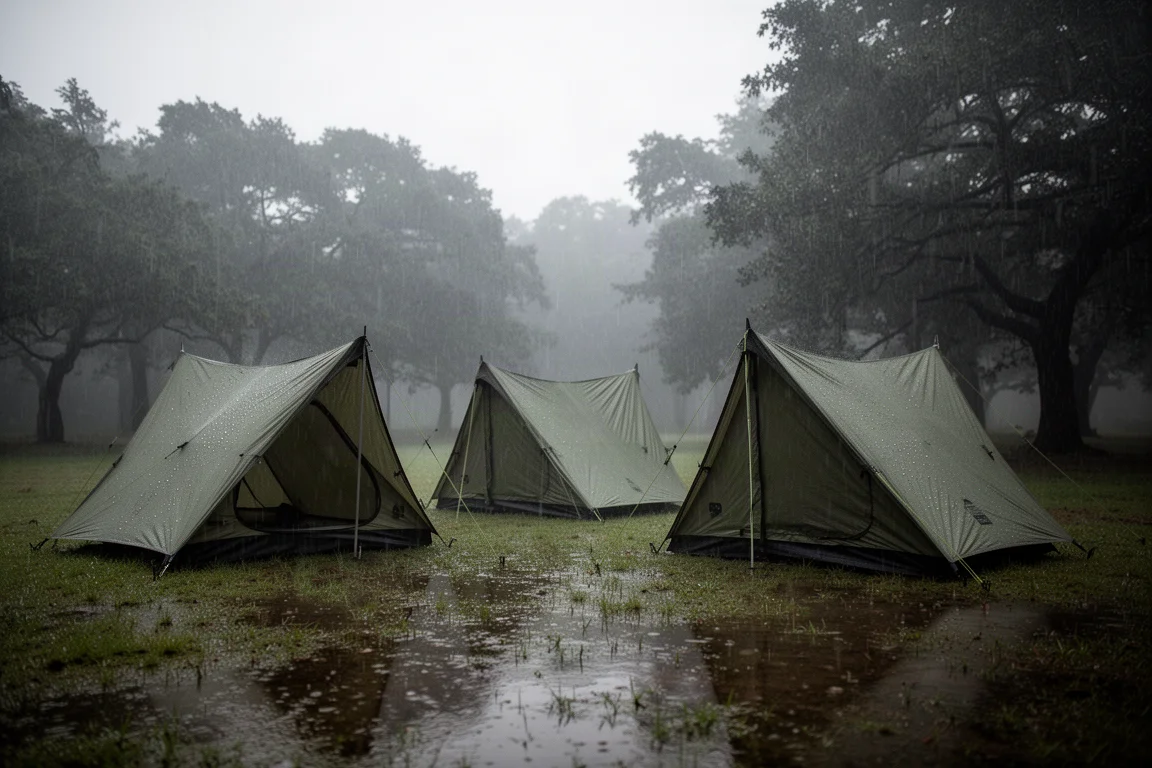
Nothing here is theoretical. The shelters were left out in the weather and checked once the system had passed, which is the only way to learn whether a waterproofing claim actually holds up.
How These Shelters Were Tested
All three shelters were standing before the rain started, so the fabrics, seams, and zippers were exposed from the first drop rather than easing into the weather after a dry spell. The rain ran for more than three hours, with a long stretch of genuinely heavy fall and thunderstorms passing nearby without a direct hit.
Conditions were humid and very dark, which matters for this kind of check. With almost no light coming through the cloud, there was no sun drying anything out between showers, so any moisture working its way inside would show up quickly. The shelters were checked at the end of the evening.
The approach was deliberately simple: the shelters stayed where they were pitched through the whole system, and the results were recorded once the rain eased.
Kelty Late Start: Dry, but the Least Compelling Tent Here
The Kelty Late Start stayed dry. After hours of rain, nothing came through the shell, which is the outcome that matters most in a shelter of this size and price bracket.
What held it back was overall appeal rather than weather protection. Of the two tents in this test, it was the one that generated the least enthusiasm, so it is worth weighing against the alternatives here rather than choosing on waterproofing alone.
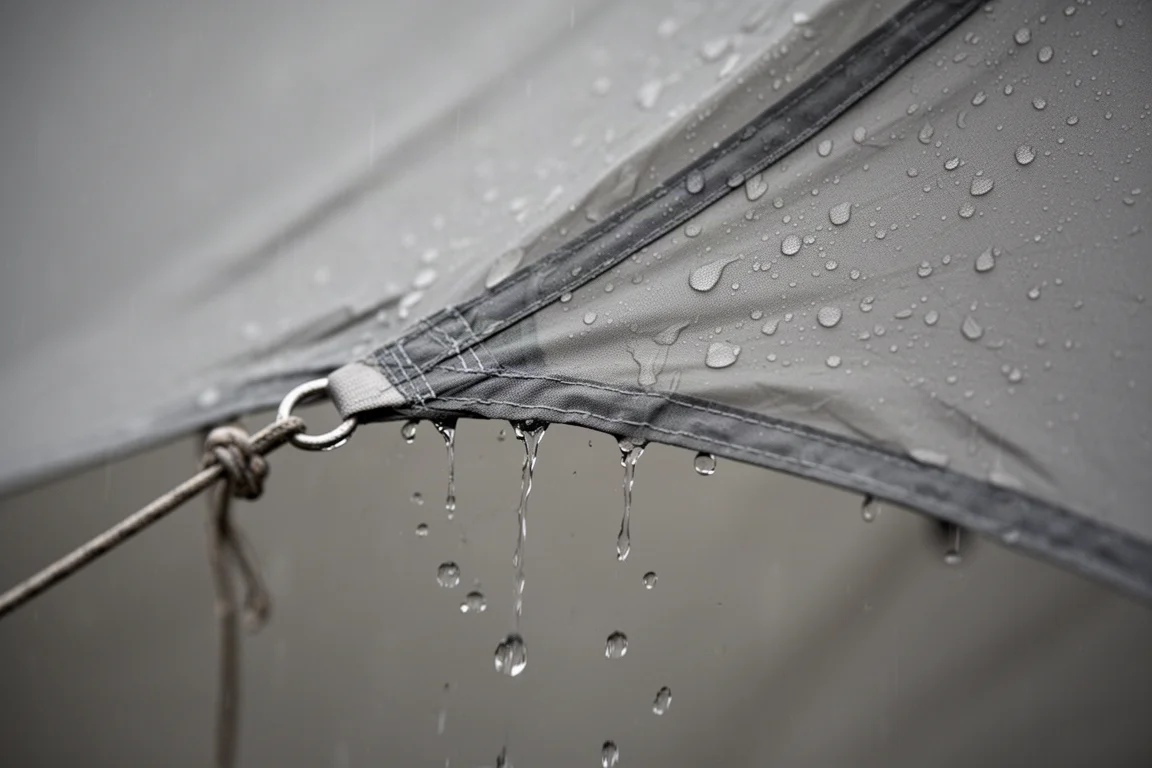
For a straightforward overnight tent, though, the result is still the right one. It kept the weather outside, and that is the baseline every shelter has to clear before anything else about it matters.
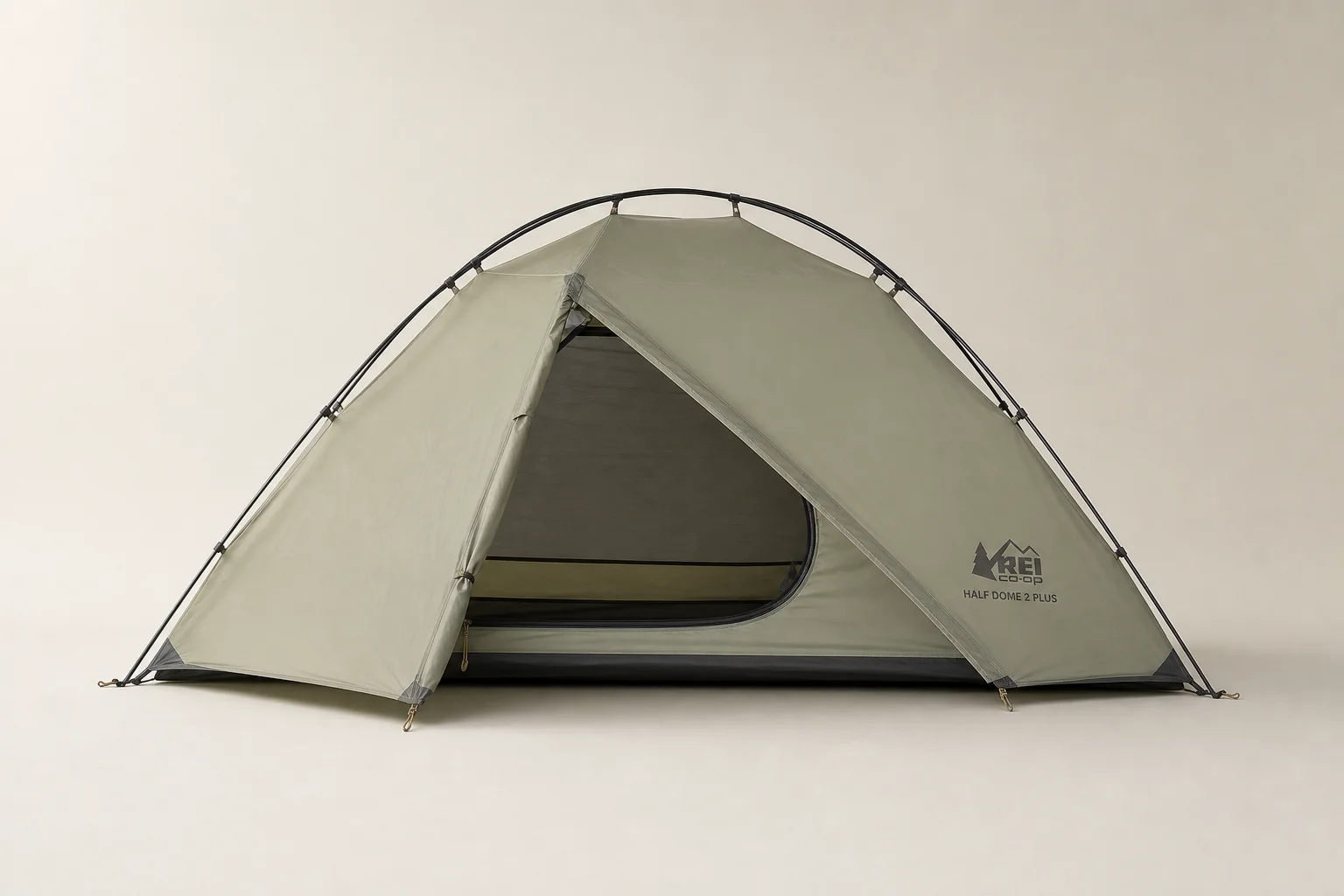
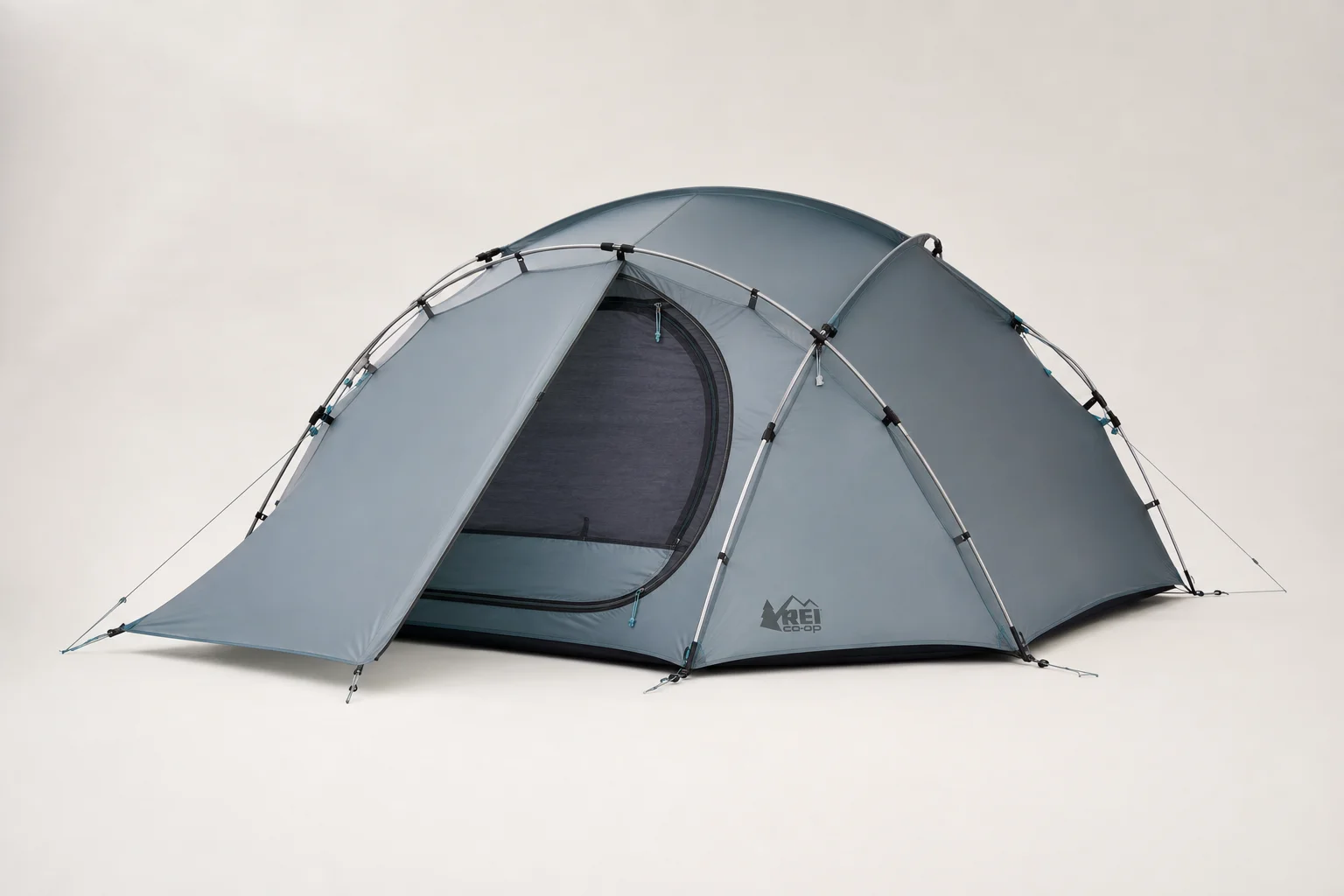
The North Face Stormbreak 2: The Better Two-Person Tent
The North Face Stormbreak 2 also stayed dry, and it finished the test as the stronger of the two tents. Not flawless, but genuinely good: the kind of shelter that gets through a long, wet night without demanding attention or creating doubt.
It is a two-person tent, which covers the setup most campers actually run, whether that is a solo trip with room to spread out or two people sharing the load between them.
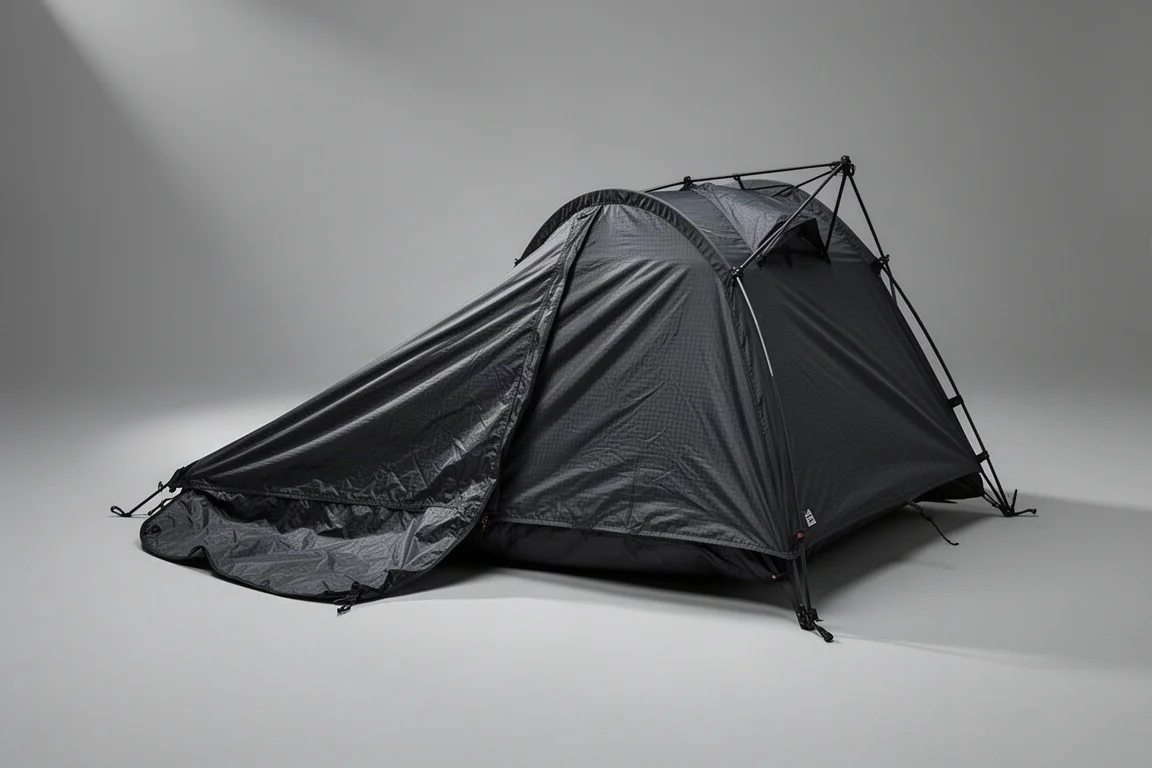
ALPS Mountaineering Stealth 1 Bivy: Leaked Substantially
The ALPS Mountaineering Stealth 1 Bivy is the clear failure of this test. It leaked, and it leaked substantially, which is hard to accept in a shelter whose entire purpose is keeping one person dry in a minimal footprint.
A bivy is already a set of compromises: less space, less headroom, less shelter to sit out a long evening in. If it also lets water through, there is no remaining argument for choosing it over a small tent.
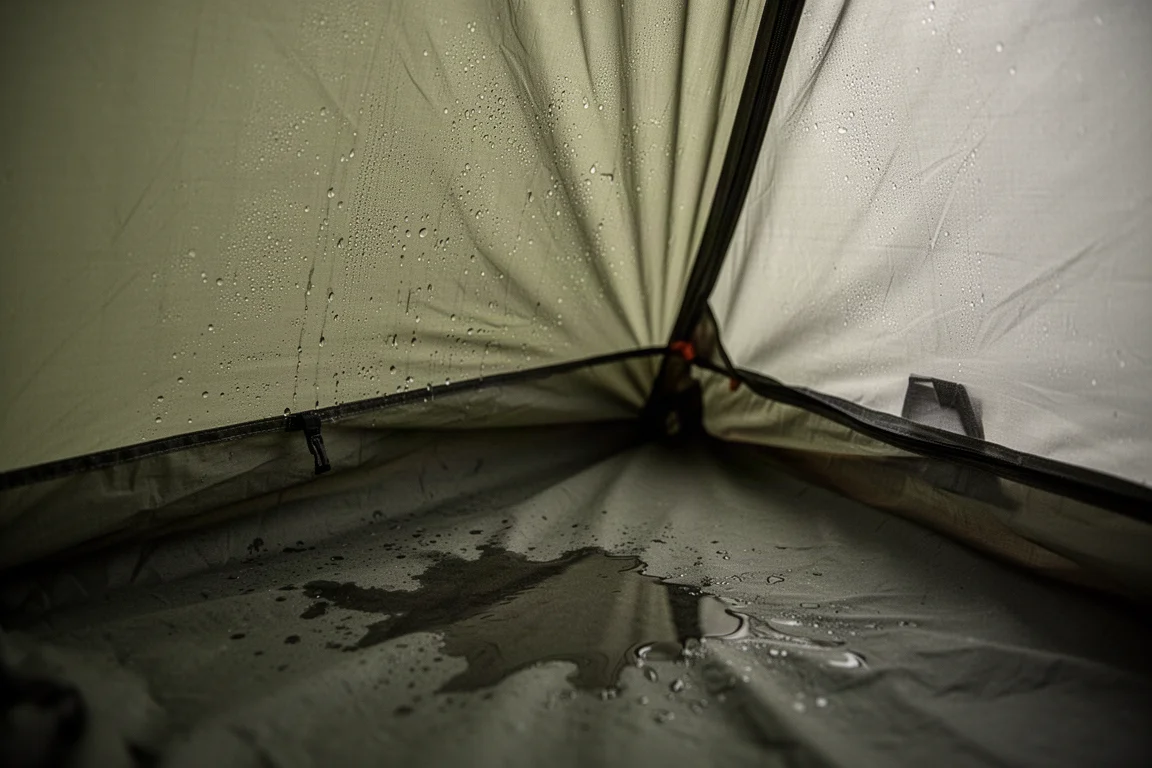
That is a disappointing outcome for a category that lives or dies on weather protection. Anyone weighing a bivy should treat waterproofing as the first question and look for evidence that it holds up in sustained rain rather than a passing shower.
Nitto Ridge Grappler: All-Terrain Tires That Handle Everything
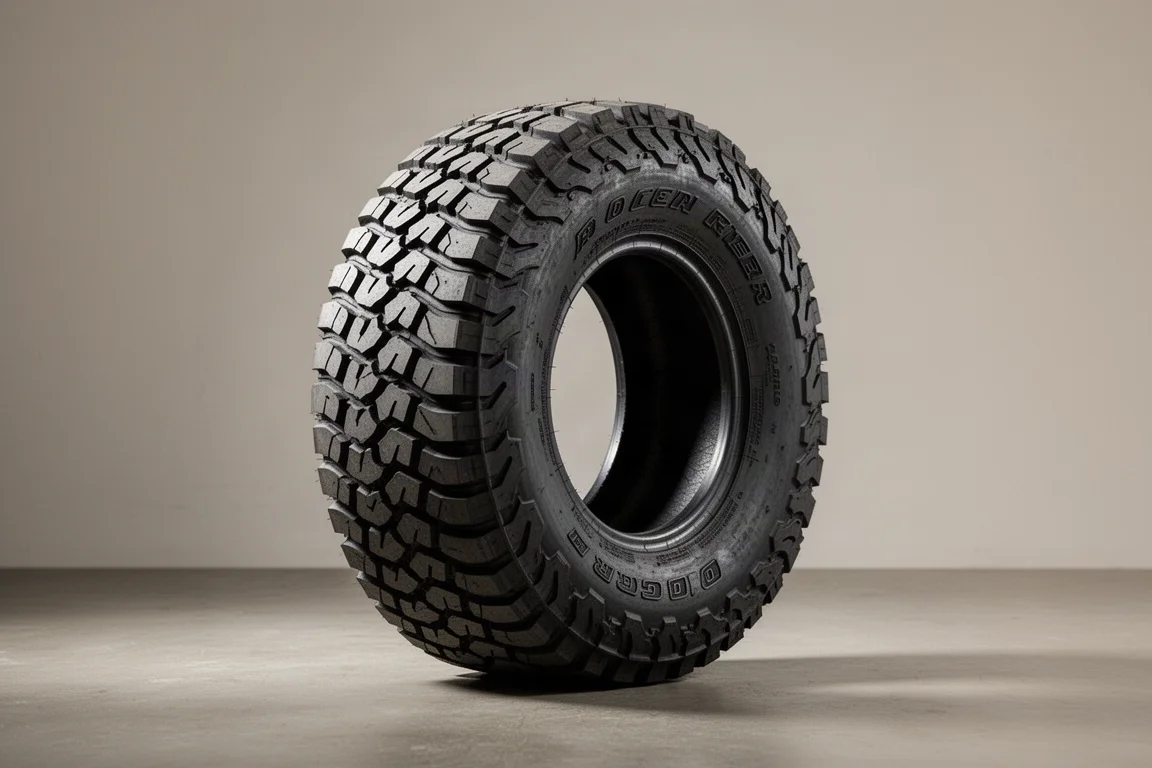
The Nitto Ridge Grappler tires here are 265/70s on 17-inch wheels, and they have been the standout all-terrain option in mixed use: on-road, off-road, wet surfaces, and snow. They handle each of those conditions well enough that there is no obvious weak spot to work around.
Off-road grip is the headline. Traction holds well enough that two-wheel drive is often sufficient where other tires would need four-wheel drive to keep moving, which says a lot about how the tread puts power down on loose ground.
Buying Advice: Matching a Shelter to the Conditions
Two of the three shelters here did their job and one did not, which is roughly the ratio to expect when shopping from specifications alone. Waterproofing is not a premium extra; it is the minimum. A tent that stays dry through a three-hour storm is doing what it promised, and a bivy that soaks through has given up its only real advantage.
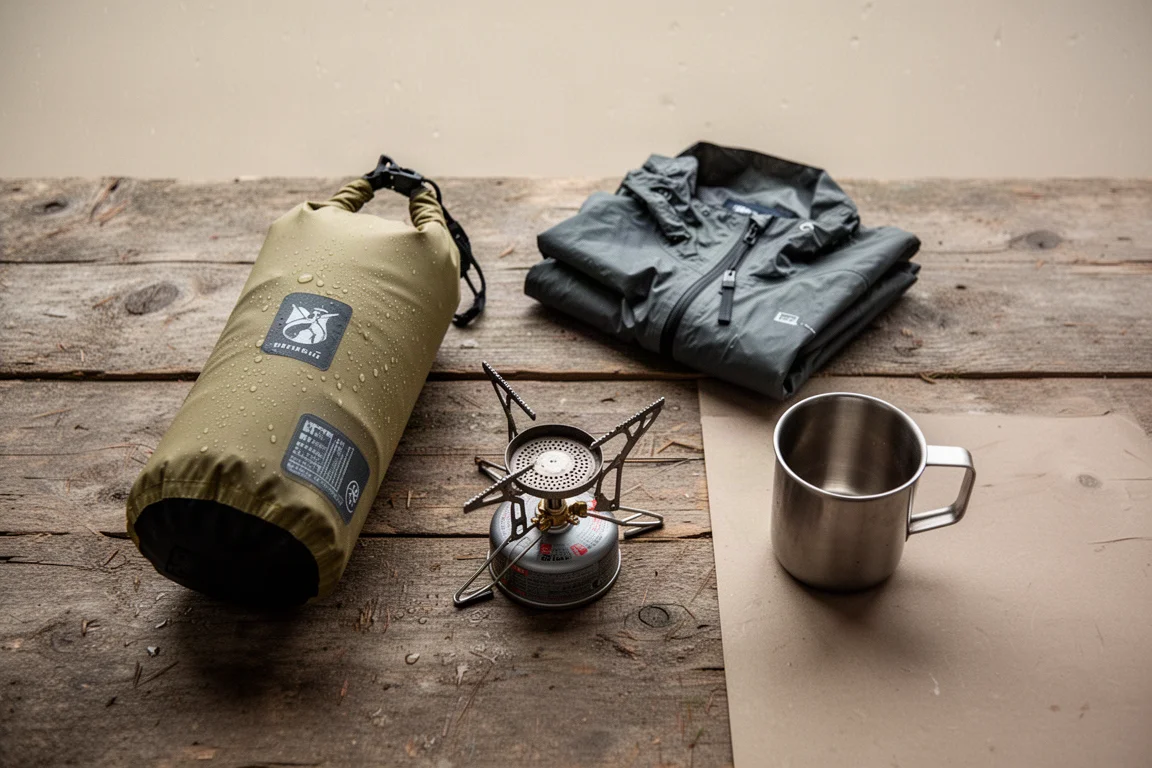
Two habits from this trip are worth borrowing. Wet gear goes into a dry bag before it goes back into the vehicle, rolled and sealed so moisture cannot spread through the cabin. And when you park for the night, orient the vehicle around the camping you are actually doing, level ground for sleeping inside and runoff direction when a tarp is overhead, rather than around a hypothetical quick exit that a sleeping occupant could never execute in time.
For shelter choice, the practical split is simple. If weather protection is the priority and the budget is the deciding factor, the Late Start earns its place by staying dry. If you want the more convincing tent overall, the Stormbreak 2 is the one to pick. The Stealth 1 Bivy does not belong on a shortlist for wet conditions. For tires, the Ridge Grappler is the easy recommendation if you drive a truck or SUV across mixed surfaces and want one set that copes with all of them.
Conclusion
Three shelters, one long wet evening, and a clear split in the results. The Kelty Late Start and The North Face Stormbreak 2 both stayed dry, with the Stormbreak 2 the better of the two tents. The ALPS Mountaineering Stealth 1 Bivy leaked substantially and is not recommended. The Nitto Ridge Grappler tires, meanwhile, continue to perform across every surface they have been asked to handle, from wet tarmac to snow to loose trail.
Further reading
Related Reviews
Camping Gear
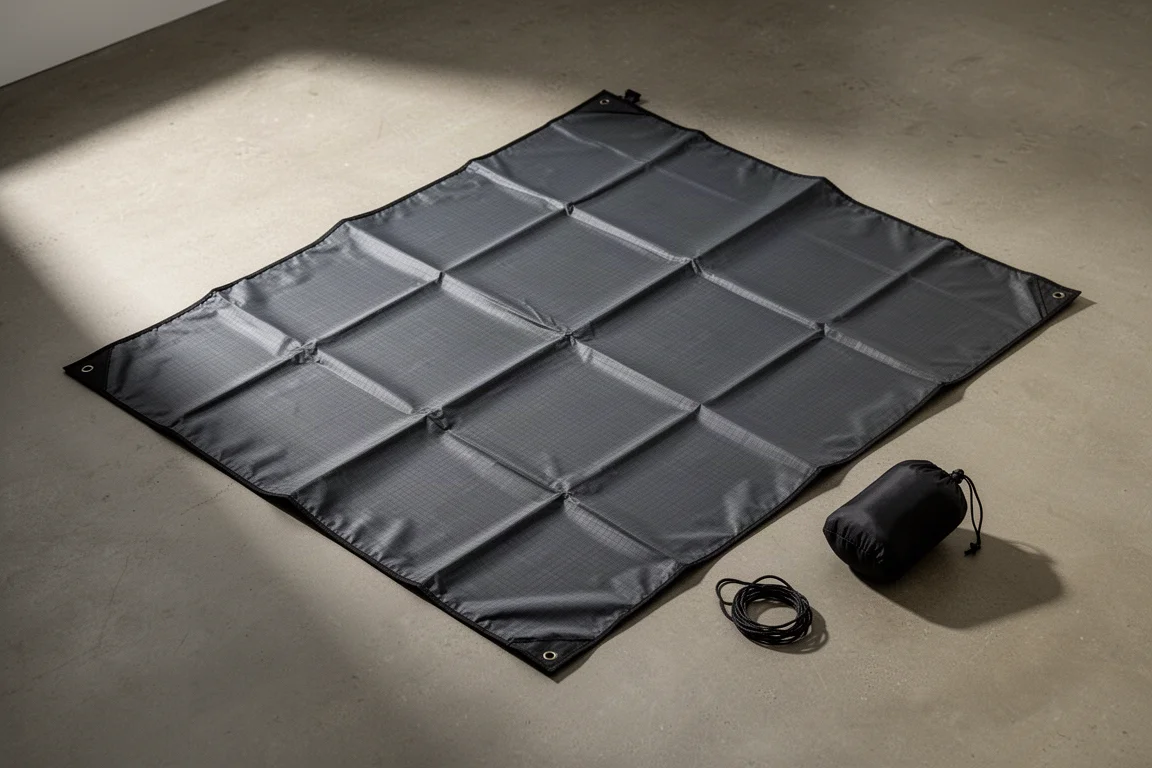
3FUL Ultralight Ground Sheet Review: A Two-Person Footprint Worth Packing
A 6.7 oz two-person ground sheet in ripstop silnylon, priced around $30. Here is what it protects, what it does not do, and who should pack it.
Camping Gear
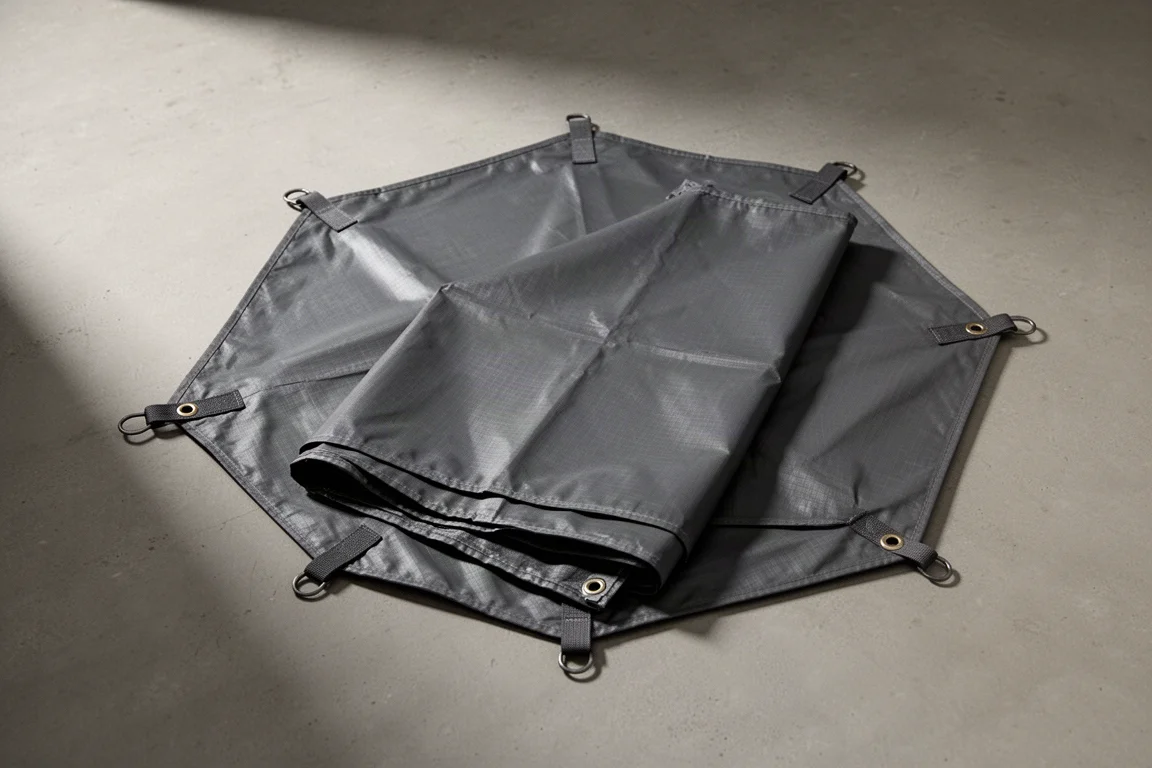
Backcountry Light Dual-Function Tarp and Floor Review: A Footprint First
A dual-purpose tent floor and tarp that keeps falling rain off you, but cannot block wind. Here is where it works and where it does not.
Camping Gear
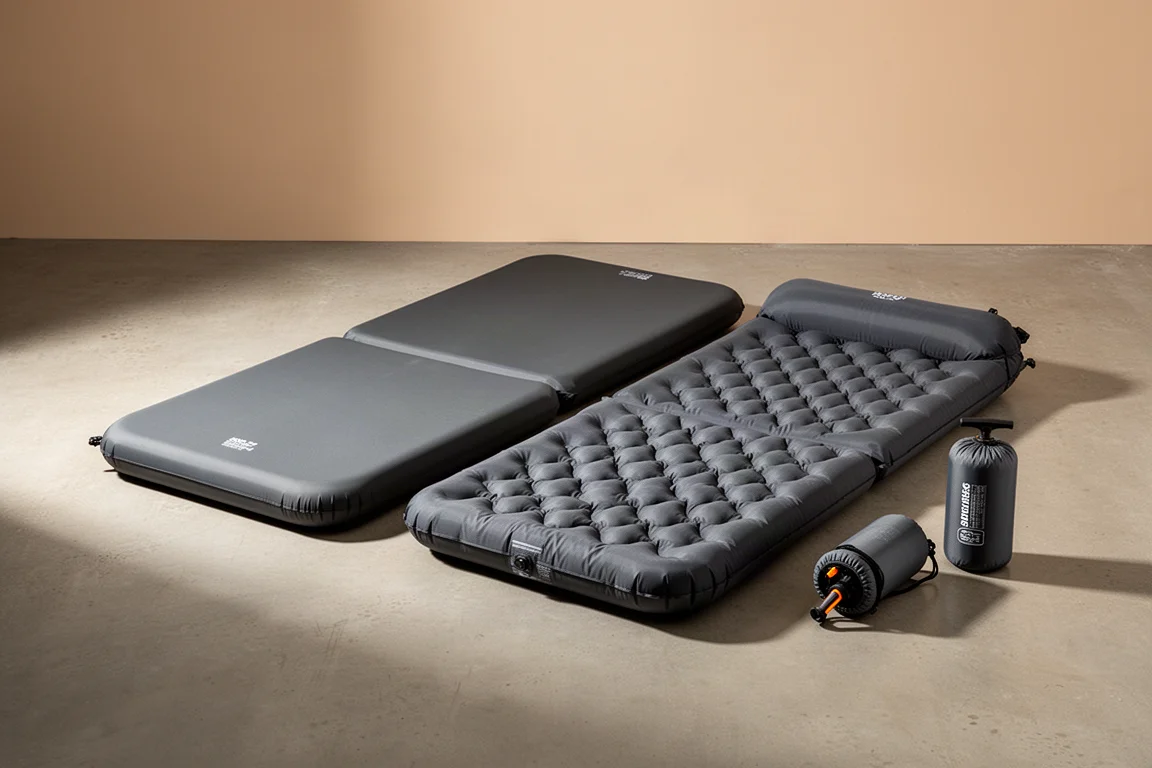
Best 2-Person Camping Mattresses for Couples: 10 Options Compared
A practical comparison of ten two-person camping mattresses, covering self-inflating pads, air pads and air mattresses for couples.