Camping Gear
Rain-Tested Camping Shelters and All-Terrain Tires: What Held Up
Two tents and a bivy left out in more than three hours of heavy rain, plus notes on the all-terrain tire set that handles pavement, trail, wet roads and snow.
Introduction
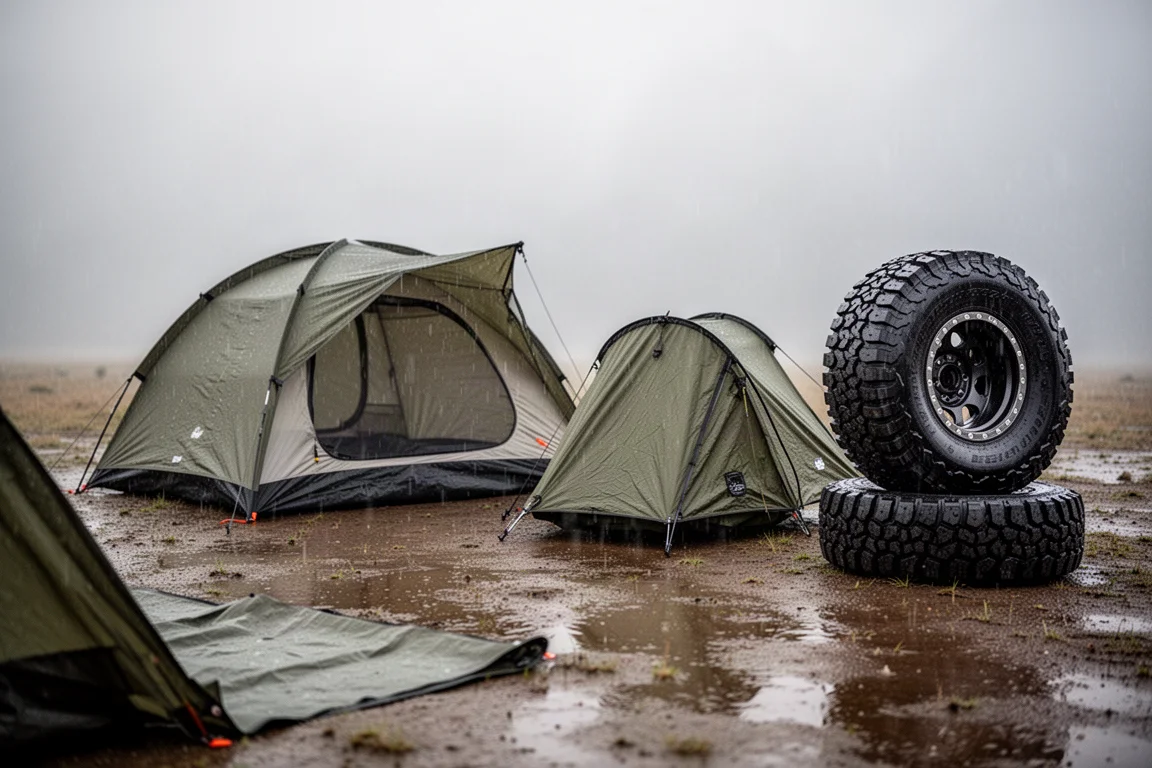
Some gear questions can only be answered by standing in the rain and waiting. Three shelters were pitched before a slow-moving weather front arrived: two tents and one bivy, all left exposed to the same weather for the same amount of time. Thunder rolled around the area for hours without a direct hit, and the rain swung between steady drizzle and genuinely heavy downpours.
The shelters were set up beneath a tarp stretched over a vehicle, angled so runoff would be directed away from the living area. That detail matters, because a tarp over a vehicle never seals perfectly, and controlling where the water goes is more useful than hoping it stays out.
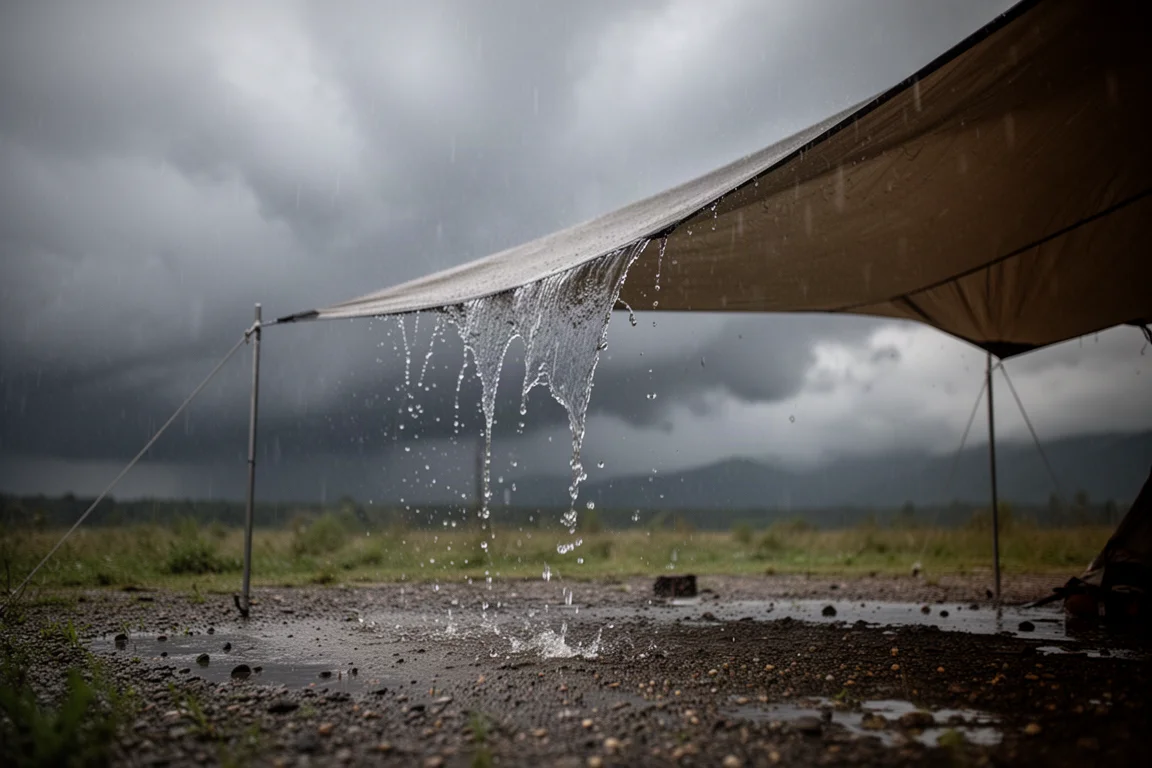
By late evening the rain had been falling for more than three hours. That is long enough for a weak seam or a thin floor to reveal itself, and long enough for a well-built shelter to prove what it can do.
How These Shelters Were Tested
All three shelters were pitched before the first rain arrived, then left in place through roughly three hours of mostly heavy rain with thunderstorms surrounding the area. Nothing was adjusted, re-staked, or treated during the test, so the results reflect what each product does straight out of the box.
The forecast called for another two hours of rain before the front cleared. Rather than pack up early, the plan was to wait it out, make coffee, and check the interiors only once the rain had stopped for the day. Waiting removes the false positive that comes from wiping a shelter down mid-storm and declaring it waterproof.
One more variable worth noting: the ground stayed wet the entire time, so every shelter sat on saturated soil rather than a dry pitch. That is the condition most likely to expose a floor or a bathtub seam.
Kelty Late Start: A Dry Night, A Modest Design
The Kelty Late Start came through the test with a dry interior. No water made it inside despite the sustained rainfall, which is the headline result for any shelter.
Where it fell short was almost everything else. Of the three shelters on site, this one made the weakest overall impression. It works, and it kept the rain out, but the design did not inspire much enthusiasm compared with the alternatives standing next to it.
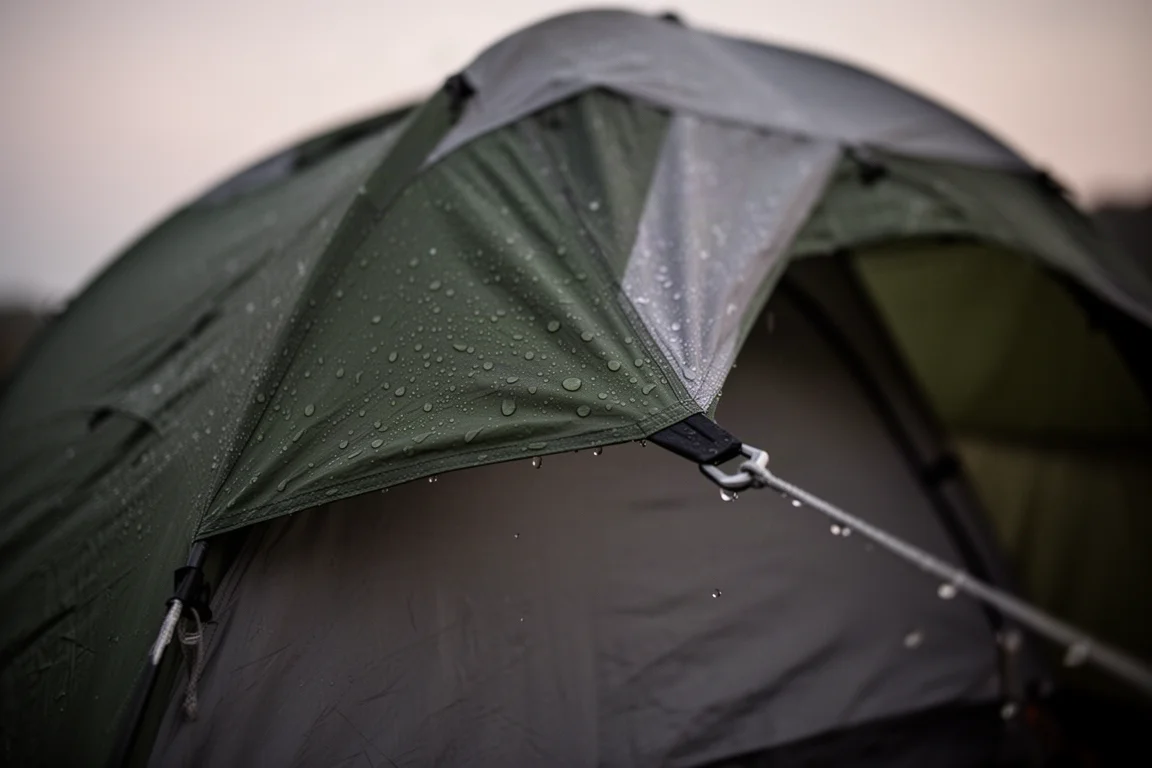
For a camper who needs a straightforward shelter that handles wet weather without spending much, that trade-off may be perfectly acceptable. The waterproofing held, and that is the part that matters most when the forecast turns.
The North Face Stormbreak 2: The Strongest All-Rounder
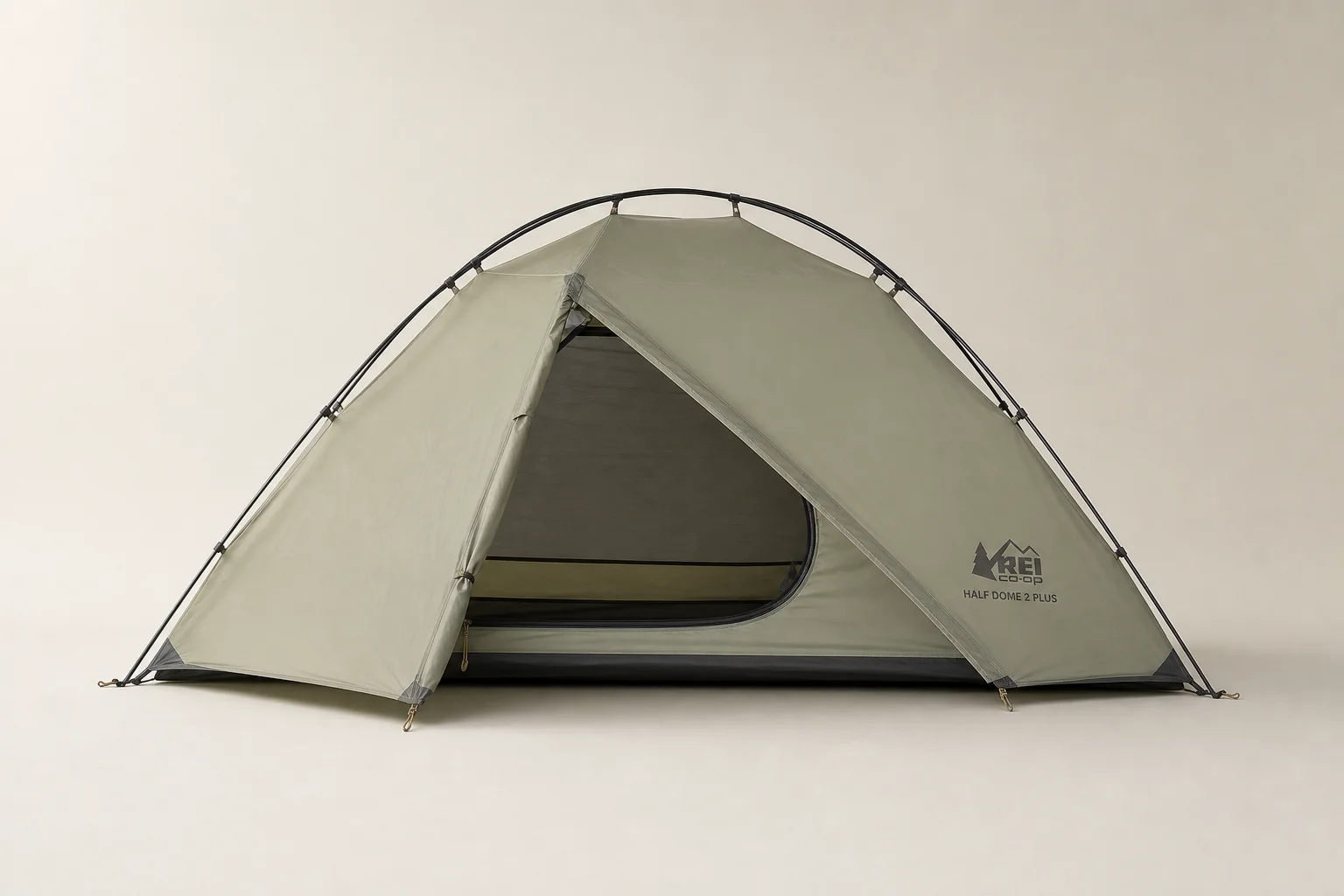
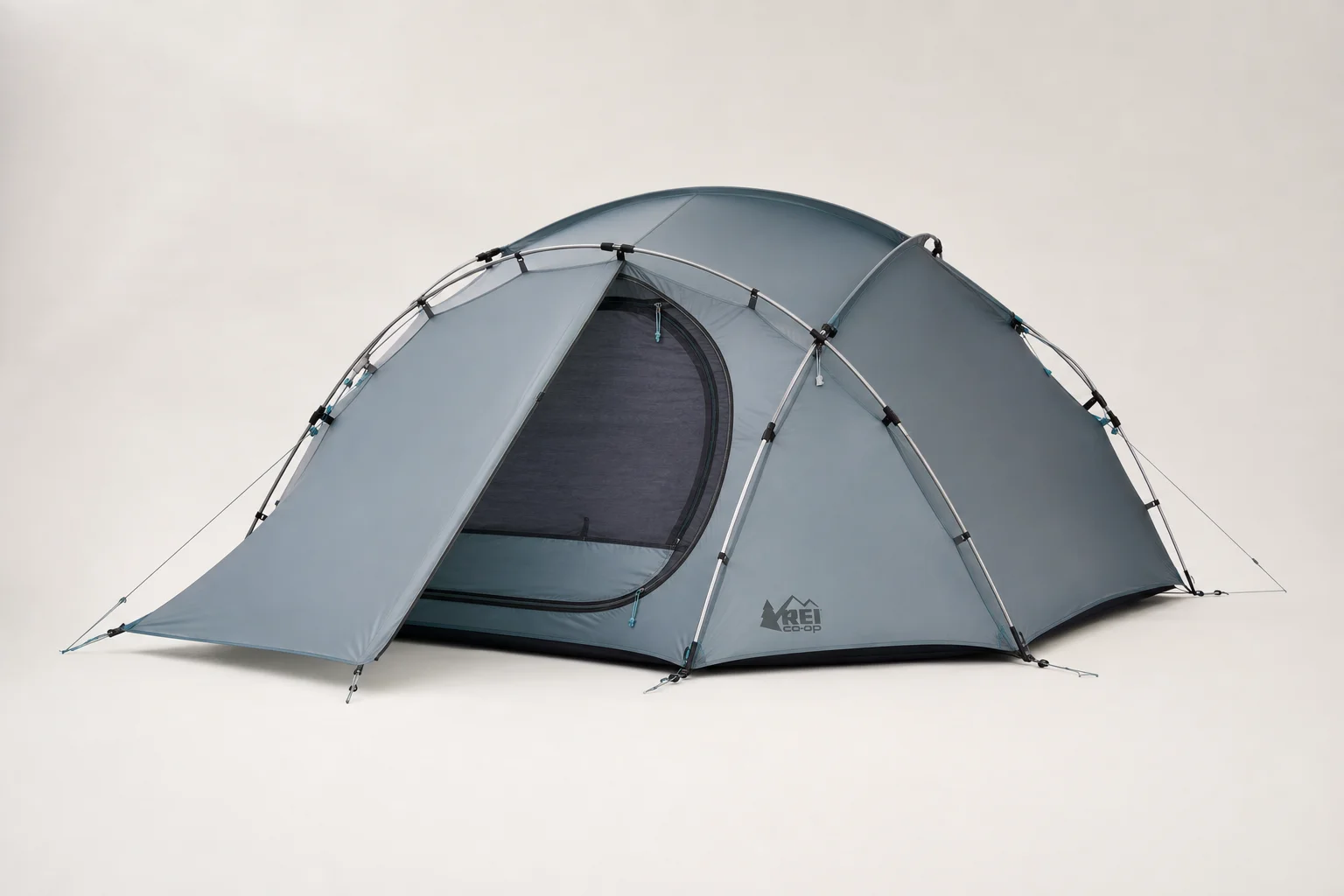
The North Face Stormbreak 2 also stayed completely dry. It drew the most positive reaction of the group: a solid two-person tent with no leaks after hours of heavy rain.
It is not flawless, and no tent here earned a perfect score. Even so, between the two tents tested, this is the one that came closest to a complete package for wet-weather camping. It kept the water out and remained a shelter you would be content to spend a night inside.
Alps Mountaineering Stealth 1 Bivy: Where It Fell Short
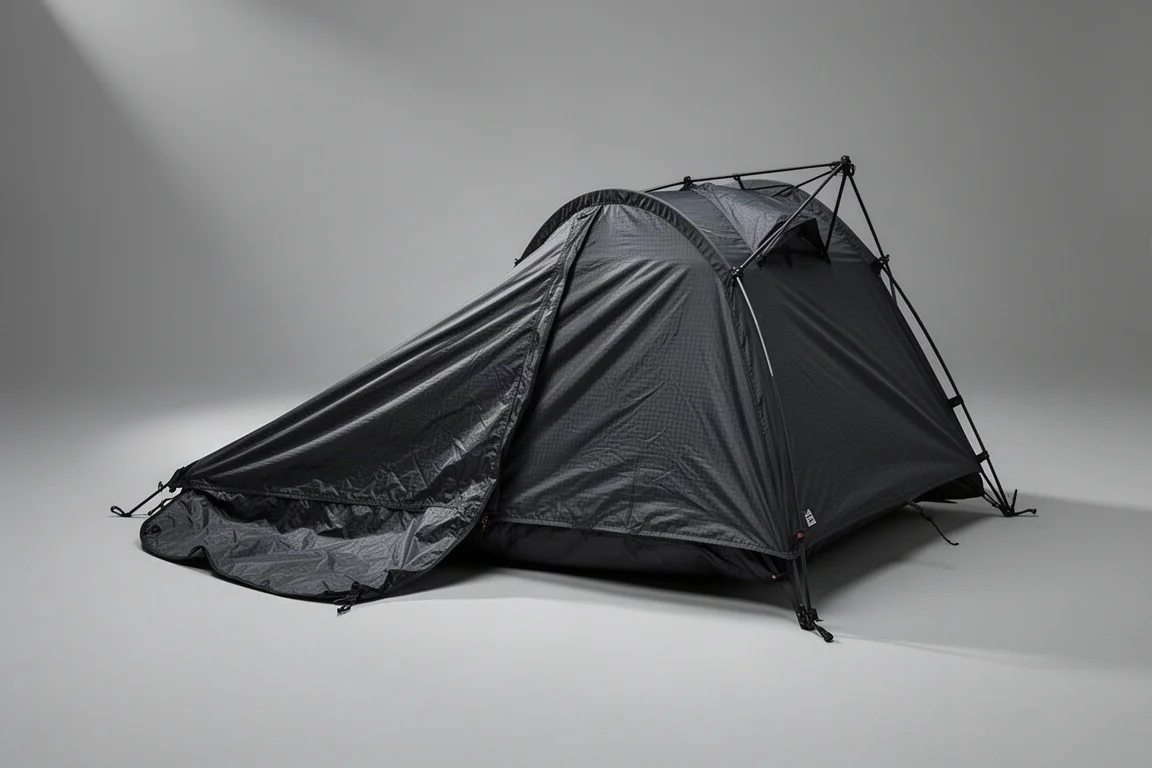
The Alps Mountaineering Stealth 1 Bivy leaked, and it leaked substantially. Water found its way inside during the same storm that left both tents dry, which makes the result hard to excuse.
A bivy is a minimalist choice, and minimalism only works when the waterproofing is beyond question. A fully waterproof shell that is unpleasant to sleep in is not a win either. Keeping rain out is the minimum, not the goal, and the shelter still has to be somewhere a person actually wants to spend the night.
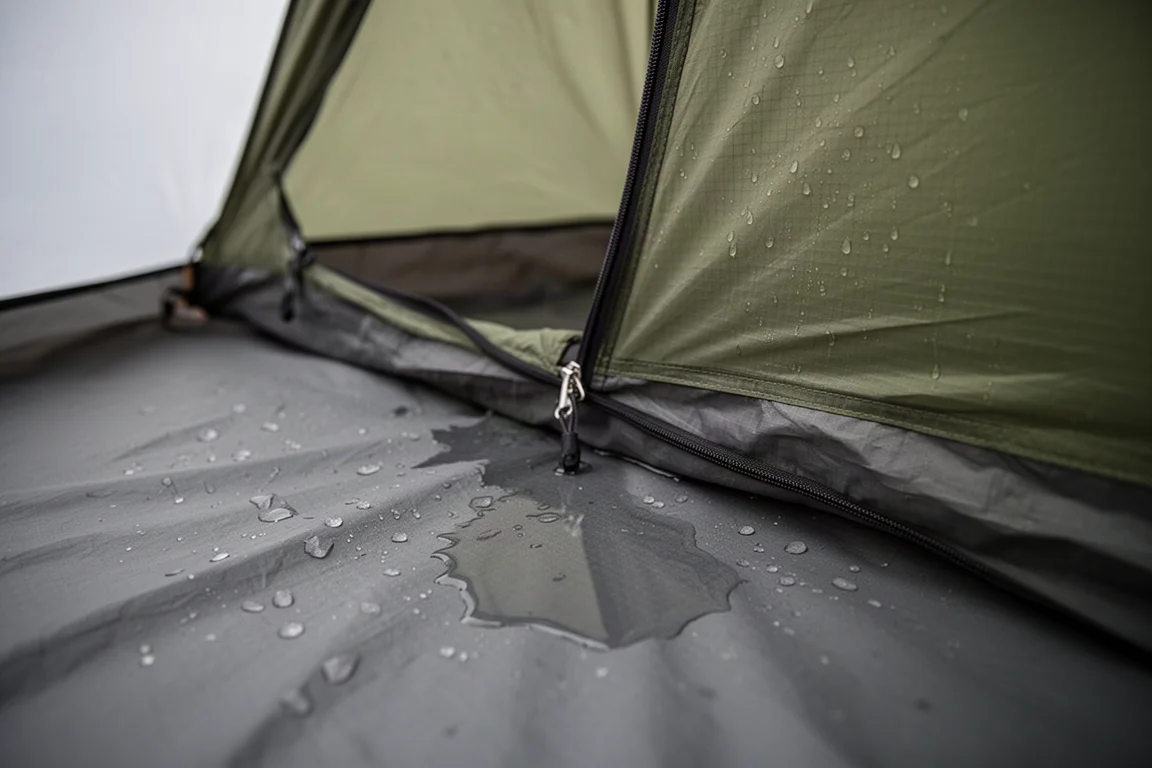
Based on this test, the Stealth 1 Bivy is not something to rely on for wet-weather trips. Anyone weighing a single-person shelter should treat verified rain performance as the first requirement, and check how the seams and floor are constructed before committing.
Nitto Ridge Grappler: The Tire Choice for Mixed Terrain
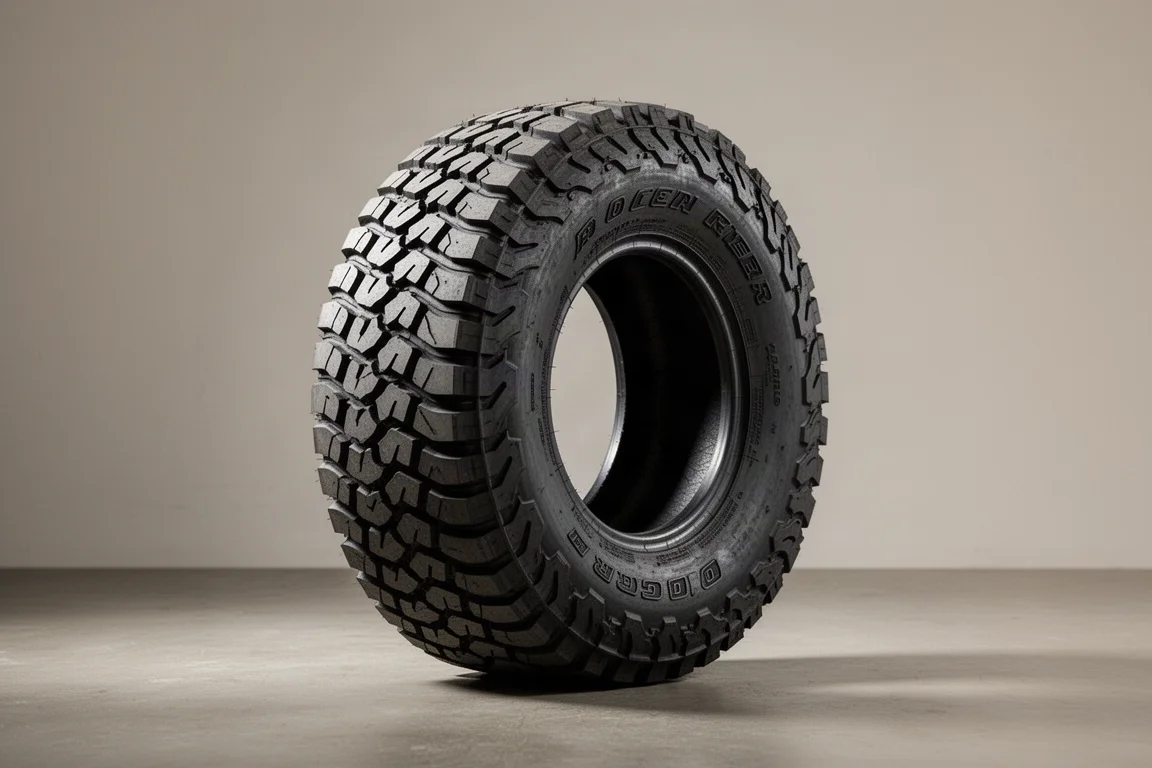
The vehicle side of the setup deserves a mention as well. The Nitto Ridge Grappler, run here in a 265/70 size on 17-inch wheels, has been an exceptionally strong all-terrain tire in just about every condition: highway, trail, wet roads, and snow.
Grip is the standout quality. On trail, two-wheel drive is often enough where other tires would call for four-wheel drive, which makes the vehicle feel more capable than its drivetrain suggests. After working through a long list of all-terrain sets over time, this is currently the favorite of the group.
Buying Advice: Matching Gear to Real Conditions
The clearest lesson from a wet weekend is that rain sorts shelters out quickly. Two tents stayed dry through the same storm that defeated a bivy, which shows how much variation exists inside a single category.
For tents, look for models with a track record of dry interiors in sustained rain, and remember that a shelter you enjoy using matters as much as one that merely keeps water out. For bivies and other minimal shelters, treat waterproofing as a claim to verify rather than a given, and be skeptical of any design you would not want to spend a full night inside.
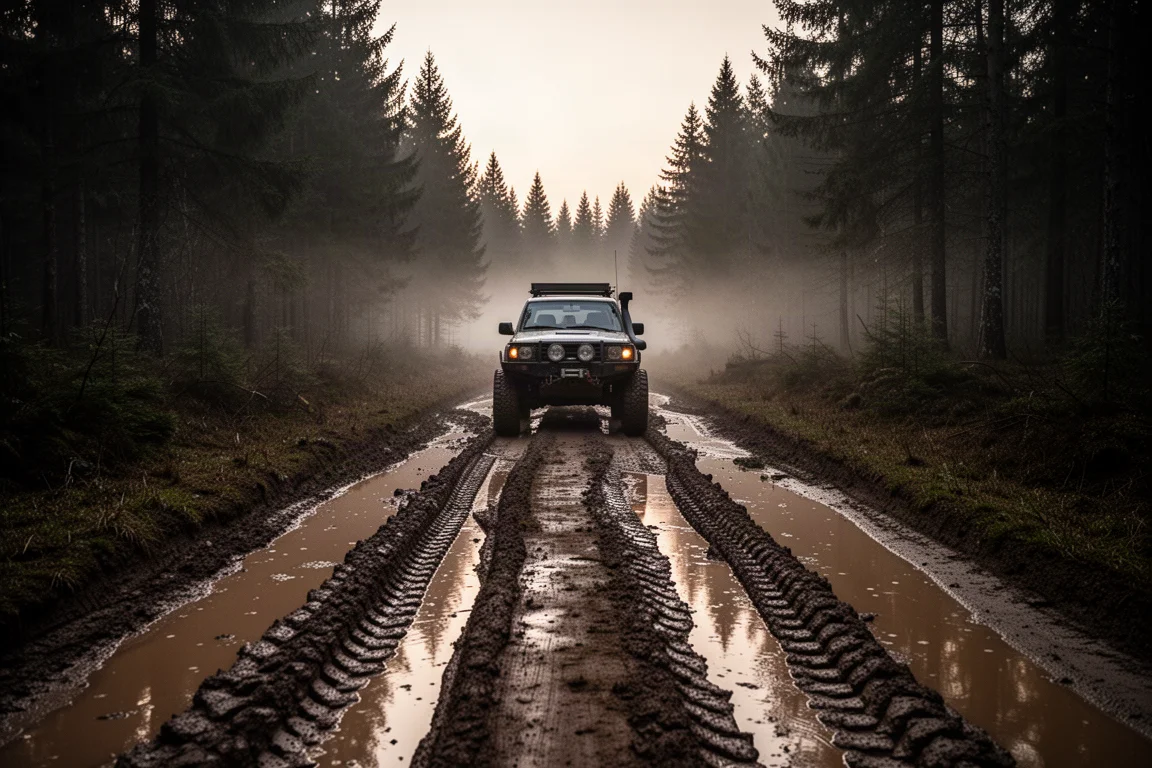
Tires follow a similar logic. An all-terrain tire that grips well on pavement, off road, in wet conditions, and in snow removes a lot of guesswork from a mixed-surface trip, and strong traction quietly changes how a loaded vehicle behaves on loose climbs. Buy for the conditions you actually drive in, not the ones on the brochure.
Conclusion
Three shelters went into the same storm and came out with two very different outcomes. The Kelty Late Start and The North Face Stormbreak 2 both kept their interiors dry, with the Stormbreak 2 leaving the stronger overall impression. The Alps Mountaineering Stealth 1 Bivy leaked substantially and deserves caution for wet-weather use. The Nitto Ridge Grappler, meanwhile, remains a confident choice for anyone splitting time between pavement and trail.
That is the value of testing gear in real weather: the answers arrive on their own, without anyone needing to argue about them afterward.
Further reading
Related Reviews
Camping Gear
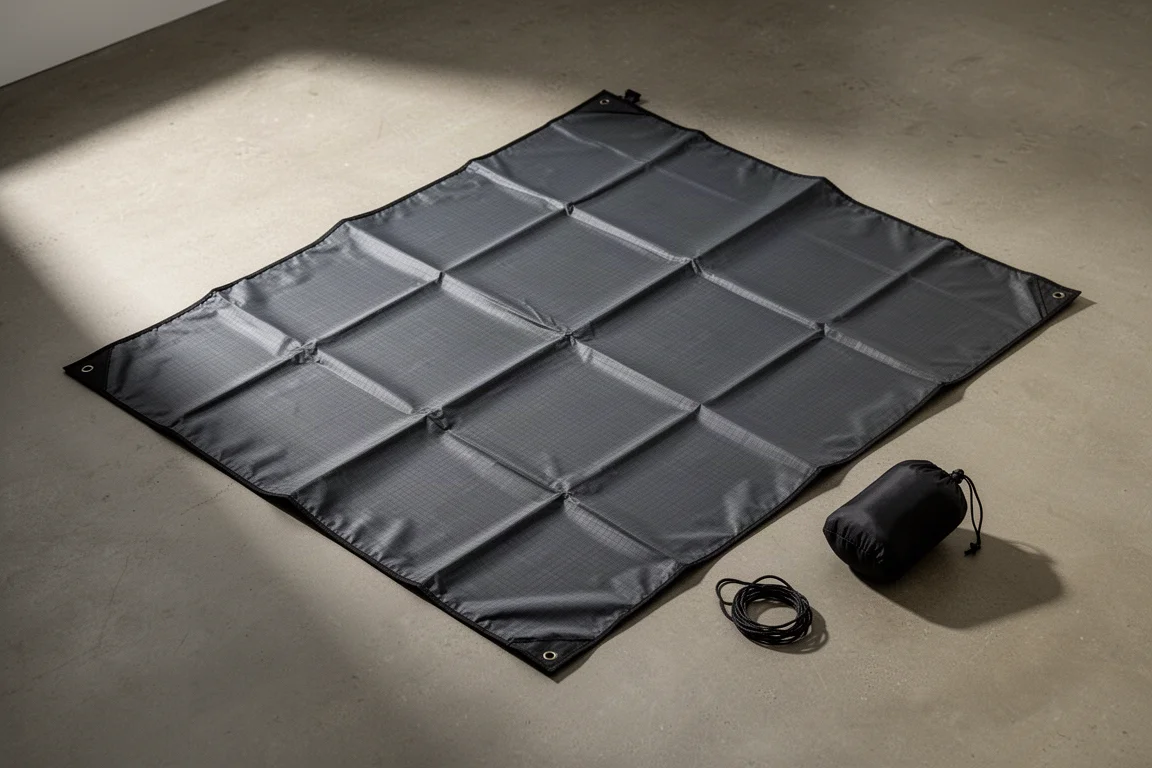
3FUL Ultralight Ground Sheet Review: A Two-Person Footprint Worth Packing
A 6.7 oz two-person ground sheet in ripstop silnylon, priced around $30. Here is what it protects, what it does not do, and who should pack it.
Camping Gear
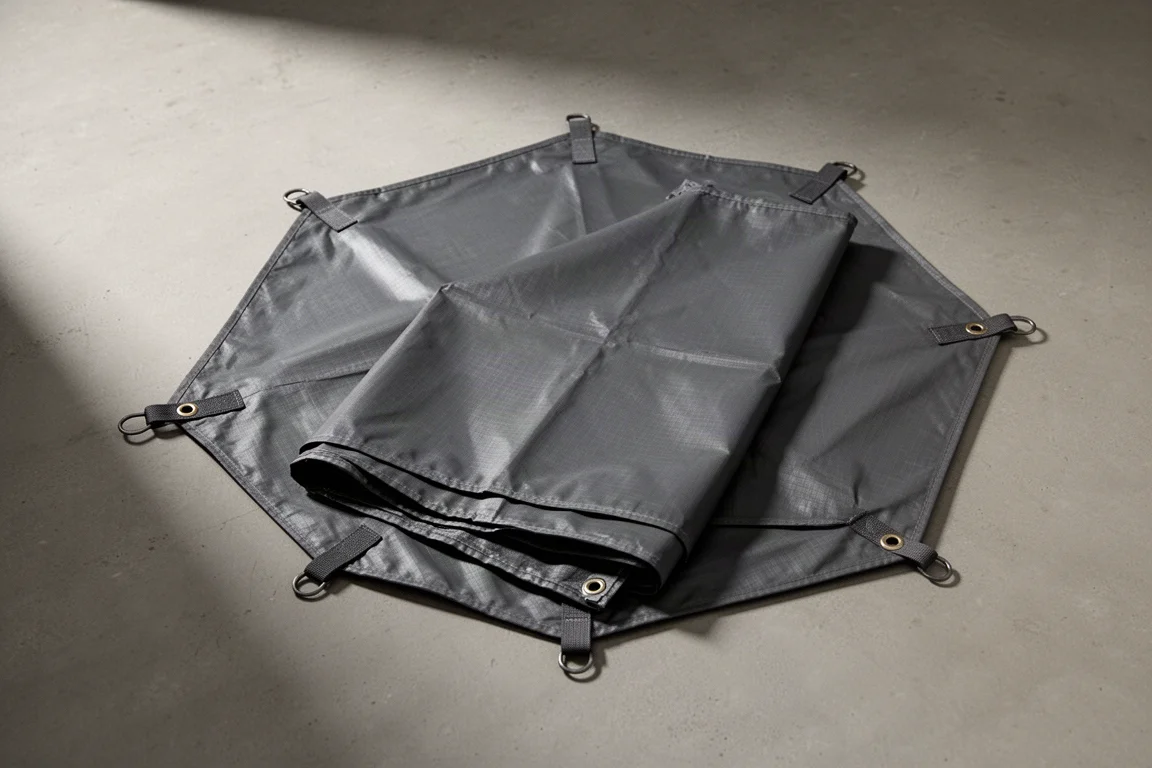
Backcountry Light Dual-Function Tarp and Floor Review: A Footprint First
A dual-purpose tent floor and tarp that keeps falling rain off you, but cannot block wind. Here is where it works and where it does not.
Camping Gear
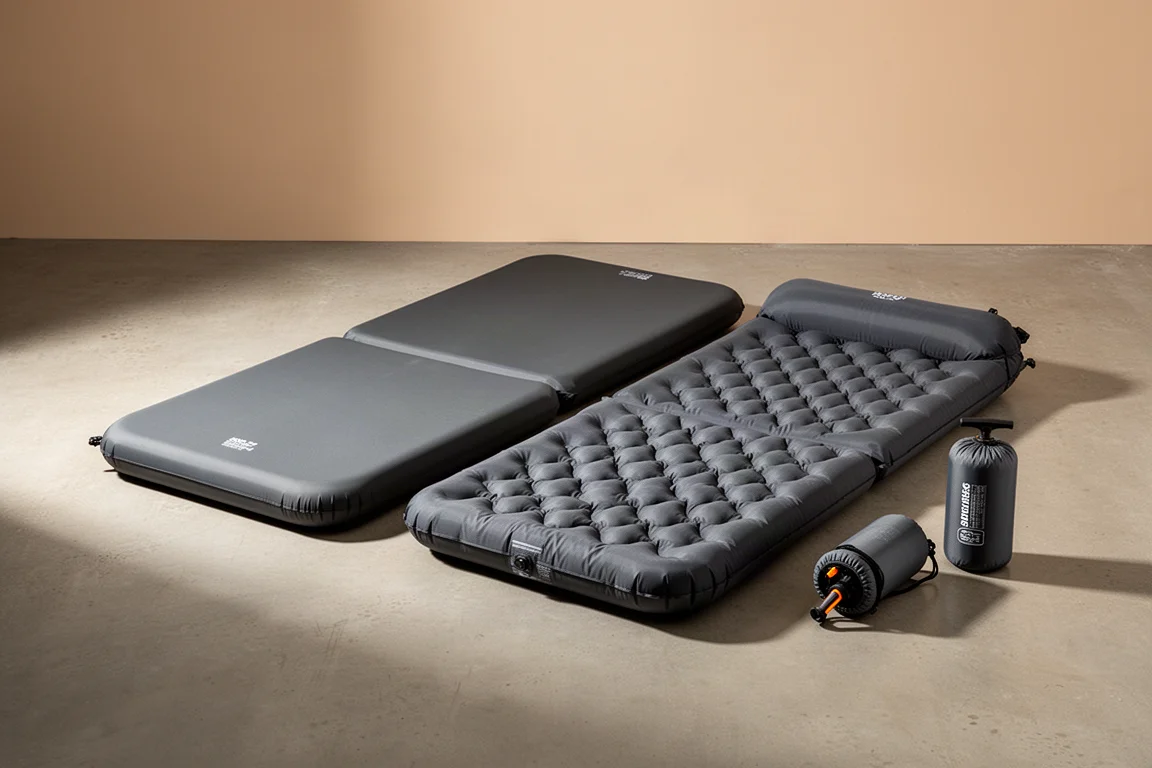
Best 2-Person Camping Mattresses for Couples: 10 Options Compared
A practical comparison of ten two-person camping mattresses, covering self-inflating pads, air pads and air mattresses for couples.