Camping Gear
Rain-Tested Camping Gear: Two Tents and a Modular Grill Table
Two shelters and a modular table grill put through hours of steady rain, gusty wind, and real camp cooking.
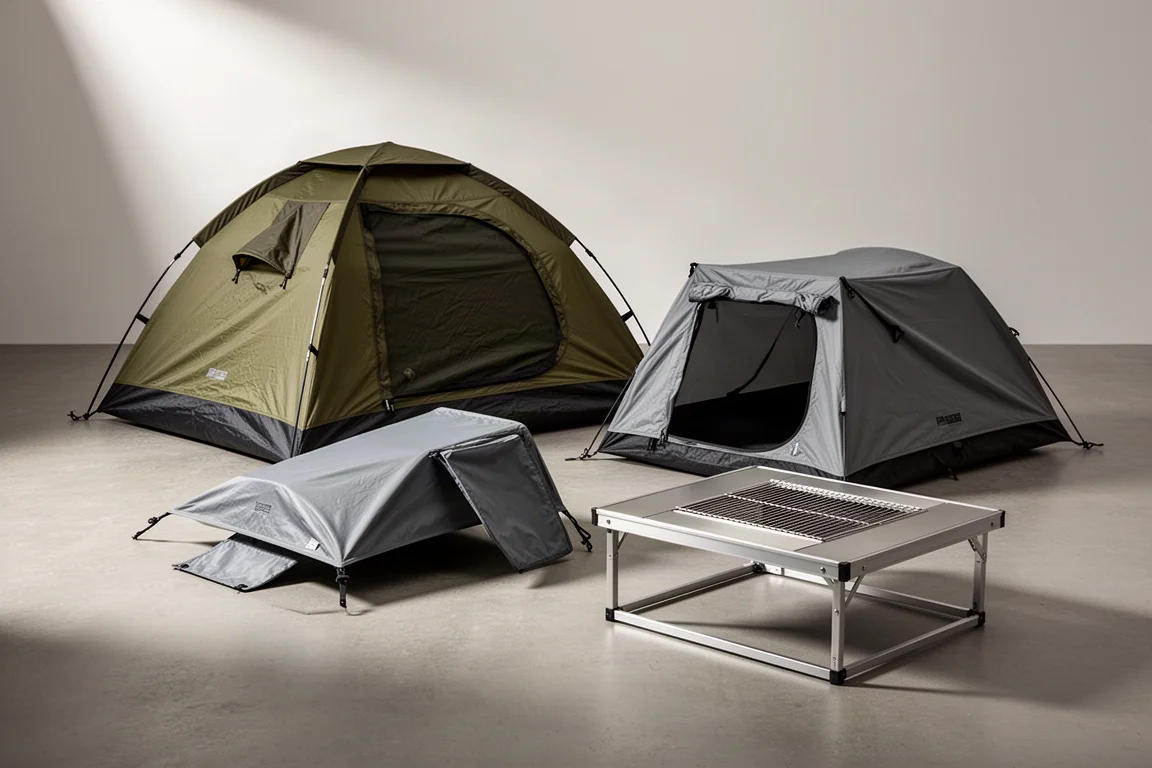
Introduction
Sustained rain is the fairest test a shelter or a camp kitchen can face. It exposes weak seams, poorly designed vents, and hardware that only behaves when the weather is kind. The three items below spent hours in steady rainfall, gusty wind, and a passing thunderstorm warning, and each one earned its place for a different reason.
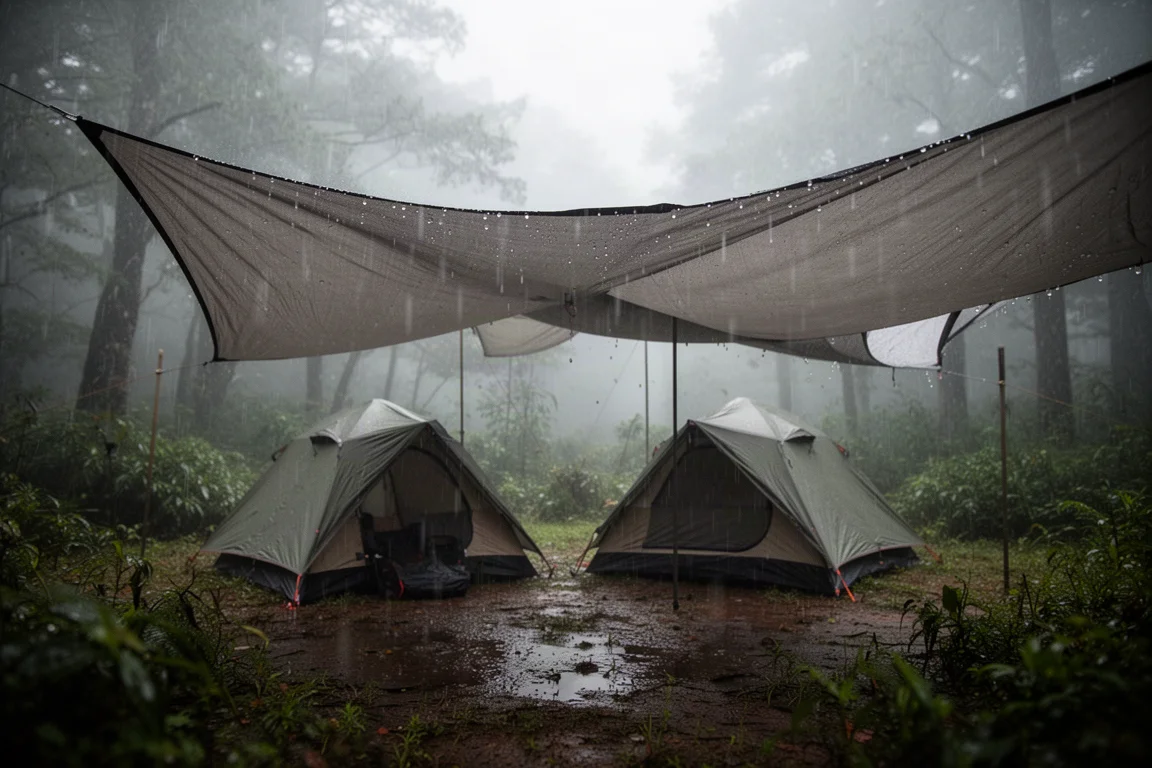
This roundup covers two shelters and one modular cooking system. The aim is simple: help you work out which of them fits the way you actually camp, rather than which one looks best in a catalog.
OneTigris Jovian Tent: A Shelter That Held Up to Hours of Rain
The Jovian has already been out on six to eight overnight trips, but every one of those outings landed on a forecast that never delivered. The wet-weather test finally arrived here, with roughly three hours of continuous rainfall and wind that turned gusty as the day wore on.
Through the worst of it, the tent stayed solid, and it did so without guy lines. One external vent was left open and the other closed, a deliberate setup to check whether wind-driven rain could push through. External vents are a common weak point on tents, and plenty of designs leak at exactly that spot.
Setup flexibility matters here too. With the tent staked down and the shelter area reinforced, the Jovian kept its shape while the wind built. For a shelter that has to cope with unpredictable weather, that combination of a stable structure and a simple pitch is the practical part of the story.
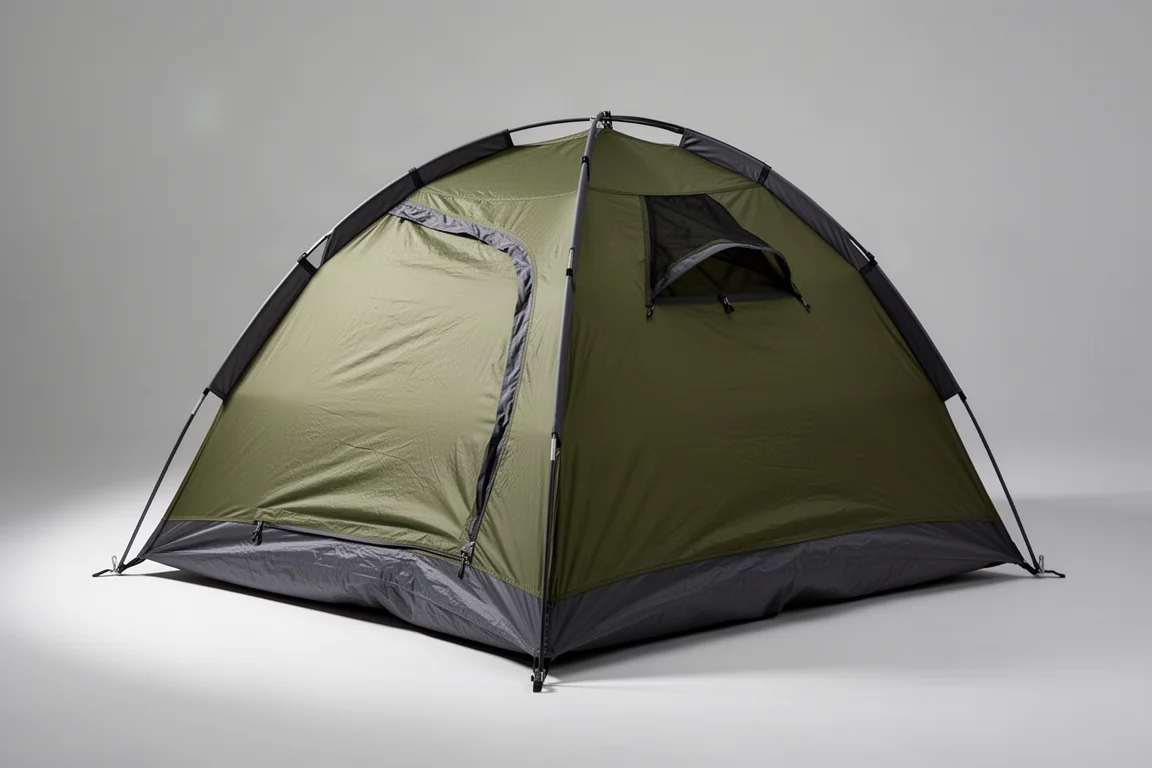
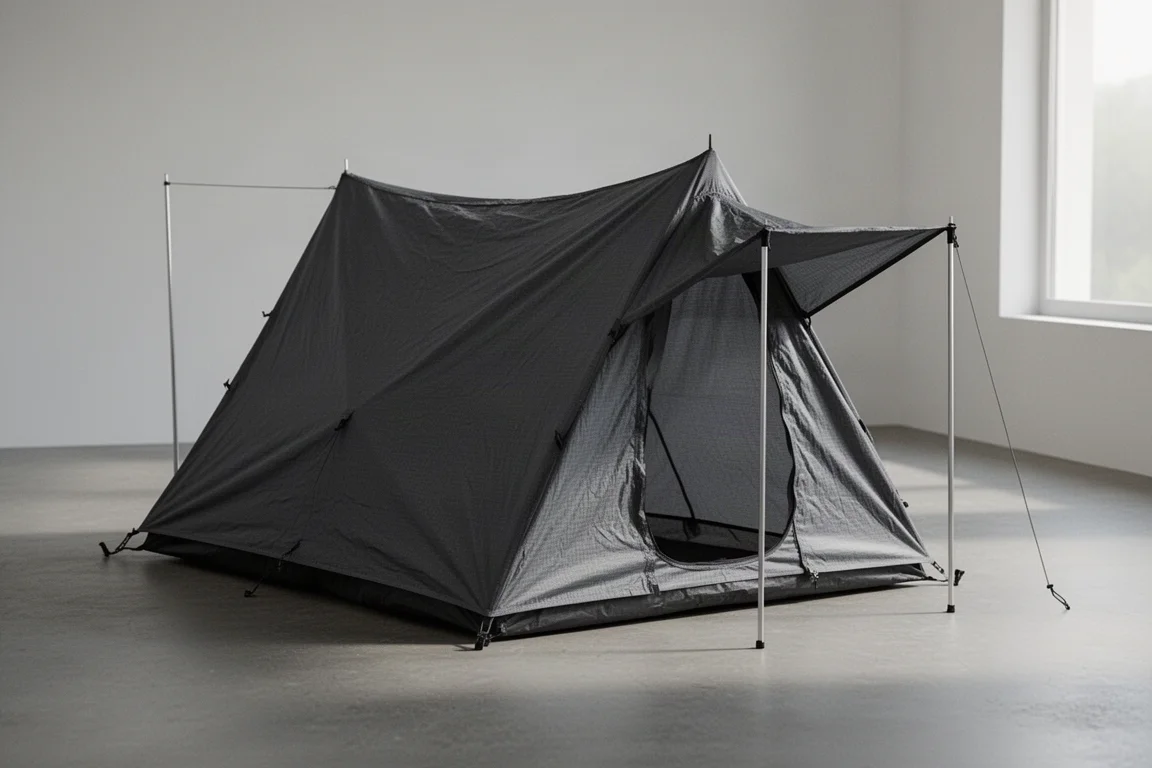
OneWind Bivvy Tent: A Second-Generation Design Built for Rain Setup
The OneWind bivvy is the clearest example of a company responding to feedback. The earlier version included an extension panel on one side, which let the tent stay pitched in the rain and kept that side dry. The problem was the opposite side, which had no equivalent protection and would soak through.
The current version adds an extension panel to the second side. That change means the shelter can be set up and taken down in rain with the interior staying dry, which is the entire point of the design. It is a small revision on paper and a meaningful one in practice, because it removes the single flaw that limited the first version.
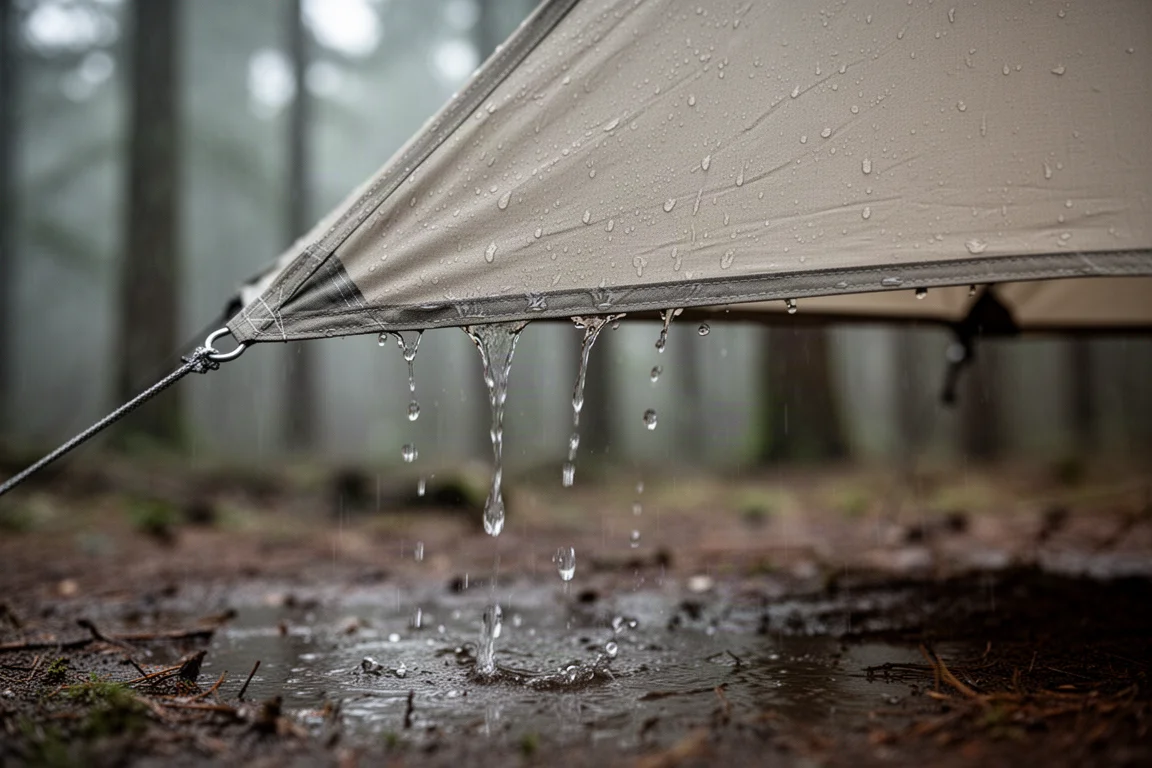
Rain readiness is only part of the picture for a bivvy. What stands out here is how quickly the design improved, and how directly the update addresses a real-world annoyance rather than adding features nobody asked for.
Naturehike IGT Table and Grill Set: A Modular Camp Kitchen
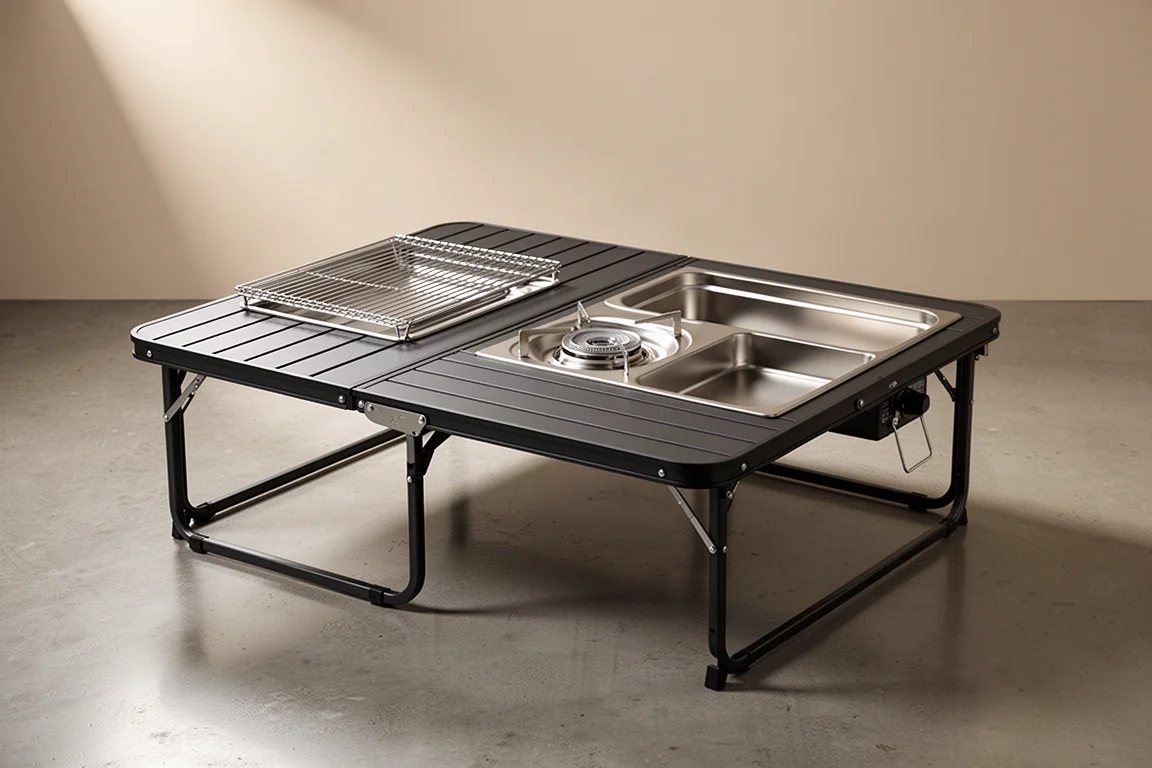
The IGT system is a table first and a cooking platform second, and that combination is what makes it useful. The base table is inexpensive and light on complexity, and the add-ons are what turn it into something more: a grill insert that drops into the frame, and a separate stove that sits in the center.
The grill was the part worth being skeptical about. Putting a heat source directly into a table raises the obvious question of whether the frame and its plastic components would soften, warp, or melt. That has not happened. The system has been a solid performer across multiple cooks, including burgers in a previous season and hot dogs on this trip, with the grill running in gusty conditions.
Because the pieces are modular, the table works as a plain surface when you do not need to cook, and becomes a grill station when you do. That flexibility is why it earns a place in a wet-weather kit rather than staying in the garage.
How These Picks Compare for Wet-Weather Camping
Each item solves a different problem, so the comparison is less about ranking and more about fit.
If your priority is a full shelter with room to move, the Jovian is the straightforward choice. It handled hours of rain and gusty wind without guy lines, and the vent configuration gave a clear answer about where water can and cannot get in.
If your priority is speed and a minimal footprint, the OneWind bivvy is the better match, especially now that both sides carry extension panels and the shelter can be pitched in the rain.
If your priority is the camp kitchen, the Naturehike IGT set is the one that changes how a trip feels. It replaces a folding table plus a separate grill with one modular system that does both jobs.
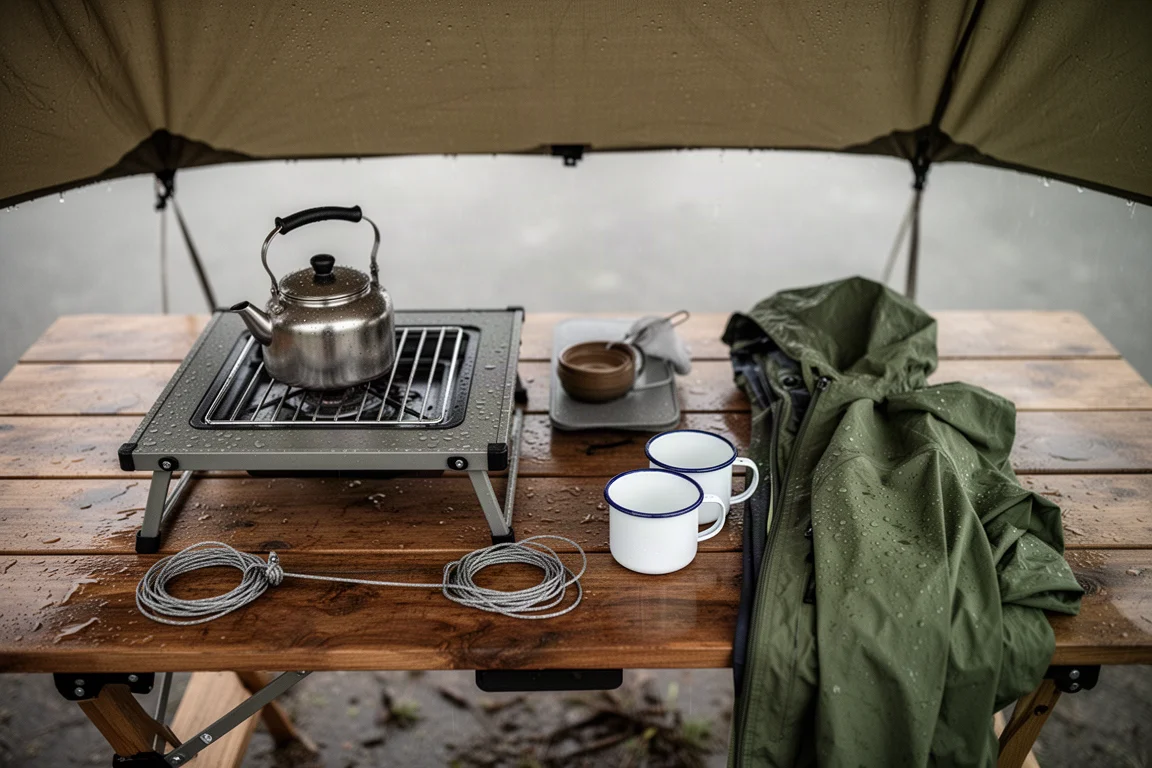
For anyone building a kit from scratch, these three cover shelter and cooking without overlapping.
What to Look For in Rain-Ready Camp Gear
Sustained rain exposes details that dry-weather outings never touch. Three things stood out across this test.
First, vents. External vents are useful for airflow and are also one of the most common leak points on a tent. A design that keeps wind-driven rain out with a vent left open is doing something right.
Second, guy line dependence. A shelter that holds its shape without extra lines is faster to pitch and less fussy on hard or rocky ground, though adding lines remains an option when the wind really builds.
Third, material behavior around heat. Any cooking accessory that integrates with a table has to keep its frame stable at temperature. If a manufacturer gets that wrong, the product fails in an obvious and permanent way.
Buying Advice: Matching Gear to Your Camping Style
The deciding factor is not which product is best overall, because these three are not competing for the same job.
Choose the Jovian if you want a conventional tent with enough interior space to live in during bad weather, and if you value a pitch that stays stable in gusty conditions. The absence of required guy lines is a genuine convenience.
Choose the OneWind bivvy if you travel light and want a shelter that can go up and come down in the rain without soaking the inside. The revised extension panels are the reason to look at the current version rather than an older one.
Choose the Naturehike IGT set if cooking is a central part of your trips and you would rather carry one modular system than a table plus a separate grill. The low cost of the base table and the option to add a stove later make it easy to build up over time.
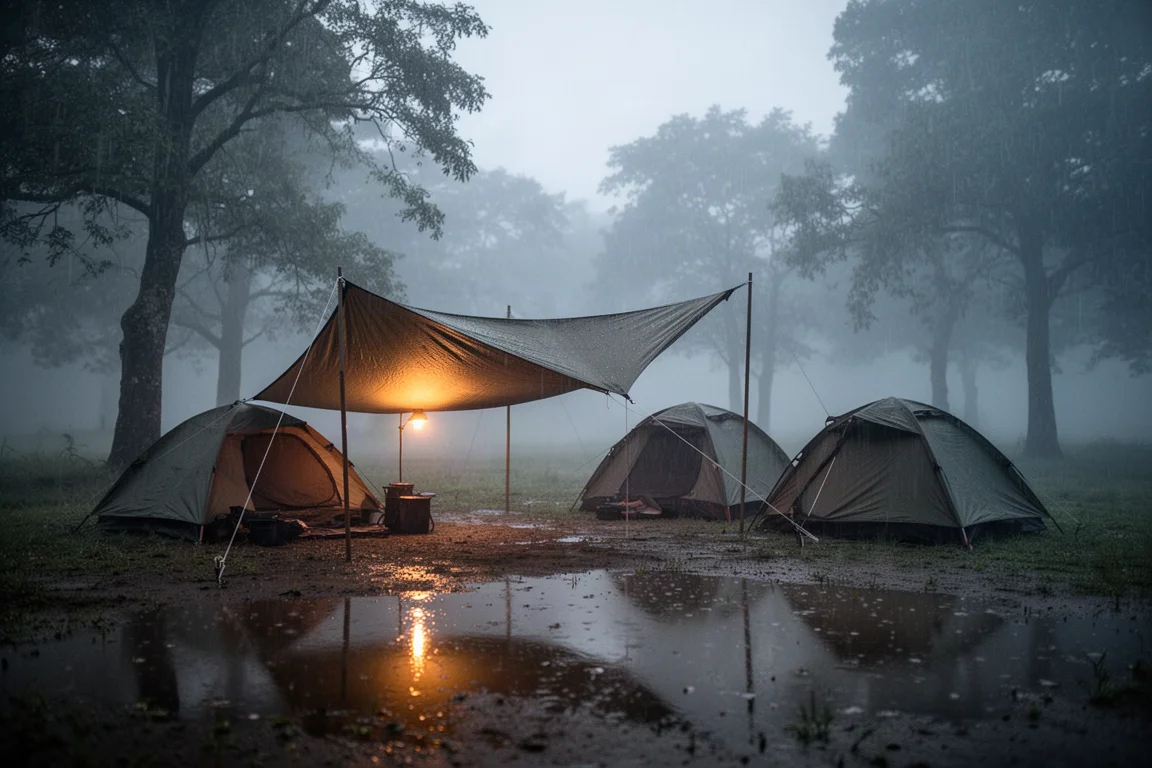
None of these need a fair-weather forecast to be useful, which is the whole reason for testing them in the rain in the first place.
Conclusion
Three items, three different jobs. The Jovian covers the nights when weather turns and you want a stable, simple shelter. The OneWind bivvy covers fast, light trips now that both sides shed rain during setup. The Naturehike IGT set covers the cooking side of camp, replacing two pieces of gear with one modular system that has proven itself over an open flame. Match any of them to the conditions you actually camp in, and each one is money well spent.
Further reading
Related Reviews
Camping Gear
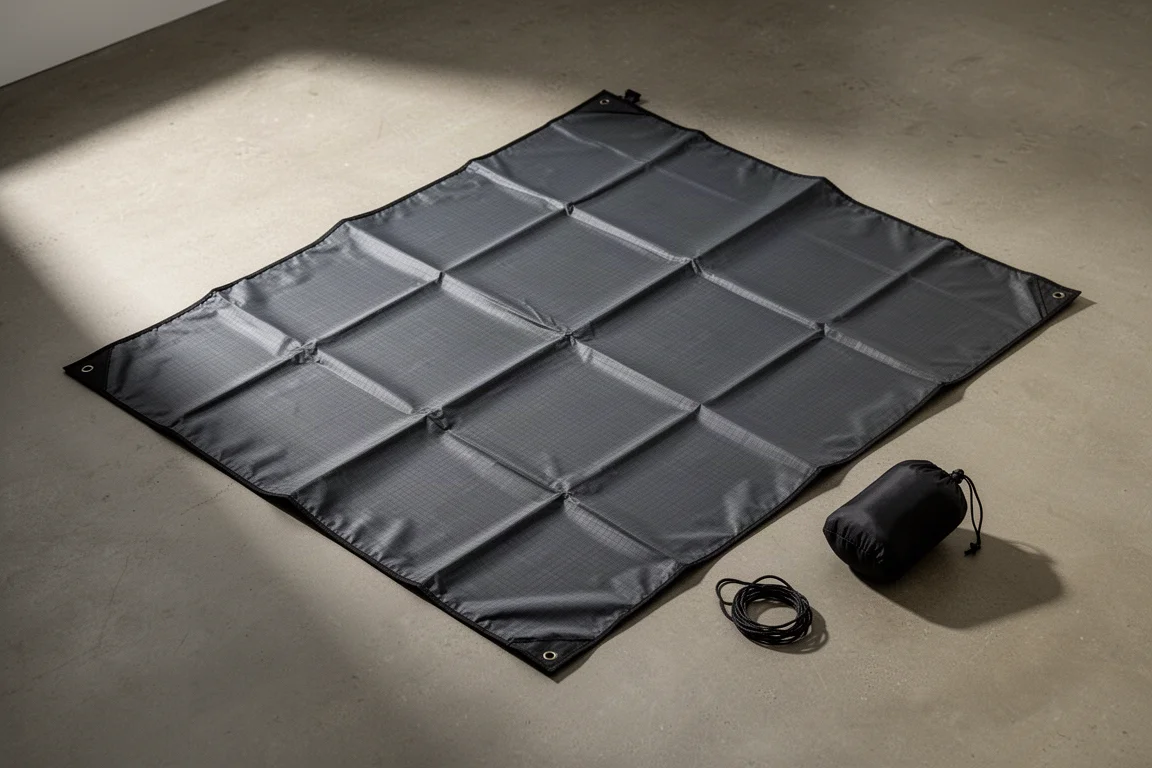
3FUL Ultralight Ground Sheet Review: A Two-Person Footprint Worth Packing
A 6.7 oz two-person ground sheet in ripstop silnylon, priced around $30. Here is what it protects, what it does not do, and who should pack it.
Camping Gear
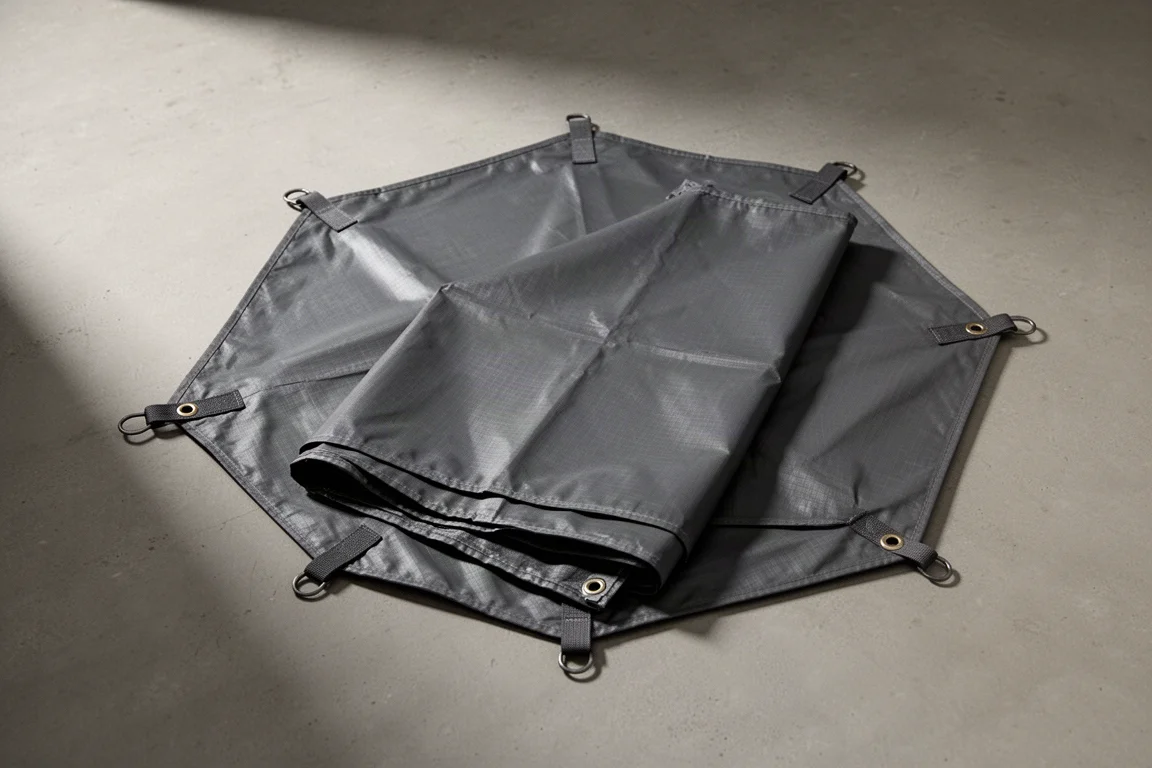
Backcountry Light Dual-Function Tarp and Floor Review: A Footprint First
A dual-purpose tent floor and tarp that keeps falling rain off you, but cannot block wind. Here is where it works and where it does not.
Camping Gear
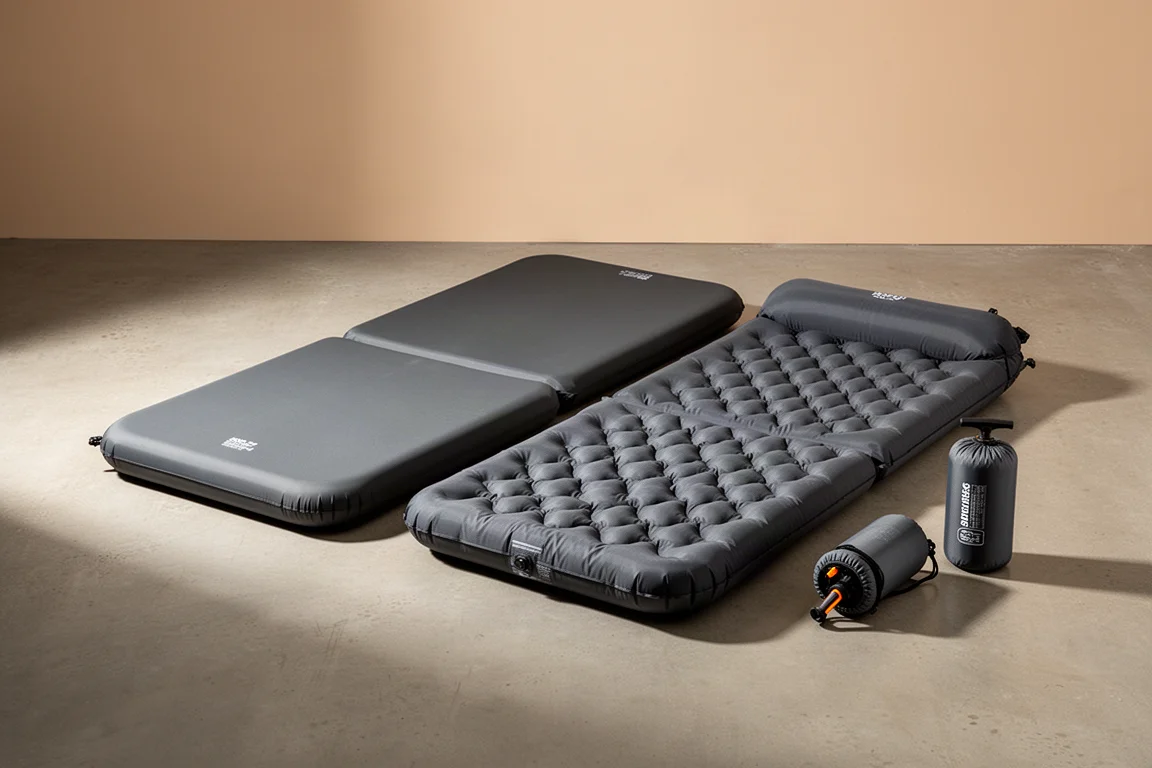
Best 2-Person Camping Mattresses for Couples: 10 Options Compared
A practical comparison of ten two-person camping mattresses, covering self-inflating pads, air pads and air mattresses for couples.