Tools
Railer Magnetic Mat Bowl Review: A Flexible Parts Catcher for the Workbench
A magnetic mat and parts bowl in one, with nine magnets, a foldable fabric build, and a price that undercuts the well-known truck-brand alternative.
Introduction
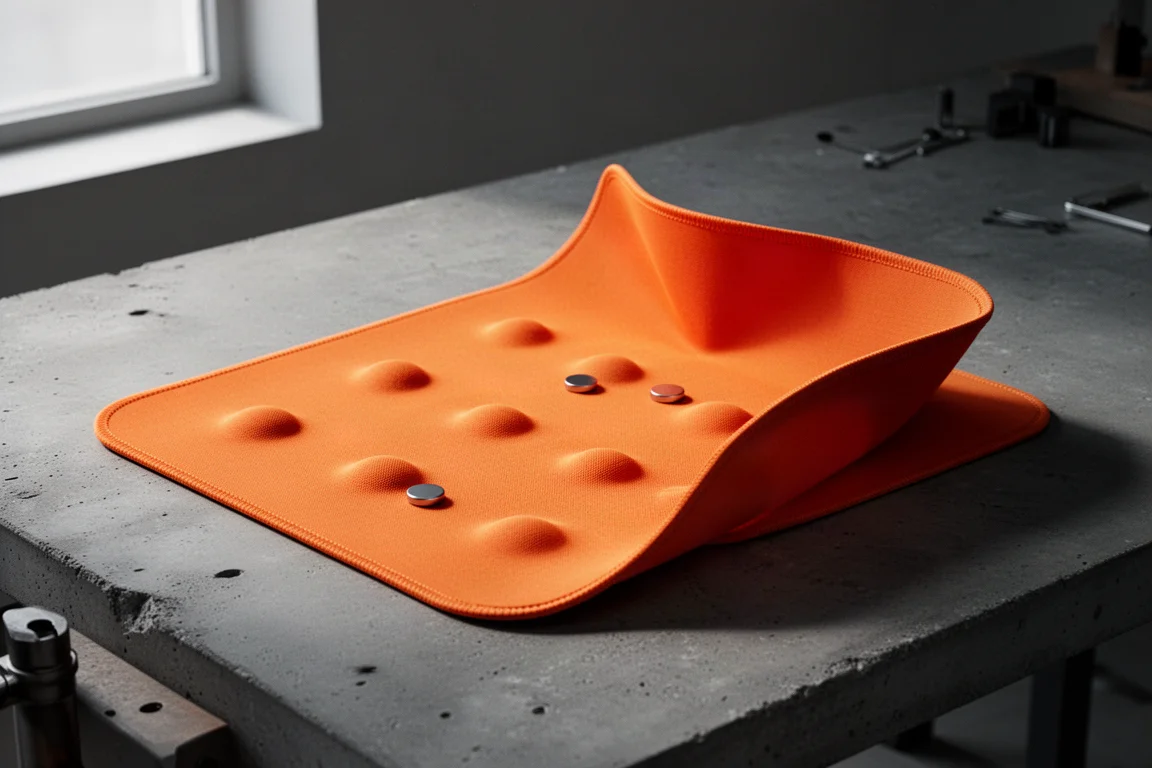
Magnetic parts trays are one of those workshop accessories you never think about until you are chasing a bolt across the floor. The Railer magnetic mat bowl takes the idea a step further by combining two formats in one: a flat magnetic mat that holds ferrous parts in place, and a snap-together bowl that keeps non-magnetic items from escaping.
It is also notably affordable. The Railer combination mat bowl sells for about $35 on the Railer website and $39 on Amazon, with discount codes floating around. That matters because the most obvious comparison, the Snap-on magnetic parts bowl, sells for $85 off the truck and looks and works in a very similar way. If you have been putting off buying one because of the price, this is a compelling alternative.
Build and Magnetic Strength
The design is simple and effective. The mat measures 10 by 10 inches and uses nine small round magnets distributed across the surface. Drop a bolt or a nut anywhere near it and it will zip over to the nearest magnet, which is exactly what you want when you are working quickly.
From hands-on comparison, the magnets feel the same strength as the Snap-on equivalent, so there is no obvious trade-off in holding power despite the much lower price. The fabric cover over the magnets is the real advantage here: unlike bare magnetic trays, it is gentle enough to use on painted surfaces, as long as you are not sliding things around aggressively.
Why a Bowl Beats a Flat Mat for Mixed Parts
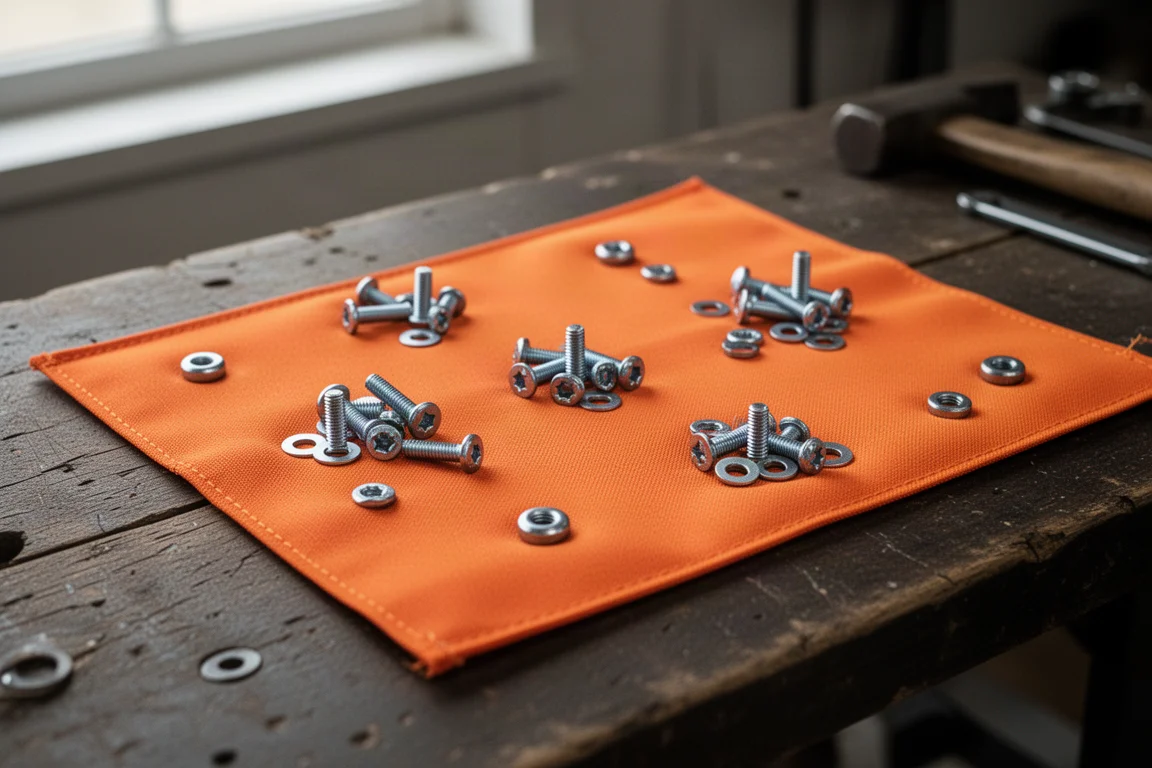
The obvious question is why you would want a bowl at all when a flat magnetic mat does the same job. The answer is that not everything on your bench is magnetic. Stainless steel fasteners, plastic clips, rubber parts, brass fittings, and other non-ferrous pieces will not stick to a magnet, and they can slide right off a flat mat, especially when a larger part gets tossed in and knocks smaller ones out of the way.
Real jobs usually involve a mix of ferrous and non-ferrous materials. A spring might have just enough iron to feel a slight pull but still fall out with a nudge. The bowl format solves this: snap the edges up and you have walls that hold everything, magnetic or not, plus tools and small parts that would otherwise roll away.
Where It Fits on the Bench and Beyond
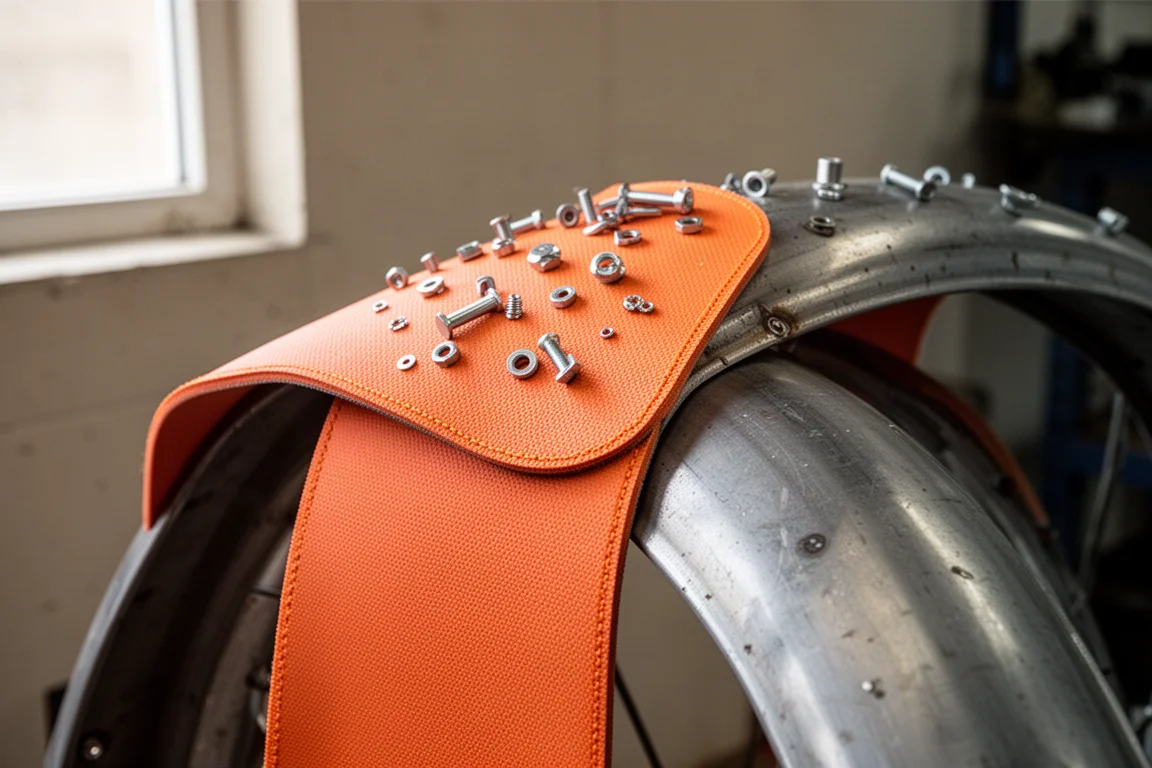
Because the material is flexible, the mat can fold flat for storage, conform to curved surfaces, or be set up only partially snapped, depending on the job. That flexibility is hard to replicate with a rigid steel tray. You can drape it over a fender, a frame rail, or a curved bracket and still get usable magnetic holding.
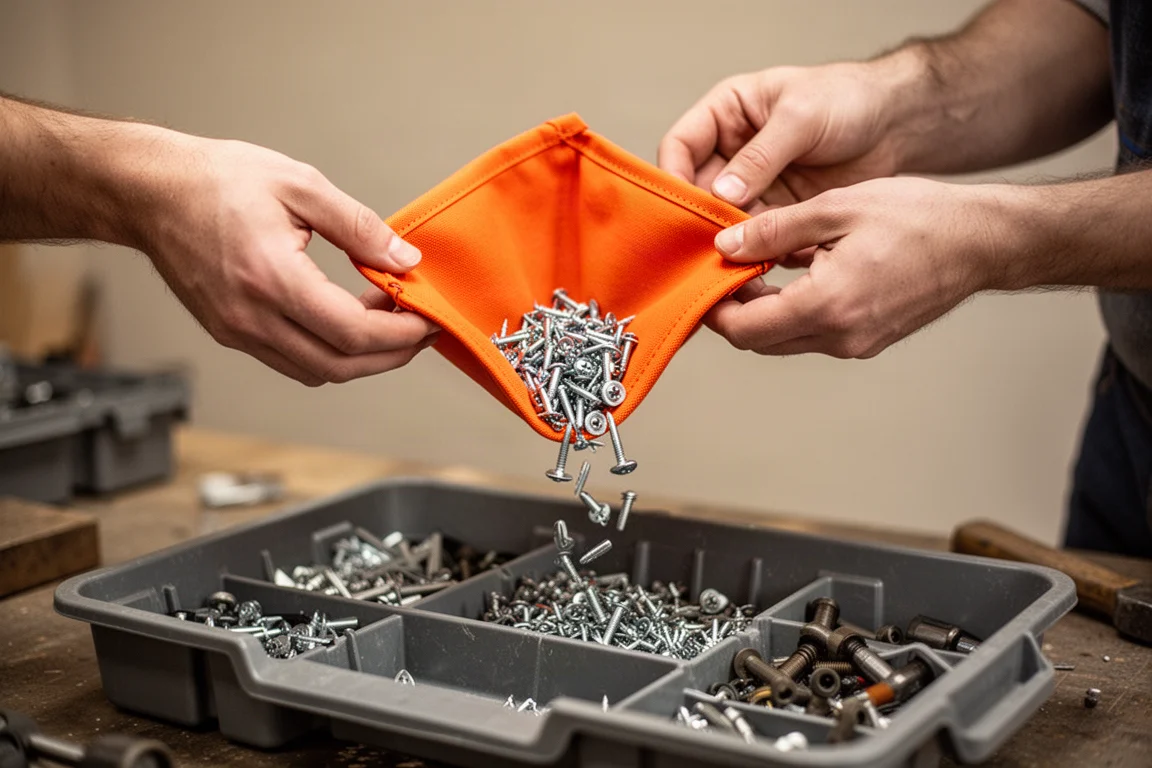
One small learned habit: when pouring smaller parts out, it helps to use a corner rather than the middle of the opening, which keeps everything going where you want it.
Small Details Worth Knowing Before You Buy
There are a couple of quirks worth flagging. In long-term use of the comparable Snap-on version, one snap failed, which appears to be an isolated factory defect rather than a design flaw, but it is a reminder that the snap closures are the most fragile part of this style of product.
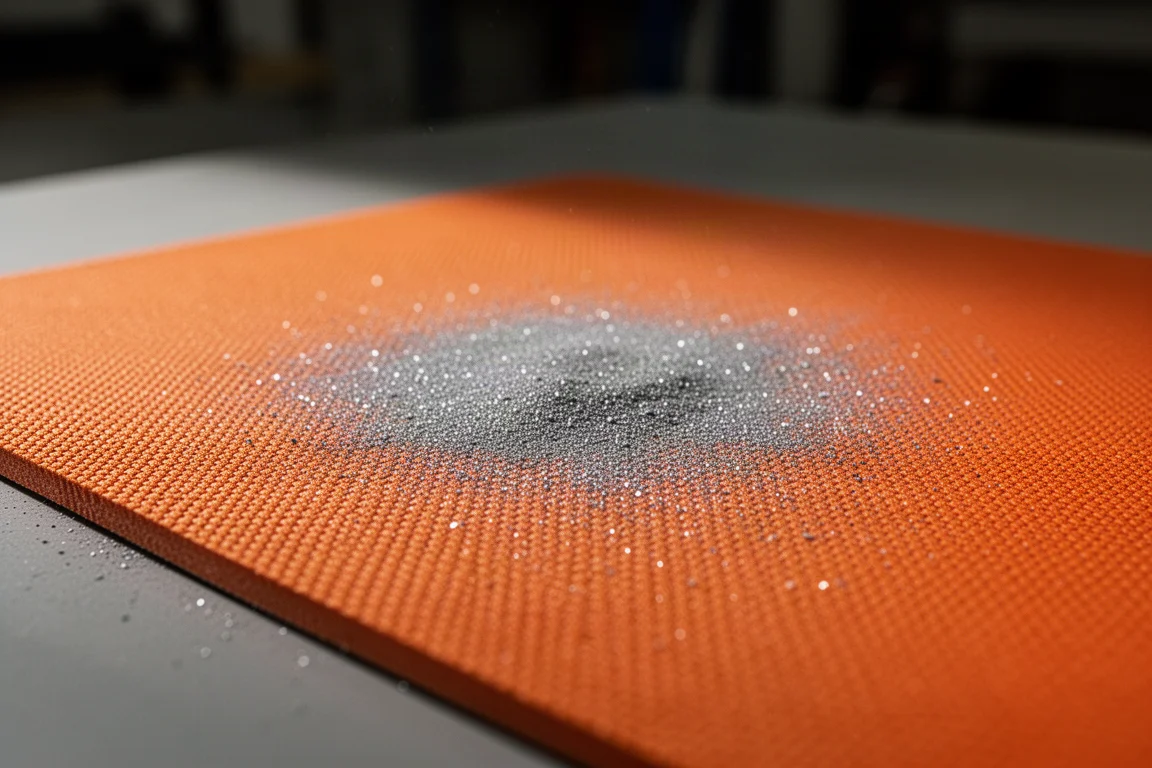
The magnets also do something you might not expect: around grinding work, they pull metallic dust out of the air. Leave the mat near a grinder for a while and it will come back coated in fine metal particles. That is not a flaw, exactly, but it means the mat doubles as a dust magnet, so expect to clean it periodically.
Care and Everyday Wear
Maintenance is minimal. Because the fabric surface attracts airborne metal dust in grinding environments, a quick wipe-down or shake-out between jobs keeps it performing well. The fabric cover is also what makes it safe around painted panels, so keeping it clean protects both the mat and the surfaces you set it on.
Buying Advice
If you already own a premium magnetic parts bowl and love it, there is little reason to switch. But if you are choosing from scratch, the Railer combination mat bowl offers the same core strengths: nine magnets with comparable holding power, a fabric cover safe for painted surfaces, a foldable bowl format for mixed materials, and a price roughly a third of the truck-brand alternative. Compared with other 10-by-10 magnetic mats, it also comes in well under the roughly $55 charged by similar options on the market.
Conclusion
The Railer magnetic mat bowl is a smart, affordable take on a proven workshop idea. It folds flat, holds ferrous parts firmly, keeps non-magnetic pieces contained, and works on curved and painted surfaces. For around $35 to $39, it is an easy recommendation for anyone who regularly tears down equipment and wants small parts to stay exactly where they are put.
Product link
View more details for Railer Magnetic Mat Bowl
This product is mentioned in the review. Check the specifications, options, and compatibility before buying.
View more details for Railer Magnetic Mat BowlFurther reading
Related Reviews

Tools
Best Contractor Grade Tape Measures 2026: Eight Models Tested Head to Head
We tested eight contractor grade tape measures from Milwaukee, DeWalt, Crescent Lufkin, Tajima, Stanley, Irwin, Gelan, and Craftsman to find the best value and performance.

Tools
Best Precision Screwdriver Sets 2026: Manual and Electric Options Compared
We compare 19 precision screwdriver sets, from budget manual kits to electric drivers, to find the strongest bits and best value.

Tools
Best Stud Finders 2026: Five Popular Models Put to the Test
We tested five popular stud finders on drywall, firewall, and lath and plaster surfaces to see which ones really find studs and avoid false readings.