Running Shoes
RAD UFO vs Vomero Plus, Novablast 5 and Azura: Four Max Cushion Trainers Compared
A max-cushioned mile muncher with a huge footprint goes up against the Nike Vomero Plus, ASICS Novablast 5 and Saucony Azura.
Introduction
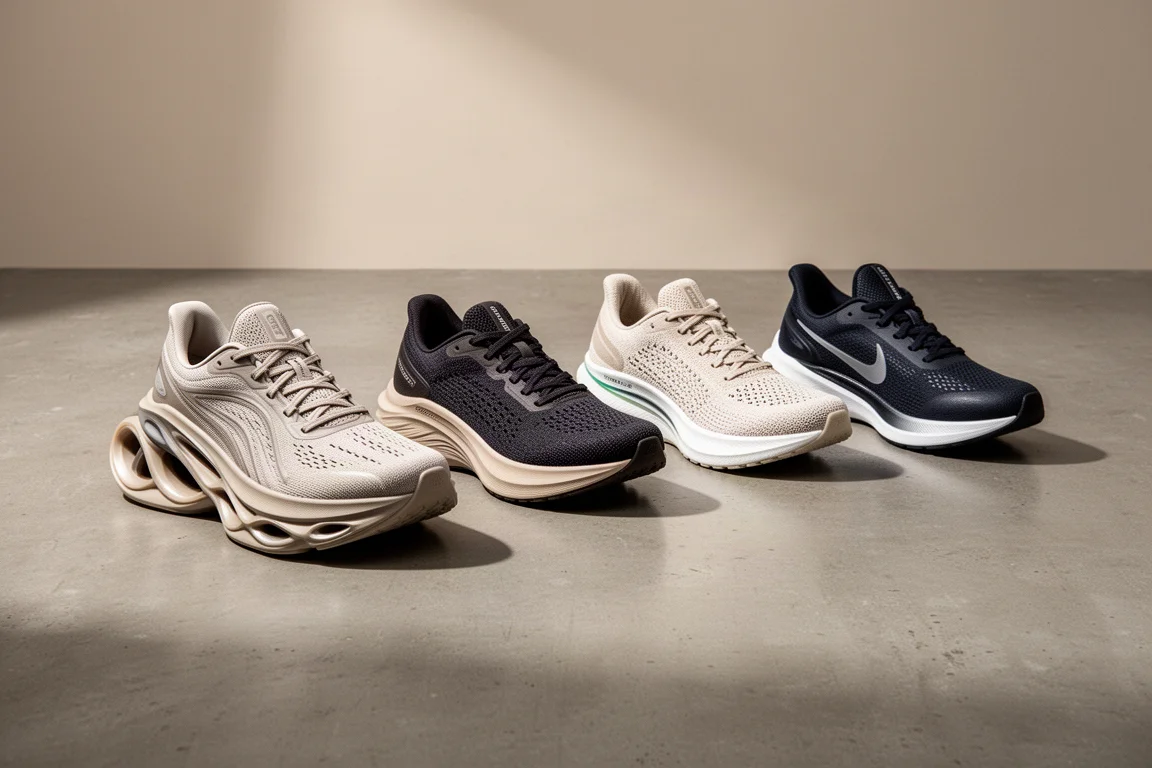
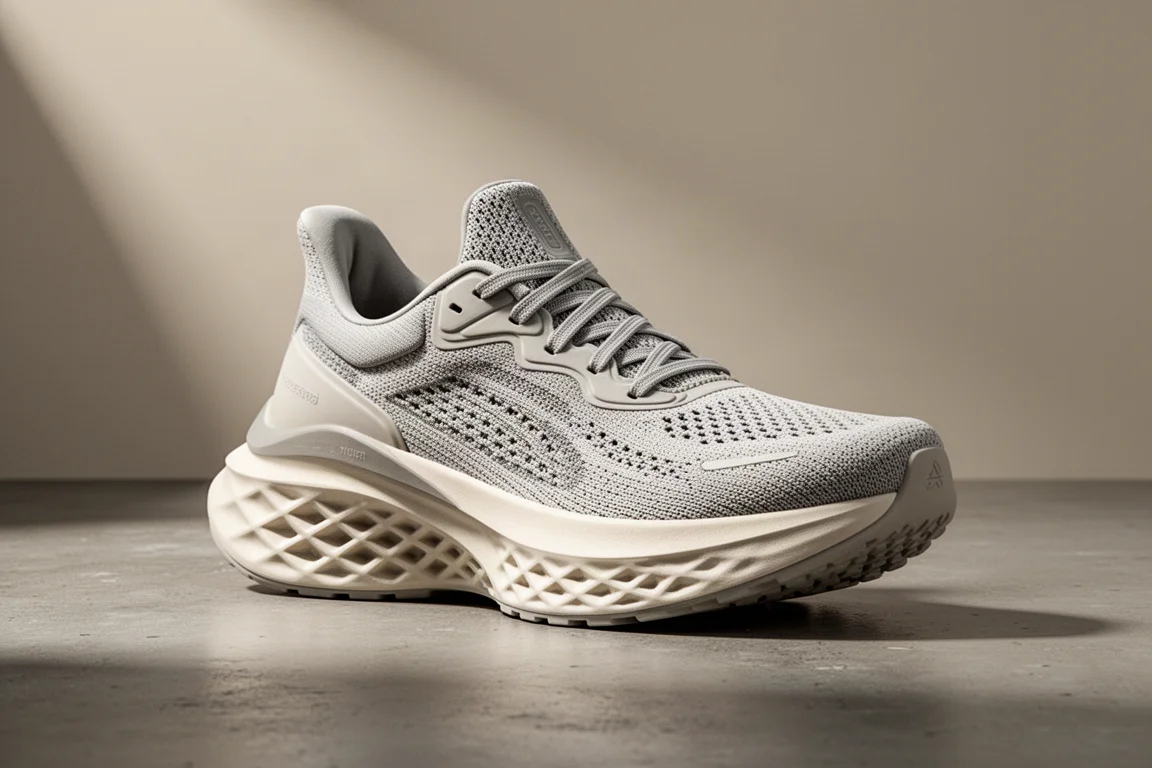
Max-cushioned trainers have become the default daily shoe for many runners, but not all of them ride the same way. The RAD UFO is a mile-munching, max-cushioned monster with genuinely unique looks, a huge footprint, and a surprisingly lively feel. Here it goes up against three shoes that live in the same sphere: the Nike Vomero Plus, the ASICS Novablast 5, and the Saucony Azura.
How the Four Shoes Stack Up
Looking at the traditional stats, the Vomero Plus is the heaviest shoe of the group, though only slightly more stacked than the UFO. None of the other shoes match the super wide surface area of the RAD UFO, which is clearly the widest in both forefoot and heel. Each shoe comes in around the same drop, but there are wildly different prices across the range, from the cheapest in the Novablast 5 to the most expensive in the RAD.
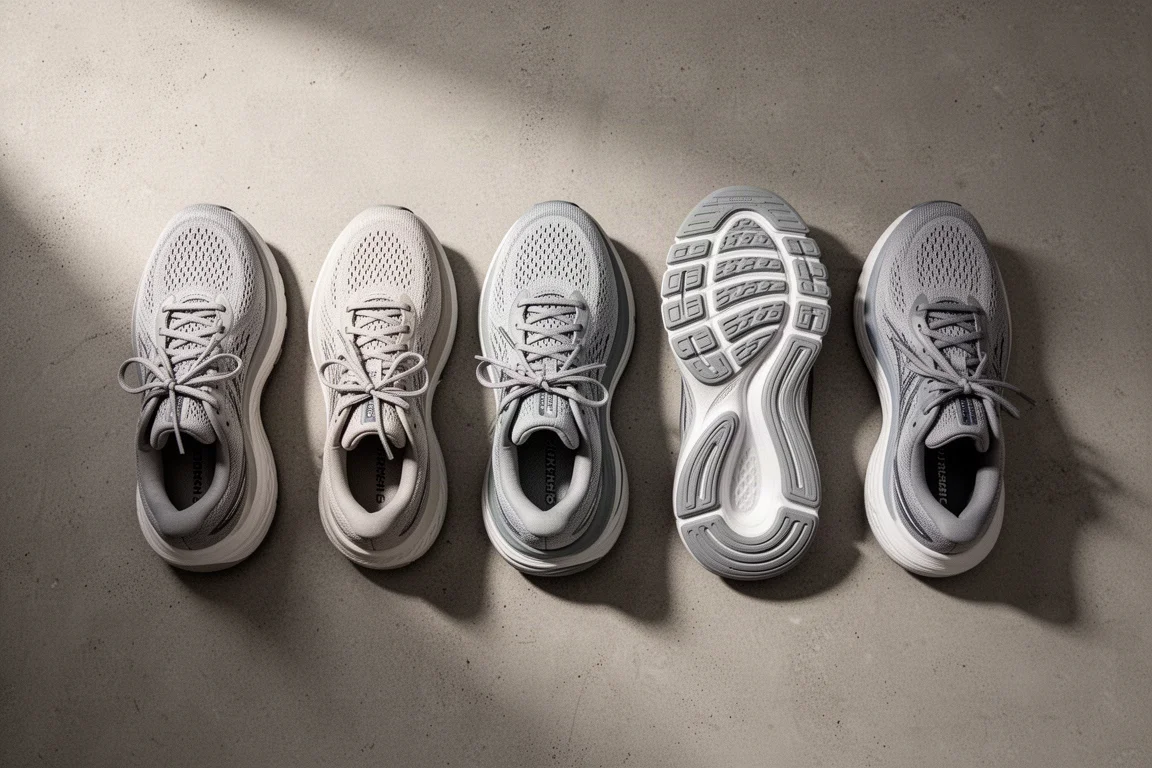
That width matters more than you might expect. The UFO feels like the shoe is doing some of the running for you, and that massive base changes how stable and how effortless it feels across different paces.
RAD UFO vs Saucony Azura
Underfoot, the Saucony Azura feels consistent and predictable through the midfoot base, thanks to its pellet-based PEBA midsole design. The UFO is a touch softer, a lot more bouncy, and a little more unpredictable despite the extra surface area. The RAD also has far more rubber coverage, which makes it feel a bit more substantial, whereas the Azura’s rubber sits more flush with the midsole foam. There is lots of protection in the RAD.
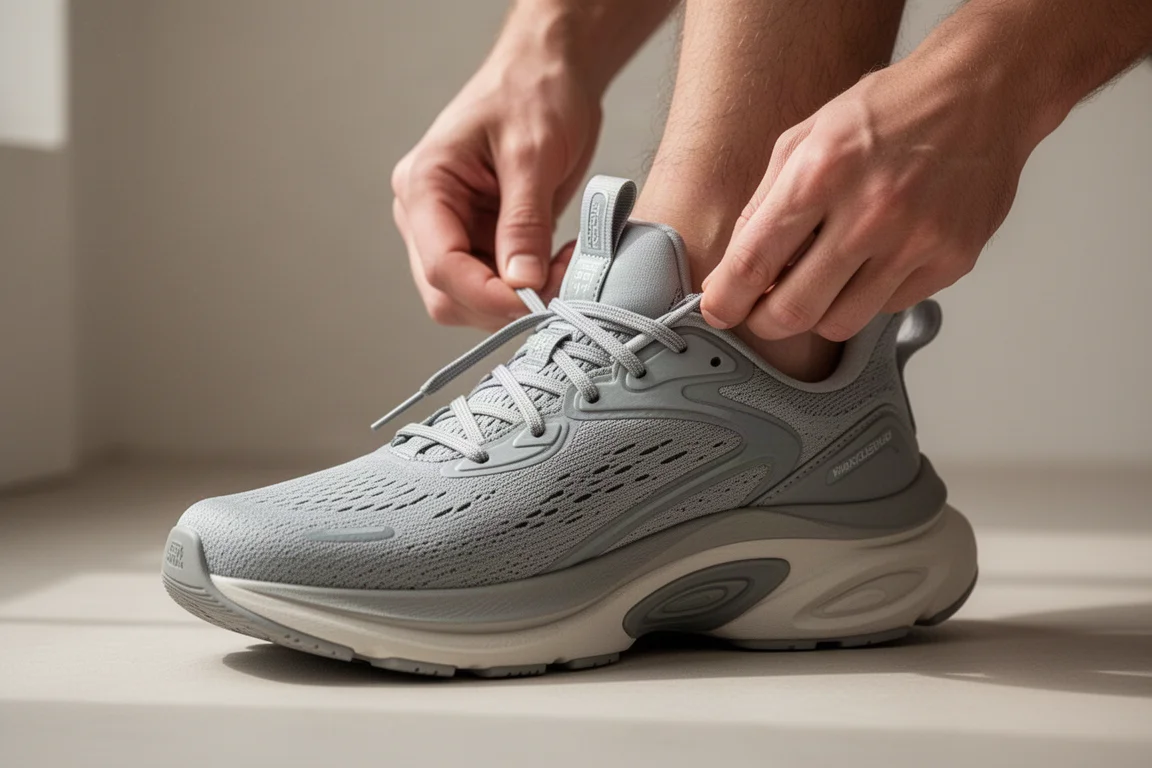
Despite the maverick looks of the UFO, it is strangely more of a traditional fit than the Saucony. The tongue padding choice on the Azura is a strange one, and the UFO wins on lockdown: it is simply easy, superb really, and hard to get wrong even with a slightly narrower foot. The laces just do the job.
On foot, the RAD performs really well from easy recovery paces up to around marathon or half marathon pace. Above that, it is quite a lot of shoe to be moving around through the gait cycle. The Azura has a similar range but is not as compressive or exciting to run in. The UFO has energizing bounce and a joyous ride, with a considerable rocker and bevel in the heel. On days when the legs feel fatigued, a shoe that just gets you out there is often the best choice. Both use PEBA-based midsoles, but the RAD is a bit more way out and a bit more fun. If you want a more consistent and stable shoe, the Azura might be the better bet, but overall the RAD is the pick between the two.
RAD UFO vs ASICS Novablast 5
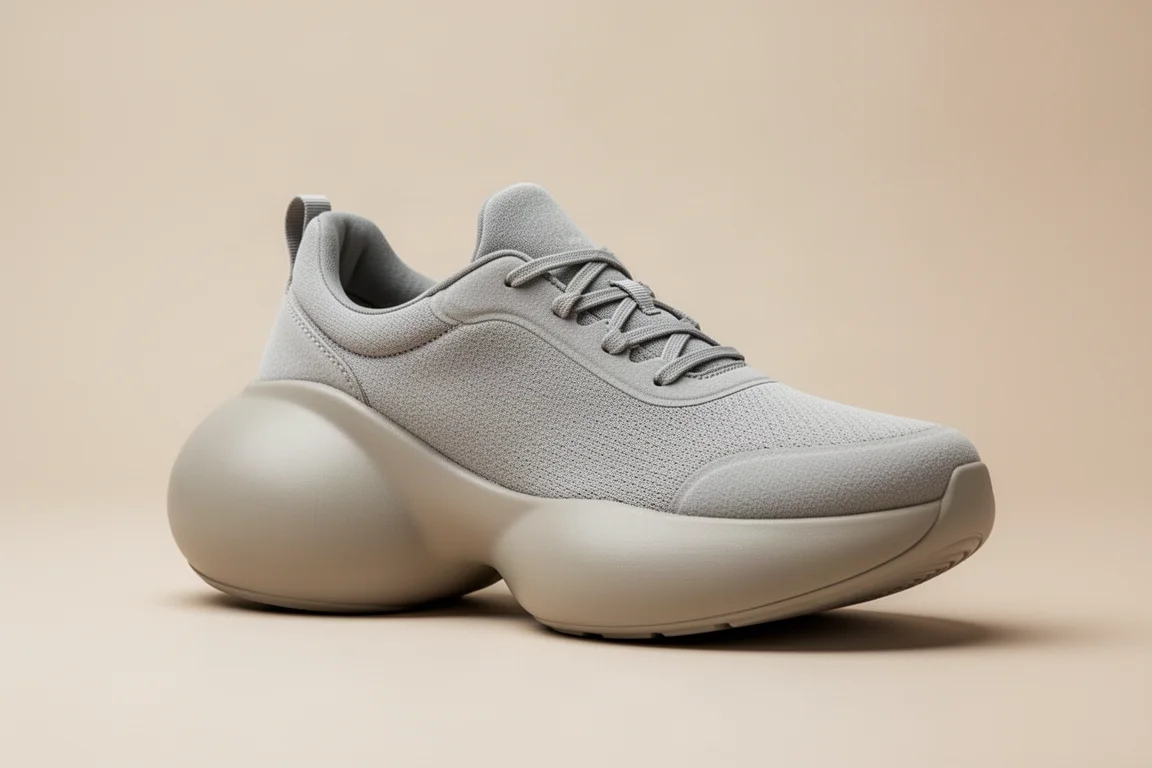
The Novablast 5 has been around for a while and has always been about soft compression, but it lacks the high energy return of the RAD, which has it in spades. The FF Blast Max foam in the Novablast offers great softness and compression but does not give back as quickly as some other foams. Gram for gram, the two shoes are exactly the same, with similar stack height and drop, but the Novablast’s midsole materials are much softer than the RAD’s. This is exactly where midsole durometer is not the best indication of how a shoe will perform on foot: softness is not always best.
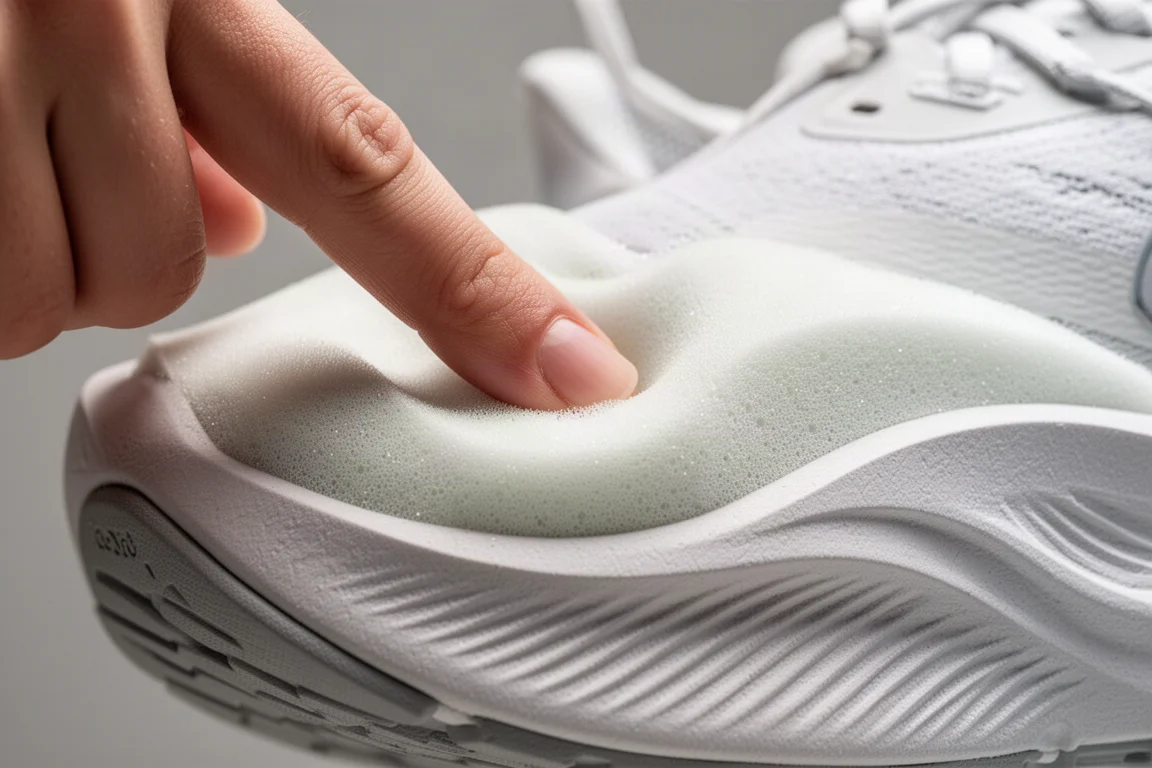
Some of the best road race performances come in ASICS shoes with slightly firmer, denser, more resilient midsoles, and that responsiveness is why the RAD works so well. Its super wide base with lots of traction and grip, plus a significant rocker, gets you landing on the midfoot without even thinking about it. It is not unstable in the heel, mainly because of that very wide heel area.
The Novablast 5 is a nice budget-friendly option that is often available on discount, and as a daily shoe it does a lot of things pretty well. But it lacks the va-va-voom for speedier sessions, while the RAD covers a wider range of different running sessions. You cannot overlook the 45 pound price difference between the two models either, which is significant. The RAD feels better across a range of different paces, with a more exciting feel, and it is the choice between the two.
RAD UFO vs Nike Vomero Plus
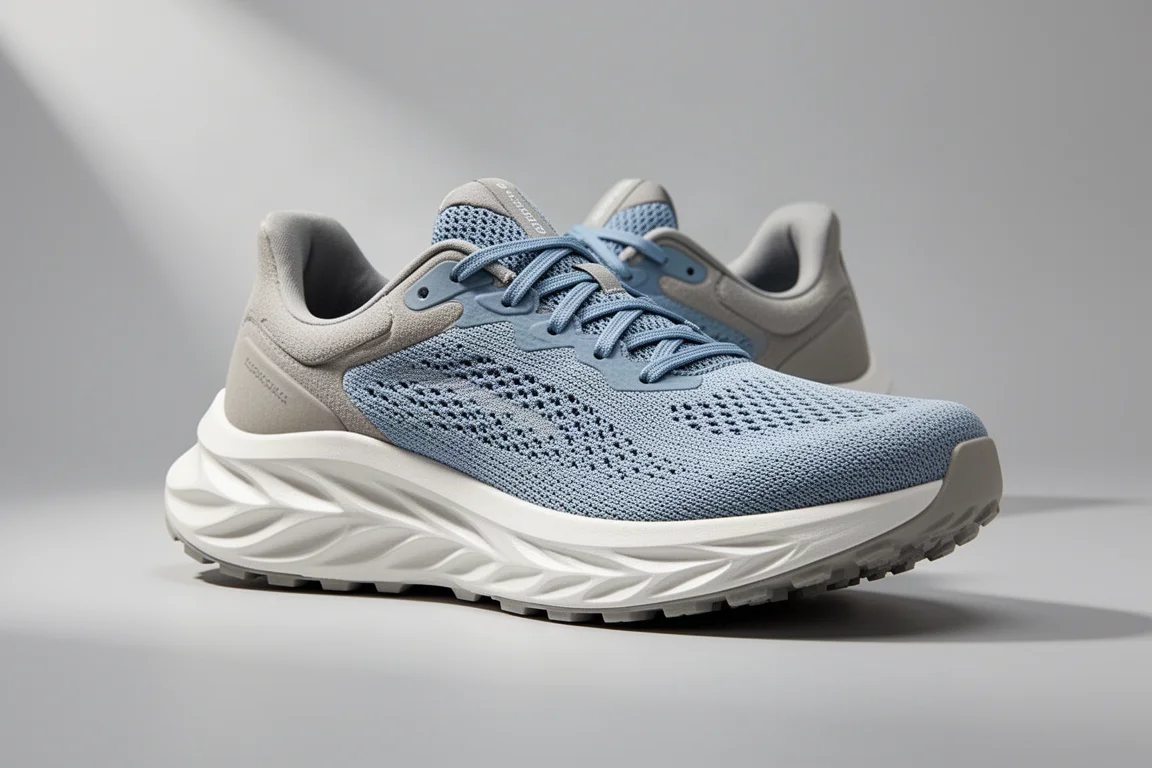
The Vomero Plus has been available for close to a year, comes in a wide range of colorways, and seems to constantly be on discount. The full-length ZoomX midsole is enjoyable, but do not expect it to feel like an Alphafly or Vaporfly: this version feels a little more rubbery than the ZoomX in those race shoes. The cushioning is great and the stack is very similar to the UFO, but the slightly more aggressive drop did not work as well. Nike claims 8mm, but it feels a bit more like the drop in the Vomero 18, and measurements suggest it is actually closer to a 10mm drop.
Weight is another deciding factor. There is almost 40g more weight in the Vomero Plus over the RAD UFO, and yet the RAD feels a little more nimble on foot despite its own plush stylings. It gets the balance of a daily trainer just right, does not feel too bottom-heavy, and feels more fun to run in over a range of effort levels and paces. The UFO feels untethered to anything in particular: throw it on for faster sessions, or use it for easy paces, and it works equally well.

The Vomero Plus is that bit cheaper, especially on current discounts. But from an all-round perspective of traction, lockdown, and midsole enjoyment, there is only one winner. Good discounts on the UFO are out there if you look around, and a 20% off first purchase mailing-list offer gets you not far off the price of the Vomero Plus. You also do not have to go for the very bright colorway; there is a more subtle and subdued off-white version.
Which One Should You Buy?
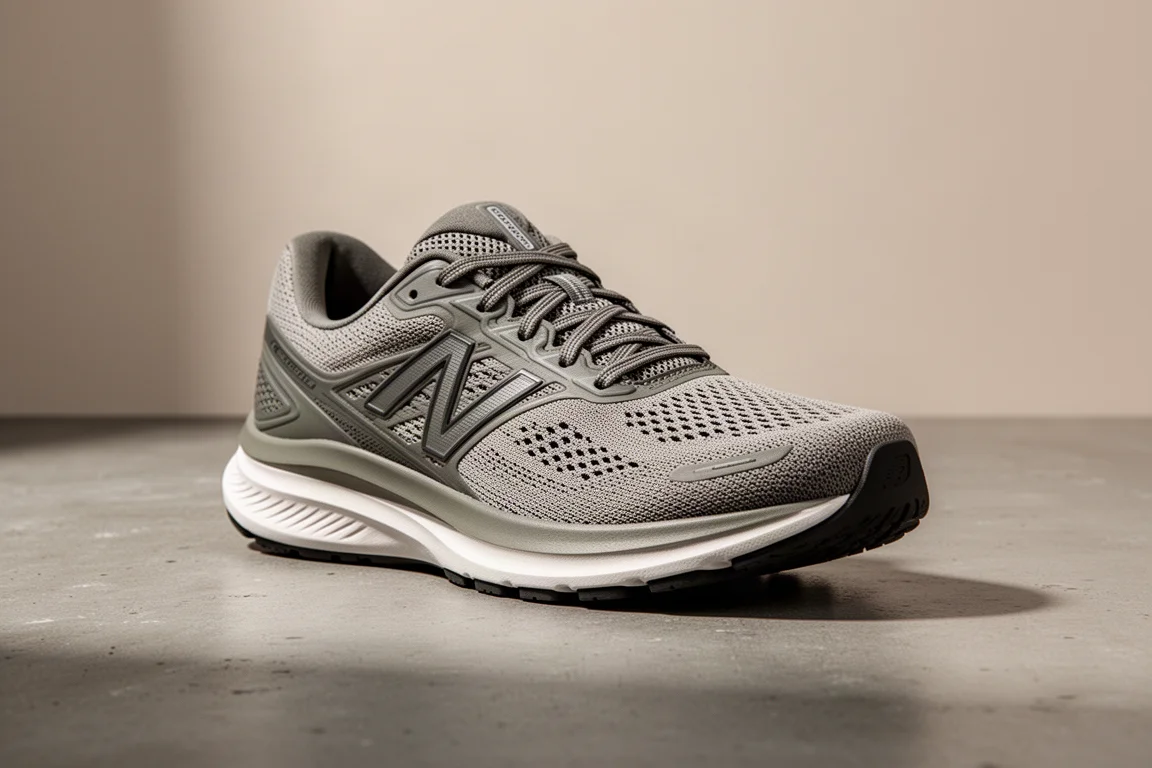
If you want maximum fun and energy with a huge, stable platform, the RAD UFO is the standout, and it is worth hunting down a discount. If budget comes first, the Novablast 5 is a capable daily option that frequently appears on sale, and the Azura suits runners who prefer a more consistent, stable ride. The Vomero Plus remains a plush, well-stocked alternative that is easy to find discounted, as long as the firmer-feeling drop suits you.
Conclusion
The RAD UFO earns its place in a crowded max-cushion field. Its massive footprint, energizing PEBA ride, and strong lockdown let it cover more bases than the Novablast 5, Azura, or Vomero Plus. If you can find it discounted, it is the one this time round.
Further reading
Related Reviews

Running Shoes
Best Road-to-Trail Running Shoes: Three Versatile Options for Mixed Terrain
A practical guide to three road-to-trail running shoes that handle both pavement and mild trails, with clear strengths and trade-offs for different runner types.

Running Shoes
Best Running Shoes for Achilles Tendonitis: Three Options Explained
Three running shoes with different heel drops and support features designed to help reduce Achilles tendon pain during walking and running.

Running Shoes
Best Running Shoes for Women: Five Top Choices Ranked
A ranked guide to five women's running shoes, from versatile daily trainers to high-performance racing options, with real strengths and trade-offs for each.