Running Shoes
Rad UFO vs Puma MagMax Nitro 2: Which Max-Cushion Trainer Deserves Your Miles?
Two max-cushion daily trainers go head to head. One is bouncy, light and surprisingly fun; the other is a solid, reliable workhorse. Here is how they compare.
Introduction
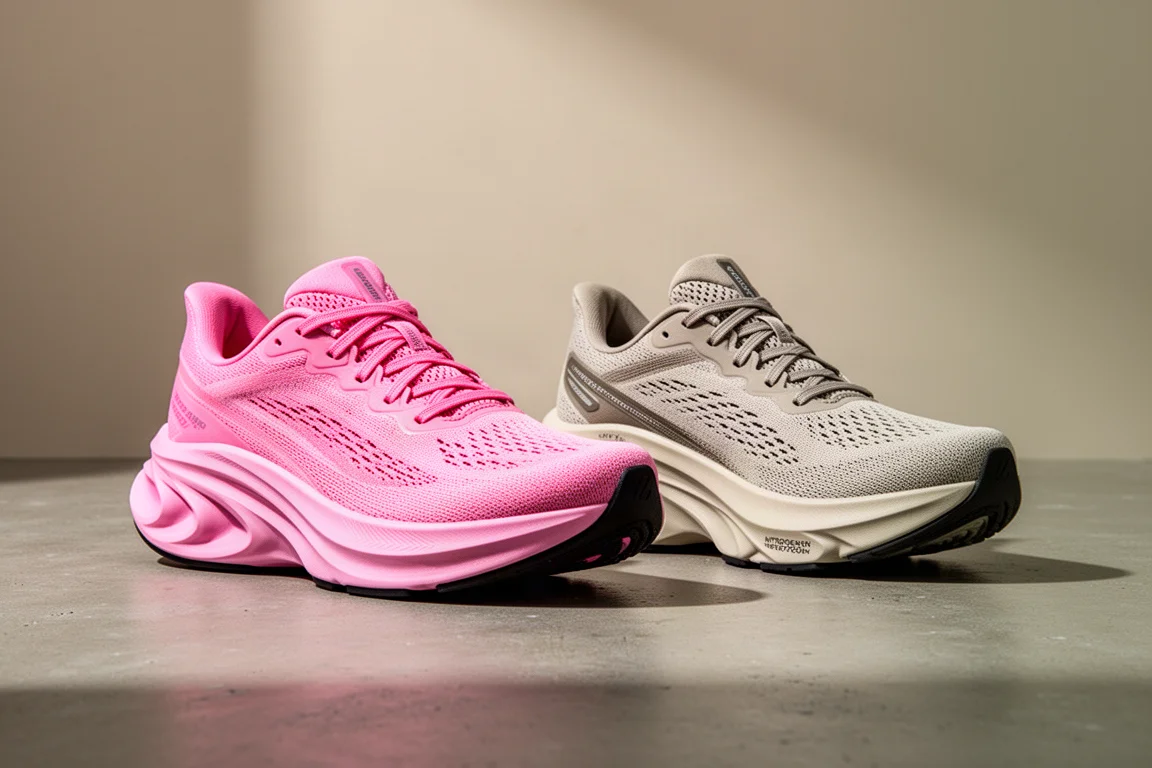
Max-cushion trainers used to mean slow, soft and predictable. These two shoes prove that is no longer a given. The Rad UFO costs £200 or $200, weighs 247 g (8.7 oz) for men in a size 8, and has an 8 mm drop. The Puma MagMax Nitro 2 comes in at £170 or $180, weighs 270 g (9.5 oz) in the same size, and also carries an 8 mm drop.
On paper they are close. On the road, they are surprisingly different shoes, and the choice between them comes down almost entirely to the foam.
Rad UFO: The Surprise Standout
The Rad UFO is built around a big dual-layer stack of super foam: a softer layer that absorbs impact and reduces fatigue, plus a firmer layer that delivers a high level of energy return. To keep all that bounce in check, there is a wide base for stability, a flowing rocker design and a sculpted heel bevel to guide transitions and improve toe-off. A thick layer of rubber underneath protects the midsole foam.
The brand positions it for long runs, progression runs and threshold sessions, and that matches how it behaves. It is genuinely soft and bouncy, and the wide base means the big stack never feels unstable. The heel-to-toe transition is smooth, and picking up the pace unlocks a noticeable kick. It is not a track interval shoe, as there is a bit more shoe on the foot than you would want there, but for tempo efforts and marathon training long runs it is excellent.

At around 100 km of testing, it has become a favourite for comfortable 10K and 15K runs, and it makes easy days feel easier while still rewarding faster efforts. The foam has a standout bounciness that feels a class above most daily trainers.
Puma MagMax Nitro 2: A Solid Cushion Workhorse
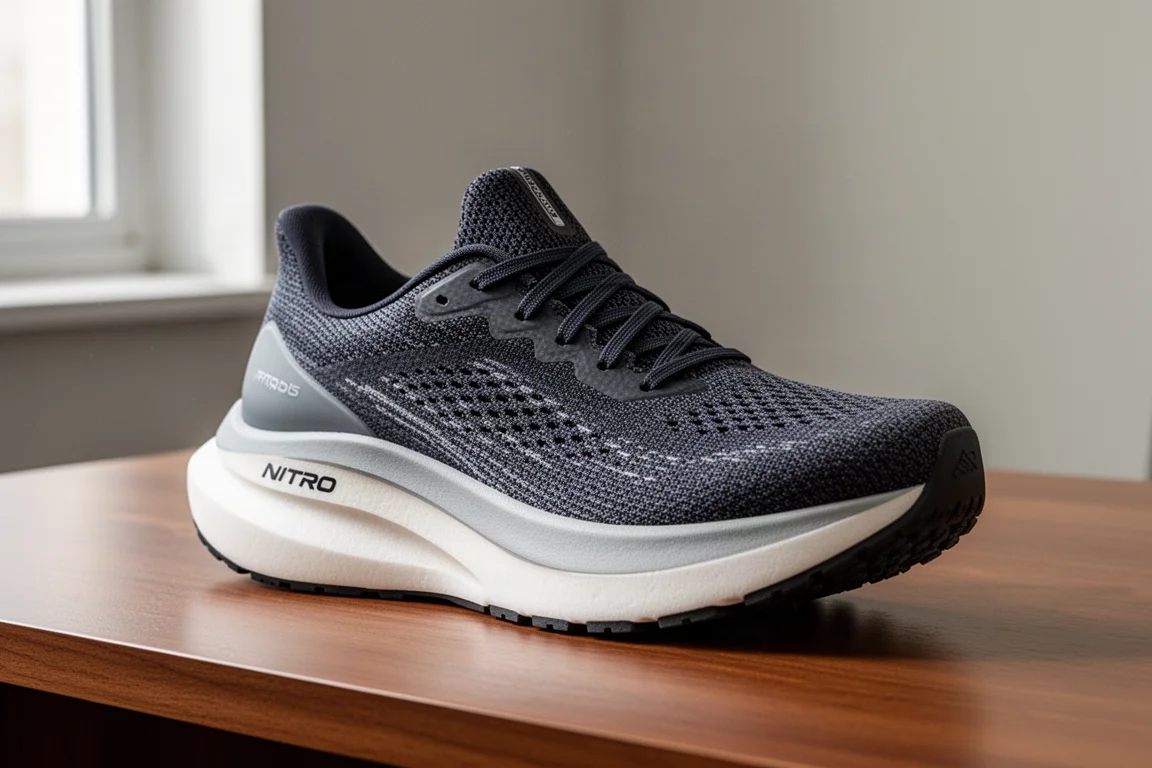
The MagMax Nitro 2 is designed to be lighter, faster and more responsive than its predecessor, with the chunky stack of nitrogen-infused NITRO foam tweaked for more bounce and cushioning. The engineered mesh upper provides airflow and a locked-down fit, and PUMA Grip rubber covers the outsole for durable, high-traction footing.
In practice, it sits between a pure cushion shoe and something more performance-oriented. The NITRO foam is comfortable and well balanced, but it is not especially bouncy. The shoe feels firmer and more traditional than the UFO, with a smooth transition and slightly more stability thanks to the more solid foam.
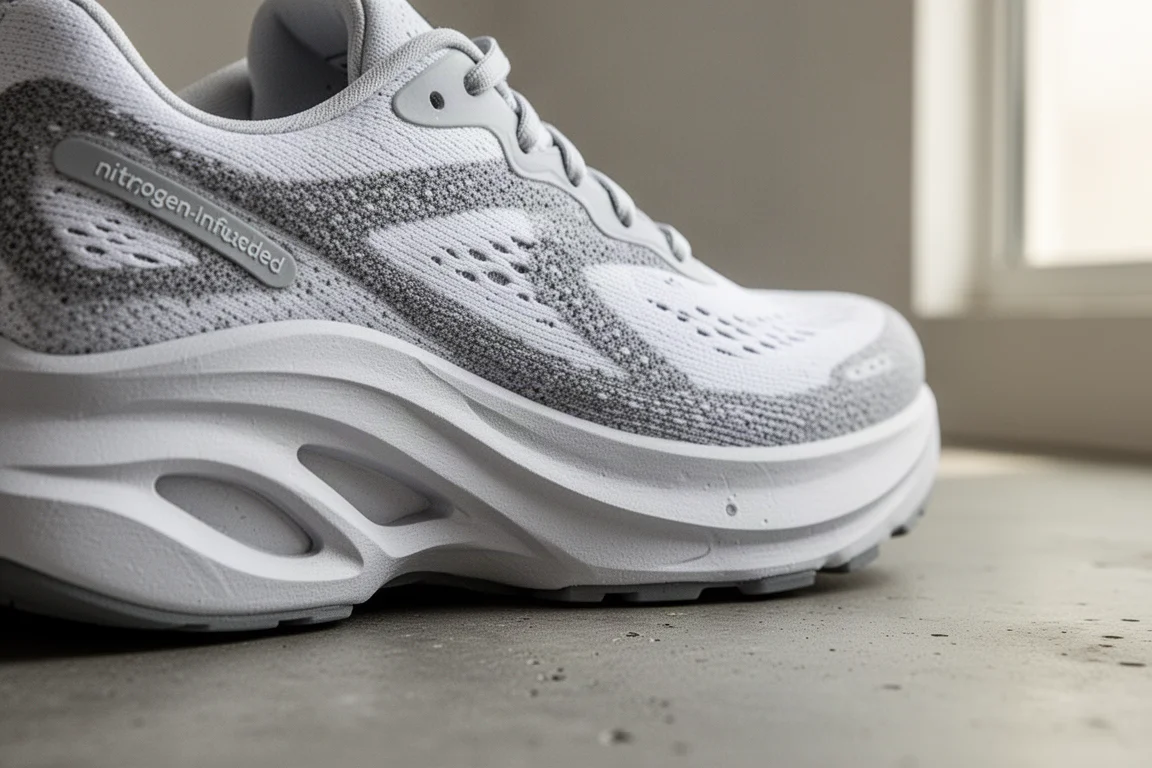
As a big cushion daily shoe for workhorse mileage, it works well. It can handle slightly faster long sessions, but it caps out sooner than the Rad UFO and feels best at easy paces. It is a reliable shoe rather than an exciting one.
Fit and Sizing
Both shoes have comfortable, well-padded uppers that do not overdo it. Test feedback on sizing is mixed but useful: one tester went half a size down in the Puma because the shoes run a little long, while another stayed true to size and found the fit very good, with about the right amount of toe room and a slightly more forgiving midfoot than some other Puma models. Unless you are right between two sizes, stick with your usual size, but be aware the Puma can come up long.
The Rad UFO fits true to size with no concerns, a forgiving midfoot for average-width feet, and a particularly nice thick cushioned tongue. Both are easy shoes to wear for long sessions.
Ride and Versatility Compared
Run testing covered around 60 km in the UFO and 50 km in the MagMax Nitro 2, across easy runs, progression runs, a long run and a threshold session. The pattern was consistent: both are comfortable at easy paces, but the UFO’s extra spring, lighter weight and smoother rocker make it the more versatile shoe.
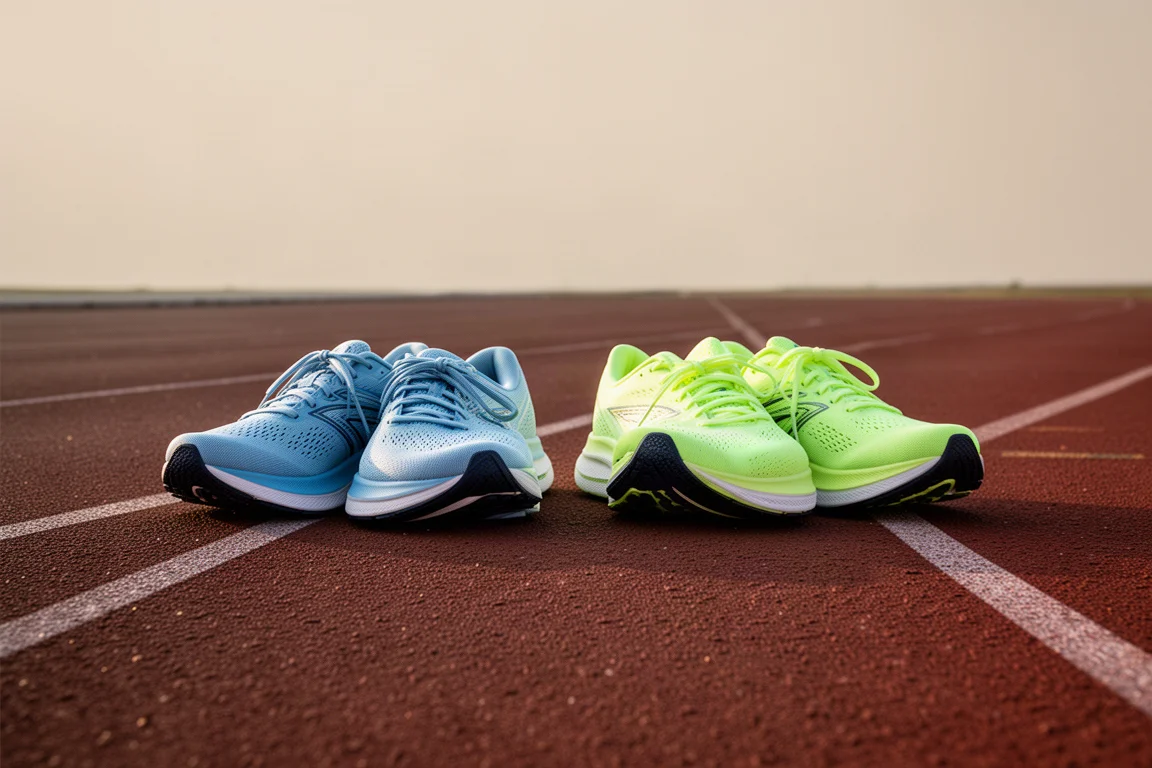
The UFO steps up to faster sessions far better, and long marathon training runs with injected pace are exactly where it shines. The Puma can handle steady paces and works as a daily trainer, but it did not feel like it had the speed even for low-end long run workouts. Running in both back to back makes the difference in foam energy very apparent.
Outsole and Durability
The Puma’s outsole is the stronger of the two. PUMA Grip rubber comes in a thick, nicely designed layer that is tacky and confident on footpaths and gravel.
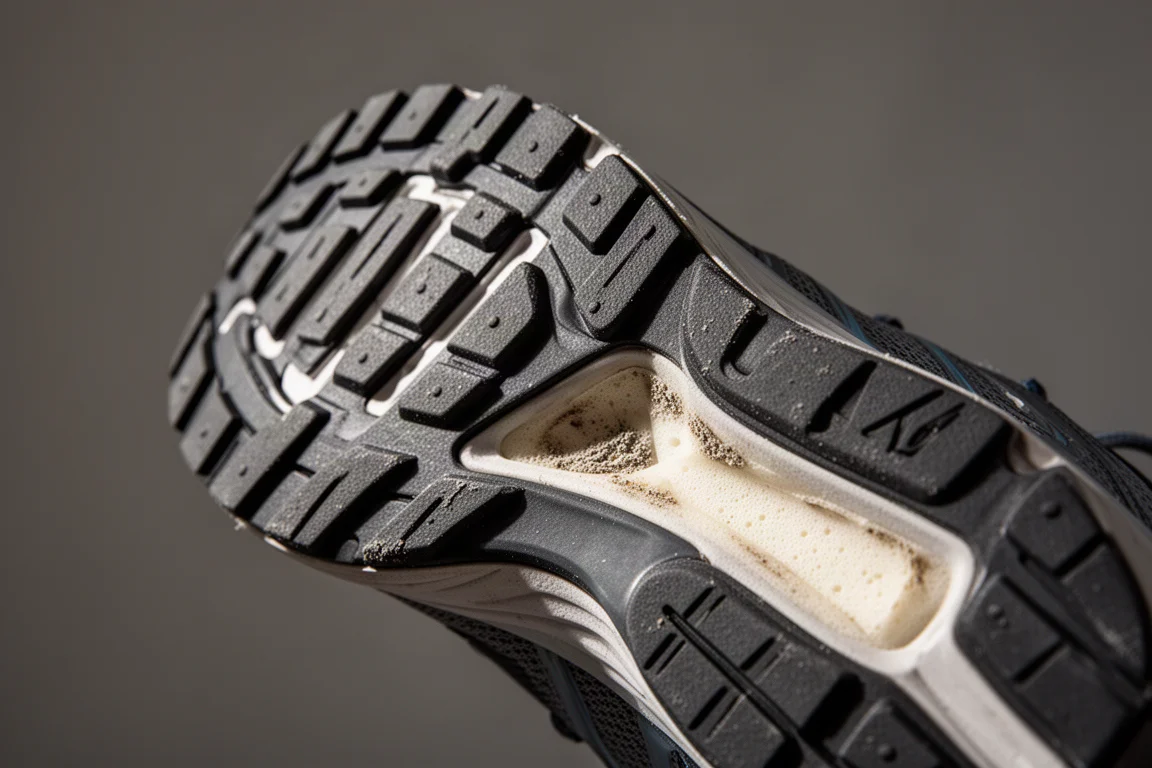
The Rad UFO’s rubber is surprisingly thick too, though some exposed midsole areas show rubbing after roughly 100 km, so durability there is worth keeping an eye on, especially if you supinate slightly. It is not a dealbreaker, but the Puma has the edge here.
Which Should You Buy?
For most runners, the Rad UFO is the pick. It is lighter, bouncier, softer and simply more fun to run in at any pace, and it doubles as both an all-rounder and a cushion shoe. The extra £20-30 over the Puma is easy to justify given how much more the foam gives back. If you are not put off by bold colourways or a pronounced rocker, this is the one.
The MagMax Nitro 2 makes sense if you want a straightforward, reliable max-cushion daily trainer that will eat up miles with good grip and a touch more stability. Just do not expect it to surprise you.
Conclusion
The Rad UFO is the more versatile and more enjoyable shoe, with standout foam that justifies its price for a newer brand. The Puma MagMax Nitro 2 is a solid, comfortable workhorse that does the basics well, but the UFO’s bounce and speed win this comparison for all but the most dedicated easy-pace runners.
Further reading
Related Reviews

Running Shoes
Best Road-to-Trail Running Shoes: Three Versatile Options for Mixed Terrain
A practical guide to three road-to-trail running shoes that handle both pavement and mild trails, with clear strengths and trade-offs for different runner types.

Running Shoes
Best Running Shoes for Achilles Tendonitis: Three Options Explained
Three running shoes with different heel drops and support features designed to help reduce Achilles tendon pain during walking and running.

Running Shoes
Best Running Shoes for Women: Five Top Choices Ranked
A ranked guide to five women's running shoes, from versatile daily trainers to high-performance racing options, with real strengths and trade-offs for each.