Running Shoes
RAD UFO vs Nike Vomero Plus: Two Bouncy Trainers, One Clear Split
A super trainer with a knack for pace or a max cushion daily trainer? We compare the RAD UFO and Nike Vomero Plus across design, fit, ride, and value.
Introduction
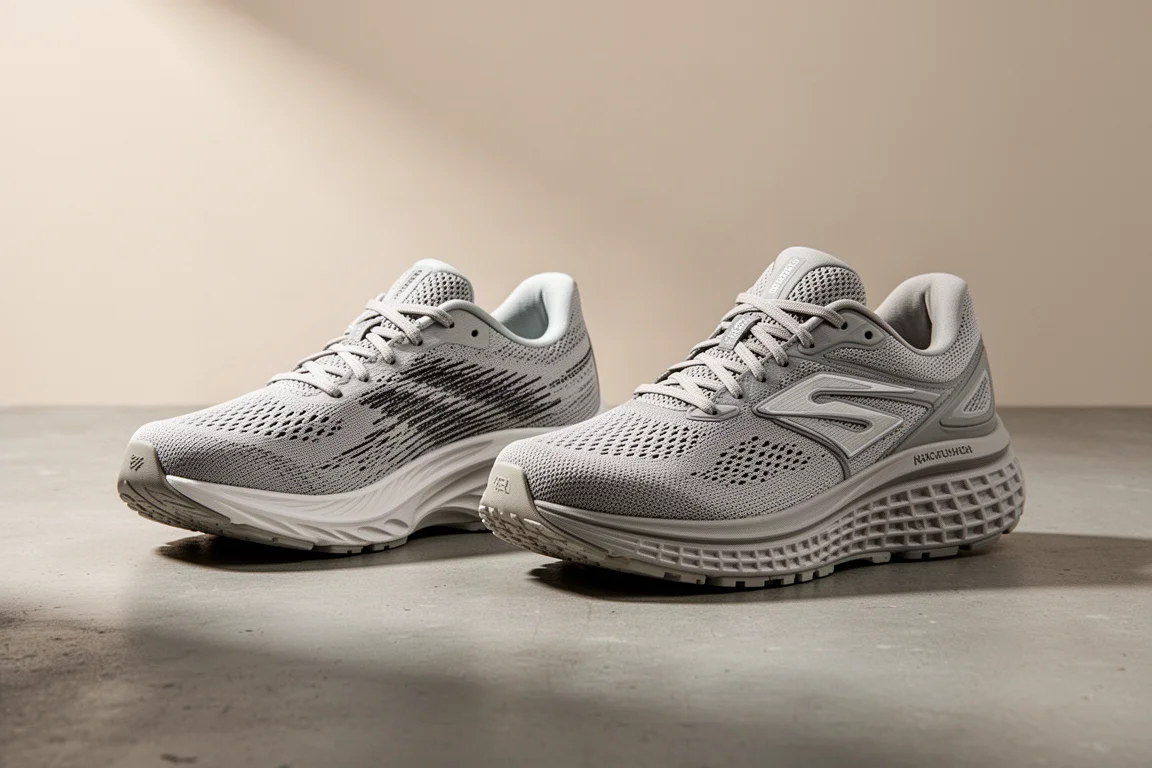
Some running shoe pairings make comparisons easy, and this is one of them. The RAD UFO and the Nike Vomero Plus are both delightfully bouncy trainers that sit close enough in price and purpose that many runners will end up choosing between them.
They are not identical shoes, though. The Vomero Plus leans towards being a straight cushion shoe, designed mainly for easy efforts. The UFO positions itself as a versatile super trainer all-rounder with a bit more speed in its legs. Both have been genuinely fun to run in, so the question is less “which is good?” and more “which fits your running?”
Specs at a Glance
The UFO is the more expensive shoe at £180 or $200, while the Nike Vomero Plus comes in at £155 or $180. On the scale, the UFO is a fair bit lighter: 267 g (9.4 oz) in a UK 9 / US 10, against 300 g (10.6 oz) for the Vomero Plus in the same size.
Cushioning numbers flip that story slightly. The Vomero Plus carries more stack: 45 mm at the heel and 35 mm at the forefoot for a 10 mm drop. The UFO runs 42 mm at the heel and 34 mm at the forefoot, an 8 mm drop.
Design and Midsole Technology
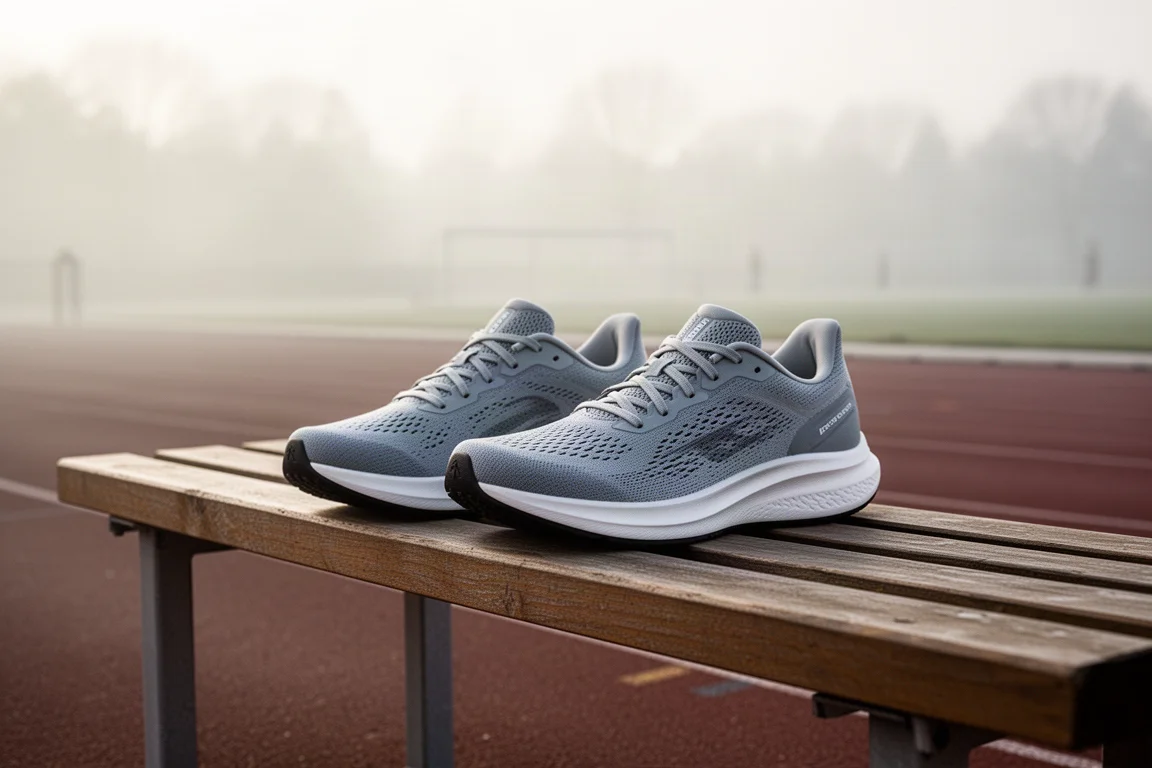
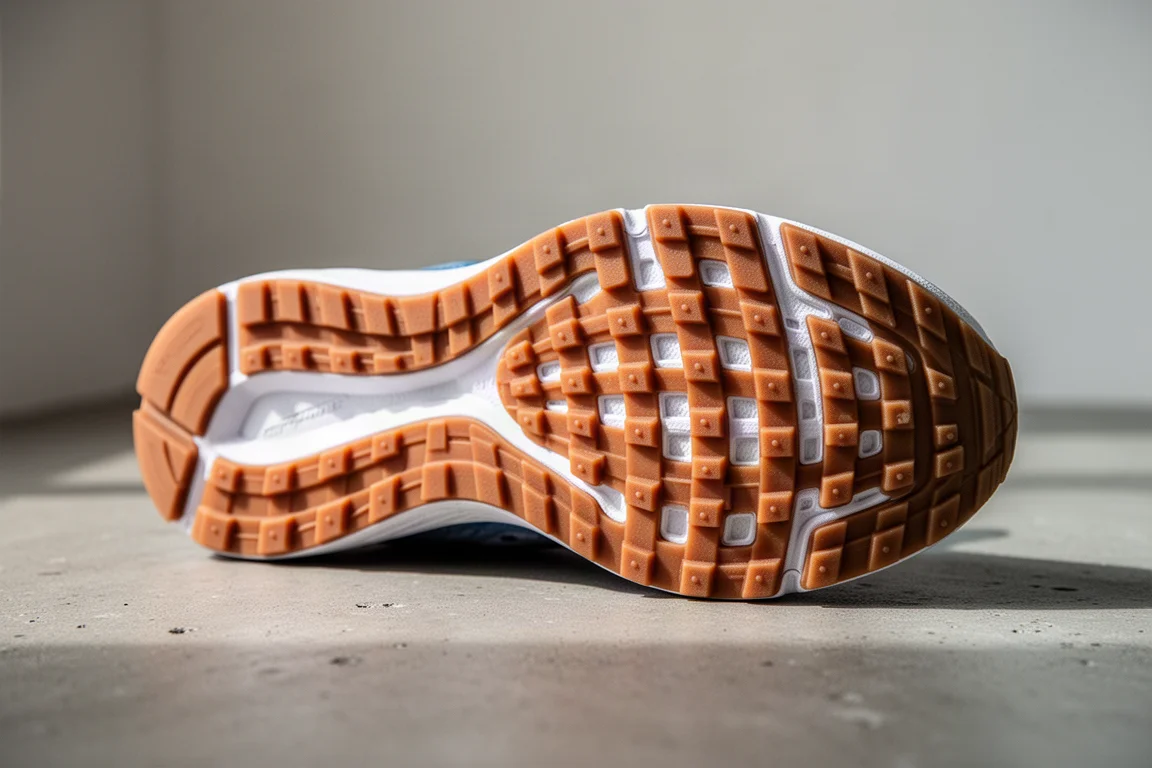
The Nike Vomero Plus uses a mesh upper with generous padding on the tongue and collar, exactly what you would expect from a big max cushion shoe. Underfoot sits Nike’s ZoomX foam, a springy material tuned here for maximum comfort and bounce. One real plus point: a waffle tread outsole covers nearly the entire bottom of the shoe. That full coverage is part of why it weighs a bit more than the UFO, but it pays off in durability.
The RAD UFO counters with a warp mesh upper that still manages plenty of padding, including a notably thick tongue, impressive given how lightweight the shoe is. Its midsole is a dual-density super foam (PB) setup that is really bouncy, paired with a more pronounced rocker design than the Vomero Plus. Outsole coverage is good, with most of the forefoot and heel covered, though not quite as extensive as the Nike’s.
Fit and Sizing
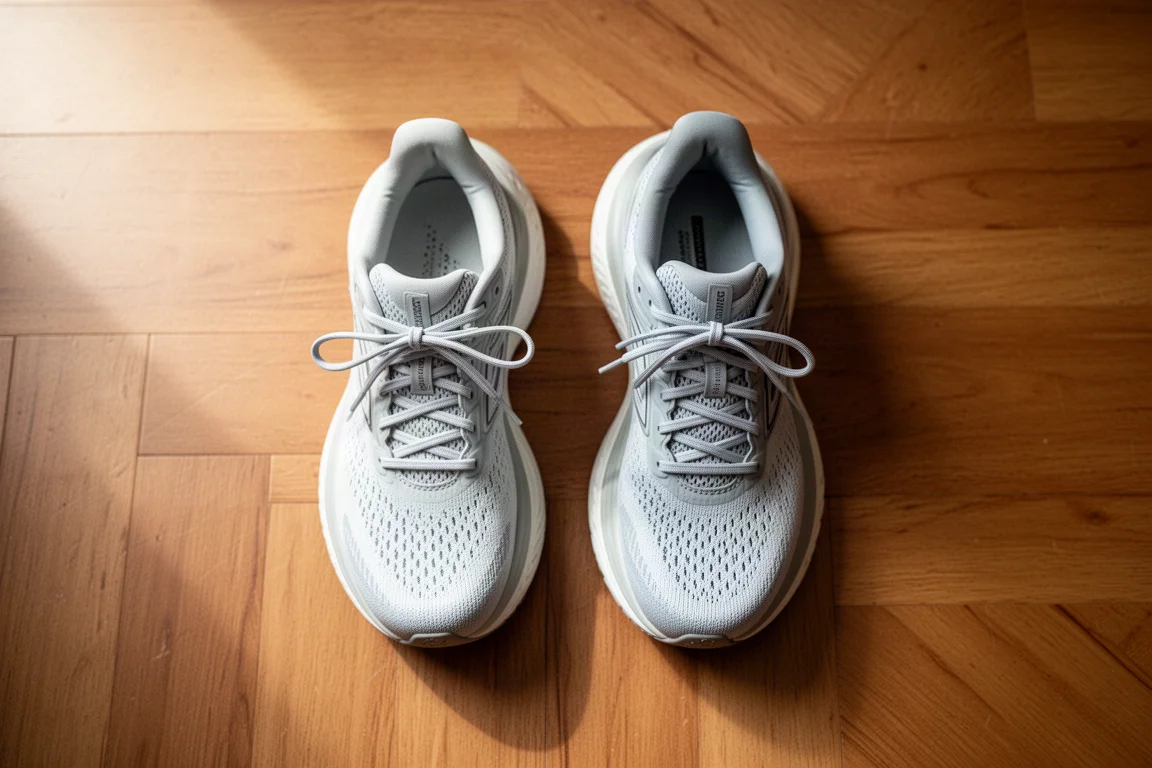
Both shoes fit true to size in testing, and the advice is simple: stick to your normal size. In a UK 9 / US 10, both offered good room around the toes and a very comfortable heel and midfoot, with no movement or slippage.
There is a lot of padding on the tongue and collar in both. If you run somewhere hot, that could start to feel a little oppressive, especially in the Vomero Plus. In cooler autumn and winter conditions, both were comfortable throughout.
Ride and Performance
Bounce is the first word that comes to mind with both shoes. From the very first stride through to the last, both retain their bounce remarkably well. On long runs especially, where some foams start to feel compressed by kilometre 15 or 16, these two kept giving energy back the whole way.

The UFO skews more towards speed. It is lighter, has the rocker geometry that nudges you onto the forefoot, and simply works better for fast running. A threshold-effort 10K at around 3:45 per kilometre pace, on the second run of a double day in the cold, felt very comfortable. It is not quite a flat-out track workout shoe, and it is not as peppy as some lighter super trainers on the market, but it is exceptionally versatile: genuinely comfortable at easy paces with real pace on tap.
The Vomero Plus has a more relaxed, supportive ride built for daily training. It is not the rocket shoe the UFO is, but thanks to its soft foam it handles the transition to the forefoot nicely and carries plenty of bounce there. For a big cushion shoe, it is surprisingly capable at faster efforts, though the UFO is still the better pick for that. Both feel fairly stable, but the Vomero Plus is a bit more so, with slightly less inward rolling. The UFO alone never raised concerns thanks to its wide sections under the heel and forefoot.
Durability and Outsole
This is where the Vomero Plus earns a small edge. Its fuller outsole coverage and the ZoomX foam in this form look set to last a lot of miles, following the comfortable longevity of earlier max cushion Nike models. The super foam in the UFO is more untested on that front; no problems have surfaced yet, but the Nike’s durability case is a bit more proven, and Nike shoes also tend to appear in sales more often, which softens its price further.
View more details for Nike Vomero Plus
Which One Should You Buy?
If you want an all-rounder that handles a wide range of daily training, a lot of speed work, maybe even racing, the UFO is better equipped. It is lighter, faster, more rocker-shaped, and still very comfortable at easy paces. It is arguably the slightly more impressive shoe overall, and one of the best options for a second rotation shoe below a racer but above a cushion shoe, especially for long tempo runs.
If you are filling a cushion shoe slot in a rotation and want maximum comfort for easy and long runs, the Vomero Plus is the slightly better option: more supportive, very comfortable, better outsole, and a stronger durability track record. You could even run both, using the Vomero Plus as your pure easy run shoe and doing everything else in the UFO.
Conclusion
You cannot really go wrong with either of these. They are both great, really fun to run in, and among the bounciest trainers around. Want more versatility and speed? Go for the RAD UFO. Want a slightly more supportive, stable shoe for easy miles at a friendlier price? The Nike Vomero Plus just edges it.
Further reading
Related Reviews

Running Shoes
Best Road-to-Trail Running Shoes: Three Versatile Options for Mixed Terrain
A practical guide to three road-to-trail running shoes that handle both pavement and mild trails, with clear strengths and trade-offs for different runner types.

Running Shoes
Best Running Shoes for Achilles Tendonitis: Three Options Explained
Three running shoes with different heel drops and support features designed to help reduce Achilles tendon pain during walking and running.

Running Shoes
Best Running Shoes for Women: Five Top Choices Ranked
A ranked guide to five women's running shoes, from versatile daily trainers to high-performance racing options, with real strengths and trade-offs for each.