Running Shoes
RAD Synth Review: A Traditional, Pace-Friendly Daily Trainer
The RAD Synth pairs a denser EVA and TPE blend midsole with a pared-down upper, making it a nimble, stable option for runners who like a firmer ride.
Introduction
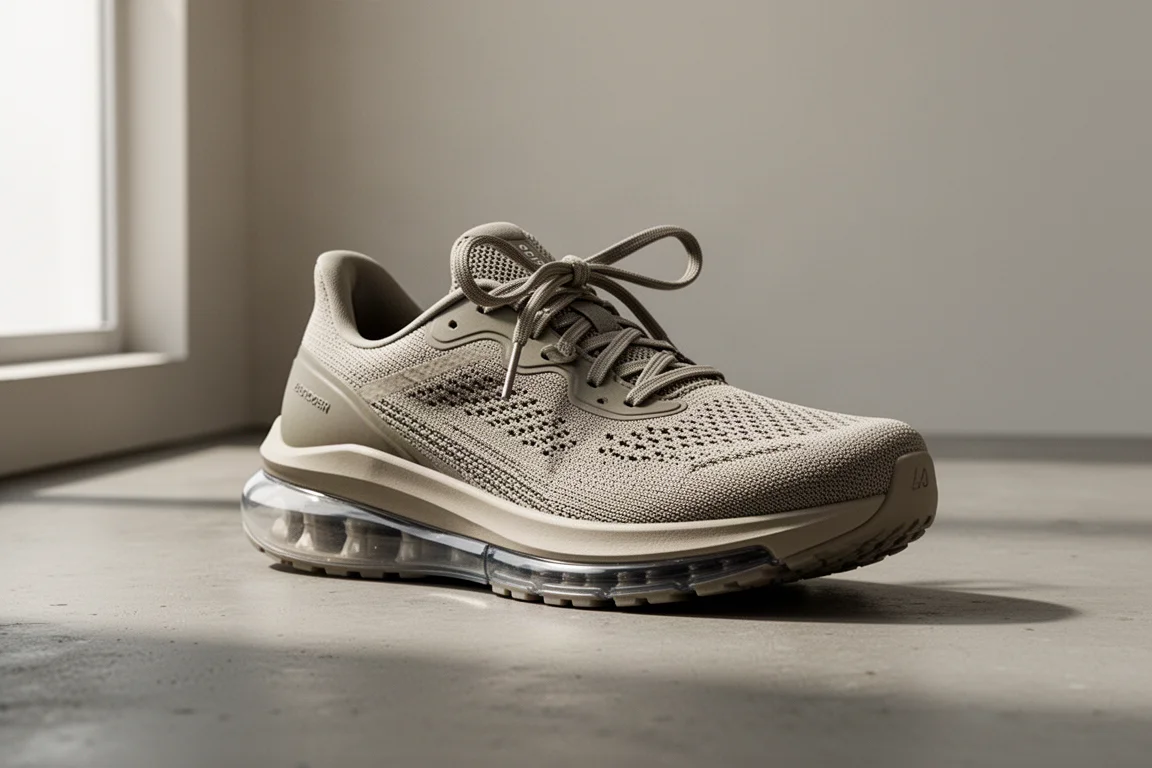
The RAD Synth sits at the opposite end of the spectrum from the brand’s more experimental UFO model. Where the UFO went bold, the Synth is a narrower, lighter shoe with a barebones upper and a firmer, denser ride. In practice, it reads as a close competitor to the Adidas Evo SL, with a very similar midsole stack, comparable forefoot and heel widths, and a similar firmness in the foam. Like that shoe, it is a pace-friendly trainer that rewards consistent use.
For a UK 11 or US 12, the Synth weighs in at 273 g or 9.6 oz, with around 232 g or 8.2 oz expected for the sample size. Measured heel stack comes to roughly 40 mm with about 34 mm up front, giving a 6 mm drop; the sample size runs about 38 mm at the heel and 32 mm at the forefoot. It is a slightly narrower shoe, especially in the heel, with measurements closely matching the Evo SL.
Who This Shoe Is For
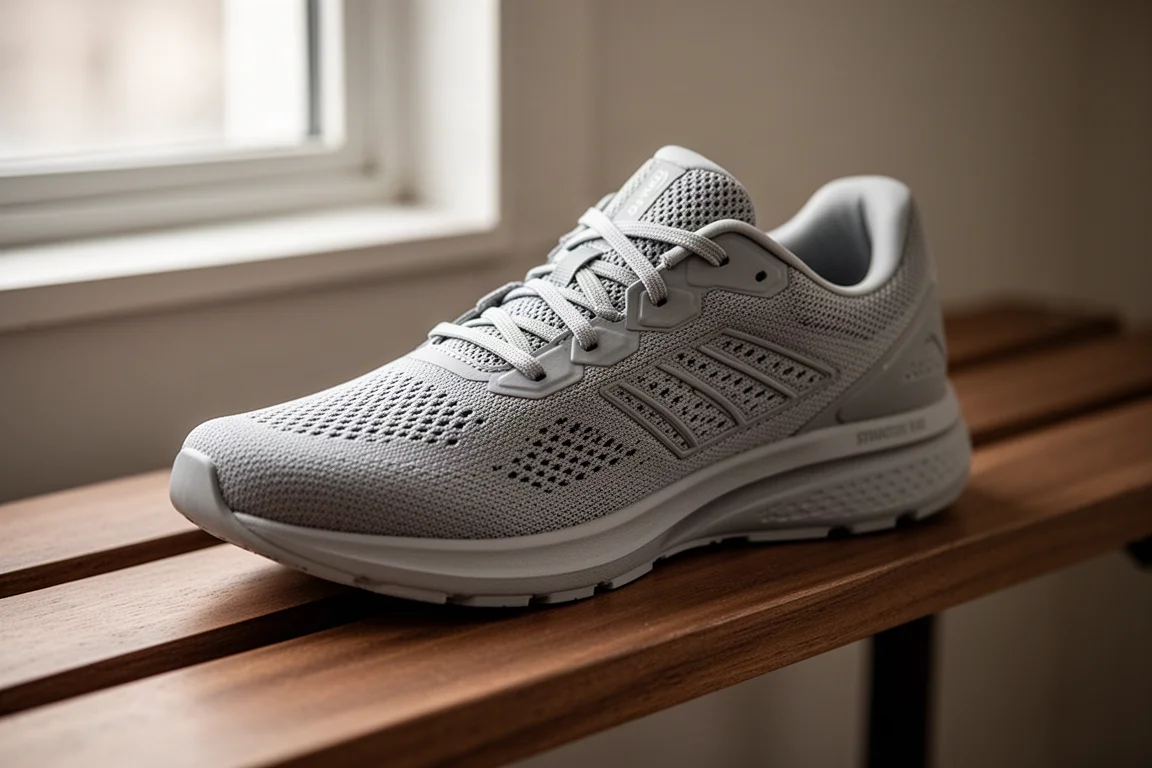
If you are a bit of a traditionalist, the Synth will likely appeal. Almost every aspect of the upper is pared down: minimal padding on the tongue, just enough in the centre section to prevent lace bite, short flat laces that keep pressure off the foot and do not flap about, and just about enough length for a runner’s knot if that is your preference. The mesh itself is a slightly different weave that gives the shoe more structure, with overlays at the eyelet areas for added durability.
Sizing runs true to size, and while the shoe looks narrow, the interior is not cramped. There is decent room in the toe box, and it suited normal to slightly narrower feet without excessive lace cinching. Even in warm conditions around 22 to 23°C, the upper stayed breathable enough. The trade-offs are modest: some minor bunching at the initial eyelet area, and anyone who wants lots of padding and packed-in features should look elsewhere. A standard heel counter and a few reflective elements round out a sleek, traditional profile.
Midsole: Dense, Responsive, and Stable
The midsole foam is a blend of two materials: an EVA element and a TPE element combined to deliver good durability while keeping the shoe light. It is a denser material than the super foam used in the UFO, and the durometer score sits around 32, very similar to Lightstrike Pro, with the rubber slightly softer at about 58. Lower numbers mean softer material here.
On the run, the Synth feels more stable than the UFO and noticeably more responsive, with a connected-to-the-road sensation reminiscent of early Nike React in shoes like the Zoom Fly Flyknit. There is a nice pop from the forefoot at toe-off, and the ride stays composed at pace without ever feeling mushy or wobbly. The heel flares out somewhat for good stability despite the narrower base, so it may even suit runners with mild stability requirements.

The foam does need breaking in; it seems to improve the more you use it, and the gentle rocker and denser feel encourage you to pound it into the floor. At faster efforts, including reps and intervals, it performs well, and it could even work as a track shoe. It is probably a shorter-range shoe, though, lacking the softness or step-in feel of max-cushion models, and it is too firm to serve as a recovery shoe for most people.
Outsole: Broad Rubber Coverage and Real Durability
The outsole has a good spread of transparent rubber with very little exposed foam, and the rubber stretches far back into the heel, which bodes well for longevity. The lugs are not deep, but small cutouts occasionally trap gravel and grit in the rear section; a hard bristle brush liberates it easily.
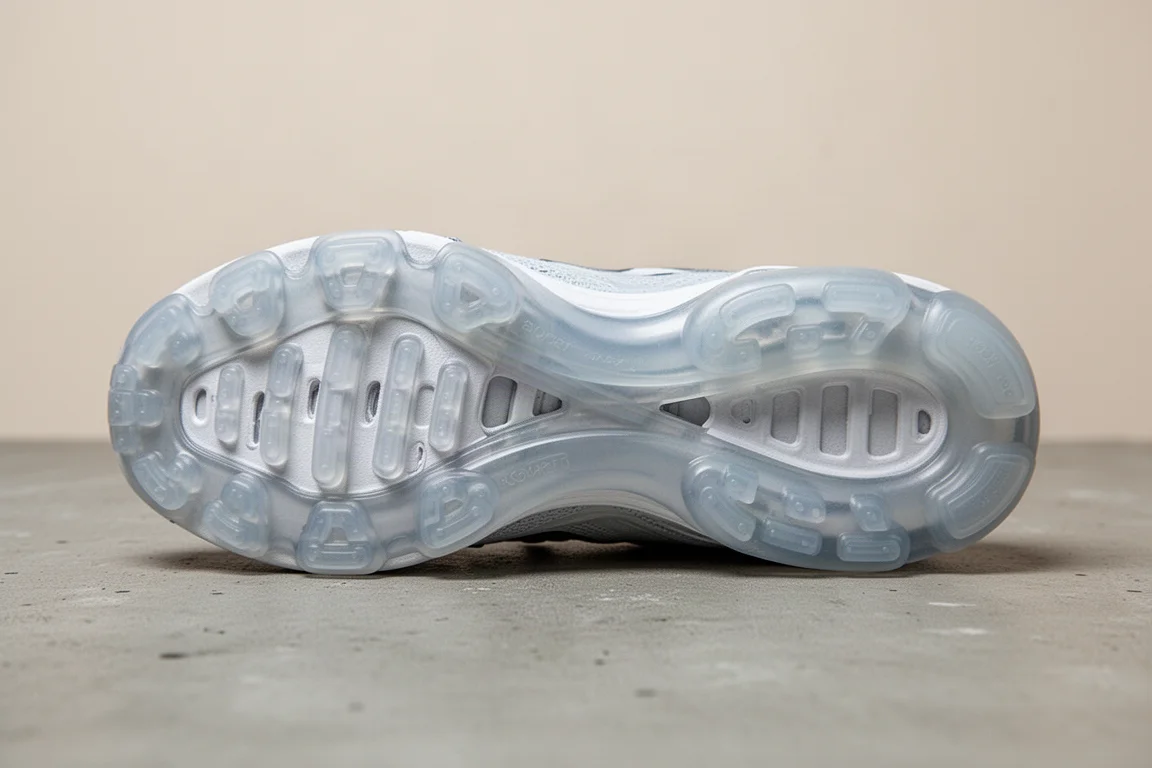
Grip on road and pavement is really great, and runs over gravel left no damage to the exposed foam. Because the shoe is not built on a very soft compressive foam base, the rubber should hold on well over the long term, unlike some softer-based shoes where outsole rubber peels away quickly. Expect considerable miles from this build.
Value and Verdict
The Synth retails for about £120 in the UK, but discounts frequently bring it under £100, and at that price it is really good value given the amount of rubber and the potential for long-term durability. Build quality is good out of the box, and it operates exactly as an everyday shoe from RAD should: it looks good and does its job. Scoring across the upper, midsole, outsole, and value categories after the initial runs lands at a strong 10.7 out of 12, with 2.7 out of 3 for the upper, 2.6 for the midsole, 2.7 for the outsole, and 2.7 for value.
It is not as soft as something like the Puma Velocity Nitro 4, and sits closer to a pace-orientated model that quietly pushes you to run faster than you planned. Forefoot runners and those wanting a slightly more controlled landing should get on especially well.

Buying Advice
Pick the Synth if you want a light, nimble daily shoe under 275 g that doubles as a steady-run and faster-effort trainer. It works at any effort level, handles conservative paces fine, and gives a stable, controlled ride at faster speeds. Skip it if you prioritise soft compression or a plush step-in feel; those runners will be better served elsewhere. Anyone weighing it against the Evo SL should note the very similar measurements and ride, with the Synth’s eyelet bunching being one of the few differentiators. A future update with a touch of softer foam in the forefoot for extra pop would be a welcome follow-up.
Conclusion
The RAD Synth is a well-built, traditional daily trainer with a dense, responsive midsole, a durable outsole, and a pared-down upper that suits runners who prefer substance over bells and whistles. It needs some break-in miles and will feel too firm for those chasing soft cushioning, but for pace-orientated runners after a stable, versatile, long-lasting shoe, it is an easy recommendation, particularly under £100.
Product link
View more details for RAD Synth
This product is mentioned in the review. Check the specifications, options, and compatibility before buying.
View more details for RAD SynthFurther reading
Related Reviews

Running Shoes
Best Road-to-Trail Running Shoes: Three Versatile Options for Mixed Terrain
A practical guide to three road-to-trail running shoes that handle both pavement and mild trails, with clear strengths and trade-offs for different runner types.

Running Shoes
Best Running Shoes for Achilles Tendonitis: Three Options Explained
Three running shoes with different heel drops and support features designed to help reduce Achilles tendon pain during walking and running.

Running Shoes
Best Running Shoes for Women: Five Top Choices Ranked
A ranked guide to five women's running shoes, from versatile daily trainers to high-performance racing options, with real strengths and trade-offs for each.