Running Shoes
Rad Synth Review: A Solid, No-Drama Daily Trainer
The Rad Synth is a lightweight, firmer-riding daily trainer that handles steady mileage and up-tempo running well, without ever feeling exciting.
Introduction
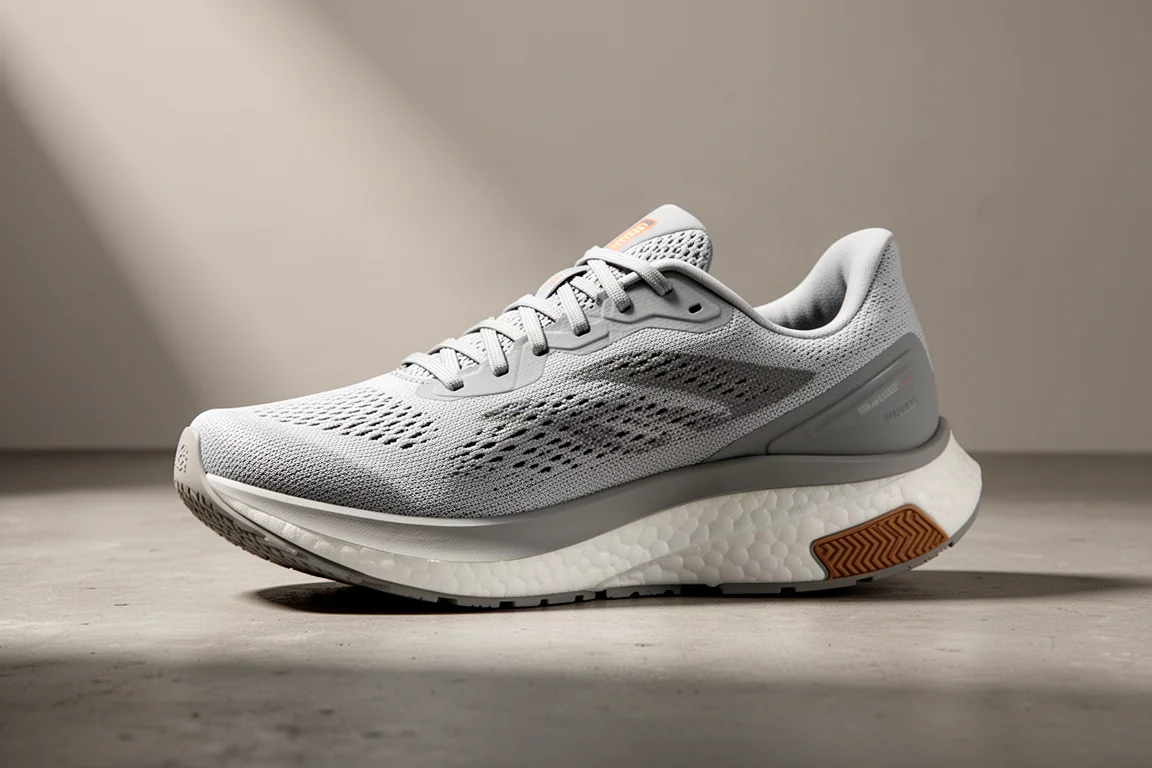
The Rad Synth costs £120 or $140, weighs 248 g (8.7 oz) in a men’s size 8, and has a 6 mm drop. Positioned as a do-it-all daily trainer, it is built around a supercritical foam midsole blending TPE with 40% bio-based EVA, an engineered mesh upper, and a sticky herringbone rubber outsole. After roughly 25 to 50 km of testing across easy miles, steady runs and faster sessions, the verdict is consistent: this is a solid, competent daily trainer that does the basics well but never truly stands out.
Who the Rad Synth Is For
This is a shoe for runners who want a lightweight, stable, reliable workhorse for day-in, day-out mileage. It runs like a very good shoe from a few years back, before super bouncy foams took over the daily trainer category. If you like a firmer ride with good ground connection under the forefoot, a snappy rather than trampoline feel, and a stable platform you can clip along in, the Synth fits that brief nicely.

It is less convincing for runners chasing a plush, bouncy ride. If the soft, energetic feel of shoes like the Asics Super Blast or Nova Blast is what you are after, this is a long way from that. It is also not the pick for track work or hard fartlek sessions, as the energy return is limited.
Fit and Sizing
Fit testers generally found the Synth true to size, though with a caveat. In standard sizing there is good heel and midfoot hold, a thin wrapping tongue with a lace-glide bump to lock down without pinching, and a comfortable medium-padded heel collar. The upper is unfussy and slipper-like, with a disappearing fit straight out of the box.
The toe box is the main point of contention. Some testers found it a little snug and suggested going half a size up if you want extra room for longer runs, while others with average-width feet found it roomy across the forefoot and midfoot with extra wiggle room. If you value toe space or plan longer efforts, it may be worth trying both your usual size and a half size up.
Ride and Performance
The Synth’s midsole is firmer than most shoes in its category, with more softness in the heel than under the forefoot. The foam engages quickly and bites back on landing, creating a snappy, controlled response with modest spring. It is not uncomfortable, and the firmer feel stays consistent from first run to the last.
Where it shines is moderate and up-tempo paces. It comes alive when you pick your feet up with a higher turnover, working well in tempo runs and mixed-pace progression runs. Short bursts of speed feel good thanks to the light weight and firm platform. At genuinely easy paces it feels more awkward, and it lacks the cushioning for very long or very slow miles. Runs up to around 10 to 15 km were fine, but it is not the first choice for anything beyond that at easy effort.

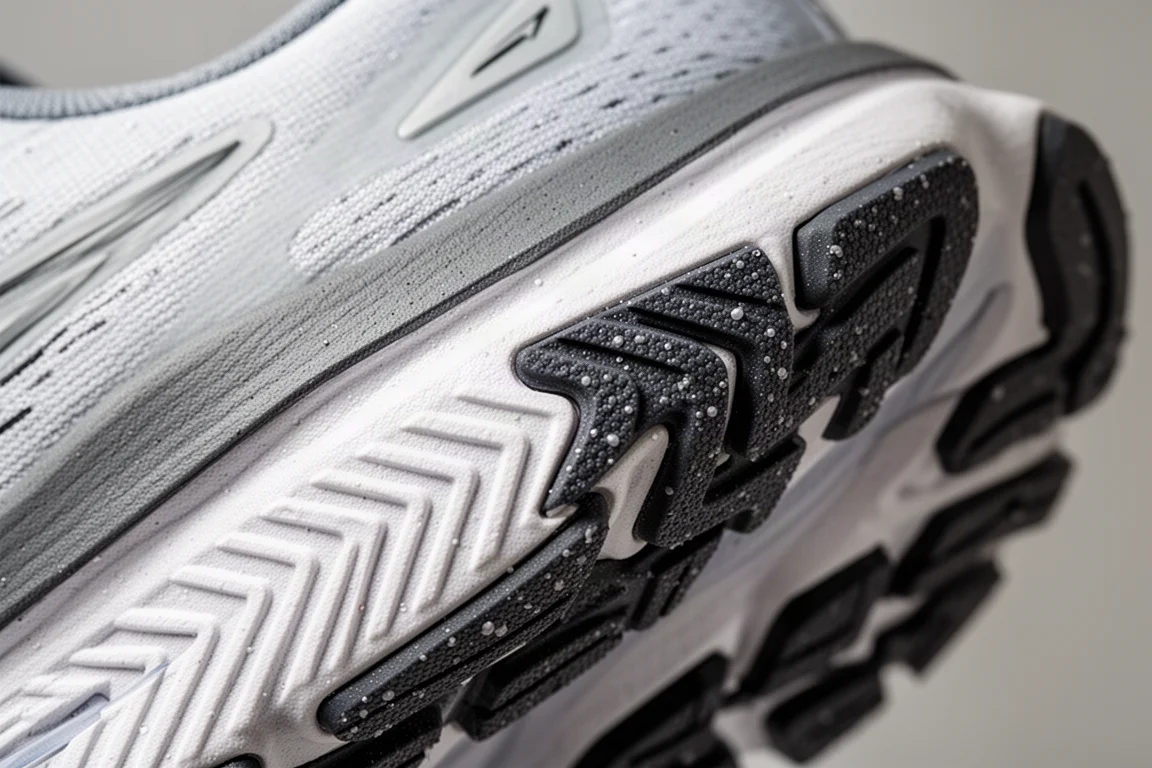
The outsole uses a sticky, textured rubber compound in a herringbone pattern, with reinforced coverage at the forefoot and heel. Grip was solid on dry roads and pavements, and even dependable on wet days. It could probably handle lighter trails. Durability looks standard for the category, with no clear wear signs during testing.
Things to Consider Before Buying
The biggest trade-off is the ride character. The Synth is not a bad shoe, but it is a tame one. Compared with similarly priced rivals such as the Adidas Evo SL, Hoka Mach 6 or 7, Puma Velocity Nitro 4 and New Balance Rebel v5, it offers a more traditional, less dynamic ride. Within the Rad range, the pricier UFO uses a more exciting foam and delivers a bouncier, more enjoyable experience across the same kinds of runs.
On the plus side, stability is a genuine differentiator. Many lightweight daily trainers do not offer the naturally stable, secure platform the Synth provides, and it transfers well to gym use thanks to its low profile. It is also well priced for what it delivers.
Buying Advice
If you prefer a firmer, snappier, more traditional daily trainer and you like the price, the Rad Synth is a good fit for you. It does what it sets out to do: reliable, stable, comfortable daily mileage with enough snap for tempo work, all in a lightweight and good-looking package.

If you want a more exciting ride, the alternatives are worth the slightly higher investment. The Evo SL, Hoka Mach 6 or 7, Puma Velocity Nitro 4, New Balance Rebel v5 and Saucony Endorphin Speed all offer more across the pace range. And if you are set on Rad, the UFO is the more memorable shoe in the line-up.
Conclusion
The Rad Synth earns a solid-but-not-remarkable stamp. It ticks an impressive number of boxes: stable, comfortable, light, consistent, decent grip and a fair price. It will not wow you, but it will not annoy you either. For runners who want a dependable daily trainer and do not mind a firmer ride, it is an easy recommendation. Everyone else should weigh the livelier competition first.
Product link
View more details for Rad Synth
This product is mentioned in the review. Check the specifications, options, and compatibility before buying.
View more details for Rad SynthFurther reading
Related Reviews

Running Shoes
Best Road-to-Trail Running Shoes: Three Versatile Options for Mixed Terrain
A practical guide to three road-to-trail running shoes that handle both pavement and mild trails, with clear strengths and trade-offs for different runner types.

Running Shoes
Best Running Shoes for Achilles Tendonitis: Three Options Explained
Three running shoes with different heel drops and support features designed to help reduce Achilles tendon pain during walking and running.

Running Shoes
Best Running Shoes for Women: Five Top Choices Ranked
A ranked guide to five women's running shoes, from versatile daily trainers to high-performance racing options, with real strengths and trade-offs for each.